






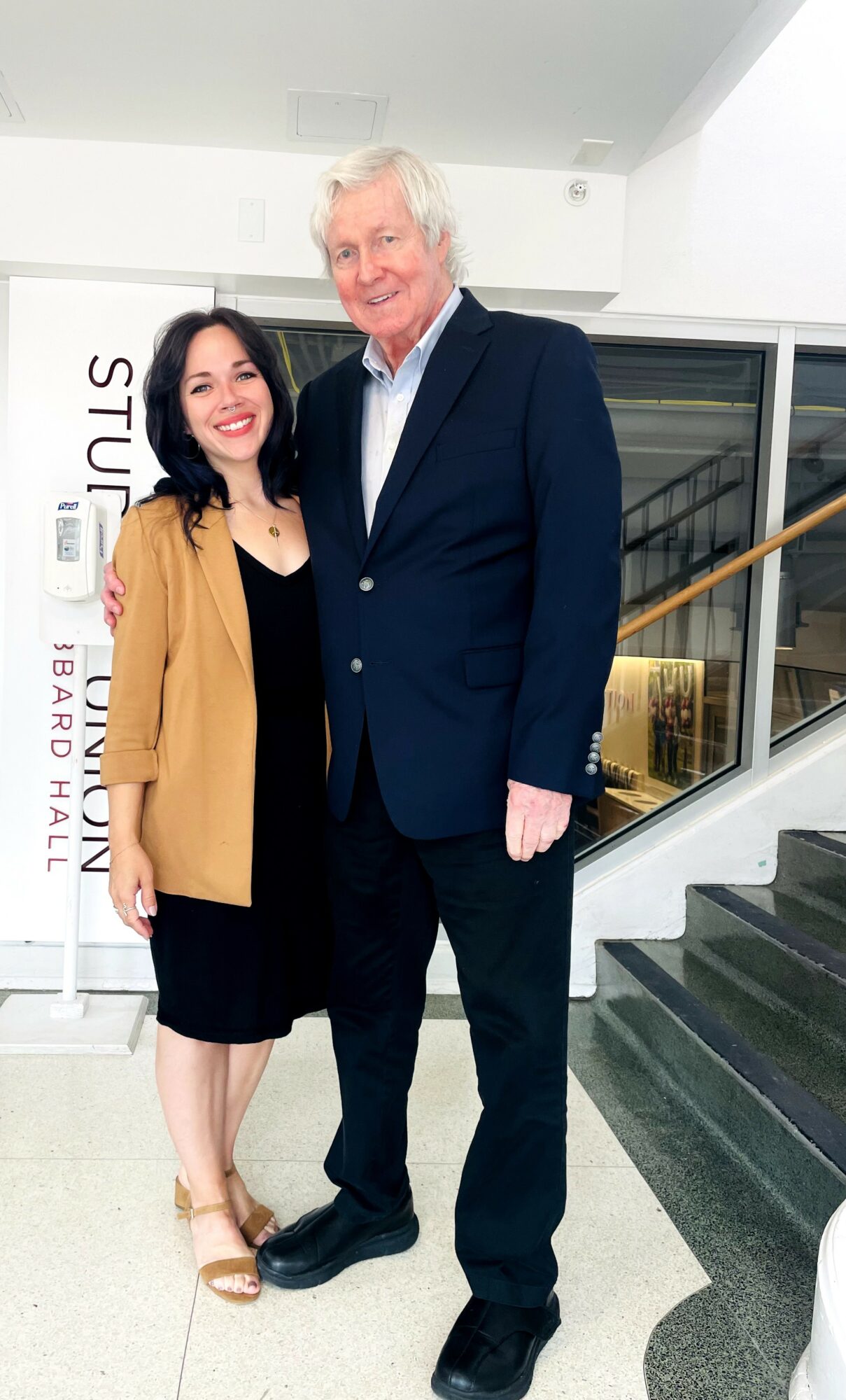
Today we’d like to introduce you to Monica Alfaro Rodriguez.
Hi Monica, we’d love for you to start by introducing yourself.
What an honor it is to be part of this project—stories are magic, and I’m grateful to be a single thread in the fabric you’re weaving.
I was shaped by exile long before I had a word for it. As a Puerto Rican woman born on the mainland United States, I’ve always inhabited the quiet tension of being both within and outside an empire. That doubleness—equal parts belonging and displacement—never left me. It drew me to political theory not just as a field of study, but as a way to survive the world with a modicum of clarity. My academic journey began at Texas Woman’s University, where Dr. Timothy Hoye mentored my first explorations into political theory and the kinds of questions that never let you go. I later earned a PhD in Humanities: History of Ideas from the University of Texas at Dallas, deepening my work on the intersections of exile, myth, and political memory.
Today I teach and write from that threshold—between the philosophical and the poetic, the personal and the structural. I carry Plato, Hannah Arendt, and Khalil Gibran into every classroom, their voices echoing through the dialogues I create with my students. I see thought itself as an act of liberation: I teach not to hand down answers, but to awaken the questions that unsettle and transform. Whether we’re examining sovereignty, language, or the longing beneath every revolution, I want my students to feel the stakes of thinking—not merely as an academic exercise, but as a way of remembering, of returning to themselves. That devotion to the exiled, the questioning, and the yet-to-be-imagined threads through everything I do.
Can you talk to us a bit about the challenges and lessons you’ve learned along the way. Looking back would you say it’s been easy or smooth in retrospect?
No—thankfully, no. I don’t think smooth roads build the kind of voice I needed to grow into. My path has been long, uneven, and often quietly daunting. I began my doctoral program at the University of Texas at Dallas in 2012 and didn’t finish until June 2021. In that time, we relocated, and I gave birth to two children—Levi in 2014 and Luna in 2017—while teaching at Texas Woman’s University and community colleges, and trying to build a safe life with my husband, Isai. It was a demanding, often isolating road and time. I even entered final grades from the maternity room after delivering my daughter, IV beeping in the background and all. I worked through postpartum, pumped during breaks in bathrooms on campus, and homeschooled both kids alongside graduate coursework, and a global pandemic! It was an era!
Honestly, the doctoral program nearly broke me. I didn’t write for a long time after finishing. I couldn’t. Academia can do that—it can make you forget your softness, your value outside of recognition and publication, the ever elusive tenure… And I am a soft person. But we endure. I carry that experience with me into everything I do—not as a badge of resilience, but as a quiet kind of truth. Life hasn’t been easy. But no one’s is. What matters is how we shape the small and large hurts, chip them and ourselves into something and someone who contributes something better than what we’ve been given.
Thanks for sharing that. So, maybe next you can tell us a bit more about your work?
I teach political theory, but mostly, I try to create a space where people can think clearly and speak truthfully about the world we live in. My work sits at the intersection of philosophy, politics, and story—examining how power moves through language, how inherited ideas shape our sense of possibility, and how ordinary people wrestle with structures that often feel immovable.
I begin each semester focused on one particular question, and then we go from there. What does it mean to live in a world shaped by decisions we didn’t make, but are now responsible for? I often frame the term with a reflection on Plato’s Republic, not as a perfect text, but as the moment when Western political thought turned toward the question of justice as something that must be imagined before it can be built. That spirit guides my teaching. I don’t offer answers—I offer conditions for thought. What sets my work apart, I think, is the way I ask students to stay with complexity, to think ethically, and to resist the temptation to turn away when the questions get hard.
The part that makes me proud belongs to my students. They show up curious, tired, brave, impatient, and still willing to risk saying what they truly think. Watching them discover that rigorous thought can live alongside real kindness is an amazing reward. If there’s anything distinctive about my teaching, it’s a stubborn faith that clarity and compassion are not opposites, and that critique is valuable only if it helps us carve out room for something better.
What matters most to you? Why?
What matters most to me is living gently alongside my values, the truth, and supporting the kind of world I want my children to grow up in. I’m a mother before anything else. That role deepened my sense of care, sharpened my sense of justice, and made everything more real.
I believe in gentleness as a form of resistance. In asking honest questions. In staying soft, even when the world demands something colder. I teach, I write, and I raise my children with the hope that thoughtfulness can still shape the world—and that love, when lived with integrity, can be its own quiet form of activism.
Contact Info:
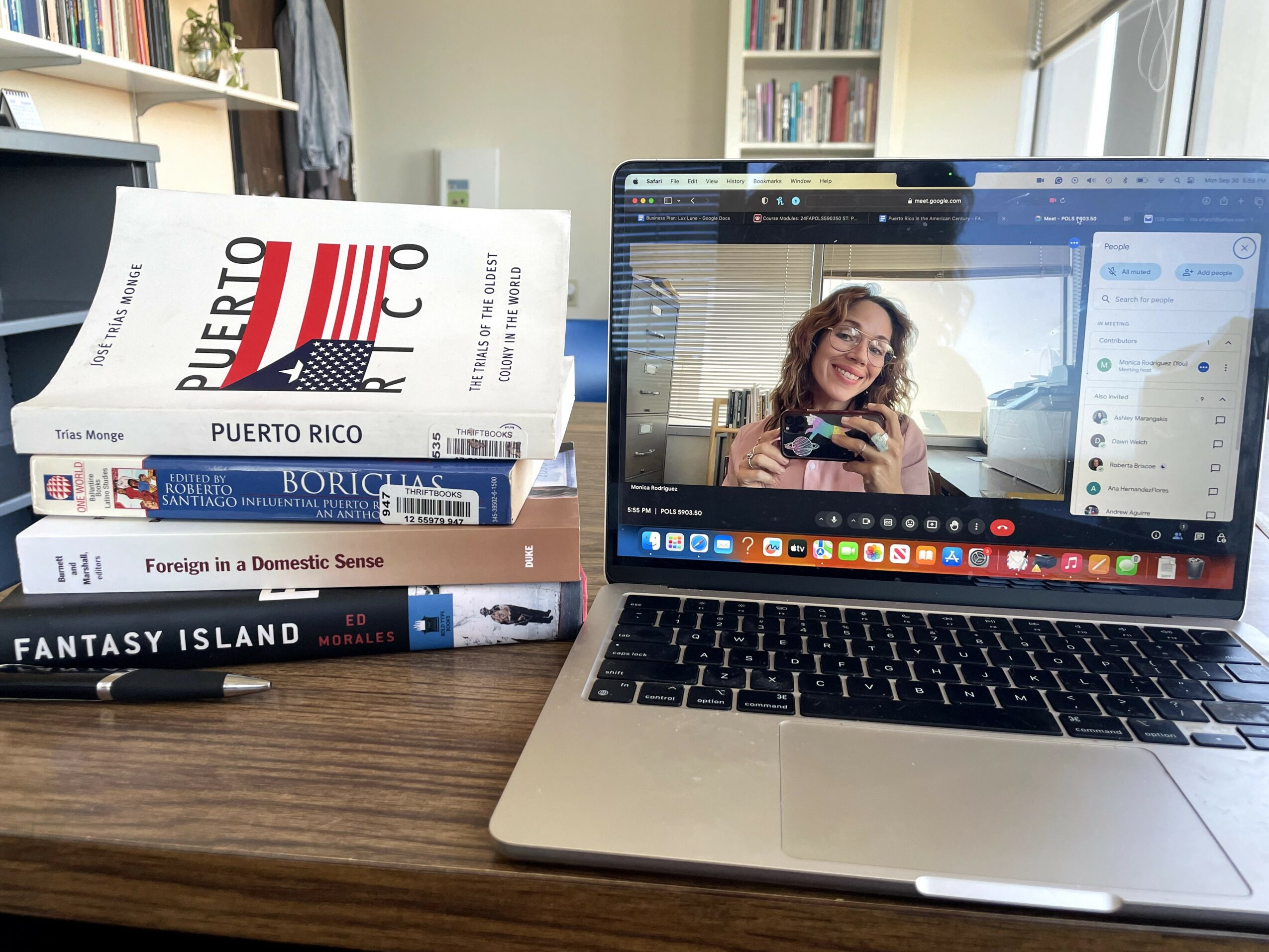
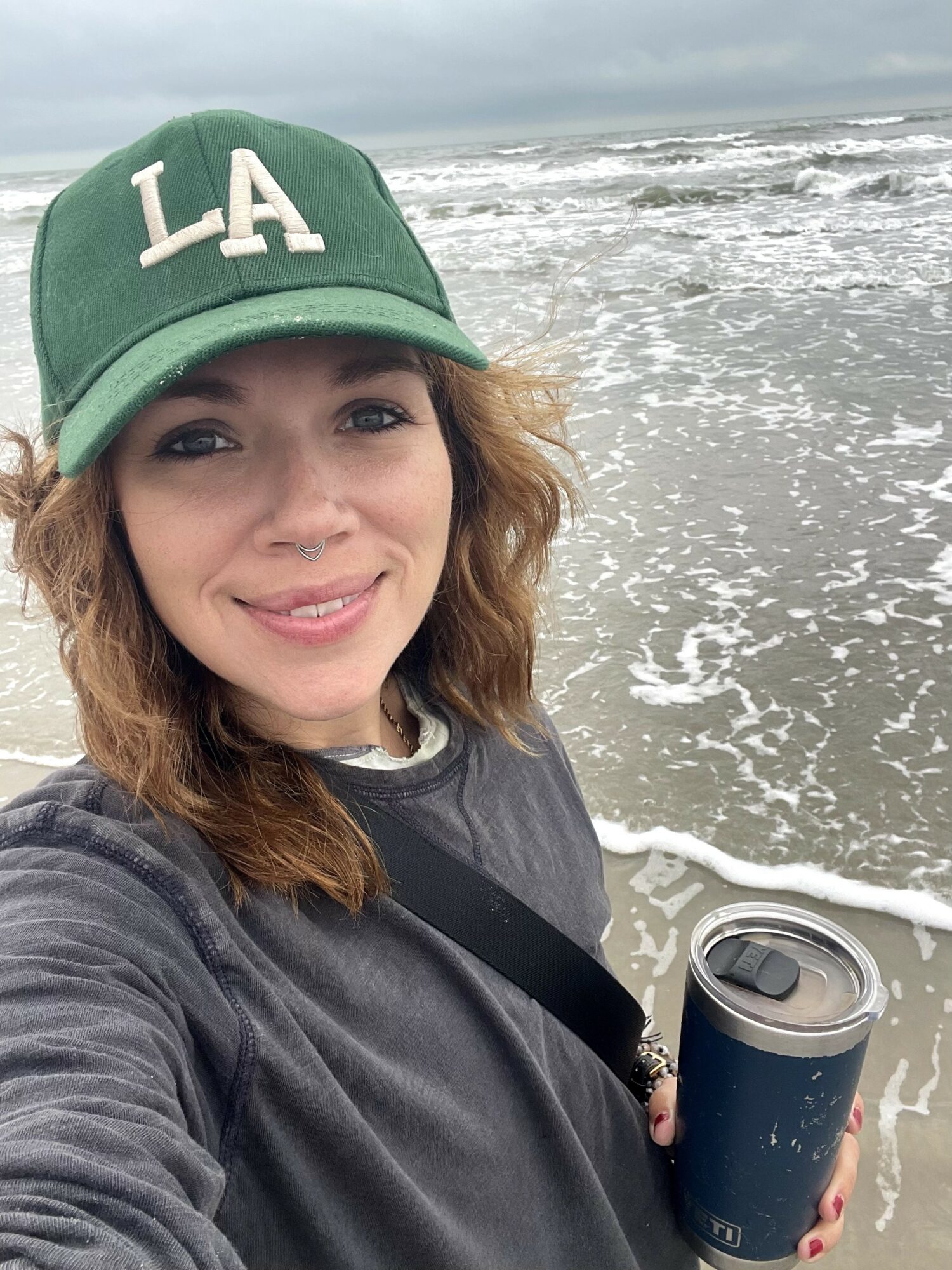
Image Credits
I’m not sure I have any photos that would be relevant, or any of me teaching. Please only include the ones you think best…I didn’t have many to choose from.