






Today we’d like to introduce you to Tyson Shepherd.
Hi Tyson, we’re thrilled to have a chance to learn your story today. So, before we get into specifics, maybe you can briefly walk us through how you got to where you are today?
I started drawing before I could read. I was a quiet, pouty little kid. I would frown if someone looked at me for too long. My best friends were cartoon characters. Around the age of 4, I decided that I wanted to represent my favorite characters on paper — Winnie the Pooh, Bugs Bunny, Spongebob. I needed a version of these characters that felt tangible and real to me. I’d draw on the floor of my grandparents house in Mineral Wells, Texas during the summers I spent there. I’d draw on the lunch table at school. When I entered middle school, I started making comic books. I made hundreds of them. There wasn’t a day I wasn’t creating new stories. It’s funny because nobody actually read them, but just building a world for myself to exist in was something I couldn’t live without. I’ve always needed to create a world of my own to exist in.
I’m 24 now. I never grew out of this. I’ve never had a personal studio of my own to work in. I’ve never owned an easel. I can paint anywhere. Especially on the floor. I paint with the cheapest paints possible. I don’t buy expensive supplies. I squeeze some paint out of the tube, and I don’t stop painting until there’s none left.
During high school I stopped focusing on art. I took art classes, but never cared enough to complete my assignments in a meaningful way. Maybe it was burn out. After graduation, it was time to decide what to study in college. I had spent the last four years of my life without a care in the world, but suddenly I was confronted with the reality of my future. I was really lucky during this time– it was miraculous the way things worked out. I was almost done taking my basic courses at a community college during the fall of 2019. A few months after my spring semester of college began, COVID made all classes virtual. I suddenly had a significant amount of time to rediscover my love for art. Once again, I found myself immersed in a world of my own– like when I was a kid. I would paint all day and night. I’d post my rough drafts, sketches, stop-motion animations, and finished paintings online. I loved feedback of any kind, and this time was truly where I honed my technical painting abilities. It was like COVID gave me the chance to confirm what was meant for me. Looking back, this was definitely the most carefree and fun time of my life.
I recently graduated from UTA with my BFA, and ever since then I’ve been going to galleries weekly and showing up to opening receptions as often as possible. I’m usually the youngest person in any room I walk into. People definitely look at me like “Who is this kid and why is he talking to me?”. There’s a huge game to be played, and the rules can seemingly only be learned from experience.
I paint because I want to make something no one has seen before. When you drive around and see nothing but warehouses, industrial sites, and corporate buildings, maybe you’ve imagined a reality where things are more fun and exciting. I want to create that world for people to escape into. I want to invite people to think about ideas that bring together seemingly contrasting concepts and simplify them to the point where they can be understood by both children and the elderly. My paintings are for everyone.
Can you talk to us a bit about the challenges and lessons you’ve learned along the way. Looking back would you say it’s been easy or smooth in retrospect?
Painting on a technical and emotional level is really easy. Coming up with ideas is pretty easy. Finding a way to gain an audience or expose yourself to the larger art world however, is extremely difficult. You have to find the balance between pandering and generalizing your work to be liked by a large audience, and maintaining your niche and creating what genuinely interests you. You need something strong to draw people’s interest, but not to the point where your work becomes homogenized or desperate. I’ve learned how important it is to go to art shows and opening receptions as often as possible. It’s apart of the job. I even made business cards to show people my website and portfolio. I’m not the most social person, so it really helps being able to just hand them out when I meet someone. The struggle of being an introverted person in a room full of people that might like your work, or even better– could provide an opportunity for you, can create unnecessary pressure. I don’t take it too seriously though. The art world takes itself serious enough as it is. I like to have fun with whatever I’m doing.
Thanks for sharing that. So, maybe next you can tell us a bit more about your work?
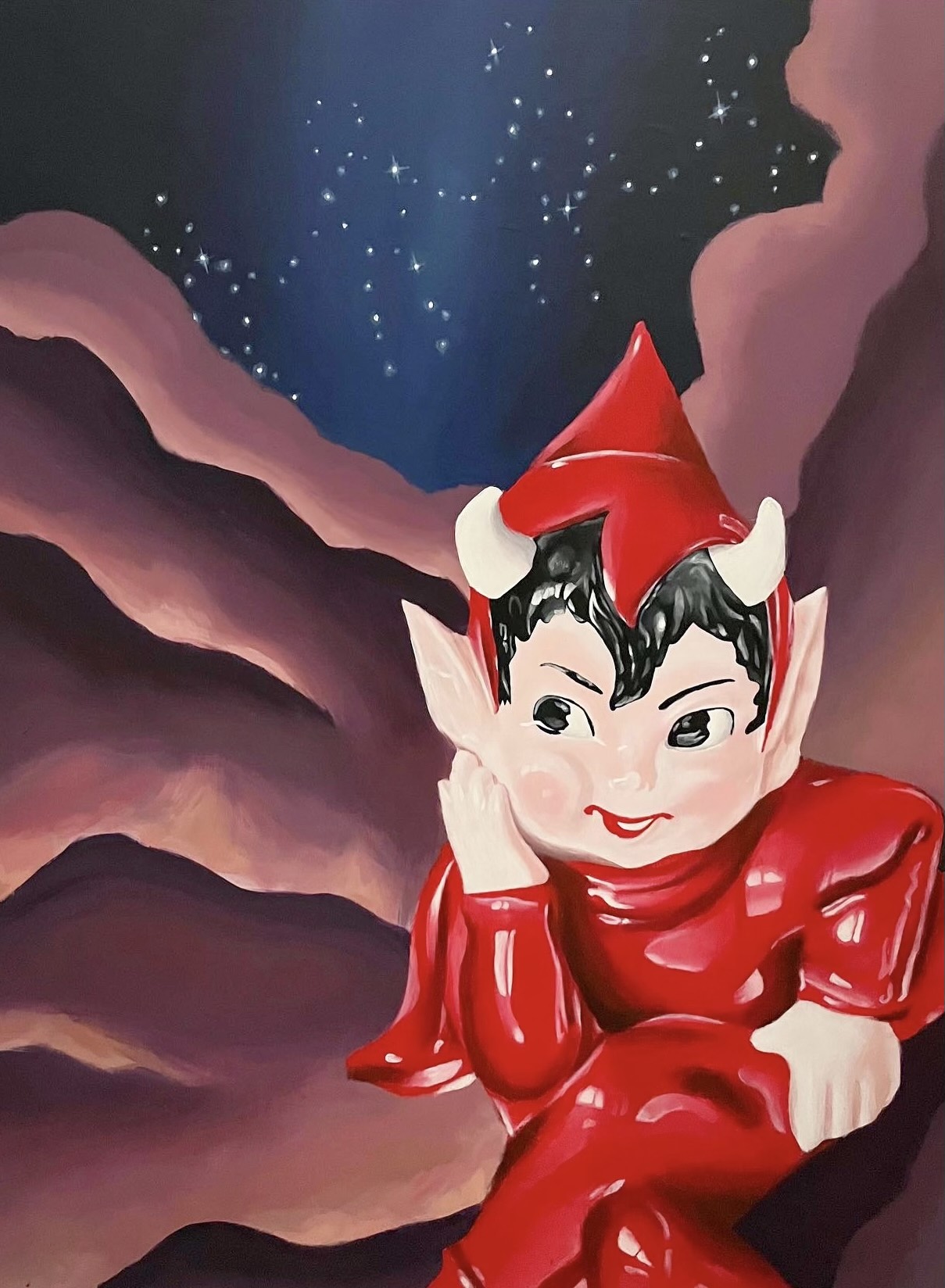
I’m an acrylic painter. My paintings are representations of my memories, ideologies, dreams and internalized feelings. They’re visual allegories derived from my lived experiences and observations. I focus on the highly-rendered, technical aspects of painting, and I often use cartoonish visual language to tell a story. I’m often pushed to create by things that make me uncomfortable, tense, or reflective. It’s important for me to become aware of those things and convey them in my work to better understand myself. I think they have my humor ingrained in them as well. Even some of the darker ones have a funny tone to me. I think about paintings as if they were songs. I want my paintings to be like really great pop songs with an underground influence. Like when Nirvana took over mainstream music in 1991 after the glam metal scene in the late 80s. After they released their album Nevermind, people were introduced to something so new and fresh, and they had such a powerful mainstream radio appeal, but their background was punk. I create my paintings with a similar intention.
My favorite painting, and the one I’m most proud of, is called “Over And Over Again”. It’s a painting depicting a dark forest with a giant beartrap and a smaller mousetrap inside of it. And sitting on the mousetrap, is a tiny thumbtack. Its creation was a culmination of feelings that had been swelling for a few months. I wanted to create a visual representation of what it feels like to act on your negative intuitions and thought patterns. Those destructive behaviors that may seem insignificant initially, but progressively become larger, more ominous, and eventually unalterable.
I think what sets any artist apart from another is their unique perspective. If you want to make something special or different, you have to have convictions and lived experiences to extract from.
How do you define success?
I want everyone in the world to see my paintings at some point. Success means I get to see people feel joy, curiosity, or wonder when they view my paintings. Especially kids. It also means financial stability that comes solely from my paintings. This means that success is not necessary for my contentment, because I’m happy just painting for myself regardless. Maybe that definition will change for me as I get older. I know I’ll always love painting.
If you’re interested in seeing all of my paintings, my website is tysonshepherdart.com
Thanks. 🙂
Pricing:
- My painting prices are always negotiable according to the budget of the buyer.
Contact Info:
- Website: https://tysonshepherdart.com
- Instagram: https://www.instagram.com/tysontherad
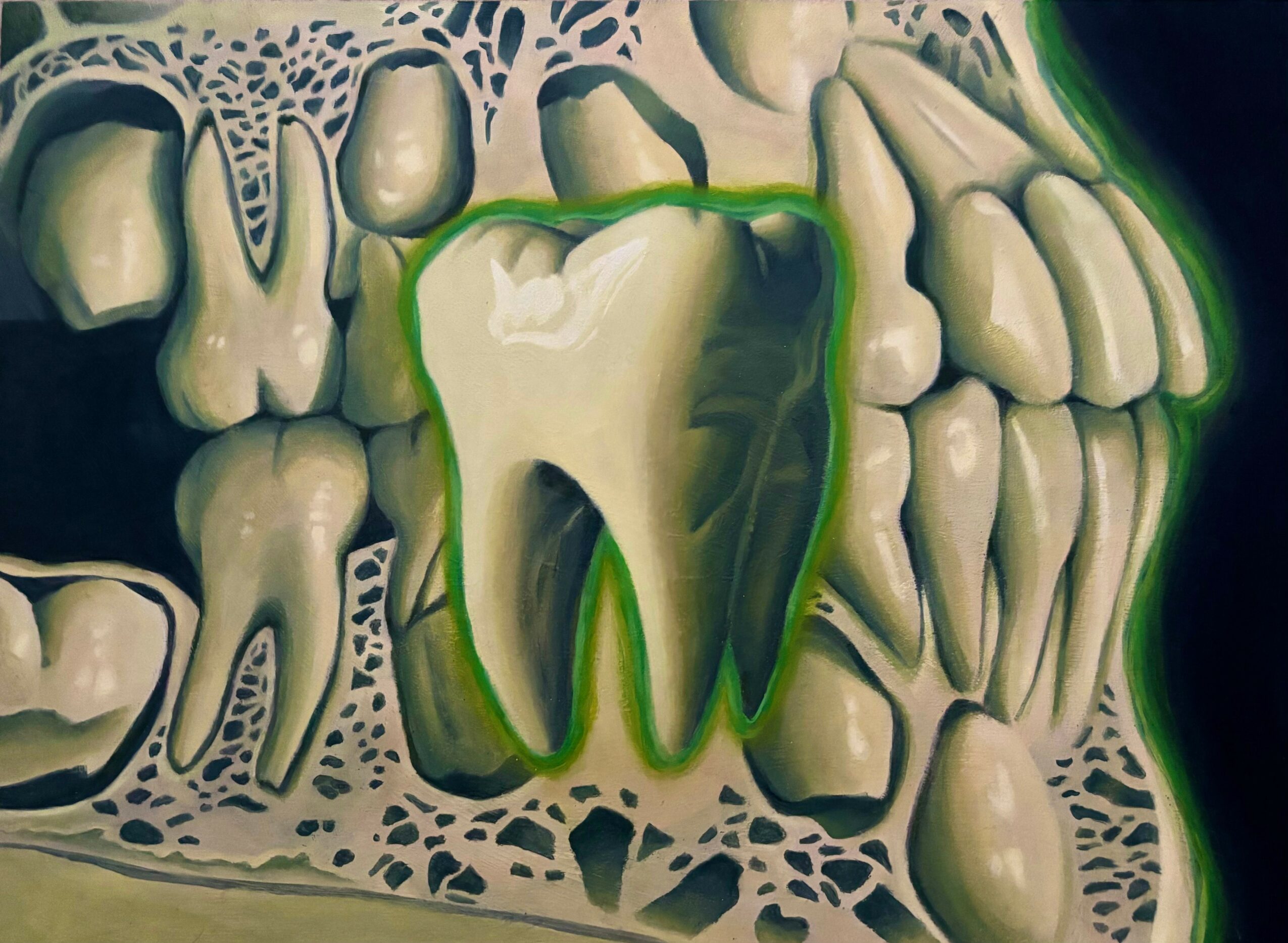
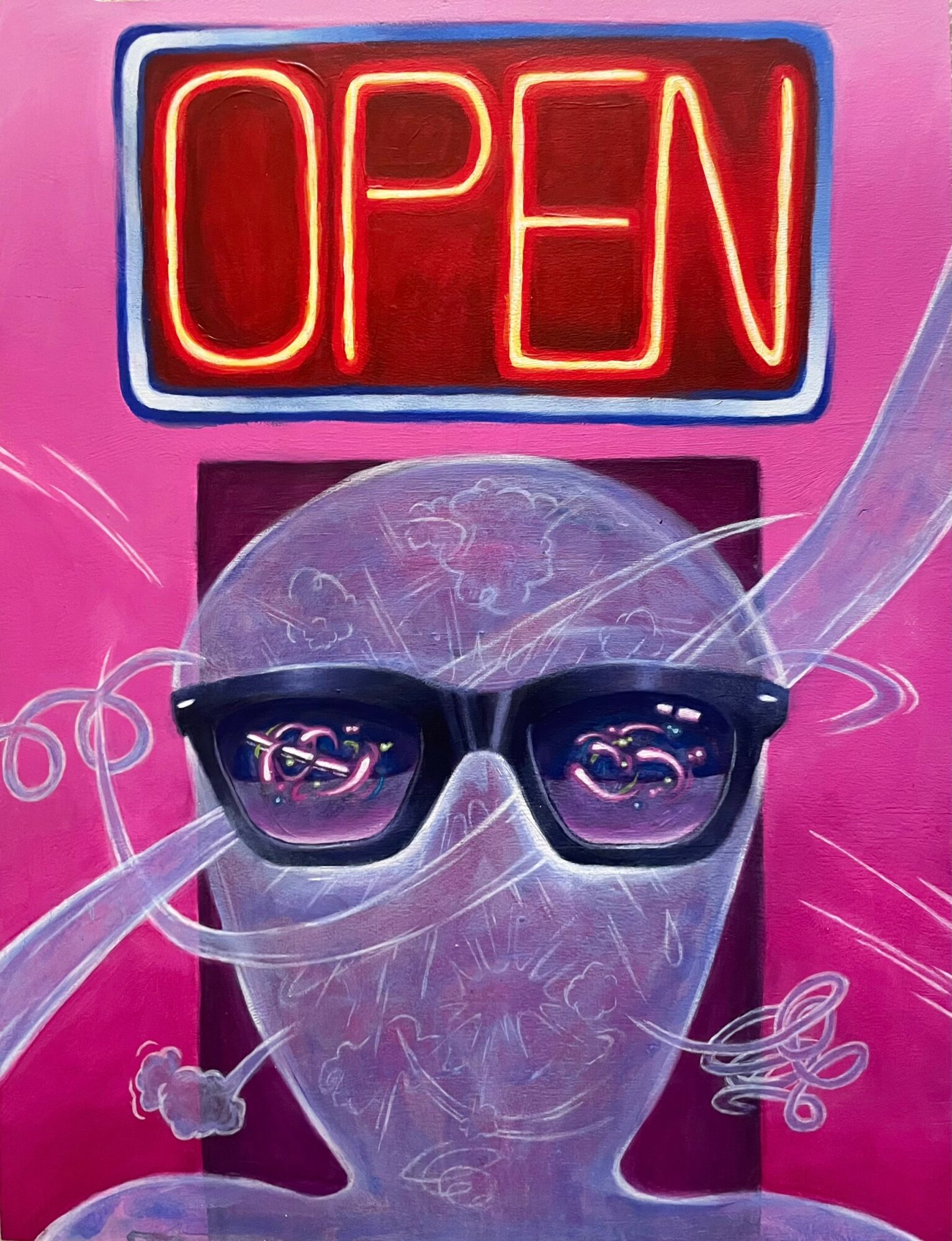
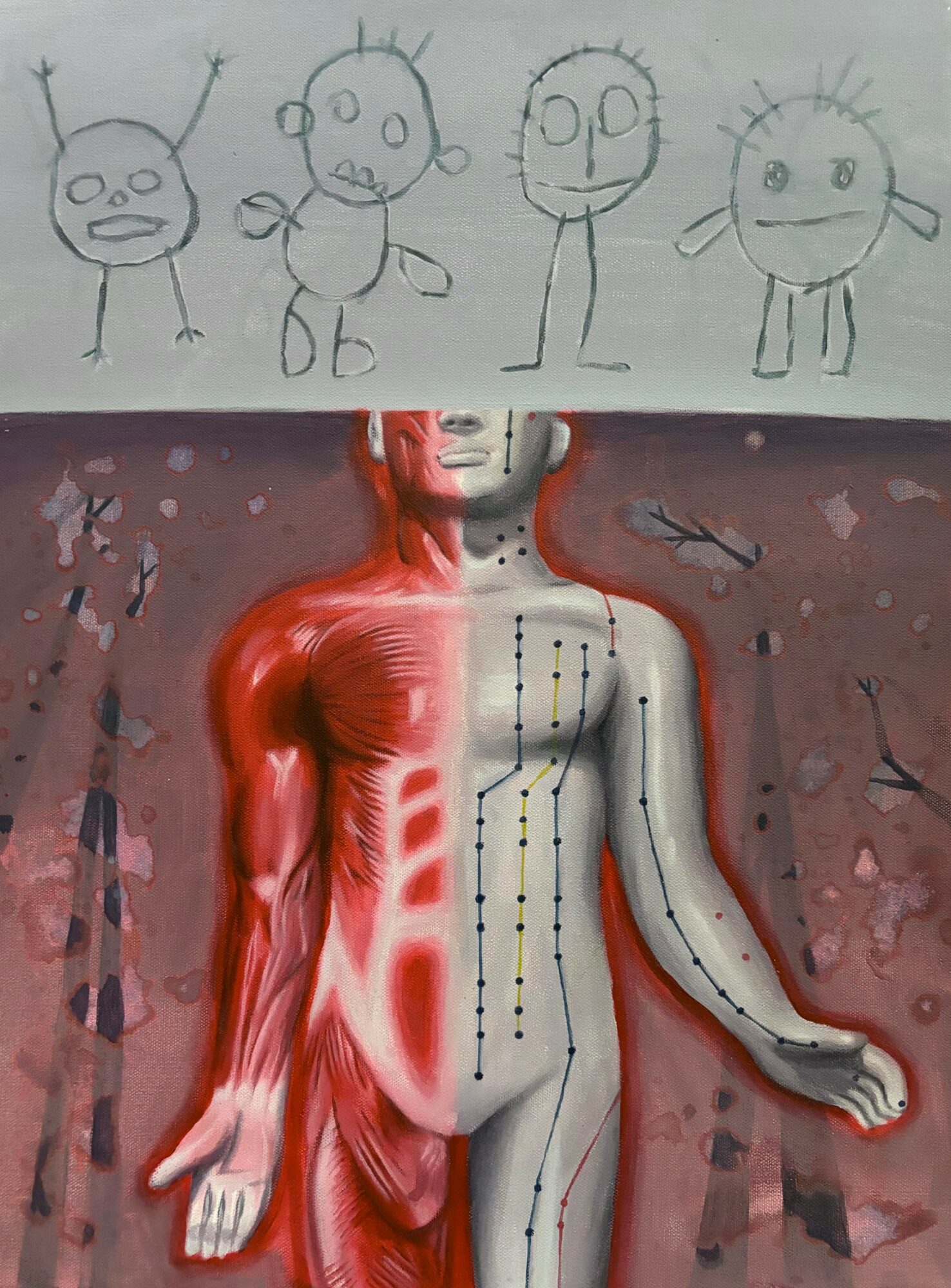
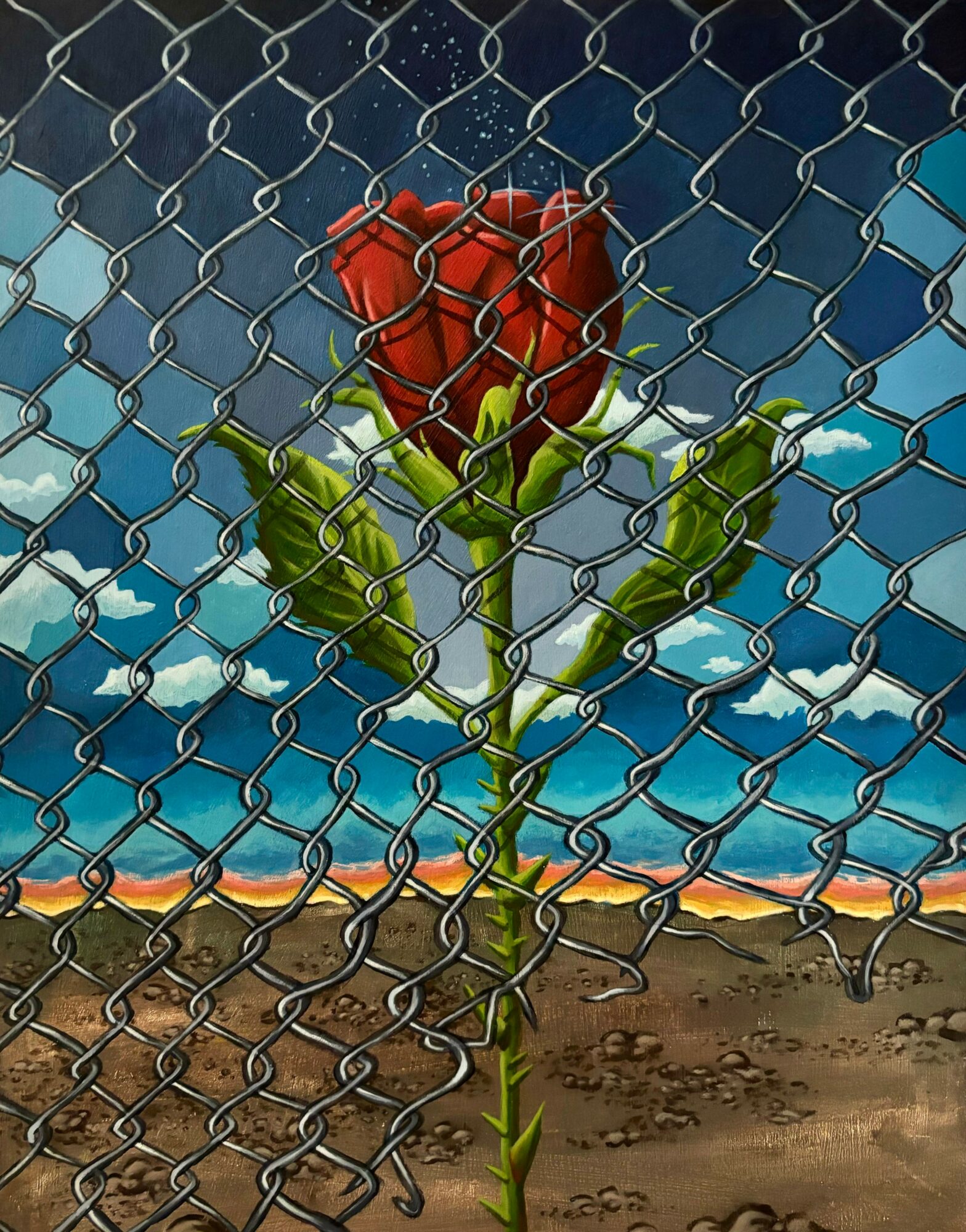
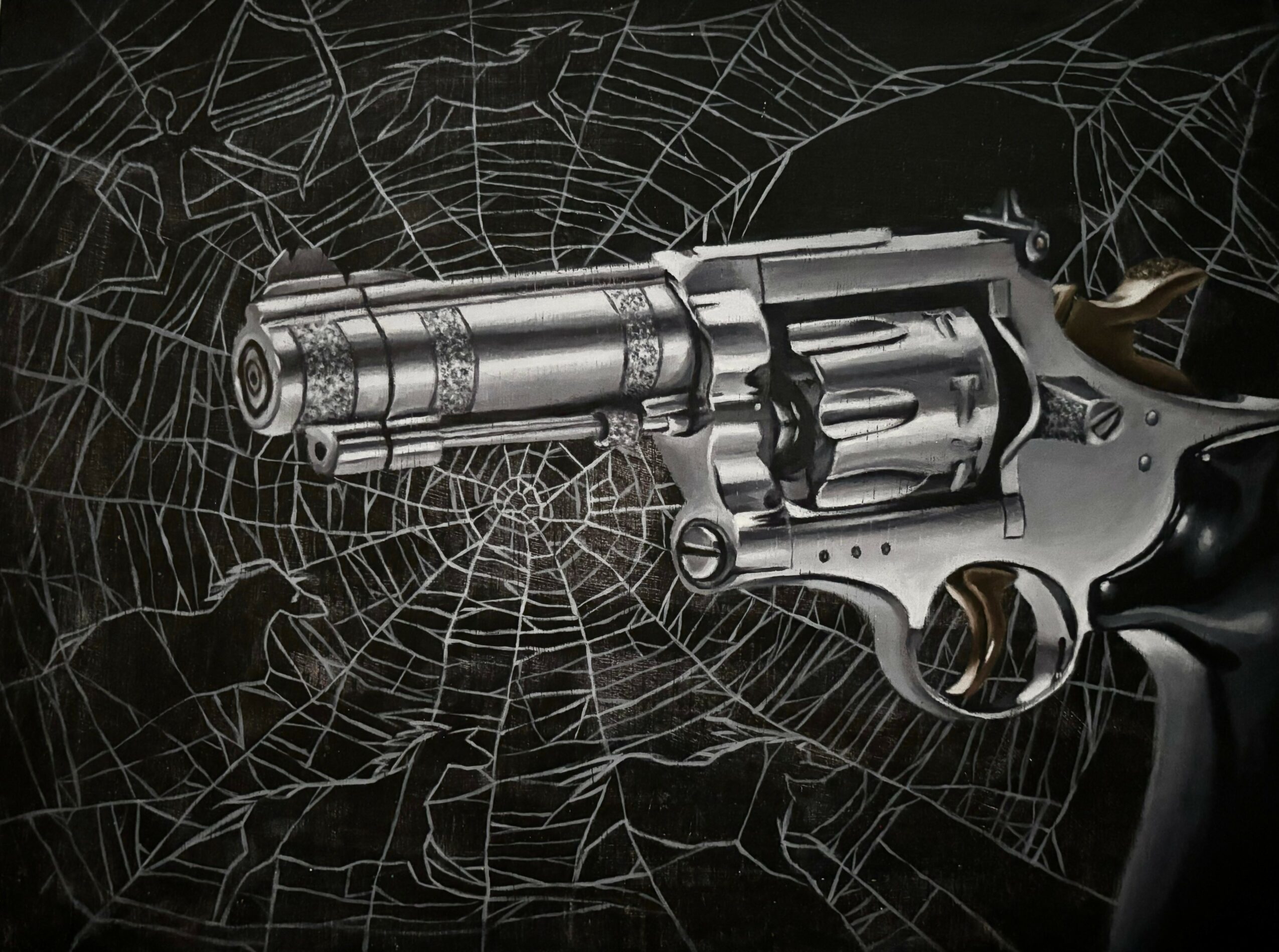
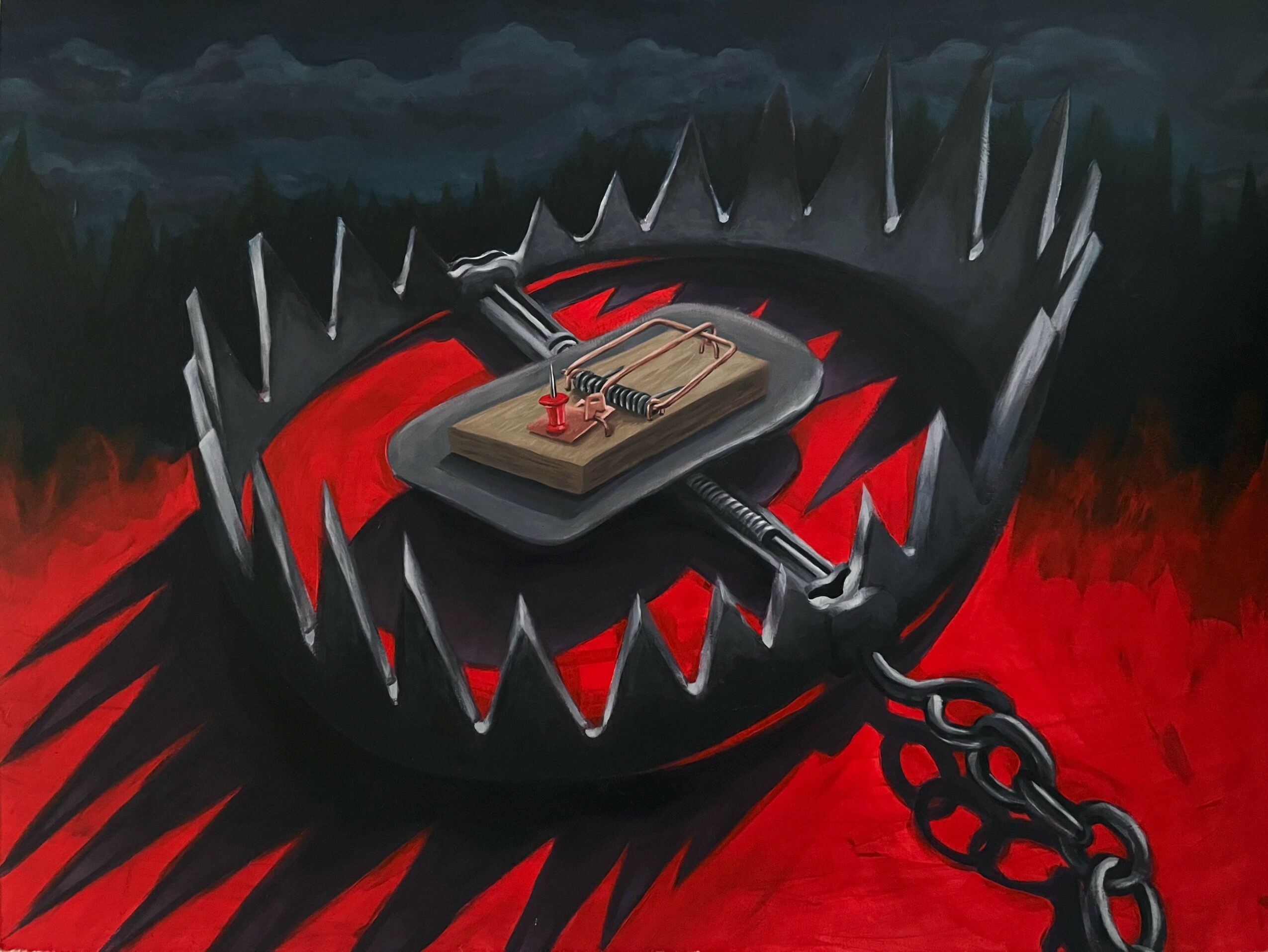
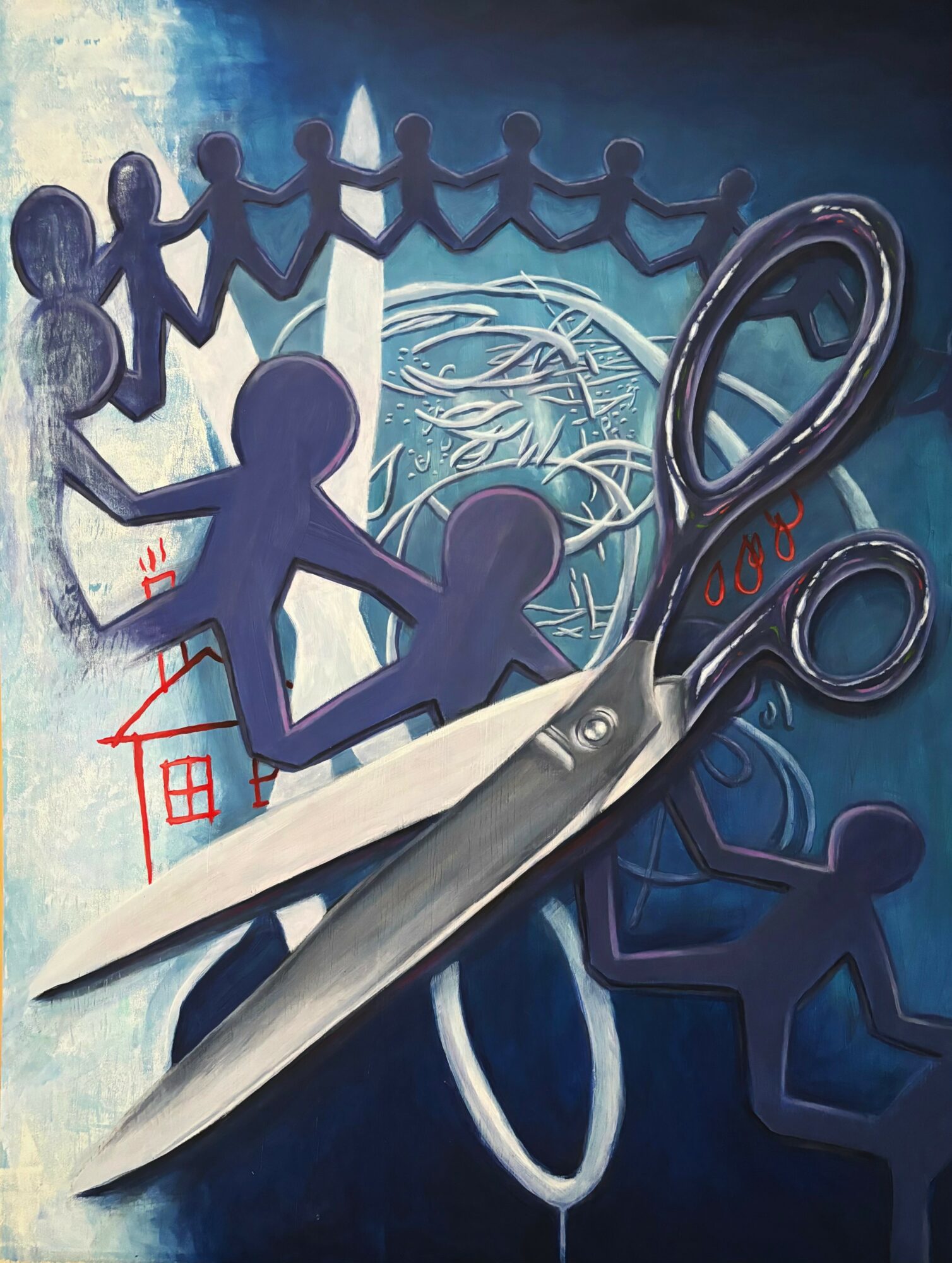
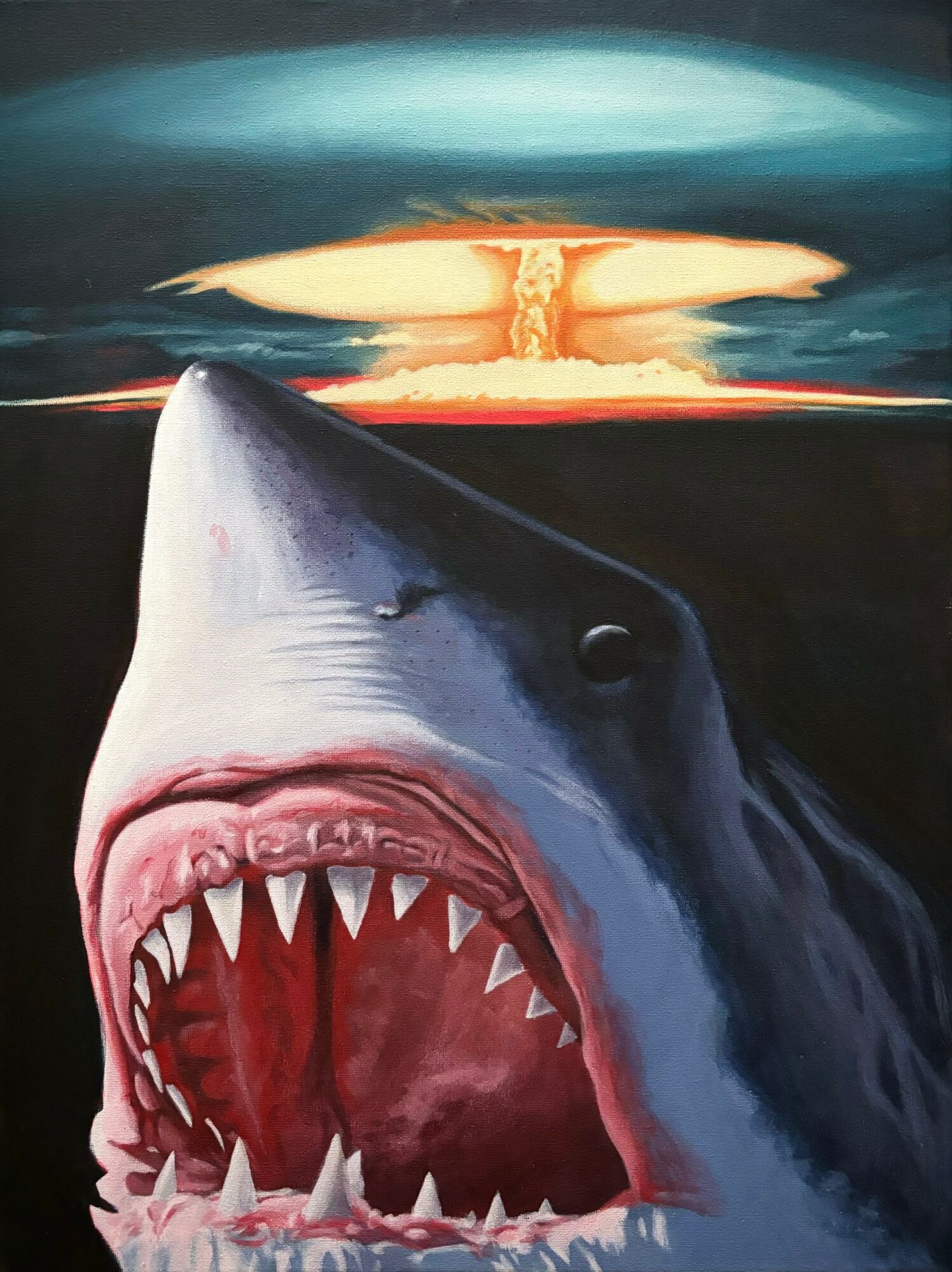
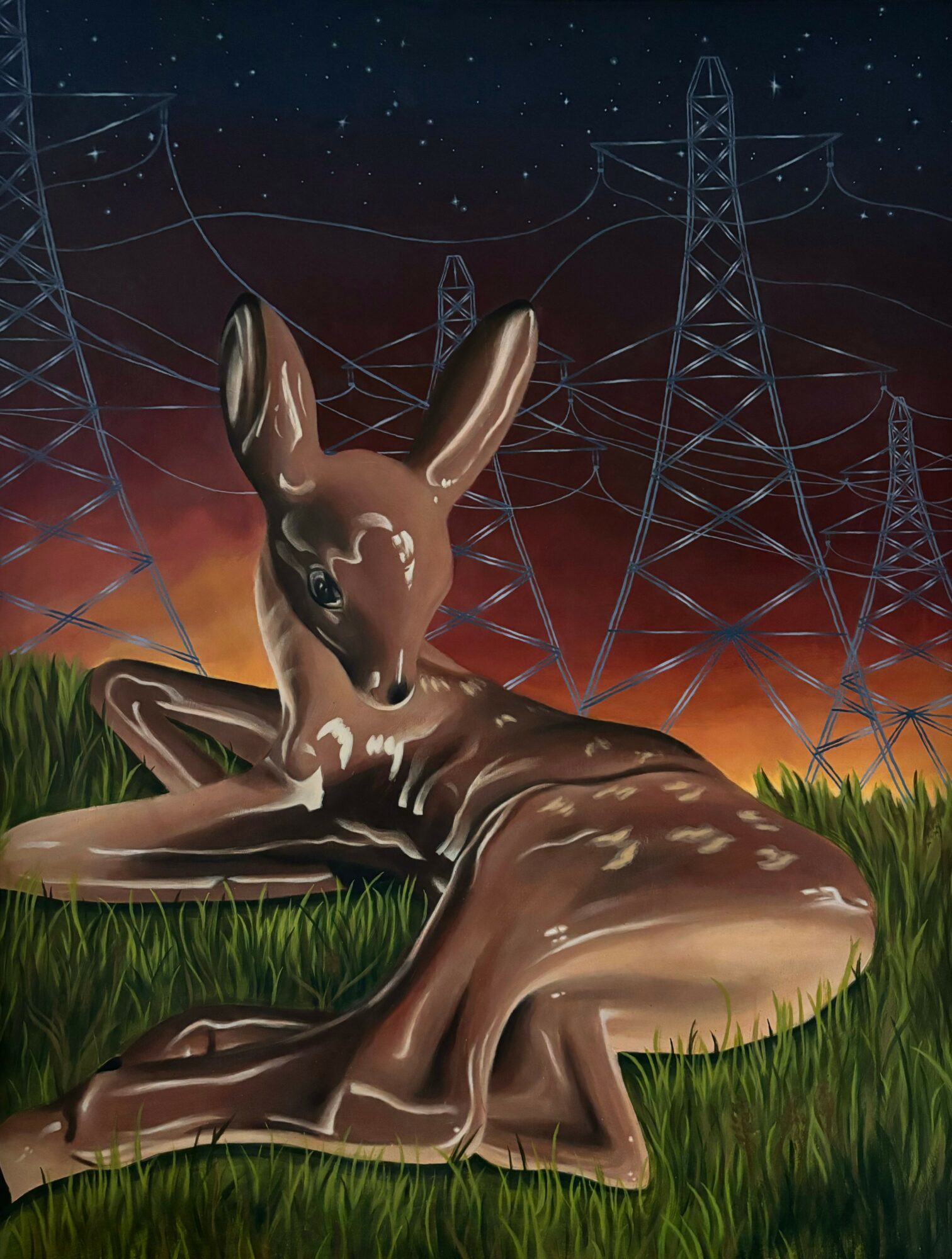
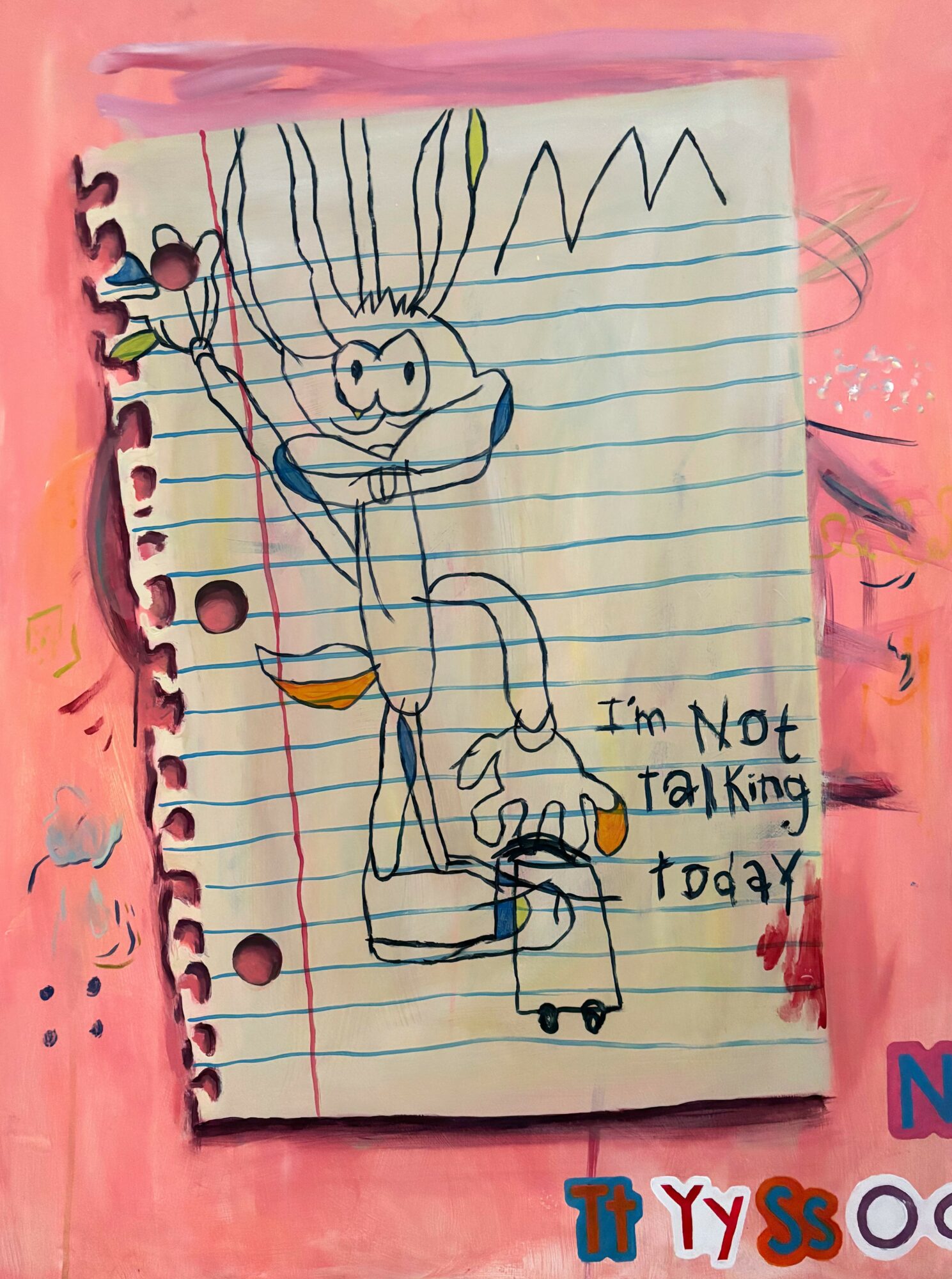
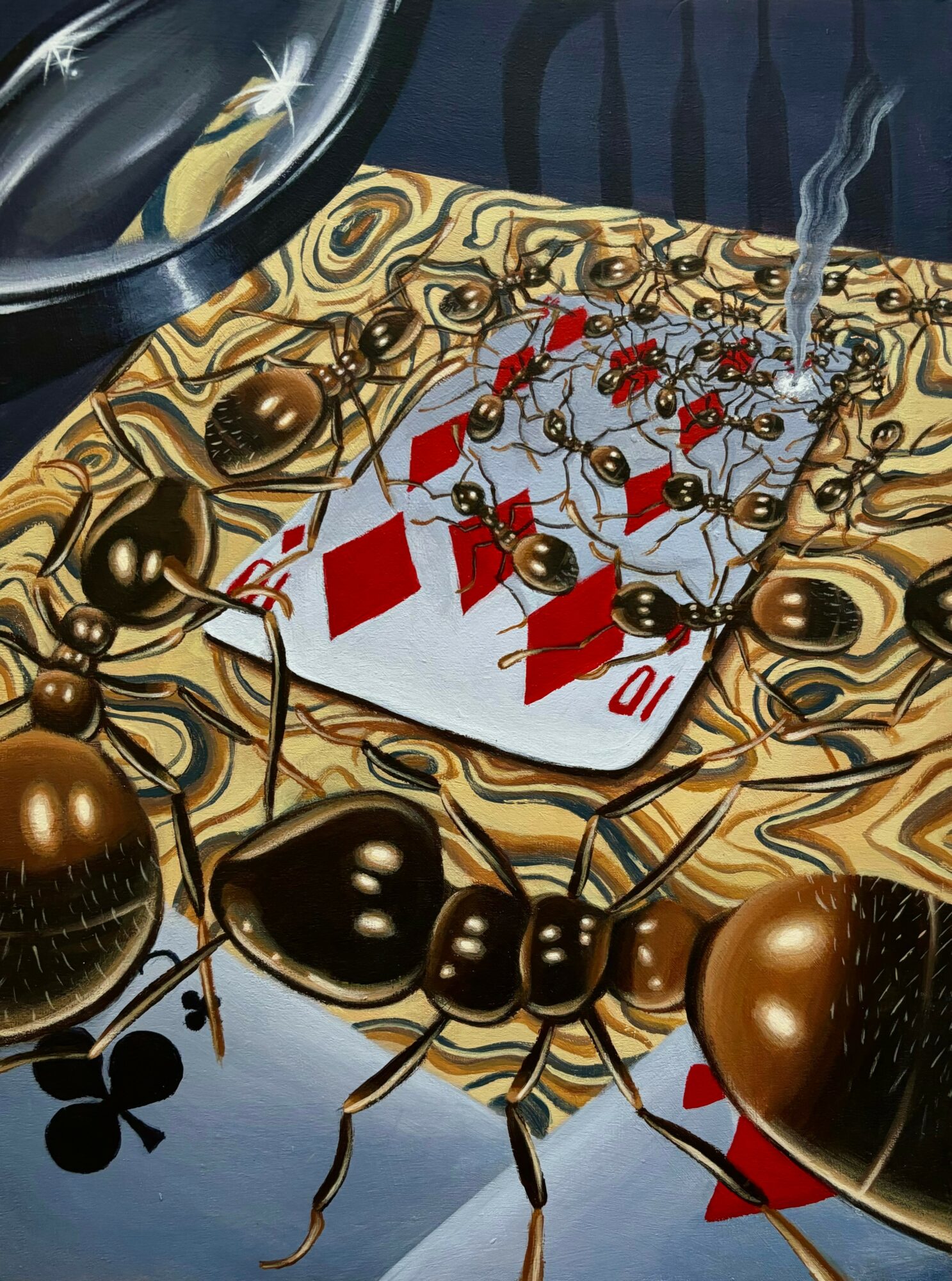
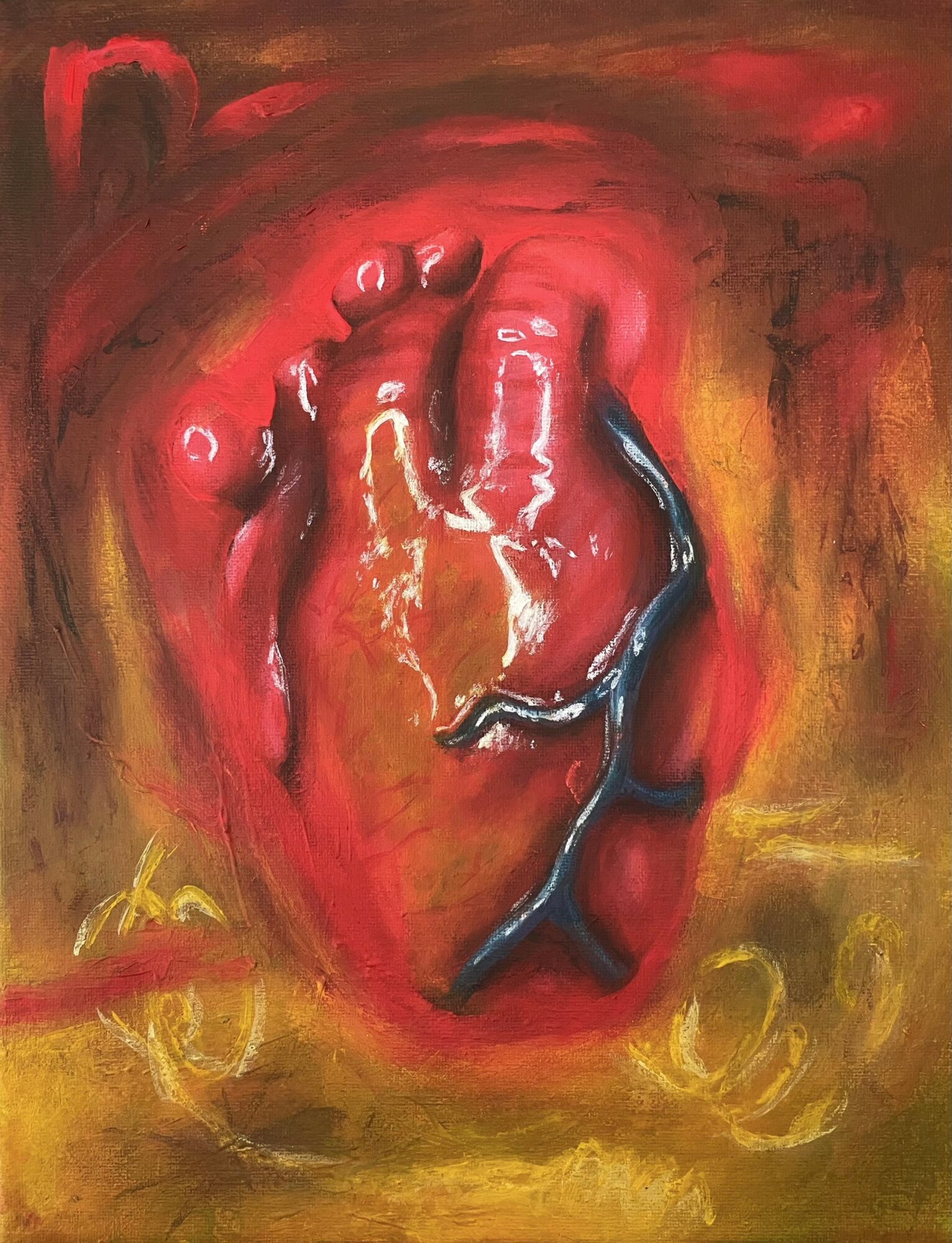
Image Credits
All photos are original paintings by Tyson Shepherd. 2022-2025
tysonshepherdart.com