






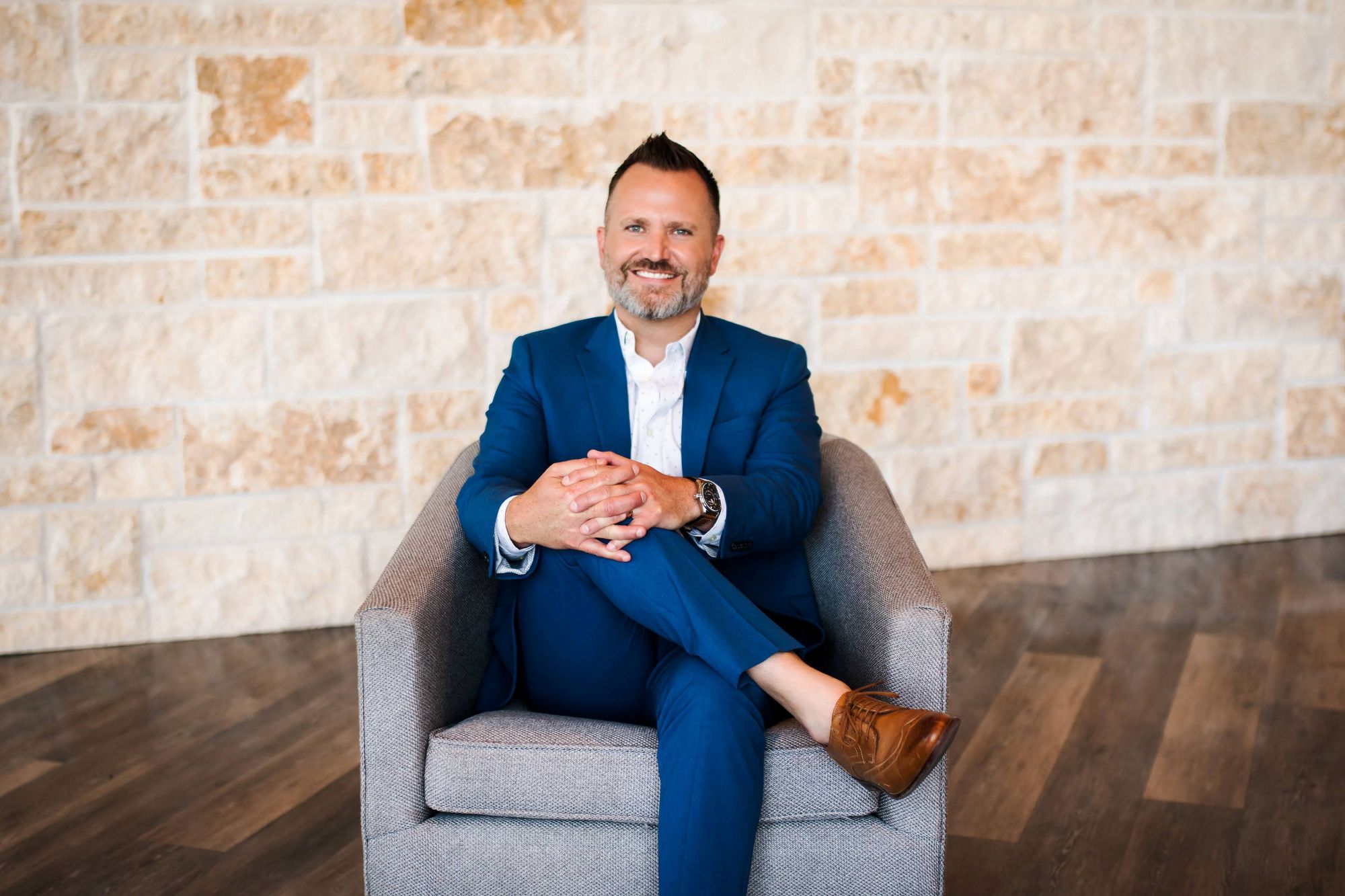
Today we’d like to introduce you to Dave Sheehan.
Hi Dave, please kick things off for us with an introduction to yourself and your story.
I guess my story starts back in 1993, when I was a freshman in college making $4.25 an hour at a music store called Sound Warehouse. Blockbuster Music had just bought them out, and the new ownership had a tighter dress code: no long hair, no goatees, no earrings. I had all three. So, I told my manager, “That’s not going to work out for me,” and walked out.
That tiny moment of saying no to conformity ended up shaping the rest of my career.
The next night, I was at a party where a friend told me about her job at a real estate law firm making eight bucks an hour doing data entry. I asked her to “hook me up,” and by the following Tuesday, I was hired. That gig turned into the next eighteen years of my life.
The law firm handled residential real estate document preparation for banks and mortgage companies, and it was as old-school as it gets: handwritten order forms, fax machines, dry-erase boards, and folders everywhere. I started out typing, but I’ve never been good at just doing what’s “good enough.” I was always looking for a way to make things faster, cleaner, smarter.
My first experiment came from something as small as a pile of restaurant delivery menus. In 1997, I had moved to Austin and was working for another real estate law firm in the Tarrytown neighborhood. Nearby food options weren’t an option, so you either brought your lunch or had it delivered (this was pre-Grubhub/UberEats/DoorDash). People kept taking menus from the office kitchen and losing them in the chaos of their desks, so one day I gathered them all up, used the network printer to scan them in full color and high resolution, and sent a firm-wide email with a link to the folder of scanned menus. You’d think I’d cured cancer from the reaction. That little spark of appreciation for making something work better lit a fuse that never really went out.
I taught myself HTML from a book I bought at Borders and built one of the first online restaurant directories called <i>a-menu.com</i>. For a hundred bucks a year, I’d take a restaurant’s menu, scan every page in full color, include a link to MapQuest, days and hours of operation, and credit cards accepted — all in an easy-to-navigate Yahoo!-style directory. Within a few months, I had accumulated thousands of dollars in cash and absolutely no idea what I was doing. That’s when I decided to go back to school for my MBA.
When I returned to DFW, I was offered a job back at my first law firm, only now I had some perspective. I saw inefficiency everywhere. We were entering the same data into three different systems by hand. So, I teamed up with a programmer, and together we designed and built tools to automate the firm’s systems and processes. Before long, we had our clients submitting orders online instead of faxing them. What used to take two hours of redundant data entry and squinting to read bad handwritten order forms on thermal fax paper now only took ten minutes. That all started in 1999, which meant we were well ahead of our time, and that little law firm grew from a few dozen Texas clients to several hundred nationwide.
By 2011, though, I was burned out. I was good at what I did, but I was no longer challenged. I had advanced as much as I could within the firm without going back to college and becoming an attorney. I remember having to give myself little pep talks each morning just to go into the office, which was ridiculous given I was generously compensated and it was about the most relaxed and secure job I could have imagined.
Around that time, a friend in the Harley-Davidson business invited me to help him turn around one of the poorest-performing dealerships in the country. Against my better judgment, I said yes. We took that dealership from selling 450 bikes the year prior to nearly 1,000 our first year in control, and over 1,300 in the second year. It was thrilling but exhausting. Retail ate up my life. I hardly saw my family, and I knew it wasn’t sustainable. I had committed to two years, but I knew I wouldn’t continue once my commitment was up.
That being said, there was one part of the Harley business I absolutely loved. Every day, some 50- or 60-something would walk in, kids grown, mortgage mostly paid, finally with the time and means to buy the bike they’d dreamed about for decades. When they rang the bell after signing the paperwork, there were often tears. It was emotional, even sacred in a way. I loved that part — the joy, the sense of arrival.
One night over Passover dinner, a family friend who owned a real estate brokerage asked how “the Harley business was going?” To which I responded it was great, but I was leaving in a month to get more time back with my family. She told me, “You should get into real estate. With your background in law and tech, you’d crush it.” A few weeks later, I was licensed.
At first, and like many, I hung my real estate license with a franchise of a major brokerage, one of those national brands where 5% of every commission check goes straight to the franchisor’s headquarters in another state. The more I thought about it, the more it bothered me. Considering the large number of agents at these franchise brokerages, I estimated that tens of millions of dollars must be being drained from our local economy every year in the form of franchise fees. Money that could be reinvested in our communities — supporting local families, schools, and small businesses — just gets siphoned away. I’m a big believer in keeping money close to home, so this really motivated me to find a new brokerage that was local and independent to which to hang my license.
Eventually, I joined a boutique brokerage in Fort Worth — local, intentional, and brand-driven. It felt more like home. But as time went on, I started to see how I’d do things differently. I’ve always believed a brokerage should be a <i>reflection</i> of the community it serves. Not just in price points, but in people, perspectives, and personality. So the journey began to set the stage for launching my own brokerage, but I didn’t want to take the easy, lazy route and just tag “real estate” or “realty” to my name. That didn’t seem creative enough for an industry whose primary role is to creatively market one of the most valuable assets people possess. I went on what seemed to be a futile quest to find a brokerage name that 1) wasn’t used anywhere else in the English-speaking world, 2) had a domain name available and 3) had a meaning that would resonate with sellers and buyers. Initially, I landed on “<i>Bounty Realty</i>” as it rhymed, had a double meaning of “plentiful” and the idea that I could “hunt down” the perfect property, plus the domain was available. However, the quick comparison by a trusted advisor to the paper towel brand and a certain mullet-sporting bail bond enforcer had me abandoning that idea pretty quickly and on the search for a more meaningful name.
The “<i>REFLECT</i>” name didn’t come to me out of thin air. It came while showing a 1980s modern home in North Dallas. I was standing in a dining room where the entire wall was covered in mirrors, and I asked my clients, “Can you see yourself living here?” Then we caught our own reflection and laughed. But the idea stuck with me and immediately after the tour, I checked Google to see if <i>”Reflect Real Estate”</i> existed as a brokerage. It did not. Then I searched GoDaddy to see if the domain was available — it was. So I was immediately the proud owner of <i>reflectrealestate.com</i>.
When I arrived home and told my wife that I’d landed on a new name, she pointed out the date — it was February 2, 2020…02-02-2020. I got goosebumps and took that as a definite sign. A home, I postulate, is a <i>reflection</i> of the people who live in it — what they value, how they live, what they love. And the same goes for the agents who represent them. People naturally gravitate toward agents they can relate to — people similar to them.
This idea became our heartbeat: Feel seen. Be seen. See yourself.
I didn’t launch <i>REFLECT</i> right away. I waited for the right moment, the right listing, the right reason. That came a year later, when I was pitching a high-end listing in the Park Cities. The seller liked me but wasn’t sold on the Fort Worth–focused boutique I was with. He said, “I like you, but your current brokerage doesn’t really fit over here.” So I asked, “What if you were the inaugural listing for a brand-new brokerage?”
He said, “Tell me more.”
I shared with him the branding, the philosophy, the ethos, and he was in. That became the official launch of <i>REFLECT Real Estate</i>. My first listing as <i>REFLECT</i> was a $4 million property in an area notorious for being tough to break into.
<i>REFLECT Real Estate</i> isn’t a franchise, and it’s not trying to be. We’re growing strategically, adding sophisticated agents who treat real estate like a craft, not a hustle. Agents who understand that every relationship, every negotiation, and every home tells a story. We’re mindful, modern, and local by design.
And design matters. In real estate, a brand is more than a logo — it’s a signal. It tells people who you are before you ever meet them. Too often, I see agents operating under generic branding — stock icons of rooftops, door keys, or initials in looping script. It’s not that those designs are bad; they’re just everywhere. And when everything looks the same, nothing stands out. Worse, those cookie-cutter visuals can subconsciously cheapen perception, making it harder for agents to earn listings in more affluent neighborhoods or at higher price points.
<i>REFLECT</i> was created to rise above that noise. Our logo is minimal, modern, and intentional — clever without trying too hard. It doesn’t need to shout. It reflects sophistication, confidence, and clarity, whether it’s on a yard sign in a starter neighborhood or a luxury estate. That’s the power of good design — it transcends price point because authenticity and aesthetics speak the same language everywhere.
The agents who join <i>REFLECT</i> aren’t looking to be part of the biggest brokerage. They’re looking to be part of an intentional one, and to build their business in <i>their</i> image, with integrity and purpose.
I didn’t set out to start just another real estate company. I set out to build something real — a brand that reflects the lives behind every home.
Can you talk to us a bit about the challenges and lessons you’ve learned along the way. Looking back would you say it’s been easy or smooth in retrospect?
Definitely not. But I don’t think “smooth” teaches you much. Every chapter had its own curveballs.
In my law-firm days, the struggle was patience. I was automating systems and pushing for efficiency long before that was trendy, and not everyone saw the value right away. In my Harley-Davidson years, it was balance. We turned a struggling dealership into one of the top performers in the country, but retail consumed my life. It taught me a lot about leadership, burnout, and what fulfillment really looks like.
When I got into real estate, the road had new bumps — starting from zero, earning trust, finding my lane in an oversaturated industry. The biggest challenge was tuning out the noise and building something authentic. That’s where <i>REFLECT</i> came from: the idea that your brand, your business, and your clients should all mirror who you are.
So no, it hasn’t been smooth — but I wouldn’t trade the rough parts. They sharpened my instincts, deepened my empathy, and gave me the clarity to build something that actually stands for something.
As you know, we’re big fans of Reflect Real Estate. For our readers who might not be as familiar what can you tell them about the brand?
<i>REFLECT Real Estate</i> is a boutique, independent brokerage based in North Texas, built on a simple idea: that a person’s home should be a reflection of who they are — what they value, how they live, and what they love. We’re not chasing numbers or headcount. We’re proud to be one of the slowest-growing brokerages in Texas. Building a team that reflects the diversity of the markets we serve is important to us. As we grow, we’re seeking agents of every background and language who connect naturally with the buyers and sellers in their communities.
What we do best is elevate the experience for both our clients and our agents. We specialize in residential real estate across DFW and Houston, with an approach that blends clear marketing, modern design, and strategic negotiation. Our agents are professionals who treat real estate like a craft, not a side hustle. They’re listeners, thinkers, and doers who understand that every transaction represents a major moment in someone’s life.
What sets <i>REFLECT</i> apart is our philosophy and our presentation. Most brokerages feel templated — logos pulled from clip art, taglines that could belong to anyone. <i>REFLECT</i> was designed to feel different. Our branding is minimal but meaningful, rooted in sophistication and restraint. It transcends price point — it looks at home on a yard sign in a first-time buyer’s neighborhood or in front of a multimillion-dollar estate. That’s by intention. Because when your brand reflects quality, people associate you with quality.
Brand-wise, I’m most proud that <i>REFLECT</i> has a voice and aesthetic that actually stands for something. It’s modern without being cold, confident without being loud, and connected to the communities we serve. Every detail — from our logo to our messaging to the way we present listings to the market — is part of that ethos.
At its core, <i>REFLECT Real Estate</i> is about clarity and connection. We’re here to prove that a brokerage doesn’t have to be the biggest to be great. You don’t need a national franchise logo to earn trust. You just need to be intentional, consistent, and real.
What would you say have been one of the most important lessons you’ve learned?
The most important lesson I’ve learned is that growth doesn’t always mean getting bigger. Sometimes it means getting clearer.
For a long time, I equated success with expansion — more clients, more deals, more everything. But eventually I realized that real success, at least for me, comes from alignment. When what you do, how you do it, and why you do it all line up, that’s when things start to click. That’s when business stops feeling like a grind and starts feeling like a craft.
I’ve also learned that the long way around is often the best way through. Every detour — from law to Harley-Davidson to real estate — gave me something I couldn’t have learned any other way. The Harley years taught me about emotion and experience; that moment when someone rings the bell after buying their dream bike isn’t about the sale, it’s about their story. Real estate’s the same way — you’re helping people reach a milestone in their lives.
So the lesson is this: if you stay curious, keep your standards high, and build things that actually reflect who you are, you’ll attract the right people and the right opportunities. Smooth roads are overrated — it’s the bumps that make you pay attention to the scenery.
Contact Info:
- Website: https://reflectrealestate.com/
- Instagram: https://www.instagram.com/reflectrealestate/
- Facebook: https://www.facebook.com/REFLECTRealEstate
- Linkedin: https://www.linkedin.com/company/reflectrealestate/
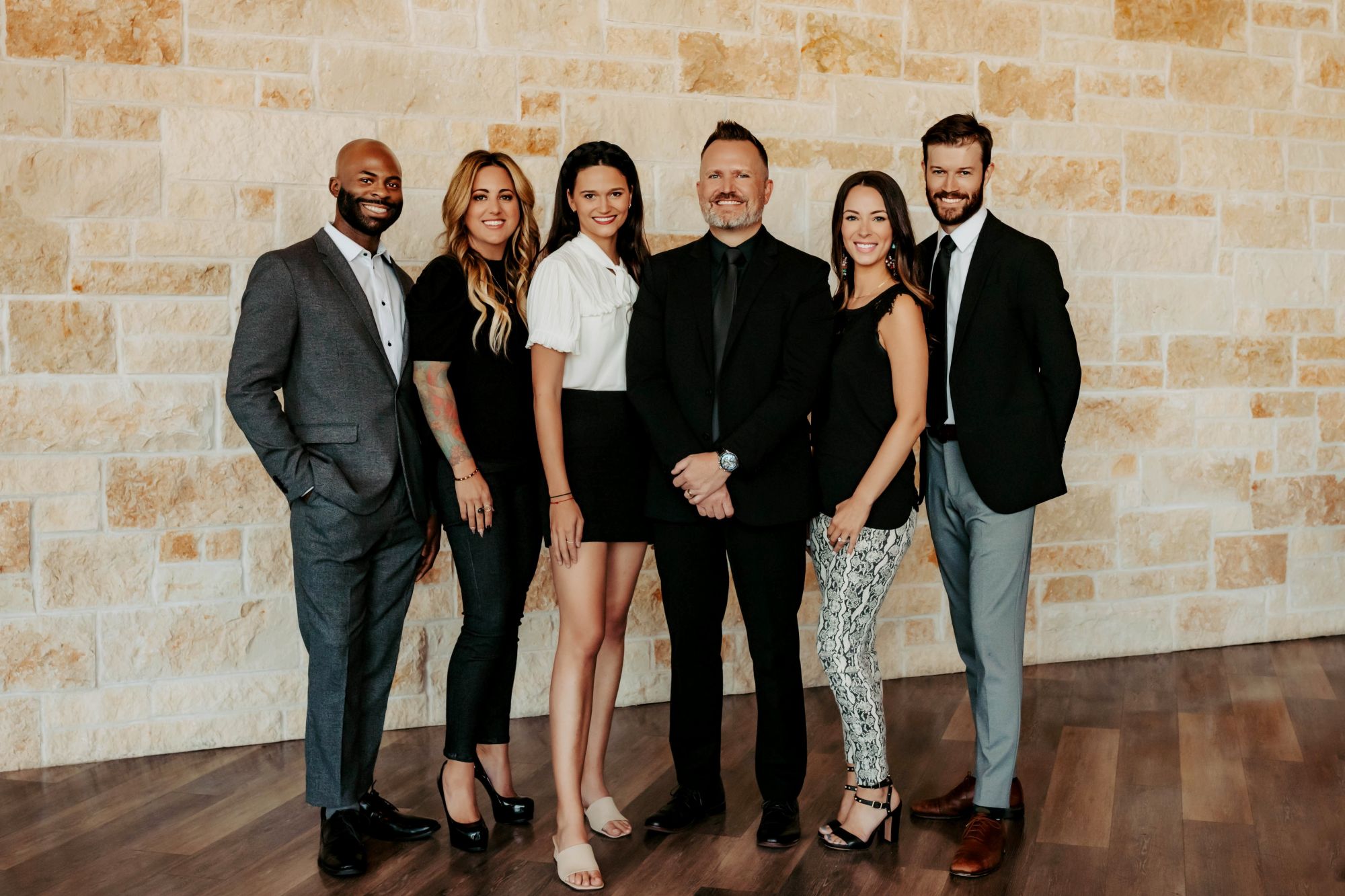

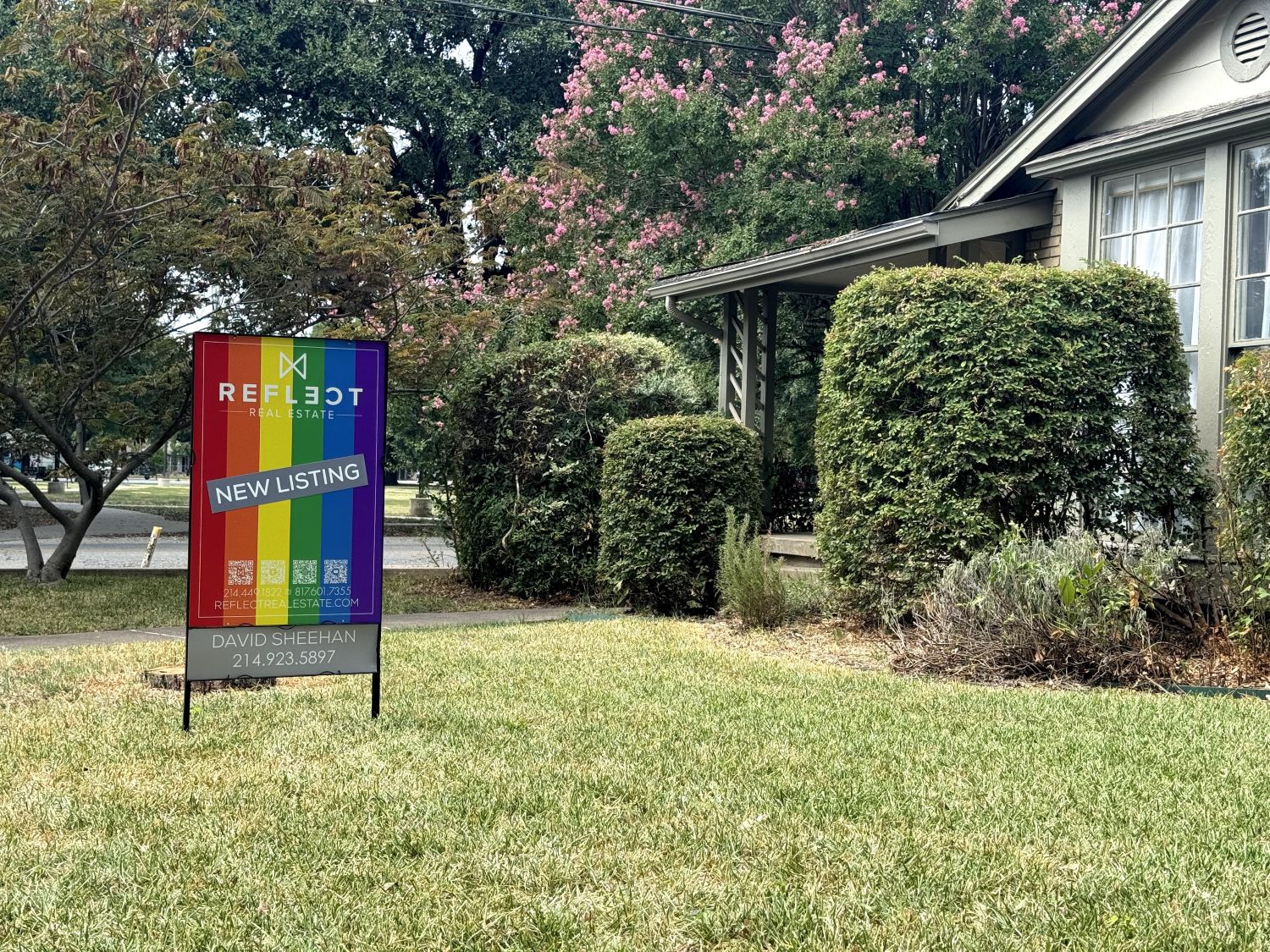
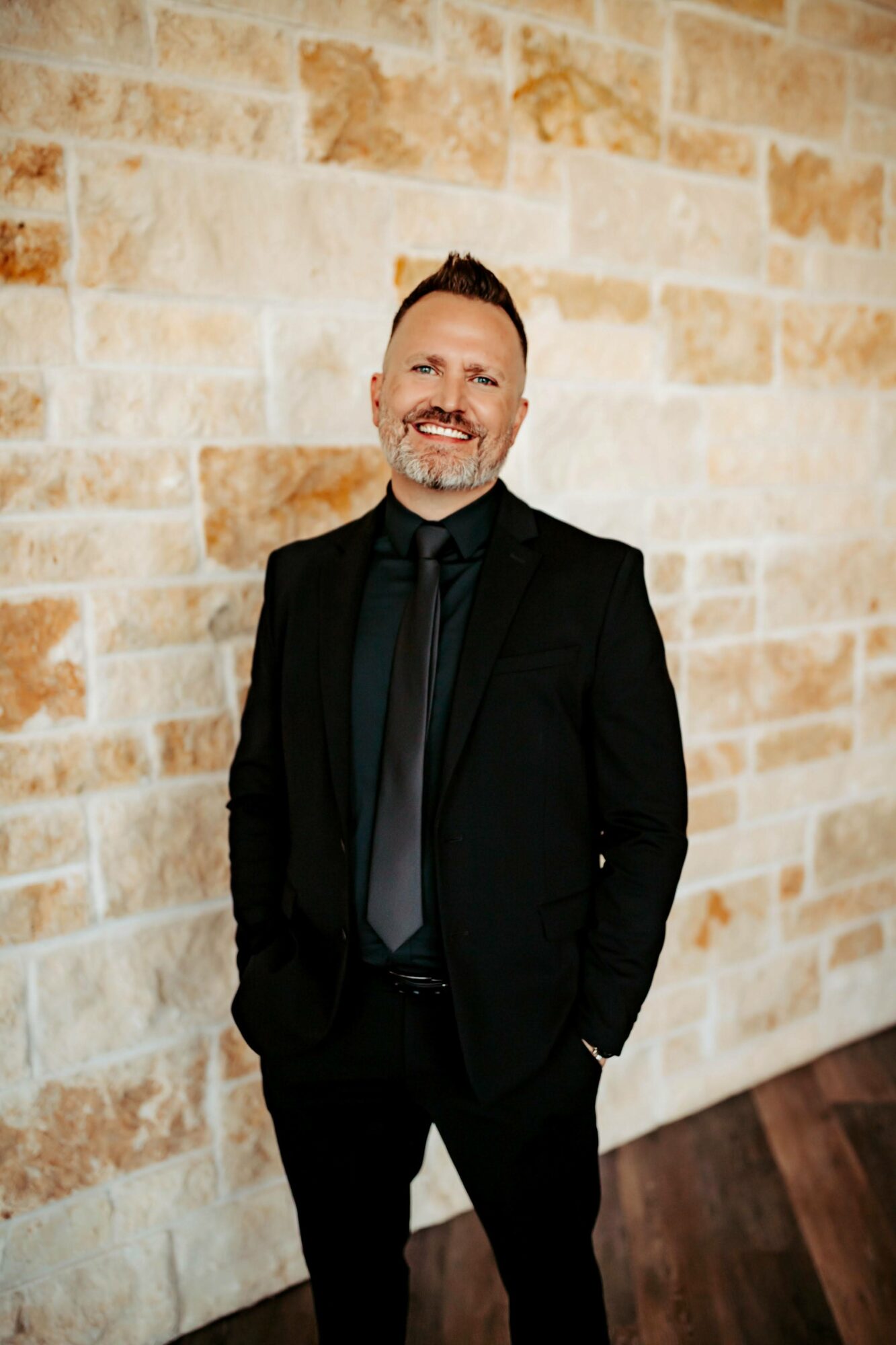
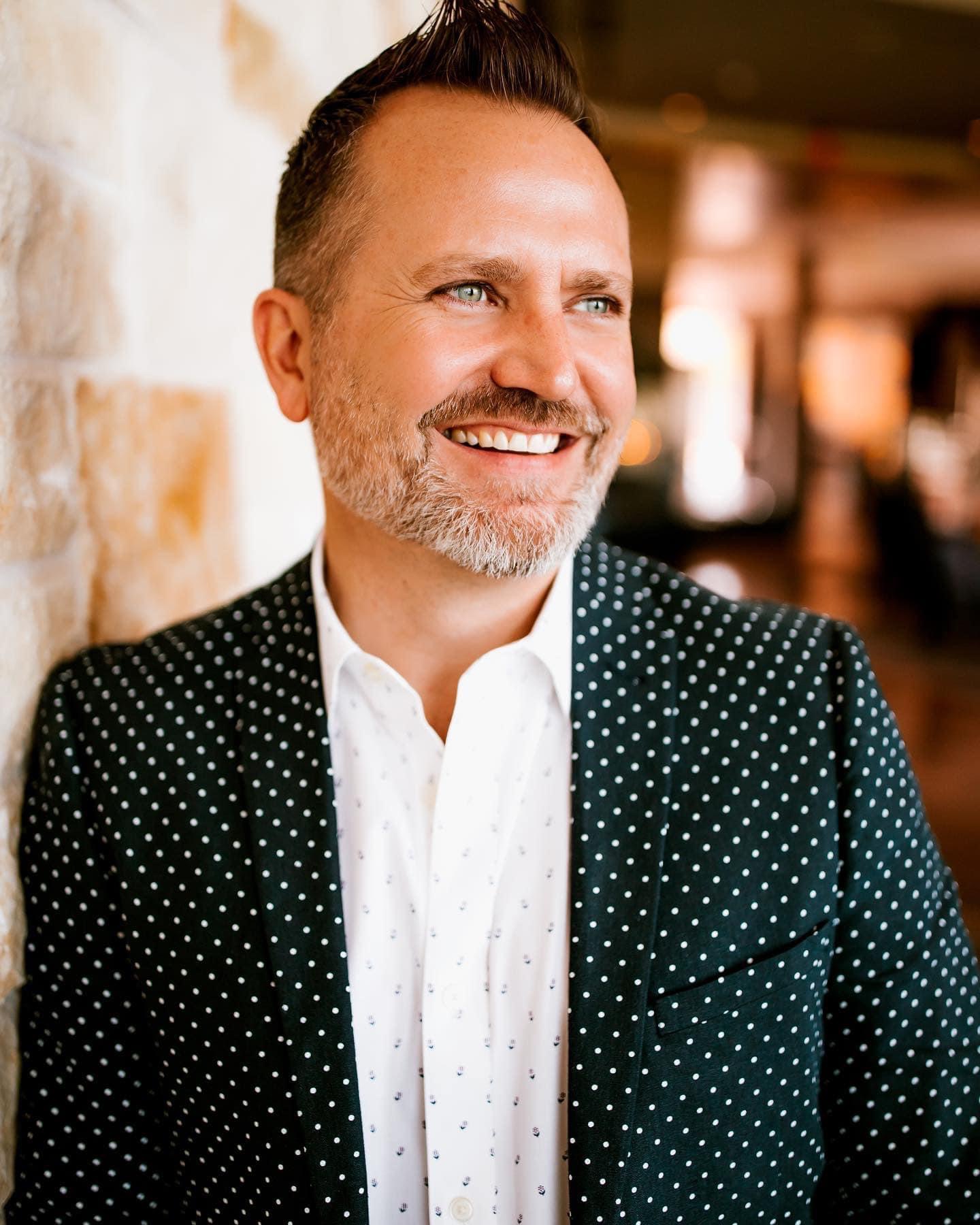
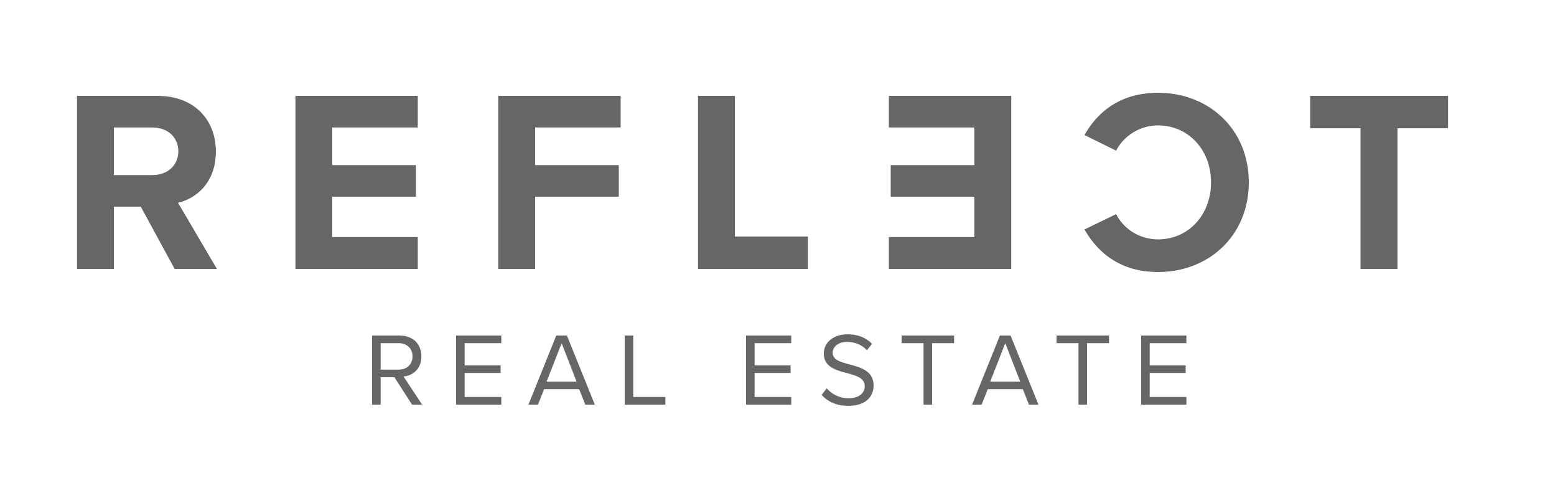
Image Credits
Jennifer Compton Photographer https://www.instagram.com/jennifercomptonphoto/?hl=en