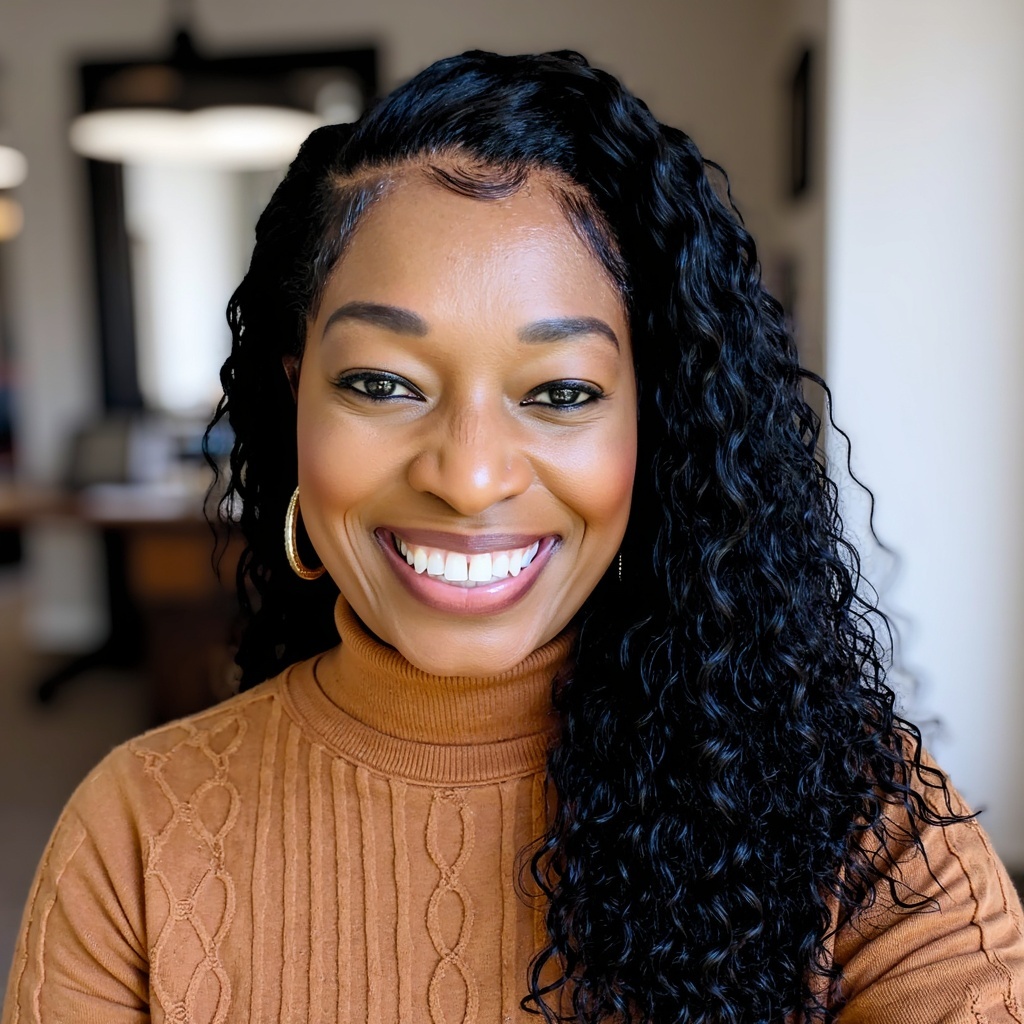






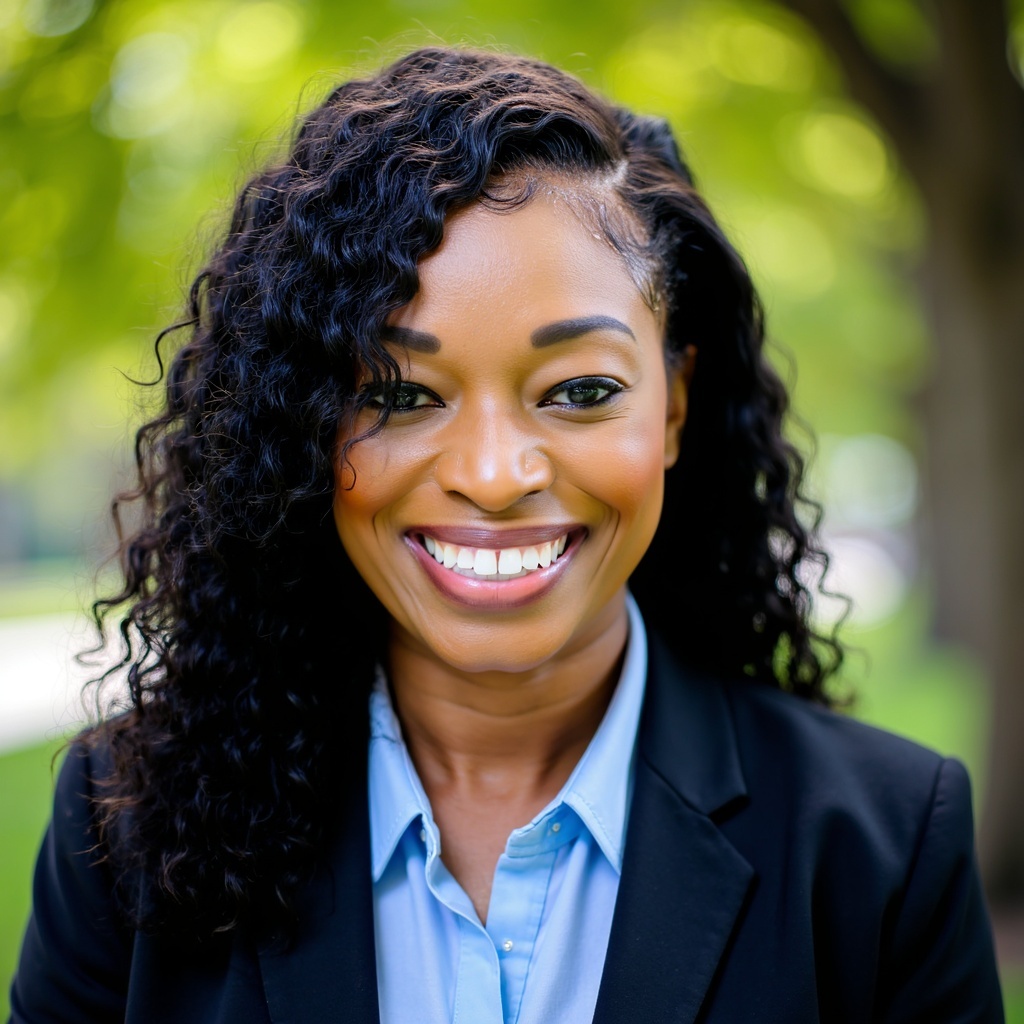
Today we’d like to introduce you to Dr. Angela Stiff.
Alright, so thank you so much for sharing your story and insight with our readers. To kick things off, can you tell us a bit about how you got started?
Every year without fail, one of my students would bring me a box of assorted chocolates. It usually occurred around one of the holidays or during Teacher Appreciation Week. My reaction was always the same. I love chocolate, so I would dive head first. Each piece was perfectly put together on the outside, encased in a decadent, smooth shell. It wasn’t until I bit into the pink filled cherry cordial or coconut surprise that the alarm would sound off in my mouth, reminding me that not all chocolate is created equal. Year after year, those chocolates became more than a gift; they became metaphors – bite sized reminders that every student who walks into my life carried a different filling inside of them….different struggles, different stories, and different journeys. Ultimately, education helped me realize that we are all wrapped in our own unique ribbon-tied box, shaped by backgrounds and experiences that author our lives.
I grew up in a small town, Terrell, Texas, where everyone knew your name—and often, your place. My mother, a single Black woman with little education, carried the weight of our family on her shoulders. She worked long hours and multiple jobs to support six children. Resources were scarce, opportunities scarcer, and the world outside our door often felt determined to remind us of the limitations our skin color imposed. A Black student growing up in a small town meant being seen, but not always believed in. Yet a childhood mired by racial discrimination and limited resources taught me resilience, grit, and empathy. It showed me early on that education could be both a ladder out of systemic barriers and a tool to uplift those who, like me, were often overlooked. My mother’s path may not have led to a higher education, but she gave me the foundation to believe in something greater than circumstances—a belief that eventually carried me to a doctorate, founding a non-profit for underserved communities, and a career helping students rewrite their own narratives.
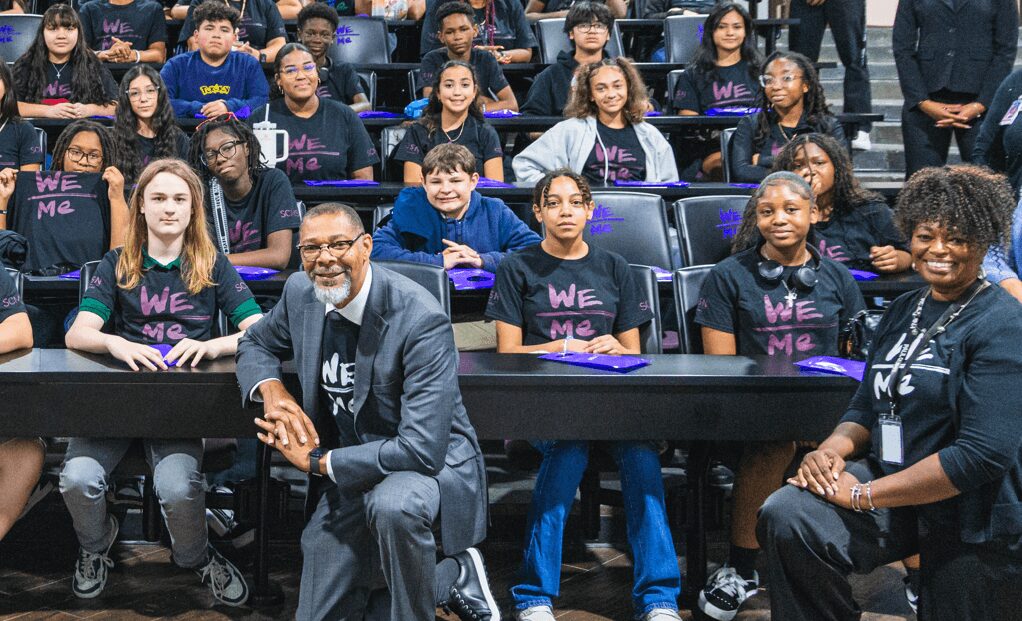
Earning a doctorate wasn’t just a personal achievement—it was a declaration. A declaration that circumstances may shape us, but they do not define us. A declaration that a child from a single-parent home can become a scholar. A declaration that the first in a family can open the door wider for everyone who comes after. Doctoral work takes stamina, humility, and more prayer than I expected. Through it all, I carried the dreams and unspoken potential of students whose stories have yet to be told, letting their hope fuel my purpose. Today, I serve with the Quinnite Schools Network as their Executive Director of Operations. Quinnite Schools Network (QSN) is the educational division of Paul Quinn, the oldest historically black college in Texas. Our mission is bold: to help middle school students successfully matriculate to college through the historic 1882 partnership with Crowley Independent School District— reimagining what college readiness can look like for communities that have long been underestimated. For me, this work isn’t just professional—it’s personal. Every student I meet is a reflection of the child I once was.
I see the potential hiding behind insecurity. I understand the weight of expectations—both the ones placed on them and the ones missing entirely. But most importantly, I get to be part of building pathways that ensure their brilliance is recognized, nurtured, and celebrated.
My story is not just mine….
It belongs to every first-generation student fighting to rewrite their family history.
It belongs to every teacher who sees potential where others see problems.
It belongs to every parent who works tirelessly so their child can chase dreams they never had the luxury to imagine.
The next time I bite into a box of assorted chocolates, I will be reminded of my work through Quinnite Schools Network, and one truth will stay with me:
Each and every day our students enter their classrooms with rich, unique backgrounds that have crafted diverse and intriguing identities. And just like years past that brought me to this moment, I will dive in head first because no matter what has shaped and cultivated them on the inside, I now have a responsibility and privilege to redirect their lives toward promise, purpose, and possibility. That is the beauty of education—it turns survival stories into success stories, and success stories into seeds that grow futures.
Can you talk to us a bit about the challenges and lessons you’ve learned along the way. Looking back would you say it’s been easy or smooth in retrospect?
Even after years in this profession—after hanging degrees on the wall, after earning a doctorate through grit that stretched me to my limits—imposter syndrome still lingers in the background like a shadow I didn’t invite but learned to recognize. It doesn’t show up because I doubt my ability; it shows up because I carry the weight of being first: First-generation college student. First to navigate spaces my family never entered. First to step into leadership roles that no one in my community was able to model for me.
As an educational professional, I’ve learned that imposter syndrome doesn’t disappear with achievements; it simply evolves. Early in my career, it fed on the microaggressions I encountered – moments that tried to shrink my confidence or remind me of the stereotypes others projected onto me. Later, it questioned whether I deserved a seat at the decision-making table. And as I stepped into roles shaping systems, programs, and policy, it occasionally whispered that someone with my background should feel grateful to be in the room—not confident enough to lead it. But experience, reflection, and faith brings clarity:
Imposter syndrome doesn’t thrive in truth. And the truth is that my lived experiences—my roots, my inner fortitude, my climb from humble beginnings to educational leadership—are not liabilities. They are assets. The very assets that allow me to lead with empathy, purpose, and authenticity.
Working within QSN/Paul Quinn has reinforced this over and over. When I sit with families who fear their children won’t “fit” into academic spaces, I understand them. When I mentor first-generation students unsure of their place, I’ve lived that uncertainty. And when I advocate for equitable access to higher education, I carry firsthand knowledge of what happens when opportunity is absent—and what transformation occurs when it is finally provided.
With that clarity comes this conviction: I am the proof that God can take a story that started in struggle and turn it into a blueprint for someone else’s victory.
Can you tell our readers more about what you do and what you think sets you apart from others?
As the Executive Director of Operations for QSN/Paul Quinn, I specialize in building and overseeing systems that rewrite expectations, cultivating academic environments for students whose journeys demand innovation and support to reach their full potential and where students are not just invited to college conversations but positioned to lead them.
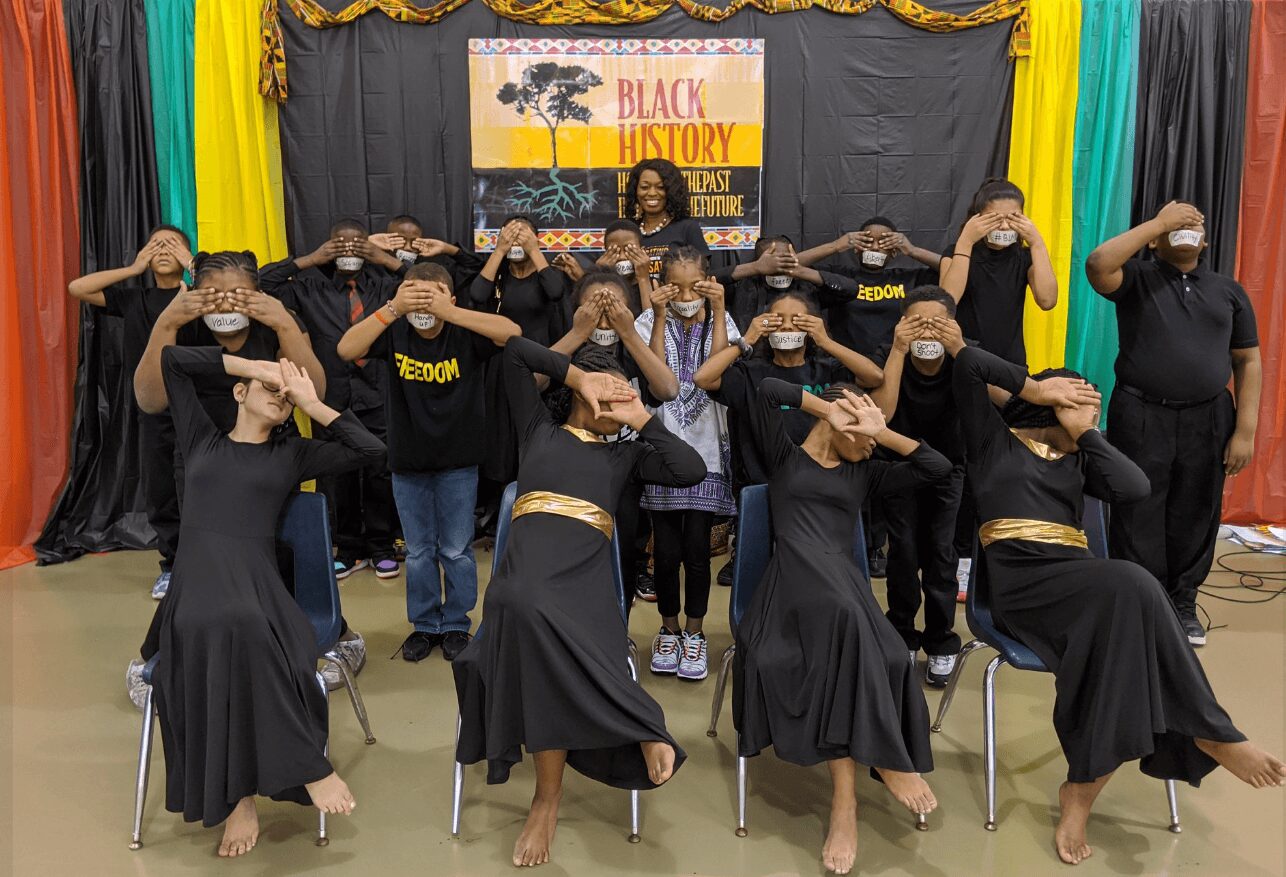
What I’m known for is more than curriculum or leadership strategy—it’s the way I see students. More than a decade ago, I founded TIARAS, a mentorship program designed to empower young girls with confidence, leadership skills, and inner resolve. That early work became a springboard for my career in K–12 education, teaching me lessons that still guide me today: how to connect deeply with students, design meaningful experiences, and create programs that lift every young person to their full potential. TIARAS showed me the power of intentional mentorship and the impact of nurturing both academic growth and personal development—insights that continue to shape the way I lead schools. My background as a school principal taught me how to transform campuses, build resilient teams, and turn vision into measurable outcomes. The lessons I learned through TIARAS and as a school principal continue to underpin the way I support and inspire students through my work with QSN/Paul Quinn, reminding me that their backgrounds are not limitations but the foundation for their success.
What sets me apart is not just the degrees or titles I’ve earned—it’s the way I braid my lived experience into every space I enter. I know what it means to be a first-generation college student. I know what it means to break ceilings that were never built with me in mind. And I know how to help students do the same. I don’t simply create pathways; I illuminate them, walk them with students, and show them how to widen the road for those who come after. Beyond professional achievements, I am most proud of the women that my beautiful daughters have become. Watching them grow in confidence and faith, knowing that through God they can accomplish anything, is the daily reminder of why I do this work. It is the same faith, hope, and tenacity I strive to instill in every student I serve.
Can you talk to us a bit about the role of luck?
When people ask what role luck has played in my life or career, I always smile and say: I don’t believe in luck—I believe in God. I have faced challenges, scarcity, and moments when the path forward seemed impossible, but I have never relied on chance to guide me. In Philippians, Paul writes, “I know what it is to be in need, and I know what it is to have plenty. I have learned the secret of being content in any and every situation, whether well fed or hungry, whether living in plenty or want.”
My cup truly runneth over—not because of wealth, accolades, or titles, but because I am doing the work God called me to do. Every student I mentor, every program I build, every opportunity I create for young people to see their potential is a reminder of His provision. I measure success not in numbers or positions, but in lives transformed, confidence restored, and faith strengthened. What others might call luck; I call divine guidance—and it is what continues to shape every step of my journey. I’m here because God has kept me. He has carried me. And by design, He has called me.