





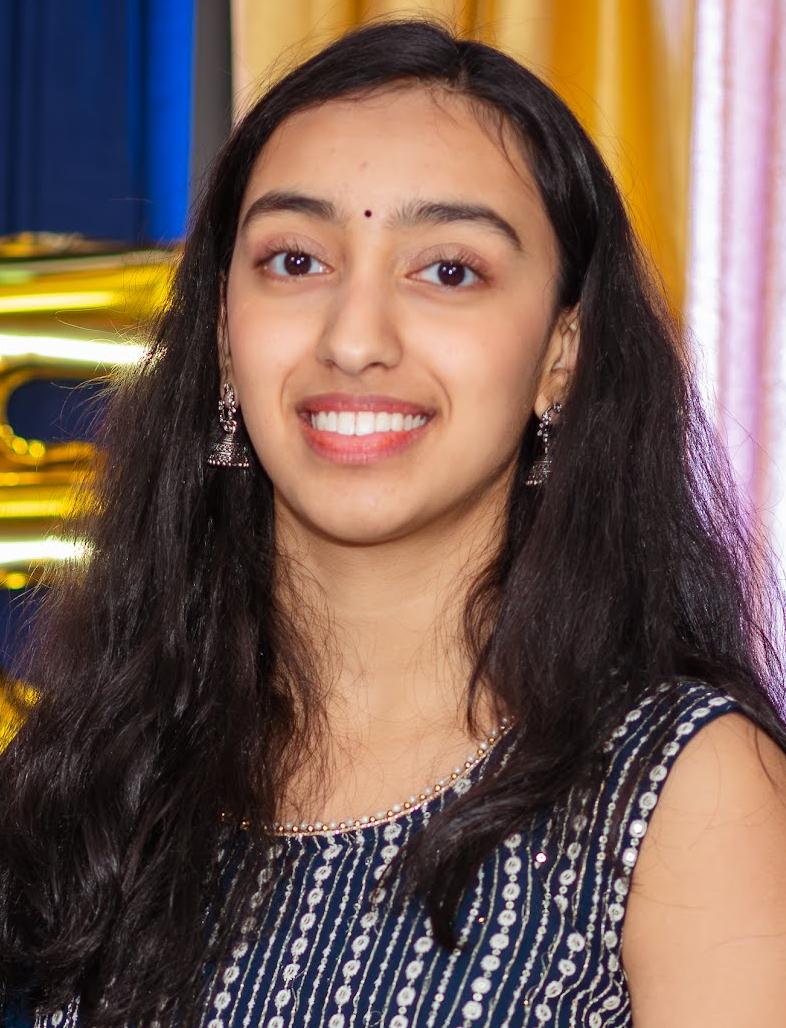
Today we’d like to introduce you to Meghana Aduri.
Alright, so thank you so much for sharing your story and insight with our readers. To kick things off, can you tell us a bit about how you got started?
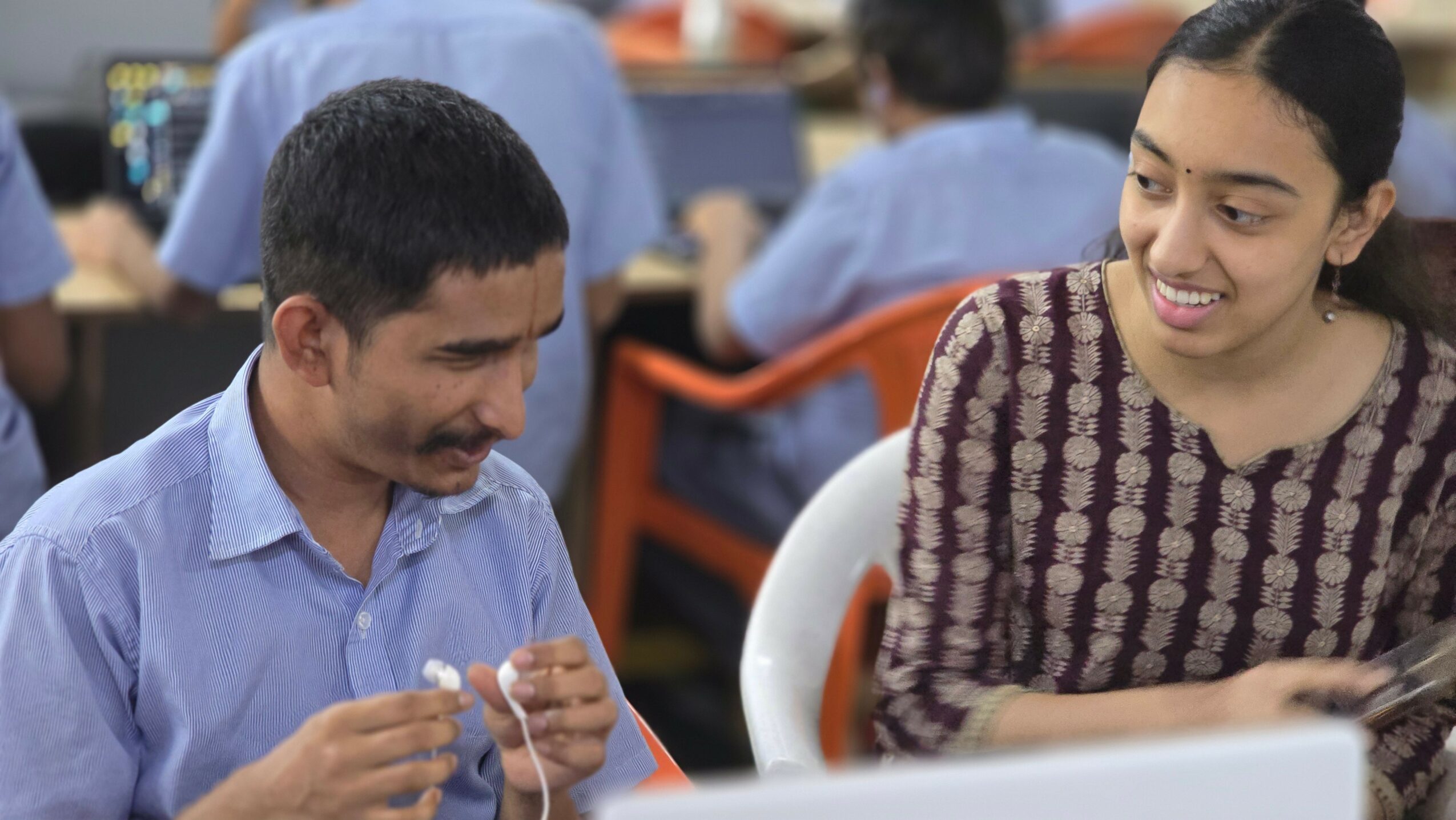
My journey began during the pandemic, when I started taking Carnatic (Indian classical) music lessons from my teacher, Mr. Rao. I quickly learned that he was blind, yet his musicianship was extraordinary. It surprised me how naturally he navigated a skill most people assume requires sight. Over time, as I practiced under his instruction, I also saw how much harder he had to work in areas that others take for granted.
When his college exams were approaching, I began to see the weight of the barriers he faced. He expressed that he could not study for his exams because his textbooks were not in accessible formats. Every book was in standard print, and there were no Braille copies or digital files available. Most visually impaired students depend on scribes or facilitators to study or take exams, but even that support is not always guaranteed. Passing those finals was necessary for him to graduate, yet the basic act of reading his own study material required help he often did not have.
I was struck by how inaccessible even basic educational resources are for the visually impaired and how simply converting a book could change someone’s future. I was determined to offer support in any way possible, using the resources I had available to me. With just my phone and a small group of friends, we recorded the chapters he needed so he could listen and study independently. I started to ask myself why a talented, hardworking individual like my music teacher, was forced to rely on chance encounters, like ours, to gain access to the same content a normally-sighted individual would receive automatically. It made me think about how many others might be facing similar barriers without anyone stepping in.
This became the beginning of a larger journey. I began reaching out to nonprofit organizations, building a network of volunteers, and started searching for more educational material that was not available in accessible formats. What began as a personal project slowly grew into an organized effort as more students and volunteers joined me.
These early efforts eventually grew into Vision Beyond Sight, a youth-led organization to expand the kind of help I first offered to Mr. Rao, so no one would have to rely on luck to access their education. Through Vision Beyond Sight, I have continued converting textbooks and started initiatives that support visually impaired students with resources and opportunities they are too often denied. That first effort to help one individual opened my eyes to a much larger mission and became the starting point for a journey I am determined to grow and sustain.
Alright, so let’s dig a little deeper into the story – has it been an easy path overall and if not, what were the challenges you’ve had to overcome?
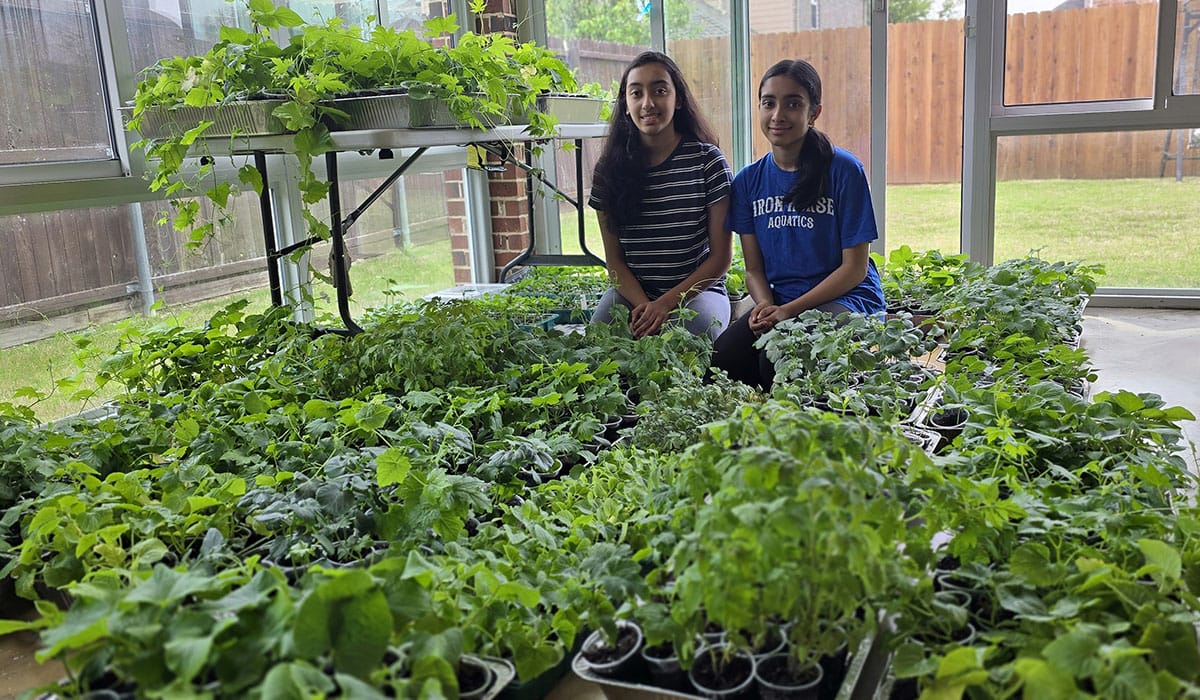
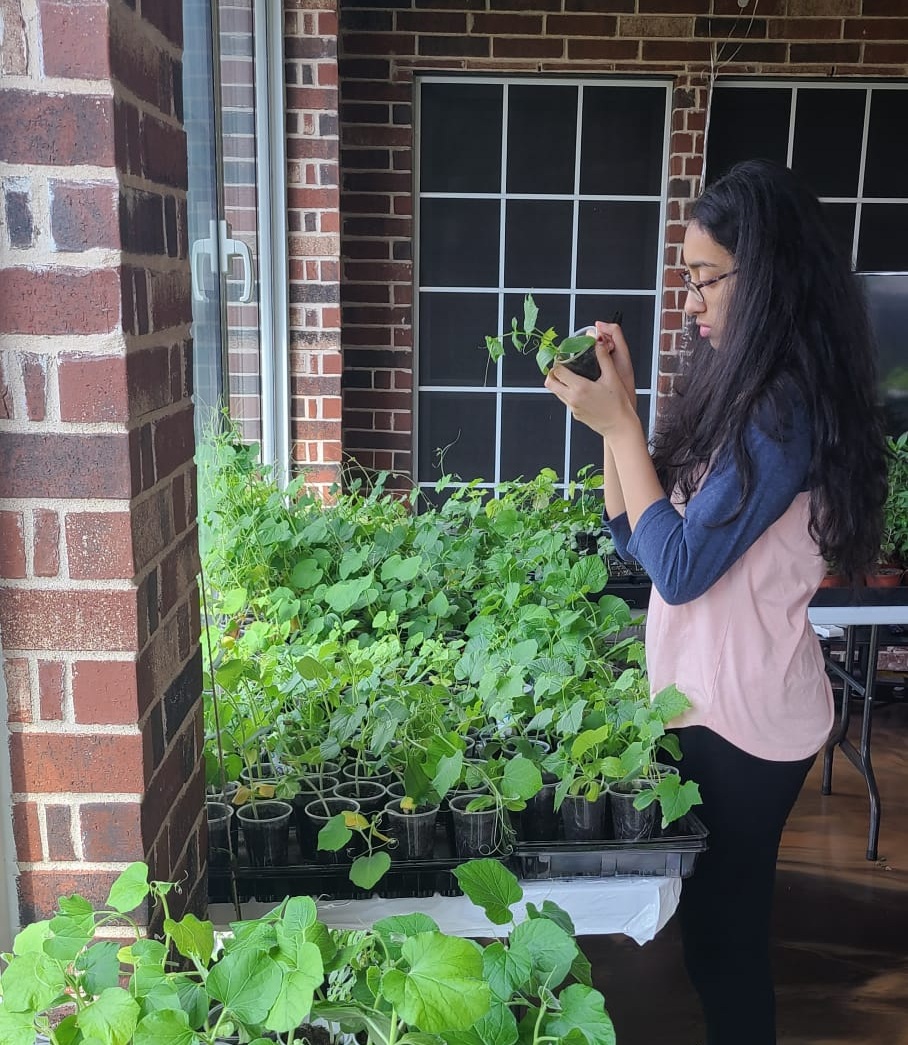
The journey has definitely been a bumpy road. One of the biggest challenges was fundraising. Initially, I struggled to engage people to contribute to a cause that did not offer them any tangible benefit. It was difficult to find ways to connect the community to a problem that many had never personally experienced. At the same time, I wanted the support to feel meaningful rather than transactional. I realized that my local community had a strong interest in gardening, and I decided to use that passion as a way to raise support. This led to the creation of Seedlings for Education, a fundraising initiative where I, along with the support of volunteers, grow and sell vegetable plants every year to sponsor assistive devices for visually impaired students. Over the past 4 years, we have sold over 8000 plants and raised over $40,000 to sponsor over 400 devices.
Another challenge was expanding my volunteer network. At first, I had only a few friends helping me, and I knew that to reach more students, I would need to connect with others beyond my immediate circle. I began reaching out to nonprofit organizations and was encouraged to find many with established volunteer networks and shared goals. Partnering with them allowed my initiatives to grow more quickly and reach more students than I could have on my own. Through this challenge, I came to understand how to bring people together around a shared purpose and turn individual efforts into a community effort that sparks change.
Alright, so let’s switch gears a bit and talk business. What should we know?
Vision Beyond Sight is a youth-led platform dedicated to promoting equitable and inclusive education for visually impaired students. At a high level, our mission is to ensure that students who are blind or have low vision have the tools, resources, and opportunities they need to thrive academically, socially, and professionally. We focus not just on equity, making sure resources are accessible, effective, and tailored to individual needs, but also on inclusivity, ensuring that these resources are available to all who need them.
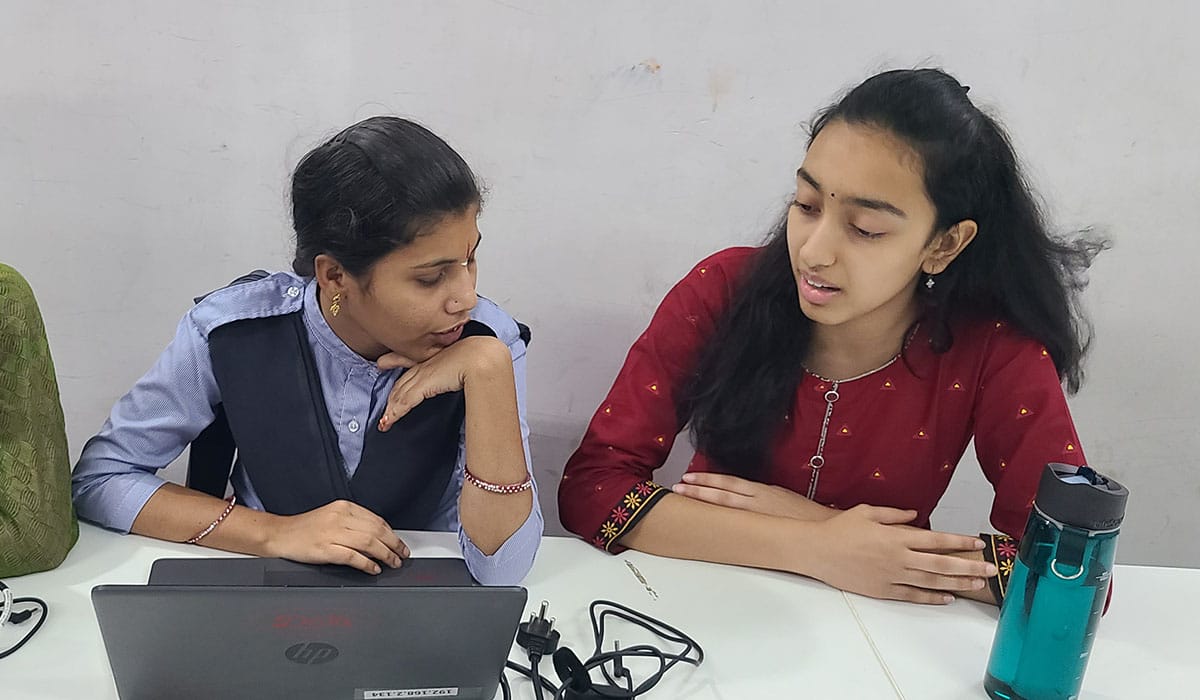
One of our core initiatives is the Accessible Digital Books Project, where we convert school and competitive exam textbooks into digital formats that students can access independently. Over the past few years, we have completed more than 140,000 pages, providing thousands of students with accessible educational material. This enables visually impaired students to prepare for exams more efficiently and empowers them to reach their full potential.
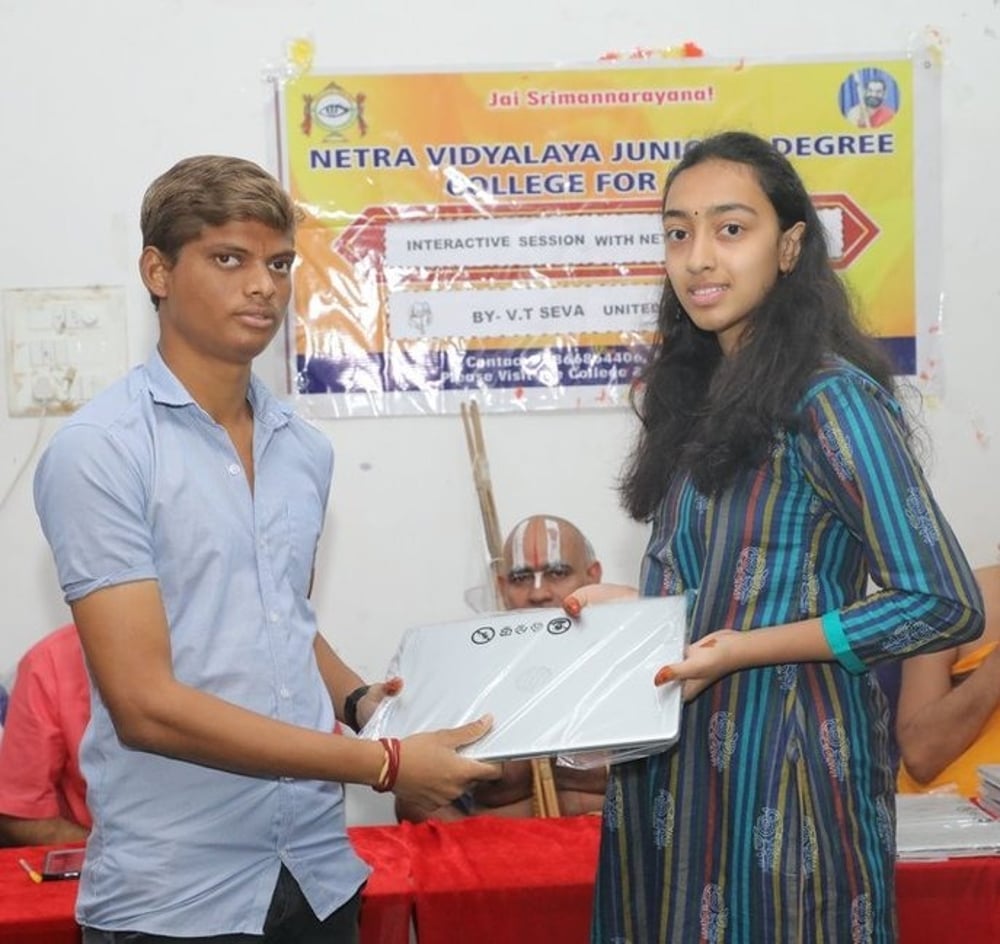
Another pillar of our work is providing assistive devices for students to access digital books. Through initiatives like Seedlings for Education, we have raised over $40,000 to sponsor more than 400 devices. By growing and selling vegetable seedlings within the community, we combine a fundraising model that engages local interest with the goal of equipping students with tools that support independence and learning.
At the beginning of this year, I started a scholarship program that supports talented, underserved visually impaired students who cannot afford tuition or other education-related costs. To raise funds for these scholarships, I teach violin lessons to kids in my community, combining my passion for music with my commitment to this cause. These scholarships remove financial barriers while empowering students to pursue higher education and professional opportunities.
I am most proud of stories like that of Mayank, a student from a remote village in Bihar who is both visually impaired and an amputee. The previous year, he earned admission to several top universities in India but could not attend due to financial constraints. In India, students must pay a significant entrance fee within a very short window, often just a couple of weeks, which makes it nearly impossible for families with limited resources to secure their seats. With support from Vision Beyond Sight, Mayank is now able to attend a reputable college of technology in Mumbai. Many of these students are the first in their families to go to college, to even earn a stable income. But this impact stretches farther than just them. It is changing their entire generation.
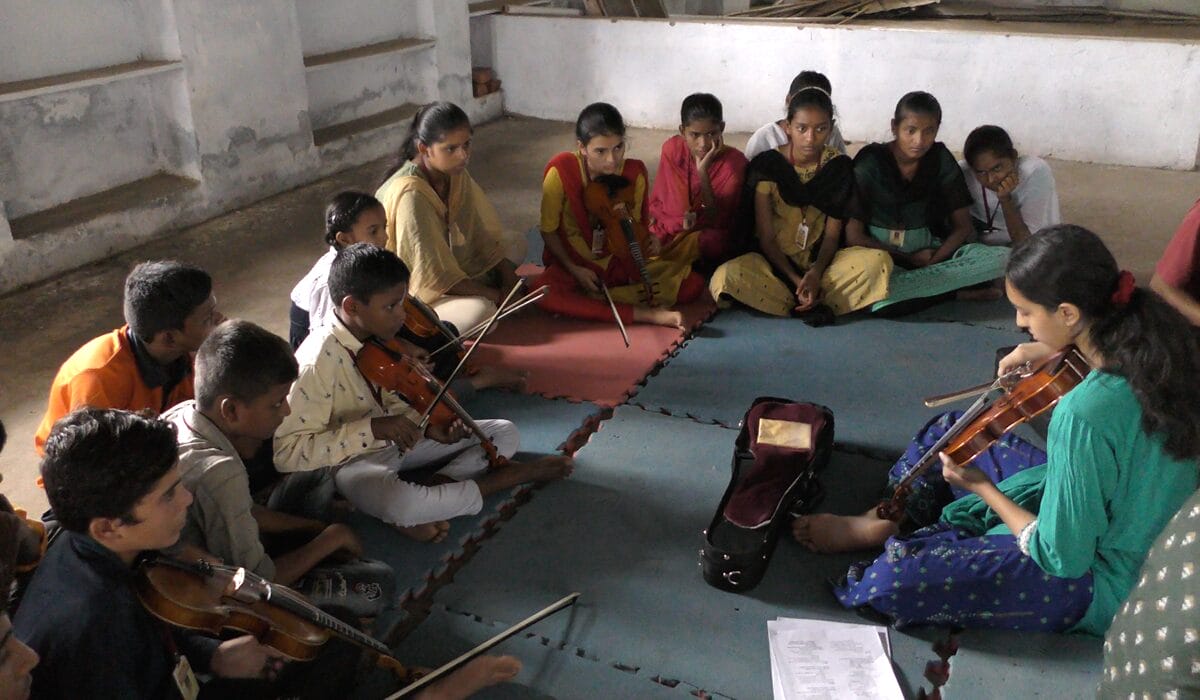
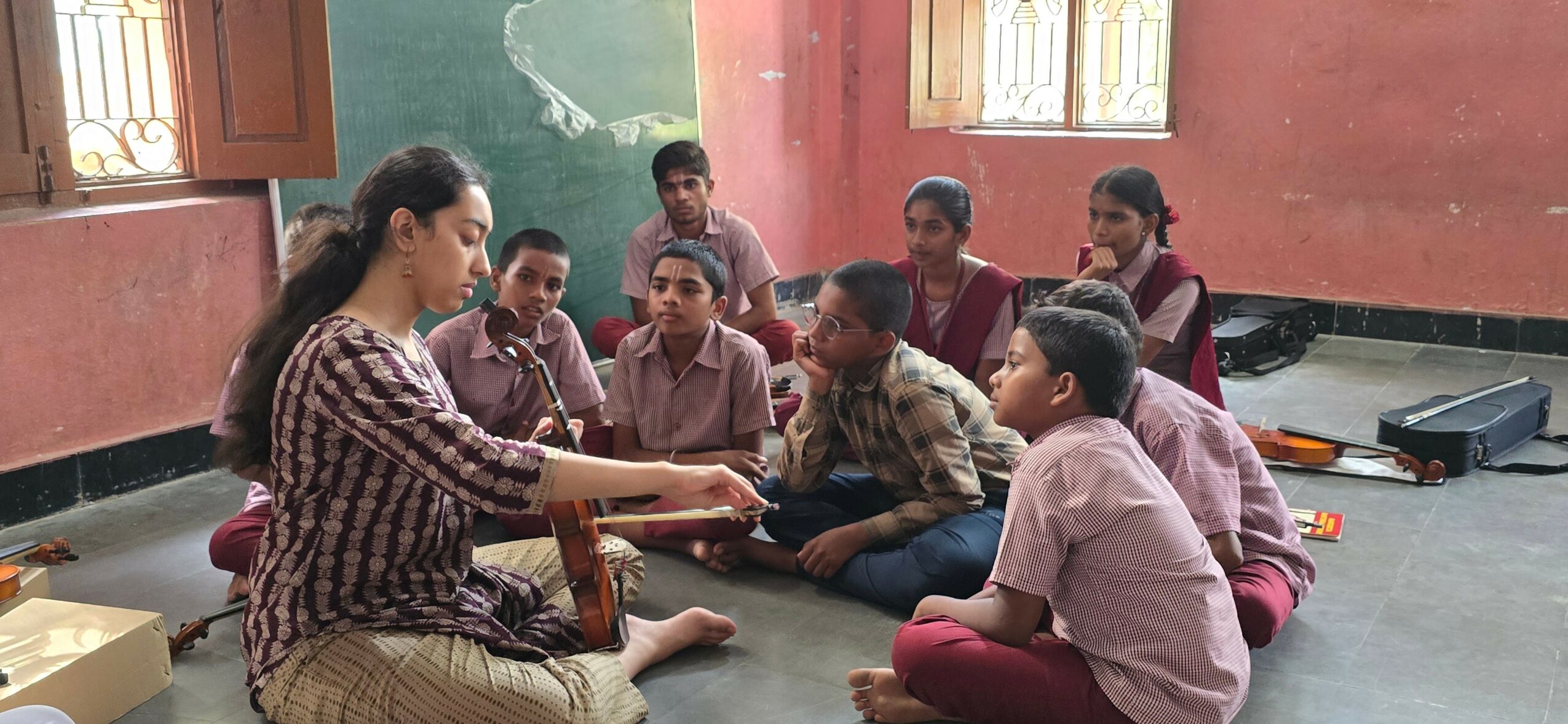
In addition to these initiatives, I started Music 4 Cause as part of Vision Beyond Sight, where I teach violin to tribal students in India through virtual lessons. Having played the violin for over a decade, I wanted to express my love for music in new ways, not just by performing, but by sharing the gift of music with others. Upon returning from an internship where I introduced violin to tribal students in India, I started a fundraiser to procure and donate violins and essential accessories so that they could have the opportunity to continue learning violin. None had access to a formal music education, but their caliber and eagerness to learn was incredible. Seeing them grow over the years, not just as musicians but as confident, achieving individuals, reminds me how sharing knowledge and opportunity can change a life forever.
What sets Vision Beyond Sight apart is our holistic approach. While many organizations focus on a single aspect of supporting visually impaired students or underserved communities, we address multiple areas simultaneously, including digital resources, assistive devices, and financial support, to maximize impact. It is not enough to simply provide resources. They must be effective, personalized, and scalable to truly create opportunities.
Is there any advice you’d like to share with our readers who might just be starting out?
One of the most important lessons I’ve learned is the power of delegation. When I first started Vision Beyond Sight, I wanted to do everything myself, but I quickly realized that real progress requires trusting others and giving them responsibility to contribute their own perspectives. Learning when to lead and when to step back and follow has been equally important. There are moments when providing guidance and strengthening the vision is necessary, but there are just as many moments when listening, learning from others, and letting their strengths shape the vision leads to far better outcomes.
I also wish I had known earlier not to hesitate to ask for support. At first, I doubted what a high school student could do, but I realized that reaching out for guidance and partnerships can open doors you never imagined. I learned this while contacting technology companies to work with me in sponsoring assistive devices. Many said no, but persistence paid off in another way, when national and international nonprofits responded with enthusiasm and support. Those early rejections were the first steps toward the partnerships that made real change possible.
Contact Info:
- Website: https://visionbeyondsight.us/
- Instagram: https://www.instagram.com/vision_beyond_sight?igsh=NTJ3dzUzcWQ1OWxo&utm_source=qr
- Facebook: https://www.facebook.com/meghana.aduri.2025
- LinkedIn: https://www.linkedin.com/in/aduri-meghana/
- Twitter: https://x.com/MeghanaAdu95806