





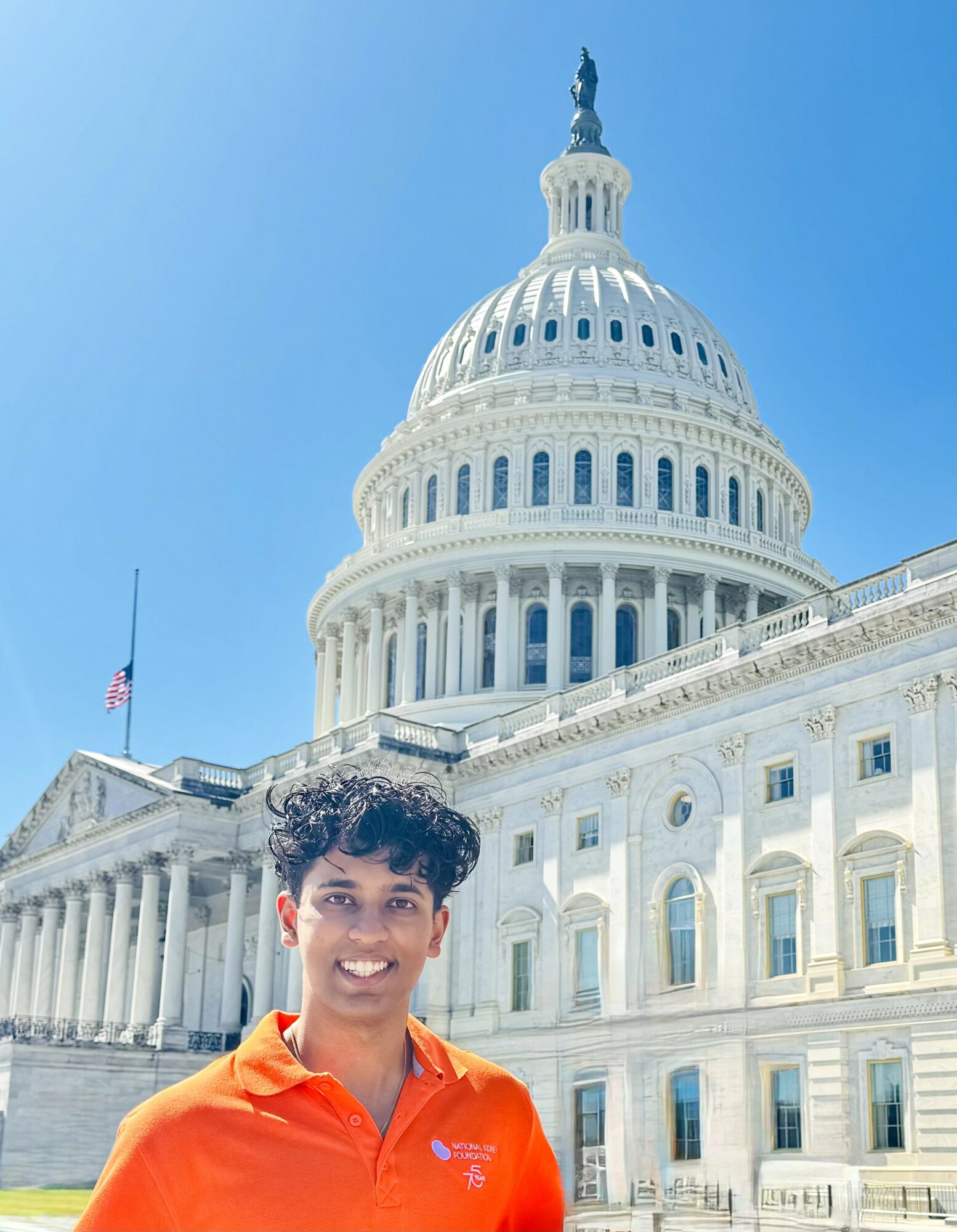
Today we’d like to introduce you to Kapil Panda.
Hi Kapil, please kick things off for us with an introduction to yourself and your story.
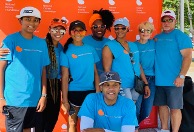
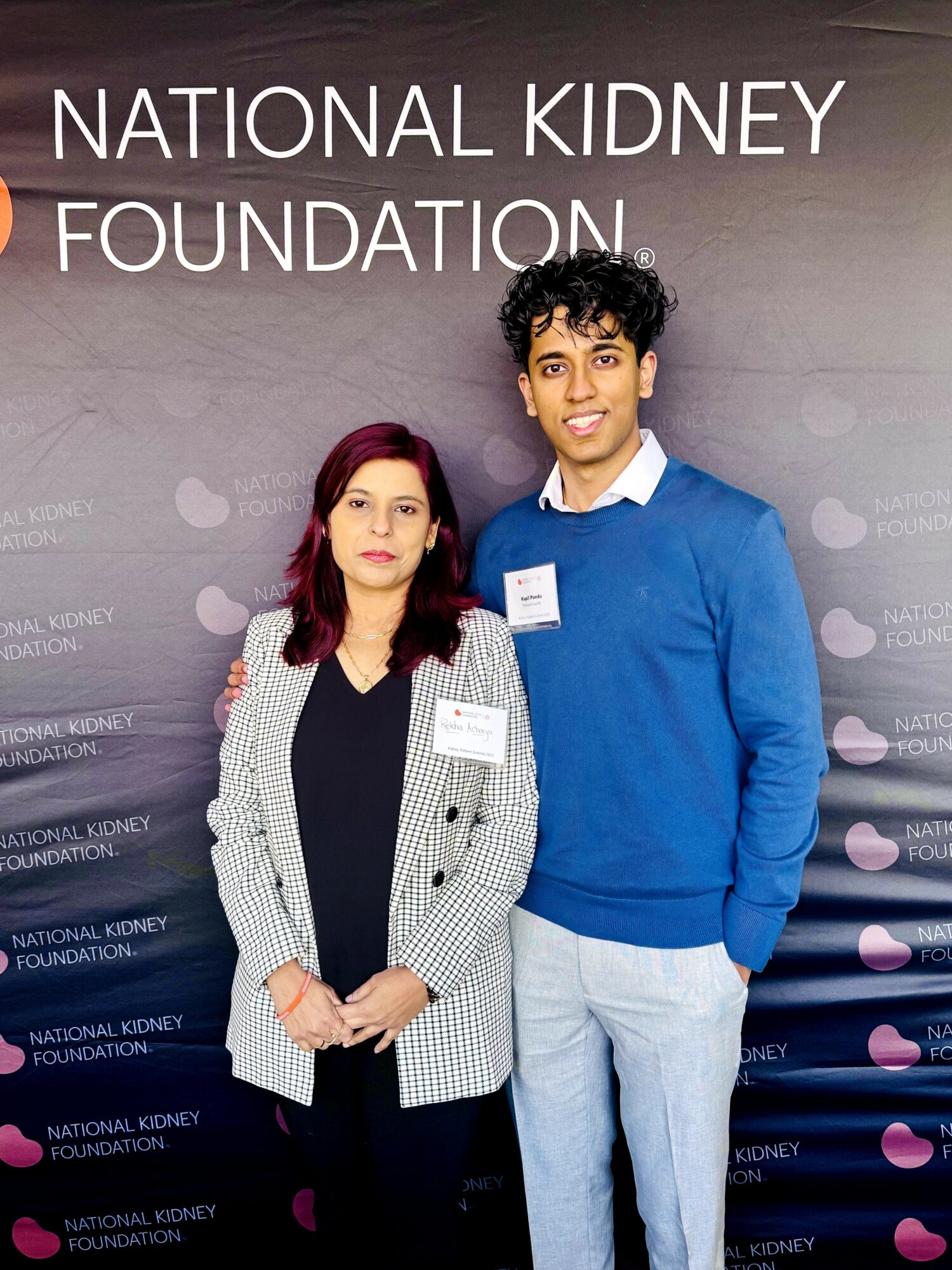
My story began when I lost my grandmother to kidney failure— not because she didn’t have a donor, but because the transplant system failed her. I was in elementary school and far too young to understand anything about kidney failure and kidney’s as a whole, outside of them being some bean shaped organ in our bodies. So I went to a National Kidney Foundation camp to learn more, where I met patients whose stories mirrored hers. That became my first turning point.
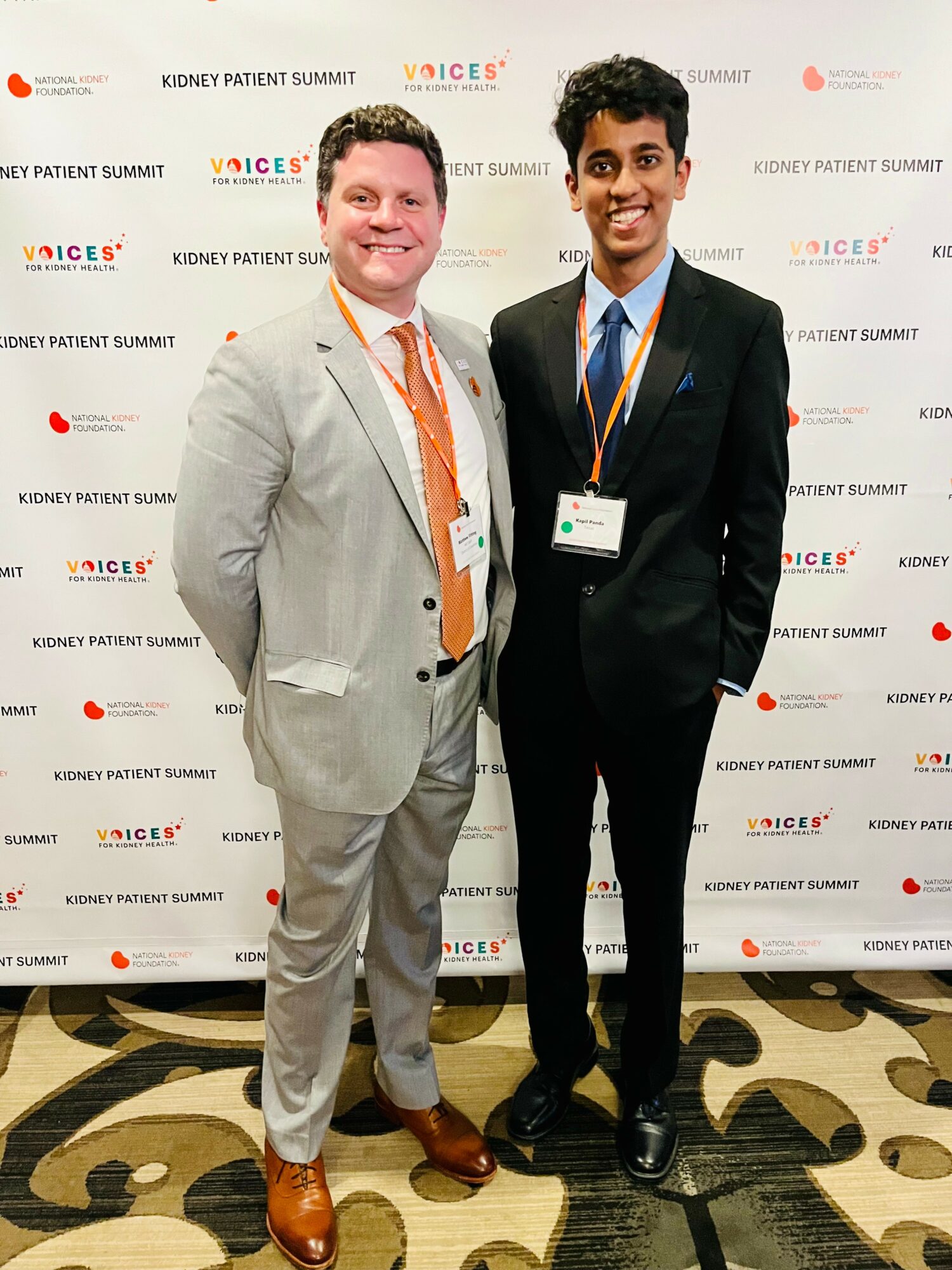
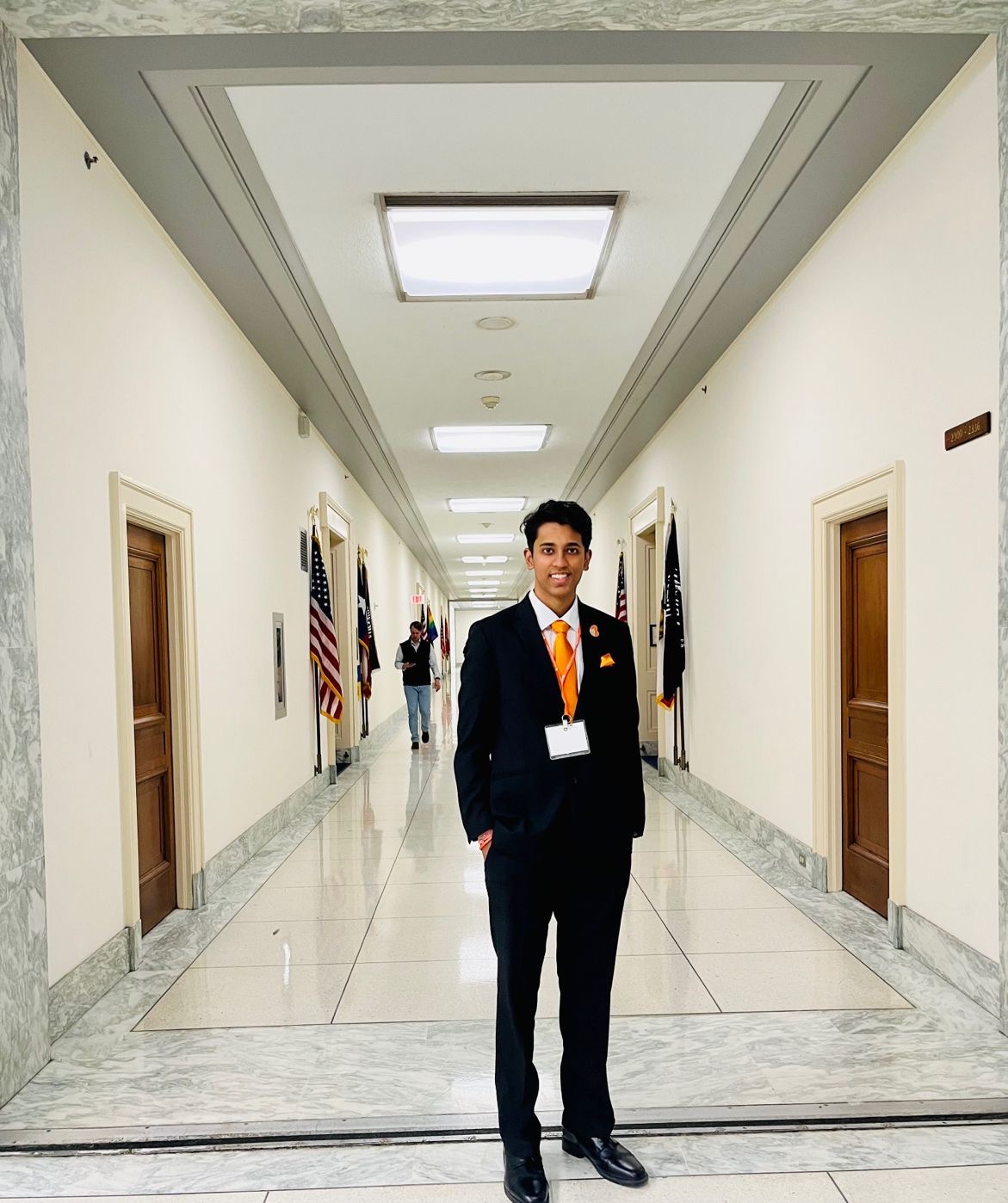
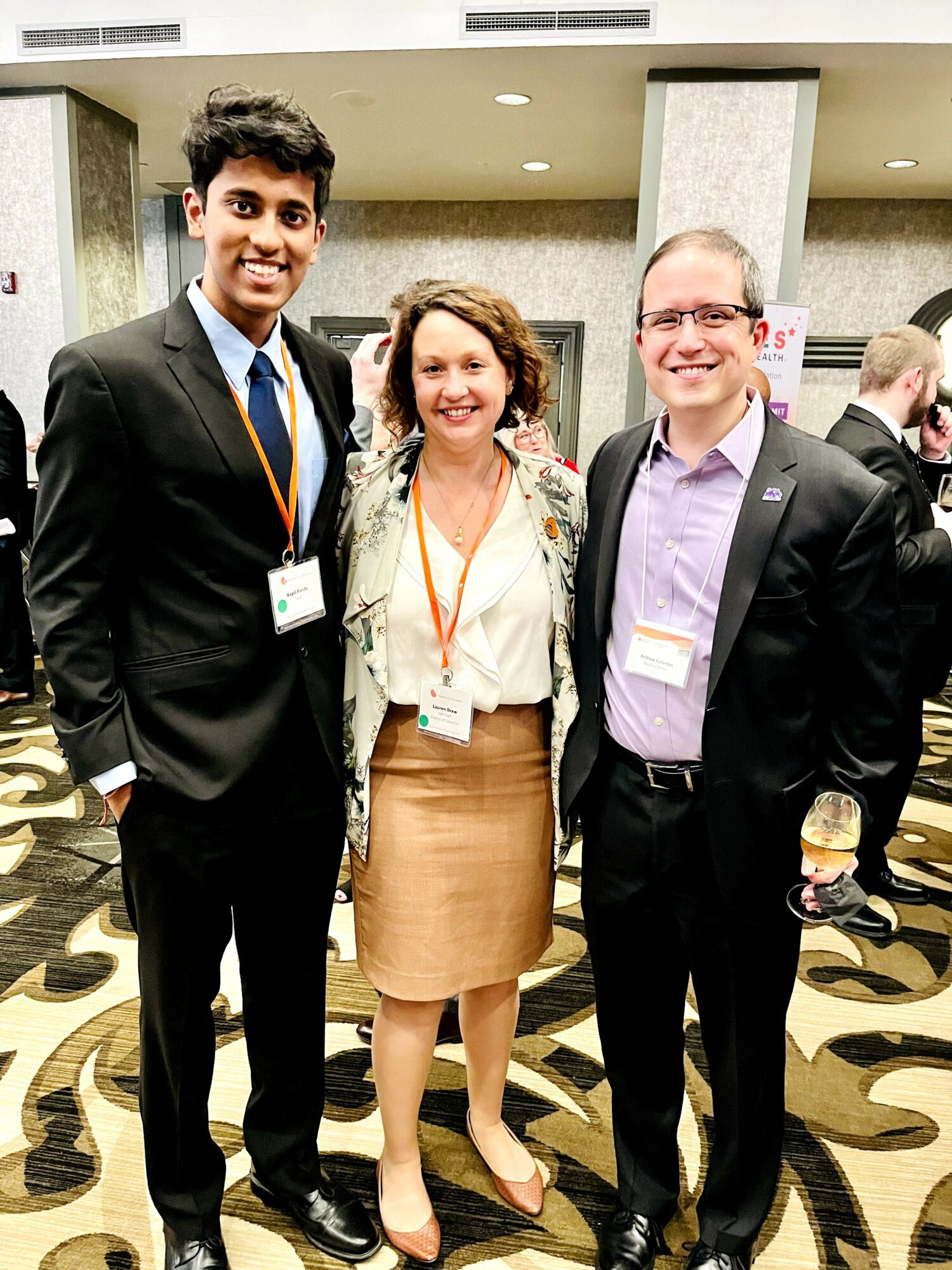
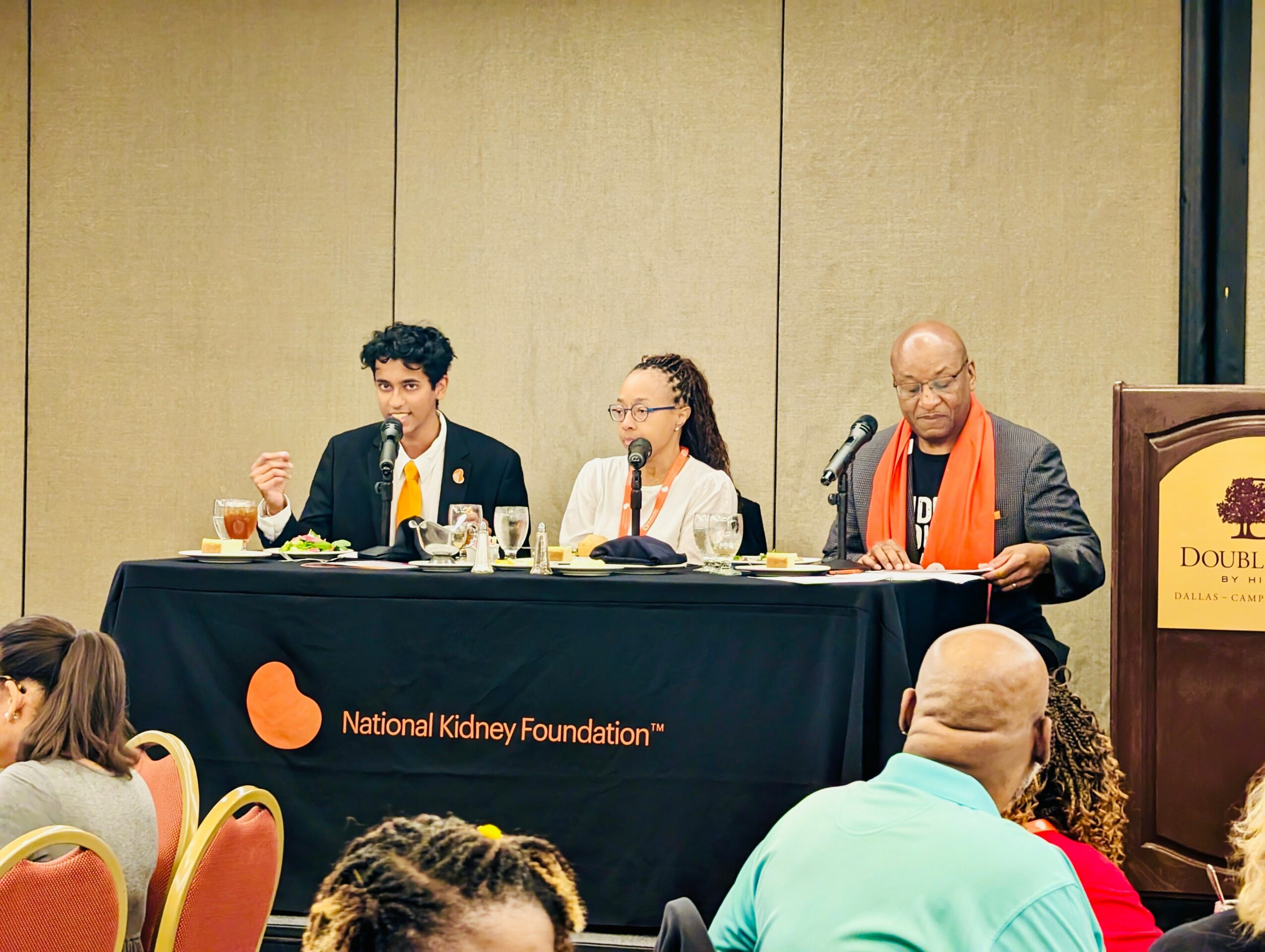
Since I was “too young” to meaningfully contribute through research or policy, I decided to help the cause in the only ways I could: I sold cookies door-to-door, spoke to retailers like Costco and Walmart to donate for kidney walks, and later wrote and published a book to raise money for kidney research. Those small efforts eventually grew into something much larger and in middle school, I was offered the role to become a political advocate for the National Kidney Foundation. In this role I spoke to the offices of Ted Cruz, John Cornyn, and several other members of Congress and representatives like Beth Van Duyne, to advocate and lobby for bills that aid the kidney community. I then eventually became one of the youngest NKF advocate ever invited to Washington D.C. where I helped lobby in Capitol Hill and helped introduce several bills into the House and Senate.
Now I wasn’t satisfied here. As part of my role as an advocate, I speak to patients and find their pain points to better my advocacy efforts. It was through these conversations that I was further enlightened on the several smaller diseases that affect patients in areas that didn’t receive enough funding or research focus. This inspired me to conduct my own research in this space in high school where I began using my own skills to conduct nephrology research, ultimately publishing numerous first-author papers and earning patents for new AI methods in kidney transplantation along the way.
That path — personal loss, advocacy, scientific research, and direct patient conversations — led me to build KidneyChain. It’s the culmination of everything I’ve lived: a mission to ensure no family goes through what mine did.
I now a student at Brown University studying Computer Science and Economics along with a minor in Entrepreneurship while I am building KidneyChain.
Alright, so let’s dig a little deeper into the story – has it been an easy path overall and if not, what were the challenges you’ve had to overcome?
Breaking into a field like healthcare—especially something as system-bound and risk-averse as transplantation—has been anything but smooth, particularly starting as young as I did. Even after years of advocacy and research, I constantly ran into the reality that age is often viewed as a proxy for credibility. Clinicians, policymakers, and hospital administrators rarely expect someone my age to be driving technical innovation or shaping policy, so earning their trust required substantially more proof, persistence, and humility than most founders face.
Building a company in this space compounds that challenge. Healthcare has steep regulatory barriers, long sales cycles, and deeply entrenched legacy systems—meaning I’ve had to learn FDA regulation, CMS reimbursement models, hospital workflow integration, and compliance frameworks long before most students even declare their major. And unlike consumer tech founders, I couldn’t just “build fast and iterate”; in medicine, people’s lives depend on getting it right.
Still, these obstacles never deterred me. They forced me to become more rigorous, more informed, and more empathetic. The same persistence that started with me selling cookies when being “too young to effectively create change” in the community to now advocating on Capitol Hill, and publishing and patenting my own work, is what now powers KidneyChain. Every barrier helped shape me into a founder who can navigate complexity, earn trust across disciplines, and keep pushing a system that desperately needs change.
Thanks for sharing that. So, maybe next you can tell us a bit more about your business?
KidneyChain is an AI-powered transplant-matching platform built to fix one of healthcare’s most broken systems: kidney allocation. You hear people all the time on the news mention how we need more organs for transplantation. While that is true and we have over 90,000 people on the transplant waitlist, we also waste tons of organs. Last year alone we wasted 3,800 viable kidneys due to systemic issues that span slow matching processes and low graft survival rate causing patients to need several transplants in their lifetimes. KidneyChain solves this issue by utilizing artificial intelligence to generate higher-quality donor–recipient matches, reduce organ waste, and improve long-term graft survival—all while ensuring transparency and equity through out platform.
What sets us apart is our combination of cutting-edge technology and deep domain insight. We’re not just optimizing logistics—we’re redefining how life-saving organs are allocated. Legacy systems are stagnant and rule-based; KidneyChain learns from 25+ years of transplant outcomes to continuously and adaptively improve predictions and matching quality. Our team spans leading researchers and nephrologists from Brown, Stanford, Columbia, and NYU, giving us both technical strength and clinical credibility. What truly differentiates us is our focus on real-world impact—helping hospitals increase transplant volume, helping OPOs reduce discard rates, and ultimately helping patients receive the right kidney the first time.
KidneyChain isn’t another healthcare SaaS product; it’s a new foundation for the future of organ allocation—faster, smarter, fairer.
What matters most to you? Why?
Family. Growing up, I was raised in a household where family always came first. As I got older, I consistently saw the constant sacrifices my parents- Rekha Acharya and Debashish Panda- always made for me to have an opportunity at something new or for me to pursue a new interest of mine. That lens eventually shaped how I see the world.
After witnessing patients fighting for the chance to stay with their families, whether it was sitting with mothers terrified of losing their children to kidney disease or speaking with patients whose only wish was to live long enough to see their grandchildren grow up, I recognized the same fierce love I grew up with and hated any family getting separated like that.
That belief now drives everything I do. My work in kidney research, advocacy, and technology is ultimately about preserving what matters most to people—their time with the people they love. If I can use my skills to prevent even one family from experiencing the loss mine did, then I know I’m putting my values into action.
Contact Info:
- Website: https://kidneychainllc.com
- LinkedIn: https://www.linkedin.com/in/kapil-panda-4631561b5/