






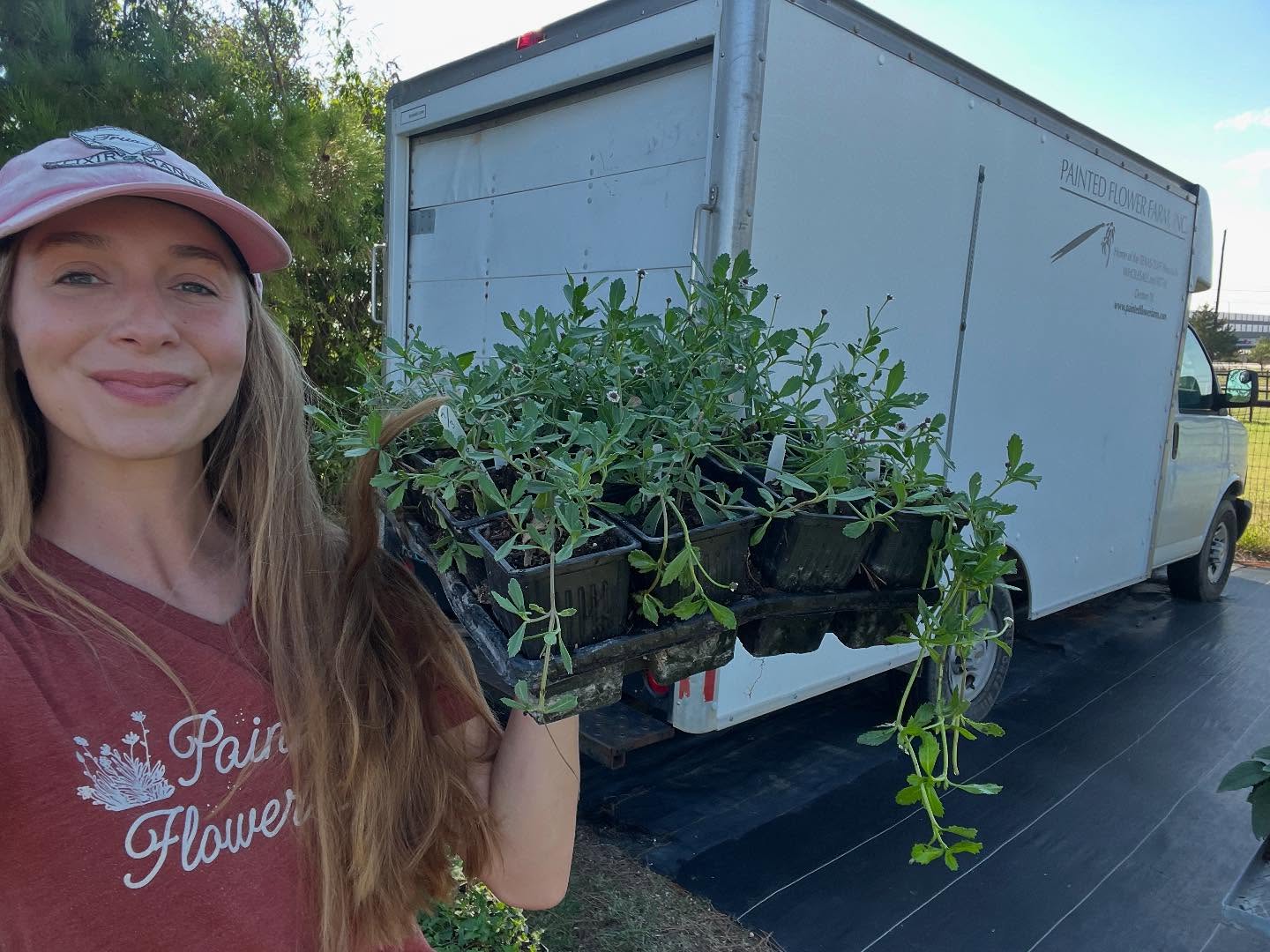
Today we’d like to introduce you to Bethany Szymanski.
Bethany, we appreciate you taking the time to share your story with us today. Where does your story begin?
(Painted Flower Farm’s background) – The business initially started as an independent research lab, by owner and microbiologist, Don Kenney. During the slower seasons, Painted Flower Farm employees grew and sold plants as a wholesale operation. After a handful of decades, the lab closed, and the business turned retail with a focus on native species and restoration. Our clientele varies between residential homes and city installs; featuring monarch waystations/pollinator gardens, lawn conversions, and riparian projects. We have much appreciation towards Native Plant Society of Texas, Texas Master Naturalists, Texas Master Gardeners, Texas Prairie Association, University of North Texas, and Texas Women’s University.
https://www.paintedflowerfarm.com/about-us
(Bethany’s background) – I left my design job and moved to the West Coast, where I ended up working for a non-profit environmental organization. Afterwards, I was staffed at a local nursery in their horticultural department where I learned about the importance of native plants and herbs. Once I moved to Texas, I found Painted Flower Farm and was immediately drawn towards their native selection, ecological knowledge, and overwhelming kindness. Over the past 7 years, I have worked my way up from a seasonal employee to nursery manager, and I can only hope to continue to share the intel I have learned over my time here.
Can you talk to us a bit about the challenges and lessons you’ve learned along the way. Looking back would you say it’s been easy or smooth in retrospect?
The biggest takeaway we want people to understand is the importance of planting with native species.
Common trends have been to have a manicured garden; typically planted with European or Asian flowers that require more resources to establish and, at times, outcompete natives.
Native plants need less maintenance to establish and are better suited for living in our environmental conditions as they’ve already evolved to do so. They’ve developed methods for sun protection, and some have elongated tap roots that move through our thick clay soils to find water during droughts.
Native plants also provide food for our local wildlife; whether that be from fruit, seed, or as a larval host (such as pipevine, or milkweed). Many non-native species, although beautiful, limit, or provide no food value for our wildlife. There are even studies that detail our native bees requiring pollen from local wildflowers to have appropriate nutrient absorption. By planting native plants, we continue to help our current populations and their future reproduction, and by planting non-native plants we risk their livelihood.
Can you tell our readers more about what you do and what you think sets you apart from others?
We specialize in Texas native plants, although we also carry non-native, adapted plants, as well as grow a few annuals and heirloom veggies for fun. We do order in plants from other native wholesalers; however, we also a grow a multitude of native species in our greenhouses on site. Some of the new species we trialed this year included Bushy Bluestem, Prairie Dropseed, False Boneset, Pale Purple Coneflower, and Roughstem Rosinweed. Some of these materials are purchased through other means; however, our long-term goal is to harvest all plant materials on site or within Denton County. Growing the amount of plants that we do allow us to see in what conditions our plants grow best, visualize their developing root systems, and provide variation of hard-to-find native species.
What would you say have been one of the most important lessons you’ve learned?
Growth is earned!
Contact Info:
- Website: https://www.paintedflowerfarm.com/
- Instagram: https://www.instagram.com/paintedflowerfarmofficial/#
- Facebook: https://www.facebook.com/paintedflowerfarm
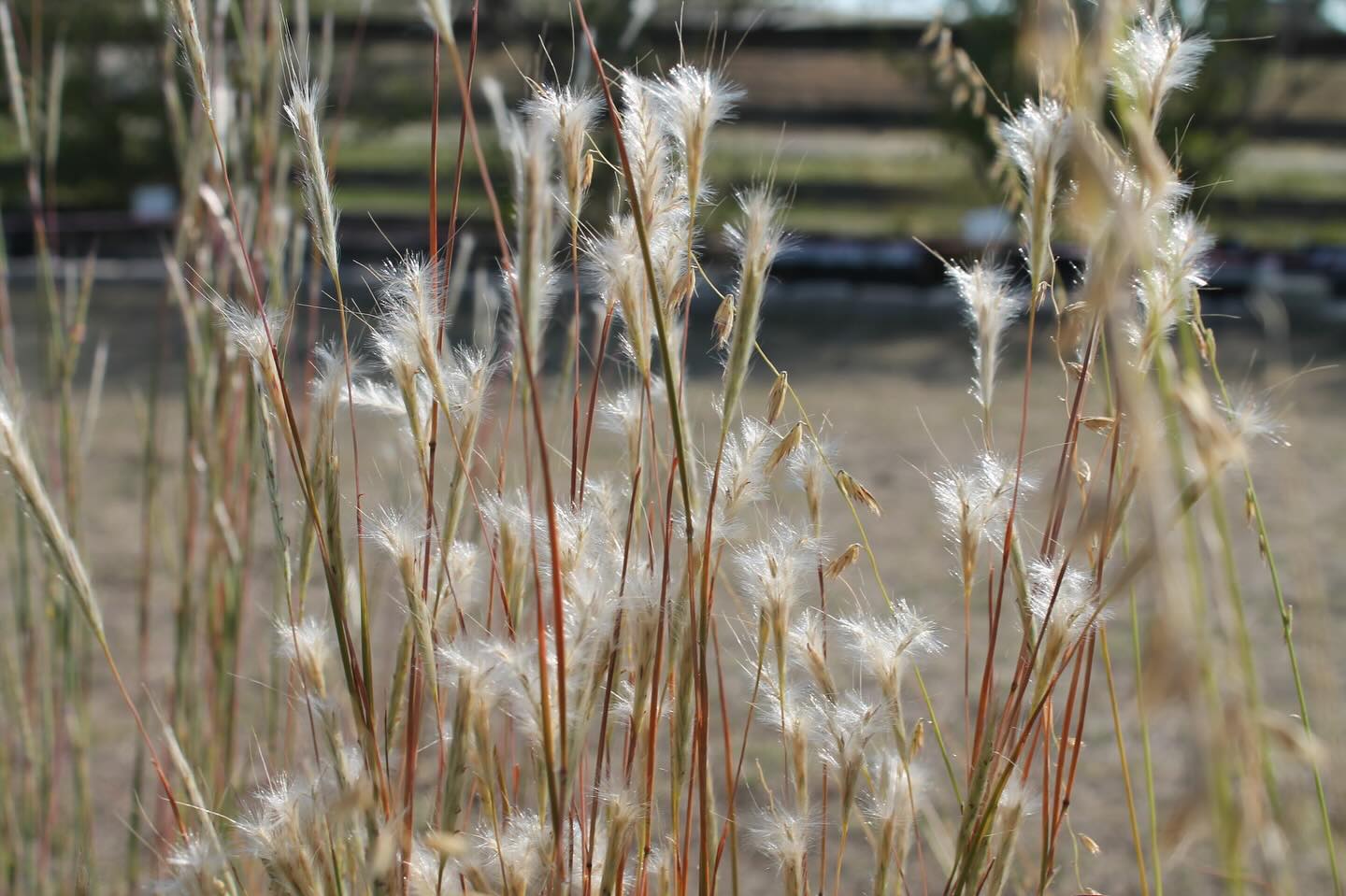
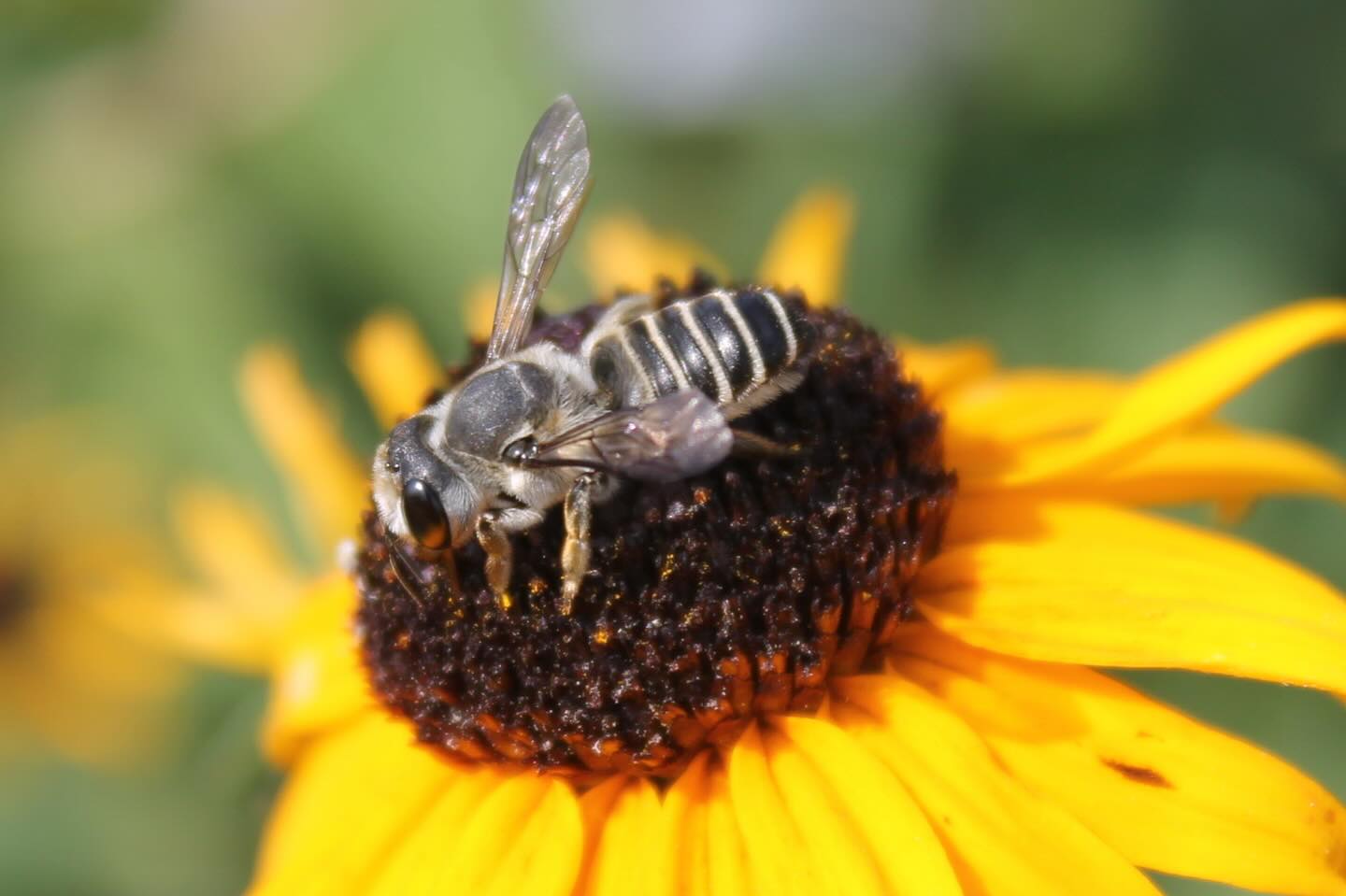
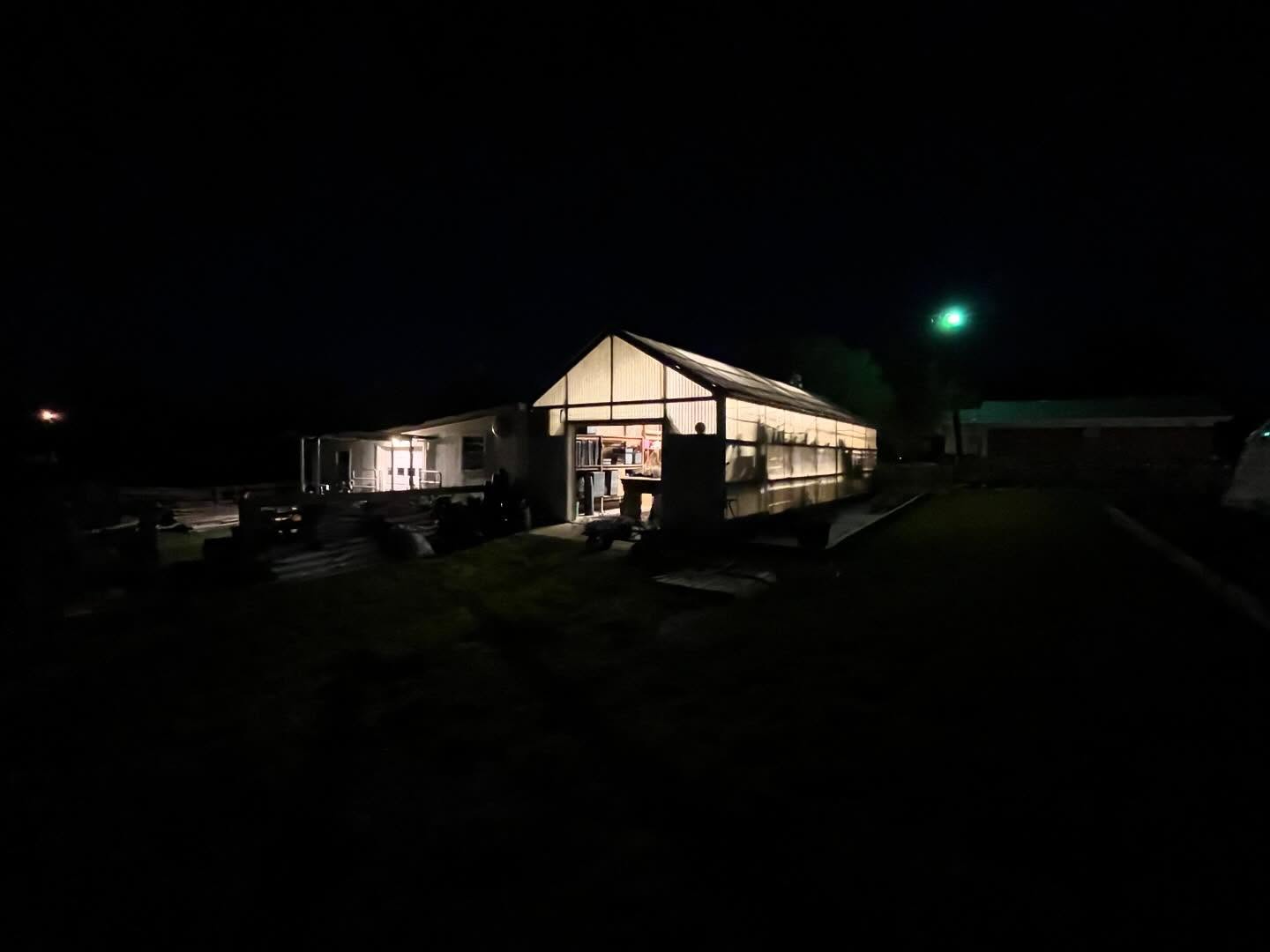
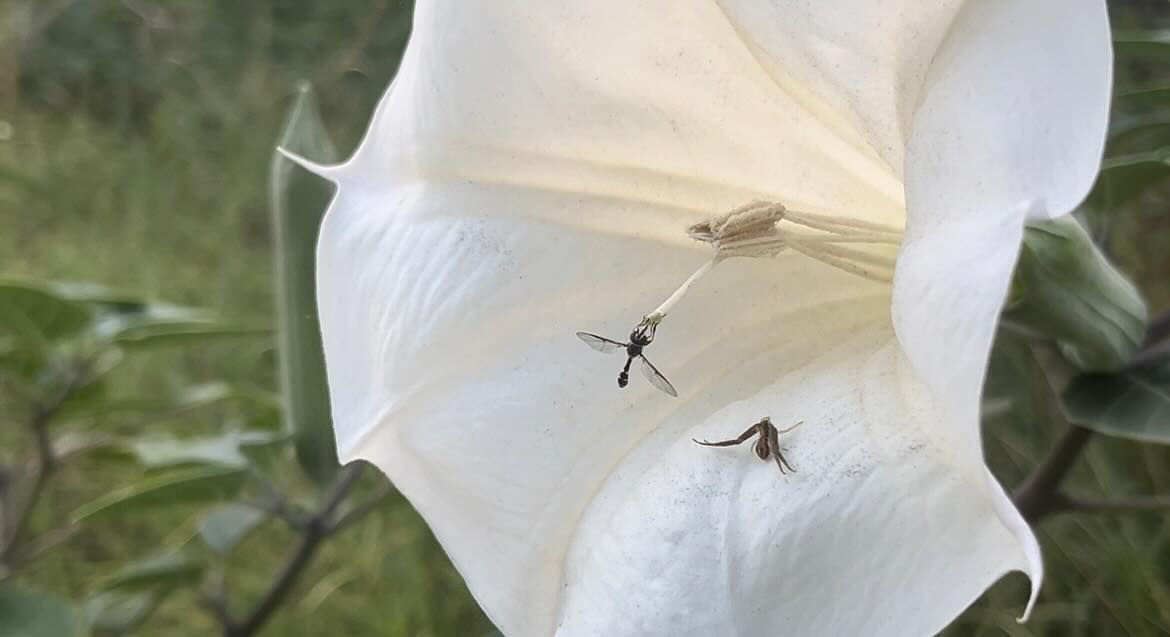
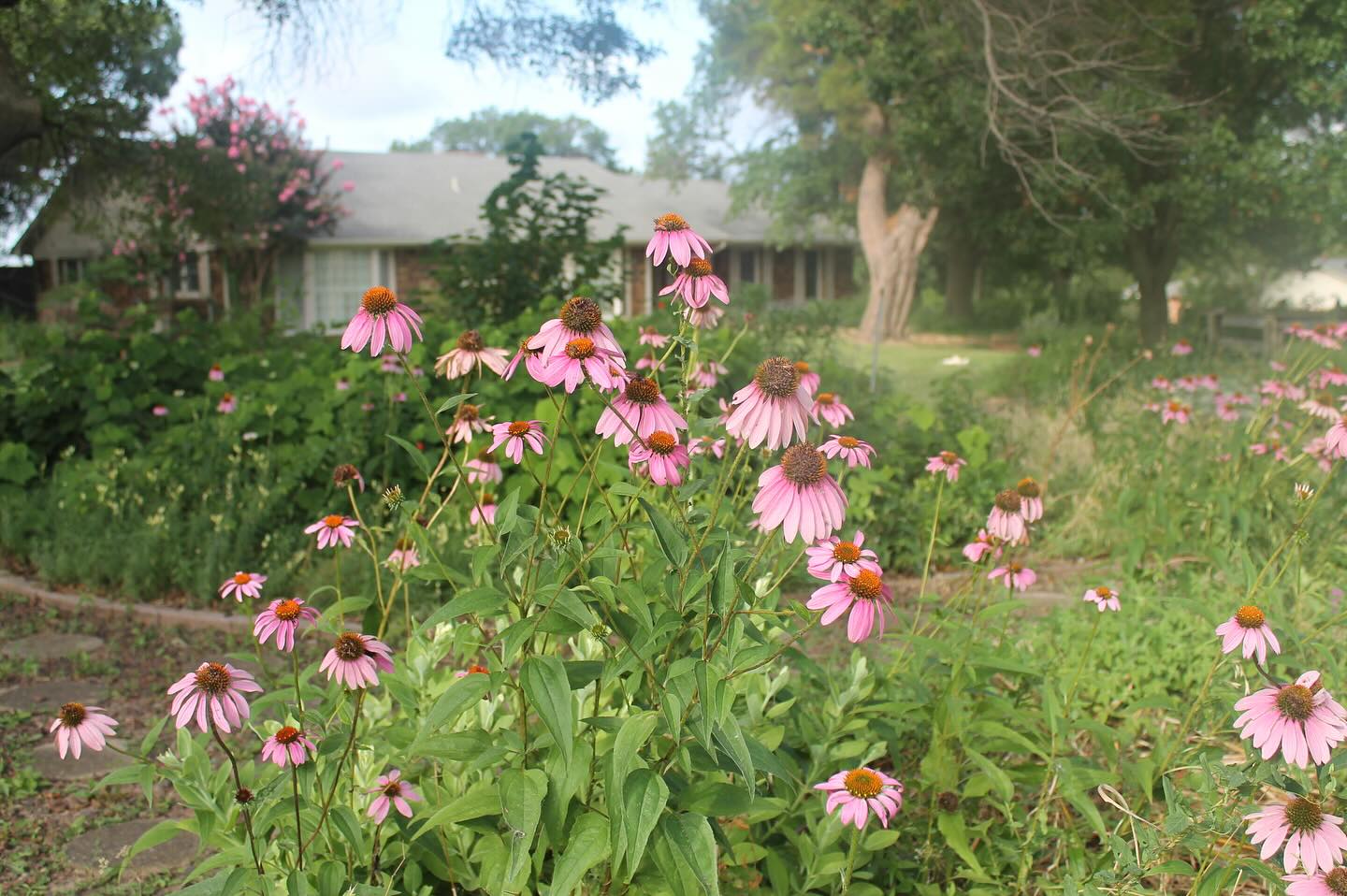
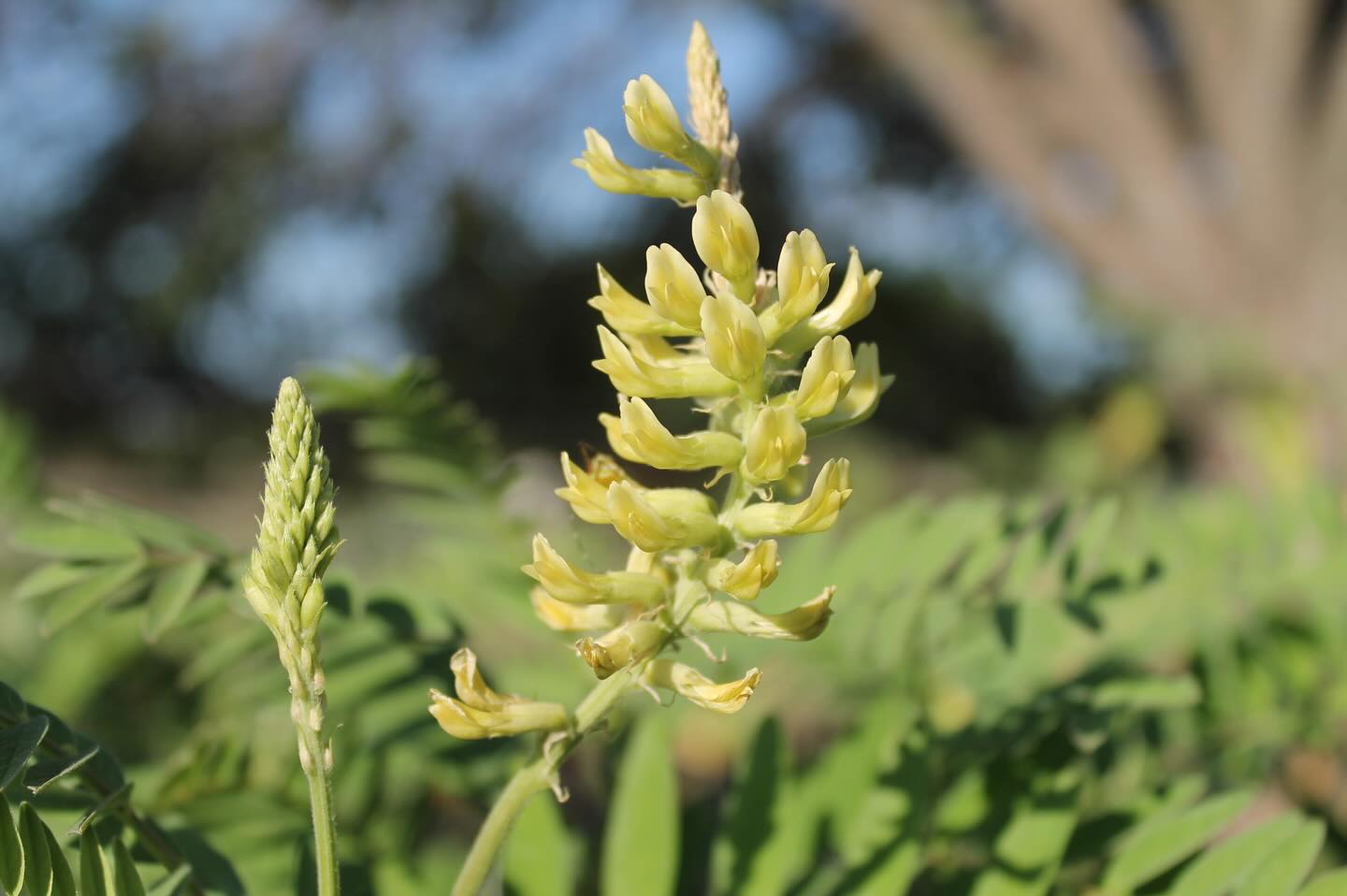
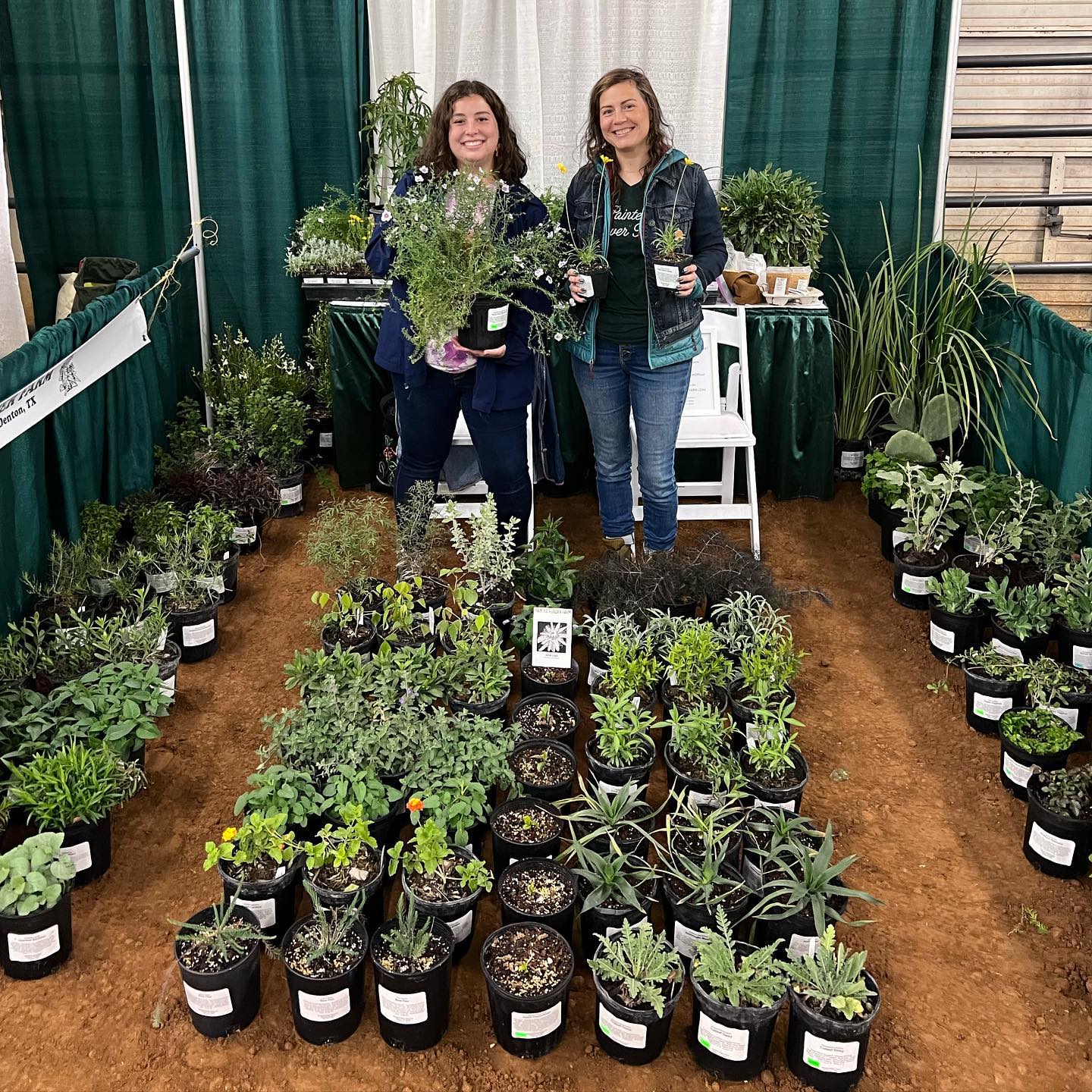
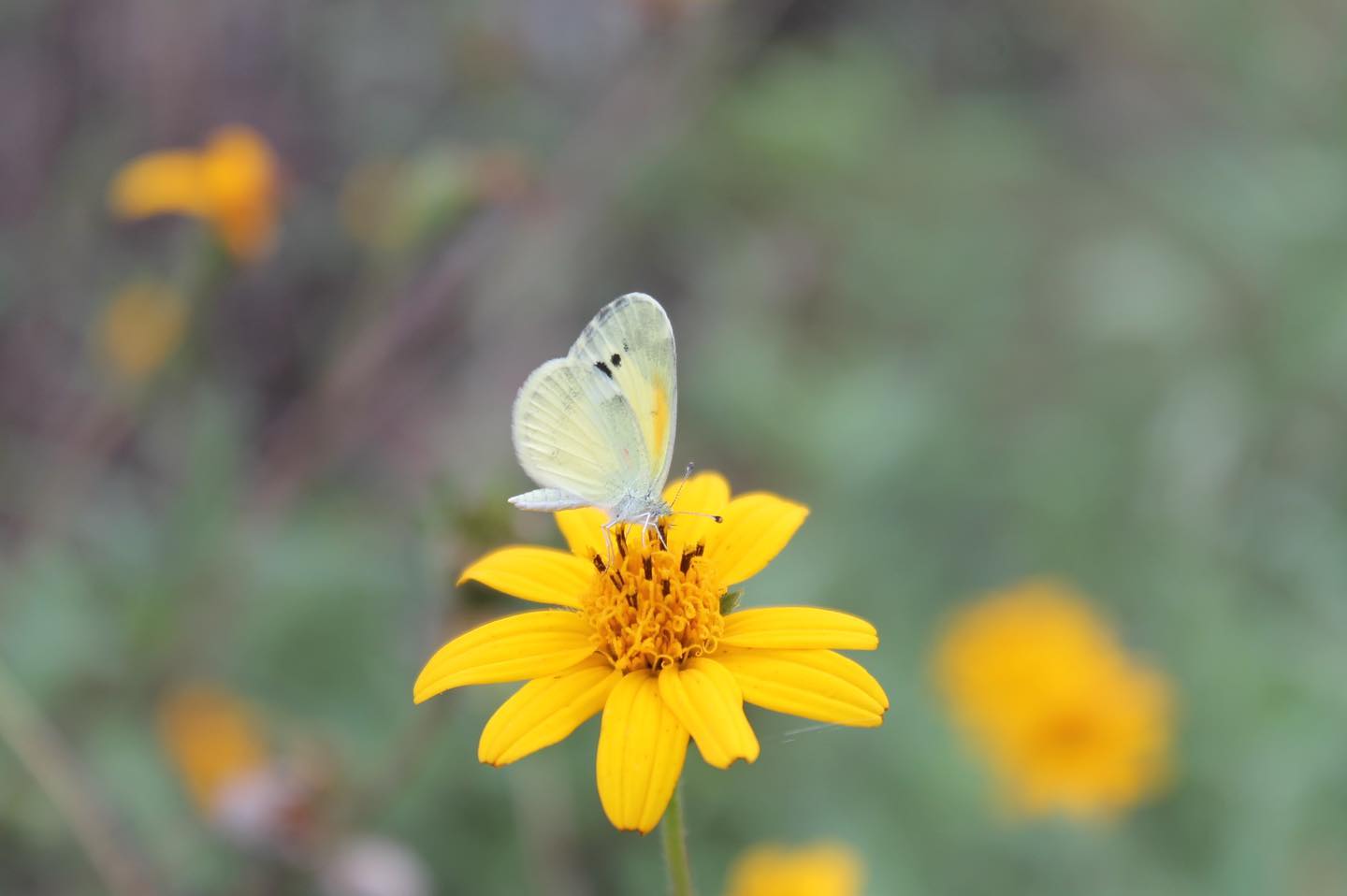
Image Credits
All photos taken by Painted Flower Farm.