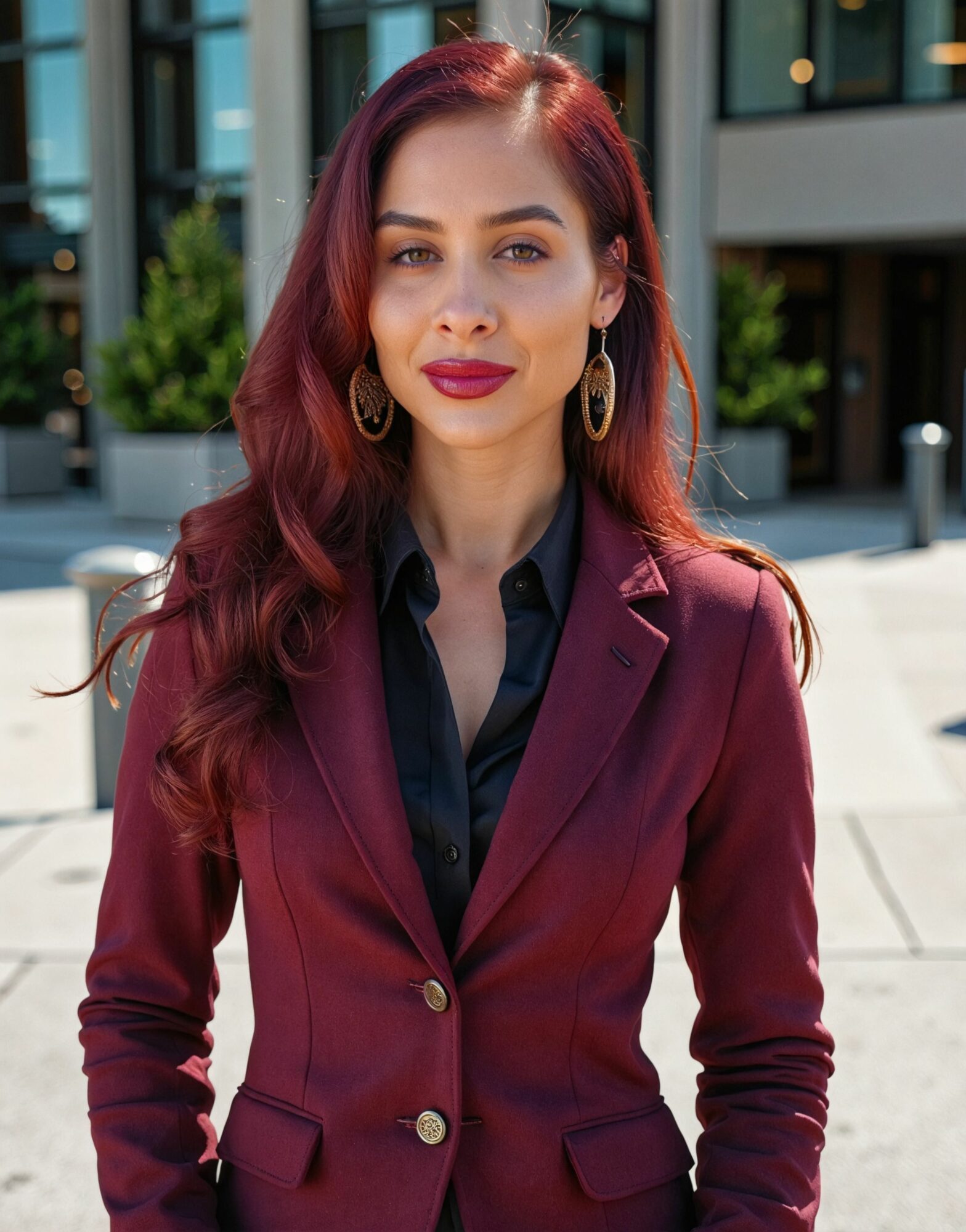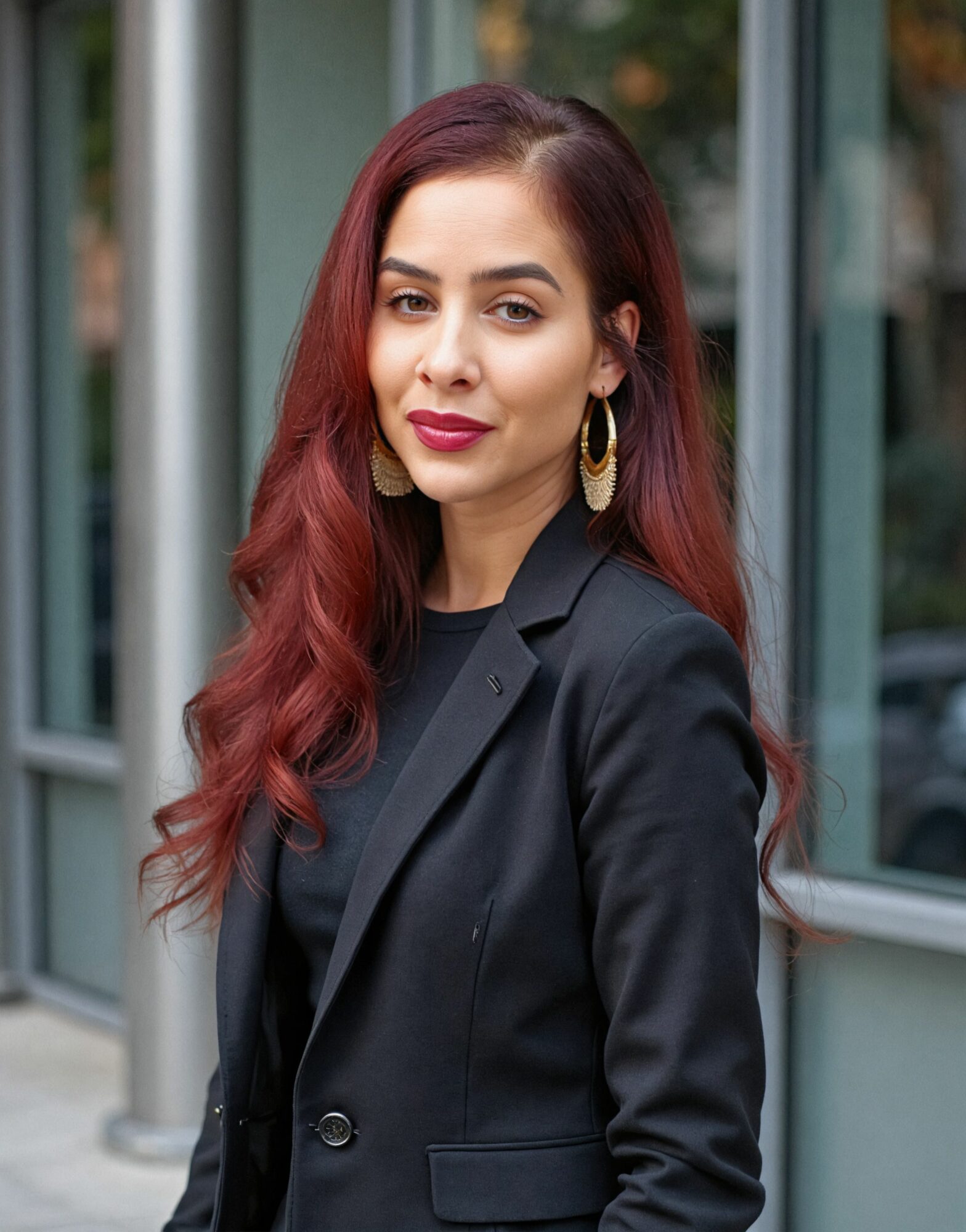






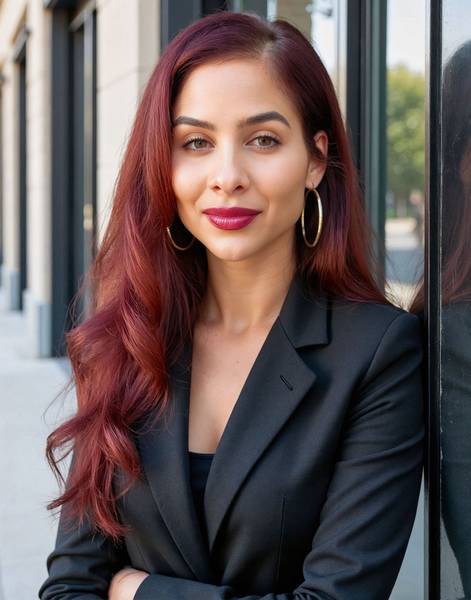
We recently had the chance to connect with Dr. Jasmine Gonzalez DHS, MS, LPC and have shared our conversation below.
Jasmine, it’s always a pleasure to learn from you and your journey. Let’s start with a bit of a warmup: What do you think is misunderstood about your business?
One of the biggest misunderstandings about my work is the idea that therapy is just “listening to people’s problems.” What I do goes so much deeper than that. My clients are often carrying the emotional weight of entire family systems, navigating cultural expectations, generational wounds, identity, and patterns that have shaped them long before they had language for any of it.
People don’t always realize that this work involves helping someone understand not just what they feel, but why they feel it, where it came from, and how to create new patterns that actually align with who they are. It’s guiding them through grief, boundaries, self-trust, and the kind of inner work that can shift an entire generation.
Another misconception is that therapy is advice-giving. Good therapy is actually a blend of clinical training, cultural awareness, attunement, nervous system work, and a very intentional relationship. It’s holding space in a way that helps people make sense of experiences they’ve carried alone for years.
At its core, my job isn’t to fix people. It’s to help them see themselves with clarity, compassion, and truth, and to support them as they build lives and relationships that feel safe and authentic. That process is far more complex, delicate, and transformative than people realize.
Can you briefly introduce yourself and share what makes you or your brand unique?
Thank you so much for having me! I’m Dr. Jasmine Gonzalez, a Licensed Professional Counselor and the founder of The Affirming Space, my virtual therapy practice serving clients who are navigating complex family dynamics, cultural expectations, and the emotional weight of being the cycle-breaker in their family.
My work is centered around people who have spent most of their lives in survival mode. The ones who became emotionally attuned long before they were emotionally supported. Many of my clients are first-generation, queer, or grew up balancing multiple identities and responsibilities that shaped how they move through relationships and the world.
What makes my practice unique is the way I blend clinical work with cultural nuance. I don’t believe healing can be separated from the environments and systems we grew up in. So much of therapy, for me, is helping people unlearn the narratives and roles they were handed as children, reconnect with who they actually are, and build relationships that feel safe, reciprocal, and honest. My approach is very relational, very attuned, and deeply grounded in helping people feel understood in ways they may have never experienced before.
I’ve always been drawn to stories… The quiet ones, the painful ones, the ones generations try to hide. Growing up in a culture that didn’t have language for mental health, I became the cycle-breaker by necessity. That experience shaped the way I work today: helping people unlearn survival patterns, reclaim self-trust, and build relationships that honor their emotional needs.
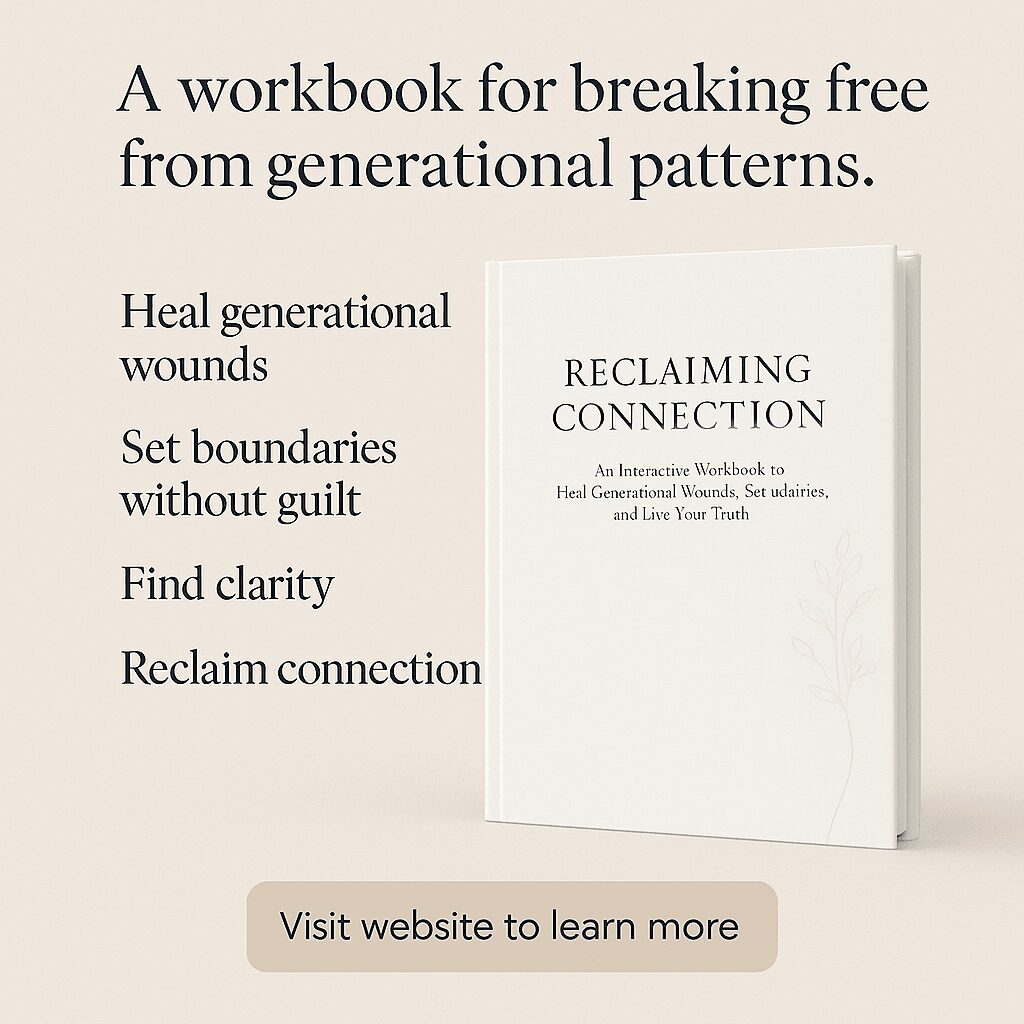
Right now, I’m working on a workbook called Reclaiming Connection, which blends psychoeducation, reflection, and practical action steps for people who want to break harmful family cycles and reconnect with themselves. It’s something I’ve dreamed of creating for a long time. It’s a resource that can be accessible by anyone, validating, and culturally grounded, almost like having a therapist gently guiding you through the work between sessions.
At its core, The Affirming Space exists to remind people that they’re not too much, too sensitive, or too emotional. We are all human beings who deserve understanding, safety, and connection. That’s what makes my work meaningful, and that’s the mission behind everything I create.
Amazing, so let’s take a moment to go back in time. What breaks the bonds between people—and what restores them?
In my work, I’ve found that bonds rarely break suddenly. They erode quietly over time when core emotional needs go unmet. What really fractures connection is the accumulation of small ruptures that never get acknowledged. The moments when someone feels unseen, dismissed, unsafe, or like their emotions are an inconvenience. When people start editing themselves to avoid conflict or caretaking others at the expense of their own needs, the relationship begins to lose its honesty.
A lot of relationships break under the weight of unspoken expectations, generational patterns, and the belief that love alone is enough to hold everything together. But true connection requires emotional presence, not just proximity. When someone doesn’t feel emotionally considered or understood, even deep love can start to feel lonely.
Trauma plays a major role in this as well. When someone grows up in a home where emotional needs weren’t met, or in an environment where vulnerability was punished or minimized, they learn to relate from a place of fear, hypervigilance, or self-protection. Those patterns follow them into adulthood, often long before they realize it.
Living within oppressive systems also shapes how people connect. Many of my clients navigate the realities of racism, homophobia, sexism, and intergenerational trauma. When you’re constantly moving through systems that question your worth or safety, it becomes harder to feel open, trusting, or emotionally available, even with the people you love most. Survival mode doesn’t leave much room for softening.
What breaks bonds, at the core, is feeling emotionally unsafe. When people feel unheard, misunderstood, or pressured to abandon themselves to maintain a relationship, connection naturally frays. Even deep love can feel like another form of burden or obligation when someone’s nervous system is exhausted from navigating harm, both inside and outside the home.
Restoration begins with truth. Naming the hurt, the generational patterns, and the survival strategies that shaped each person. Repair requires patience, accountability, and a willingness to understand not just the behavior, but the history behind it. When we allow room for the full context of trauma, identity, cultural expectations, and systemic pressures, then connection becomes more compassionate and less personal.
I often tell my clients that connection is built in the small moments: attunement, active listening, soft eyes, clarity, and the courage to be vulnerable. When people feel truly seen and emotionally held, their nervous systems settle, their guard drops, and the relationship becomes a place of relief instead of tension. That’s when trust can grow again.
In the end, what restores bonds is not grand gestures. It’s everyday emotional care, mutual respect, and the ongoing commitment to show up for each other with honesty and compassion.
When did you stop hiding your pain and start using it as power?
I don’t think there was a single moment. It was more like a slow unraveling of all the things I had been taught to tuck away. For most of my life, especially growing up in a culture where emotional expression wasn’t always welcomed, I learned to hide my sensitivity, my intuition, and the ways I was impacted by other people’s pain. Being the emotionally attuned one in a home that didn’t have space for feelings meant I became very good at being “strong,” even when I was struggling.
The shift happened when I realized that hiding my pain didn’t protect me. It disconnected me from myself. In my early adulthood, through my own therapy, education, and the work I now do with clients, I started to see that the things I was ashamed of were actually my greatest tools. My ability to feel deeply, to notice the subtle shifts in people, and to understand generational wounds weren’t weaknesses. They were forms of intelligence that had developed out of survival.
I stopped hiding when I understood that my story didn’t make me broken; it made me capable of sitting with others in their hardest truths without turning away. My clients often hear me say “I don’t scare easily.” It is because I have sat with my own shadows that I am not afraid to sit with others in their pain. And everything I have endured became a map. Not something to forget, but something to learn from.
Using my pain as power didn’t mean becoming hardened. It meant letting it refine me. It meant allowing it to open my heart instead of closing it, using it to create safety for others, and letting it guide the kind of therapist, parent, and human I wanted to be.
My pain became power when I realized it connected me to myself, to my clients, and to a larger story of healing and breaking cycles that so many of us are living. It became power when it stopped being something I tried to escape and started being something I honored.
Sure, so let’s go deeper into your values and how you think. Whose ideas do you rely on most that aren’t your own?
So much of my work is built on the brilliance of women and scholars who came before me. Those who gave language to experiences that many of us grew up silently carrying. I often say that my practice is part personal story, part clinical training, and part ongoing conversation with thinkers whose work continues to shape the way we understand humanity.
Bell Hooks is one of the voices I return to most. Her writing on love, healing, community care, and the impact of oppressive systems is foundational in how I think about relationships. She reminds us that healing is not just individual. It’s political, cultural, relational. Her work helps me hold both compassion and accountability, which is at the core of the work I do with clients.
I also rely heavily on decolonizing mental health perspectives. Scholars and practitioners who challenge the Western, pathologizing lens and honor the wisdom within communities of color. People like Dr. Jennifer Mullan, who speaks so powerfully about the intersection of trauma and systemic oppression, and Dr. Thema Bryant, who combines cultural knowledge, spirituality, and psychology in a way that feels deeply resonant for first-gen and marginalized clients. Their work keeps me anchored in the truth that many of the struggles my clients carry are not personal failings, they’re responses to systems that were never built for us to thrive in.
From the Latine community, I draw inspiration from writers like Gloria Anzaldúa and her concept of the “borderlands”, that liminal space so many first-generation individuals navigate between cultures, expectations, and identities. Her work helps me understand the emotional complexity my clients live with every day.
And then there’s Clarissa Pinkola Estés, whose Women Who Run With the Wolves has shaped my understanding of intuition, inner knowing, and the archetypal patterns that live in all of us. That book is a companion I return to whenever I need to remember the power of instinct and storytelling in healing.
Beyond theory and scholarship, I rely on something softer: the wisdom of my own therapist. She knows who she is. Her presence, attunement, and gentle insight taught me what it feels like to be understood on a cellular level. Sometimes the most transformative ideas come from the people who sit with us, not just the ones who write the books.
At the end of the day, my work is an ongoing weaving of these voices with the lived experiences of my clients. Their stories are also among the greatest teachers I have. Their resilience, their clarity, their courage. These ideas shape my work every single day.
Thank you so much for all of your openness so far. Maybe we can close with a future oriented question. When do you feel most at peace?
I feel most at peace when I’m in the presence of community. Not necessarily a large group, but those quiet moments where people come together with openness, intention, and a genuine desire to witness one another. There’s something deeply healing about being in a space where no one is performing, no one is rushing, and everyone is simply allowed to exist as they are.
As a therapist, I get to experience this in the most intimate way: sitting with someone as they share a truth they’ve never spoken out loud, or watching a client have that moment of clarity where their story finally makes sense in a compassionate way. Those are small moments, but they’re sacred. Peace for me is found in witnessing people soften into their authenticity.
Outside of my work, I find the same peace in my personal communities. Whether it’s a creative space, a dance studio, time with friends who feel like chosen family, or just being present with my kiddos watching them explore the world with so much wonder. The presence of genuine connection slows down everything inside me.
Contact Info:
- Website: https://www.theaffirmingspace.com/
- Instagram: https://www.instagram.com/theaffirming_space/
- Linkedin: https://www.linkedin.com/company/the-affirming-space
- Facebook: https://www.facebook.com/theaffirmingspace#
- Other: Reclaiming Connection: An Interactive Workbook to Heal Generational Wounds, Set Boundaries, and Live Your Truth
https://www.theaffirmingspace.com/reclaimingconnection