





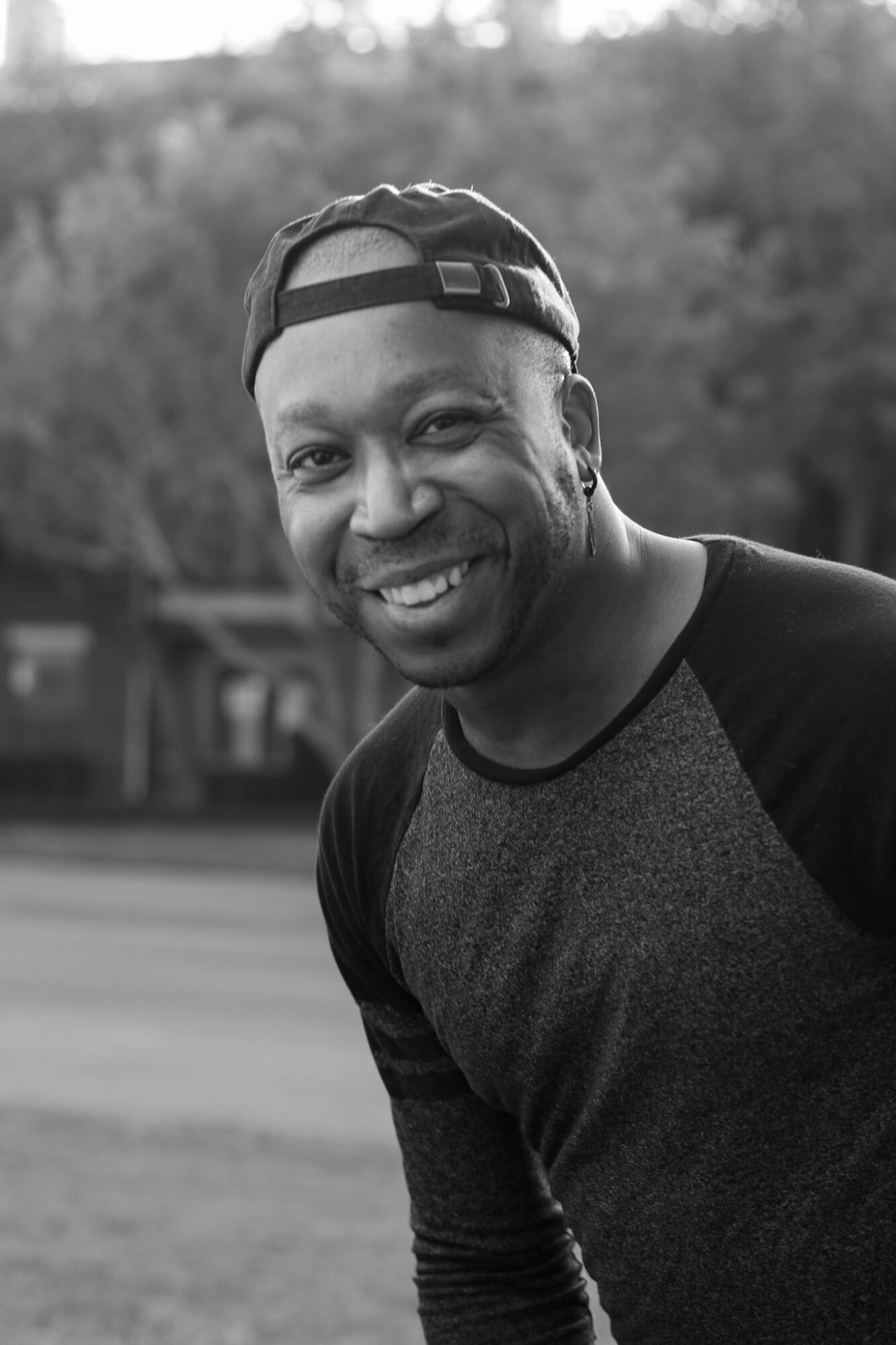
We’re looking forward to introducing you to Reginald Forest. Check out our conversation below.
Hi Reginald, thank you for taking the time to reflect back on your journey with us. I think our readers are in for a real treat. There is so much we can all learn from each other and so thank you again for opening up with us. Let’s get into it: What do the first 90 minutes of your day look like?
My first 90 minutes typically unfold like this: I wake up around 5 am and immediately focus on gratitude, shifting my mindset towards the positive. I find that expressing thanks and gratitude first thing in the morning leads to a smoother day, unexpected blessings, and a much better overall mood.
Following this, I shower to energize myself, followed by coffee, tea, or an energy drink. Next, I attend to our furry family – four cats and two dogs. I feed the cats and let the dogs outside. After that, I prepare breakfast, usually peanut butter caramel macchiato oatmeal.
Finally, after breakfast, I check my calendar and schedule, then begin preparing for my day’s activities, whether it’s work, relaxation, or writing.
Can you briefly introduce yourself and share what makes you or your brand unique?
Hello, my name is Reginald Antonio Forest, but you may know me as Mo Da Poet or Mo Da Alchemist. As a writer, poet, and author, I have published two books: “Love’s Lost and Found: Poetry by Reginald Antonio Forest” and “Pieces of Me: Love’s Battle Scars.” My poetry is designed to be accessible and relatable, focusing on real-life situations to offer healing rather than fuel anger. The “Alchemist” moniker reflects my belief in transforming pain into personal power, peace, and progress.
I started publishing in 2023 and have already finished two books. I am currently working on a third book in the Love’s Collection series and the first book in a new erotica series. I was recently recognized as a Marquis Who’s Who in America listee. Stay tuned for updates on these upcoming projects. Great things are coming!
Great, so let’s dive into your journey a bit more. Who were you before the world told you who you had to be?
In the simplest of terms, I was happy. I was a carefree child, seeking love and enjoyment in life. I wanted nothing more than to spend time with my mom, grandmother, and family. I dreamed of being a doctor to save and help people, enjoying my toys and feeling free. I wanted to experience life, travel to new places, and try all sorts of foods – I guess I was a mini-tourist!
Looking back, I still am. I still aspire to those same things, though they are now tempered by responsibilities and life experiences. Each day, I am unlearning what the world told me I should be – how to behave, move, act, and “enjoy” my responsibilities. As I unlearn these things, I am reconnecting with the wonder of the world I saw as a child. I’m feeling less restricted and increasingly understanding that I have the power to create the life I want. It takes work, yes, but when you’re doing what you love, is it really work?
What have been the defining wounds of your life—and how have you healed them?
The defining wounds of my life are numerous, but the one that most profoundly shaped me into the person I am today is the sexual abuse I experienced as a teenager. It’s only been within the last year that I’ve begun to share this story publicly. I explored it in my recent book, “Pieces of Me: Love’s Battle Scars,” which marked the first time I shared it outside of therapy.
Breaking free from Stockholm Syndrome was the first crucial step. It took time to truly recognize the events for what they were: grooming, manipulation, taking advantage, and fear tactics – all used to achieve his desires.
The second step involved seeking help to navigate the complex emotions that persisted as a result. The stigma surrounding therapy, especially among African American men, is a significant issue. Hurt people often hurt people, and if we could remove the stigma, judgment, and misinformation around therapy, we could start healing earlier in life and better recognize when our loved ones need support.
Finally, I had to unlearn the lies, control mechanisms, and prejudices my abuser instilled in me. This is an ongoing process. So much of my identity, the “me” I thought I was, stemmed from his words. Once I escaped Stockholm Syndrome, I realized many of those things had to be discarded because they were designed to keep me passive and compliant.
After making significant progress in repairing and healing myself, I was able to use my experiences to help heal others. In fact, this is part of the dedication in my book, “Pieces of Me,” which states, “Heal thyself, so you can help heal others.” I don’t believe we heal solely for ourselves; I believe healing is generational. We should heal our pain and wounds so we can help others heal, and in time, certain “generational curses” and harmful habits can be eradicated. However, we must open up and speak fearlessly about our experiences, rather than pretending they are not an issue. I have learned that silence is an abuser’s best friend, enabling them to continue.
The final step involved forgiving myself. Abuse brings immense guilt, shame, and negative emotions. We often berate ourselves with statements like, “I should have known better” or “How could I let this happen? I’m so stupid.” However, the truth is we were manipulated and used. We wrongly take the blame. Therefore, I had to extend grace and forgiveness to myself regarding the situation. This is an ongoing process, not a one-time event. Forgiveness, like healing, is cyclical. I’ve had to repeatedly remind myself that I was not at fault; I was groomed and manipulated, taken advantage of, and then subjected to fear tactics to ensure my continued compliance. This is what I understand about healing so far, as it’s as far as I’ve personally progressed.
Sure, so let’s go deeper into your values and how you think. Is the public version of you the real you?
I believe there’s no “public” version of me; rather, there’s the hesitant me and the comfortable me. I strive to be 100% authentically myself in all situations. Maintaining pretenses is too exhausting. I keep things simple. I am always working to be the person I’d want to meet on the street. That’s why I offer compliments, encouragement, a listening ear, a supportive shoulder, and genuine connection at all times. We never know the true impact we have on others. Even small, casual comments of mine have changed someone’s perspective. If we wield that kind of influence by chance, imagine what we can achieve intentionally. So, I’ve developed my life’s motto: “I’m not trying to change the whole world; I’m trying to change one person’s world each day.” If I can do that daily, I believe I can make a lasting impact.
Thank you so much for all of your openness so far. Maybe we can close with a future oriented question. Could you give everything your best, even if no one ever praised you for it?
Absolutely! While praise feels wonderful, I have learned to focus on my own feelings of accomplishment rather than seeking the love of others. The reason is that when you solely base your actions on the love or praise of others, you inadvertently set yourself up for disappointment. Just as they can offer love and accolades, they can also withdraw them. When you do things for your own self-fulfillment, no one can take away your feelings of accomplishment and satisfaction, unless you allow them to.
Contact Info:
- Instagram: @moda_poet
- Facebook: Author/Poet REginald Antonio Forest
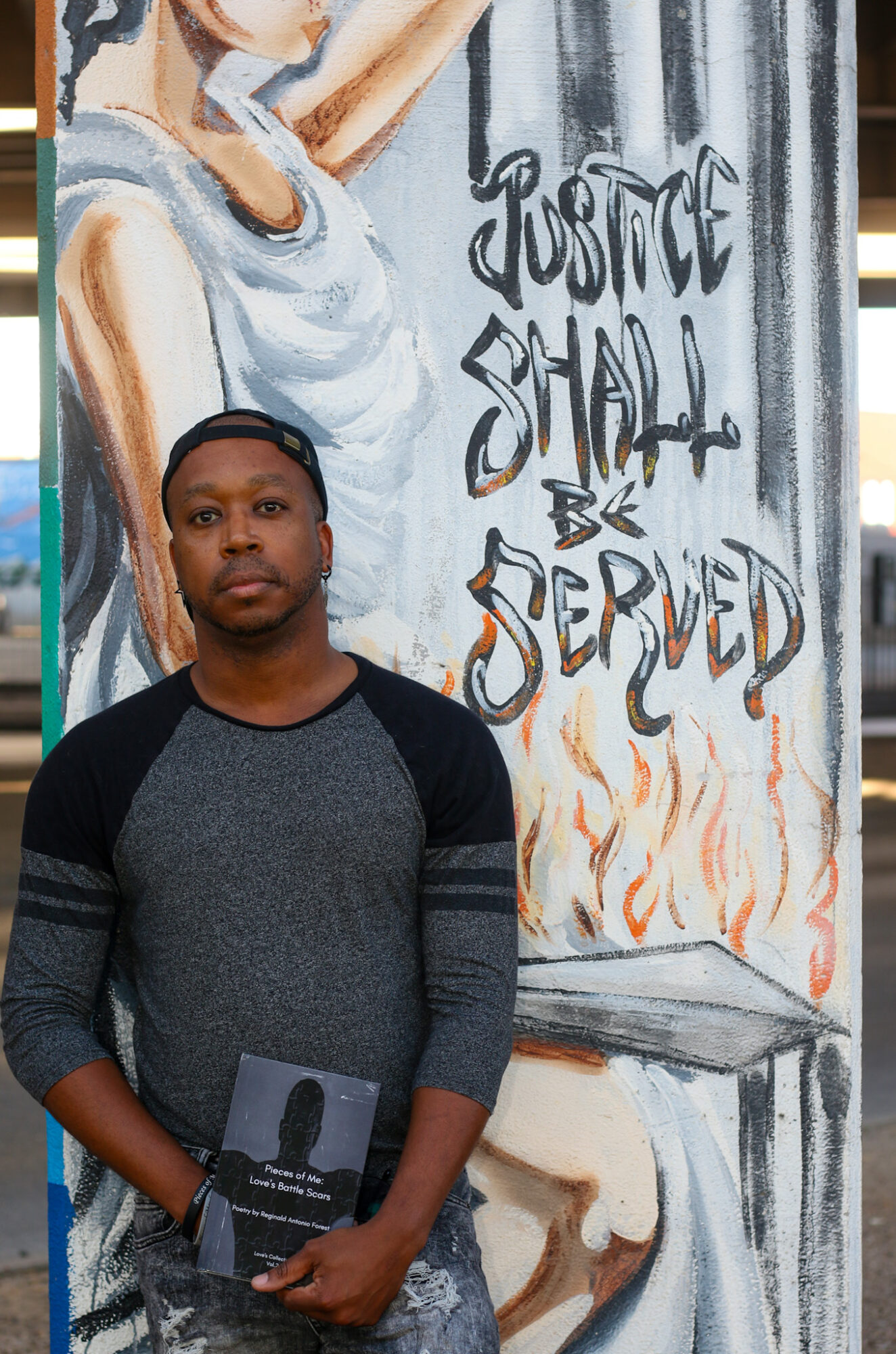
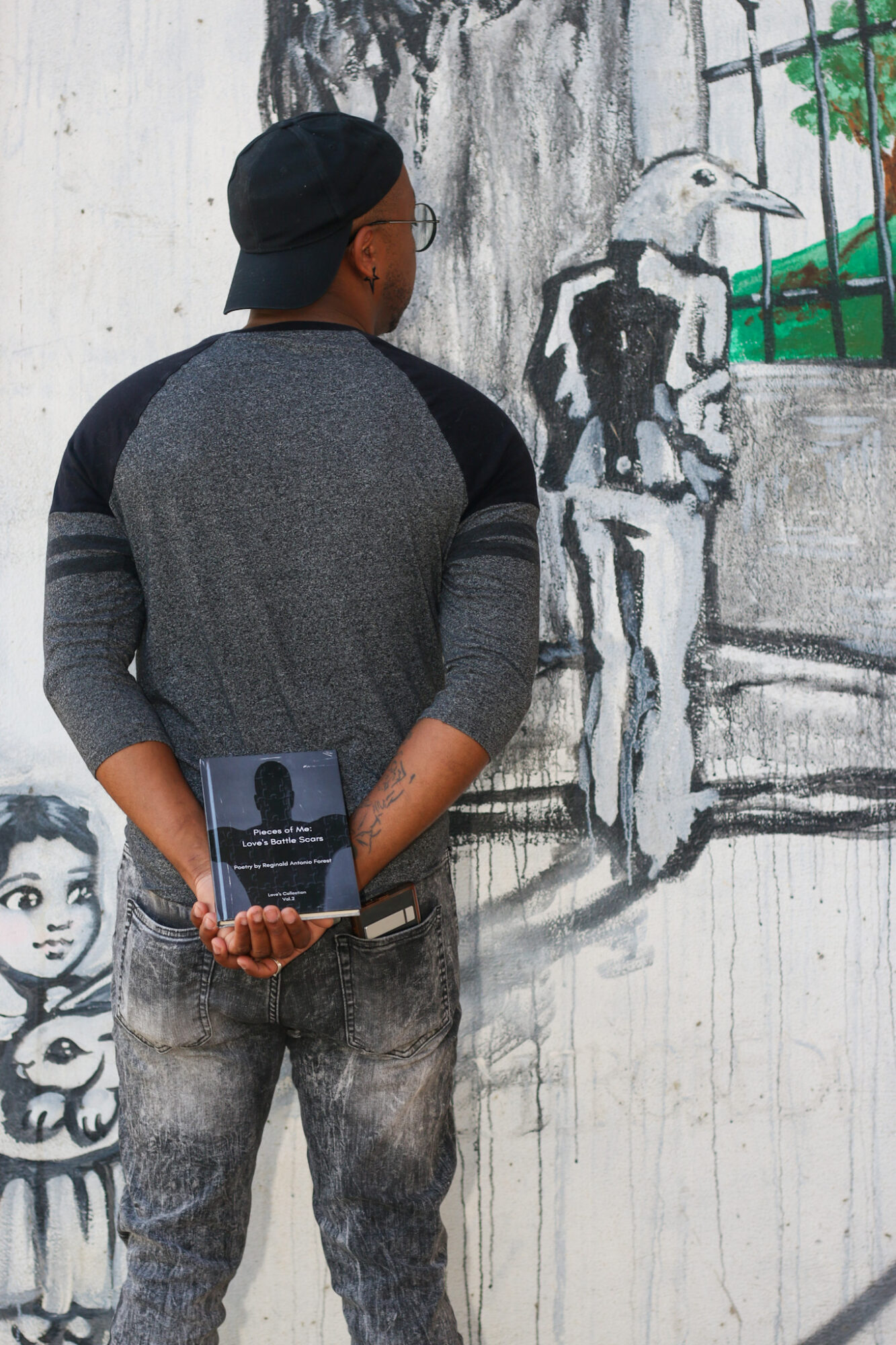
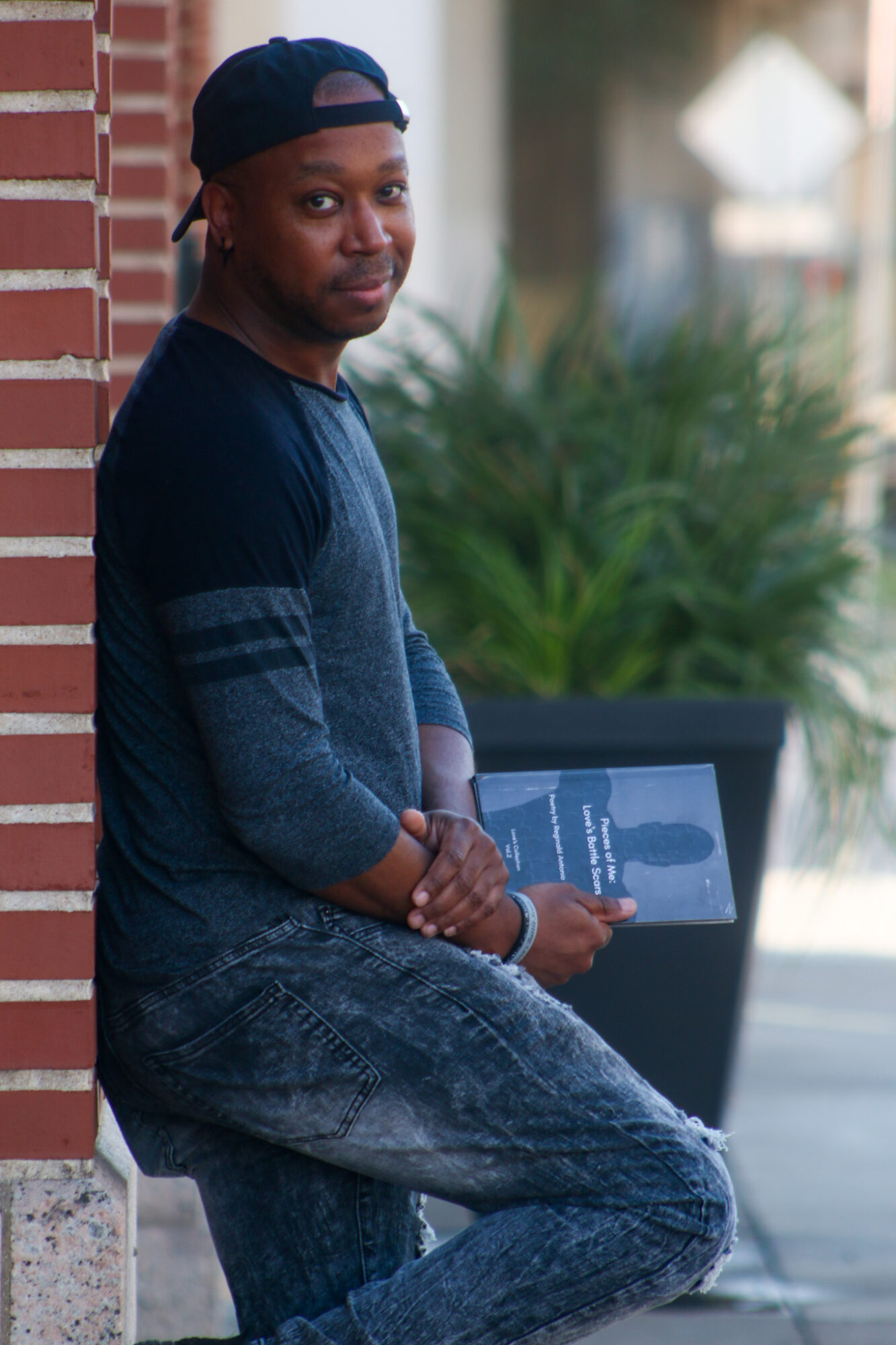
Image Credits
qtphotographer