





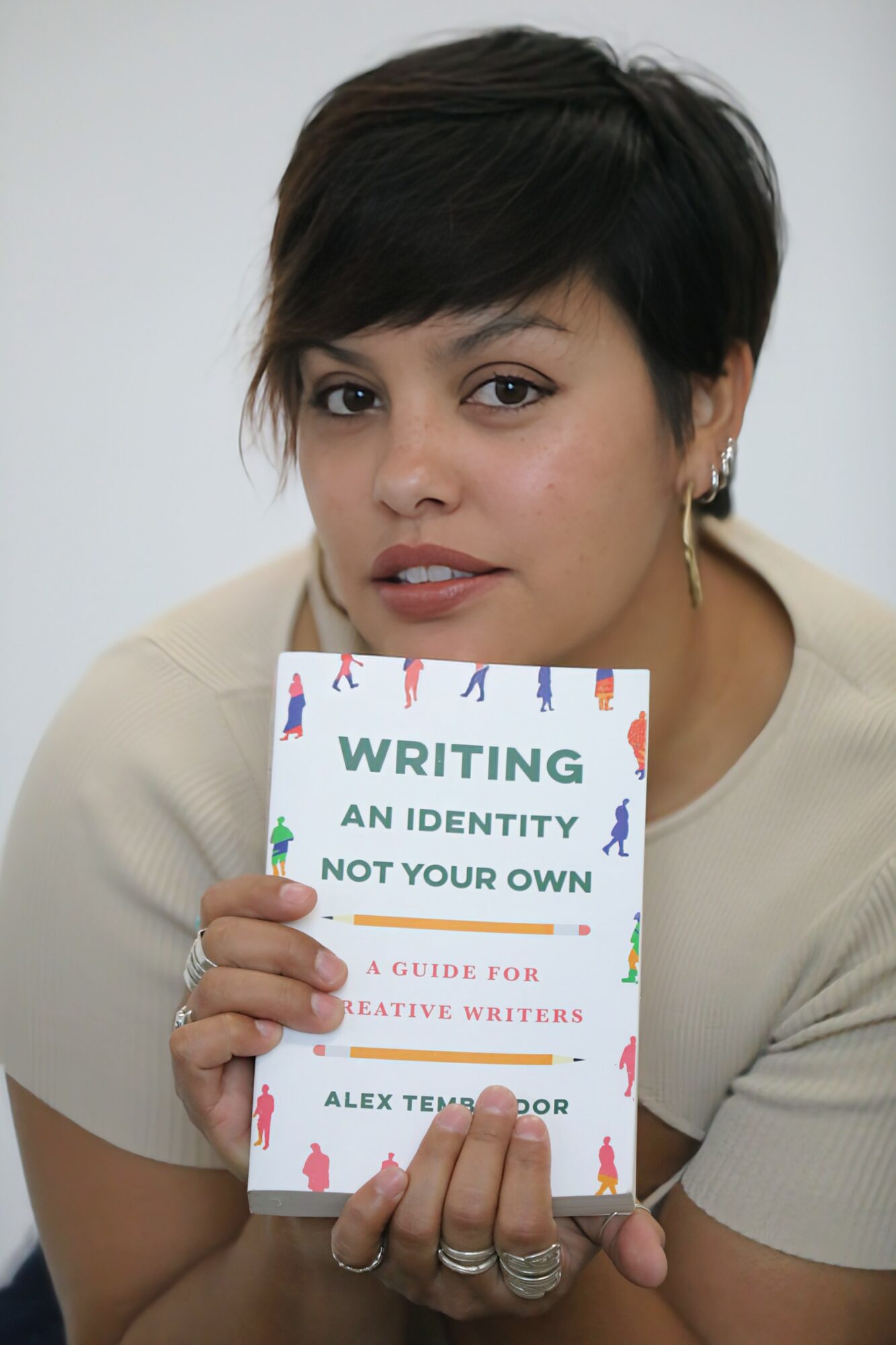
We’re looking forward to introducing you to Alex Temblador. Check out our conversation below.
Alex , so good to connect and we’re excited to share your story and insights with our audience. There’s a ton to learn from your story, but let’s start with a warm up before we get into the heart of the interview. What makes you lose track of time—and find yourself again?
I love when I lose hours in a day to reading a book. Flying off into other worlds and storylines is so good for my soul, especially when I’m able to read outside in a hammock or on a blanket surrounded by trees. Books don’t just help me escape; they’re also a wonderful tool to help me process what’s going on in my life. As a writer, I also seek out books to inspire and motivate me as I’m working on my own creative writing project. It’s incredible how much I unconsciously and consciously learn about writing, plot, characterization, and pacing when I read novels.
Can you briefly introduce yourself and share what makes you or your brand unique?
My name is Alex Temblador and I’m an award-winning Mixed Latine author. In 2018, my first novel, Secrets of the Casa Rosada, was published by Arte Publico. From there, Blackstone Publishing published my second novel, Half Outlaw in 2022. Then in 2024, my first nonfiction book, Writing An Identity Not Your Own: A Guide for Creative Writers, was published by St. Martin’s Essentials. In the last year, I created a writing course called Writing An Identity Not Your Own for Speculative Fiction Writers which is available on my website at AlexTemblador.com/courses.
Between my novel publications, I had creative writing works appear in the likes of PALABRITAS, D Magazine, and Colorado Review, as well as two anthologies: Living Beyond Borders: Growing Up Mexican in America and Speculative Fiction for Dreamers; A Latinx Anthology. Through my creative writing career, I’ve been afforded the opportunity to speak and present at literary events and conferences, universities, schools, and even publishing houses. I also run a literary series in Dallas called LitTalk which highlights authors through moderated events.
In addition to being an author and creative writer, I’m also an award-winning travel, culture, and products journalist, publishing articles in Travel + Leisure, Conde Nast Traveler, National Geographic, Business Insider, The Daily Beast, Fodor’s Travel, among many others.
Great, so let’s dive into your journey a bit more. What was your earliest memory of feeling powerful?
I’ve always had a sense of confidence in myself, but I don’t think I understood the power that I had within me, or at least how to utilize it consciously to change minds and hearts until 8th grade. I was in history class and we were listening to our teacher discuss how disabled people have historically been treated horribly in the U.S. when he said, “Maybe we should have just killed them all.”
My sister was born with intellectual and physical disabilities, and so I grew up around someone with disabilities and had long witnessed how ableist mindsets about disabled people harmed my sister and others like her. When I heard my teacher say that very discriminative, awful, and ableist statement, I jumped out of my seat and yelled at him that he shouldn’t say such a thing, that it was wrong, and there were likely people in the room with disabled family members.
As a kid, I was vocal in answering questions in class, but I wasn’t someone who would ever yell at a teacher. This move, which was instinctual, surprised even me. It definitely surprised my teacher who mumbled something and moved on in the lesson. When I sat down, I was vibrating with anger and what I would later see as my own inner power. After class, another student with a disabled family member thanked me for speaking up. I realized then that speaking up was a power in itself and that I could make others feel seen and represented and do my part to help others learn and grow with my words. Today, I use my power through written and spoken words, whether it’s through my novels, writing craft book, or presentations — and I have to thank my sister and that moment in my life for this gift.
If you could say one kind thing to your younger self, what would it be?
I would tell myself to stop worrying so much about others and to put that energy into my own life and pursuits. While my love and concern for others is a trait that I like about myself, looking back, I can see that I did that because I secretely hoped that someone would recognize that I was hurting and would offer me care and concern. Rather than put energy in others, I would tell my younger self to put energy into herself, to find balance in her life, and to seek out therapy at a younger age.
I think our readers would appreciate hearing more about your values and what you think matters in life and career, etc. So our next question is along those lines. What are the biggest lies your industry tells itself?
I wouldn’t say the publishing industry is lying to itself, but it’s definitely not doing enough to diversify at the top level and down. This might not seem important, but it absolutely impacts the types of books that are being bought and sold. To state it plainly, you’re still way more likely to get published if you’re white, straight, cisgender, and not disabled, writing characters with the same identities. Even when authors of historically marginalized identities have their books bought, they’re paid way less than their privileged counterparts and given less marketing or public relations pushes. It’s no wonder that more and more people are seeking out independent writers and books — because it’s far more diverse and giving audiences of various backgrounds the stories that reflect their experiences. I’m all for the independent market, but as a traditionally published author, I’d like to see the industry strive to publish more books by authors of historically marginalized backgrounds writing characters with the same identities.
Before we go, we’d love to hear your thoughts on some longer-run, legacy type questions. If you knew you had 10 years left, what would you stop doing immediately?
If I knew I had 10 years left, I’d probably stop holding myself back and be incredibly irresponsible. I’d stop working as a journalist and delete all of my social media. Then I’d take out a bunch of loans and rack up a ton of credit card debt to travel the world, eat delicious foods, replace my entire wardrobe a few times over, spend time with the people I love, and do nothing but read books day after day in beautiful outdoor spaces. I’d probably want to write at least four more novels in that time, too. Since I’m single and without any dependents, my debts would probably be paid off with the sale of my house — so why not.
Contact Info:
- Website: https://www.alextemblador.com/
- Instagram: https://www.instagram.com/alex_temblador/
- Linkedin: https://www.linkedin.com/in/alextemblador
- Facebook: https://www.facebook.com/alex.temblador.2025#
- Other: https://tiktok.com/@alex_temblador
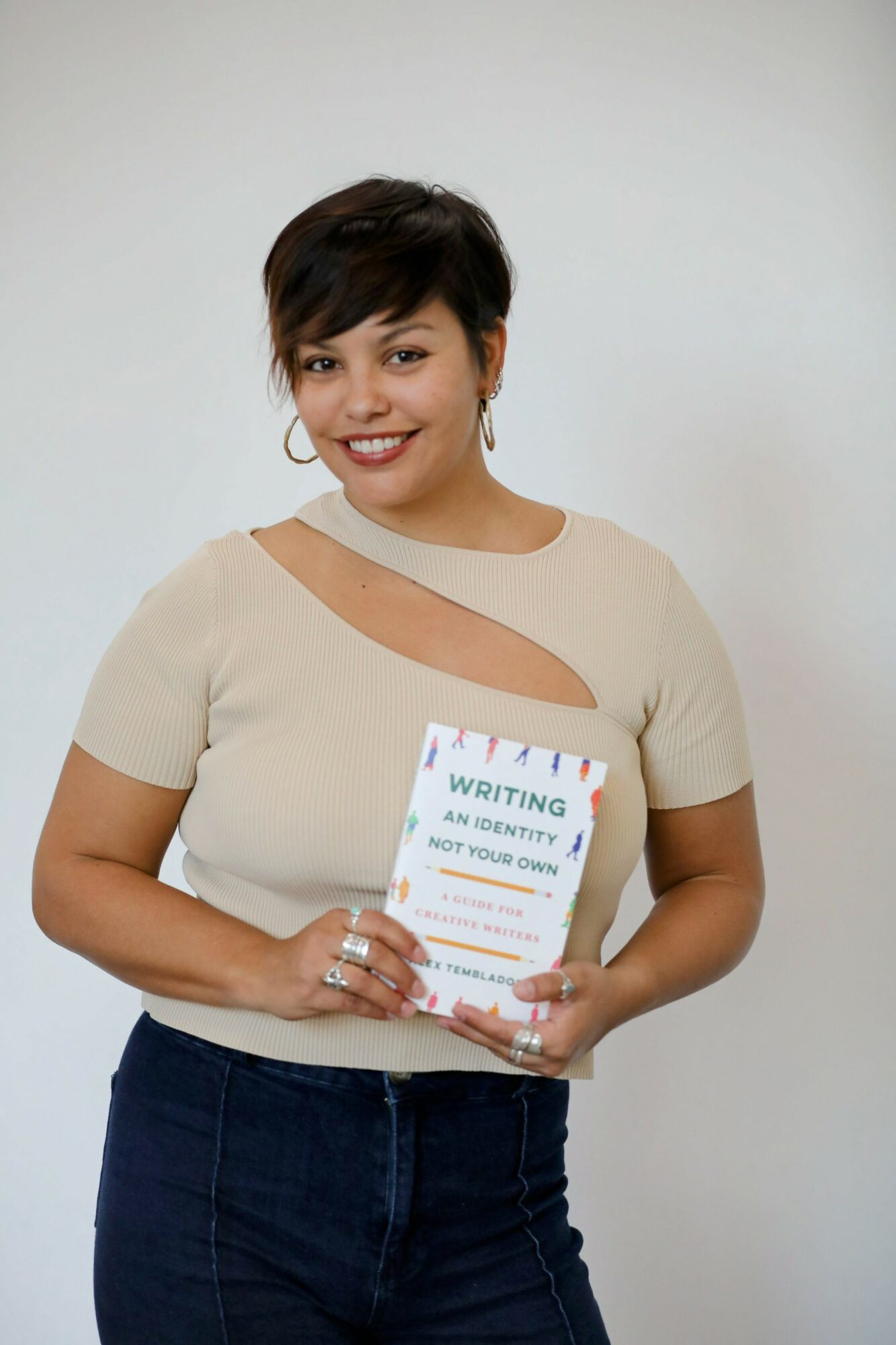
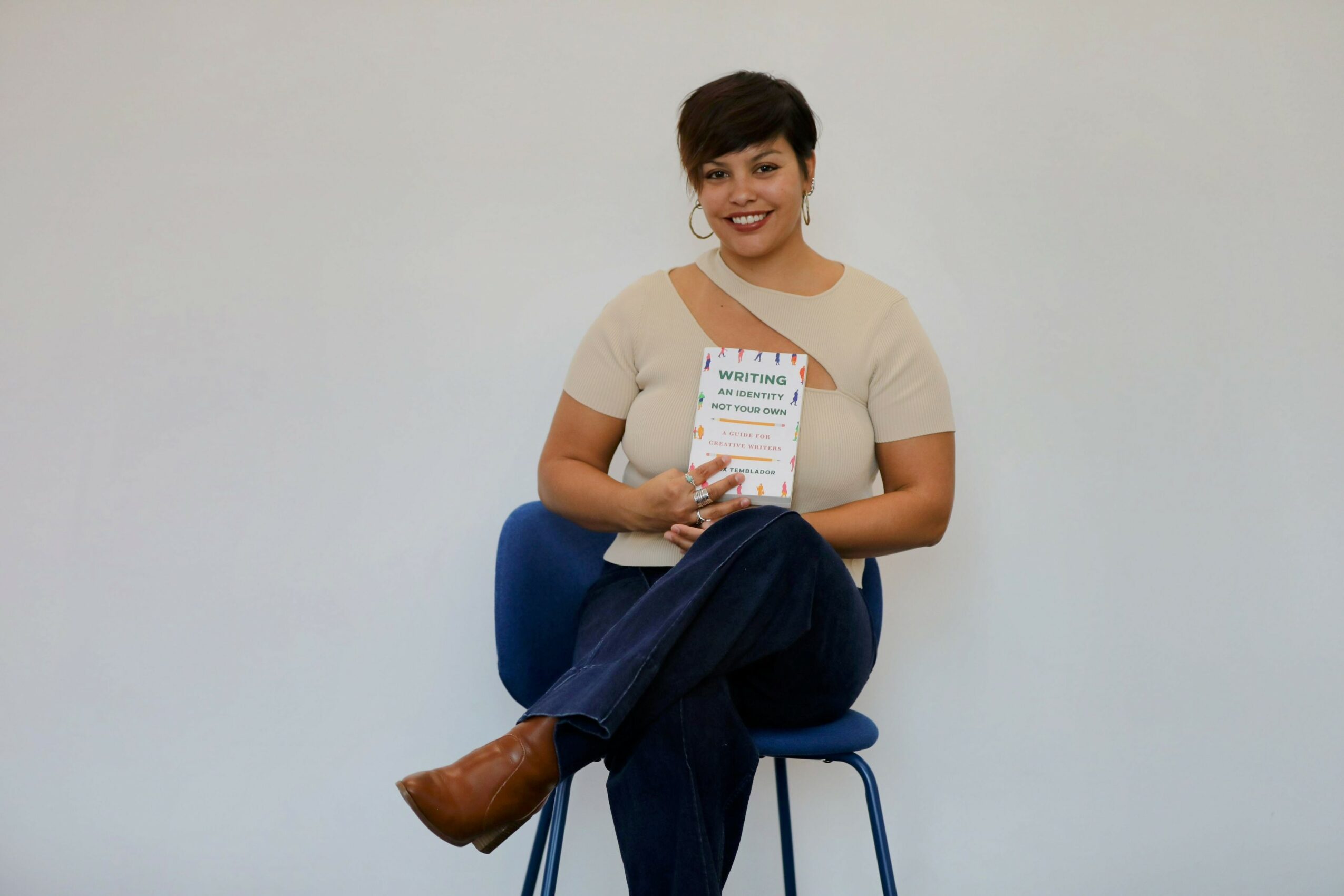
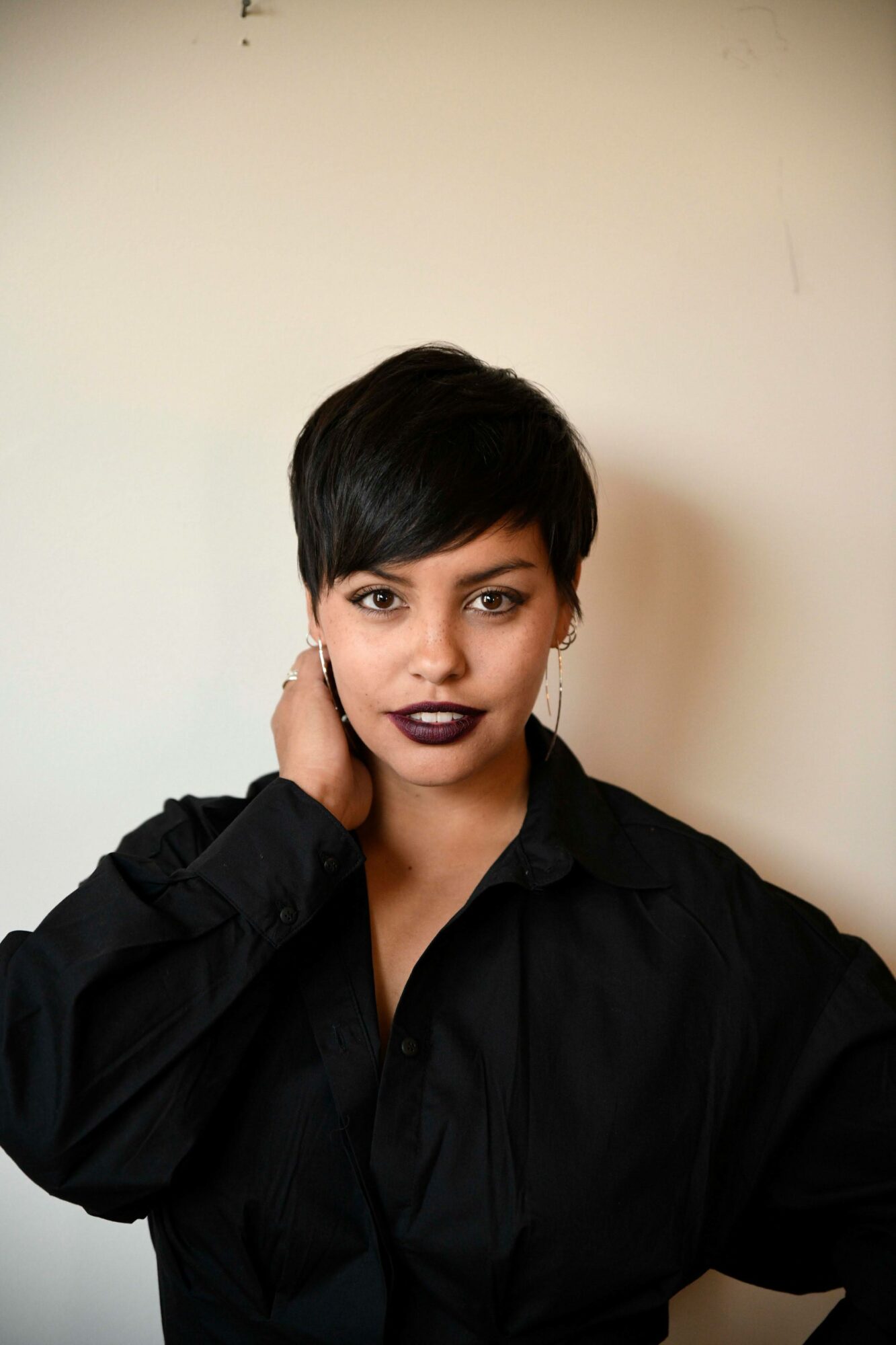
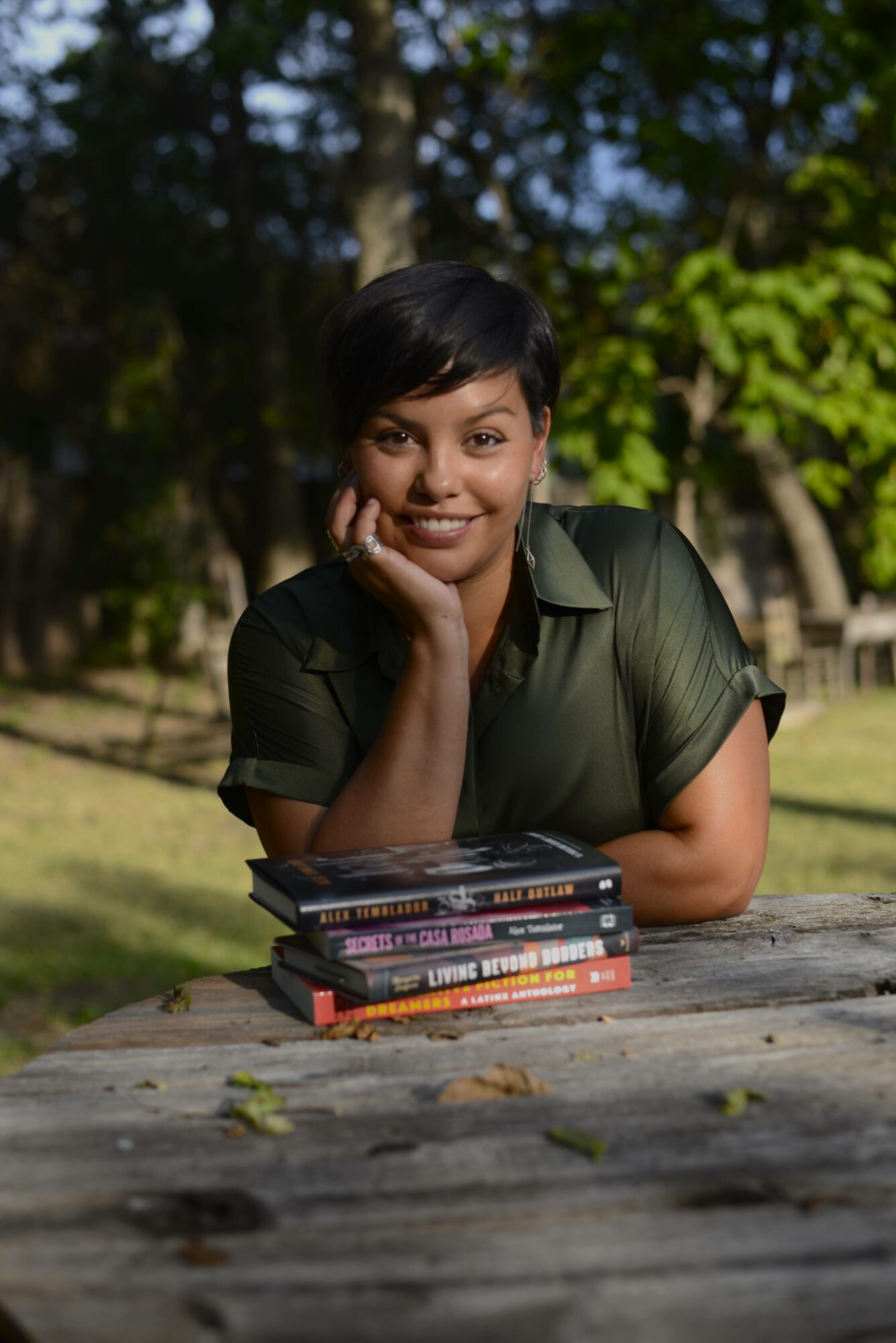
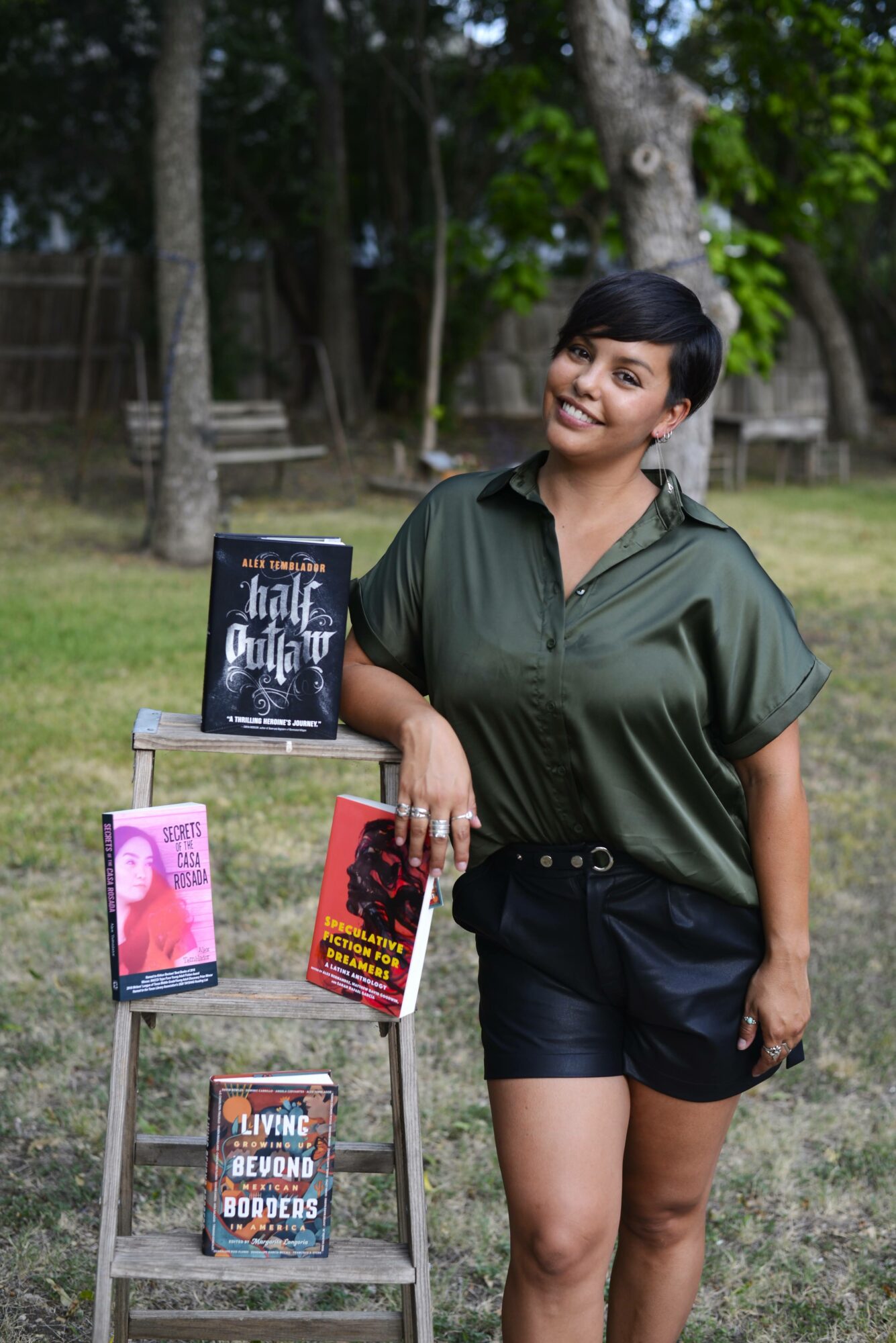
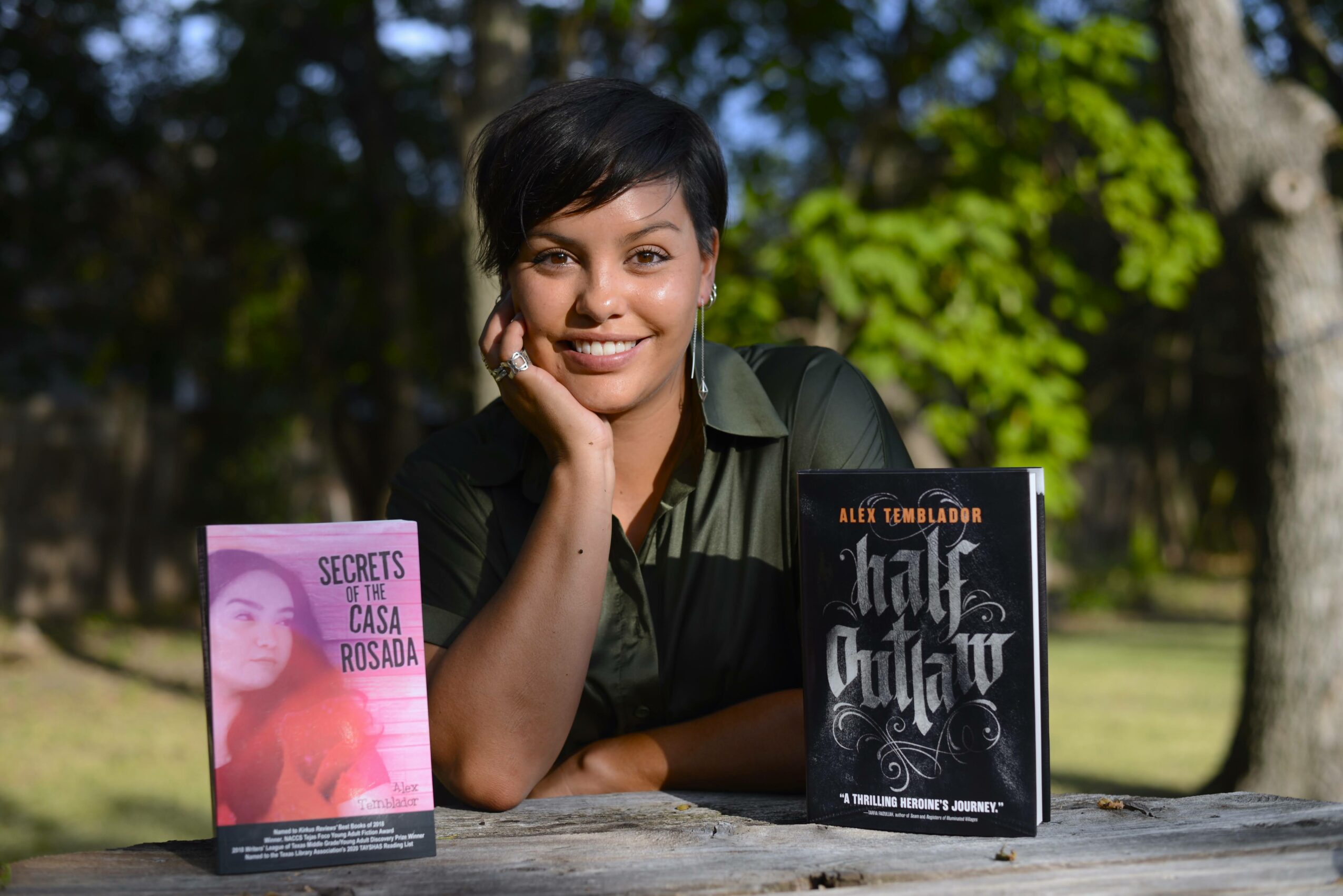
Image Credits
Shelbie Monkres