




We recently had the chance to connect with Liz Nelson and have shared our conversation below.
Hi Liz, thank you for taking the time to reflect back on your journey with us. I think our readers are in for a real treat. There is so much we can all learn from each other and so thank you again for opening up with us. Let’s get into it: What do you think is misunderstood about your business?
Many people assume aesthetic treatments are just about vanity—but what often gets overlooked is a patient’s relationship with themselves and the history they carry in their body. Trauma, self-worth, and lived experiences shape how someone sees their face just as much as aging or anatomy do. In aesthetics, this aspect is often misunderstood or dismissed, when in reality it can be the driving force behind why someone seeks treatment. When we honor both the emotional and physical layers, we create safer, more ethical, more meaningful outcomes for our patients.
Can you briefly introduce yourself and share what makes you or your brand unique?
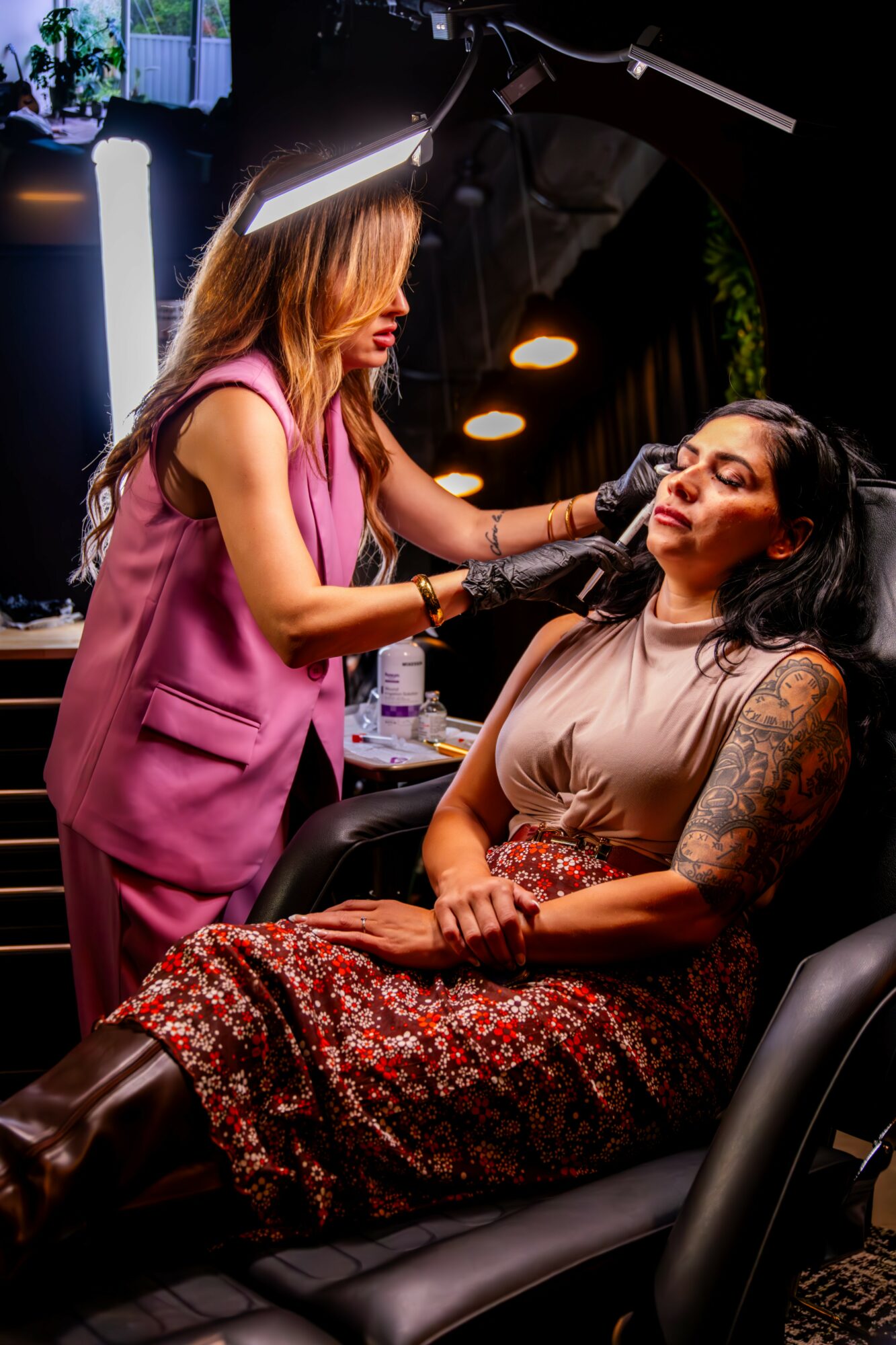
My name is Liz Nelson, and I’m a solo nurse injector and owner of a boutique medspa in the historic 76104 community of Fort Worth. After more than a decade in nursing and a background in promotions and entertainment, I’ve built a brand that blends clinical excellence with genuine human connection. I’m known for results-driven, regenerative aesthetics—treatments that support collagen, elastin, and long-term skin health—not the overfilled or overly “done” look people often fear.
What makes my work unique is that I approach aesthetics through both an artistic and emotional lens. My goal is not just to enhance features but to support self-trust, confidence, and emotional safety for my patients. Many of my clients come to me after trauma, burnout, or negative experiences elsewhere, and I believe the relationship we build is as important as the treatment itself.
Beyond the treatment room, I’m passionate about education and relationship building with other like-minded entrepreneurs. I mentor new providers and those moving to solo work and collaborate with other community businesses. I’m also currently expanding my digital footprint with more educational content, community conversations, and even exploring teaming up with businesses owners outside of my industry on events.
At the heart of my brand is authenticity—no filters, no gimmicks, just honest care, education, and long-term results. I want my patients and peers to feel seen, supported, and empowered, and that’s what drives everything I do.
Appreciate your sharing that. Let’s talk about your life, growing up and some of topics and learnings around that. What did you believe about yourself as a child that you no longer believe?
As a child—especially as an adoptee and as a young girl—I grew up believing that my value came from being easy, agreeable, and pleasing to everyone around me. I thought my role was to keep the peace, take up as little space as possible, and earn love by being what others needed me to be. For a long time, I didn’t even recognize that pattern as conditioning; it just felt like survival.
What I no longer believe is that harmony has to come at the cost of my voice, energy, or identity. I’ve learned that I’m allowed to have boundaries, opinions, and needs—and that I don’t have to shapeshift to be worthy of connection. Releasing those old patterns has been one of the most freeing parts of my adulthood. It’s also shaped the way I show up in my work: with honesty, directness, and a deep commitment to helping other women unlearn the belief that they have to make themselves smaller to belong.
When did you stop hiding your pain and start using it as power?
I stopped hiding my pain and started using it as power the moment I realized that being undervalued wasn’t a reflection of my worth—it was a reflection of how little I was asking for myself. In my years as a W2 and contract employee, my kindness was often mistaken for compliance. I was the one who worked harder, stayed later, picked up the pieces, and rarely spoke up when something felt unfair. I had very few boundaries, and I carried the belief that being “easy” made me a good employee. What it really did was make me feel less than.
The shift happened slowly, then all at once. I reached a point where the discomfort of staying small became greater than the fear of stepping out on my own. Instead of hiding the exhaustion, the frustration, and the feeling of always being disregarded, I decided to use all of it as fuel. Opening my solo practice was the first time I truly honored both my personal and professional needs—and it changed everything.
Now, I don’t just protect my boundaries; I teach other providers to build their careers with clarity, courage, and self-respect. My pain became my turning point, and my turning point became the foundation of the business I run today.
Alright, so if you are open to it, let’s explore some philosophical questions that touch on your values and worldview. Is the public version of you the real you?
For a long time, the public version of me was the real me—maybe even too real. I used to share everything: my daily routines, my work life, my home life, the behind-the-scenes moments that most people keep to themselves. I believed transparency built trust, and in many ways it did. But it also opened the door to criticism, judgment, and even a season where I received hate messages on Instagram.
Going through that taught me an important lesson: being authentic doesn’t mean being exposed.
Today, the public version of me is still absolutely real—but it’s a protected version. I share my values, my work, my passion, and pieces of my life that feel aligned and safe. But I no longer allow the internet unlimited access to my family or my inner world. I’ve learned that boundaries don’t make you less genuine; they make you healthier.
So yes, what people see is me—but it’s the version of me that honors my peace, protects my family, and keeps the parts of my life that matter most out of the line of fire.
Okay, so let’s keep going with one more question that means a lot to us: What is the story you hope people tell about you when you’re gone?
I hope the story people tell about me is that I lived with heart, courage, and intention—that I used my gifts to make others feel seen, supported, and capable of more than they believed. I want people to remember me as someone who chose integrity over convenience, purpose over popularity, and compassion over ego.
I hope they say I broke cycles—people-pleasing, silence, and playing small—and replaced them with boundaries, confidence, and a deep sense of self-worth. That I created spaces where humans felt safe to be honest, where providers felt encouraged to grow, and where my community felt cared for in both body and spirit.
I want my story to be one of resilience, reinvention, and service. That I loved my family fiercely, led with authenticity, and left behind a ripple effect of people who felt braver, kinder, and more aligned because our paths crossed.
Contact Info:
- Website: https://LizDiane.com
- Instagram: @fwlizdiane
- Youtube: https://YouTube.com/LizDianeAesthetics
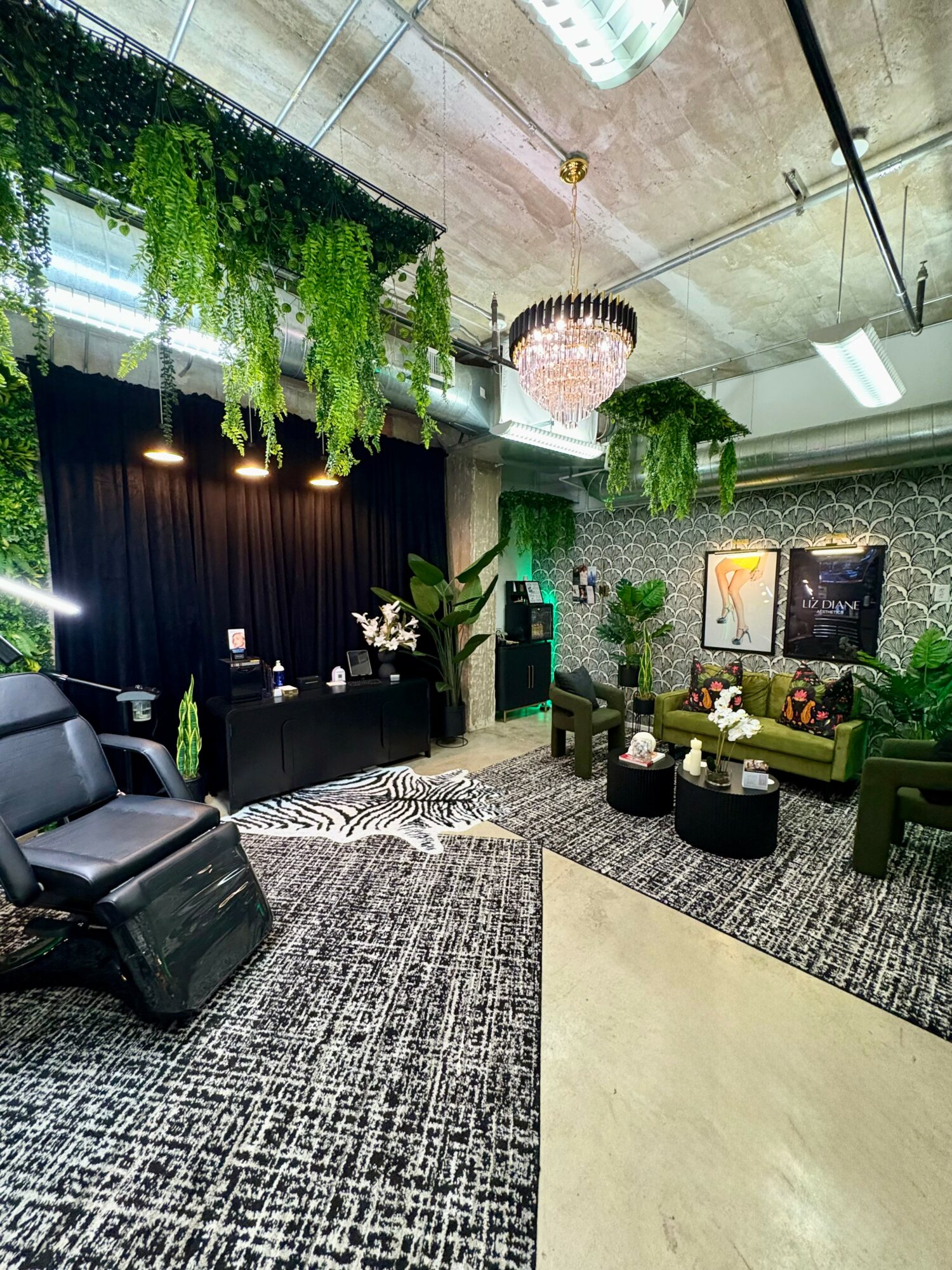
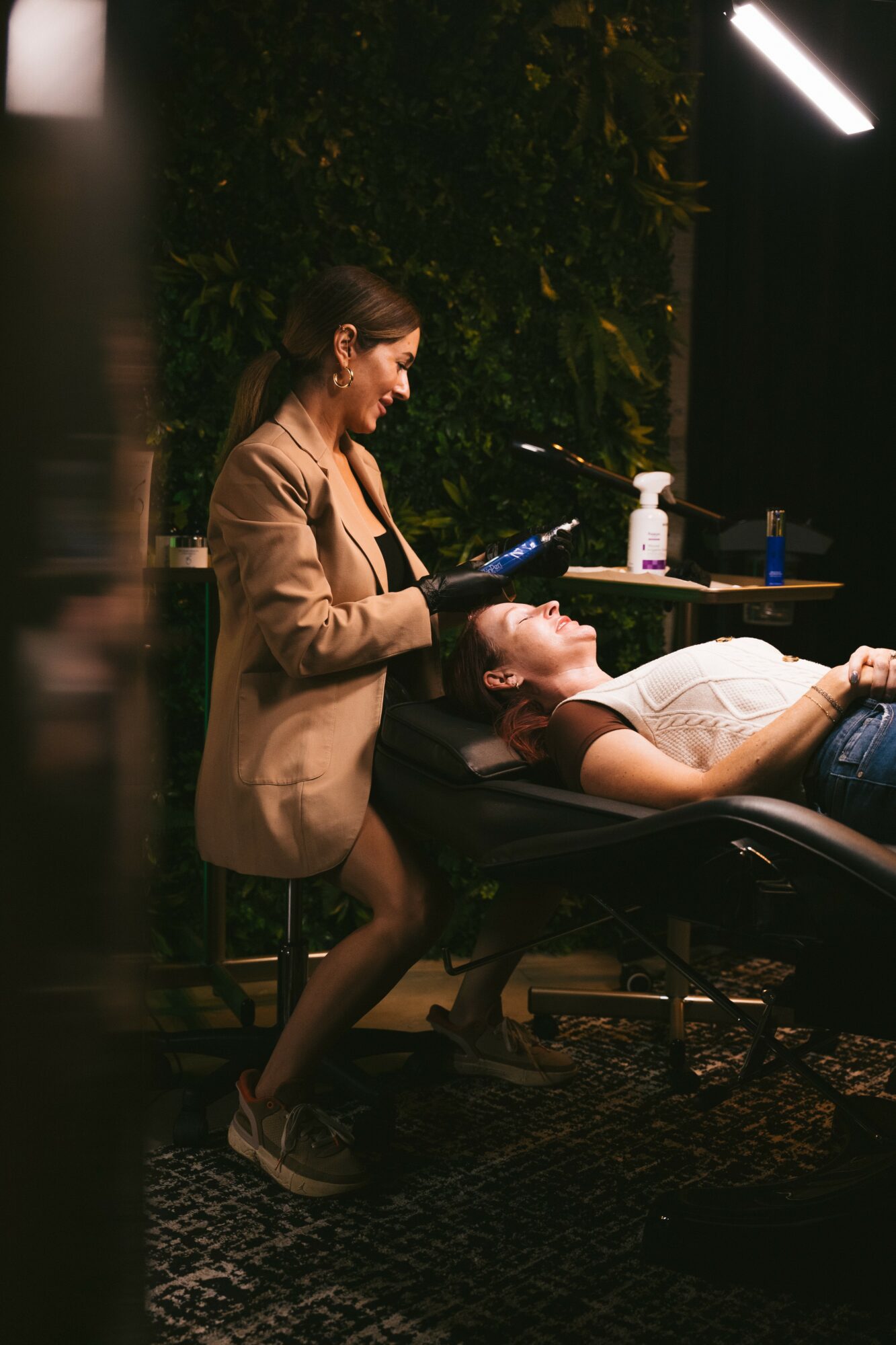
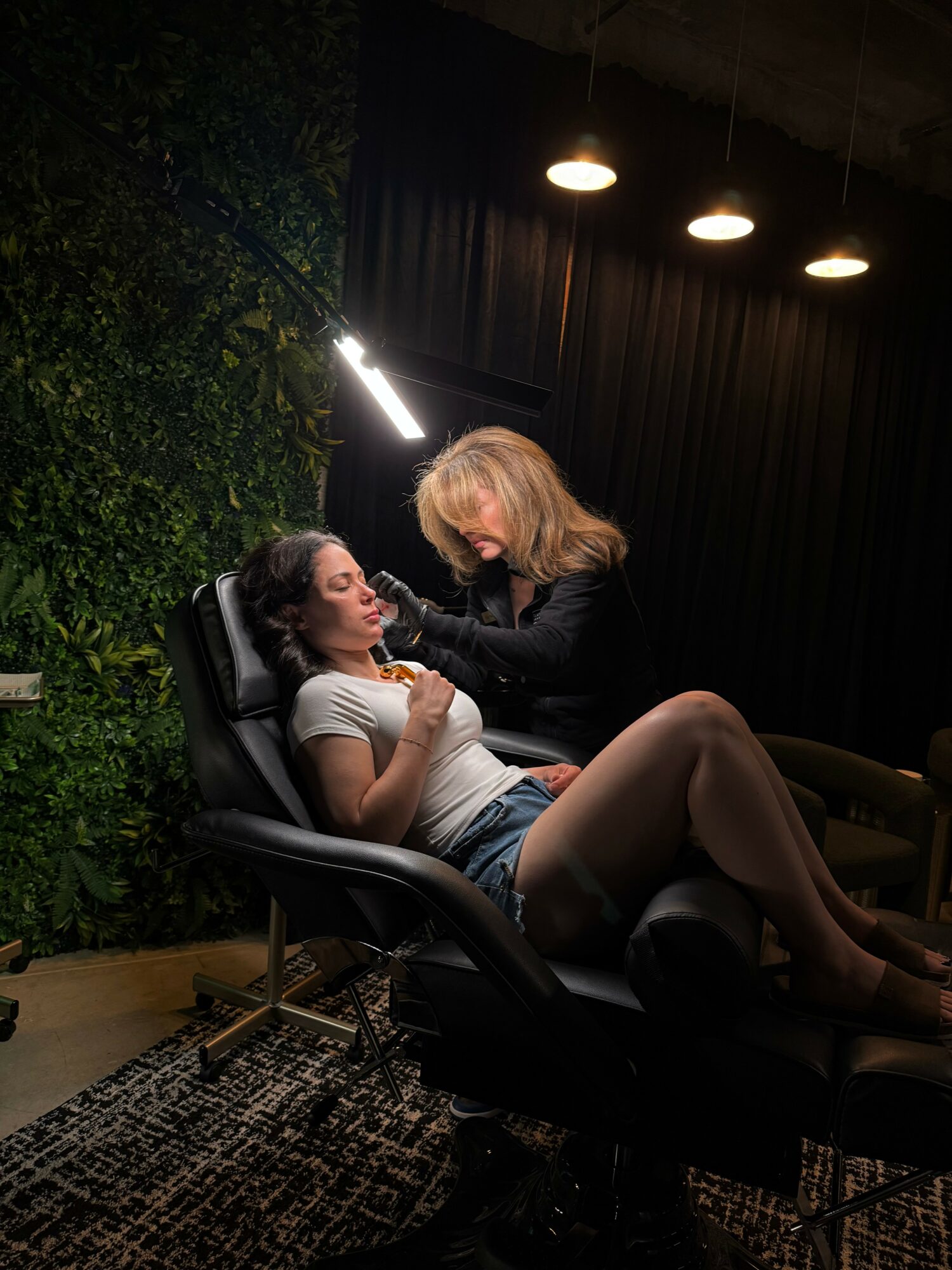
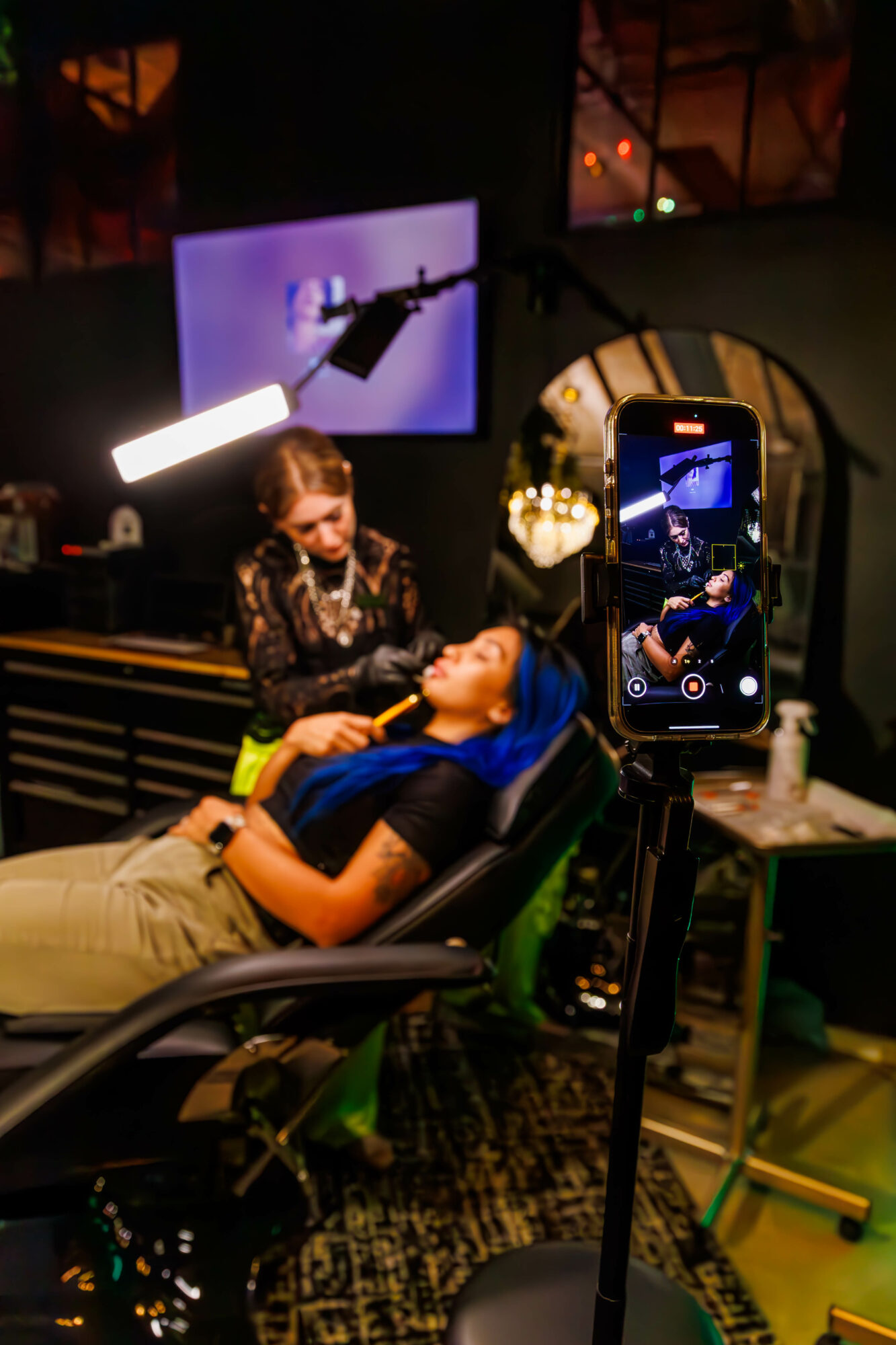
Image Credits
Carly Hansen
Fernando Guerrero