


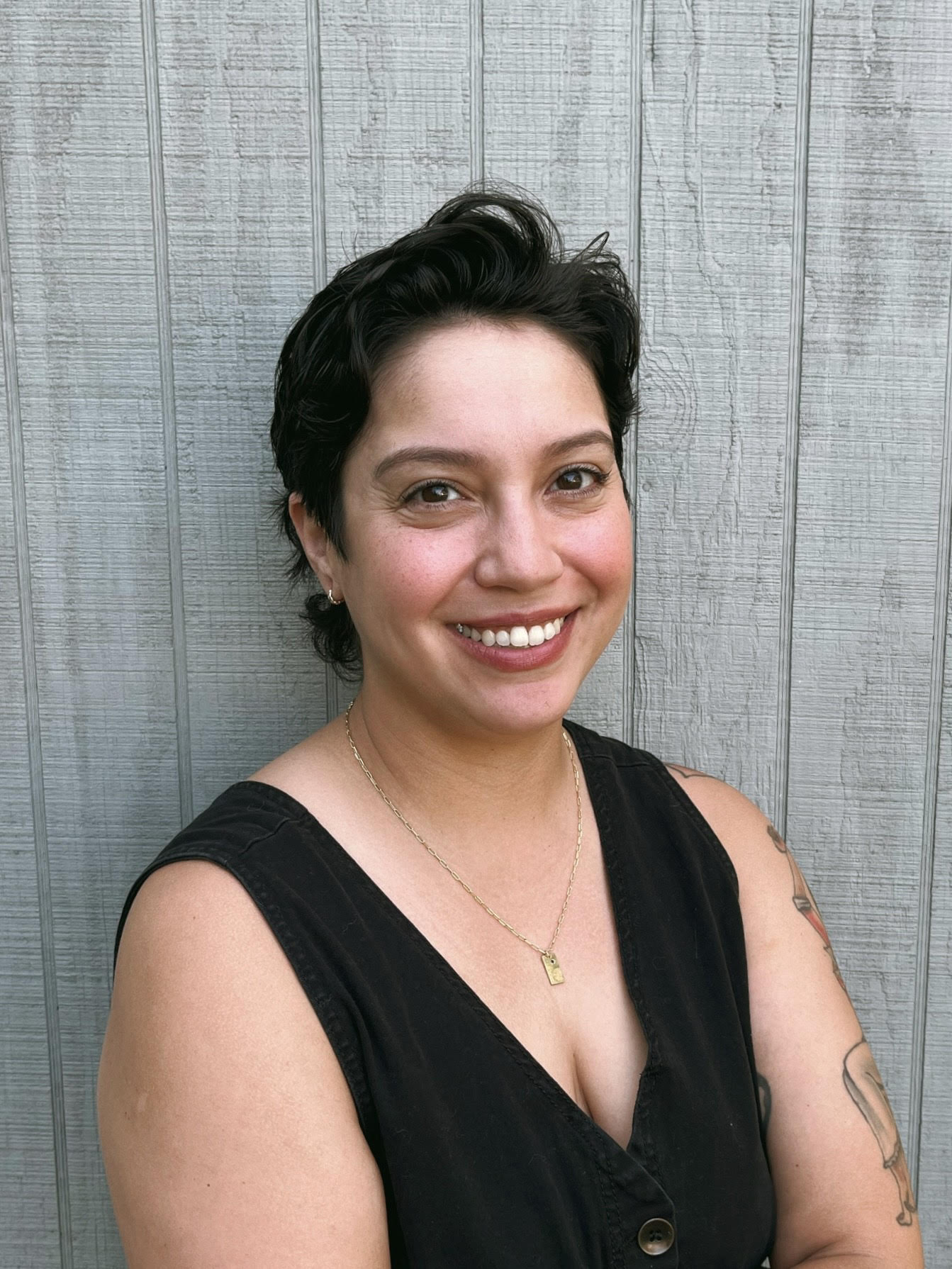
We’re looking forward to introducing you to Ash Worden. Check out our conversation below.
Good morning Ash, we’re so happy to have you here with us and we’d love to explore your story and how you think about life and legacy and so much more. So let’s start with a question we often ask: What battle are you avoiding?
A battle I’ve been avoiding is going back to college to finish my degree. I started at Texas Woman’s University in the fall of 2011, originally pursuing Dental Hygiene. Today, I want to earn my Bachelor’s in Multidisciplinary Studies.
Although I was never formally diagnosed, I believe I have a learning disability, particularly when it comes to math. The last time I made a B in math was in 7th grade. By 8th grade, I asked to be removed from the Gifted and Talented program because I couldn’t keep up with the advanced math homework. In high school, I barely managed to pass my math classes. My junior year, I was placed in an Algebra class for students considered “Twice Exceptional,” which was the first time a teacher acknowledged my struggle. As a senior, I took a dual credit math class mainly to ensure I’d stay eligible to perform and compete as an athlete; something I deeply cared about.
When I got to college, math became the wall I couldn’t get past. Despite seeking help from many talented tutors and peers, I couldn’t seem to grasp it. Eventually, I gave up. But now, I see finishing my degree as a battle worth facing. I know there are more resources and better support systems available than there were 10 years ago, and I’m ready to give myself another chance.
Can you briefly introduce yourself and share what makes you or your brand unique?
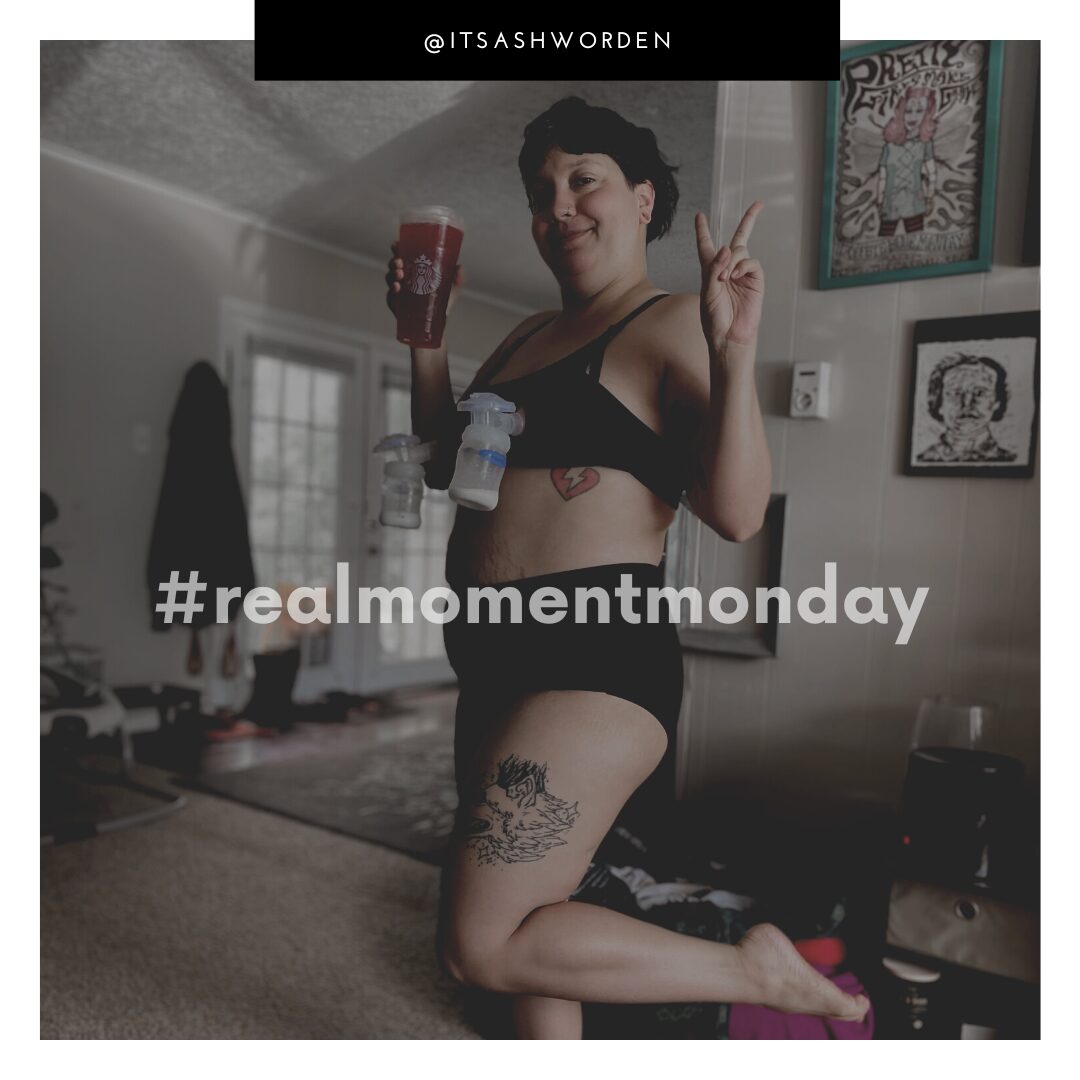
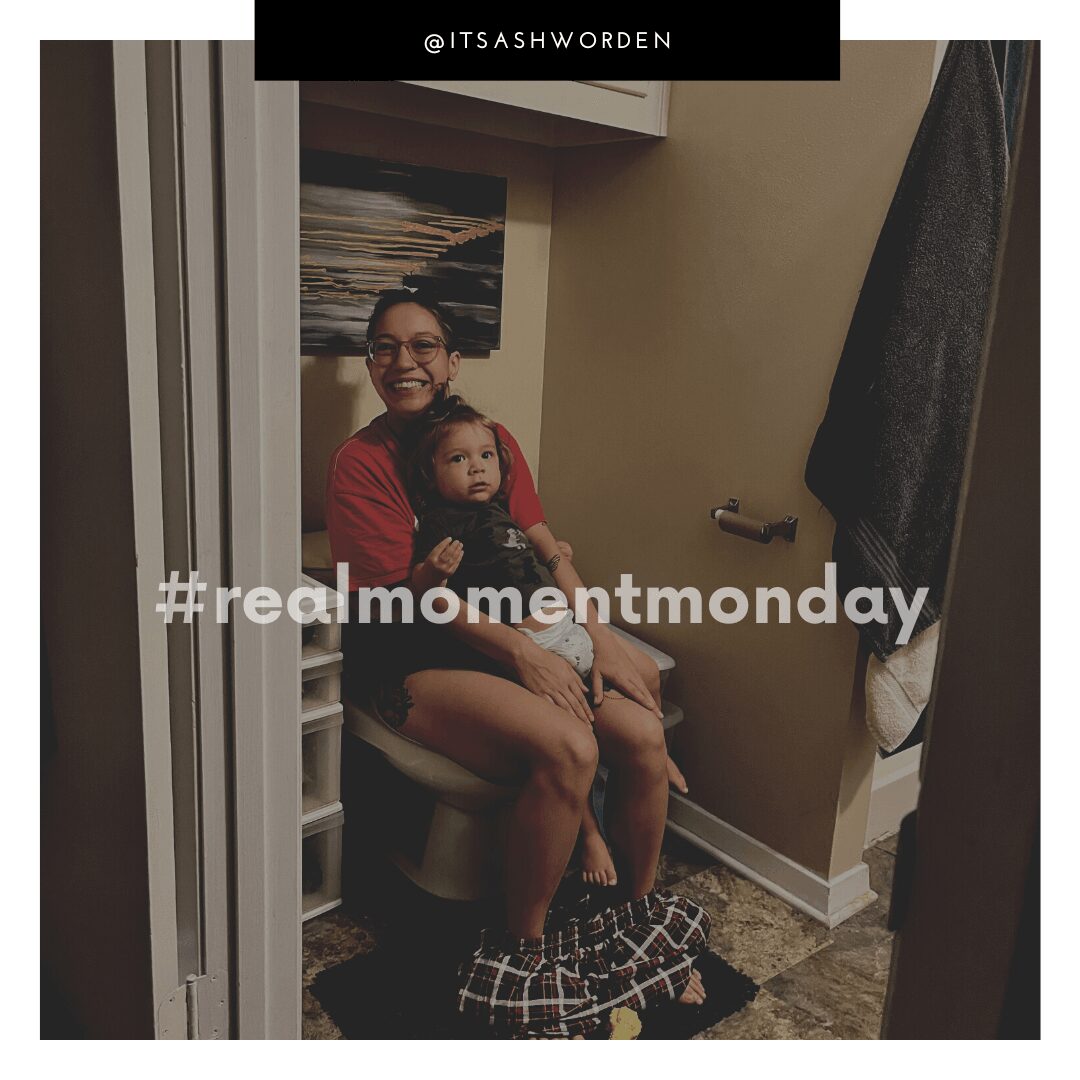
My name is Ash, and I’m someone who believes in growing through every season of life. Motherhood has been my greatest joy and my lifelong dream, but it’s also taught me so much more about patience, perseverance, and rediscovering who I am beyond my role as “mom.”
These days, I’m focused on continuing my personal growth; returning to college, setting new goals, and showing my children what it looks like to keep showing up for yourself, even when the path isn’t easy. I’ve learned that nurturing others starts with nurturing your own dreams, too.
Appreciate your sharing that. Let’s talk about your life, growing up and some of topics and learnings around that. What relationship most shaped how you see yourself?
My life changed when my little brother was born. We’re 11 years and 6 days apart and celebrated every birthday together until I moved out of the house. His arrival came at such a formative time in my life, right when I was discovering my own independence, and it made me realize that someone was always watching. I became aware of those little eyes learning from my actions and forming values through what I modeled.
As we grew older, I noticed how stories about my choices and behavior would make their way back to him, shaping how he saw me and, in some ways, how he saw himself. That awareness taught me accountability, empathy, and the quiet power of example. His presence made me more intentional about the kind of person I wanted to be; which was someone worth looking up to.
When did you stop hiding your pain and start using it as power?
In 2018, I reached a breaking point where pretending everything was fine was no longer an option. I had been struggling silently with anxiety and depression for years, but the weight of keeping it hidden started affecting every part of my life; my sleep, my appetite, my focus, even my ability to drive. I finally decided to stop pretending and wrote a post opening up about what I was going through.
In that post, I shared something that still grounds me today: I will never stop crawling if it means that one day I will feel like dancing again. Writing those words was the first time I turned my pain into power. It was the moment I stopped seeing my mental illness as something shameful and started seeing it as something survivable; something that connected me to others rather than isolated me.
Since then, I’ve learned that vulnerability is strength. The more honest I am about what I’ve faced, the more people I meet who say, “me too.” That shared understanding has given my pain purpose; and that’s where its power lies.
So a lot of these questions go deep, but if you are open to it, we’ve got a few more questions that we’d love to get your take on. Is the public version of you the real you?
I try not to sing in public as much as my heart wants to; otherwise, yes, the public version of me is very much the real me. What people see is what they get. I’ve learned that it takes too much energy to maintain a version of yourself that isn’t authentic, and honestly, I don’t have the desire to pretend.
That doesn’t mean I share everything, but the parts of me I do put out into the world are honest and true. Whether I’m talking about motherhood, mental health, or personal growth, I try to show up as the same person in every space; genuine, imperfect, and still learning.
Okay, so before we go, let’s tackle one more area. What do you think people will most misunderstand about your legacy?
I think people may sometimes misunderstand the passion behind what I share. I’ve been told I come across as angry or bitter, but that isn’t what’s in my heart. I’m a lot of feelings (and yes, anger is one of them) but it’s never been my foundation. More than anything, it’s compassion and frustration at seeing how much better things could be.
I’ve lived a life filled with love and support, and I’m deeply aware of the privilege that comes from that. Because of my family’s sacrifices, most of my struggles have been internal, not survival-based. But witnessing what others have endured, hearing their stories or seeing inequity up close, has left a mark on me.
If there’s ever a misunderstanding about my legacy, I hope people look past the surface and see the heart behind it. My voice doesn’t come from bitterness or ignorance; it comes from empathy, awareness, and a desire to make things better for those who come after me.