





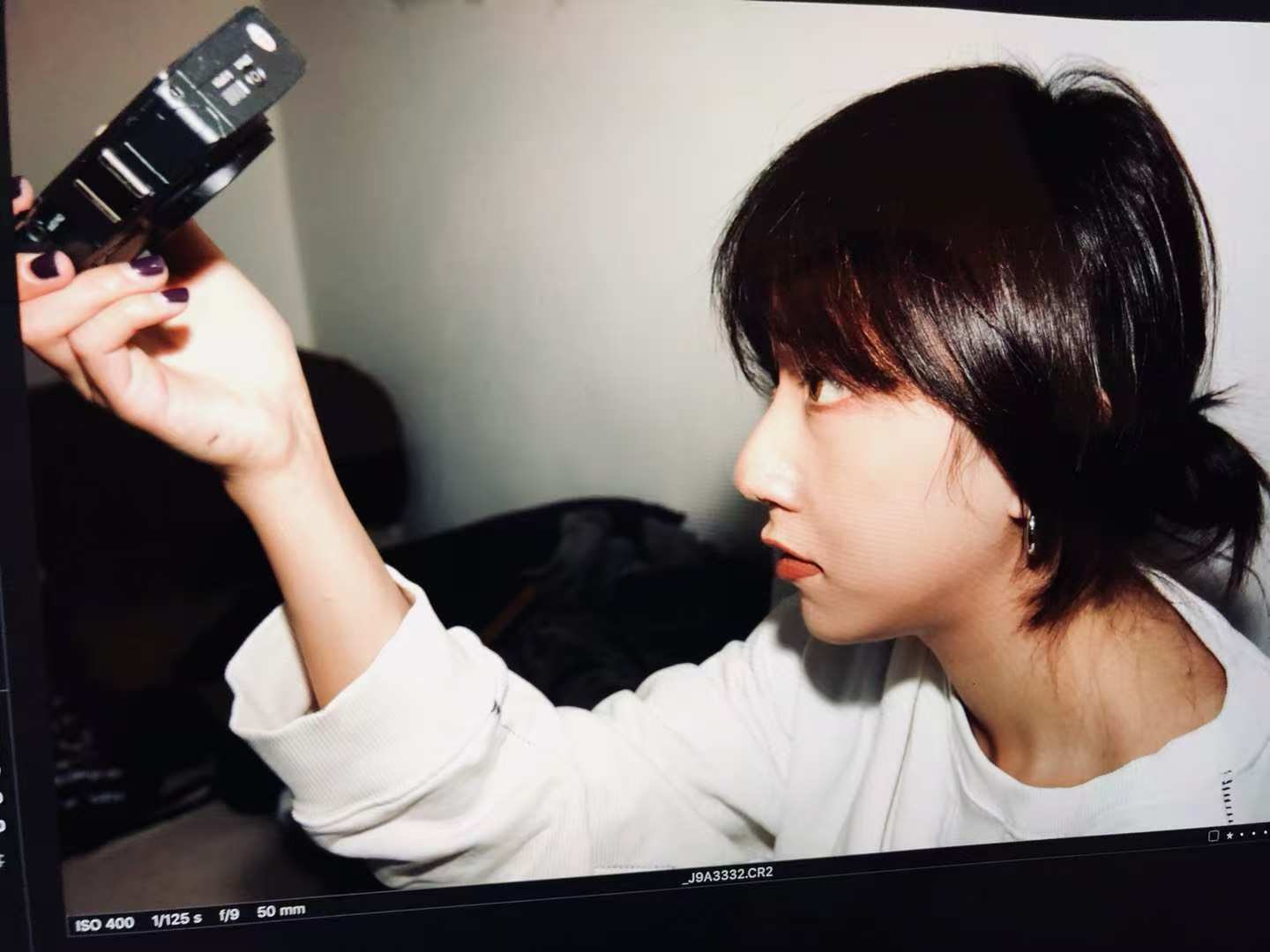
Today we’d like to introduce you to Jiawei Wu.
Hi Jiawei, thanks for sharing your story with us. To start, maybe you can tell our readers some of your backstory.
I started my design journey with a strong interest in how visual systems can shape human experiences and communicate emotion. Growing up across different cultural environments made me especially aware of how storytelling can bridge people, places, and memories—an idea that naturally became central to my work.
Over time, I gravitated toward projects that required deep research and close collaboration. Working with founders, chefs, and users taught me to translate personal narratives, cultural influences, and sensory inspirations into cohesive identity systems. This process—grounded in interviews, workshops, and detailed exploration—helped me refine an approach that combines clarity, structure, and emotional depth.
Today, my practice focuses on building immersive, narrative-driven brand experiences. I’m particularly interested in how tactile elements, modular systems, and visual storytelling can create meaningful connections and guide audiences through a well-crafted journey.
Would you say it’s been a smooth road, and if not what are some of the biggest challenges you’ve faced along the way?
The road hasn’t always been smooth. Much of my work relies on translating personal stories, cultural nuances, and sensory inspirations into clear visual systems—and that process comes with inherent challenges. One ongoing difficulty has been aligning multiple perspectives during early research phases. Projects like Avant required extensive interviews and workshops, and synthesizing different narratives into a single coherent direction demanded patience, sensitivity, and rigorous iteration.
Another challenge has been finding the right balance between storytelling and functionality. For example, creating passport-inspired menus or personalized tickets required not only strong conceptual grounding but also practical considerations around production, user interaction, and brand consistency. Ensuring that each touchpoint remained emotionally meaningful without becoming overly decorative pushed me to refine my approach across typography, layout, color systems, and material choices.
Lastly, working in experiential branding means constantly adapting to context—pandemic-era shifts, changing user behavior, and evolving expectations around immersion all influenced the design process. Navigating these uncertainties taught me to stay flexible, listen closely to users, and build systems that can evolve while still holding onto a strong narrative core.
As you know, we’re big fans of you and your work. For our readers who might not be as familiar what can you tell them about what you do?
My work centers on creating narrative-driven brand identities, particularly for hospitality and experiential concepts. I specialize in translating abstract inspirations—such as cultural memories, personal journeys, or the story behind a dish—into clear, immersive visual systems. This often involves building multi-layered frameworks across print, digital, spatial applications, and tactile touchpoints.
I’m best known for my ability to shape a brand through storytelling. In projects like Avant, this meant developing a complete experiential arc: from passport-inspired menus to personalized tickets that carry a memory of the meal. These elements aren’t just visuals—they guide the customer through an emotional journey and turn the dining experience into something personal and memorable.
What I’m proud of is the depth of collaboration behind each project. My process relies heavily on interviews, workshops, and research with founders, chefs, and users. Understanding the real stories behind a brand allows me to craft identities that feel intentional, culturally grounded, and emotionally resonant.
What sets my work apart is this focus on narrative as a system—not as decoration. Whether through modular templates, iconography, or tactile design, I strive to build brands that feel lived-in and experiential, where every detail reinforces the story and invites the audience to step into a larger world.
Who else deserves credit in your story?
One person who has had a significant influence on my growth is Huei-Tai Chen. His guidance shaped how I think about visual communication and experiential design. He encouraged me to move beyond surface aesthetics and explore the cultural and emotional layers behind a project. Many of the methods I rely on today — grounding a brand in narrative, building systems with intention, and designing for resonance — grew from the conversations and critique sessions we shared.
I’m also deeply grateful for the mentorship I received during my time at Savvy Studio, especially from Rafael and Camille Chassagne. They taught me how to articulate a brand’s core value through clear storytelling — how to identify its true center, shape its positioning, and translate that into an authentic visual language. Their trust gave me space to learn, experiment, and grow. On every project, they offered both support and honest critique, which strengthened my confidence and helped refine my craft.
Finally, many collaborators and clients have also played important roles by sharing their stories openly and trusting me with their vision. Their partnership made the work richer and allowed each project to become a meaningful, layered experience.
Contact Info:
- Website: https://www.behance.net/jiaweiwu
- LinkedIn: https://www.linkedin.com/in/jiaweiwu5/
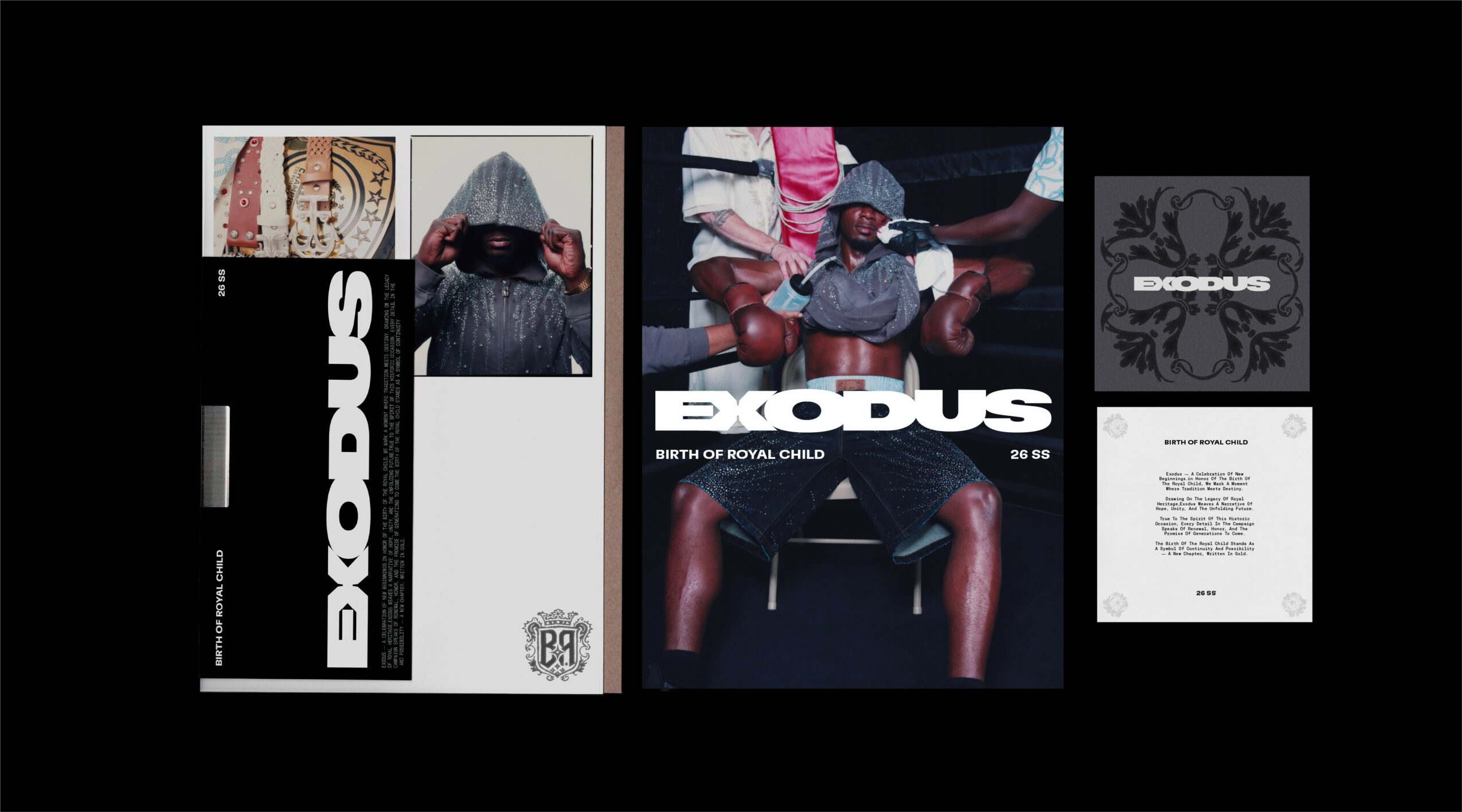
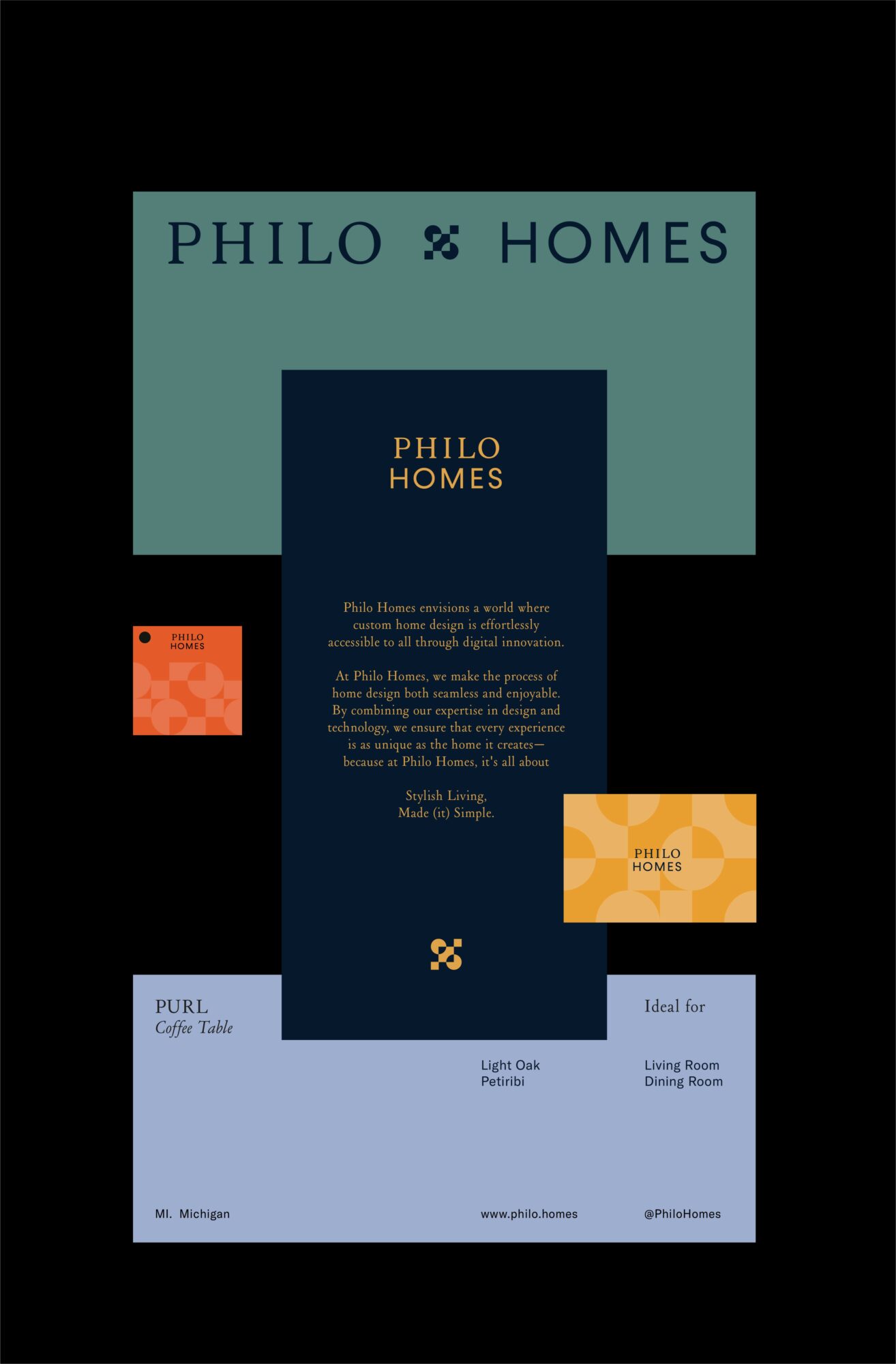
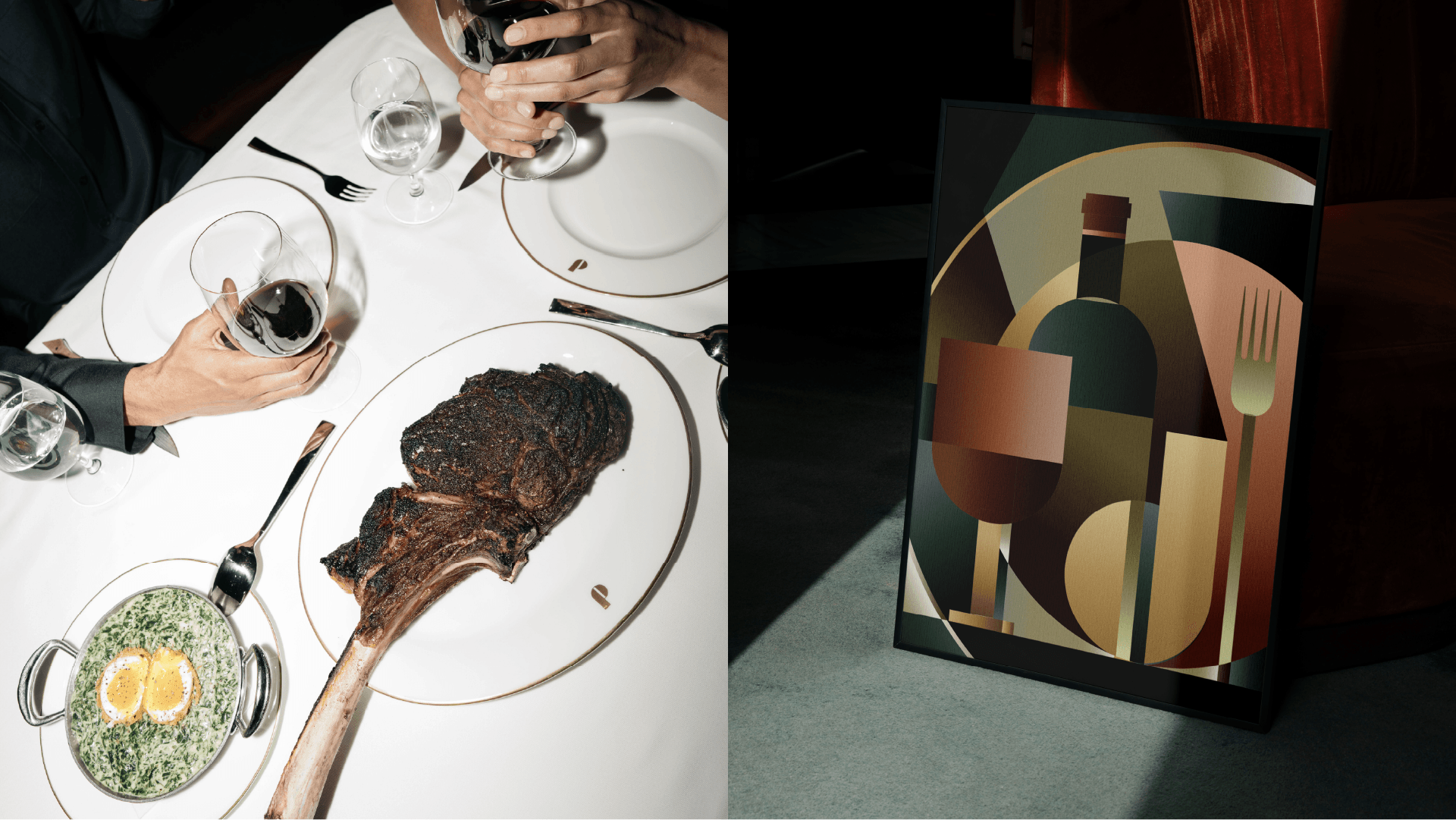
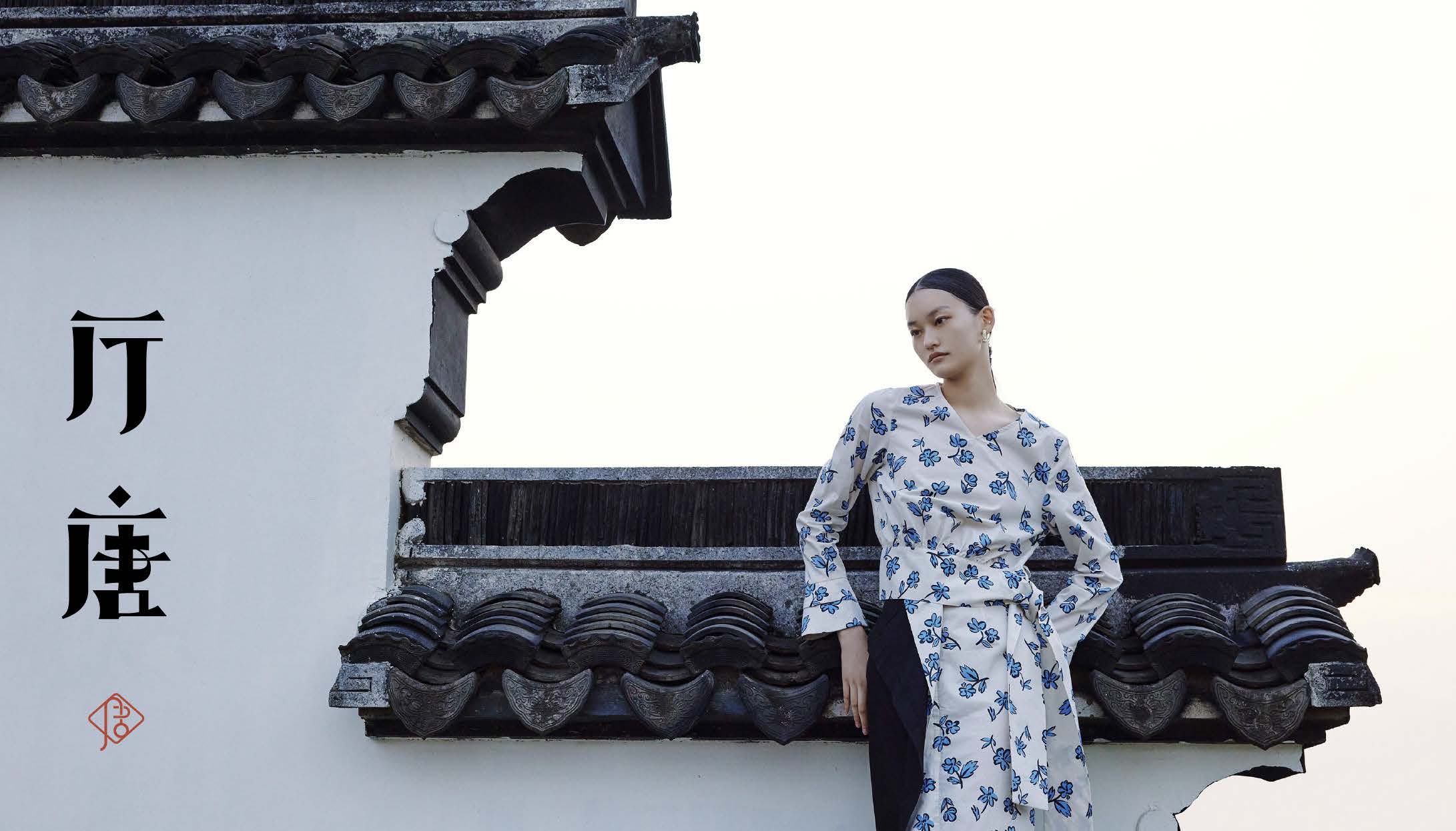
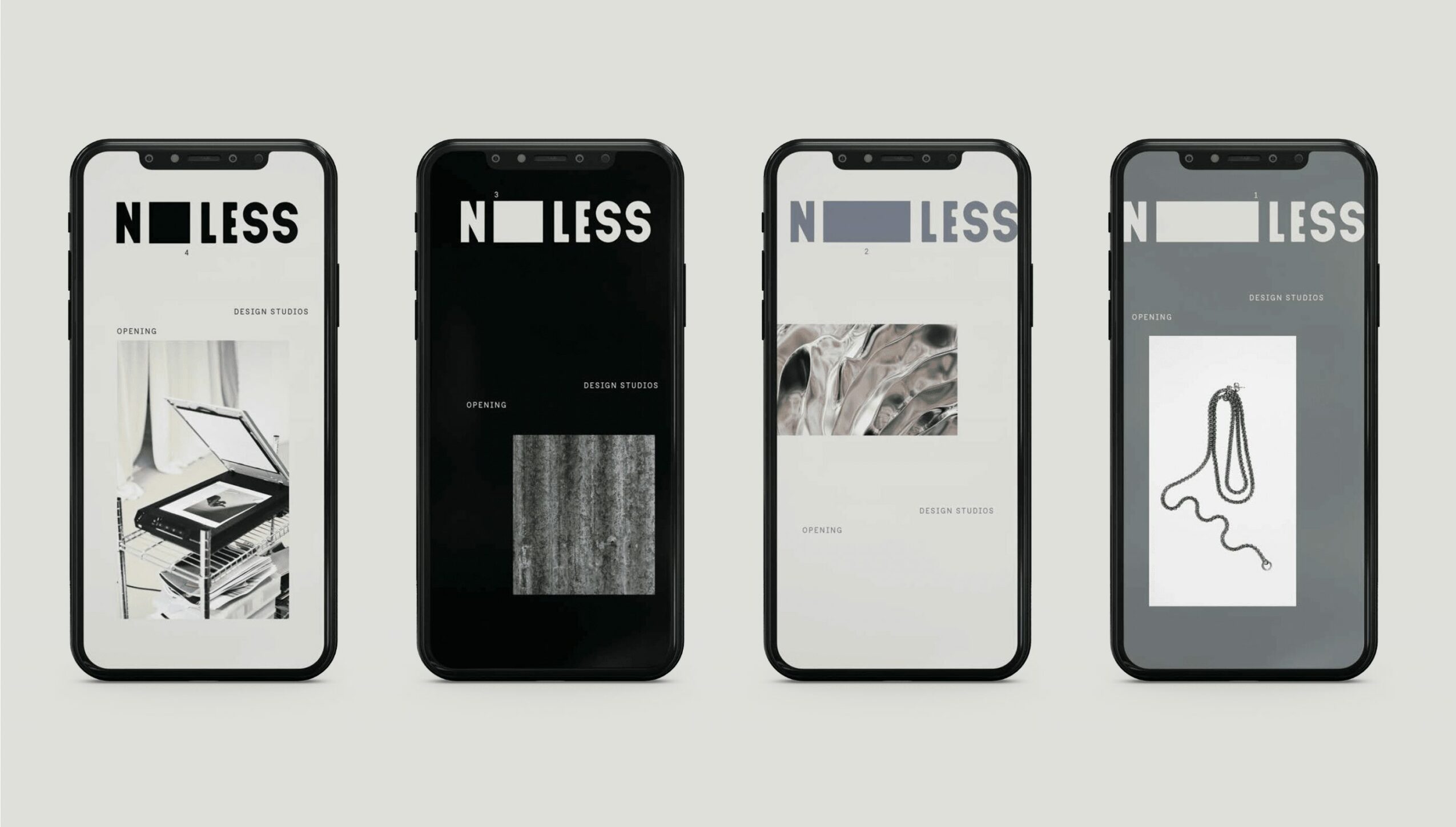
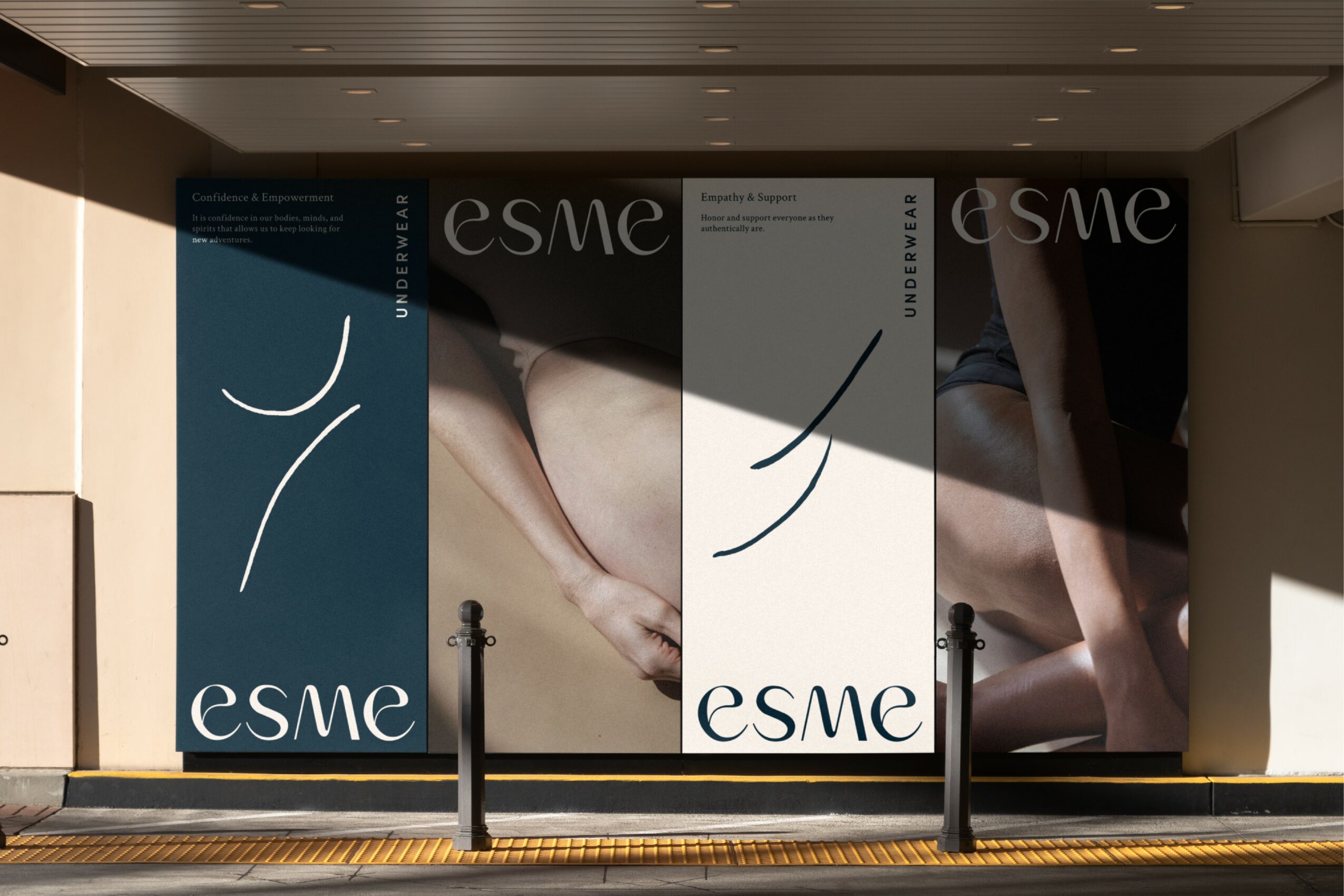
Image Credits
The copyrights for the projects I’ve worked on belong to their respective brand owners, including Studio Clash, Philo Homes, Don’s Prime, BORC, Ting Tang, Noless, and Esme. These represent a mix of both full-time responsibilities and freelance collaborations. I’m grateful to have been trusted by these clients to contribute to their brand development and creative direction.
Visual expressions and creative treatments showcased in my portfolio are copyrighted by Jiawei Wu Designs and presented with client permission.