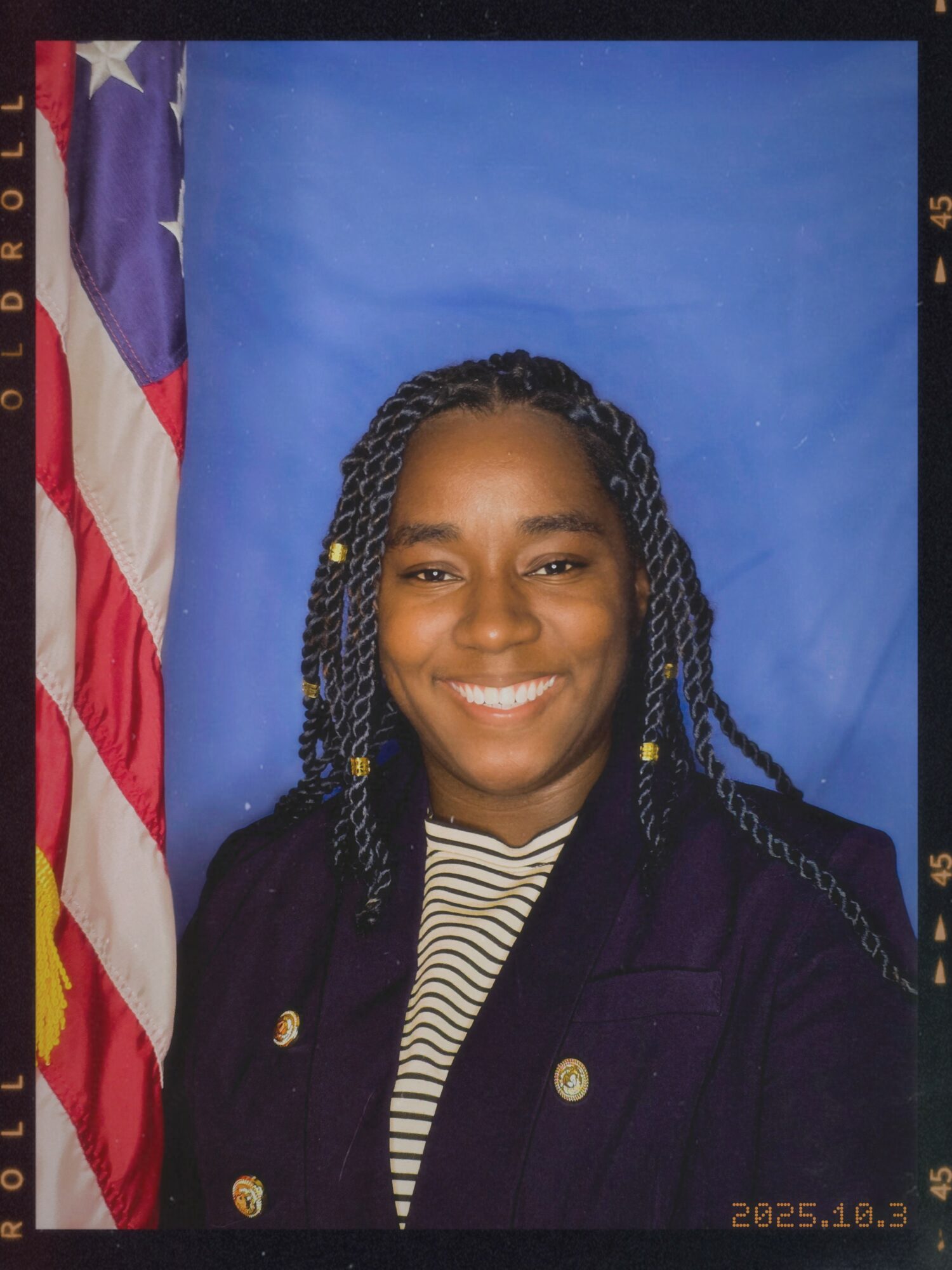





Today we’d like to introduce you to Dawna-Diamond Brothers.
Hi Dawna-Diamond, we’re thrilled to have a chance to learn your story today. So, before we get into specifics, maybe you can briefly walk us through how you got to where you are today?
“Absolutely. Before anything else, I always start with this because it is a big part of who I am. I am adopted, and I am proud of that. I say it often, but I am finally at a place where I can talk about it in a deeper way. Being adopted shaped how I see family, responsibility, and opportunity. My parents showed me what hard work looks like, how to lead with faith, and how to take care of people. That foundation is why I take the work I do so seriously.
That is what led me into the Texas Legislature. I began as a policy analyst, and it was the first place where I realized how personal policy really is. You think you are working on bills, but you are actually working on people’s lives.
One of the clearest examples for me was HB 1211. I worked on that bill in 2023. It did not pass at first, and that was hard because I understood exactly who it would help. The bill focused on removing the age cap that blocked adopted students and former foster youth from receiving tuition benefits after age twenty five. That age cutoff never made sense. Many of those students do not get a smooth, uninterrupted path to college. Finding stability takes time. Healing takes time. Life takes time. Losing tuition support simply because someone turned a certain age felt unfair.
Earlier this year, HB 1211 passed along with its Senate companion. That moment felt personal. It felt like closing a circle. It felt like standing up for people whose story looks something like mine.
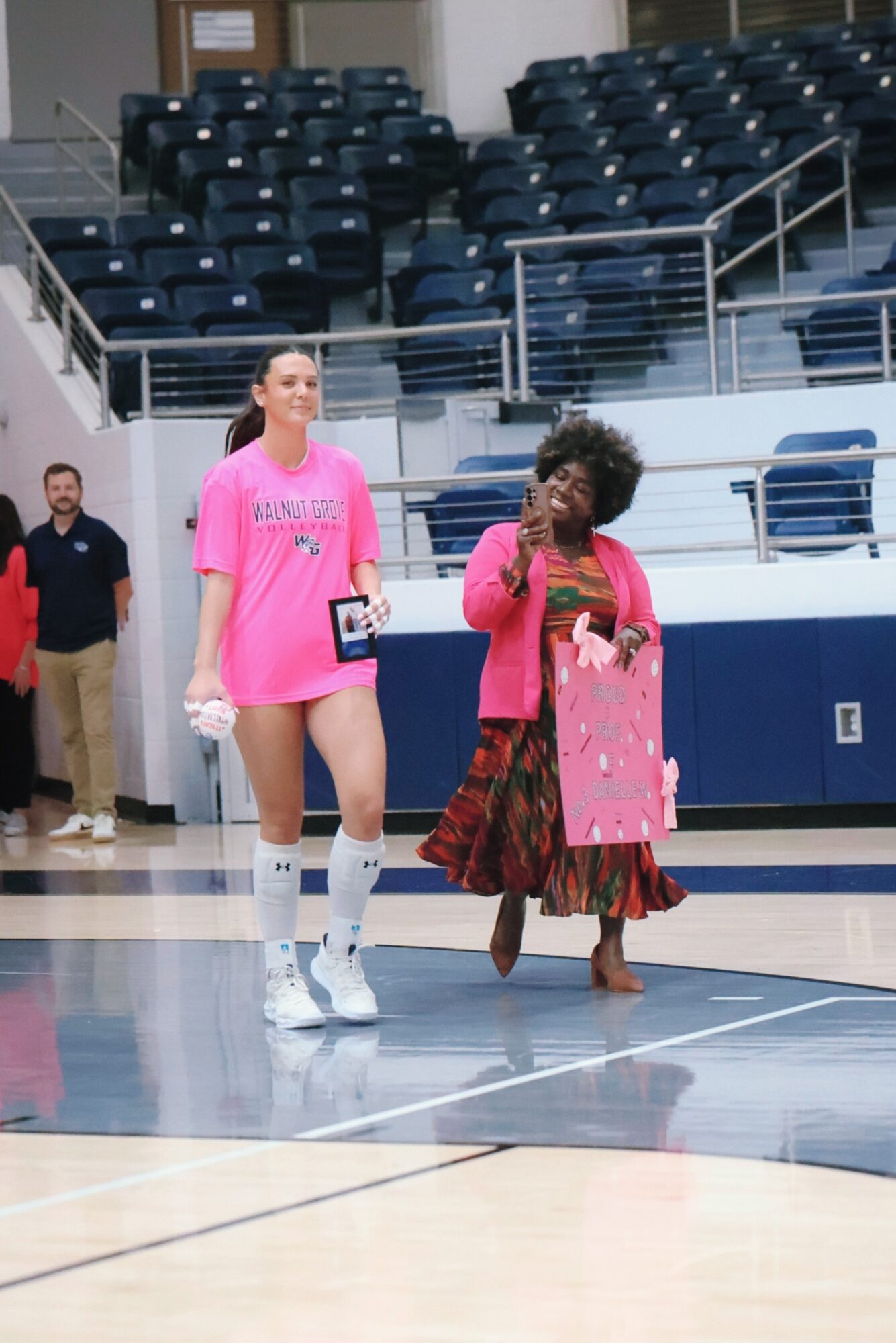
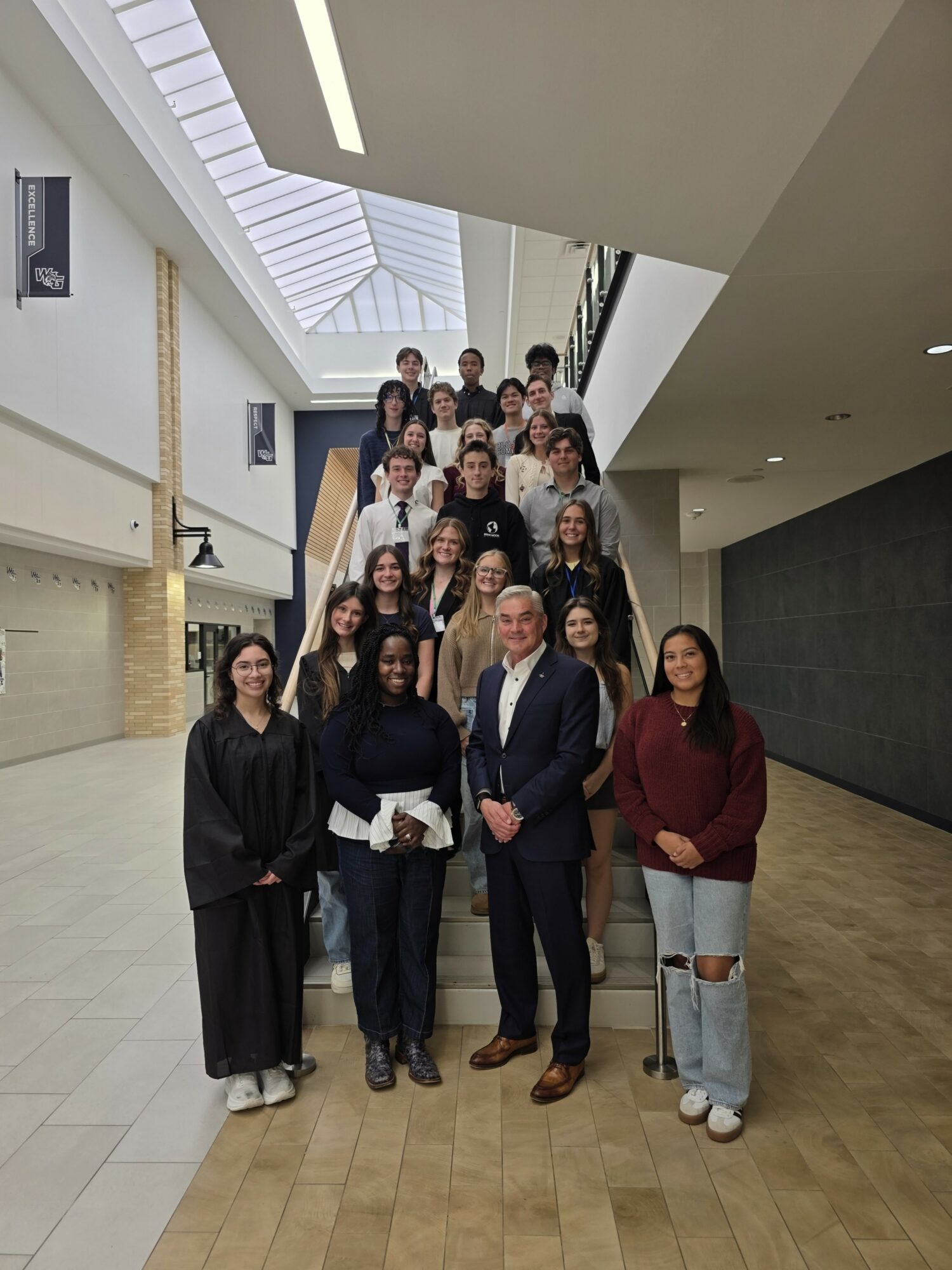
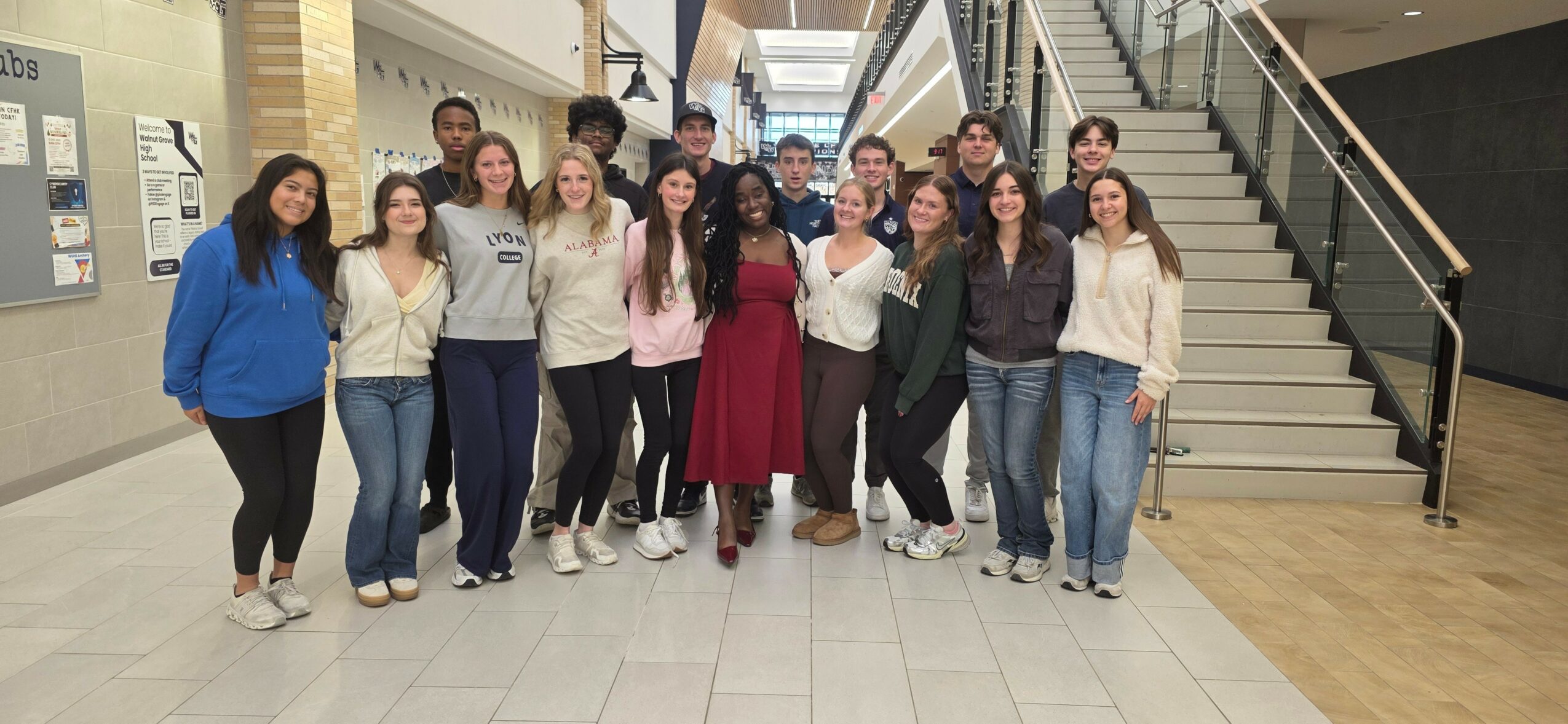
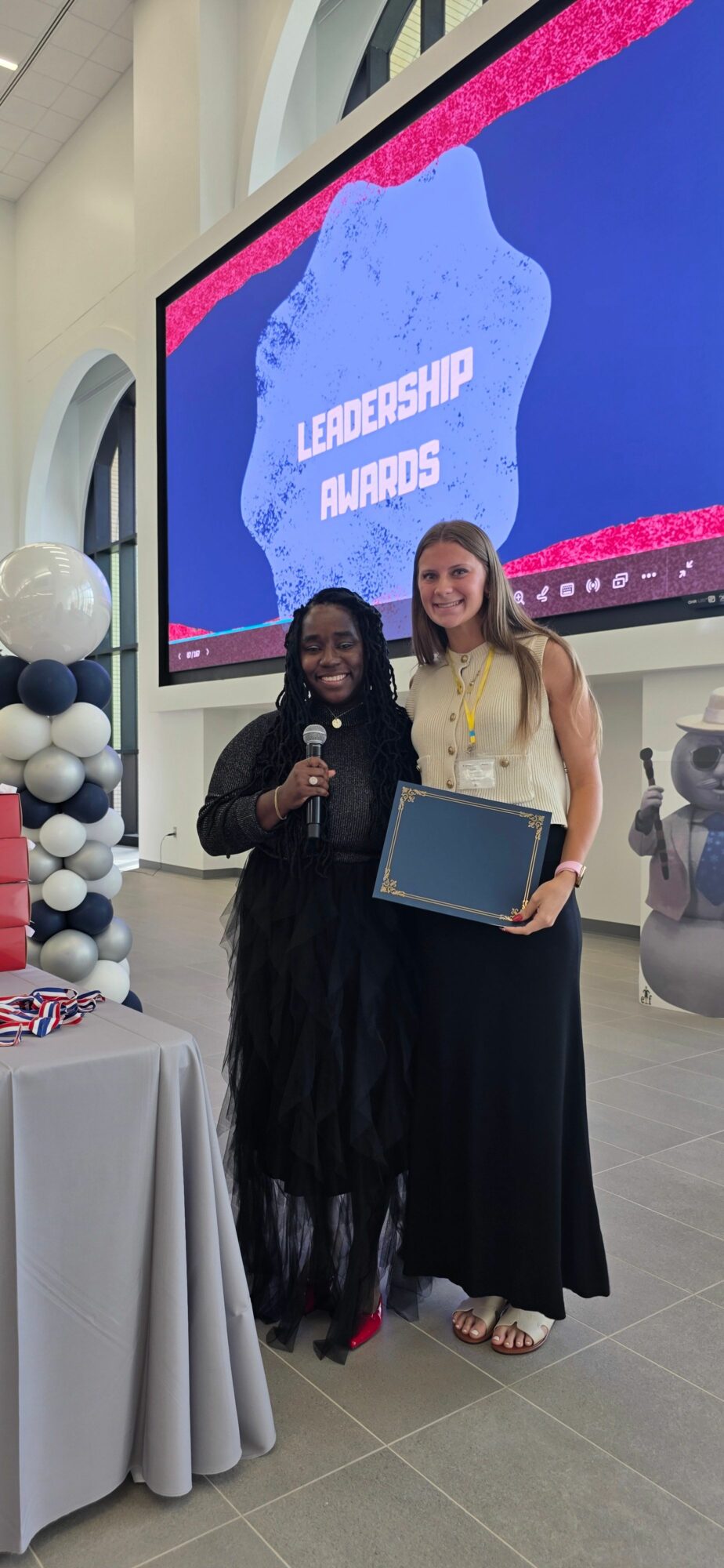
That experience is one of the main reasons I moved deeper into education. Teaching government at the college level allows me to take what I learned in policy and bring it to students in a way that actually engages them. My classes feel like simulations with debates, roles, real issues, and active participation. I want students to see how government works instead of memorizing terms from a textbook. Watching them find their confidence is one of the best parts of my job.
During all of this, I also built my photography practice. I never expected it to grow the way it did. It started as something I loved, and it turned into something that became part of my identity. My work ended up in galleries, and it allowed me to explore identity and resilience from a creative perspective. Photography is where I process things. It is personal to me in a different way than teaching or policy.
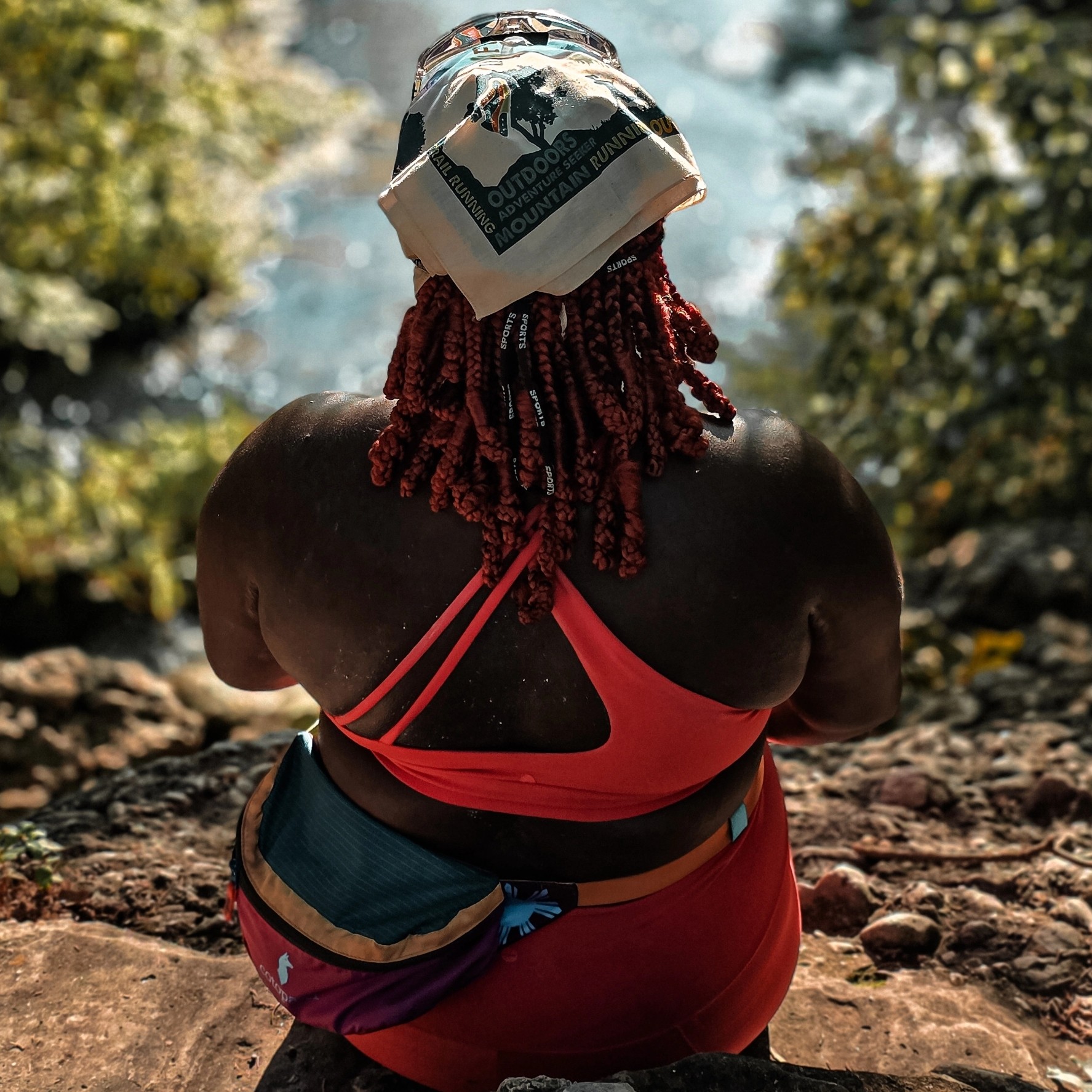
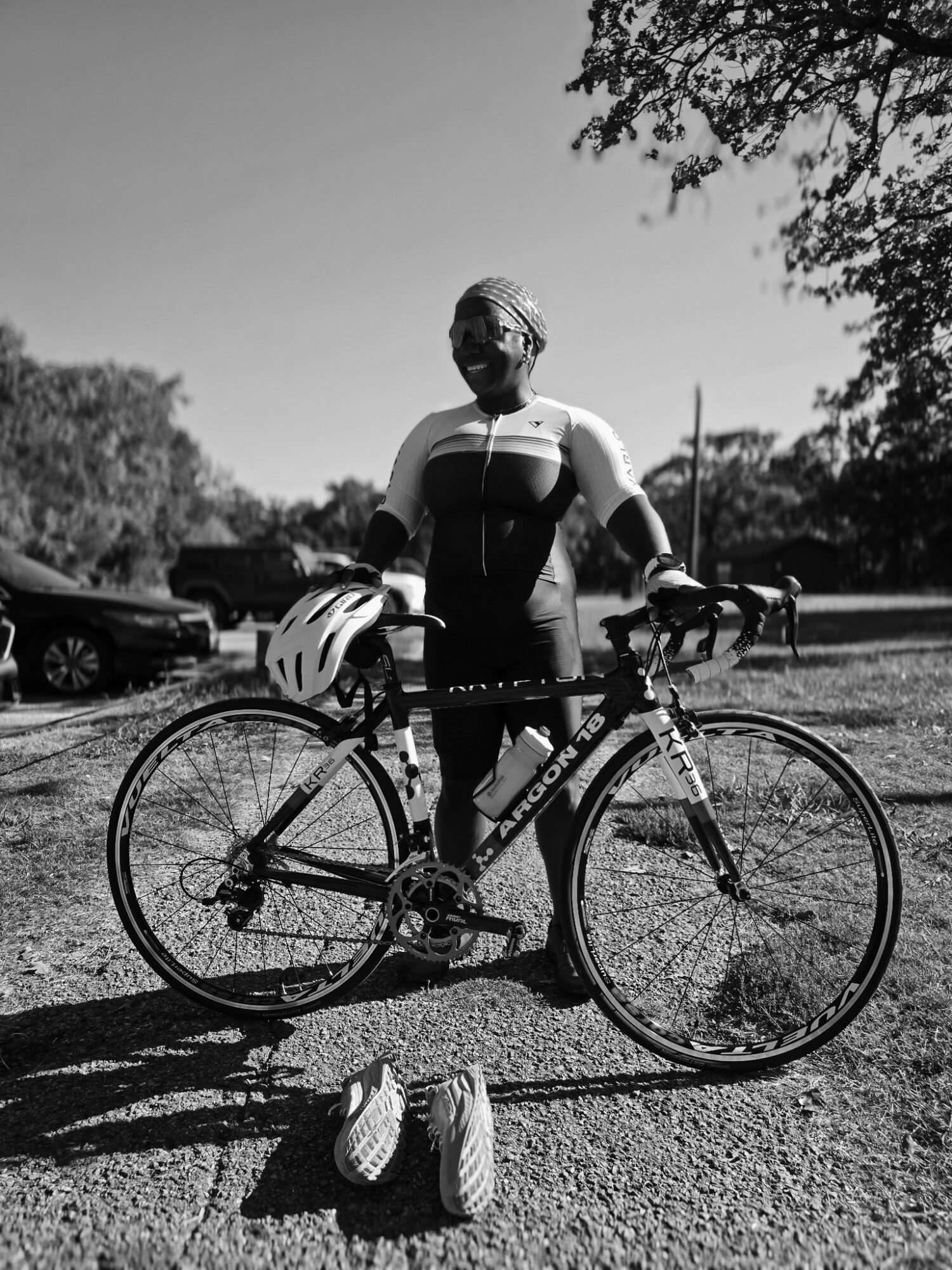
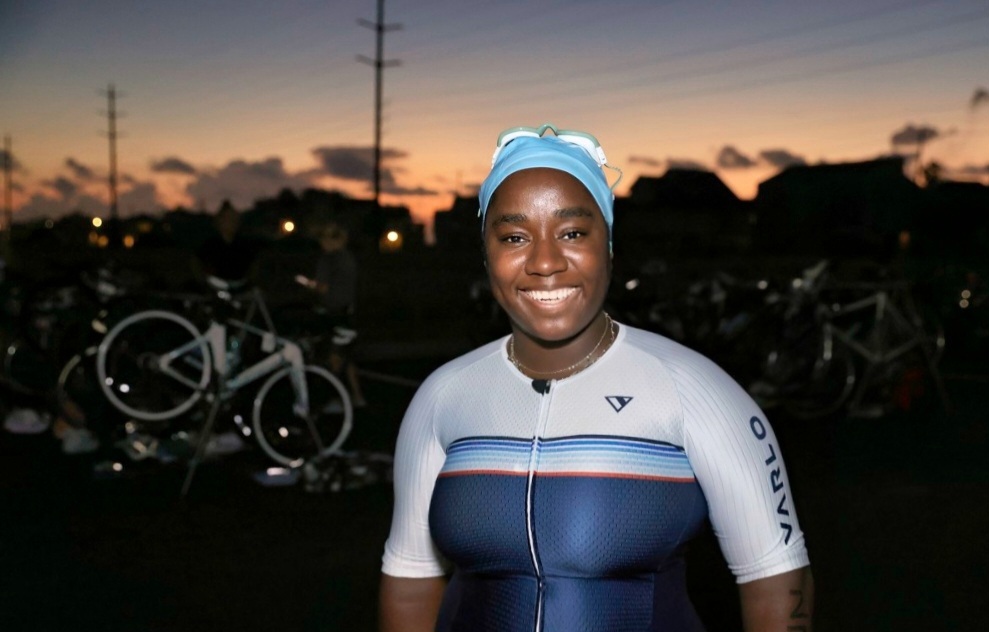
Most recently, I started training as a beginner triathlete. It is new for me and very humbling, but also empowering. It pushes me mentally and physically, and it reminds me that I can step into things that stretch me and still learn how to rise to the challenge.
When I look at everything together, it makes sense. Adoption, policy work, teaching, photography, and triathlon training. My story is not traditional, but it is intentional. Everything I do comes back to growth, purpose, and helping people move forward in their own lives.”
Alright, so let’s dig a little deeper into the story – has it been an easy path overall and if not, what were the challenges you’ve had to overcome?
“No, it has definitely not been a smooth road. One of the biggest battles I’ve faced has been with PCOS, which stands for polycystic ovary syndrome. People hear the name and think it is just about ovarian cysts, but it is so much more than that. PCOS affects hormones, weight, metabolism, mood, sleep, energy levels, fertility, and pretty much everything connected to your day-to-day wellbeing. It is one of those conditions that can make you feel like your body is working against you, and for a long time, that was exactly how I felt.
What made it harder is how long it took to get real answers. I went from doctor to doctor, appointment after appointment, and kept being dismissed or told it was “just stress” or that I needed to do basic things I was already doing. I knew something was wrong, but I kept getting brushed off. I lost count of how many doctors I saw before someone actually listened with intention. It felt like I had to fight for my own diagnosis.
This year was the first time I finally had someone take me seriously and give me clarity. Getting a real diagnosis and real treatment options gave me hope in a way I didn’t realize I needed. It felt like I wasn’t crazy, I wasn’t imagining things, and my symptoms actually had a name. It gave me space to breathe again.
Alongside that, I have had my own battles with mental health, especially while juggling school, leadership roles, teaching, and everything else. There were times when I felt stretched thin and times when I felt completely unseen. And layered on top of that, I have been doubted more times than I can count. People have questioned my abilities, my decisions, and my path, sometimes without knowing a single thing I was fighting through privately.
Those experiences shaped me. Being dismissed by doctors, being doubted by people who didn’t understand my journey, and fighting through health challenges taught me how to advocate for myself. It taught me that sometimes you have to push harder than you want to get the care you deserve or the opportunities you know you’re capable of.
So no, the road hasn’t been smooth. But the struggles made me more grounded, more empathetic, and more determined. And now that I finally have real answers with my health, I feel like I’m moving through life with a sense of hope that I haven’t had in years.”
Thanks – so what else should our readers know about your work and what you’re currently focused on?
“I chose ‘Other’ because my professional life isn’t just one thing. It’s made up of different experiences, roles, and challenges, and each one has shaped who I am and how I show up.
College was a huge part of that. It wasn’t just about earning a degree. It taught me how to think like a leader. Balancing academics, work, and life forced me to make decisions, solve problems, and find opportunities where others might see obstacles. That way of thinking carried me into public service, where I learned how to work in fast-paced, complex environments and advocate for people who don’t always have a voice. It taught me persistence, resilience, and how to keep pushing even when progress feels slow.
Teaching has been another major part of my journey. It’s shown me that leadership isn’t just about directing others. It’s about creating space for people to see their own potential. Being in the classroom taught me patience, how to listen, and how to guide students so they can take ownership of their growth. The most rewarding part is seeing someone gain confidence and knowing I had a role in that transformation.
Creativity has also played a big role in my professional life. Photography started as something I loved to do, but it became a real way to express ideas, tell stories, and explore identity. It taught me to experiment, take risks, and trust my instincts. Those lessons carry over into every other area of my work.
Even outside of work, I challenge myself in ways that teach me discipline and resilience. Training as a triathlete has been one of those challenges. It has pushed me physically and mentally and reminded me that growth comes from stepping outside of your comfort zone. That mindset shows up in all parts of my professional life, from mentoring students to building creative projects to tackling complex work challenges.
I chose ‘Other’ because my career isn’t just one path or one role. I lead, I teach, I create, and I keep pushing myself to grow. Each part of my professional life informs the other, and together they shape how I show up every day with focus, purpose, and determination.”
We’d love to hear about how you think about risk taking?
“I see risk taking as an essential part of growth. It is not about being reckless or jumping into things blindly. It is about stepping into uncertainty, trusting yourself, and being willing to move forward even when you cannot see the whole path. The risks that have mattered most to me are the ones that pushed me beyond what I thought I could do and stretched me in ways that shaped who I am.
In my career, I have taken risks that required confidence, persistence, and vulnerability. In teaching, I have tried new approaches in the classroom that challenged both me and my students, pushing us all to think differently and engage more deeply. In public service, I have advocated for initiatives that were complex or controversial, knowing that meaningful work often comes with scrutiny or resistance. In photography, I have shared my work with the world, fully aware it could be critiqued or overlooked. Each of these experiences taught me valuable lessons about perseverance, courage, and the importance of stepping into opportunities even when success is not guaranteed.
Another risk I took was in my personal life with triathlon training. Despite receiving a diagnosis that initially came with warnings not to do high-intensity exercise, I chose to train intentionally and push myself safely. Back in October, I completed my first triathlon and even placed third. Now I am training for my next one. That experience reminded me that when I take a step forward, God meets me in it and carries me through. It taught me resilience, discipline, and trust in the process, and it continues to shape the way I approach challenges in both my personal and professional life.
Applying to doctoral programs is another risk I am taking right now. It is stressful and intimidating, and there are no guarantees. It requires putting myself out there, being vulnerable, and investing significant time and energy into something uncertain. Even though it is scary, it feels right, and it is a step I feel called to take. Taking that step is part of leaning into growth, pursuing purpose, and trusting that the path will unfold in ways I cannot yet see.
To me, risk taking is about showing up fully, leaning into the uncomfortable, and trusting the journey. It has taught me resilience, courage, and clarity about what I want to contribute in the world. It continues to guide how I move through life and work every day, and it has shaped the way I show up as a teacher, a professional, a creator, and a person who refuses to let fear define her limits.”