





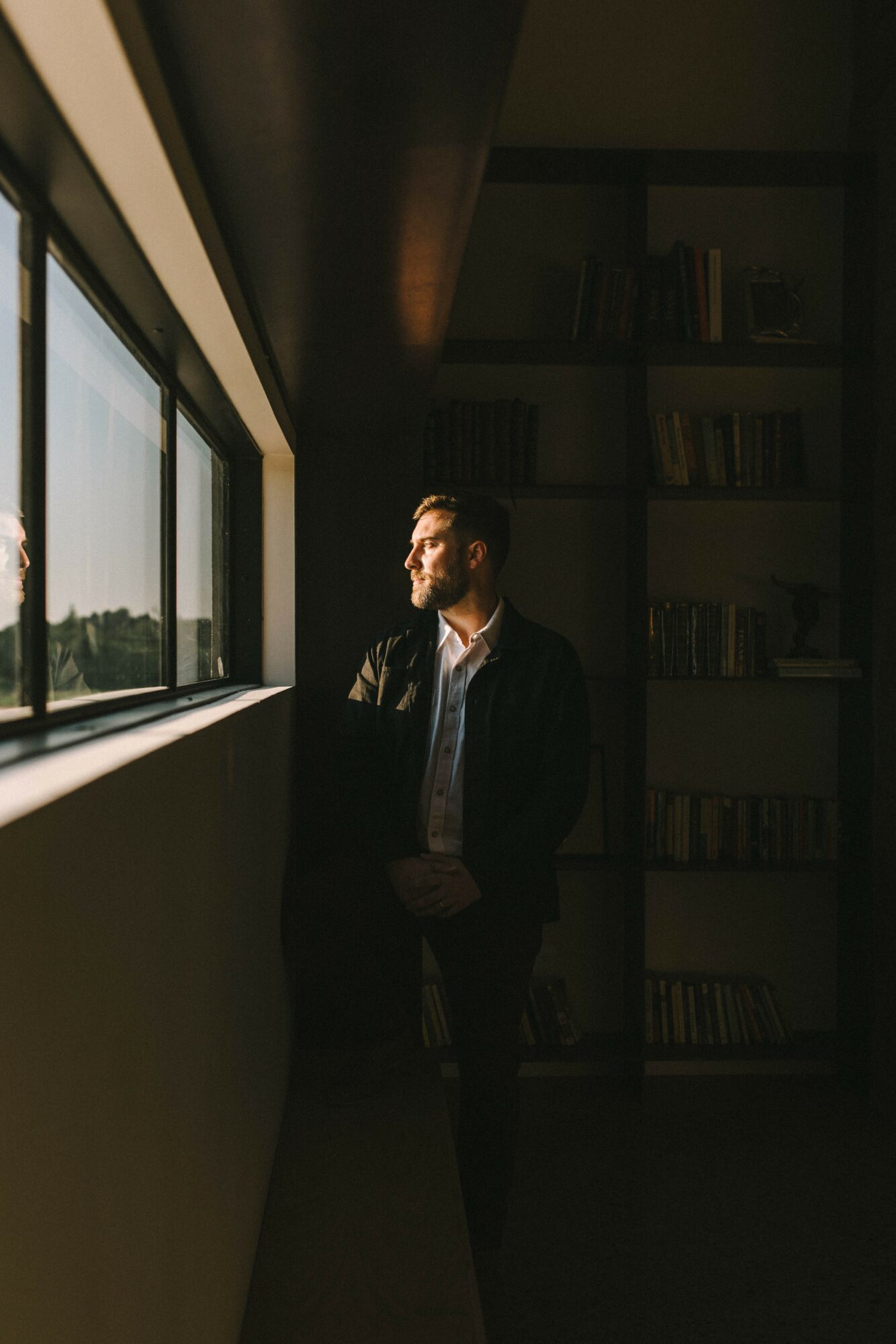
We’re looking forward to introducing you to Jeff Garnett. Check out our conversation below.
Hi Jeff, thank you for taking the time to reflect back on your journey with us. I think our readers are in for a real treat. There is so much we can all learn from each other and so thank you again for opening up with us. Let’s get into it: Are you walking a path—or wandering?
I’m doing both. I’ve always had clear goals—both in life and in my creative work—and I tend to build a structured path to reach them. But wandering is an essential part of that path. Even with direction, the process stays wild in its own way, and that unpredictability is what keeps everything alive.
Detours are not only inevitable; they’re necessary. In creative practice, they open the door to discovery. Some happen naturally, while others I create on purpose. When things feel too familiar or the work begins to stagnate, I’ll intentionally throw a curveball—exploring new ideas, new project types, or new experiences. I’ve been doing this long enough to know that those curveballs almost always open new doors and often lead to very real projects. Every exploration is worth it, even if it doesn’t lead to something tangible. Chaos carries its own meaning. Getting new ideas out into the world—or simply out of my own head—is its own reward. Some experiments turn into opportunities; others quietly fade. But those side paths, however brief, are always for something—a small spark, a question, a mystery that keeps the creative process alive.
If we lose our sense of wander as creatives—or simply as people—curiosity tends to slip with it. I’m a firm believer that curiosity fuels everything. It’s what makes us question things, question ourselves, and continue to grow.
There’s an incredible song by Kevin Morby—one of my all-time favorites—called “Wander,” built around the words “wander” and “wonder.” It’s minimalistic and intentionally stripped back, repeating and circling with a steady rhythm—structured, yet unraveling into something more open and searching. There’s an edge to it that captures the tension between direction and drift, between knowing and not knowing. It echoes the balance I try to hold in my own work: moving forward with intention, while leaving room for the unknown. That blend of restraint, mystery, and open-road searching feels exactly right.
Together, the structured path and the wander shape the way I work—one gives direction, the other keeps the fire burning.
Can you briefly introduce yourself and share what makes you or your brand unique?
I’m Jeff Garnett, an architect based in Texas. I run a small, design-focused practice rooted in the landscapes and communities of this region. My work ranges from quiet modern ranch homes to public and nonprofit projects tied to history, culture, and conservation. I’m drawn to architecture that feels clear, grounded, and connected to its place—buildings that are simple in form but thoughtful in how they hold light, create calm, and respond to the land. I’m currently working on a mix of residential, cultural, and nature-based projects across the state, along with a few long-term community initiatives that continue to shape the direction of my practice.
Appreciate your sharing that. Let’s talk about your life, growing up and some of topics and learnings around that. What part of you has served its purpose and must now be released?
For a brief time early in my career, I felt the weight of trying to please everyone with my designs. It didn’t take long to realize that it simply wasn’t possible—everyone brings different visions, tastes, histories, and influences to the table, and trying to satisfy all of them at once only blurs the path forward. That mindset served a purpose for a moment, teaching me how to listen and how to be adaptable, but it’s something I’ve had to release so I could approach the work with more clarity and intention.
What remains now is a clearer, more grounded approach. I’ve learned to trust the process of listening closely to the land, studying the site, the surrounding context, and the history of a place, and letting those elements guide the design. I choose materials, proportions, and ideas that feel honest and appropriate for where the building lives. I will always strive to give my clients what they need and what they are seeking, and I do my best to interpret those needs through that lens, using the instincts I’ve built over time. Letting go of that early desire to please everyone made space for a more authentic process, and the work is stronger—and truer—because of it.
If you could say one kind thing to your younger self, what would it be?
If I could say one thing to my younger self, it would be to keep going and trust your instincts. I was lucky to have confidence early on and not let criticism take the wind out of me. I had my own specific interests, and I cared about them enough not to let anyone steer me away. I also was lucky to have encouraging parents, early childhood teachers, professors in college, and people throughout my life who supported those passions.
And the same was true in reverse: when I see someone light up about something they are passionate about, I’m drawn to that energy. Showing support for a friend’s creative passions or business pursuits is such a positive thing, and simply bouncing ideas around or offering encouragement goes a long way. That kind of shared enthusiasm lifts everyone up. I try to pass that spirit on to my kids: work hard, be respectful, be positive, and have the confidence to stay true to what pulls you.
I think our readers would appreciate hearing more about your values and what you think matters in life and career, etc. So our next question is along those lines. How do you differentiate between fads and real foundational shifts?
For me, the difference between a fad and a real foundational shift usually reveals itself in time and intention. Fads tend to announce themselves loudly—they move fast, feel trendy, and often prioritize novelty over substance. Foundational shifts, on the other hand, usually emerge more quietly. They come from deeper questions about how we live, how we build, and what our environments actually need. I look for ideas that respond to the land, the climate, the culture of a place, and the long-term well-being of the people who will inhabit a space. If an idea strengthens those things, it’s probably not a fad.
I also pay attention to durability—both in materials and in thinking. Real shifts tend to hold up when you strip away the stylistic surface. They work on a practical level, an environmental level, and an emotional level. Fads fade when the excitement wears off, but foundational ideas keep proving themselves the more you work with them.
Okay, so before we go, let’s tackle one more area. Could you give everything your best, even if no one ever praised you for it?
Absolutely. The creative process must be satisfying on its own, without any guarantee of praise—or even an audience. I have design ideas that are fully developed and visually complete that may never see the light of day, and I’ve learned to be at peace with that part of the process. And while I do push some of those concepts forward when the opportunity feels right, there’s also a peace in knowing that an idea can still have value without taking form. Even if it never becomes a physical structure, the creative act itself still matters.
Back in college and the years just after, my brother, my best friend, and I spent time writing and recording music—full albums shaped around experimental soundscapes. We worked with an almost obsessive level of detail, knowing the music might never be heard publicly, and that was fine—the exploration itself was the reward. We eventually moved to different parts of Texas and the songs were never performed live, but the real fulfillment came from making something from nothing. That experience shaped how I approach architecture today: the process itself, the experimentation, and the craft behind the scenes are part of a long-term creative rhythm that continues well beyond any single project.
In architecture—and I’m assuming in most endeavors—public praise has its place, but it’s not the whole story. Recognition can validate the quality of the work and help bring in new projects and clients, but it can’t be the engine that drives the process. The real motivation has to come from the work itself: the curiosity, the problem-solving, the craft, the quiet satisfaction of making something that feels honest.
Contact Info:
- Website: https://www.jeffgarnettarchitect.com/
- Instagram: @jefgarnettarchitect
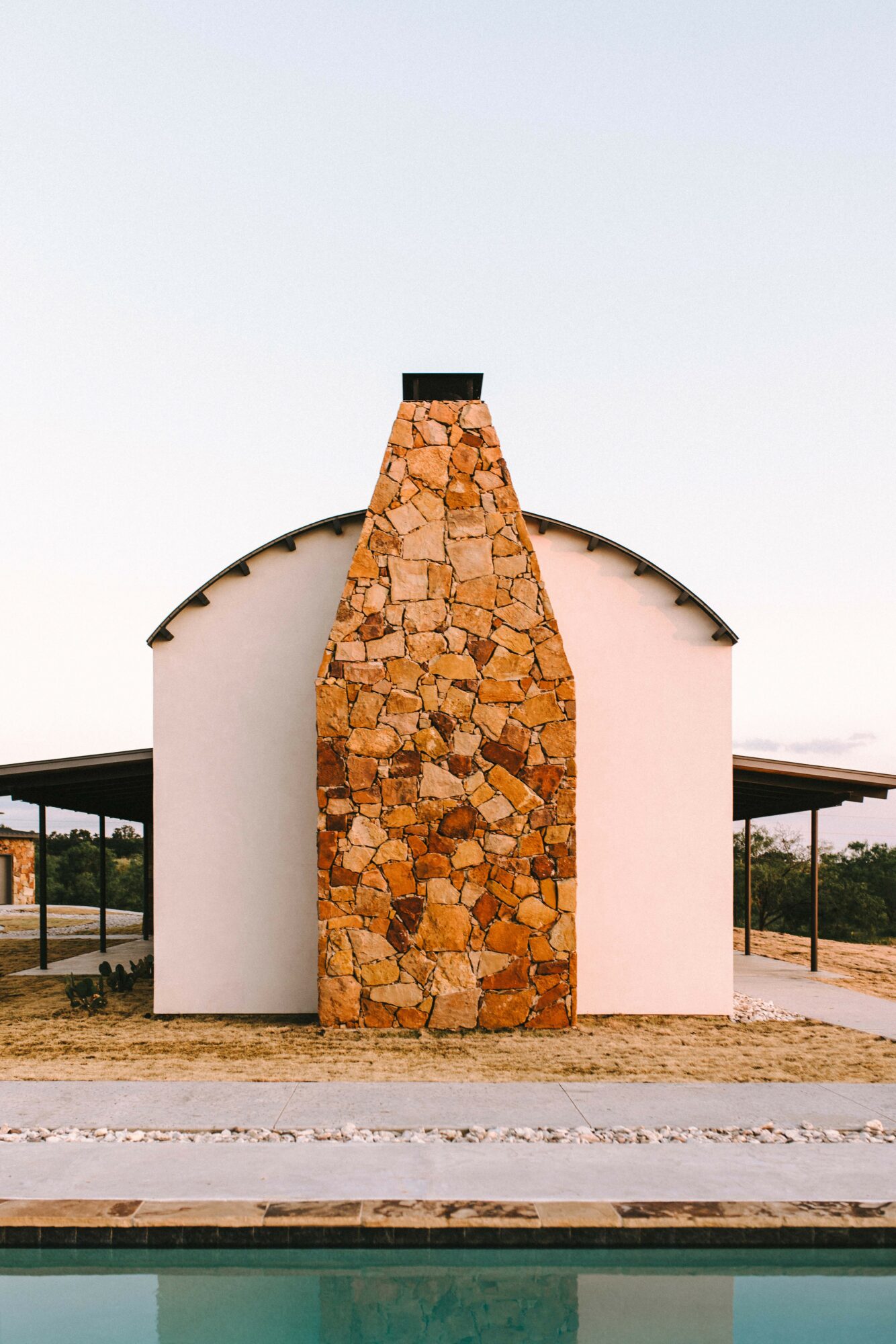
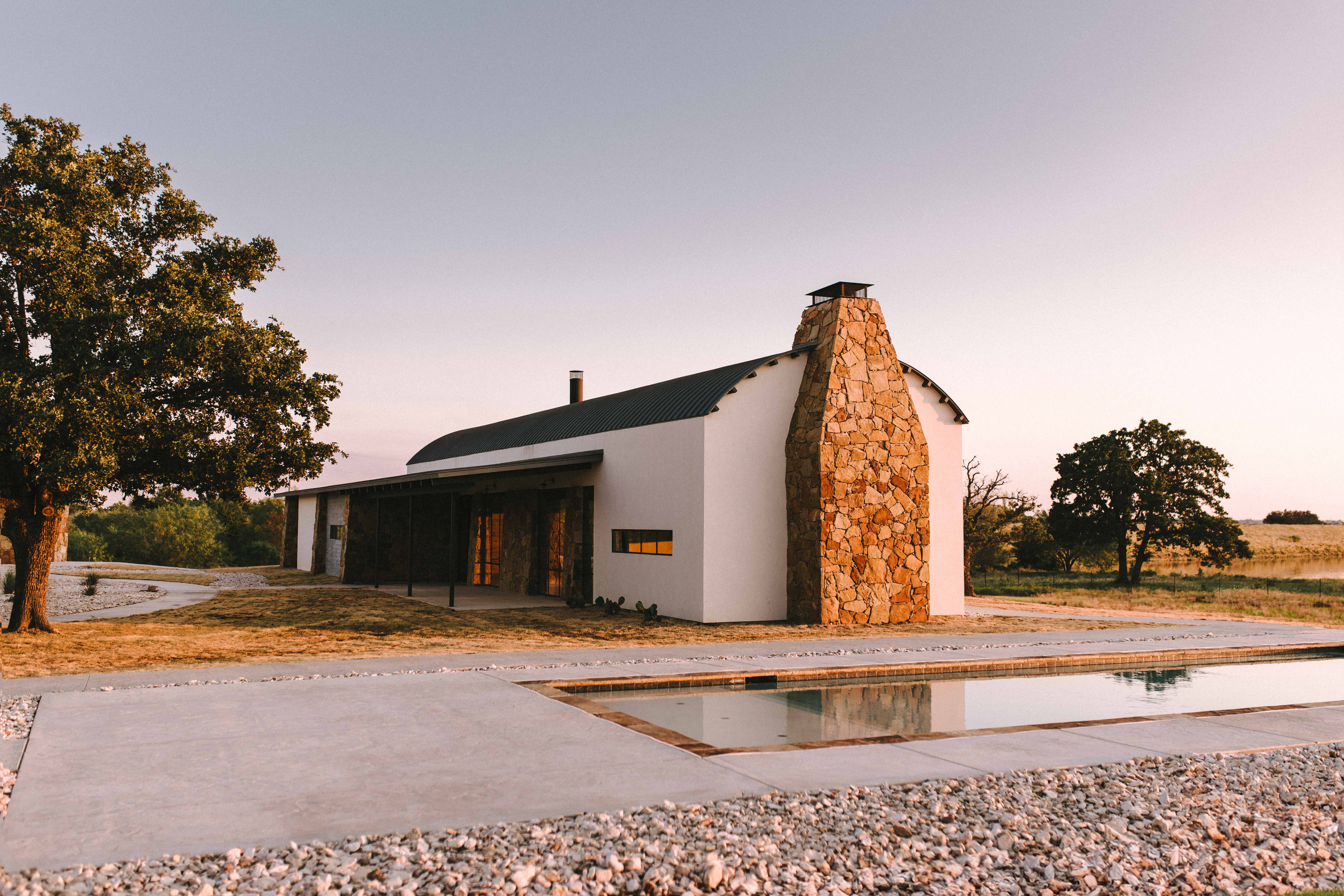
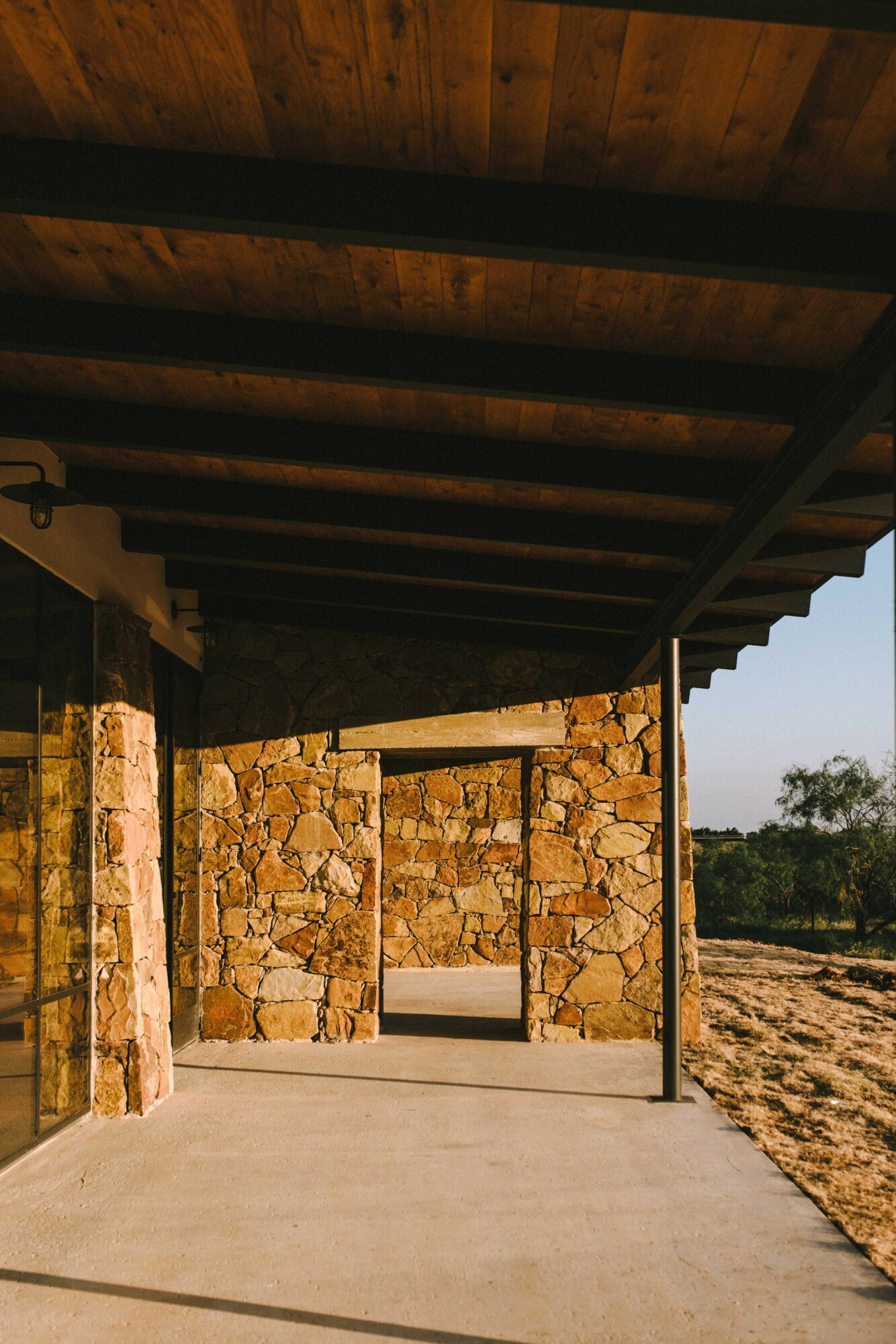
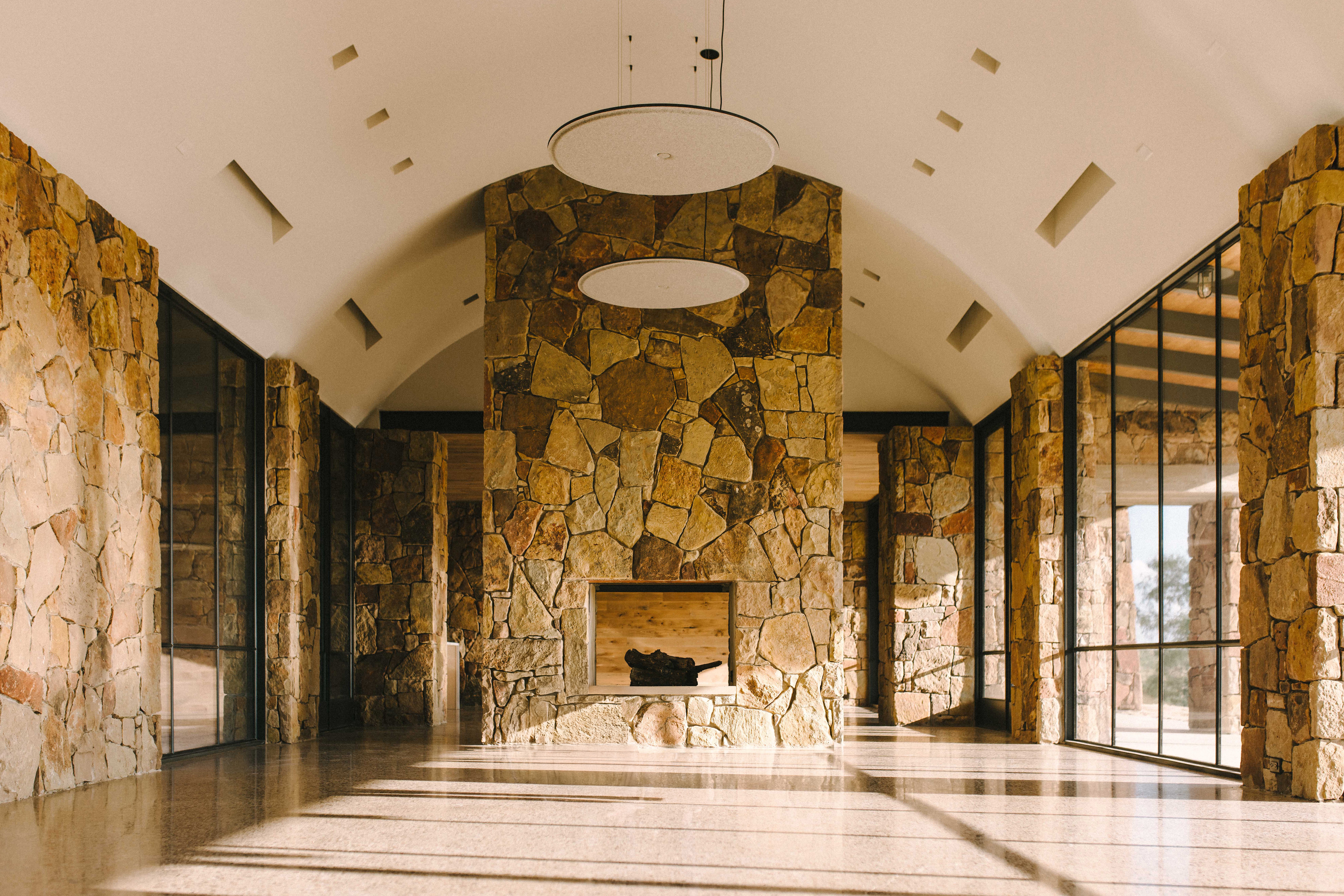
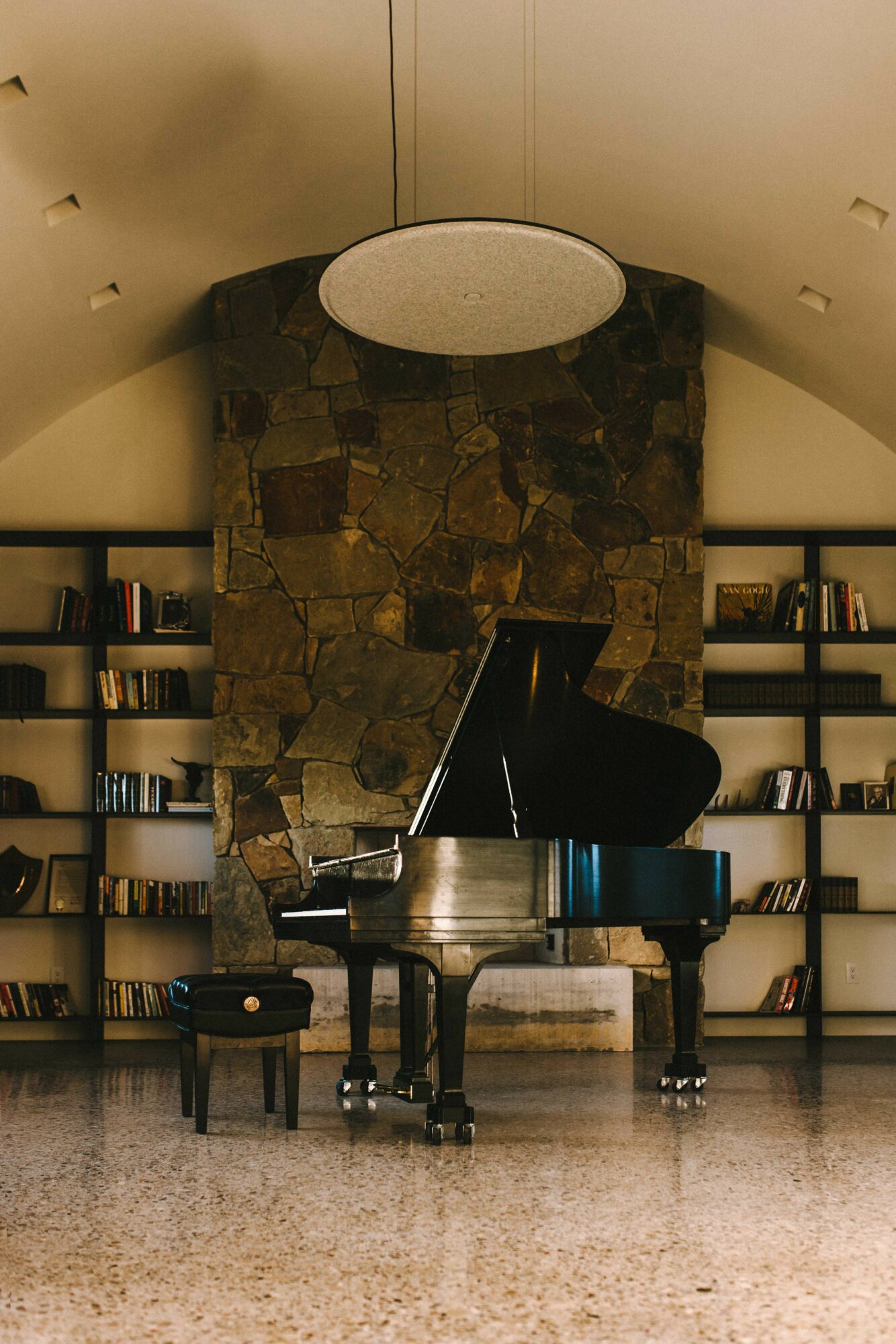
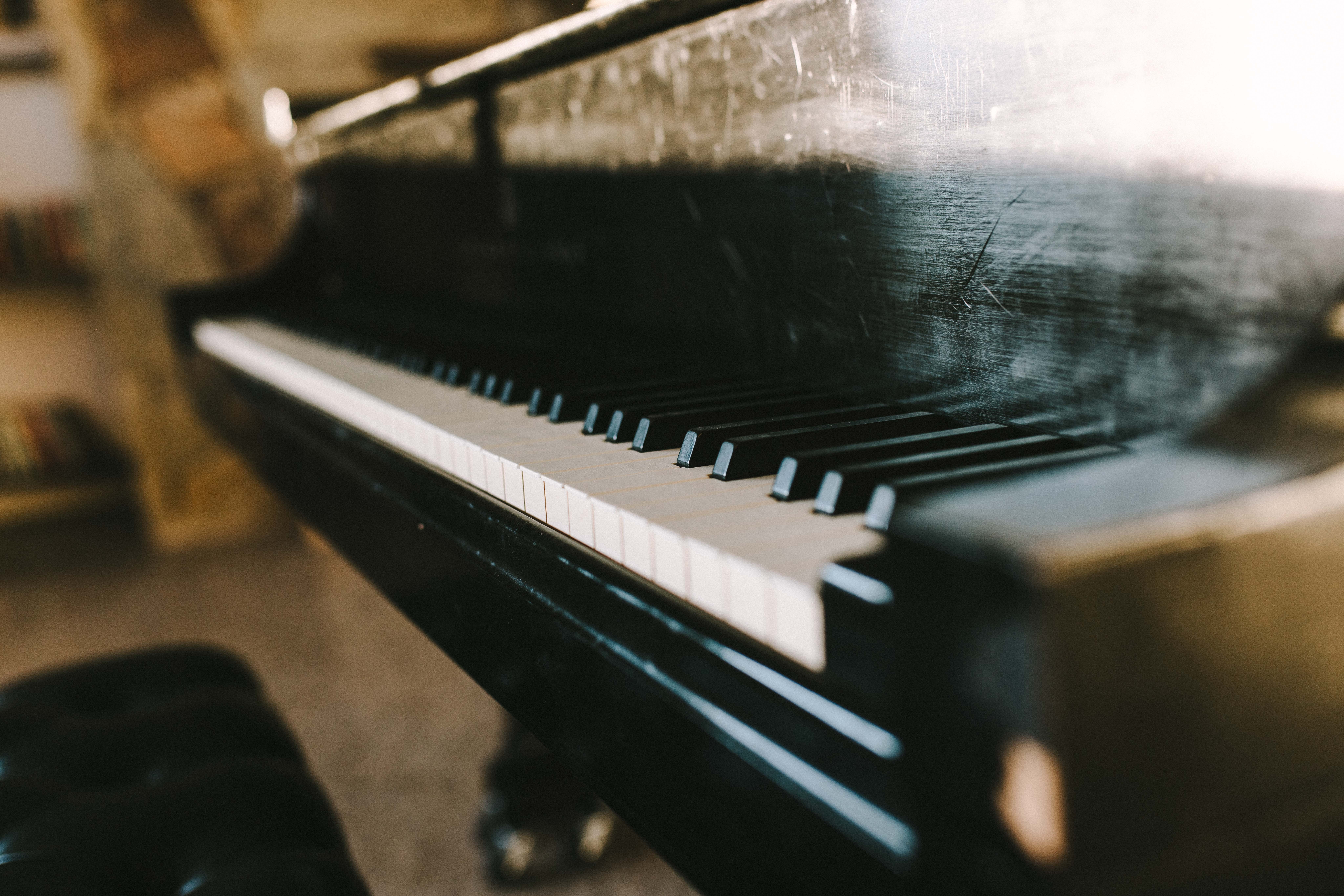
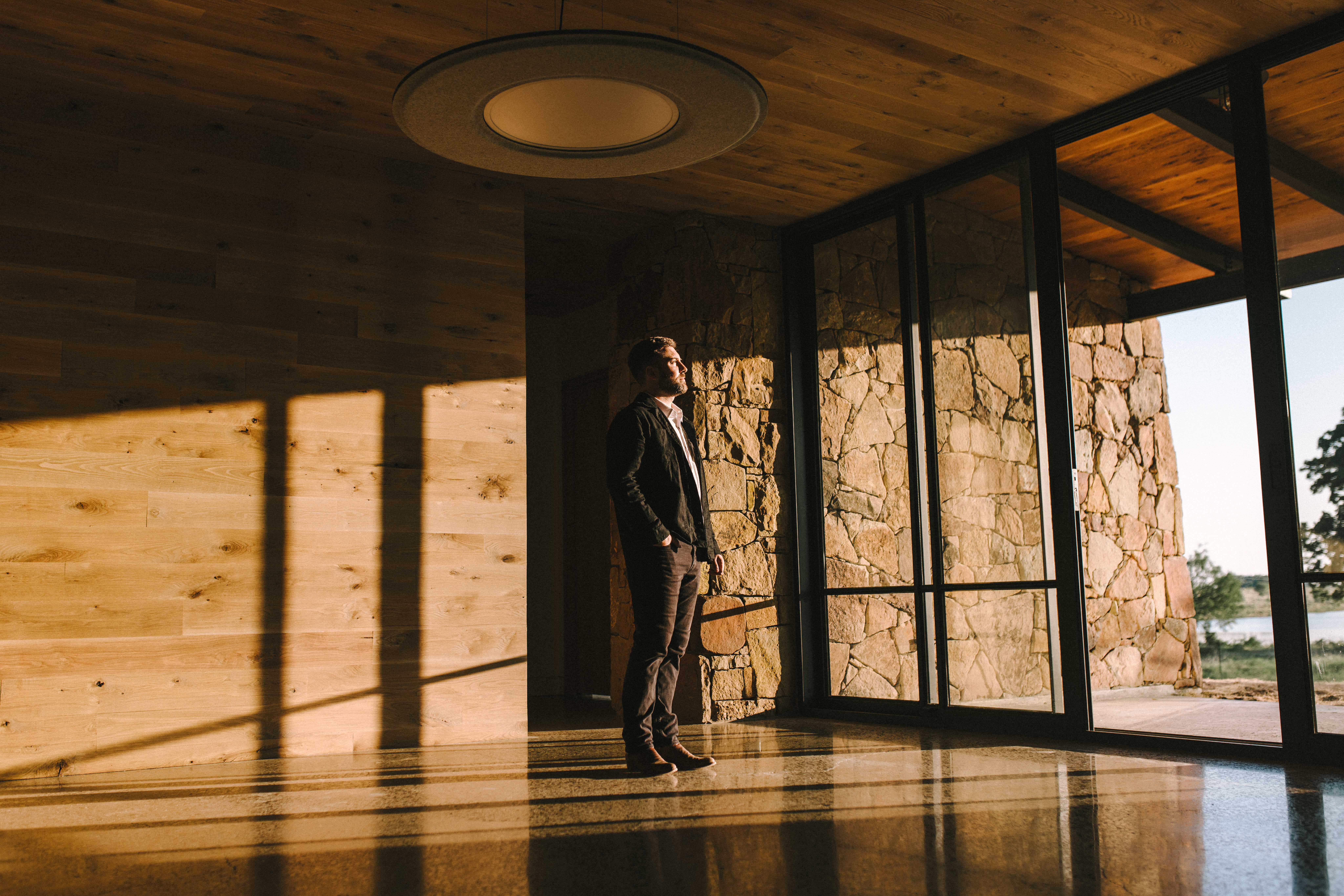
Image Credits
Photography by Hannah Middleton