





Today we’d like to introduce you to Courtney.
Hi Courtney, we’re thrilled to have a chance to learn your story today. So, before we get into specifics, maybe you can briefly walk us through how you got to where you are today?
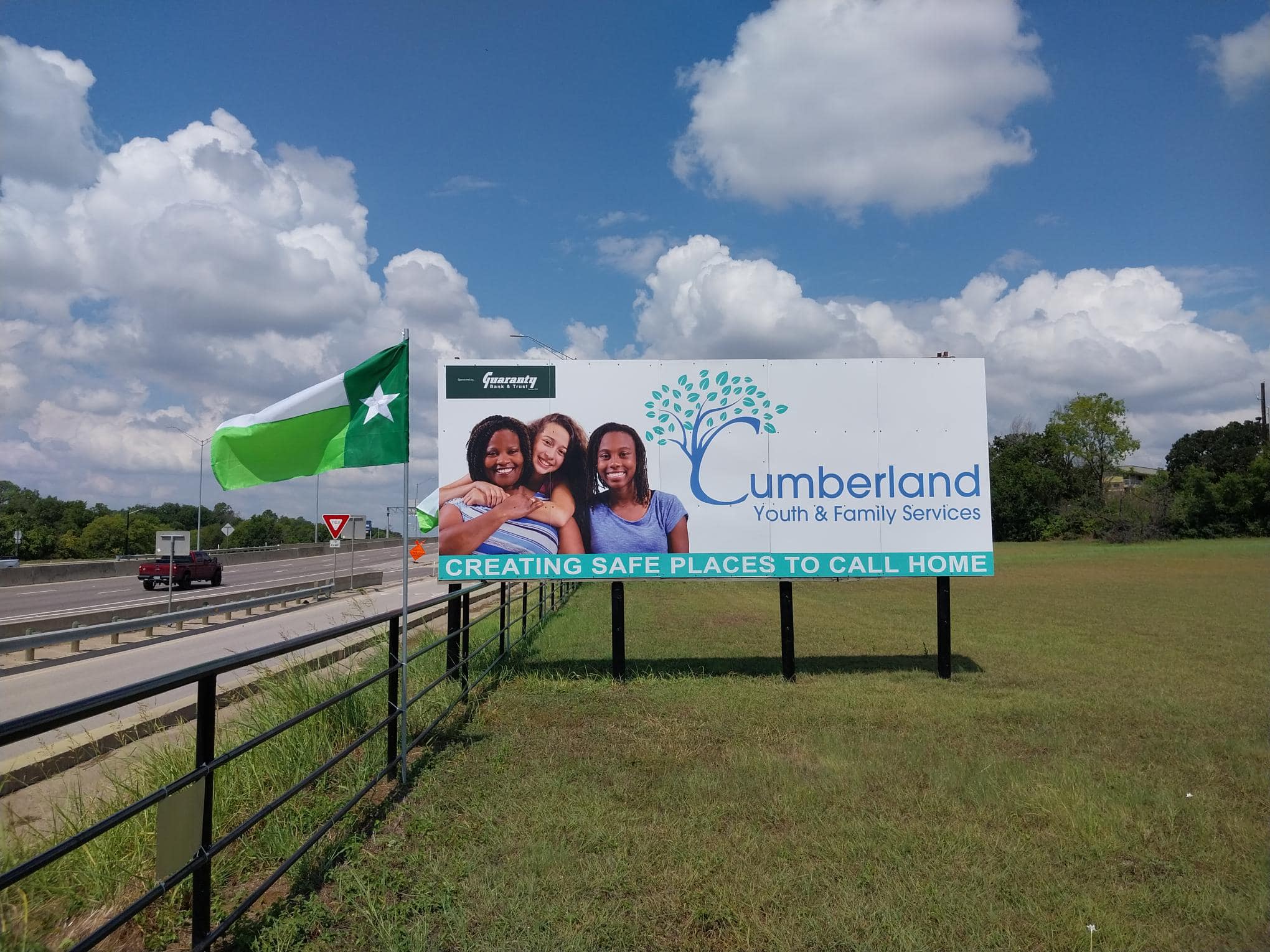
Since 2018, I have served Cumberland Youth & Family Services. We are a 122-year-old non-profit organization that creates safe places to call home for kids in foster care, young adults who aged out of foster care and vulnerable single-parent families. I am proud of our history and legacy. And I am also incredibly proud of the ways we have strategically grown to expand the continuum of care in our programs and to increase the number of clients we serve annually. I am very fulfilled by our work.
I am a Dentonite. I grew up in Denton ISD schools, attended UNT for undergrad (business) and grad (economic and community development). I have worked in Denton County nonprofits like Communities In Schools of North Texas and the Children’s Advocacy Center. I taught non-profit management at UNT for nearly a decade. Throughout my professional career, I have been committed to strengthening our communities, particularly in child welfare and education organizations. Sadly, life is not like a game of Monopoly where everyone starts with the same $1,500. I work each day to create equitable and safe places for some of the most vulnerable and resilient among us.
We all face challenges, but looking back would you describe it as a relatively smooth road?
There have been significant challenges for Cumberland in the last eight years.
The pandemic for residential care communities was incredibly scary. We were watching some group home providers in North Texas report multiple deaths on their campuses as a result of COVID-19. We were afraid of the potential impacts on our campus. We were afraid for our clients’ and staff’s safety.
The Great Resignation that followed the pandemic impacted us as well. When the workforce was demanding work from home and greater flexibility, we had to decline because residential care has to happen where the residents live. Remote work isn’t possible, so we faced significant staffing shortages.
Child welfare has undergone significant changes since 2017. A piece of Texas legislation, changed much of the landscape of caring for kids in foster care in Texas. There were many changes about keeping kids in kinship, keeping them closer to their community of origin, but the biggest impact to our work was moving away from group care. Then in 2018 a piece of federal legislation, the Families First Services and Prevention Act, was passed that also moved child welfare away from group care. These two pieces of legislation changed the way we serve kids in the foster care system. We no longer care for kids in foster care on our campus. Now we recruit, train, monitor and support family-based foster homes in our community.
Thanks for sharing that. So, maybe next you can tell us a bit more about your business?
Our greatest success in the last 12 months has been increasing the quality and quantity of our programs and clients served. Simply put, we serve more individuals and serve them better.
In 2024 we had four programs and our community counseling clinic.
• Our Children’s Residential Program served kids in foster care who have been removed from their family home as a result of abuse or neglect. These children lived on the Cumberland campus where we provided emergency shelter services or treatment services. This included a safe place to call home, meeting all of their basic needs like food, clothing or medical care, counseling, case management, life skills, education support. Each day we served 16 children in this program.
• Our Foster Care & Adoption Program opened this year to serve kids in foster care who had been removed from their family home as a result of abuse or neglect. But rather than these children living on our campus, they lived in family-based foster homes that Cumberland recruited from the community, trained, licensed and supported. We worked with families who opened their homes to provide a safe place to call home and together made sure their basic needs like food, clothing or medical care were met. We still provided counseling and case management (in their foster home), life skills, and education support. In our first year of this program, we licensed 15 family-based foster homes, placed 36 youth in foster care and facilitated one adoption.
• Our Supervised Independent Living Program served young adults who have aged out of foster care. These young adults have free housing on our campus, counseling, case management, life skills, education and employment supports. Each day we served 15 young adults.
• Our Family Residential Program served vulnerable and resilient single parent families working toward self-sufficiency and independence. Last year we 6 single moms and 2 single grandmas (8 total) who, with their collective 22 children, called our campus home. In addition to the transitional housing, they received counseling, case management, parent education, education and employment support. Each day we served 30 individuals in this program.
• Our Counseling Clinic served the uninsured and insured individuals from across Denton County.
In 2025, we made strategic decisions to restructure our program model. We eliminated the Children’s Residential Program and transitioned kids in foster care who were served in a group care setting on our campus into family-based foster homes that Cumberland recruit, license, train and support with in home case management, counseling and behavior coaching.
This strategic program change has had two primary benefits for kids in foster care: 1) Research and current legislation indicate that kids in foster care are better served in individual family-based foster homes versus group care. It allows for more normalcy. In a family-based foster home, foster kids can engage in activities that are normal occurrences for kids not in foster care. E.g. sleepovers, a family cheering a foster kid on at their high school soccer game, families attending parent teacher conferences, enjoying holiday traditions, etc. that are often not possible in group care settings. 2) This change has resulted in significant capacity increases in placing kids in foster care who have been removed from their biological family home as a result of abuse or neglect. In group care settings, the number of beds available at Cumberland were limited to 16 beds each day in our Children’s Residential Program. Today, we currently have 36 children in foster care placed in family-based foster homes we have recruited, trained, licensed and supported. That is a 125% increase in the number of kids we can serve on a daily basis in less than 2 years of the Foster Care & Adoption Program opening.
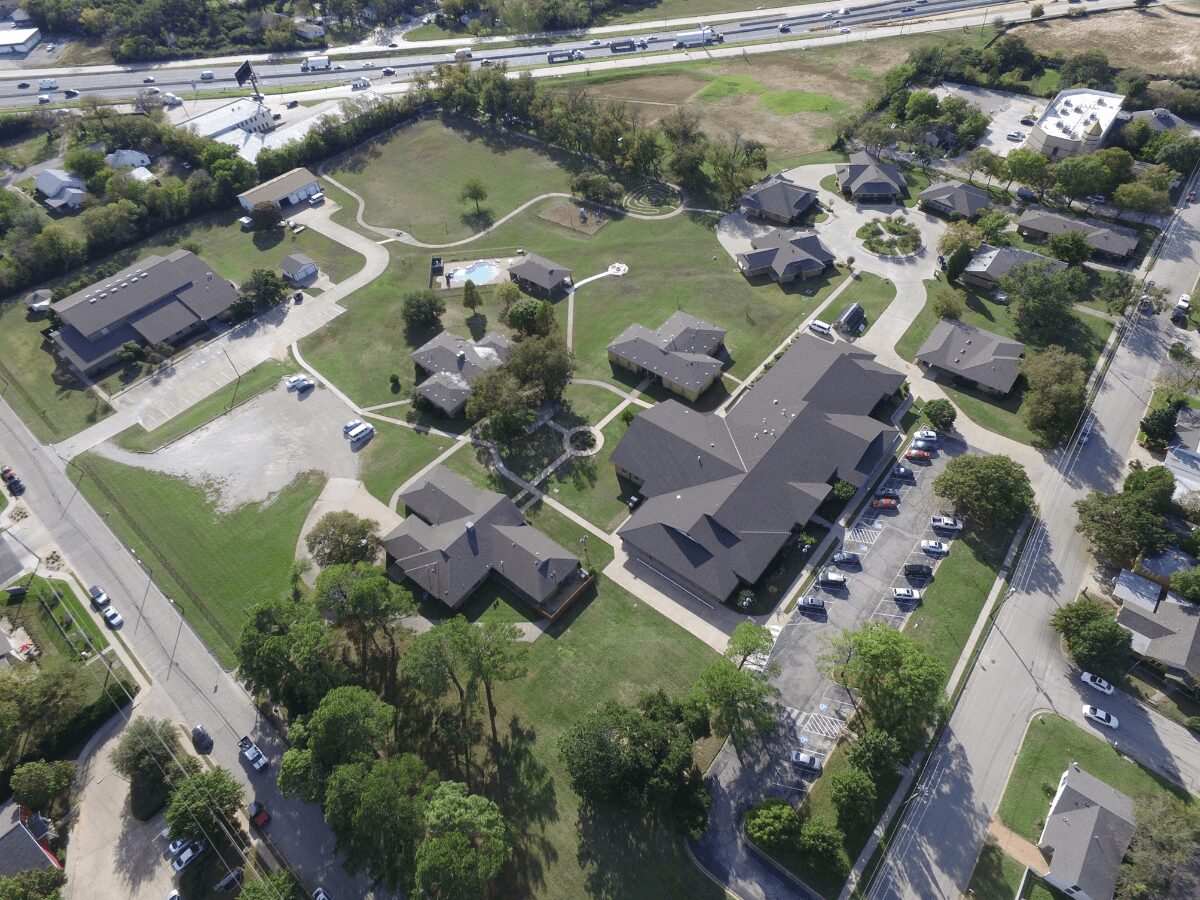
Additionally with the closure of the Children’s Residential Program we had three buildings on our campus that supported this program now vacant. By restructuring the buildings in which our programs occur to make use of these vacancies, we have been able to increase numbers served daily in other programs. We have been able to increase the number of people served each day in our Supervised Independent Living Program and the Family Residential Program. We have moved the clients in the Supervised Independent Living Program from the three smaller buildings that served these clients into the vacant Children’s Residential Program buildings. This means we were able to grow from serving daily 15 young adults aging out of foster care to 22 clients daily. A 46% increase in number of clients served daily. And the now three vacant Supervised Independent Living Program buildings are now being used to serve three new clients in the Family Residential Program. This means we were able to grow from serving eight single parent families daily to serving 11 families daily. This is a 38% increase in the number of clients served daily.
We are incredibly proud of our ability to be innovative and adaptive to changing child welfare priorities, moving away from group care even though it was a program we operated well for 122 years, serve more kids in foster care and serve them better and increase our capacity in other programs.
Can you share something surprising about yourself?
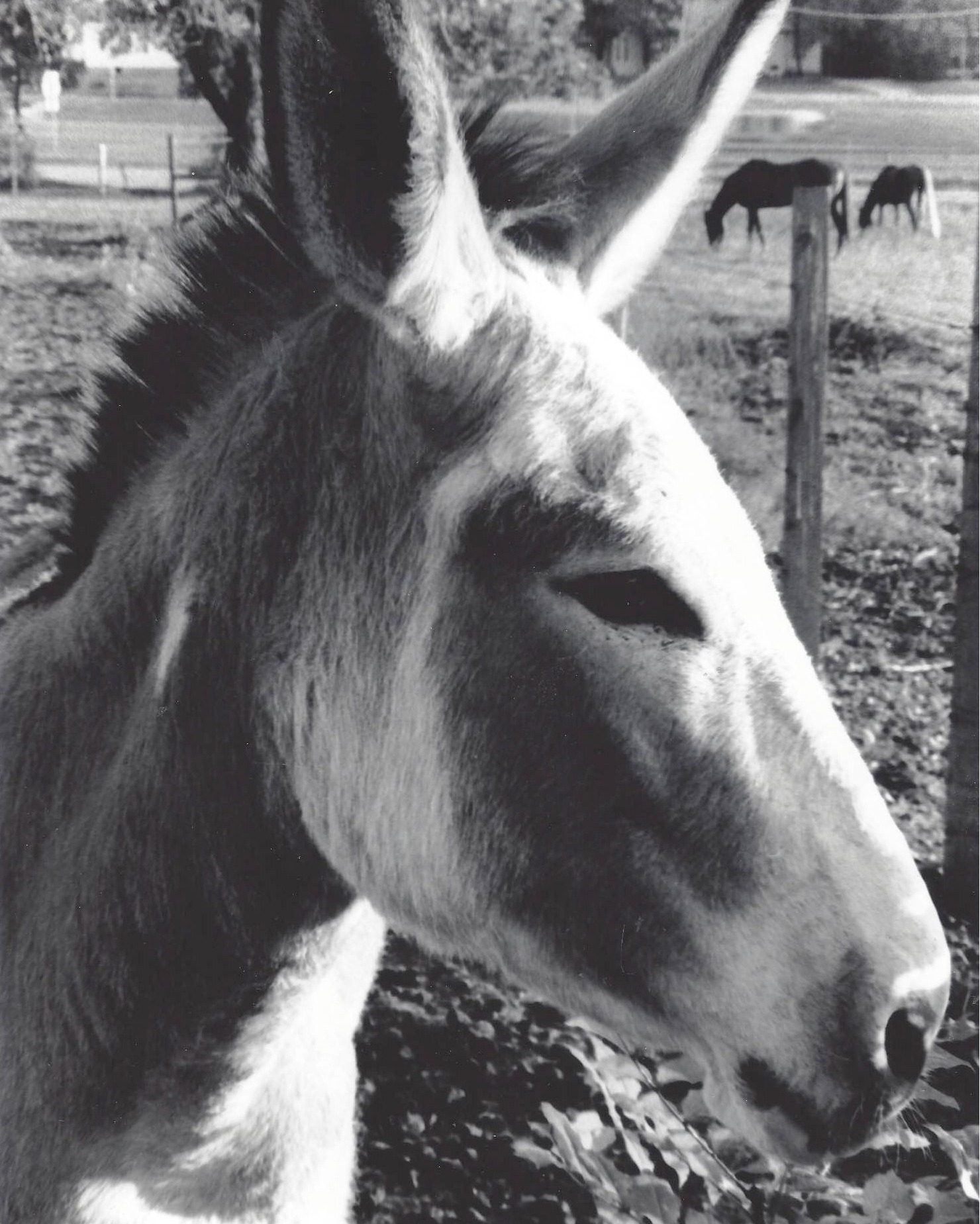
Back in the 1980s and 1990s there was a donkey who lived on campus. The lore goes that she drank Dr. Pepper. Many people who lived here remember Abigail fondly. As a kid growing up in Denton, I remember driving down the service road of I35 and racing the donkey on the back part of the Cumberland property.
Contact Info:
- Website: https://www.cumberlandservices.org
- Instagram: @Cumberland Youth & Family Services
- Facebook: Cumberland Youth & Family Services