




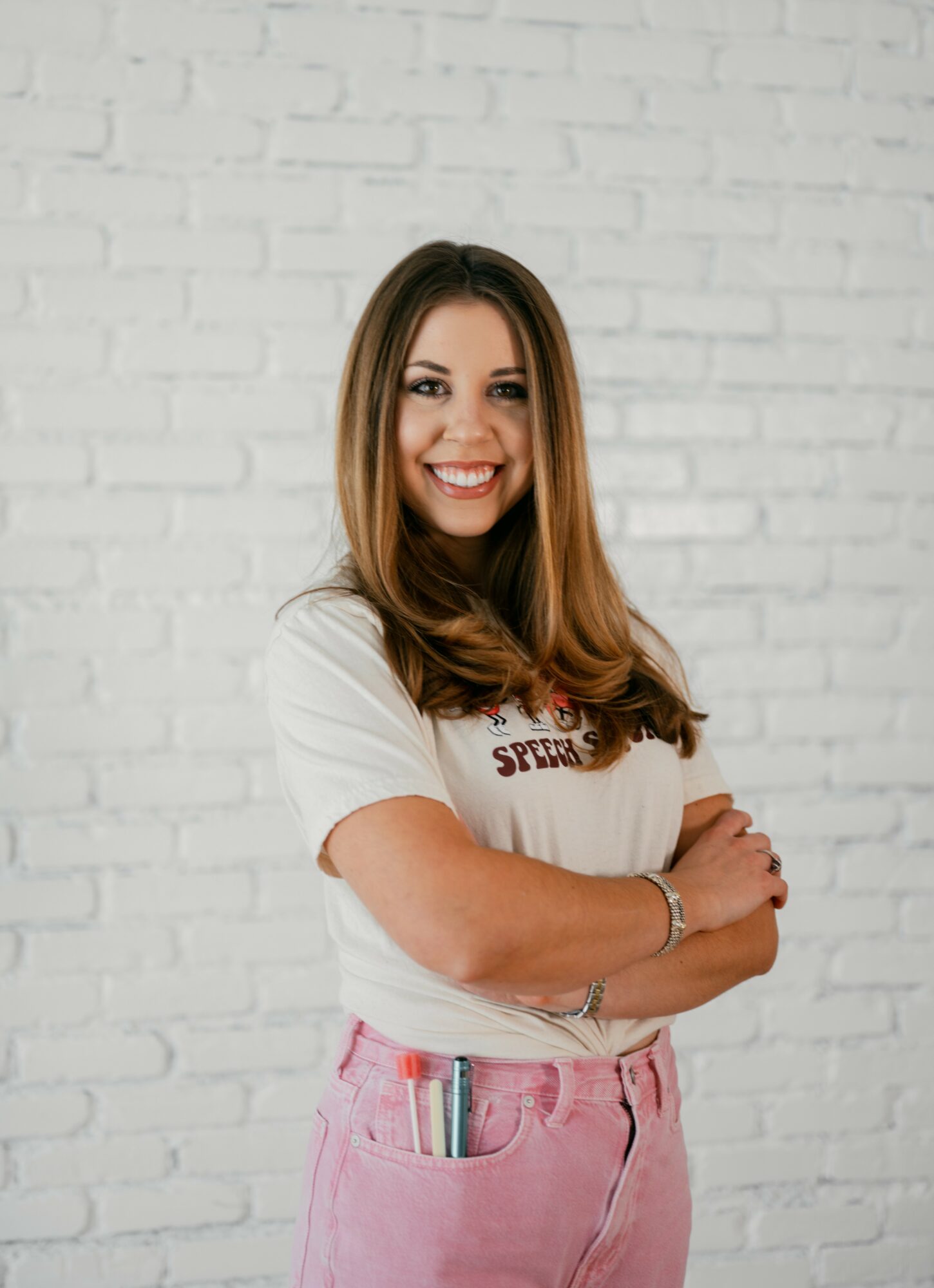
We’re looking forward to introducing you to Bonnie Perry M.S., CCC-SLP, CMT®. Check out our conversation below.
Bonnie, it’s always a pleasure to learn from you and your journey. Let’s start with a bit of a warmup: What is a normal day like for you right now?
A normal day for me starts slow and grounding. I wake up, have coffee and breakfast, and spend some quiet time in the Bible. After that, I head to the YMCA to work out with my Fit Family crew—usually lifting weights or doing Body Combat or Body Pump. Then I get to do what I genuinely believe is the best job ever, alongside the best people, from about 9 to 5.
Evenings are simple and sweet: I come home, make dinner for my husband and me, and either unwind on the couch with cookies and cross-stitching or spend time with our close-knit community of friends.
Can you briefly introduce yourself and share what makes you or your brand unique?
Hi, I’m Bonnie Perry, M.S., CCC-SLP, CMT®. I’m a speech-language pathologist with a specialized focus on orofacial myofunctional disorders (OMDs), and I founded Perry Myofunctional Therapy, PLLC in early 2023.
What led me here was deeply personal. I experienced orthodontic relapse and developed an open bite that affected far more than my smile—it impacted my breathing, sleep, speech clarity, and swallowing. As an SLP, I felt frustrated and self-conscious because I knew something wasn’t right, but I didn’t yet have the tools to fix it. That journey pushed me to dive headfirst into the world of OMDs, where everything finally connected.
Today, my work centers on helping children and adults address the root causes of oral and airway dysfunction—not just the symptoms—so they can breathe, eat, sleep, and speak more efficiently. My practice is built on education, collaboration, and compassion, and I’m especially passionate about helping families understand how early intervention and functional therapy can make a lifelong difference.
Okay, so here’s a deep one: What did you believe about yourself as a child that you no longer believe?
As a child, I believed there was something different about me—something I couldn’t fix and didn’t fully understand. I walked around with my mouth open and didn’t know why it felt so hard to close. I’d resort to smiling all of the time instead, because it was so challenging to close my mouth. Teachers would always comment that I was the happiest student they had. When my orthodontist noticed my teeth shifting into an open bite, he became upset and blamed me for not following his instructions, despite my best efforts. I remember lying in the exam chair with tears in my eyes.
Speaking clearly was challenging, and feeling misunderstood by peers became a familiar and isolating experience. I carried the weight of trying to “get it right” on my own, believing these were basic life skills everyone else seemed to manage effortlessly. What I didn’t know then was that support existed—and more importantly, that it should have existed earlier.
I no longer believe those struggles meant something was wrong with me. I understand now that I needed guidance, education, and the right kind of support. Realizing how few people were offering that support is ultimately what pushed me to step into this work myself—so others don’t grow up feeling the way I did.
What fear has held you back the most in your life?
The fear that held me back the most was failure—and what people would think of me. So many of us carry our struggles quietly, feeling self-conscious and hoping someone will truly see us and hear us. In many ways, that’s why we’re called speech therapists—we’re often counselors, motivators, and safe places long before we’re clinicians.
When I started my business, the questions in my head were constant: What if it fails? What if I’m doing it wrong? What if people judge me? What if patients don’t like me? Those fears didn’t disappear overnight. But over time, confidence grew—not from perfection, but from knowledge, lived experience, and watching real transformation happen.
I’ve seen people finally make sense of years of poor sleep, TMJ discomfort, ADHD-like energy, difficulty coordinating breathing, chronic tension, anxiety, exhaustion, and the endless cycle of braces. When patients feel heard and understood, something shifts—and that’s when healing begins.
I’m grateful I didn’t let my “safe mode” brain convince me I wasn’t capable or that I was too young to start this business. Today, I’ve helped hundreds of people, and that reassurance has taught me that what I’m doing matters—and that fear doesn’t get the final say.
Alright, so if you are open to it, let’s explore some philosophical questions that touch on your values and worldview. What would your closest friends say really matters to you?
My closest friends would say that helping others truly matters most to me—especially making sure people who feel lost or overlooked are seen and heard. I’m naturally a cheerleader and a connector; I love meeting people where they are and helping them believe in what’s possible for themselves.
They’d also say I hold tightly to a childlike outlook on life—choosing curiosity, hope, and seeing the best in people—even when things are hard. I deeply believe in working through challenges rather than avoiding them. Progress doesn’t come without effort, whether in life or in myofunctional therapy, but that effort builds strength, resilience, and confidence. Walking through discomfort is never easy, but it’s where real growth happens.
Thank you so much for all of your openness so far. Maybe we can close with a future oriented question. What is the story you hope people tell about you when you’re gone?
I hope people say that I helped build a legacy of support—that I made it easier for others to be seen, heard, and properly cared for. I know this work doesn’t end with me. Airway-centered care will continue to evolve across speech therapy, dentistry, orthodontics, and medicine, because the airway is foundational. When it’s supported and developed well, the entire body functions better.
I hope my contribution is remembered in the Fort Worth–Dallas community as part of that foundation—helping move airway awareness from something overlooked to something accessible. My vision is that one day this kind of support is at patients’ fingertips, with routine airway screening happening in dental offices and primary care settings.
If people say that I helped educate, connect providers, and bring attention back to something so simple yet so often forgotten—and that lives were better because of it—that would mean everything to me.
Contact Info:
- Website: https://www.perrymyofunctionaltherapy.com
- Instagram: @perrymyofunctionaltherapy
- Facebook: @perrymyofunctionaltherapy
- Other: Email: perrymyotherapy@gmail.com

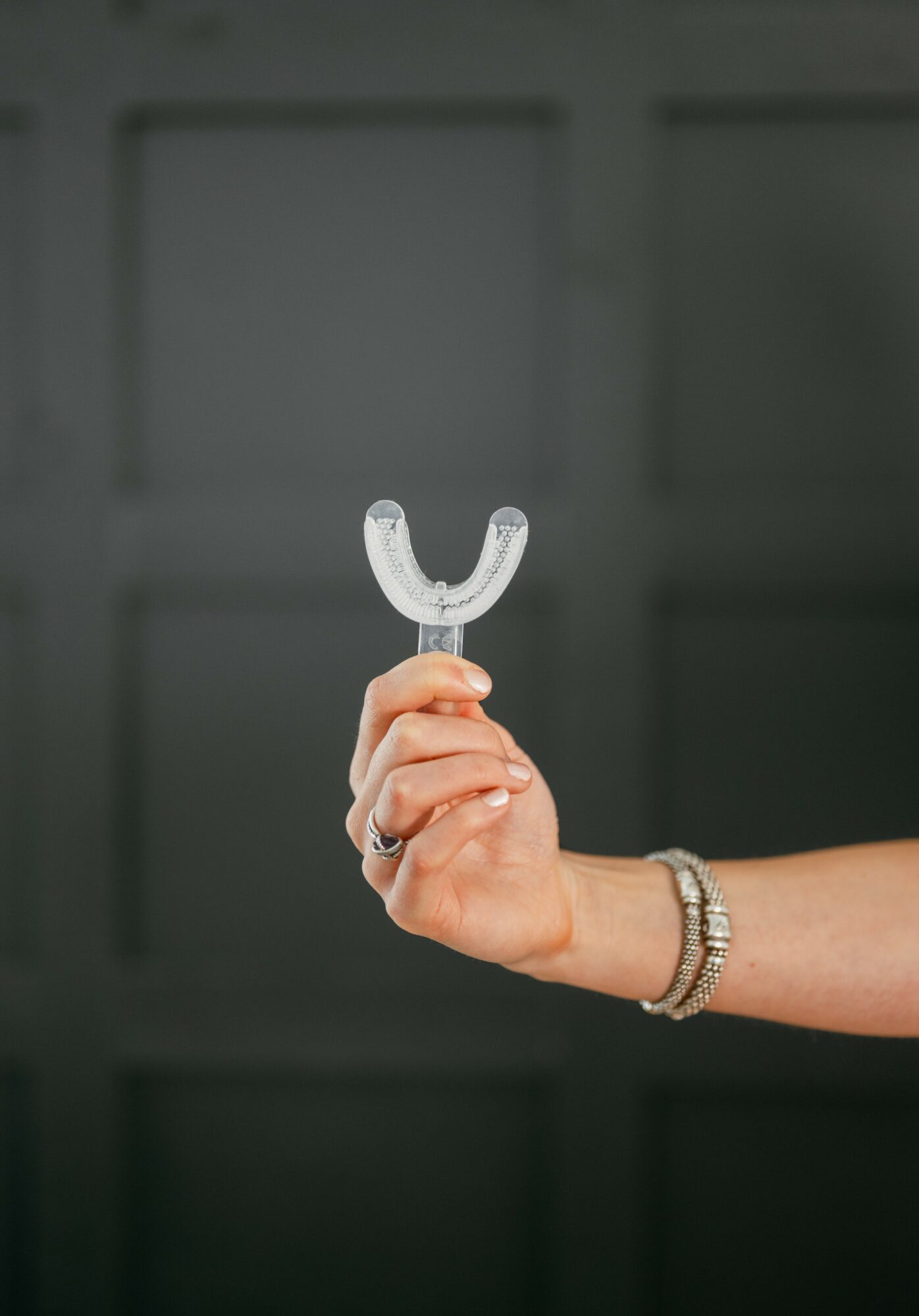
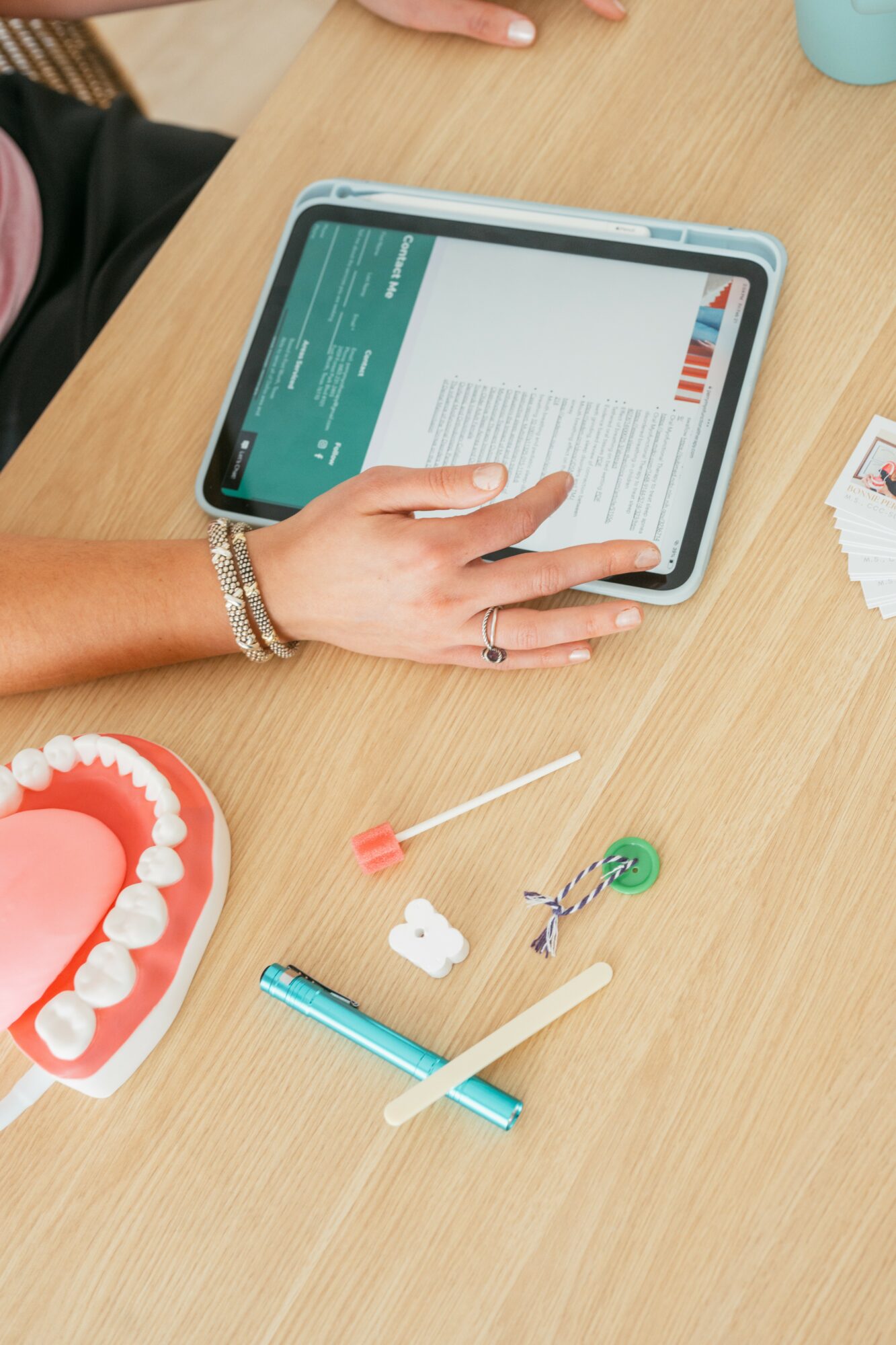
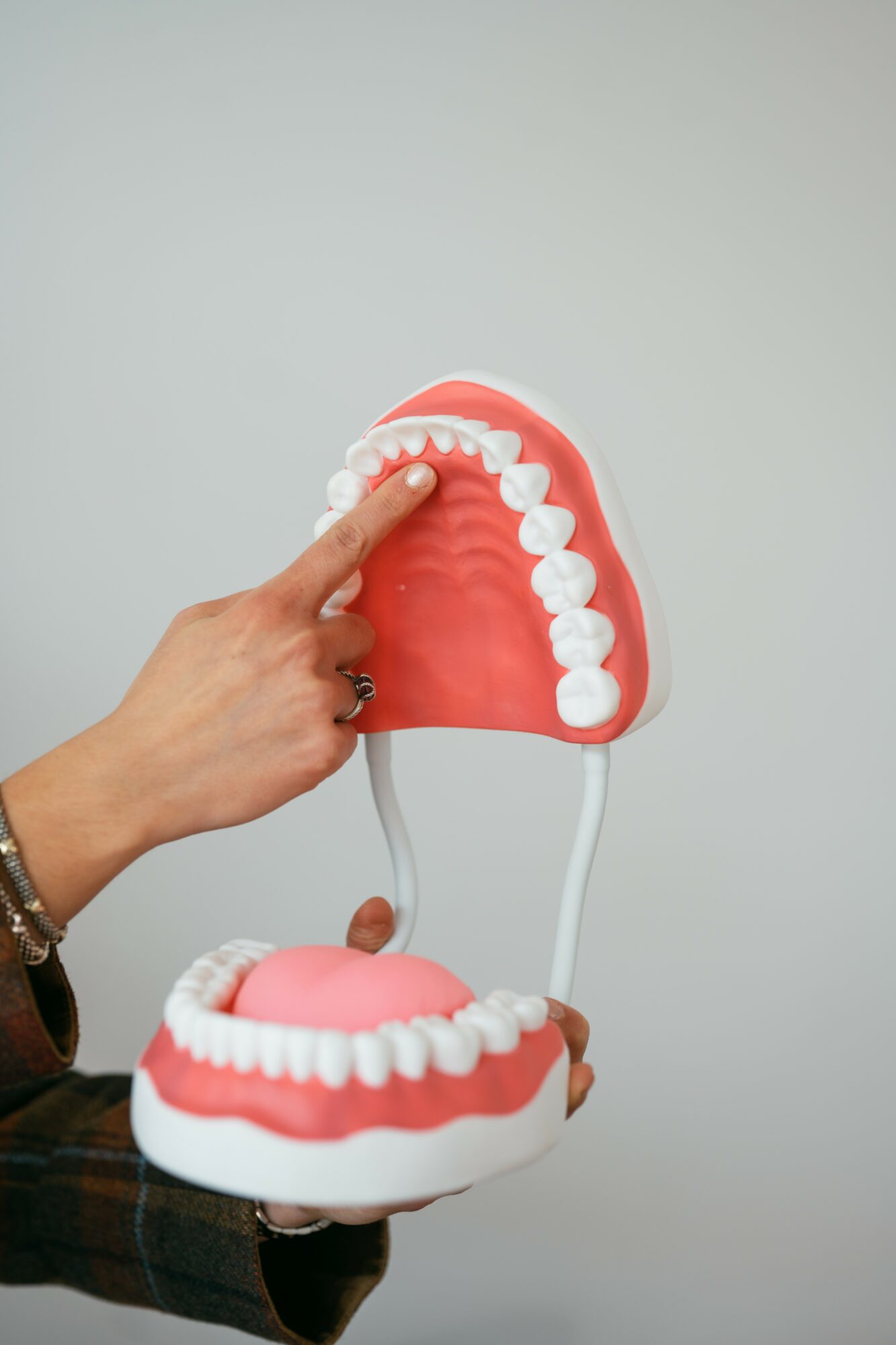
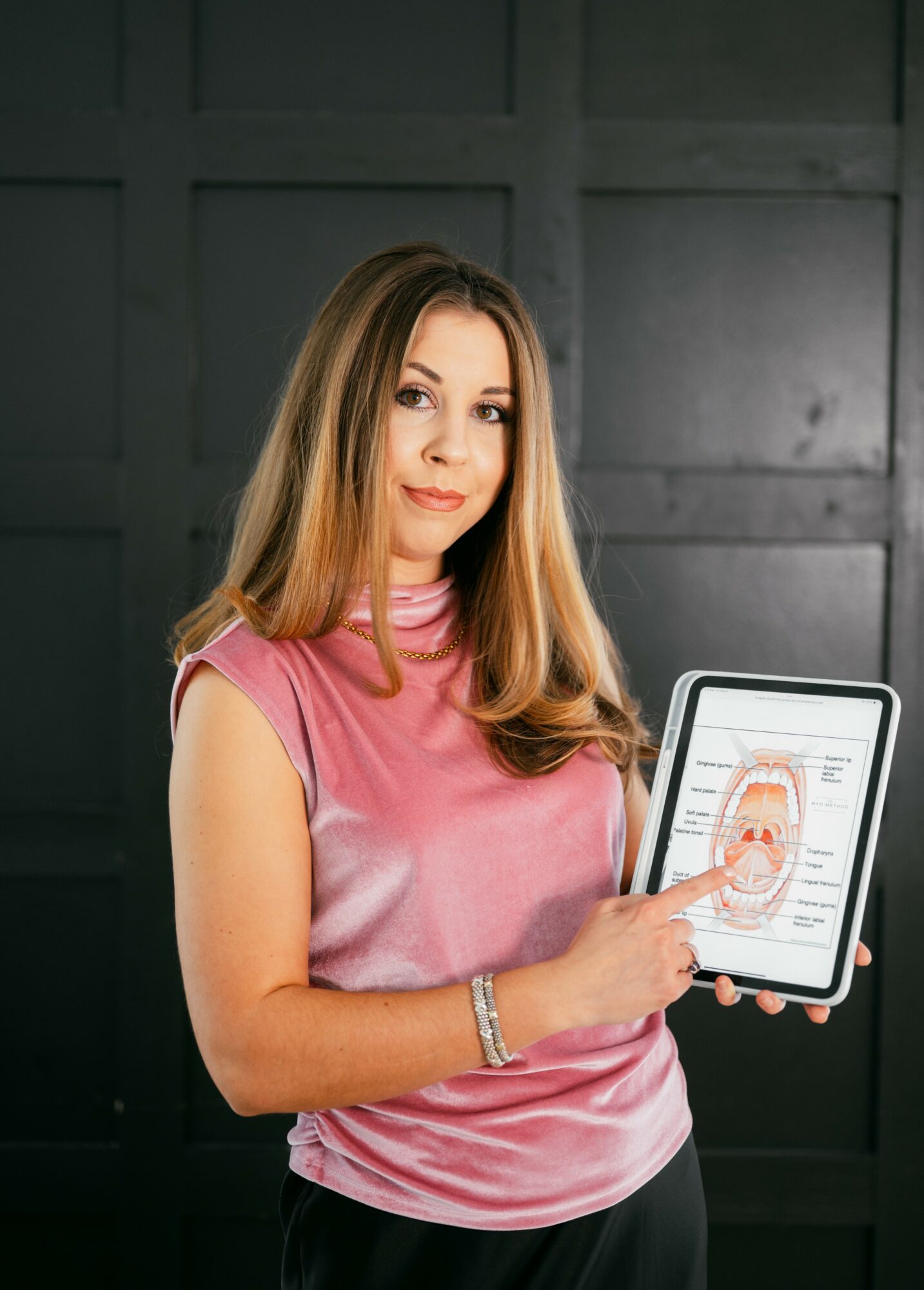
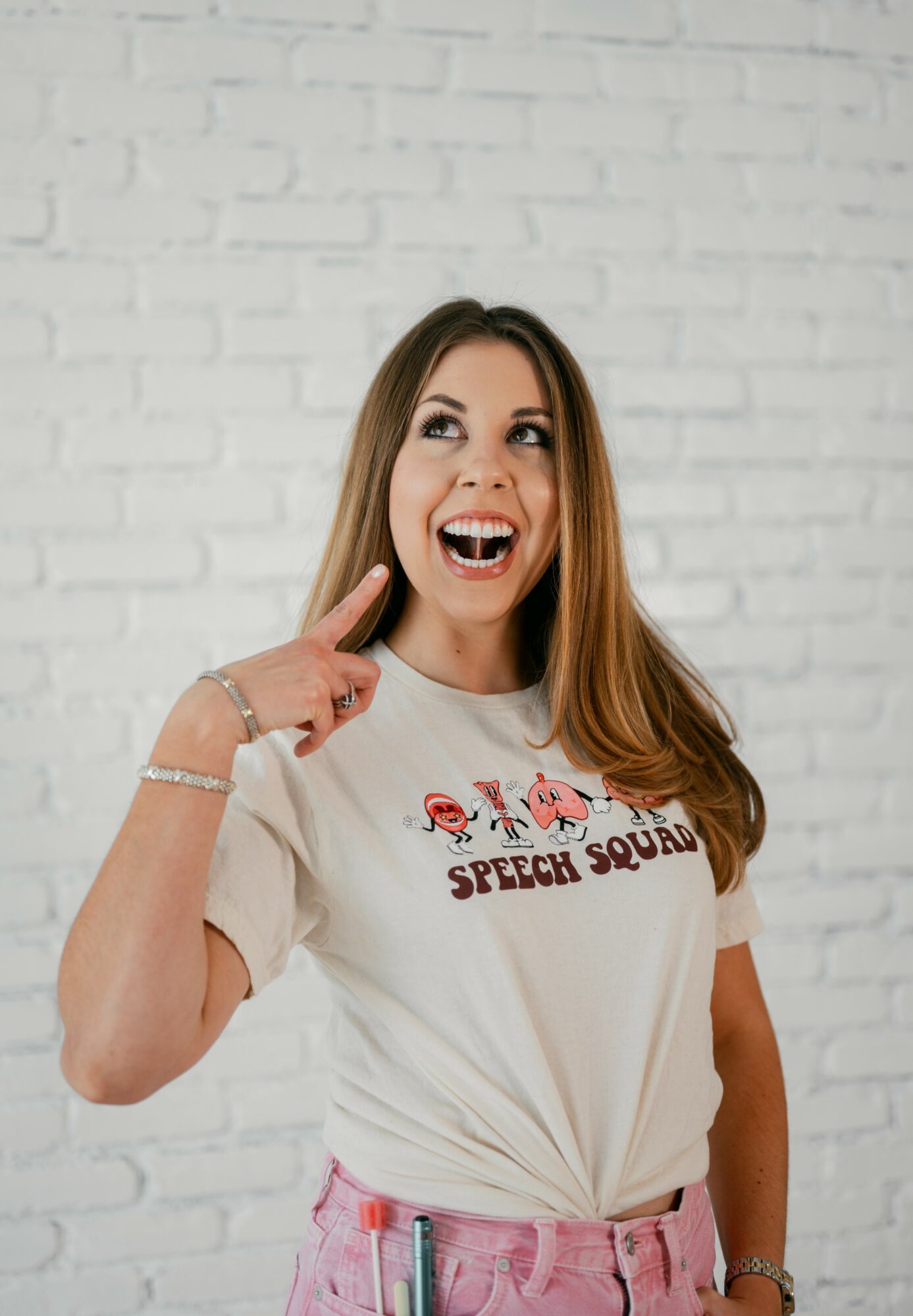
Image Credits
Mitali Ghuge Media