






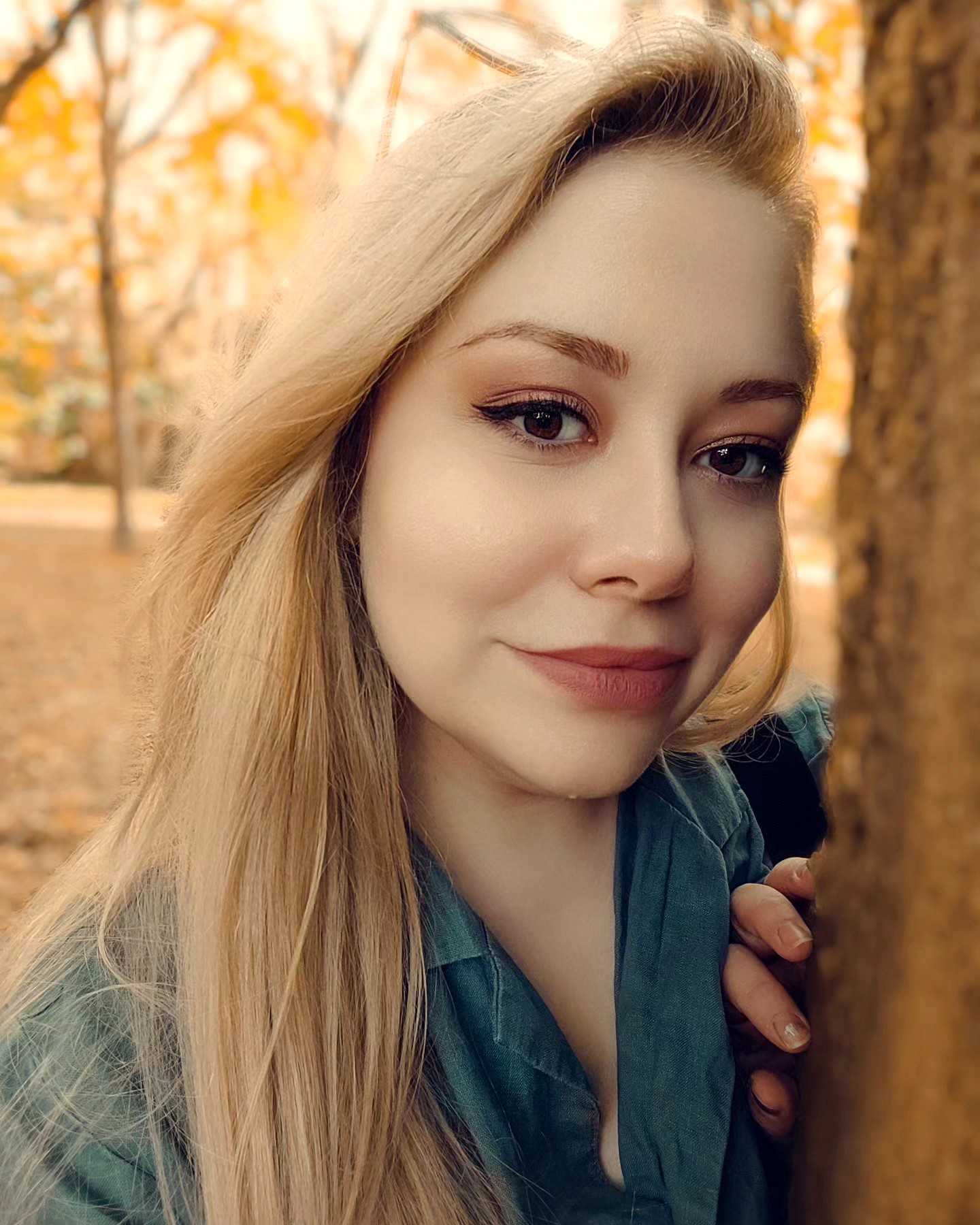
Today we’d like to introduce you to Esra Sakar.
Hi Esra, can you start by introducing yourself? We’d love to learn more about how you got to where you are today?
I came to photography through a need to understand how meaning is formed through images. What initially drew me in was not the act of taking photographs, but the question of why certain images stay with us while others disappear.
As I deepened my practice through formal photography education, I became increasingly attentive to the language of images — composition, light, and visual rhythm — not as rules, but as tools for thinking. At the same time, my interest gradually shifted inward. Psychology began to shape the way I approached both subjects and images, influencing how I thought about perception, memory, and identity.
Rather than documenting the external world, I started to treat photography as a space where inner states could surface. Over time, my work moved toward conceptual portraiture, where the image functions less as a record and more as a psychological and symbolic construction.
Today, my practice moves between photography, psychology, and myth. I’m interested in how personal experience connects to collective symbols, and how the inner life quietly informs what we see, feel, and recognize in an image.
I’m sure it wasn’t obstacle-free, but would you say the journey has been fairly smooth so far?
The challenges I encountered are closely tied to the reason I chose to work in this field in the first place. I became increasingly aware of how individuals experiencing psychological struggles are often socially isolated, overlooked, or reduced to labels. Their emotions are simplified, dismissed, or turned into something easily judged, rather than truly understood.
Emotion is one of the most fundamental forces that keeps us connected to life and to one another. When emotions become invisible or devalued, people often withdraw — not by choice, but as a form of quiet self-protection. Human existence seeks recognition; to be seen, heard, and understood. Witnessing how even mild psychological struggles can be stigmatized or trivialized within society became a significant turning point for me. The casual way mental health is often treated — sometimes even as a subject of ridicule — deeply affected me.
Through my portraits, I wanted to create a space where these inner experiences could surface without judgment. Rather than reinforcing labels, my aim has been to reveal what those labeled individuals might be feeling beneath the surface — to restore complexity, vulnerability, and dignity to emotional states that are frequently ignored.
On a more personal level, the process itself has not been easy. A practice rooted in psychology and symbolism demands time, patience, and solitude. There were periods of constant questioning — of direction, scale, and meaning — especially when I chose depth over speed. Building a visual language grounded in honesty rather than spectacle has been an ongoing challenge, but also an essential one.
Can you tell our readers more about what you do and what you think sets you apart from others?
My work centers on conceptual portrait photography, where I explore the psychological and symbolic dimensions of identity. I use the human figure not as a subject to be observed, but as a medium through which inner states, emotions, and unconscious patterns can become visible.
I specialize in constructing images that sit between psychology and mythology. Rather than illustrating narratives, I build visual spaces that invite reflection — images that suggest rather than explain. I’m particularly known for using portraiture to address themes often left unspoken, such as emotional vulnerability, mental states, and the quiet tension between visibility and invisibility.
What I’m most proud of is maintaining a practice rooted in depth and integrity. I’ve consciously chosen to develop a visual language that values honesty over spectacle, and slowness over immediacy. What sets my work apart is this commitment to treating the image not as decoration, but as a site of meaning and encounter.
What do you like and dislike about the city?
What I appreciate most about Dallas is its openness to creative production. The city supports a wide range of artistic voices and allows different disciplines to exist without being forced into a single aesthetic or narrative. There’s a sense of possibility — a feeling that creative paths don’t have to follow one fixed model.
What I like least is something quite subtle: like many large cities, the pace can sometimes leave little room for pause. For artists working with introspection and inner processes, slowing down can require conscious effort. Still, this contrast between movement and stillness feels natural rather than limiting.
Contact Info:
- Website: https://www.esrasakar.com/
- Instagram: https://www.instagram.com/_esrasakar_/
- Facebook: https://www.facebook.com/esrasakar/
- LinkedIn: https://www.linkedin.com/in/esra-sakar/
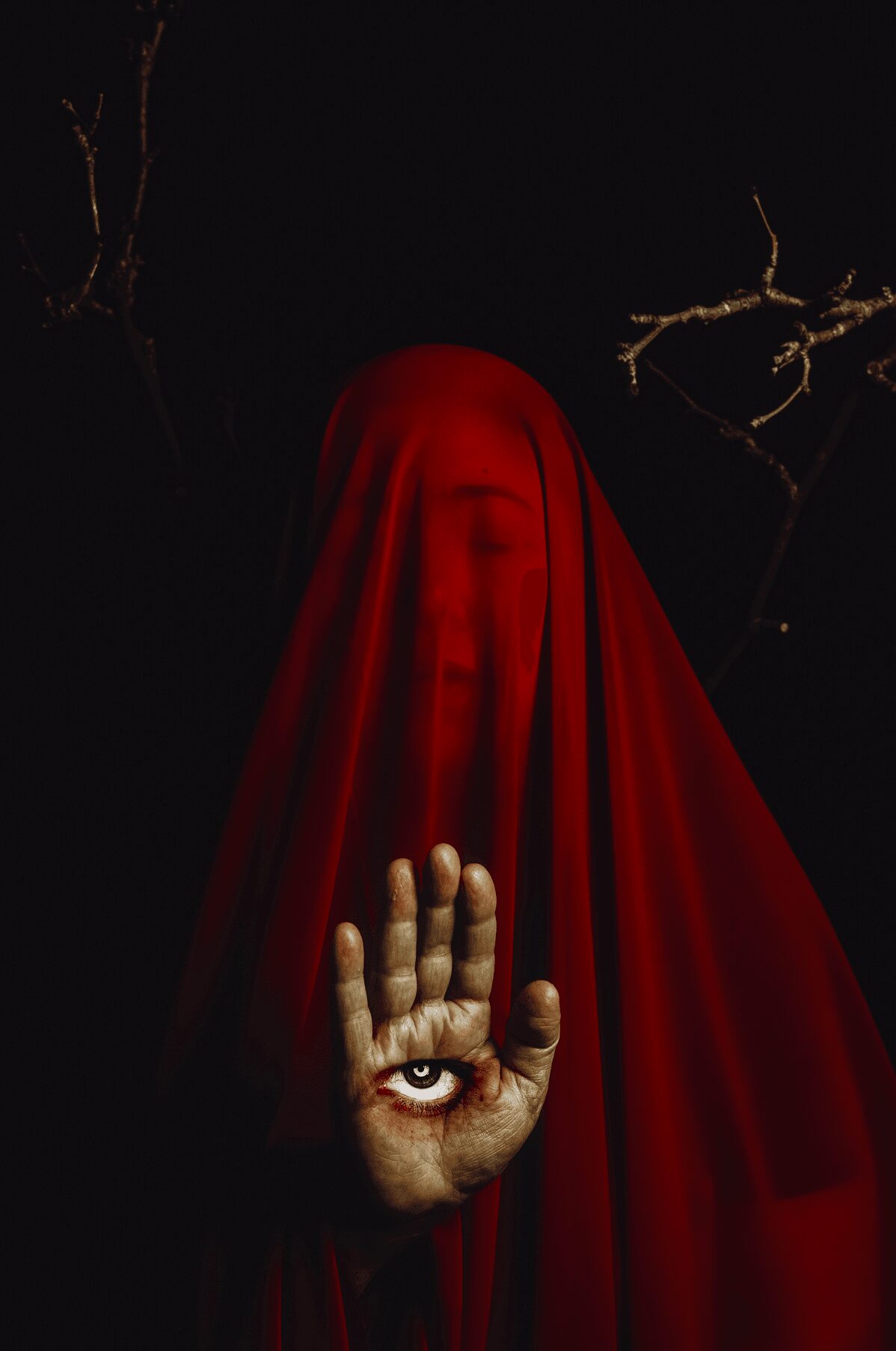
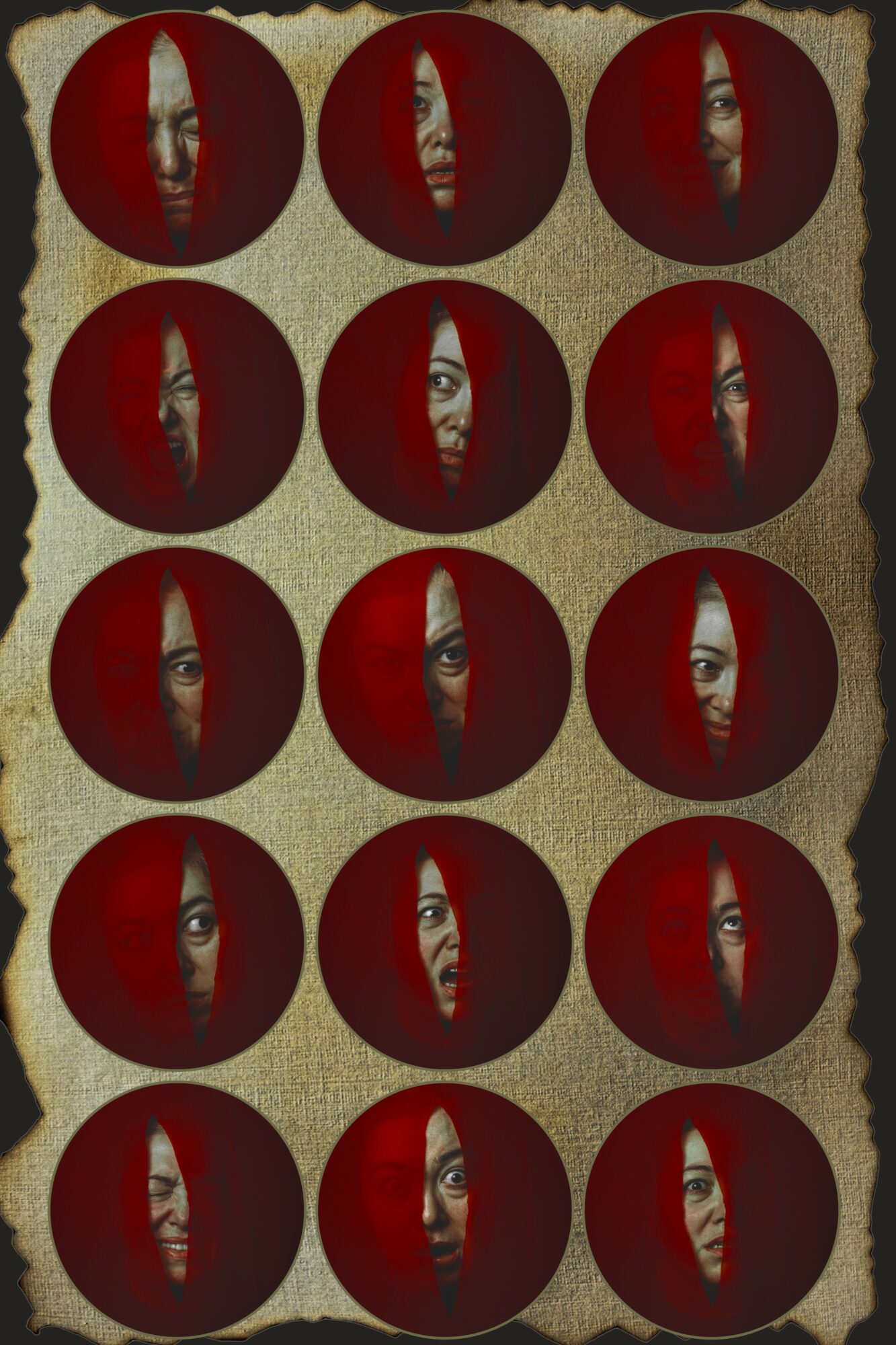
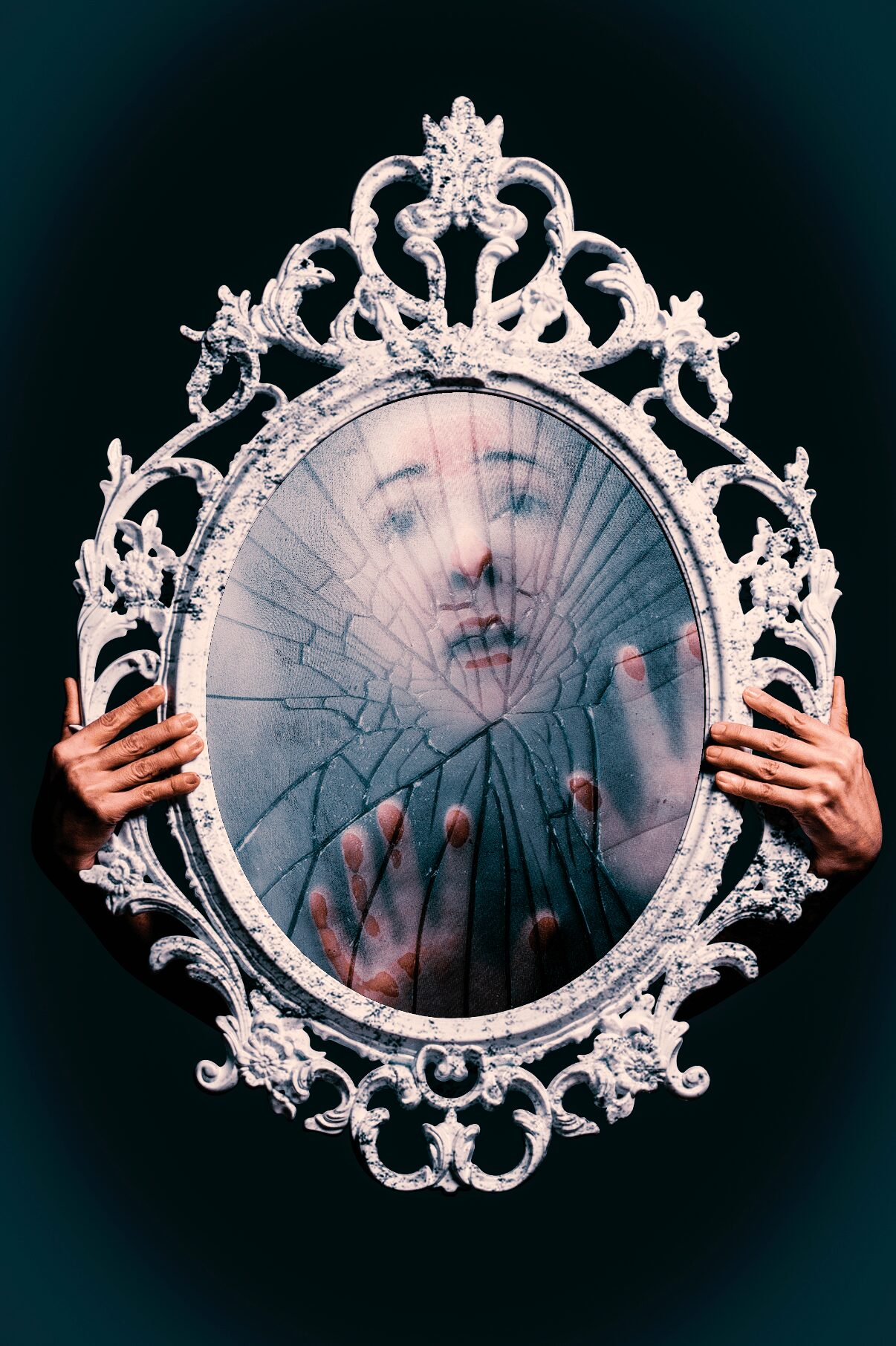
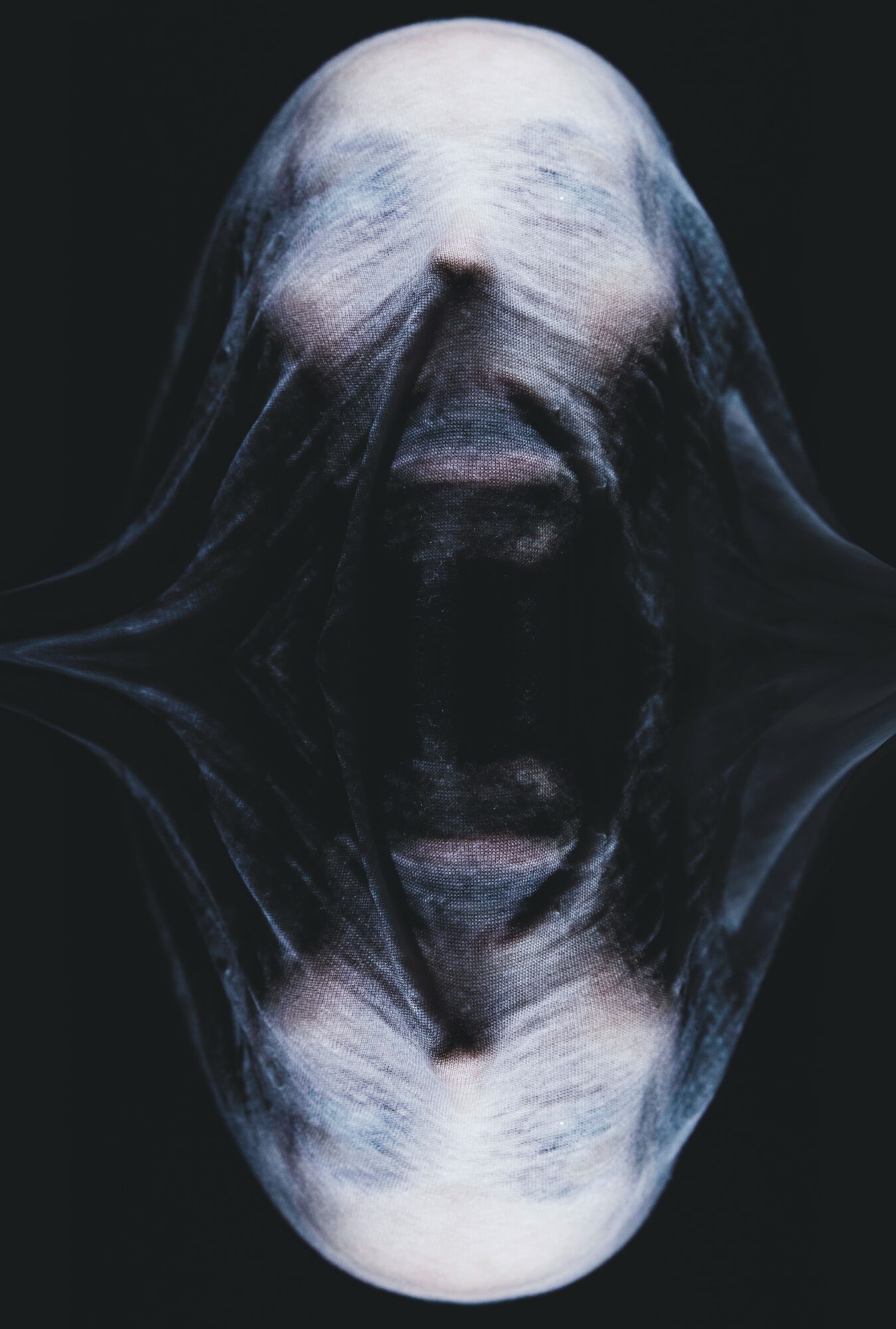
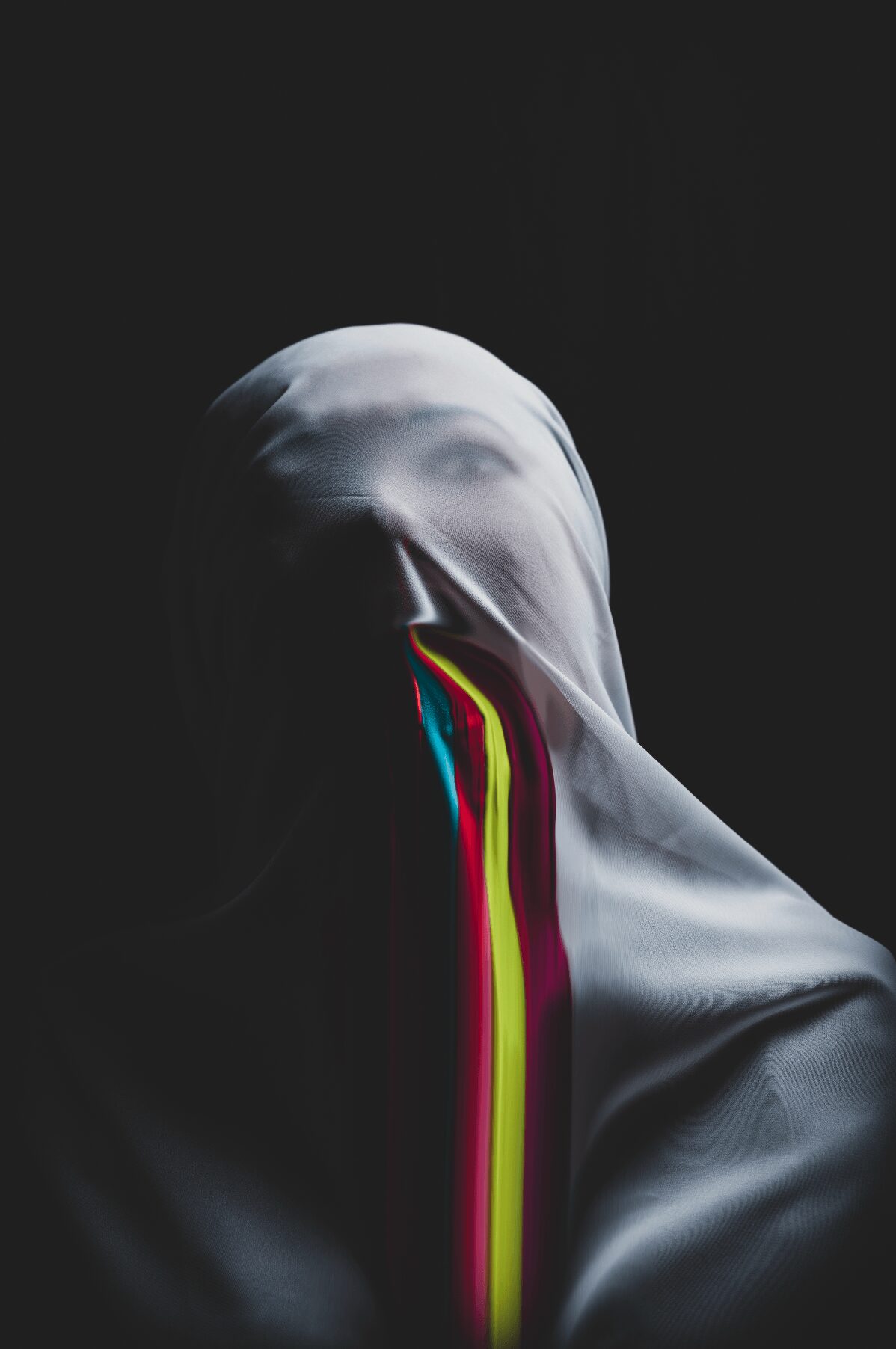
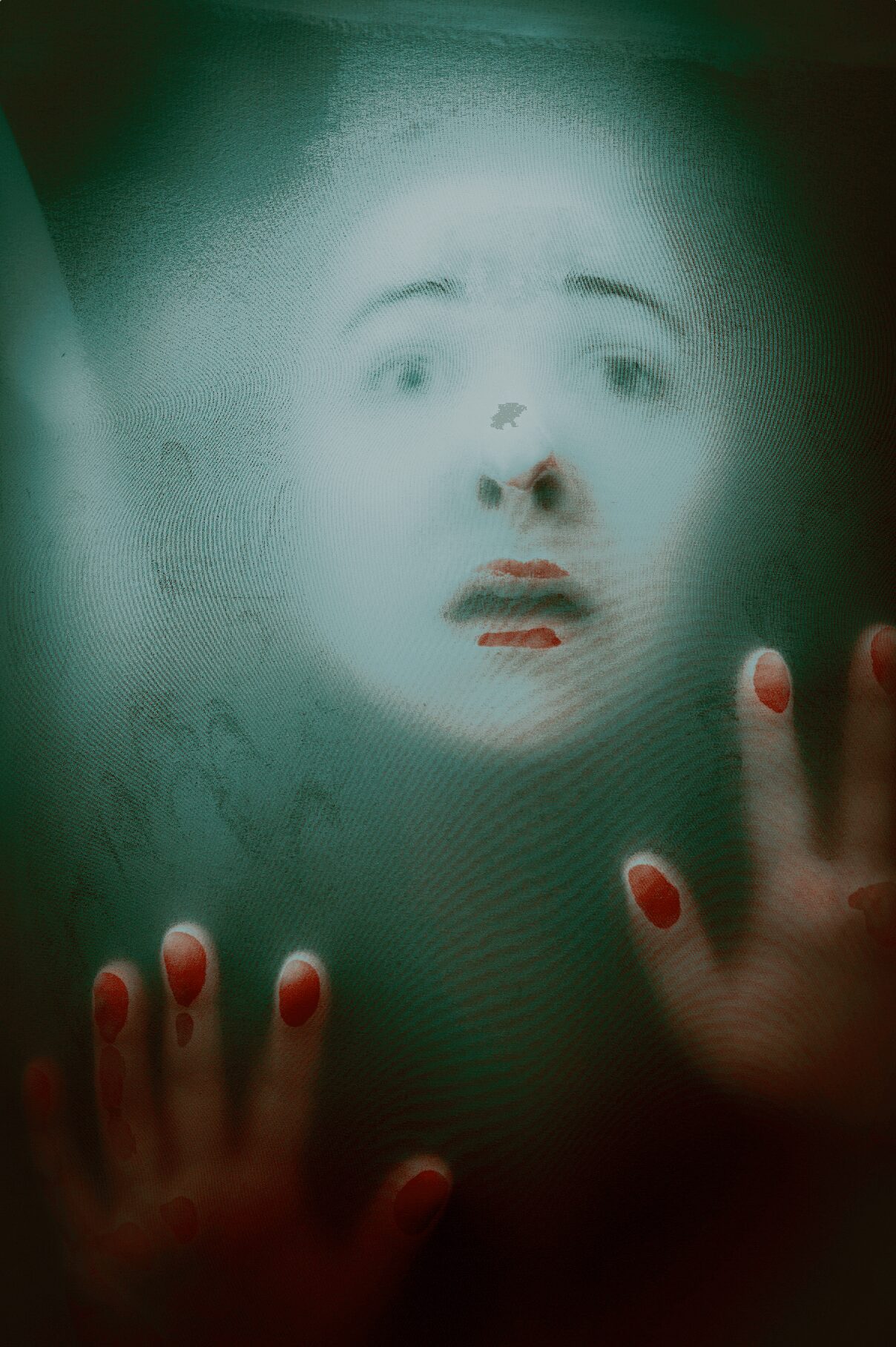
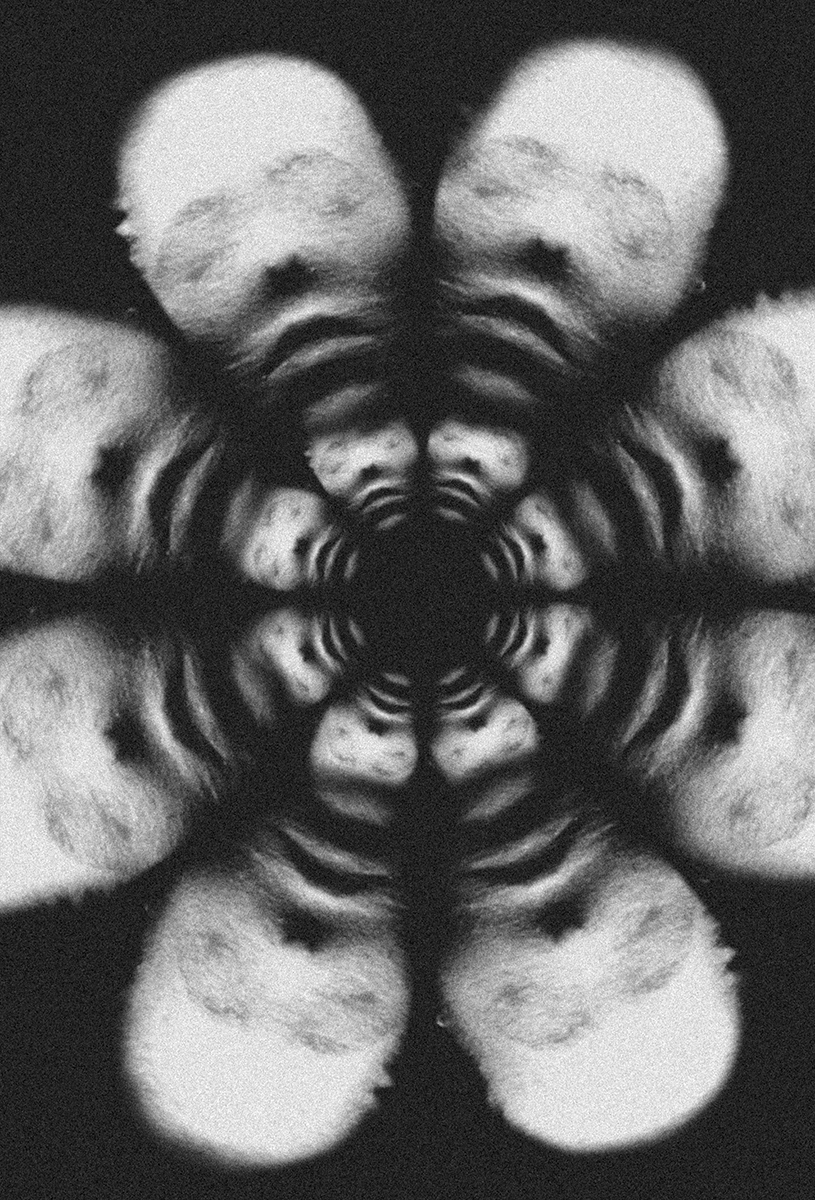
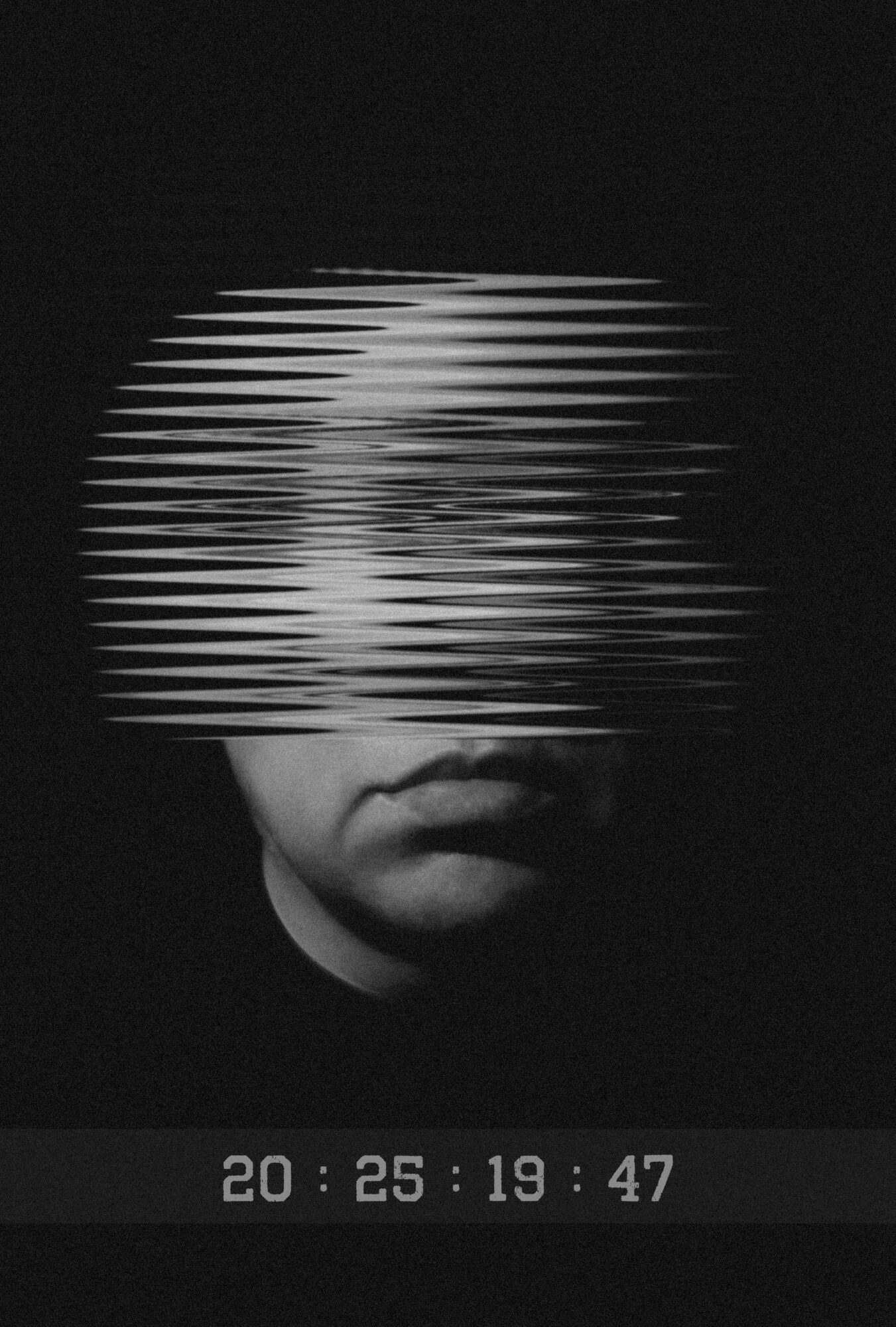
Image Credits
Esra Sakar