







Today we’d like to introduce you to Ilise Kohleriter.
Hi Ilise, we’d love for you to start by introducing yourself.
I originally planned to pursue a career as a therapist. I earned my Bachelor’s degree in Psychology from the University of Colorado, Boulder and my Master’s in Social Work from the University of Texas, Arlington. Early in my career, I worked in a variety of roles, including probation officer, hospital social worker, program planner, and therapist in a partial hospitalization program. After several years in the field, I stepped away from professional work to focus on raising my children.
That decision ultimately led me to a new and deeply meaningful path. My oldest child was a fearless climber. When he was about two and a half years old, I left him in the backyard with my mother for just a couple of minutes while I ran inside. When I looked back through the window, he was on the other side of the pool’s safety fence, standing at the pool’s edge, while my mother was completely unaware. In that moment, it became painfully clear to me that no fence, alarm, or lock could guarantee his safety. I realized he needed to learn how to rescue himself if he ever fell into the water.
I began researching water survival programs and found an Infant Swimming Resource (ISR) instructor. My son’s instructor was former military and had a rough, no-nonsense style, which I initially assumed was part of the technique. Regardless of style, he successfully taught my son to float and swim to the side for safety.
About five years later, when my daughter was two, I found a closer ISR instructor whose approach was much gentler, but just as effective. Watching her work was a turning point for me. I felt a strong realization that this was what I wanted to do. I had always known I wanted to help people, and I had always loved working with children. Teaching life-saving water survival skills felt like the perfect fit. I completed ISR training in the spring of 2007, when my youngest child was just six months old.
ISR training was extensive and rigorous. Two separate Master Instructors traveled to train me over a six-week period. The training included 60 hours of in-water instruction with students and 60 hours of academic coursework. Areas of study included behavioral psychology, sensorimotor learning, behavior shaping, and the physiology of children in water. Every child learns differently, and what works for one child may not work for another. It took several years of experience to build a deep and adaptable skill set, and about four years before I truly felt confident in my ability to meet each child’s unique needs.
Several years after completing ISR training, I became a Certified Red Cross Learn-to-Swim Instructor. This allowed me to teach formal swim strokes to children, such as freestyle and breaststroke, after they completed ISR self-rescue lessons. Before earning this certification, my students often transitioned to other instructors and experienced regression in their floating and horizontal swimming skills. By teaching stroke development myself, I was able to help students build on their survival skills rather than unintentionally counteract them.
To further expand my ability to serve families, I later completed Swimming with Autism training in San Diego. This specialized training equipped me with tools and techniques to effectively teach ISR survival skills to children on the autism spectrum.
I have now been teaching for nineteen swim seasons, and I love my work more than ever. There is no greater reassurance than hearing from a parent whose child fell into the water and survived because of the skills I’ve taught them. Tragically, drowning is the number one cause of death in Texas for children four and under. While no safety measure is foolproof, when other layers of protection fail, teaching a child how to rescue themselves is the most powerful safeguard we can provide.
Infant Swimming Resource is designed for children aged six months to six years, though children of any age can learn these survival skills. Children between six and fourteen months learn how to roll onto their backs and maintain a float until help arrives. Children fifteen months and older learn to swim with their faces in the water, roll over to float and breathe, then return to swimming, repeating this sequence until they reach the side or steps. ISR’s mission is simple and powerful: not one more child drowns.
We all face challenges, but looking back would you describe it as a relatively smooth road?
Going through the training itself was a significant investment. At the time, it was a financial stretch for my husband and me, but we believed strongly that it was worth the sacrifice.
One challenge I sometimes encounter is working with children who are accustomed to using flotation devices such as “boats” with leg holes or puddle jumpers. These devices place children in an upright, vertical position in the water, which creates muscle memory that actually mimics a drowning posture. As a result, it can be more difficult to transition them into the horizontal position needed for proper swimming and floating. While this is absolutely possible to overcome, it does require additional time and effort.
When a child is in a boat on a lake or in the ocean, wearing a properly fitted life jacket is essential. However, for casual play in a pool, it’s best to simply hold your child until they are developmentally ready to begin learning true water survival skills..
Another ongoing challenge is addressing common misconceptions about ISR. Some people mistakenly believe that children are simply “thrown” into the water and expected to figure it out on their own. This is entirely false. Skills are taught gradually and in short, structured sessions—five days a week over a five- to eight-week period. During the final week, once children are fully skilled, I simulate accidental fall-ins with clothes on to ensure they can safely rescue themselves if they ever end up in the water unexpectedly.
It’s also important to acknowledge that some babies and young children may cry during lessons, especially at the beginning. This can be difficult for parents to watch. However, crying often occurs when a child is facing something challenging or unfamiliar, particularly when they are learning at a pace guided by someone else for the first time. I move on to the next skill once the previous one has been mastered, which means I set the pace for learning. While this can be challenging, the outcome is overwhelmingly positive. Once children are skilled, they typically love the water, enjoy swimming, and feel proud of what they’ve accomplished.
I often compare ISR to using a car seat. At some point, nearly every child resists being buckled in and may cry, but as a parent, you strap them in anyway because you know it’s essential for your child’s safety. ISR follows that same principle—it’s about prioritizing a child’s safety, even when the process is temporarily challenging.
Appreciate you sharing that. What should we know about WaterKids (ISRwaterkids.com)?
As mentioned earlier, the majority of my work focuses on teaching aquatic self-rescue skills to children ages six months to six years, though older children can also successfully learn these skills. Infants between six and fourteen months are taught to hold their breath underwater, roll onto their backs, and maintain a stable float until help arrives. Children fifteen months and older learn to swim in a horizontal position with their faces in the water, roll onto their backs to float and breathe, then transition back to swimming. They repeat this sequence until they reach the pool wall, steps, or safety point.
All lessons are conducted one-on-one in a private setting, which I believe is the safest and most effective approach. Children who are not water-safe should never be placed in group lessons with only one instructor. I have heard numerous accounts from parents who tried group lessons elsewhere and witnessed or experienced dangerous situations—such as a child quietly slipping underwater while the instructor was focused on another student. These situations are unacceptable and pose serious safety risks.
Once children are ISR-skilled, I offer stroke development beginning around age three and a half for girls and four for boys. This includes skills such as front crawl, back crawl, treading water, and side breathing. Stroke development builds coordination, endurance, and confidence. After completing ISR training, children are typically already functioning at a Red Cross Level 2, and many are able to master these skills at a much younger age than in traditional swim programs. This success comes from my ability to break each skill down into manageable steps before combining them in a way that young children can learn.
I have also completed specialized training to teach children with autism. Children on the autism spectrum are often drawn to water and may be prone to wandering, making water self-rescue skills especially critical. Some of these students are also able to progress into stroke development, depending on their individual needs and abilities.
Parents frequently describe me as patient, calm, compassionate, kind, and professional—qualities I strive to bring to every lesson.
What I am most proud of, however, is that my work has saved lives. Over the years, many parents have shared stories of their children accidentally falling into water—sometimes without adult supervision—and successfully rescuing themselves using the skills they learned with me. Knowing this makes every challenge worthwhile and continues to motivate me to teach for as long as I am able.
What has been the most important lesson you’ve learned along your journey?
The most important lesson I’ve learned along my journey is that no two children learn the same way—and that meeting them where they are vital. Over the years, I’ve worked with children of many different ages, personalities, attention spans, and temperaments. Some are eager and compliant, others cautious or stubborn, and many fall somewhere in between. Learning to recognize and respect those differences has completely shaped how I teach.
I’ve also learned that working with children means working just as closely with their parents. Clear, honest communication about expectations builds trust and creates consistency, which is essential for a child’s progress. When parents understand the process and the purpose behind it, everyone feels more confident and supported.
My background in social work and therapy has been invaluable in this journey. It taught me patience, empathy, and how to read subtle cues—skills that are just as important as technical instruction. Most importantly, I’ve learned that effective teaching requires flexibility. It took time and effort to develop multiple ways to teach the same skill, adapting to different learning styles and emotional needs. That willingness to adjust, listen, and grow has been the foundation of everything I do.
Contact Info:
- Website: https://www.ISRwaterkids.com
- Facebook: https://www.facebook.com/ISRWaterkids
- Youtube: https://www.youtube.com/@Waterkids1

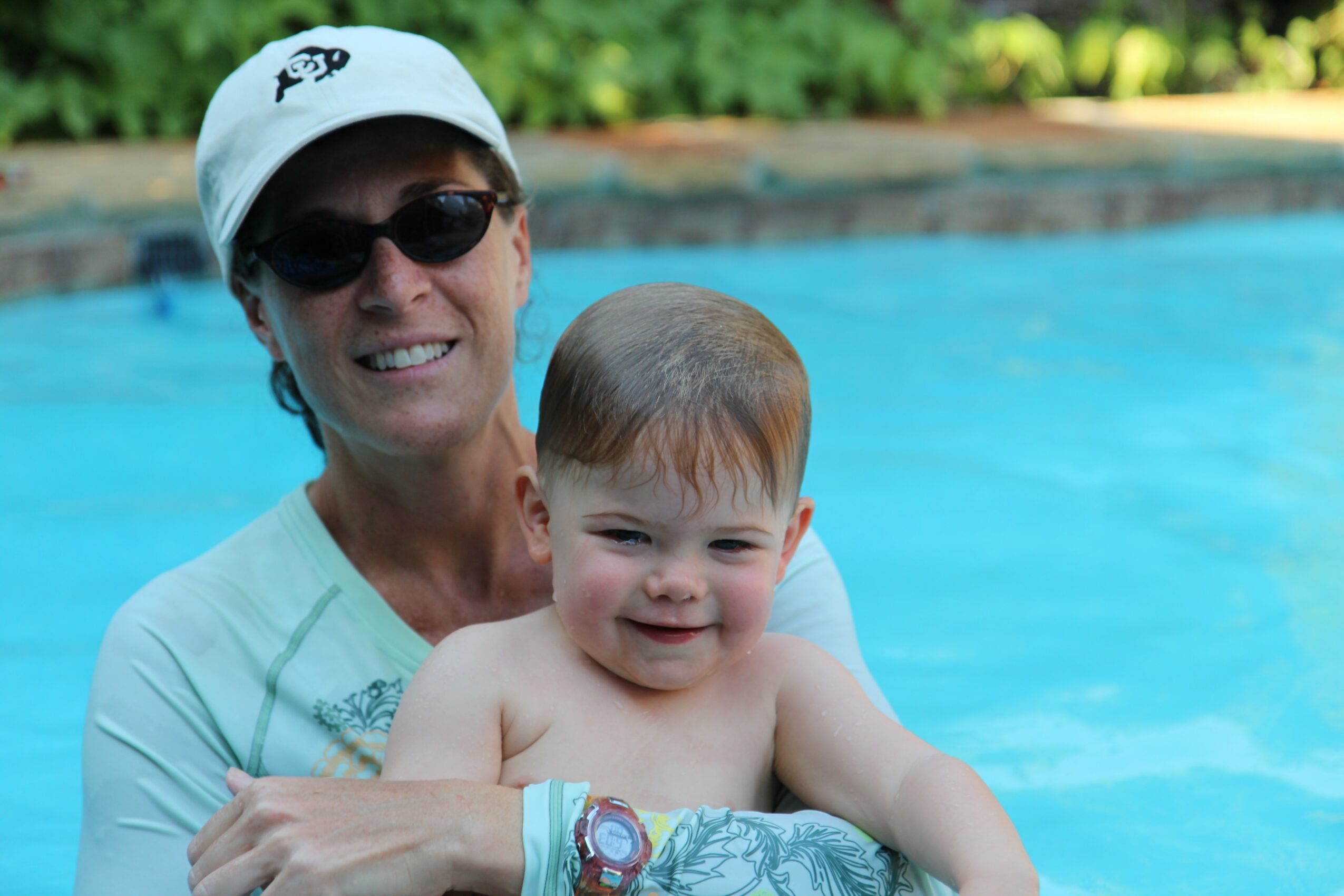
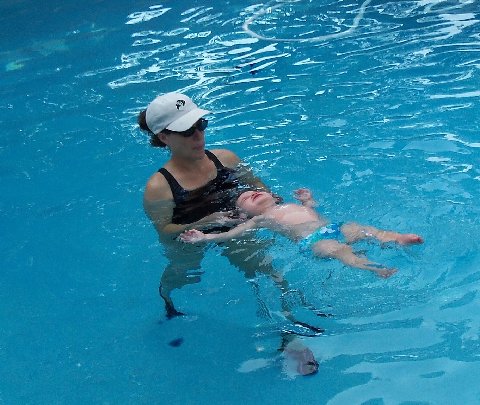
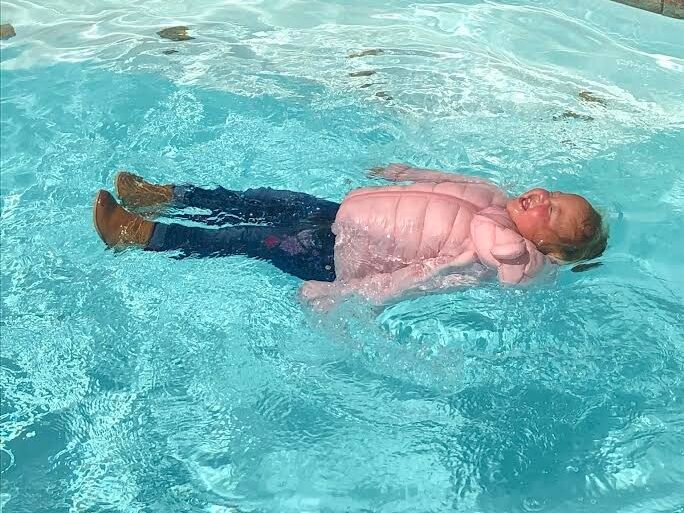

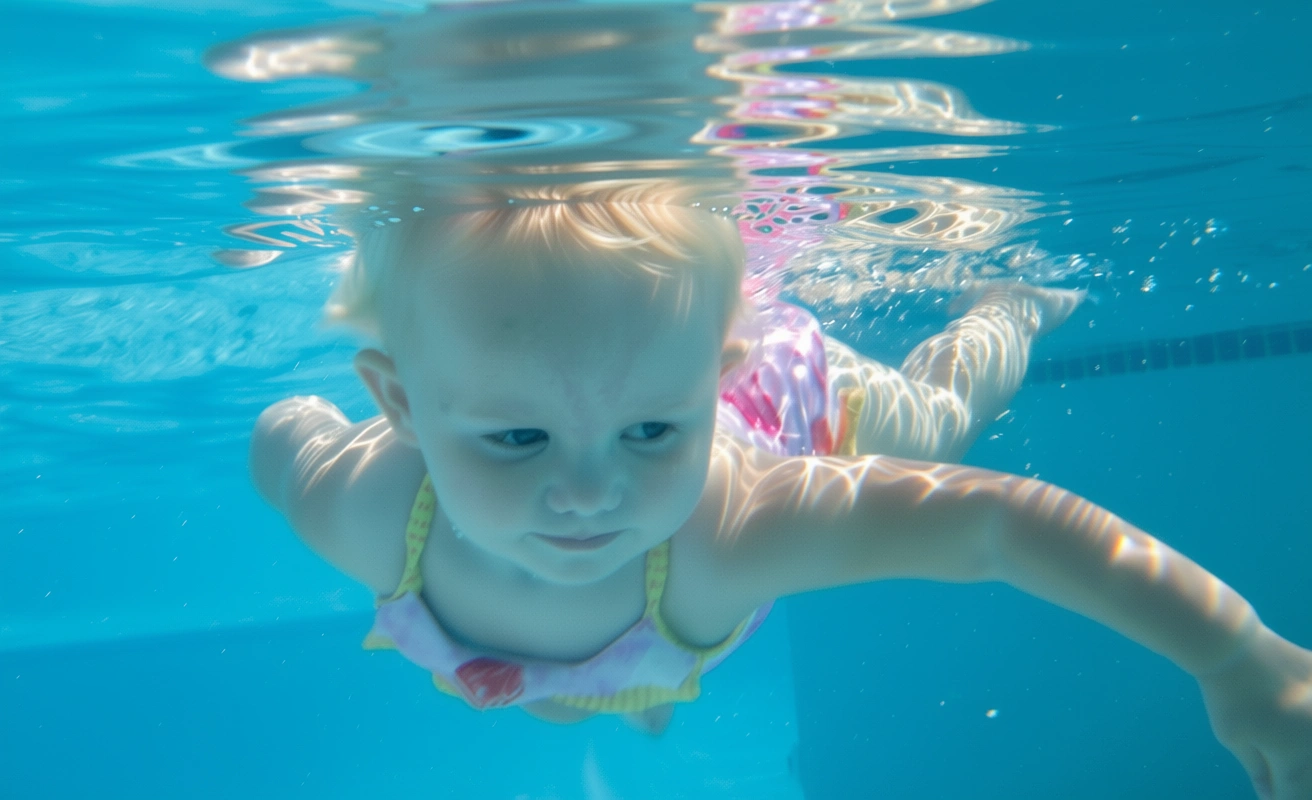
Image Credits
Ilise Kohleriter, WaterKids, LLC