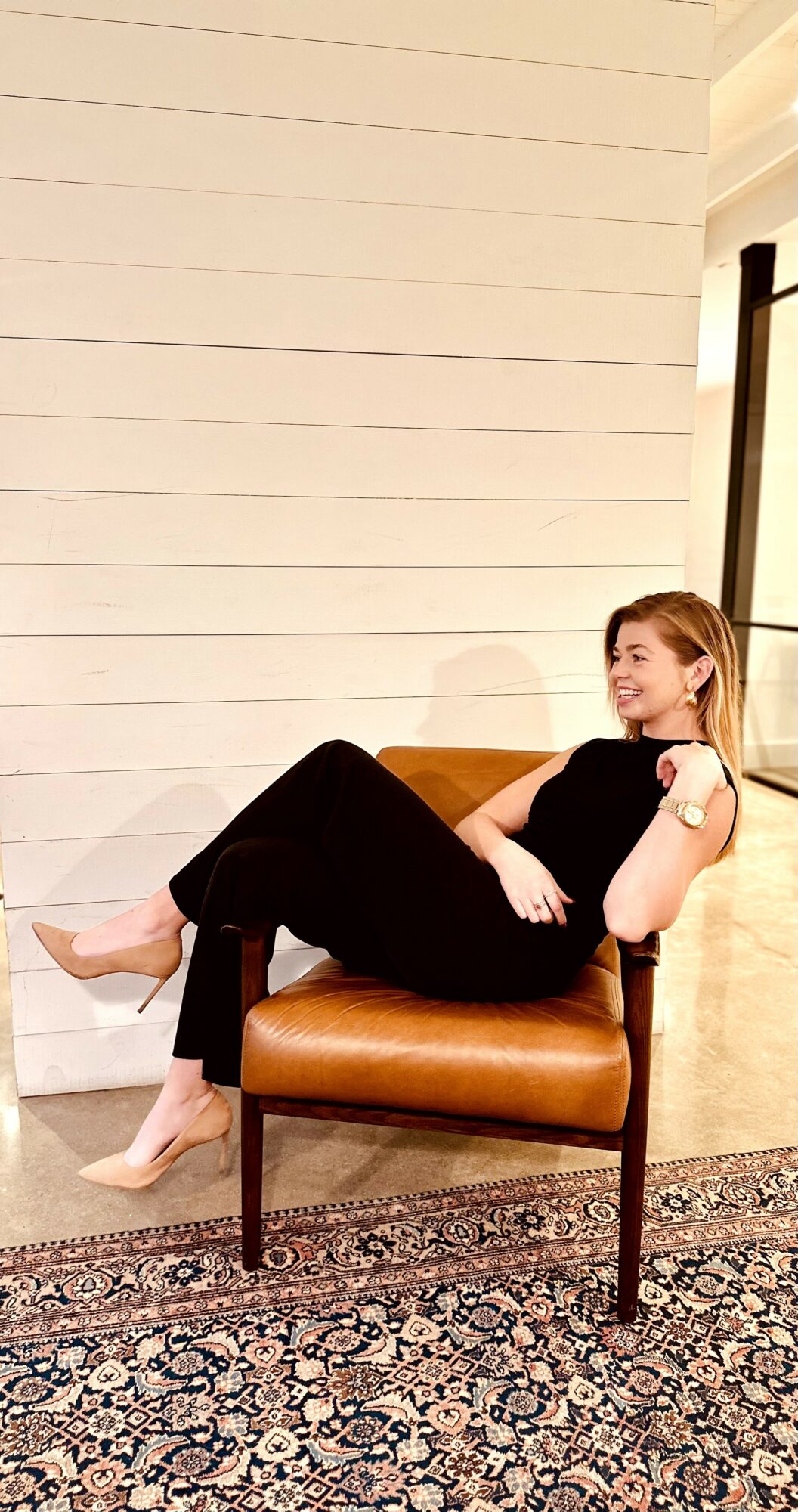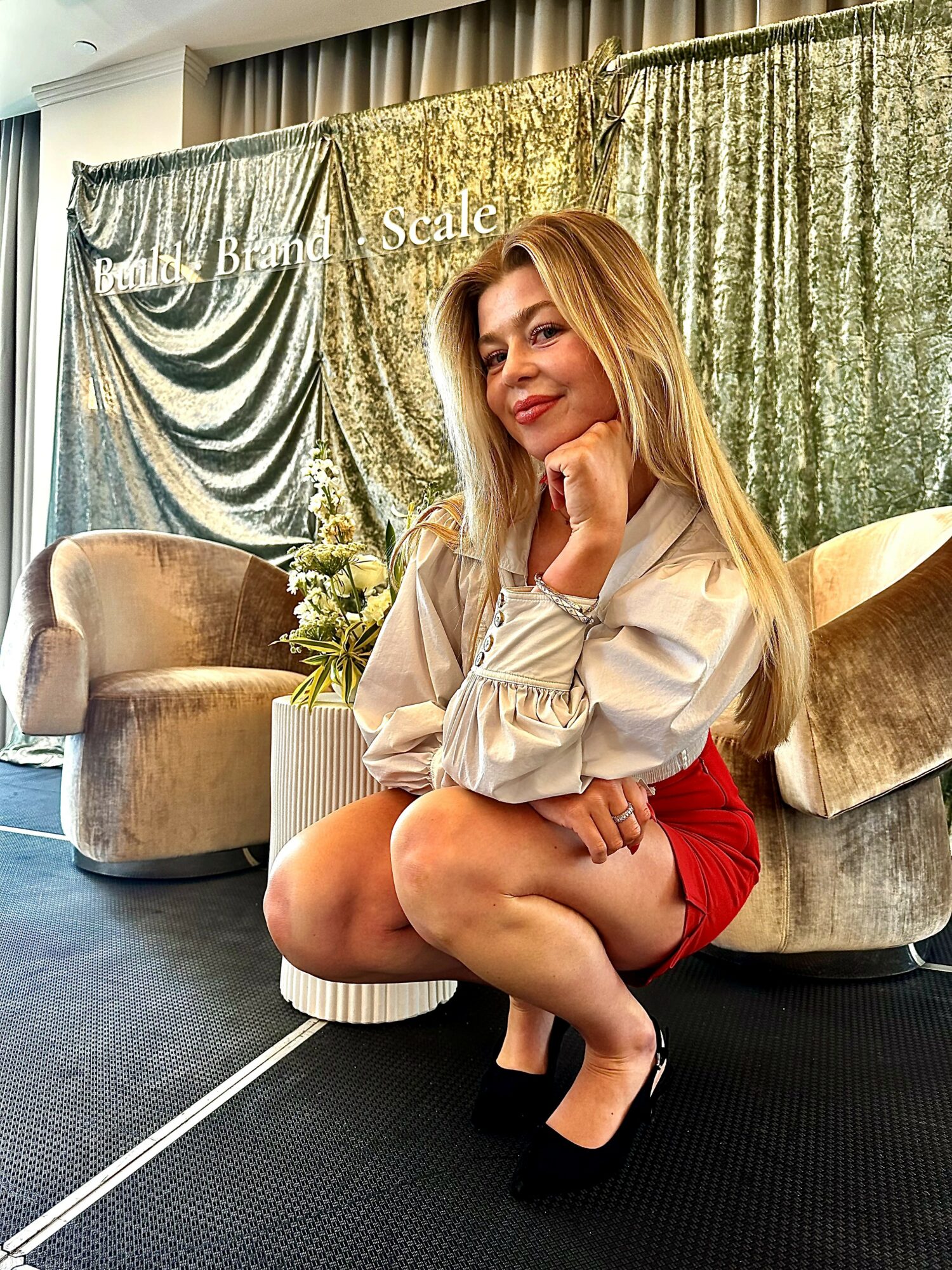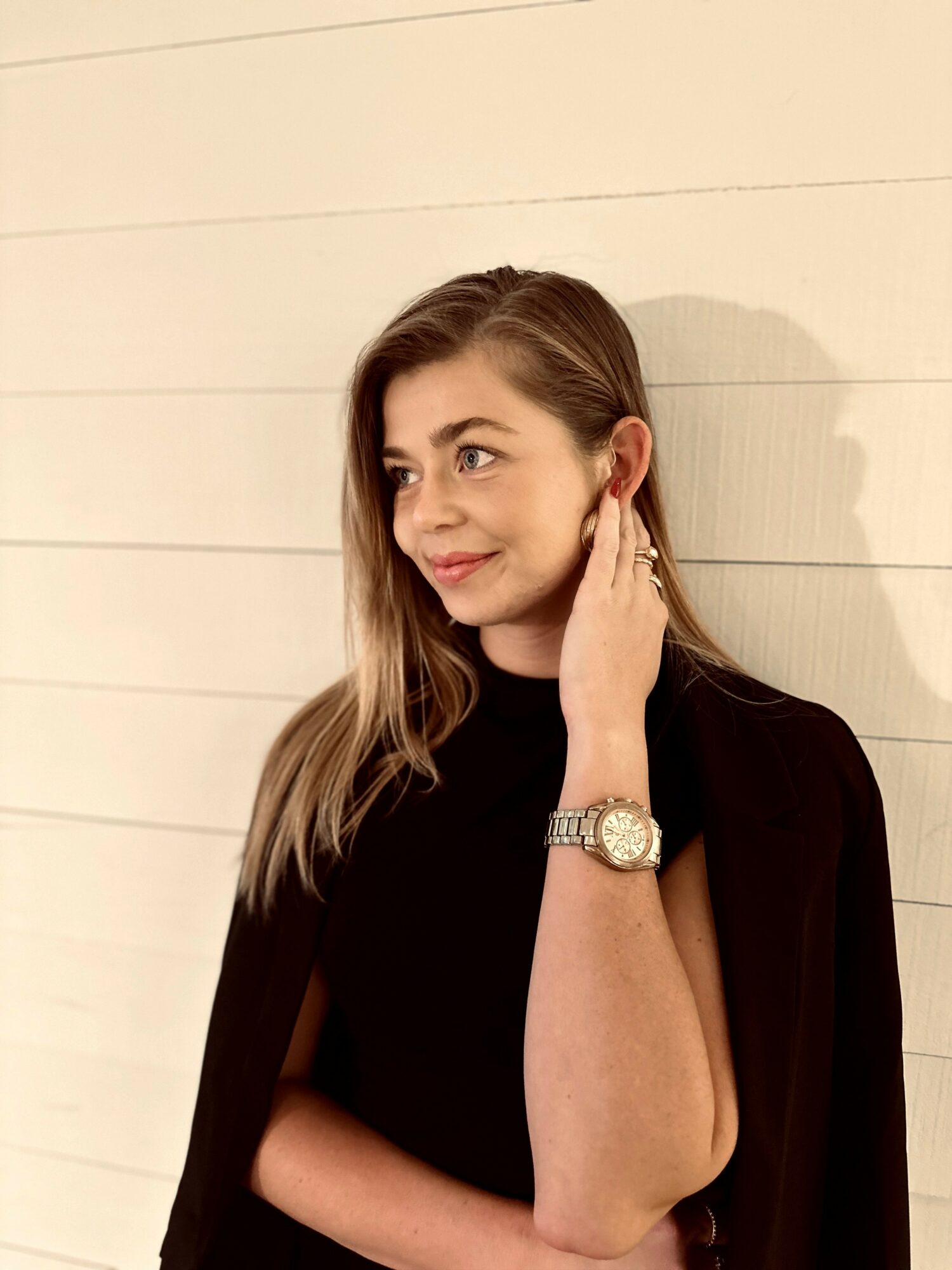






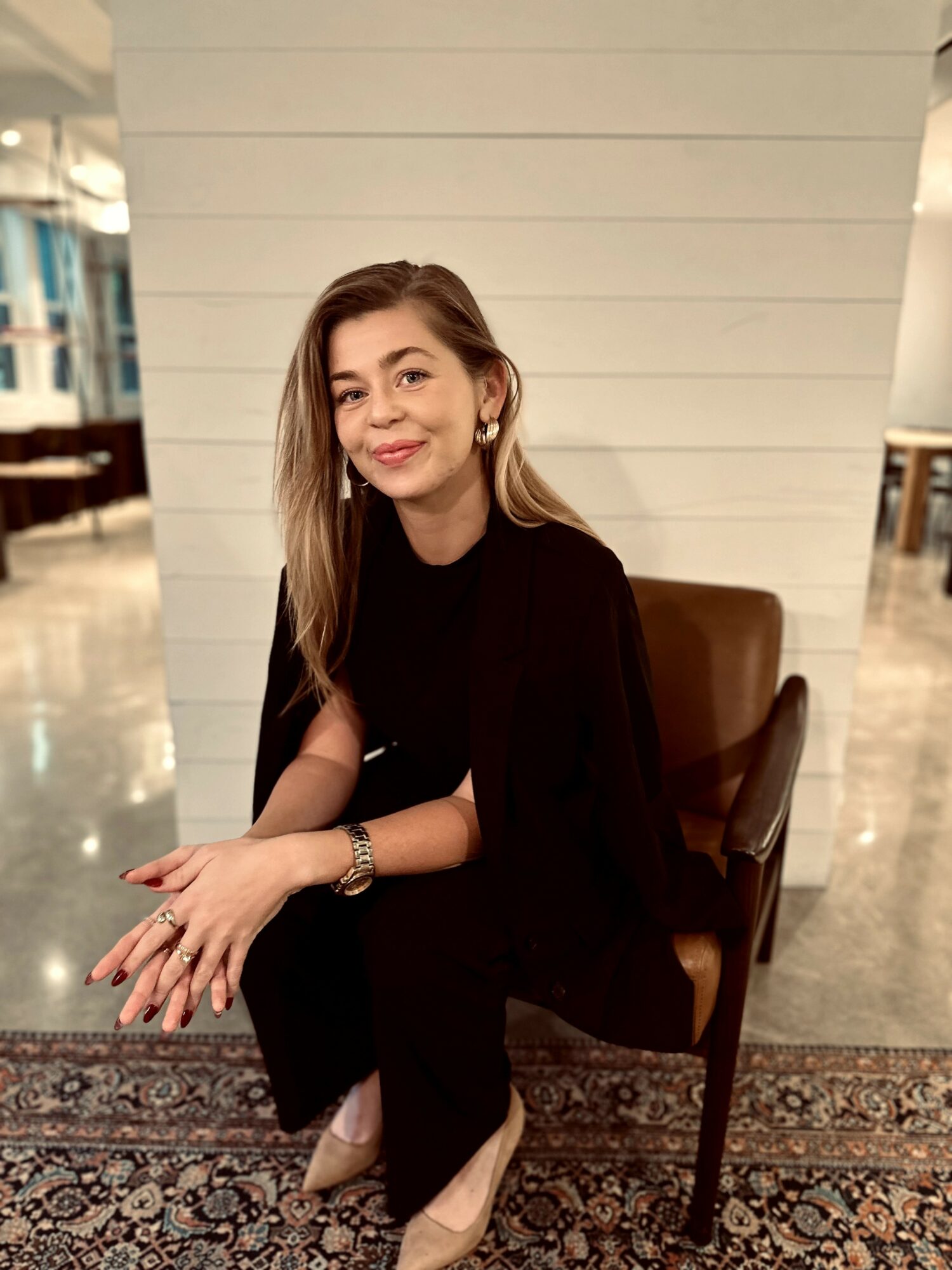
We’re looking forward to introducing you to Dr. Samantha Ritz. Check out our conversation below.
Samantha, it’s always a pleasure to learn from you and your journey. Let’s start with a bit of a warmup: Are you walking a path—or wandering?
For a long time, I thought I had to do everything by the book. Go to school. Get my doctorate. Work in an insurance-based clinic. Follow the “right” steps in the “right” order. On paper, I was doing everything correctly, but internally, I felt like I was wandering. Productive, accomplished, and still deeply boxed in.
What I didn’t realize then was that the book I was following wasn’t written for the life I actually wanted.
The moment I started stepping outside of that framework, choosing curiosity over compliance, intuition over expectation, everything shifted. Doing things off-book is what finally put me on a path. A clear one. One that feels aligned, creative, and expansive.
That path is what led me to building Ritz Wellness and The Elite Woman Project, work that reflects who I am now, not who I thought I was supposed to be.
Can you briefly introduce yourself and share what makes you or your brand unique?
I’m Dr. Sam Ritz, a Doctor of Physical Therapy turned CEO women’s health coach and founder of Ritz Wellness and The Elite Woman Project. My work sits at the intersection of physical health, identity, and leadership, because I don’t believe women need more information, they need systems that actually fit their lives.
I started my career in traditional healthcare, where I quickly realized that the model was built to treat symptoms, not support women in building sustainable, fulfilling lives. Over time, my work evolved from hands-on physical therapy to coaching female founders, CEOs, C-suite execs, and entrepreneurs, who are outwardly successful but quietly overwhelmed, disconnected from their bodies, and stuck in survival mode.
What makes my work different is that it’s not just about fitness or weight loss. It’s about helping women become the kind of person who keeps the habits, honors her capacity, and designs her life with intention. We focus on simplified strength training, nervous system regulation, mindset shifts, and practical routines that restore clarity and confidence, not perfection.
Right now, I’m focused on growing The Elite Woman Project into a true identity-based wellness movement: one that helps women build their dream body the way they built their dream business.
Great, so let’s dive into your journey a bit more. What’s a moment that really shaped how you see the world?
One of the most formative influences in my life has been travel, specifically, choosing to put myself in environments where I was unfamiliar, uncomfortable, and forced to adapt. Seeing new cultures, navigating places where I didn’t know the language or the norms, and learning from people whose lives looked nothing like mine stretched my perspective early on.
Travel taught me how limiting it is to stay inside your own bubble. When you’re exposed to different ways of living, working, and valuing time, you realize how many of your “rules” are actually just inherited beliefs. That experience made me far more open-minded and self-aware, and it trained me to question my own assumptions rather than defend them.
That comfort with discomfort followed me into business. Being willing to try things that don’t have a blueprint, to step outside traditional models, and to challenge industry norms feels natural to me because I learned early on that growth lives on the edge of the unfamiliar. Travel showed me that expansion doesn’t happen by staying safe, it happens by staying curious.
That mindset is at the core of how I work today: always thinking outside the box, staying aware of my biases, and building something that’s informed by the world, not confined by it.
What did suffering teach you that success never could?
Suffering taught me that discipline without alignment leads to burnout, and that success, especially early success, can hide that truth for a long time.
There were seasons where I was doing everything “right”: achieving, producing, showing up, checking boxes. From the outside, it looked like success. Internally, it felt heavy. I learned that you can be highly capable and deeply misaligned at the same time, and that no amount of achievement will compensate for ignoring your body, your intuition, or your capacity.
Suffering also stripped away the need for external validation. When things are hard, applause doesn’t help, you’re forced to build self-trust. I learned how to listen to my nervous system, how to slow down without quitting, and how to redefine strength as sustainability rather than endurance.
Success can teach you what works. Suffering teaches you what matters. And that lesson fundamentally changed how I lead, how I coach, and how I live.
I think our readers would appreciate hearing more about your values and what you think matters in life and career, etc. So our next question is along those lines. Is the public version of you the real you?
Yes—now it is. But that wasn’t always true.
When I first started my own business, I felt pressure to fit a very specific mold of what a CEO was “supposed” to look like. More polished. More formal. More distant. I thought professionalism meant keeping parts of myself tucked away, and that showing too much personality or honesty might dilute my credibility.
Over time, I realized the opposite was true. The more I allowed myself to show up fully, my voice, my values, my lived experience, the more aligned everything became. My work felt lighter. My decisions felt clearer. And the people I attracted into my world felt like a true reflection of who I am and what I stand for.
Now, the public version of me is the real me. That alignment has become one of my greatest assets, both personally and professionally. When you stop performing and start leading as yourself, you don’t just build a business, you build resonance.
Thank you so much for all of your openness so far. Maybe we can close with a future oriented question. What do you understand deeply that most people don’t?
I understand, at a very deep level, that everything is transient, and because of that, very few things are actually as heavy as we make them.
Once you truly grasp how temporary everything is, fear loses a lot of its power. I live my life knowing that as long as what I’m doing is morally sound and not causing harm to others, there’s very little reason not to go for it. Most hesitation comes from imagined consequences, not real ones.
A few years ago, something shifted for me. I realized that every second I don’t spend challenging myself, stretching beyond comfort, experiencing new places, new ideas, and new versions of myself is a second I don’t get back. Time is the one resource we never know the true amount of, and that awareness changes how you move through the world.
Because of that, I try to fully participate in life. To see the world. To take risks. To create, lead, and evolve. For me, legacy isn’t about being remembered for one achievement—it’s about having truly lived, having said yes to the full spectrum of what it means to be human.
Contact Info:
- Website: https://www.samantharitz.com
- Instagram: https://www.instagram.com/ritz_wellness/
- Linkedin: https://www.linkedin.com/in/samantha-ritz-wellness/
- Youtube: https://www.youtube.com/@ritzwellness
- Other: Tiktok: https://www.tiktok.com/@samantha_ritzwellness?is_from_webapp=1&sender_device=pc