




We recently had the chance to connect with Zack Morris and have shared our conversation below.
Good morning Zack, we’re so happy to have you here with us and we’d love to explore your story and how you think about life and legacy and so much more. So let’s start with a question we often ask: What do the first 90 minutes of your day look like?
The first ninety minutes of my day are quiet, intentional, and early. I wake up around 5 a.m., get ready for the day, and begin working while the house is still asleep. That time is reserved for the projects that sit just outside my full-time job—designing homes for friends, printing photo orders, organizing archives, or moving small creative tasks forward. Between having a full-time job and being a husband and father, those early hours are often the only uninterrupted segment of time I have to focus, and I’ve learned how to utilize them.
Around 5:30, I make my pour-over coffee. While it brews, I review emails and set a short list of goals out for the next few days. I try to be as realistic and specific as possible —what actually needs to move forward, rather than what simply feels productive.
By six, I’m usually preparing content for Instagram or reviewing upcoming posts. I like to work ahead when I can, building out ideas in advance so there’s consistency without urgency. Having that structure allows me to stay present creatively without feeling reactive.
By 7 a.m., the tone of the day shifts. I wake up my kids and step fully into family life. The morning work is done, and whatever progress I’ve made, whether big or small, has already set the day in motion.
Can you briefly introduce yourself and share what makes you or your brand unique?
Not at all, I came into photography during the recession; I was fresh out of college and was working a retail job, unsure of what direction my life would take. Jobs at the time were incredibly limited, and I was searching for something that could get my foot in the door. Around that time, I picked up my parents’ old Sony Alpha camera and enrolled in a couple of photography classes to learn how to use it properly. What began as curiosity: learning how to use a professional camera, studying light and composition, quickly became a way of seeing the world more clearly; photography had being just a hobby and started to feel like a calling.
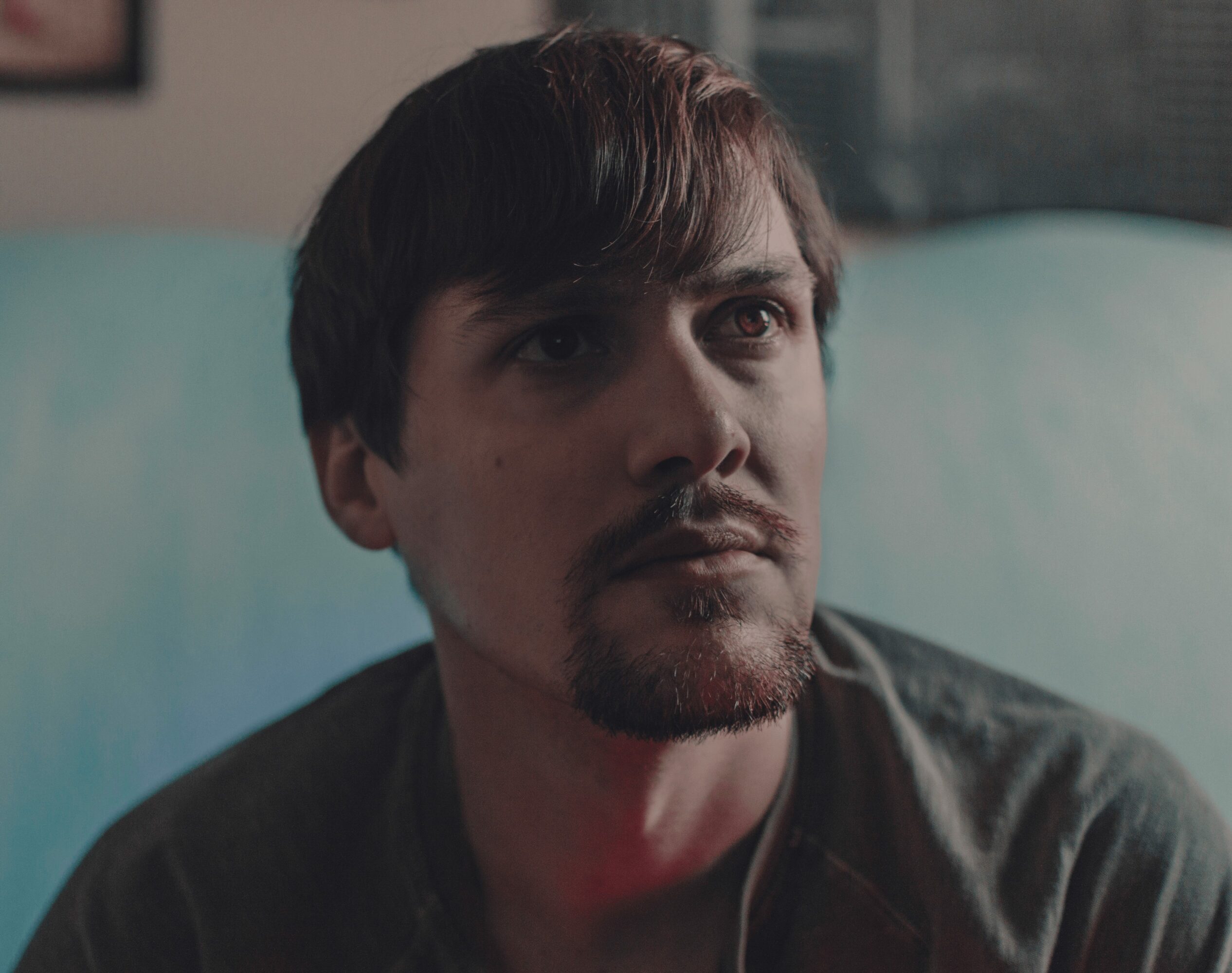
Over the years, that calling evolved into a career. Today, I still have a full-time job in architecture and design, but I also work on the side as a professional photographer creating portraits, weddings, headshots, and commissioned work for clients who want images that feel honest and intentional. Similar to my primary profession, my approach is rooted in problem-solving. With my education and background in architecture, I think in terms of context—who or what the subject is, what the images are meant to communicate, and how they’ll ultimately be used. Every session is designed, not improvised, with the goal of creating work that feels considered rather than generic.
At the center of my process is efficiency and trust. I’m mindful of my clients’ time, and I work quickly; not by rushing, but by helping people feel comfortable almost immediately. Most people don’t love being photographed. My job is to lower that barrier, to create space where they can relax and show up as themselves. When that happens, the images stop feeling posed and start feeling real.
What I’m most proud of is the consistency of that experience. Whether I’m photographing a wedding day or a simple portrait, I aim to make the process feel effortless and the results feel true. I want people to recognize themselves in the images we create together. At its core, my work is about observation, connection, and respect—for the person in front of the camera and for the story they’re trusting me to tell.
Appreciate your sharing that. Let’s talk about your life, growing up and some of topics and learnings around that. What relationship most shaped how you see yourself?
The relationship that has shaped how I see myself most is my relationship with my wife—and, by extension, our children. Her support has been steady and grounding, especially as I’ve pursued creative work alongside more traditional responsibilities. From the beginning, she believed in the value of making things, even when the outcome wasn’t guaranteed.
During our first year of marriage, we were both fully invested in our side businesses, chasing big ideas and testing what was possible. When we had children, that season shifted. My wife chose to step back from her work temporarily, and I adjusted my own pace as our priorities rebalanced. That period taught me a lot about patience, timing, and the idea that creative ambition doesn’t disappear—it adapts.
Now, as our kids get older, we’ve begun to invite them into our creative worlds. They help in small ways, which has given them chances to see the work up close. Sharing the things we care deeply about with them has reshaped how I define success. It’s no longer just about output or growth, but about presence, example, and sustainability. The expression of creativity woven into family life has made me more intentional, more grounded, and more proud—both as a father and as a creative.
If you could say one kind thing to your younger self, what would it be?
I would tell my younger self not to be afraid to ask questions—and not to mistake silence for safety. For a long time, I hesitated to speak up or reach out, assuming the answer would automatically be no before ever giving someone the chance to say yes.
Looking back, I see how much opportunity lives on the other side of a simple question. Asking doesn’t guarantee anything, but not asking guarantees nothing happens at all. If I’d been a little more courageous earlier on, my path—and my portfolio—might look very different.
More than anything, I’d remind myself that curiosity isn’t a weakness. It’s often the first step toward growth.
Alright, so if you are open to it, let’s explore some philosophical questions that touch on your values and worldview. Is the public version of you the real you?
I try to be as close to an open book as possible. The version of me people see online or during a shoot is the same person my family sees at home—honest, upbeat, and more than a little goofy. I don’t believe in performing a persona, especially in creative work that relies on trust.
During a shoot, I might turn the volume up slightly. That energy helps put people at ease, and comfort is essential to making photographs that feel real. But it’s not an act—it’s an extension of who I already am. I approach my work the same way I approach life: with intention, curiosity, and a genuine interest in the people in front of me.
For me, consistency matters. When clients work with me, I want the experience to feel natural and familiar, not curated. The goal is simple: to show up as myself, create space for others to do the same, and let the work reflect that honesty.
Before we go, we’d love to hear your thoughts on some longer-run, legacy type questions. What is the story you hope people tell about you when you’re gone?
I hope people remember me as someone who tried to preserve where we came from.
At some point, I was told that photographs weren’t necessary—that memories alone were enough. But I never fully believed that. Memories fade. People pass. I’ve seen how photographs can become anchors—especially for those dealing with loss or dementia—small, tangible ways to reconnect with moments that might otherwise disappear.
That belief shaped how I live and how I work. I’ve taken on the role of my family’s historian, collecting and digitizing old photographs and home videos, documenting details that might seem ordinary now but will one day matter deeply. I’ve spent time in my grandfather’s old workshop photographing his tools, preserving the quiet evidence of a life lived with intention. After he passed, watching our family slowly sort through his belongings made me realize how easily stories can be lost if no one chooses to keep them.
When I’m gone, I hope my children remember that effort—that I cared enough to document our history and pass it forward. Not for nostalgia’s sake, but so they always know where they came from. If those images continue to be shared, remembered, and carried into the next generation, that would be enough.
Contact Info:
- Website: https://www.zmorrisphoto.com
- Instagram: https://www.instagram.com/zmorrisphoto
- Linkedin: https://www.linkedin.com/zmorrisphoto
- Twitter: https://www.twitter.com/zmorrisphoto
- Facebook: https://www.facebook.com/zmorrisphoto
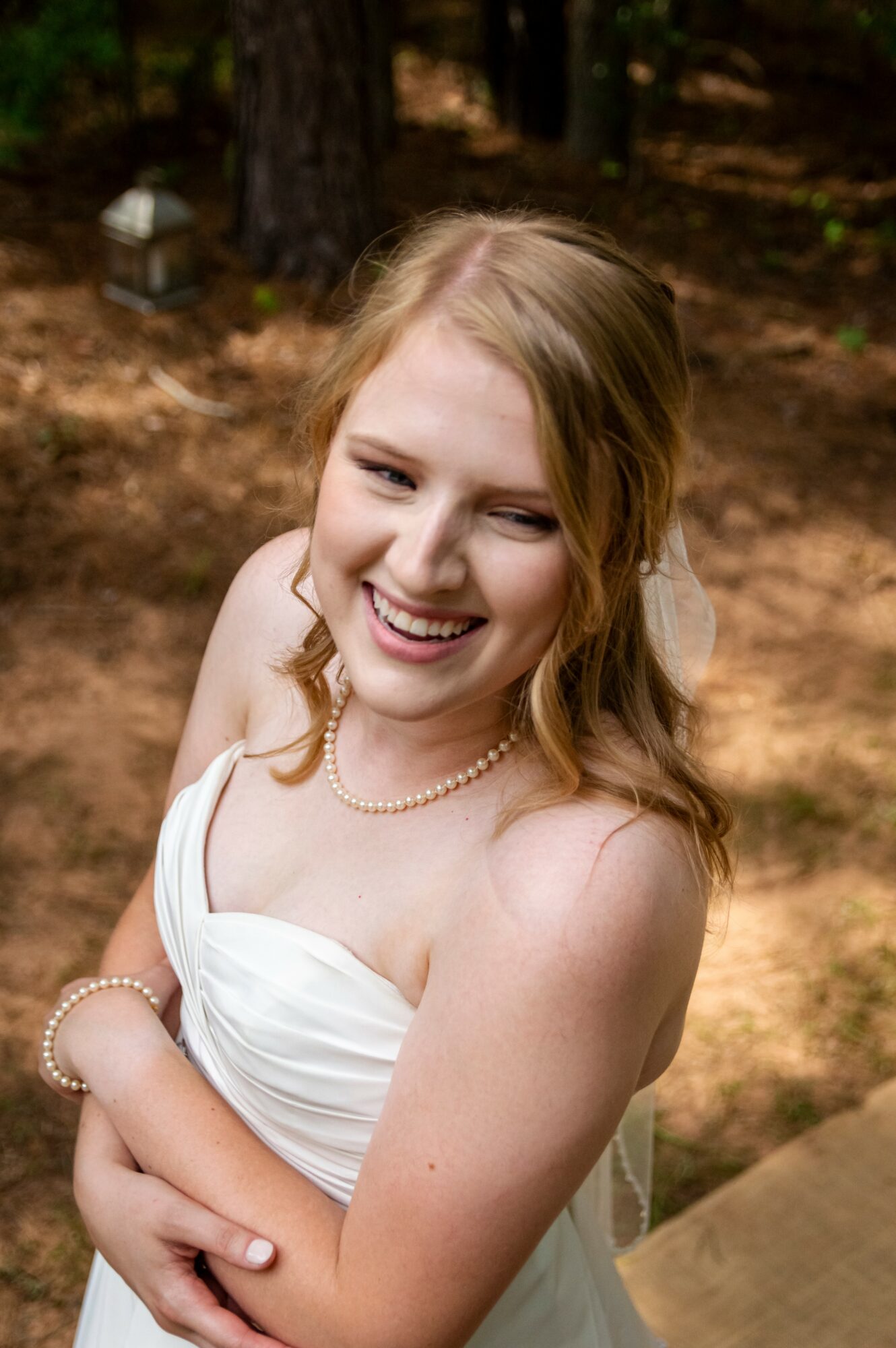
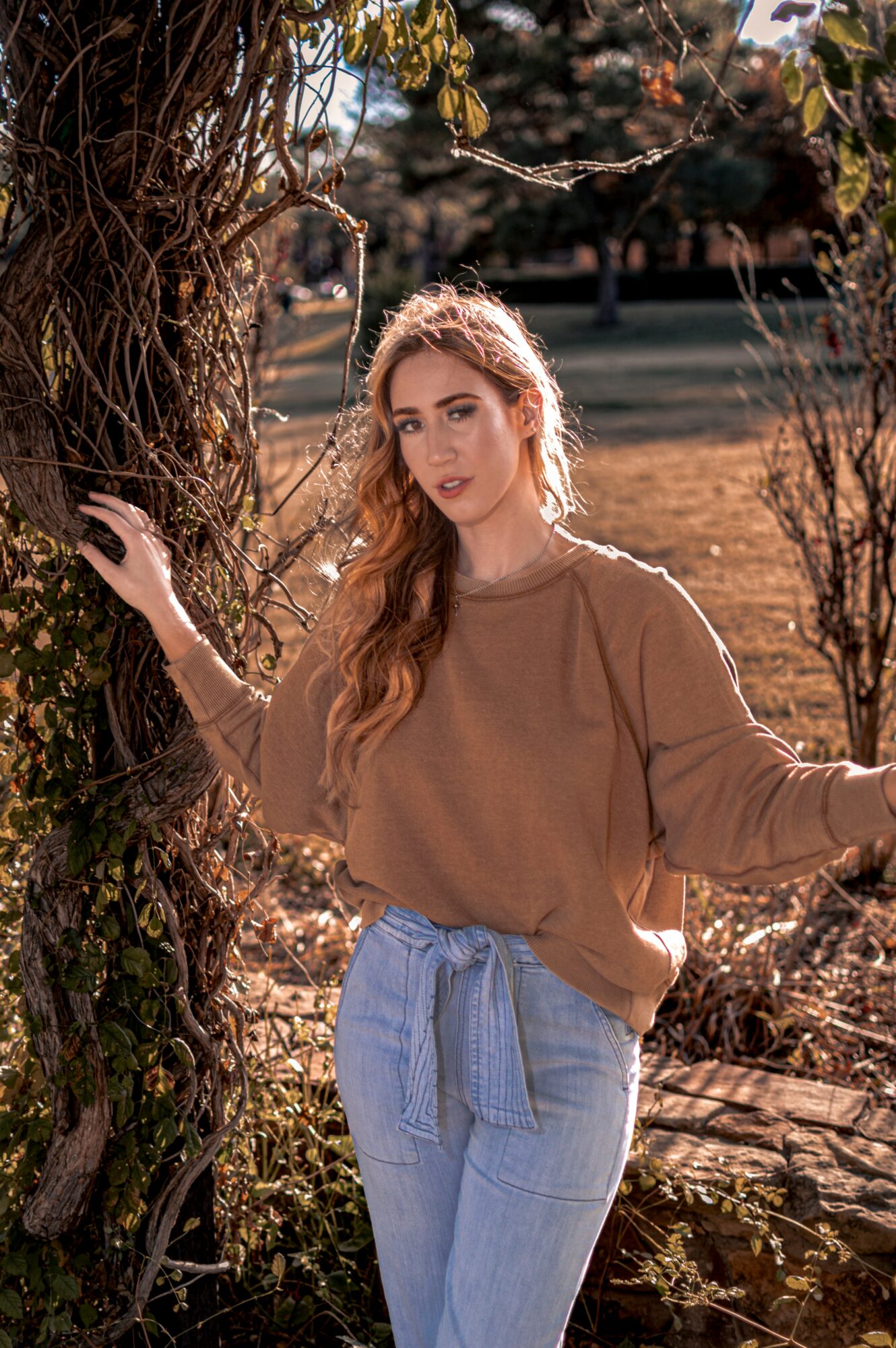
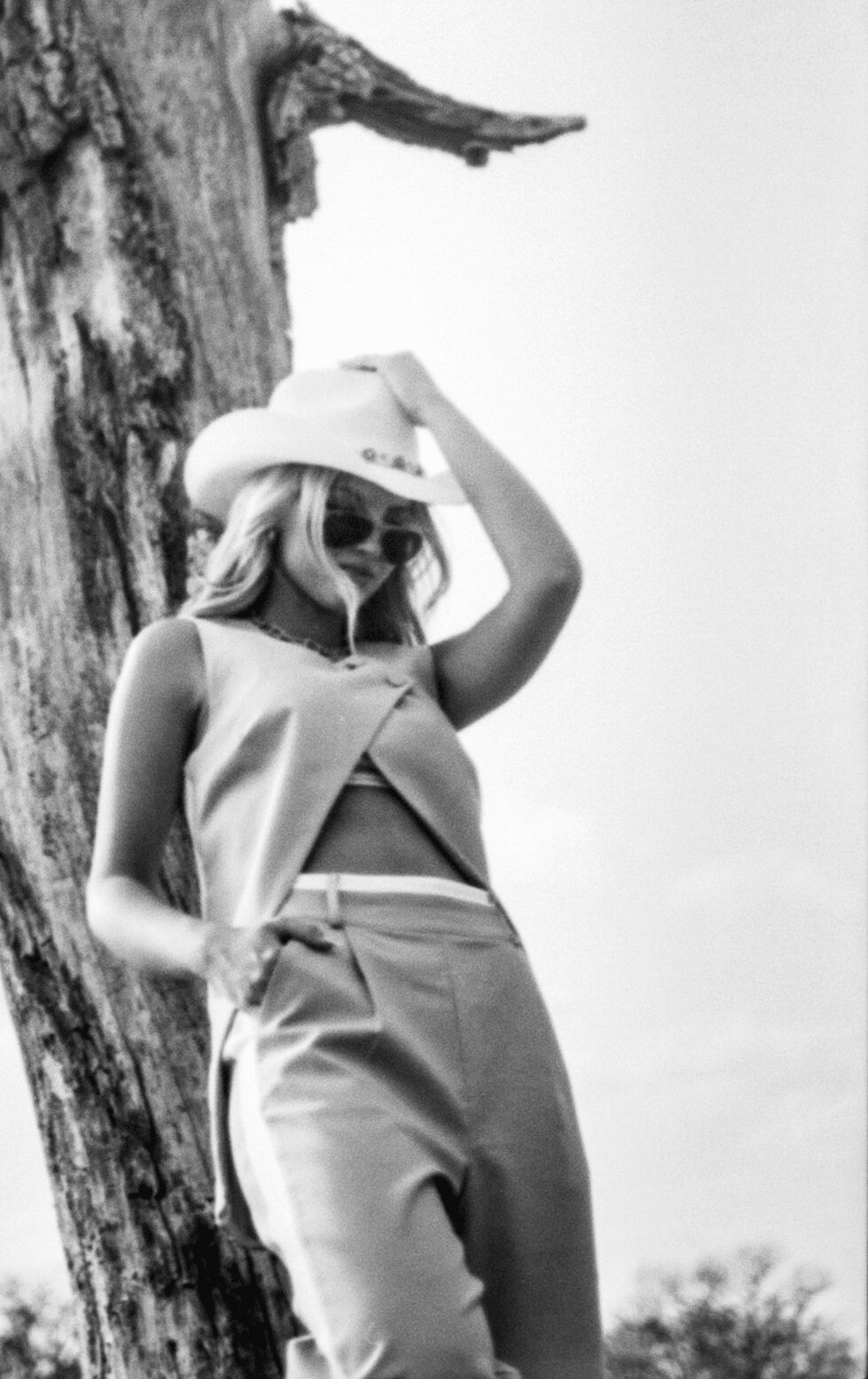
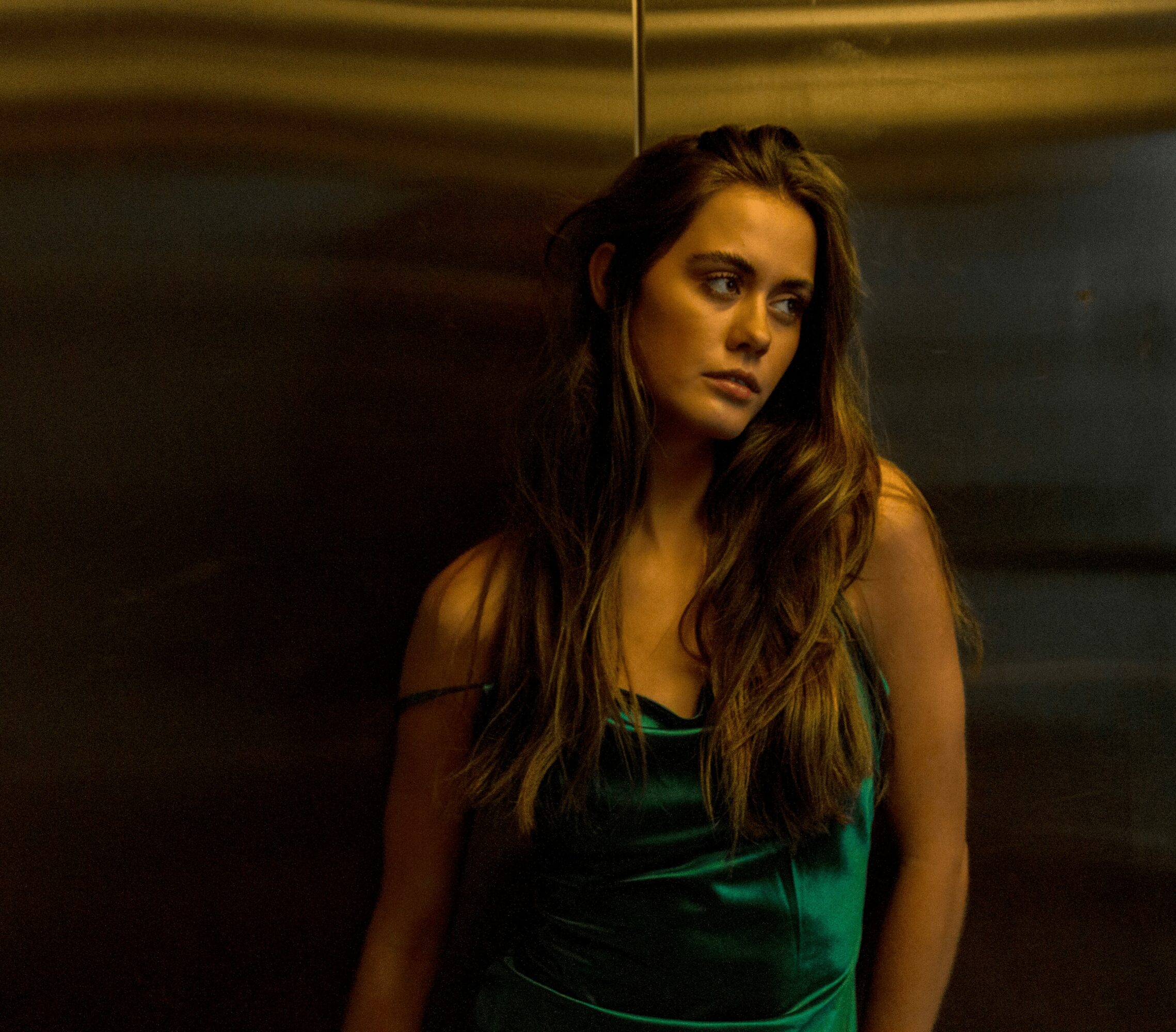
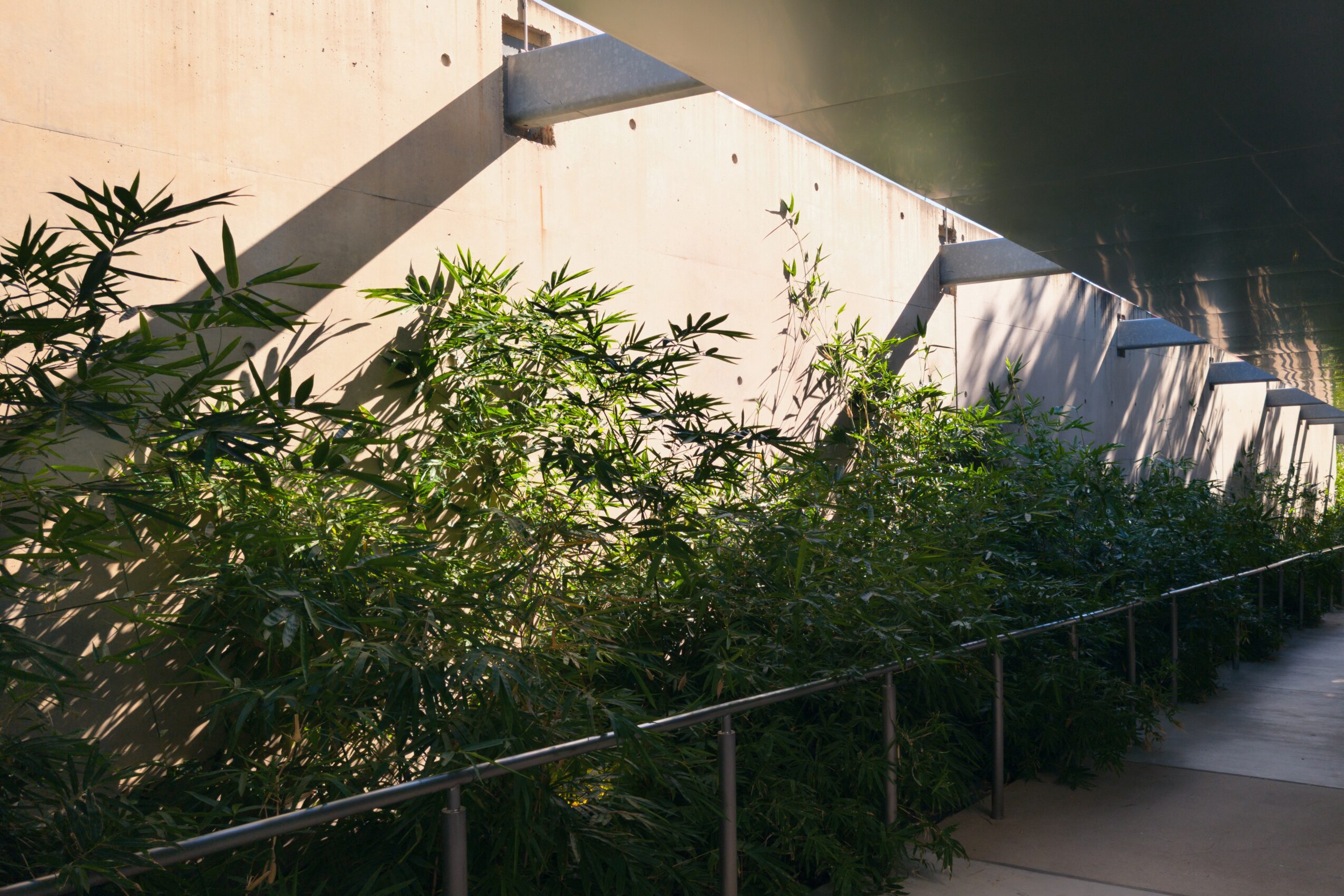
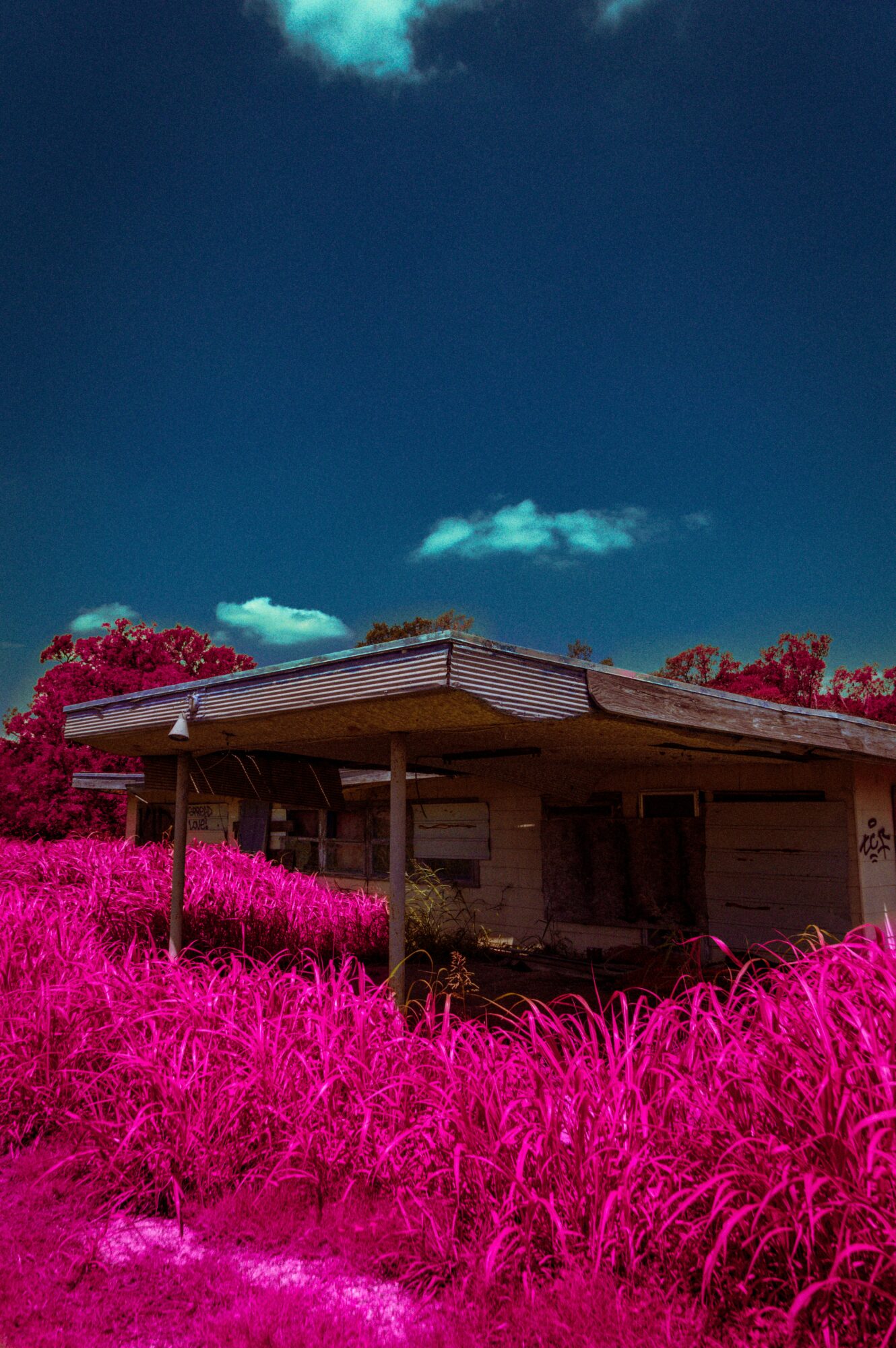
Image Credits
Model Credits (In Order):Melissa Cowling; Ainsleigh Mitchell, Bella Harvey, Mackenzie Brattain