






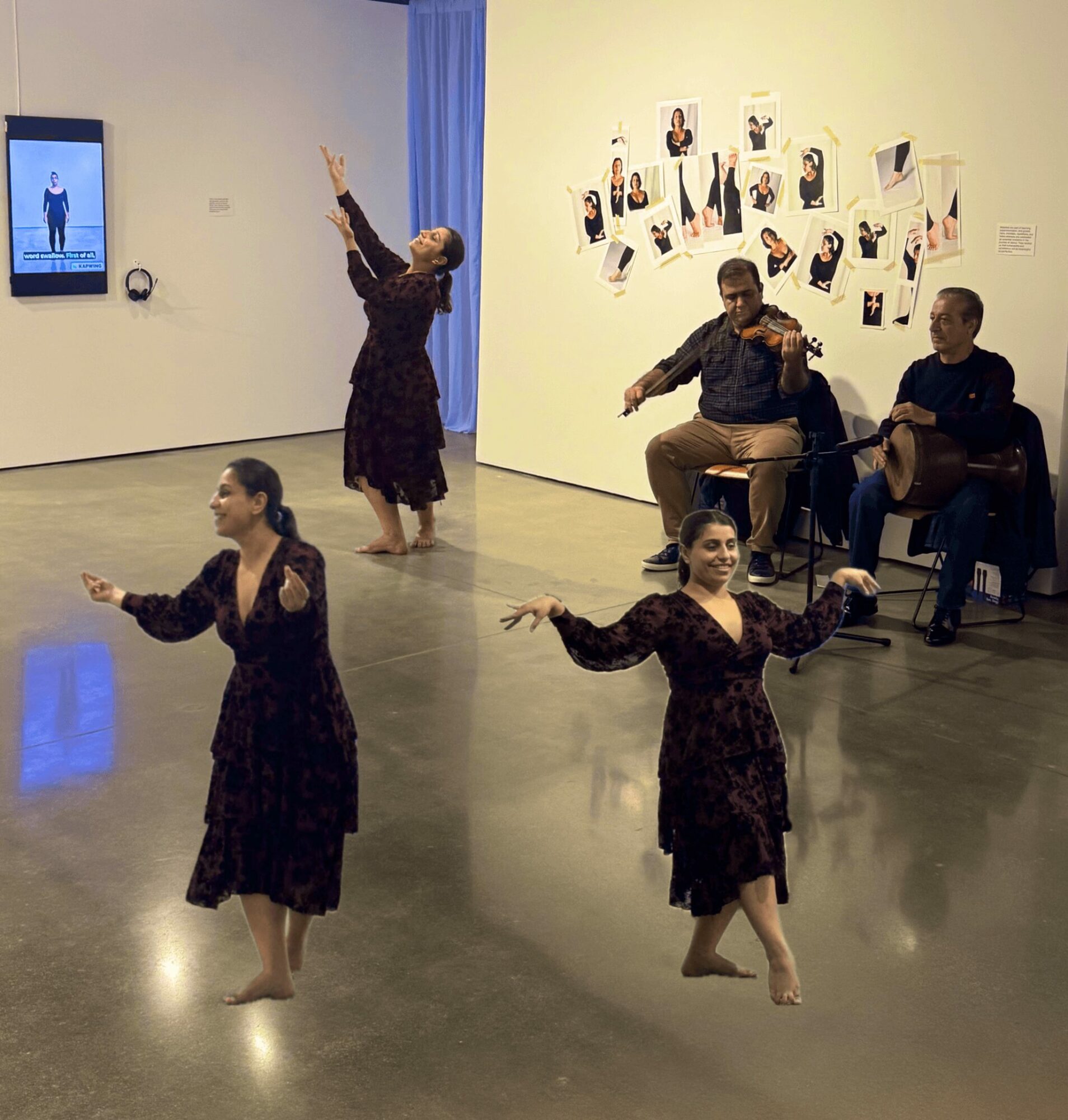
Today we’d like to introduce you to Shahrzad Hamzeh.
Hi Shahrzad, so excited to have you with us today. What can you tell us about your story?
I started with movement as something personal, a way to process emotion, stay grounded, and feel connected to myself. Over time, I began to understand that the way I move is also cultural and political, that bodies carry histories, memories, and constraints shaped by context, power, and tradition.
That realization shifted my path from dancing privately to working publicly, using movement, performance, and writing as tools for reflection, care, and dialogue. I became interested not just in dance as an art form, but what it does, how it holds memory, how it can resist erasure, and how it creates connection.
Today, my work sits at the intersection of art, education, and embodies practice. I create performances and installations, teach, and facilitate participatory spaces that invite people back into relationships with their bodies, their stories, and each other.
I’m sure it wasn’t obstacle-free, but would you say the journey has been fairly smooth so far?
No it hasn’t been smooth one of the most complex parts has been that work that I do and doesn’t sit comfortably in any one system it’s not only are to not only education not only cultural work and that means I’m often asked to explain myself justify my choices or translate my work into language that doesn’t quite fit it another challenge has been caring responsibility alongside creativity working with embodied memory women’s stories and cultural histories that have been suppressed or interrupted isn’t neutral it comes with ethical weight I’ve had to learn how to move slowly how to be accountable and how to protect both the people I work with and myself is all so been an internal struggle of permitting myself to take this work seriously to claim it as real necessary and worthy of space even when it didn’t look like a conventional career path so no it hasn’t been smooth but the friction is part of what shape the work into something more careful more grounded and more honest
Can you tell our readers more about what you do and what you think sets you apart from others?
My work sits at the intersection of embodied practice cultural memory and social care I work with movement performance riding and participatory formats to explore how bodies carry history identify trauma and resistance particularly in relation to women’s lives and marginalized cultural narratives I specialize in creating spaces where people don’t just observe art but engage with it through movement reflection dialogue and shared experience this shows up in my performances installations workshops and teaching all of which are designed to be relational rather than purely representational what are most proud of is the way the work creates conditions for people to feel seen safe and authorized in their own embodied knowledge whether that’s through reconnecting with cultural gestures processing difficult histories or simply discovering their body has something to say what sets me apart is that I don’t treat embodiment as a metaphor or an aesthetic I treated as a lived ethical and social reality I work slowly carefully and in relationship with communities and I see the work that is producing objects but as cultivating processes of attention care and remembering
So, before we go, how can our readers or others connect or collaborate with you? How can they support you?
I love working and collaboration with artists educators cultural workers community organizers and anyone interested in embodied practice the storytelling and Care people can work with me through performances exhibitions workshops and residencies teaching or Co created projects and I’m always open to conversations that begin with curiosity rather than a fixed outcome
The easiest way to connect is to reach out for follow along on social media or I share current projects and reflections that often become the starting point for collaboration than dialogue I’m especially interested in working with people on a spaces that value slowness thoughtfulness and relational ways of working supporting the work can be as simple as showing up sharing it with others or engaging with it these projects grow through attention participation and community more than anything else
Contact Info:
- Instagram: https://www.instagram.com/shahrzad_hamzeh/
- Facebook: https://www.facebook.com/faateme.hamze
- LinkedIn: https://www.linkedin.com/in/shahrzad-hamzeh-4b48a3218/
- Youtube: https://www.youtube.com/@shahrzadhamzeh
- Pinterest: https://www.pinterest.com/shahrzadhamzeh/
- Other: https://maps.app.goo.gl/c4GPnrmiFyb4fnRb6
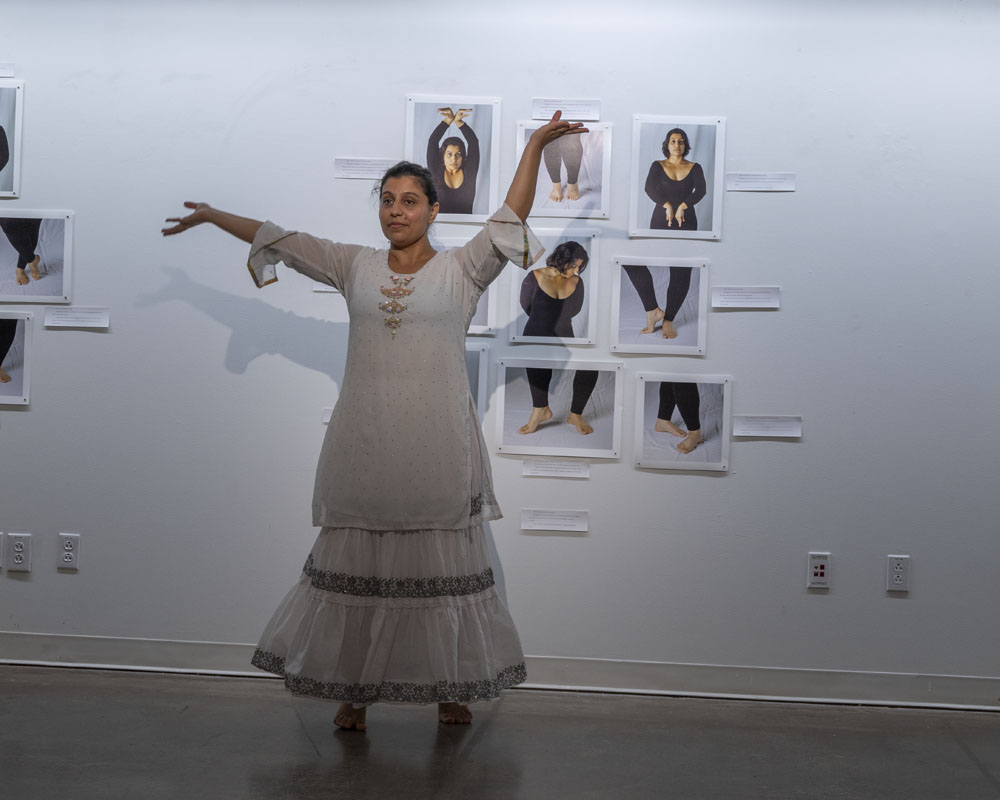
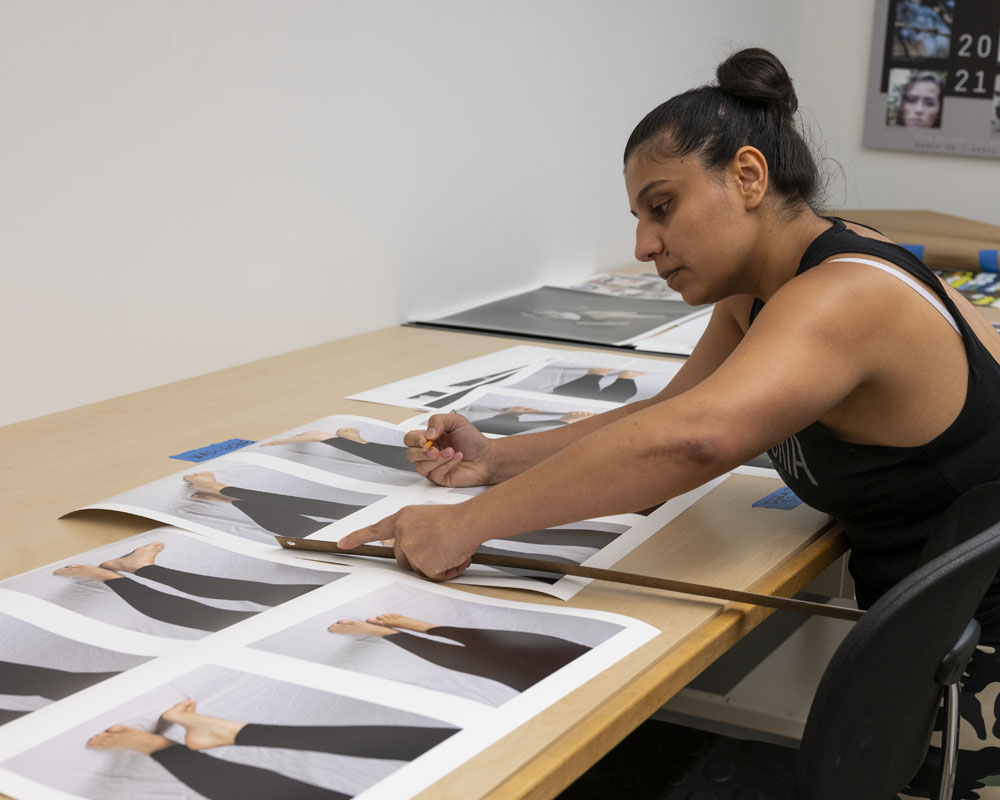
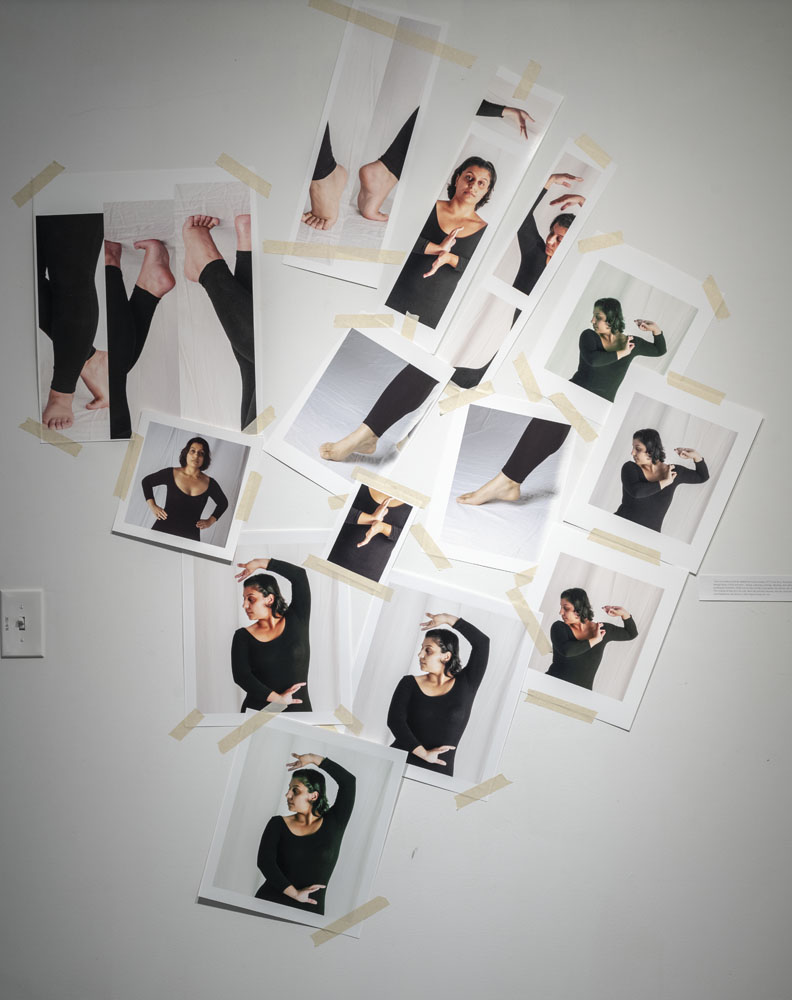
Image Credits
Laurence Wensel took the personal photo
and the other three were taken by Professor Marilyn Waligore