





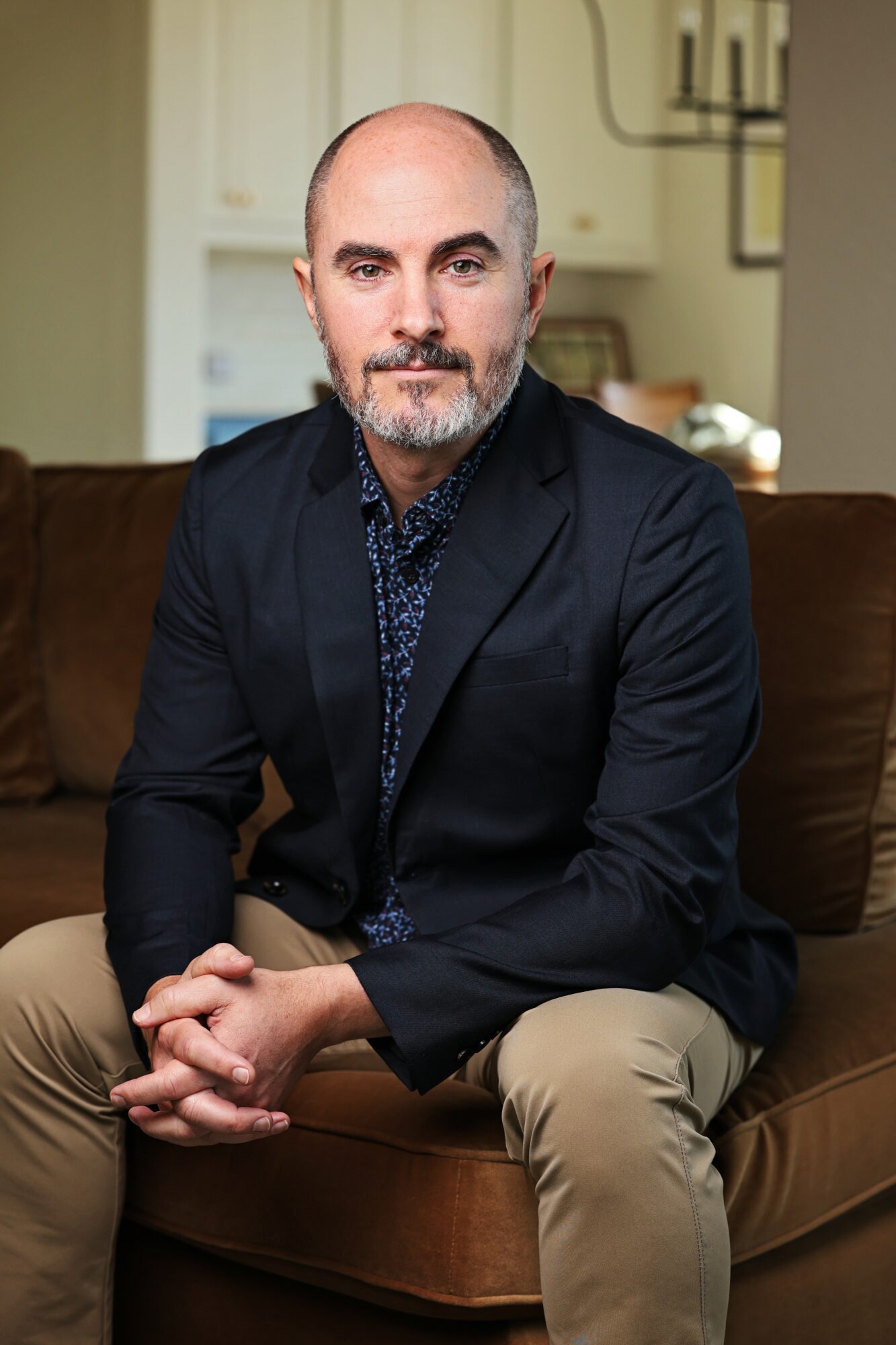
Today we’d like to introduce you to Bradford White.
Hi Bradford, so excited to have you with us today. What can you tell us about your story?
My path to becoming a psychologist was indirect and laced with rejection. Yet, that winding route shaped both how I work and why I do what I do.
Initially, I had no clue what to do with my life. I was drawn to service and discipline, and seriously considered a military or federal path. I studied petroleum engineering and applied mathematics at Texas A&M and did well on paper. Then I took two electives from a Jungian Analyst: psychology of religion and psychology of the self. They quietly changed everything. They opened questions about meaning, identity, and how people make sense of their lives. Those questions stayed with me.
After graduating, I pivoted hard. With a math degree, doors into psychology weren’t exactly flying open. Fortunately my brother, Jeff, shared an opportunity at the Dallas/Ft. Worth Center for Autism, an inclusive preschool serving children with and without diagnoses. That experience proved formative. It grounded me in practical, relational work and showed me what it looks like when theory actually helps families in real time. It’s also where I met my wife, Rachael, who is now a behavior analyst and runs her own practice.
From there, my path into psychology included plenty of detours, rejections, and moments of not quite fitting the mold. Those experiences proved essential and led me to Michael Leach and Richland Oaks Counseling Center in Richardson, a clinical home where my thinking, values, and identity as a psychologist took shape, along with a lasting respect for nonlinear lives and quiet persistence.
Today, I run a private psychology practice in Prosper, primarily working with adults navigating complex trauma, family dynamics, relationship challenges, and the existential questions that often emerge: Is this all there is? What actually matters? How do I live differently? We look honestly at the past, notice how it shapes the present, and work toward a more intentional future.
Getting to this point was not about climbing a ladder. It was about alignment. Slowly building a practice that reflects how I think about people, relationships, and meaningful change. I feel fortunate to do work that is relational, purposeful, and rooted in the community I call home.
Would you say it’s been a smooth road, and if not what are some of the biggest challenges you’ve faced along the way?
No, it wasn’t smooth. The challenge wasn’t the detours themselves, but the extended uncertainty that came with them. There were long stretches where effort didn’t translate into reassurance, and where I had to keep going without clear signs that I was on the right path.
One of the harder parts was feeling out of step with traditional timelines and expectations, which quietly eroded my confidence. Watching peers move forward while I kept recalibrating forced me to ask uncomfortable questions.
What ultimately sustained me were two things: the new community I was forming, and my growing sense that the work itself mattered, even when the path toward it felt slow and ambiguous. Learning to tolerate that ambiguity, without rushing into something that didn’t align, shaped both my temperament and my values as a clinician.
In hindsight, those years taught me how to sit with uncertainty in a grounded way. That capacity shows up in my work now. When someone feels behind, lost, or unsure of their next step, I don’t try to rush them toward resolution. I understand that some meaningful paths take time to reveal themselves, and that the struggle itself often becomes the teacher.
We’ve been impressed with Bradford White, PhD, PLLC, but for folks who might not be as familiar, what can you share with them about what you do and what sets you apart from others?
My practice focuses on complex and relational trauma, particularly for people who feel emotionally “too much” in some areas and quietly “not enough” in others. These are often high-functioning adults and professionals who are outwardly capable but internally exhausted, conflicted, or unsettled—people who aren’t in crisis, but know something needs to shift. I offer in-person therapy in downtown Prosper as well as telehealth across Texas, and I place a strong emphasis on creating a space where honest, non-judgmental conversations can happen.
My work is rooted in depth psychology, which means we pay attention to the hidden patterns, family-of-origin dynamics, and unconscious narratives that shape how people think, relate, and respond under stress. Many of the people I work with are grappling with long-standing people-pleasing, over-functioning, difficult family relationships, or the existential sense that something in their life needs to change, even if they can’t yet name what that is.
What sets my practice apart is the way I integrate emotional depth with practical structure. Alongside my training in psychodynamic and Jungian traditions, my background in applied mathematics gives me a strong appreciation for patterns, systems, and underlying structure. I’m not just interested in how someone feels, but in why those feelings keep showing up in the same ways. That blend allows the work to be both reflective and grounded, focused on insight that leads to real change. I also remain committed to accessibility by dedicating a portion of my practice to pro-bono and reduced-rate services for fellow Texans.
From a brand perspective, I’m most proud of building a practice that is intellectually serious without being inaccessible. I’ve made it a priority to demystify therapy through psychoeducational writing and my YouTube channel, where I use everything from neuroscience to pop culture to make complex ideas more understandable. I want my practice to feel like a clinical home, a place where curiosity is valued more than quick fixes.
What I hope readers take away is that therapy isn’t only for moments of crisis. It’s also for people who are functioning well, but know they want to live and relate differently. In addition to individual psychotherapy, my work includes consultation and supervision for clinicians, as well as free educational resources designed to help people better understand the “why” behind their patterns.
Can you tell us more about what you were like growing up?
Growing up, I was a sensitive introvert. I still am. My interests were always outside the mainstream; instead of wanting to be an astronaut or a police officer, I wanted to be a dinosaur, a mad scientist, or someone who befriended monsters. I was drawn to the hidden worlds found in books about dragons and magic, and stories that explored what existed just beneath the surface of ordinary life.
Because I lived so much in that internal world, the social world could be a challenge. Large groups made me uncomfortable, and I often missed social cues. I remember being a romantic even then, but a naive one; I was genuinely surprised when a teenage relationship ended because I didn’t know I was expected to call over the summer. I showed up for the first day of seventh grade assuming everything was fine, only to find out I was wrong. I learned about heartbreak from both sides in those years, and I’m blessed that a handful of those special people are still in my life today.
I also spent years on the tennis court in doubles matches alongside my brother. It was a family affair, with my grandmother always involved, and it taught us early lessons in partnership. We had to focus on the things we could control, staying positive and supporting each other. That side of me has since evolved into a love for the pickleball court. It helps to ground me in friendly competition, my community, and to balance the mental depth of my work with physical energy.
Looking back, all of these threads (the imagination, the rhythm of a doubles match, and the lessons of early heartbreak) were about seeking meaning and understanding what lies beneath appearances. They are the same themes that shape my depth-oriented work today, helping others navigate their own complex histories toward a more intentional future.
Contact Info:
- Website: https://bradfordwhitephd.com
- Instagram: https://www.instagram.com/phd_bradford/
- Facebook: https://www.facebook.com/p/Bradford-White-PhD-PLLC-61572937694319/
- Twitter: https://x.com/phd_bradford
- Youtube: https://www.youtube.com/@BradfordWhitePhd
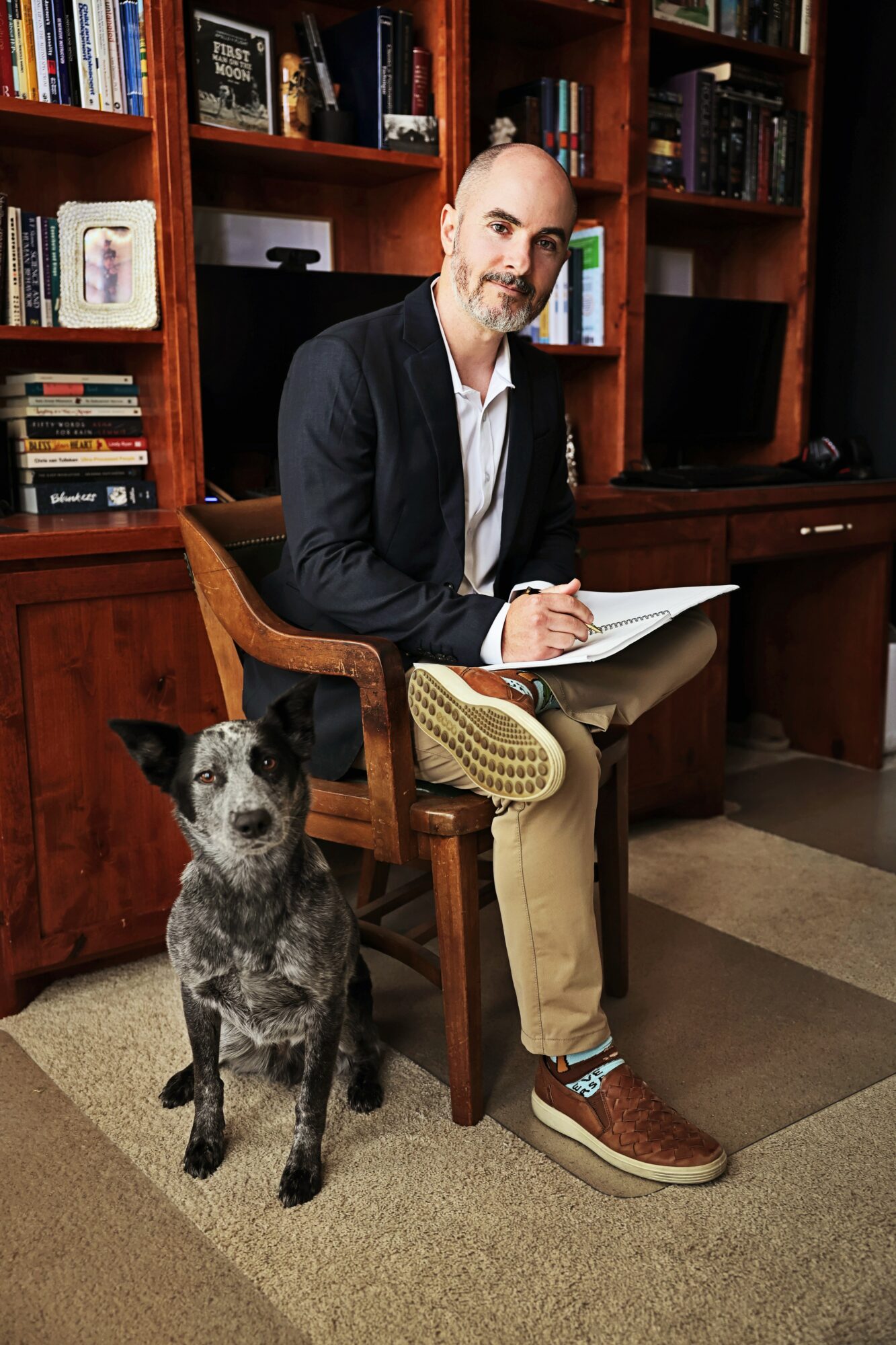
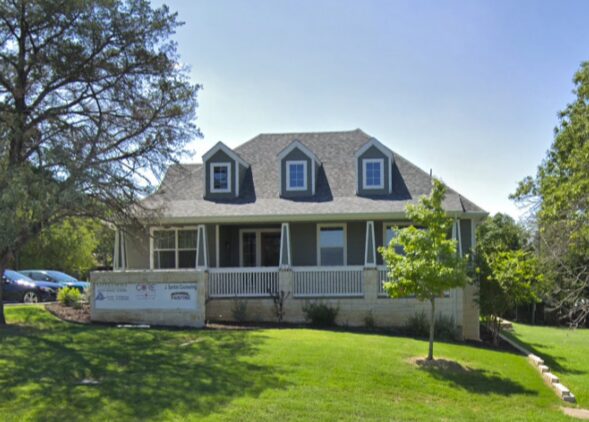
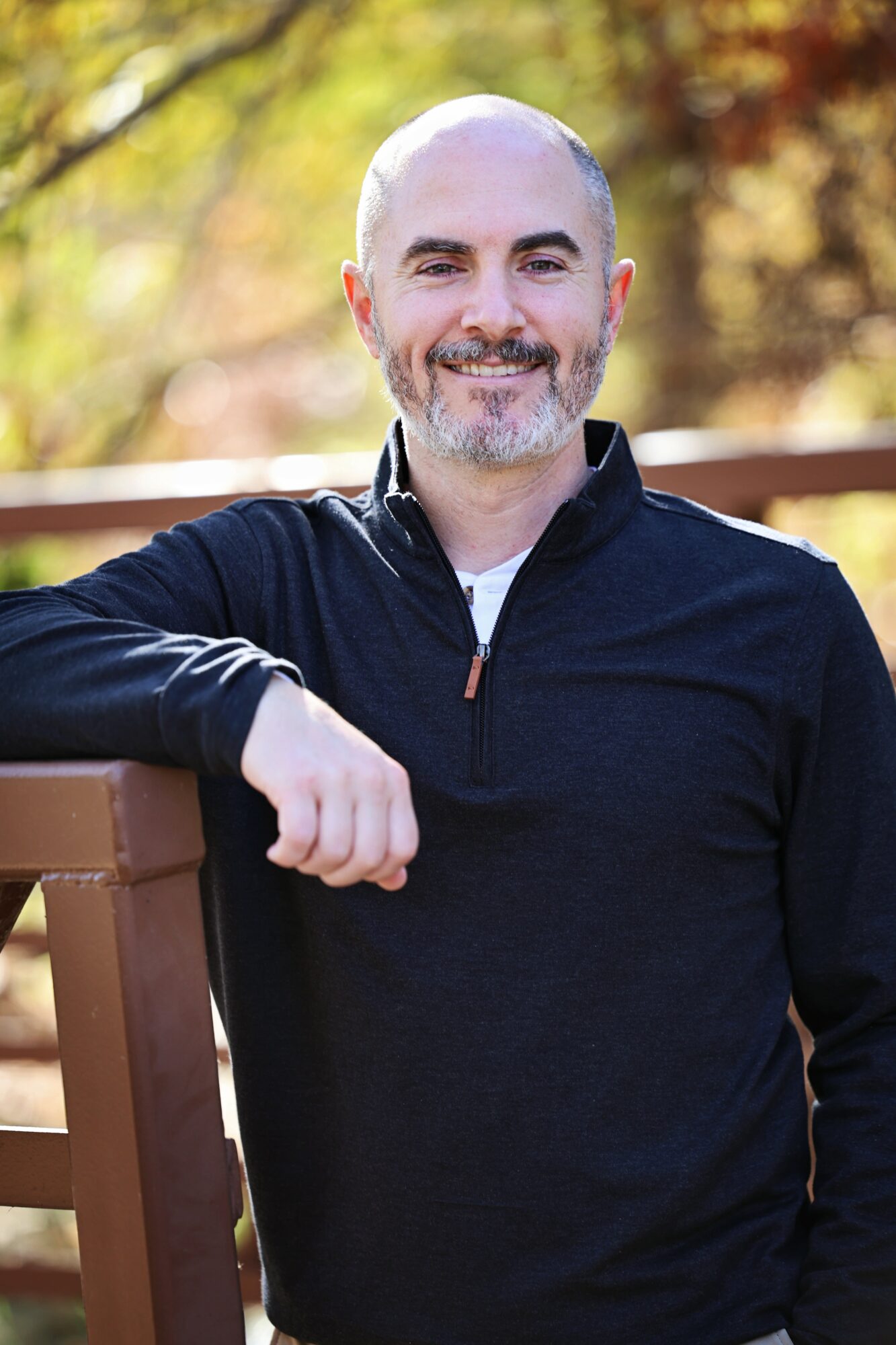
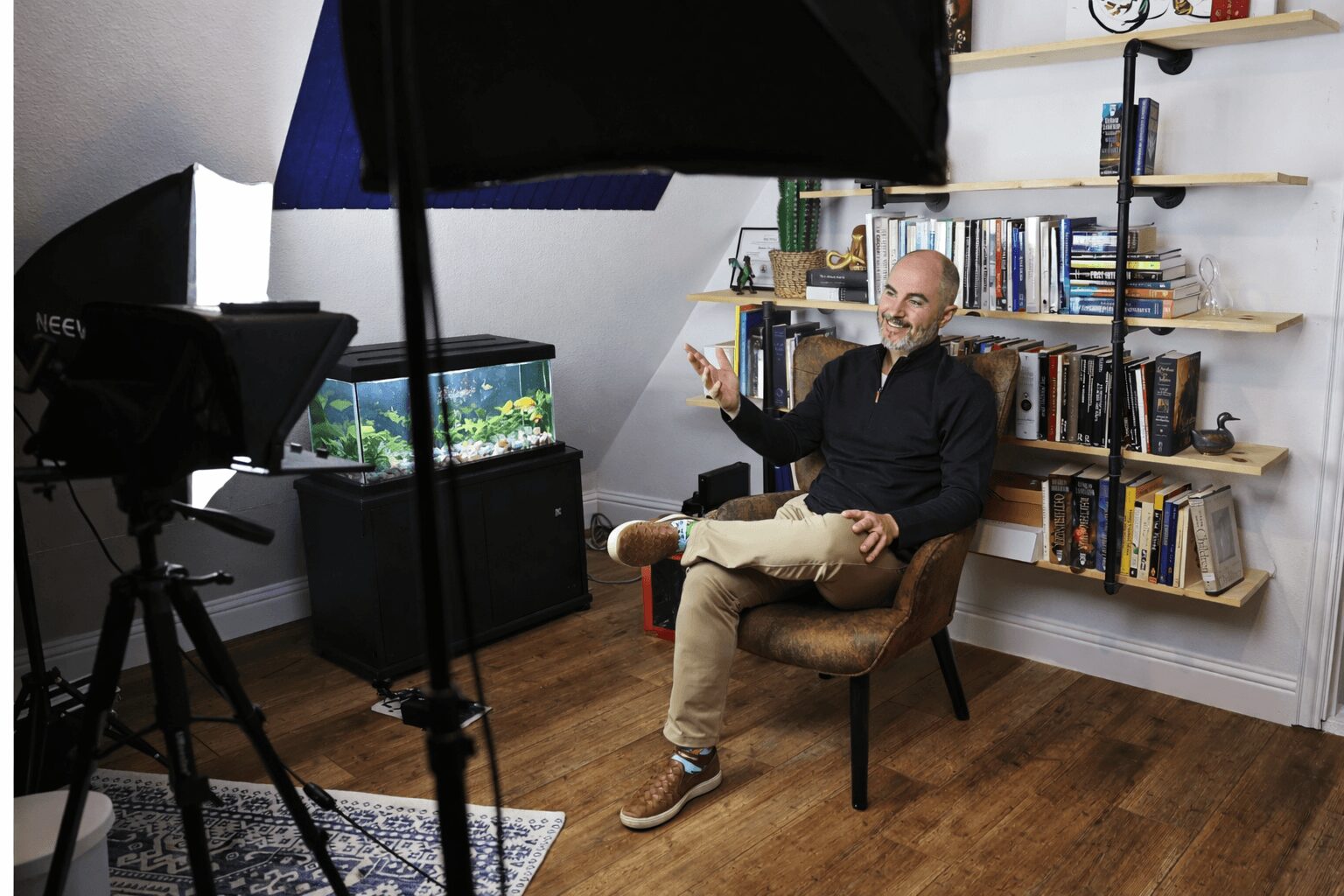
Image Credits
Photos by Miss Lanay Photography
Popular
-

Seth Whalen on Bringing PTL’s Luxury Event Standard to a Rapidly Growing Dallas Market
-

Kathy Rollwage on Expanding Creative Event Services While Keeping a Personal Touch
-

Deborah Fessenden on Turning Foraged Beauty into Purpose-Driven Jewelry and Advocacy
-

Andrew Finch on Building Elite Athletes Through Fundamentals, Mindset, and Global Experience