






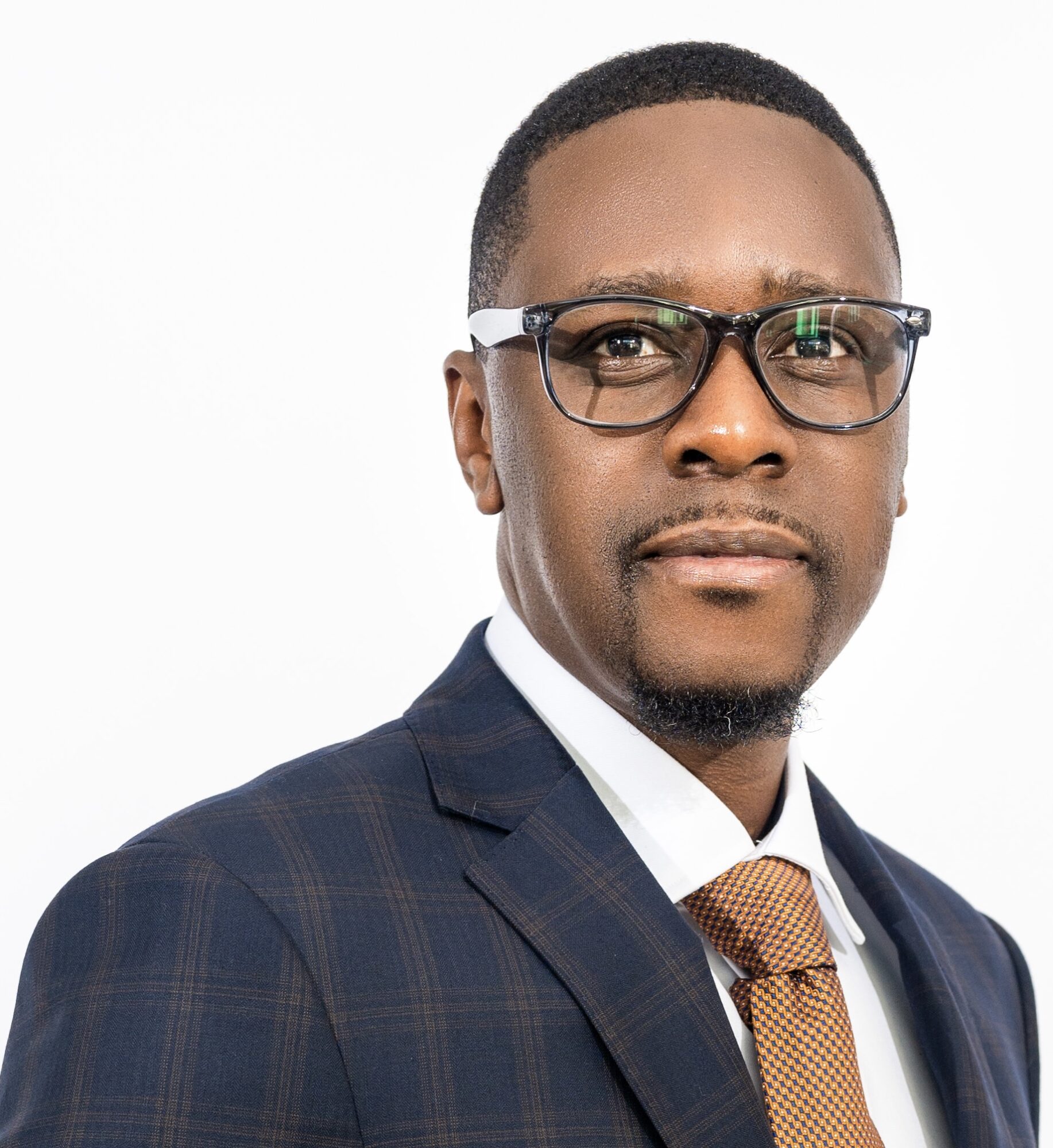
Today we’d like to introduce you to Cleopas Simbi.
Hi Cleopas, we’re thrilled to have a chance to learn your story today. So, before we get into specifics, maybe you can briefly walk us through how you got to where you are today?
I was ordained into ministry in March 2019, but fear caused me to delay stepping fully into the calling for nearly two years. During that period, from March 2019 to March 2021, I often woke up in the middle of the night to pray, asking the Lord for strength and clarity. In those quiet hours, as I burned the midnight oil, the Lord consistently led me to the same passage of Scripture—Isaiah 61—over and over again.
As I sought understanding, the Lord made it clear that He was calling me into a ministry focused on healing the brokenhearted. That revelation became the turning point. In March 2021, during the height of COVID, we launched the ministry online. We served faithfully online for about a year before transitioning into a physical building in Richardson.
Looking back, it is evident that God had been preparing me for ministry long before I recognized it. Prophetic words had been spoken over my life by different people across the years, all pointing in the same direction. The first came from my biological father, followed by others who confirmed the same calling. In 2018, a visiting man of God from South Africa prayed over my wife and me and declared that he saw us starting a church in the near future—a word I dismissed at the time.
Then, in March 2019, our Archbishop, Dr. Asa Gurupira, came to our home late one night. Without explanation, he instructed my wife and me to kneel and proceeded to anoint and ordain us into ministry. In that moment, what had been spoken over the years became undeniable. What once felt distant and unlikely had become the very path God was leading us to walk.
I am happily married to my wife, Velma, and together we are blessed with five children. Our oldest is 19 years old and currently in college, while our youngest is 2 years old. God has blessed us with four beautiful daughters and one marvelous son, and our family remains a constant source of joy, grounding, and inspiration in both life and ministry.
Alright, so let’s dig a little deeper into the story – has it been an easy path overall and if not, what were the challenges you’ve had to overcome?
No, it has not been a smooth road. While the calling itself was clear, the process of walking it out has involved significant challenges that tested both faith and obedience.
One of the earliest struggles was fear and self-doubt. After being ordained, I wrestled with feelings of inadequacy and the weight of responsibility that comes with ministry. Knowing God had called me did not immediately produce confidence. Instead, it required a prolonged season of prayer, surrender, and private strengthening before I was ready to step forward publicly.
Starting the ministry during COVID presented additional obstacles. Building trust, discipling people, and fostering genuine community in a purely online environment was demanding. As we transitioned from online ministry into a physical building, we encountered financial challenges common to new ministries—limited resources, personal sacrifice, and the ongoing pressure of meeting operational needs without established support systems. There were seasons where faith had to precede provision, and obedience came before financial stability.
Another significant challenge was breaking into and being accepted by cultures beyond our own. As a ministry with African roots, navigating cross-cultural dynamics required humility, intentionality, and patience. Earning trust across cultural lines meant learning to listen deeply, communicate clearly, and lead in a way that honored diversity without compromising the Gospel. That process was not instant; it required consistency, authenticity, and a genuine heart for people from all backgrounds.
There were also moments of misunderstanding and resistance—times when the vision was questioned, or the timing seemed misunderstood. Those seasons taught me to remain anchored in God’s voice rather than seeking affirmation from people.
Perhaps the most ongoing challenge has been learning to balance ministry demands with family life and personal spiritual health. I learned that longevity in ministry is not sustained by effort alone, but by intimacy with God and obedience to His pace.
Through every struggle, the Lord has used each season to refine my character, deepen my dependence on Him, and continually realign me with the original calling—to heal the brokenhearted and serve His people faithfully. What once felt like obstacles became tools of preparation, shaping both the ministry and the minister.
Appreciate you sharing that. What else should we know about what you do?
In addition to leading and pastoring FIG HOME Church (House of Miracles and Excellence), I am a seasoned finance and data professional. I began my career in accounting and finance, earning a degree in Accounting and working in the field for over 15 years. That foundation shaped my analytical thinking, discipline, and approach to stewardship—skills that continue to serve me well today.
Over time, I transitioned into data management and governance, where I focus on building structured, ethical, and sustainable data practices. I currently serve as a Senior Data Management and Governance professional for a nonprofit organization, supporting mission-driven work through strong data strategy, quality, and accountability.
To further strengthen my technical expertise, I earned an Associate’s degree in Cybersecurity and am currently pursuing a Bachelor’s degree in Cybersecurity and Information Assurance. This ongoing education reflects my commitment to continuous learning and to operating at the intersection of governance, security, and integrity—both in ministry and in the professional sphere.
Together, these experiences allow me to lead with both faith and discipline, combining spiritual discernment with operational excellence.
Can you talk to us about how you think about risk?
I view risk through the lens of stewardship rather than impulse. For me, risk is not about being reckless or fearless; it is about discerning when obedience to God requires stepping beyond what feels safe or predictable, while still acting with wisdom, preparation, and accountability.
One of the most significant risks I have taken was stepping into ministry despite uncertainty—financially, culturally, and personally. Launching a ministry during COVID, without guaranteed resources, established support, or a clear roadmap, required trusting God beyond logic. Leaving the comfort of preparation and moving into active obedience meant accepting instability, personal sacrifice, and the possibility of failure. That season redefined my understanding of faith-based risk: obedience often comes before clarity or provision.
Another major risk was transitioning professionally from a stable, long-standing career in accounting and finance into data governance and cybersecurity—fields that required retooling, additional education, and starting over in some respects. That shift involved investing time, finances, and energy into learning new disciplines while maintaining professional credibility. It was a calculated risk, grounded in long-term vision rather than short-term comfort.
Culturally, leading a ministry that reaches beyond its original community has also required risk. Crossing cultural lines invites misunderstanding and resistance, yet I believe the Gospel demands it. Choosing to build a multicultural church meant being willing to adapt, listen, and grow, even when acceptance was not immediate.
hile I do not see myself as a risk-seeker, I do see myself as a risk-taker. Scripture teaches that we walk by faith and not by sight, and over the years, God has developed in me a radical faith—one that compels me to take steps that extend beyond my natural understanding or comfort. These are risks that are often greater than my own comprehension, but they are anchored in trust rather than impulse.
I believe that the steps of a righteous person are ordered by the Lord, and I have learned to allow Him to order my steps and direct my paths. That process is not easy, because it requires relinquishing control, surrendering certainty, and truly letting God lead. Yet it is in that surrender that clarity, provision, and purpose are revealed. When conviction is clear and God’s direction is evident, I am willing to move forward—even when the outcome remains unseen.
In both ministry and professional life, I have learned that growth, impact, and calling often sit on the other side of well-considered risk.
Contact Info:
- Website: https://www.fighome.org
- Facebook: https://facebook.com/FIGDallas
- LinkedIn: https://linkedin.com/in/cleopas-s
- Youtube: https://www.youtube.com/@fighome
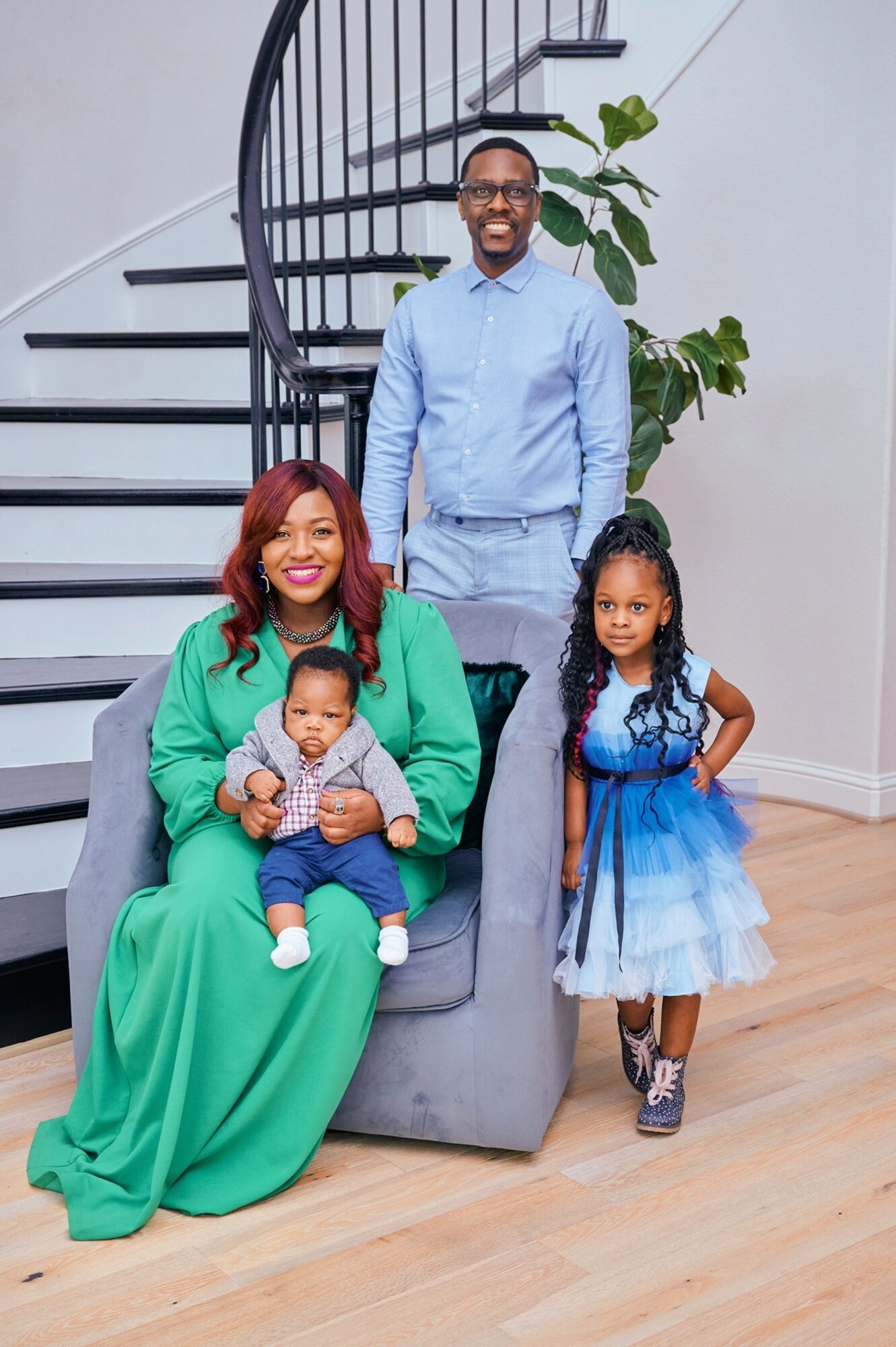

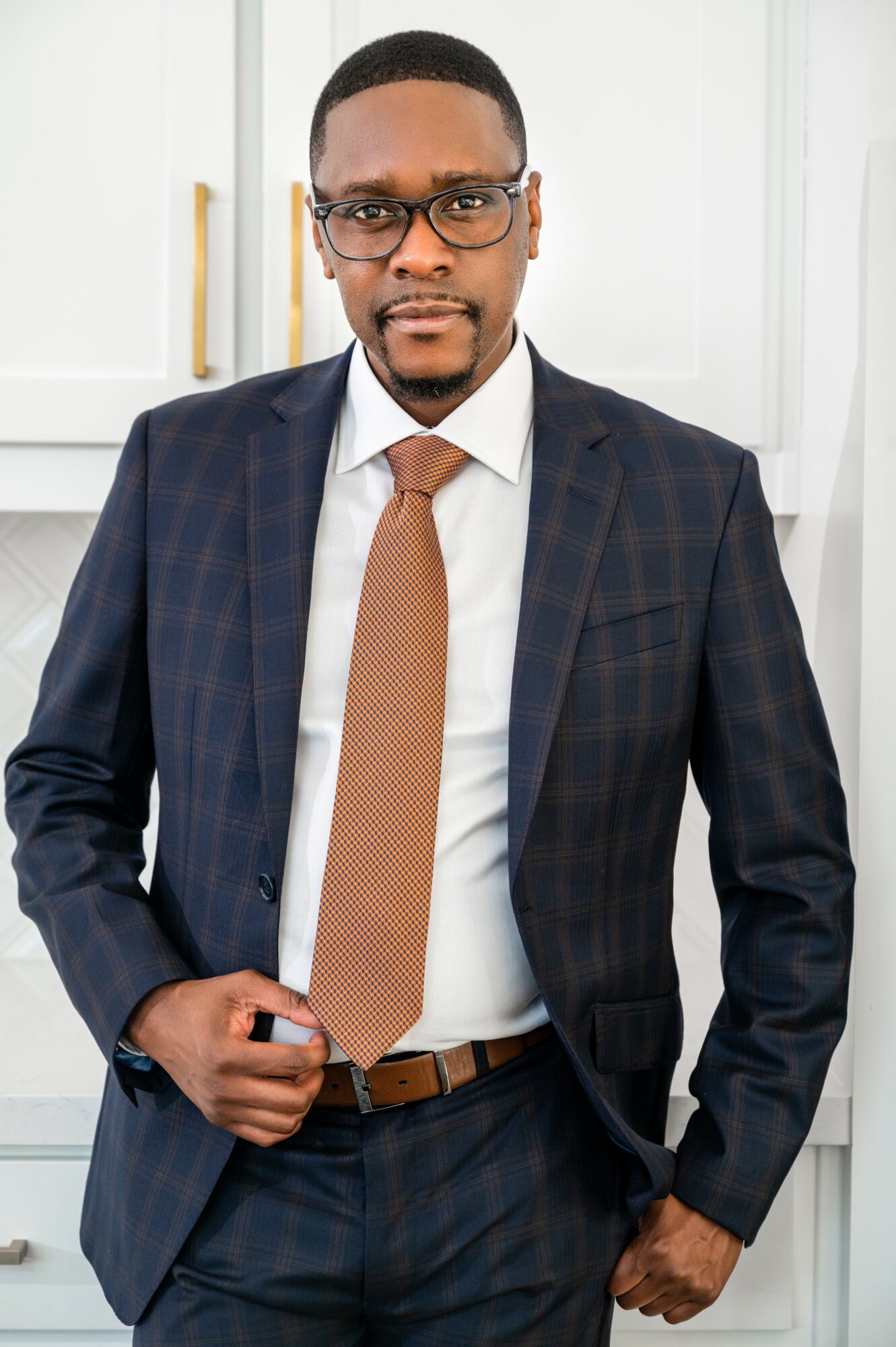
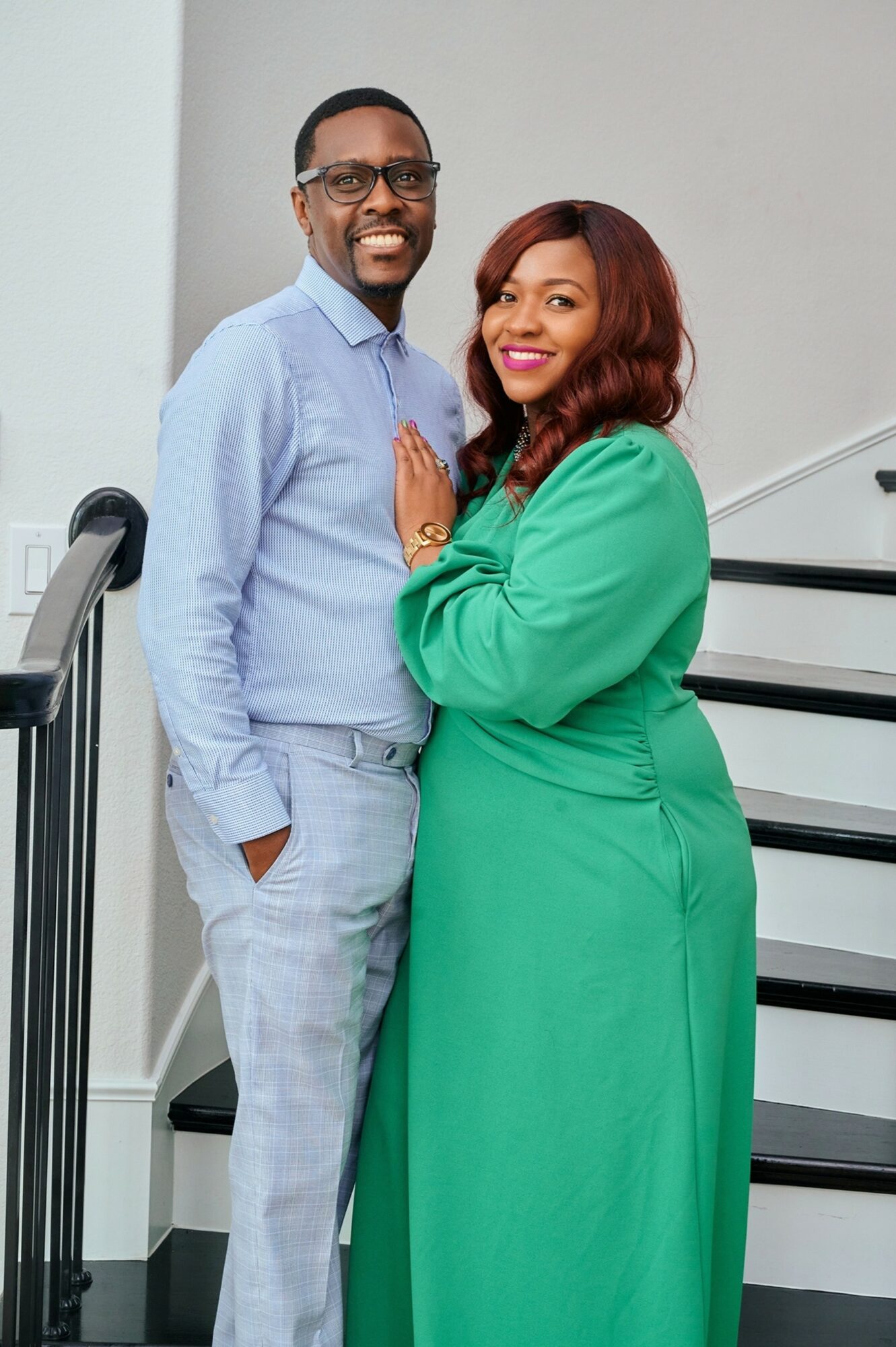
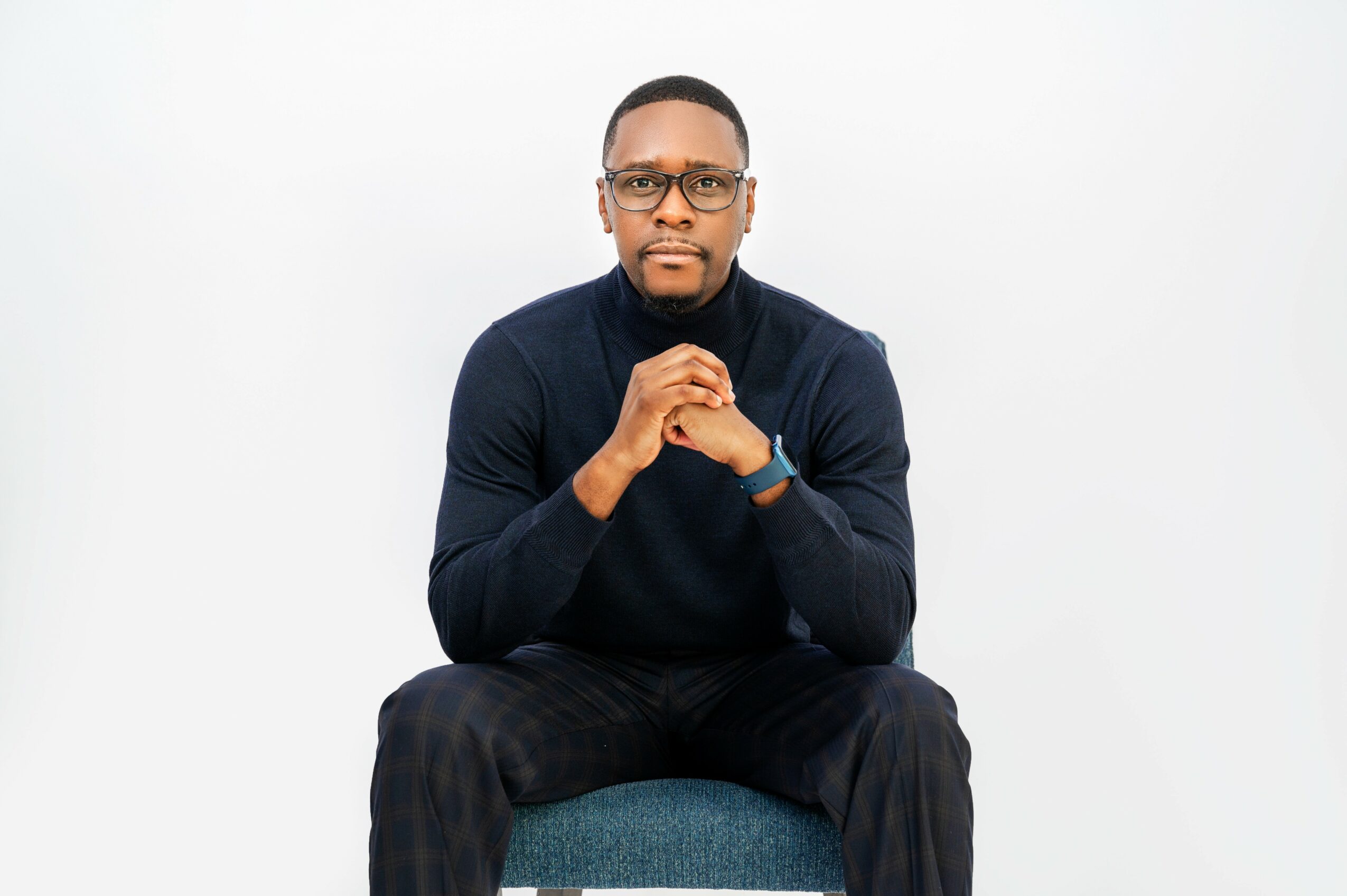
Image Credits
Photos by Rollins Mubaiwa