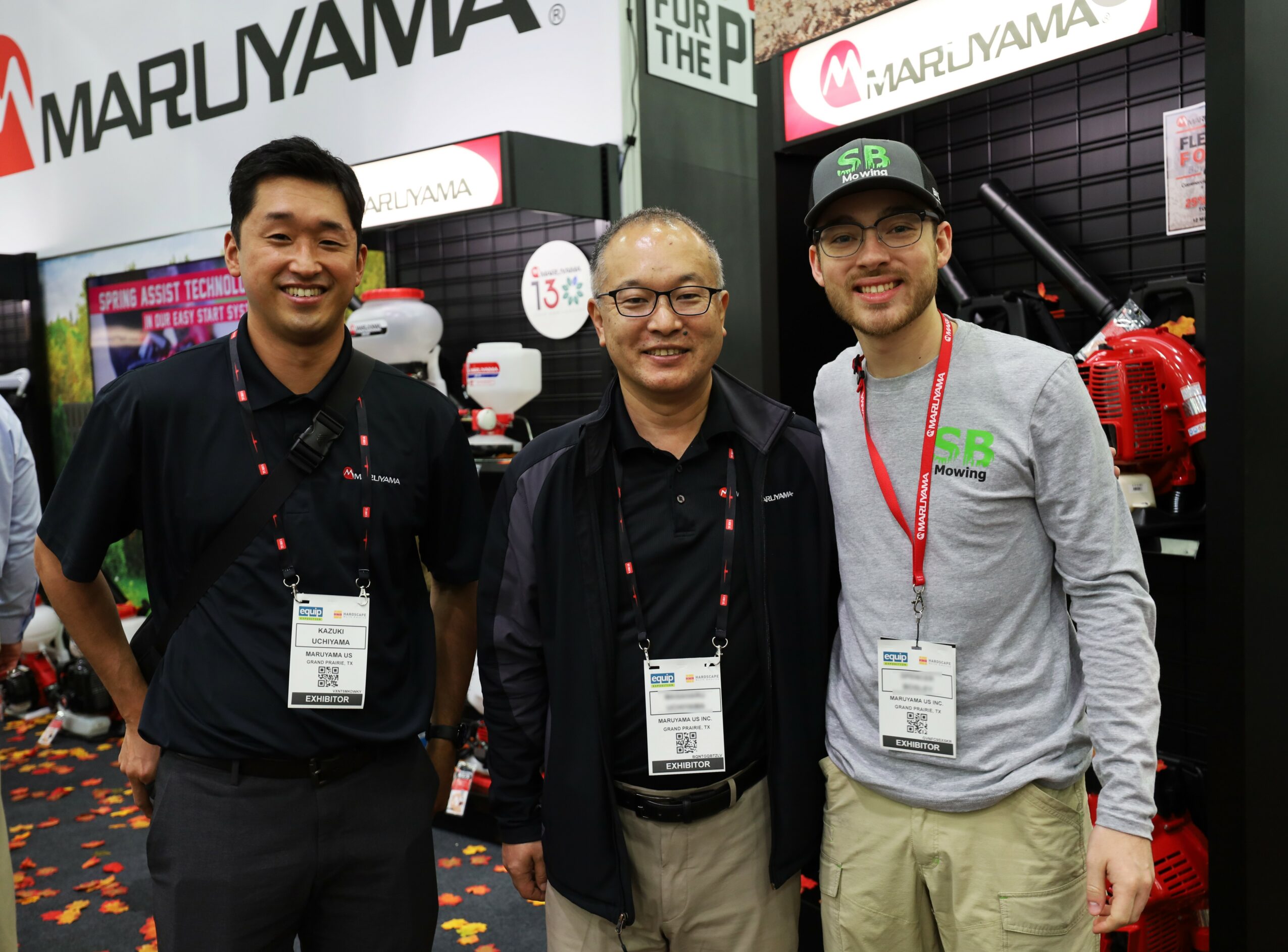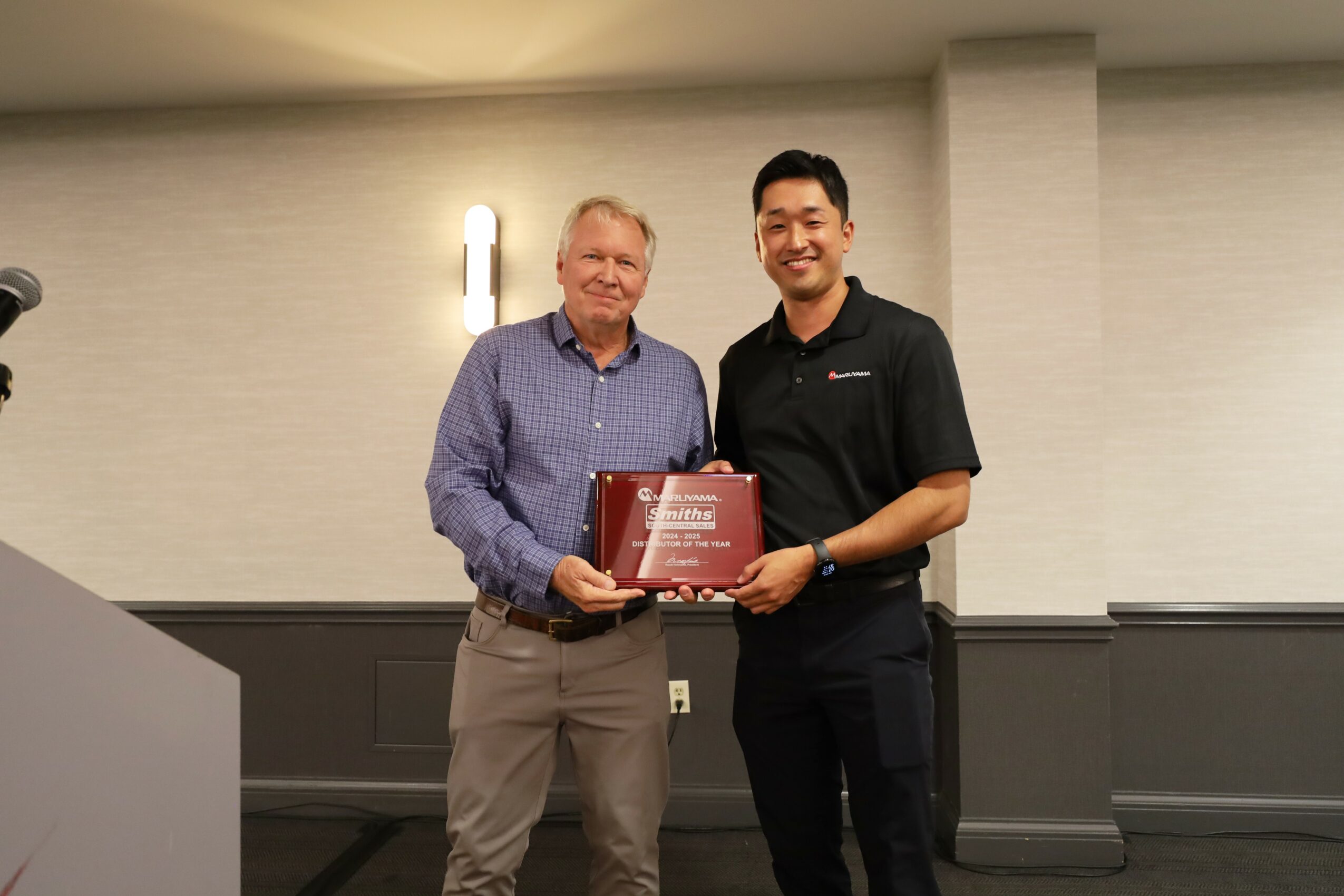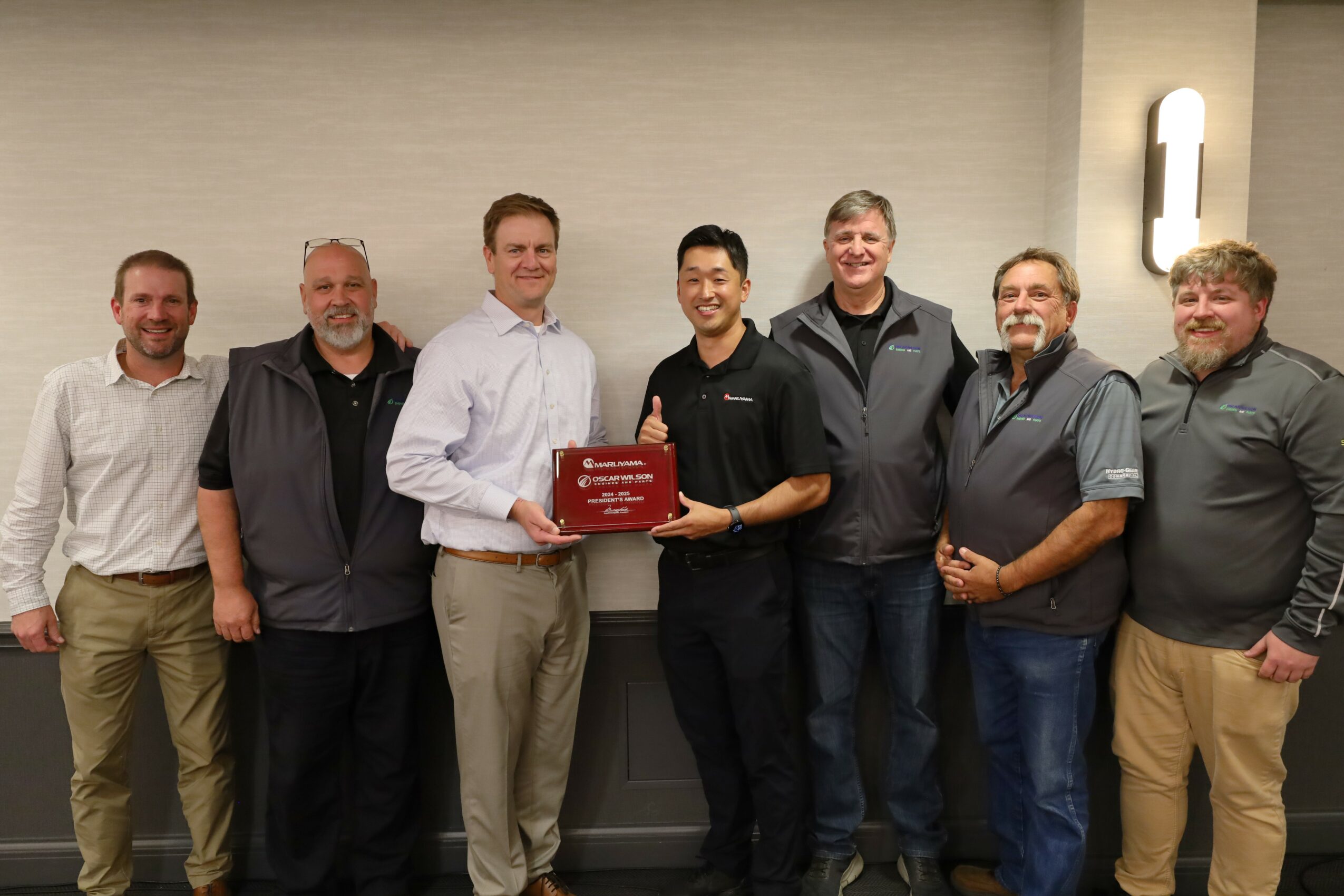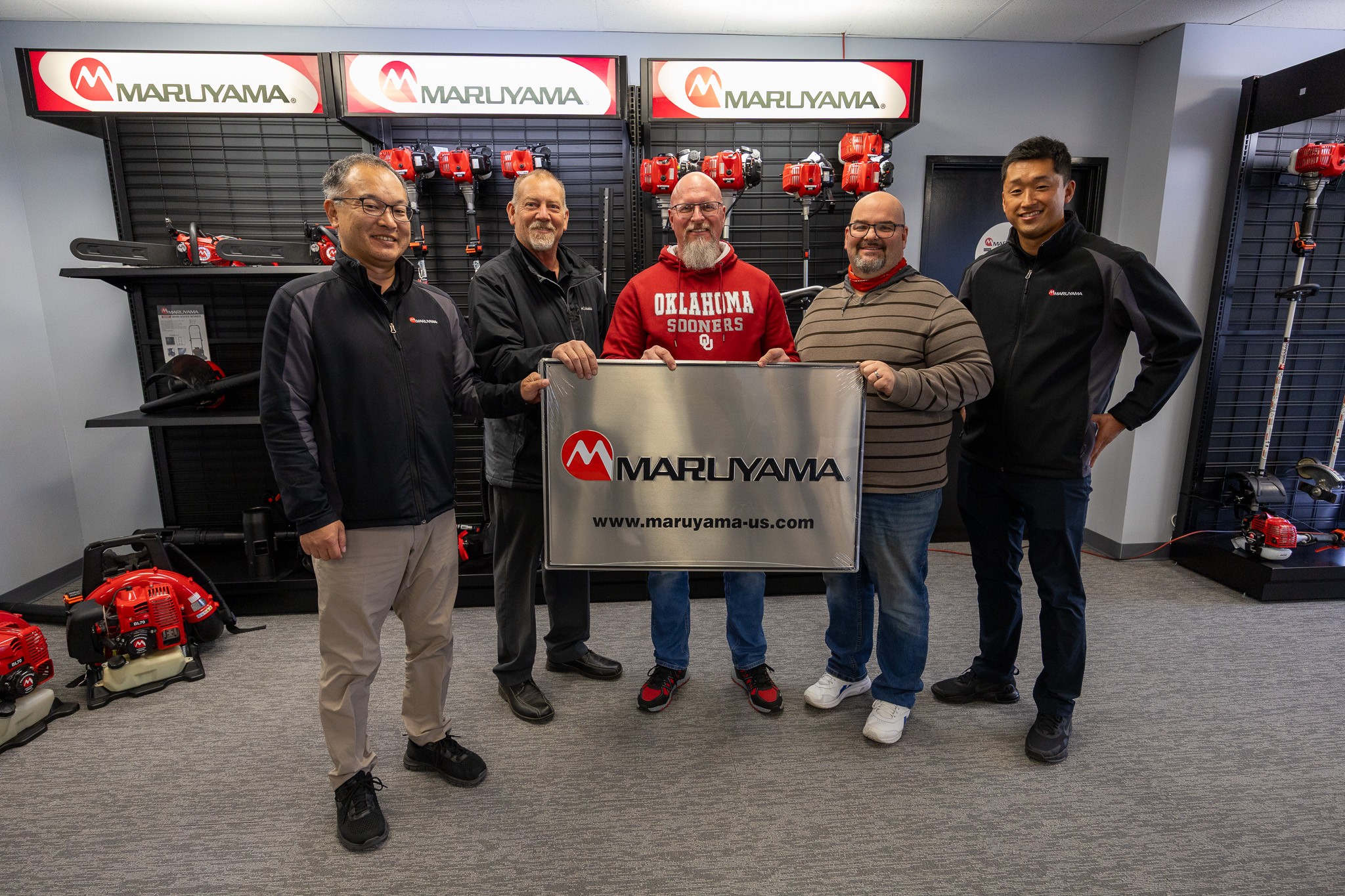






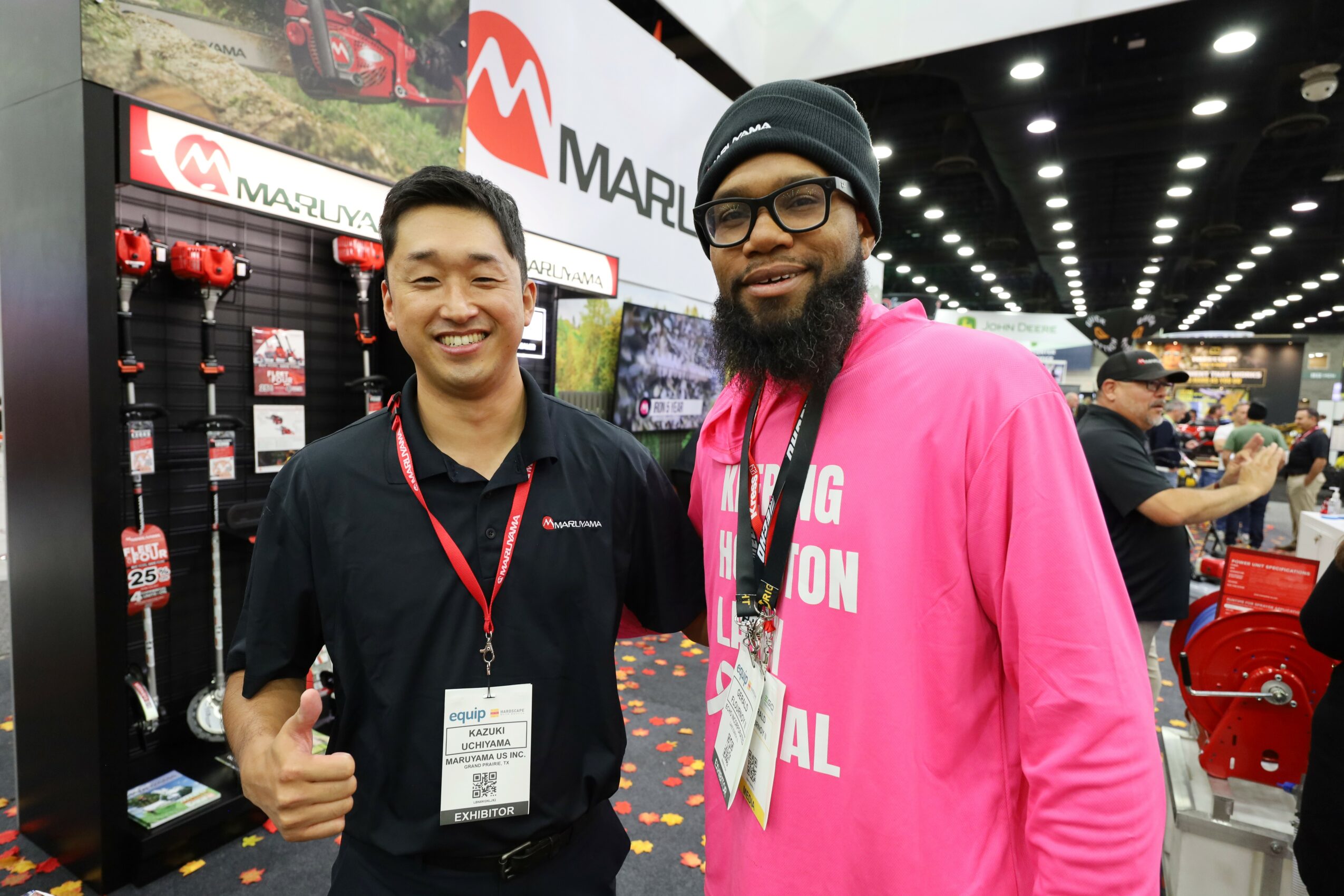
Today we’d like to introduce you to Kazuki Uchiyama.
Hi Kazuki, can you start by introducing yourself? We’d love to learn more about how you got to where you are today?
I was born in Ibaraki Prefecture, Japan. It is located next to Tokyo and is the second-largest agricultural prefecture in Japan, after Hokkaido, in terms of production value.
My family has been involved in farming for four generations. I grew up in an environment where fresh vegetables and fruits were always on the table, and agricultural machinery was a familiar part of daily life. Because of this, the toys I wanted most as a child were toy farm machines. I remember playing outside with them all day long once I got them.
My father also taught basketball at an elementary school, and I started playing basketball when I was eight years old. At that time, I watched Michael Jordan play on TV with complete focus, and I dreamed of becoming a basketball player who could play with the same kind of skill and excitement.
Because of this childhood, I wanted to design machines and also dreamed of becoming a professional basketball player. For high school and university, I chose schools that were strong in basketball and allowed me to major in mechanical engineering.
Basketball played a defining role in shaping who I am today. I competed at the national level in Japan and reached the top 16, an experience that taught me discipline, resilience, and how to perform under pressure alongside exceptionally talented teammates. While my path did not continue into professional basketball, the same drive and competitive spirit led me to pursue mechanical engineering, where I discovered a passion for machine design. That foundation in teamwork, precision, and continuous improvement now fuels my work at Maruyama, where performance and reliability are built with the same mindset I learned on the court.
Although I did not become a designer of agricultural machinery at first, I worked as a designer for gasoline fuel dispensers at gas stations. By creating machines that did not yet exist—simply by drawing lines and points on blueprints—I experienced the power of manufacturing. I realized that everything we see in the world begins with design.
After I became more comfortable in my job, I started to question whether the machines I designed were truly helping society. This led me to consider a career change into sales.
I decided to move into sales for agricultural machinery, which I had always loved. That company was Maruyama Manufacturing, the parent company of what is now Maruyama US.
Becoming a sales representative for agricultural machinery I loved made me truly happy. I traveled all over Japan, explaining machines that designers had worked hard to create. By putting myself in the designers’ shoes and sharing their passion with customers, I experienced the joy of selling machines—and even more so, the joy of hearing customers say they were glad they bought them. This was when I felt the strongest sense of fulfillment in my career.
However, as I continued in sales, I realized that we were not always providing what customers truly needed. This made me want to return to the product development side.
I transferred to the Product Planning and Development Department, which sits between sales and engineering. My role was to gather information from my own sales experience and from sales teams across Japan, create ideas for new products, and propose them to the engineering team. At the same time, I explained new products—created through many trials and errors by engineers—to sales teams nationwide, together with the passion behind those designs. In a way, I became a bridge between sales and engineering.
I was the only person in the company who deeply understood both sales and engineering. By combining both perspectives, I was able to help create and sell products that truly met customer needs.
These results reached the management team at Maruyama Manufacturing, and they believed I could also identify what customers wanted overseas. That is why I was assigned to Maruyama US, located in the United States—a country with about three times the population and thirty times the land area of Japan.
I am genuinely excited about this opportunity. In a country as large and diverse as the United States, I am very much looking forward to discovering what kinds of agricultural machinery customers truly want.
Finally, working in the same country where my childhood hero, Michael Jordan, built his legacy is something I never imagined would become reality.
Alright, so let’s dig a little deeper into the story – has it been an easy path overall and if not, what were the challenges you’ve had to overcome?
I try to keep good memories in my mind as much as possible, but when I look back, there were definitely challenges.
The first challenge was when I was working as a design engineer. I began to think seriously about my future and asked myself whether I would truly be happy if I continued in the same profession for the rest of my life. At that time, I had just become a working adult after being a student, and I only knew that one job. I mistakenly believed there were no other paths for me. I couldn’t imagine my future, and I worried every day.
The turning point came from something very simple—joining a community outside of work. There, I met people from many different professions. Through them, I realized that I had other options. That realization lifted a heavy weight from my mind. I learned that changing your environment can also increase your choices.
The second challenge came when I was working in sales. There was a time when I struggled because I could not meet my assigned sales target. A sales target is a goal agreed upon with the company at the beginning of the year, and failing to achieve it directly affects your salary. Because of that, it was something I felt I absolutely had to accomplish. During that time, I reached out to a colleague for advice. My colleague gave me a new idea—something I would never have thought of on my own. When I put it into action, I was able to successfully reach my target. Through this experience, I realized that work is not done alone, but as a team. I truly learned how important communication within a team is for success.
The third challenge was right after I moved to the United States. Even now, the language barrier is one of my biggest challenges. If there were a magic way to suddenly speak English fluently by tomorrow, I would love to know it.
What I have learned instead is that daily effort is essential to gaining any new skill. It has been one year since I came to the U.S., and by studying every day, I have gradually become more comfortable communicating in English. I believe that by continuing this effort, my communication will keep improving.
Above all, the most important things are having a genuine desire to understand others and the importance of consistency.
The team at Maruyama US is incredibly kind. Thanks to their support, I am able to live and work in the United States today.
Thanks for sharing that. So, maybe next you can tell us a bit more about your business?
We are a sales company specializing in Japanese-made Outdoor Power Equipment OPE and agricultural sprayers.
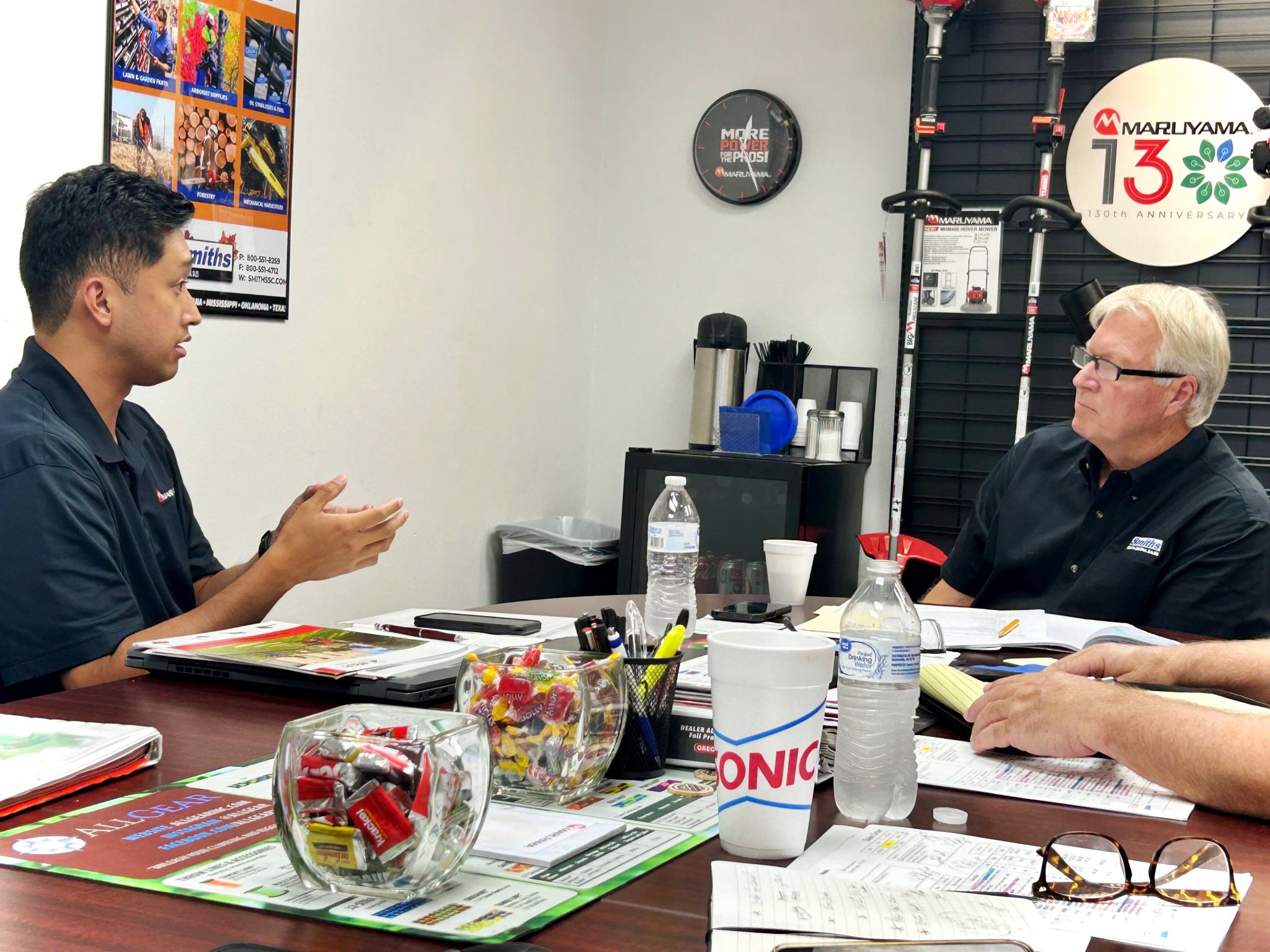
We sell brush cutters, blowers, hedge trimmers, chainsaws, backpack sprayers, and self-propelled sprayers that are manufactured by our parent company in Japan. Our products are distributed to the United States, Canada, and Latin America.
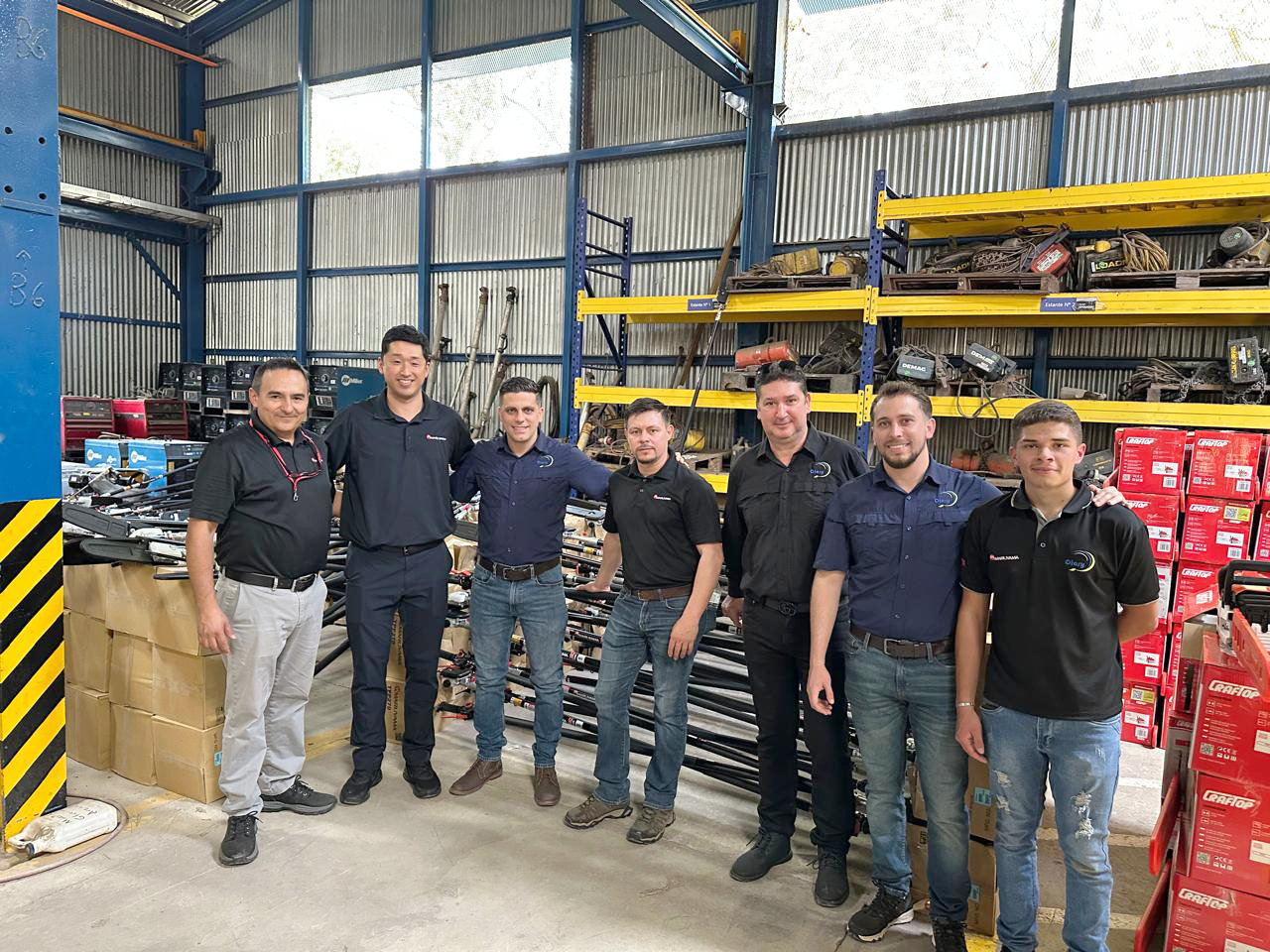
Our headquarters is located in Grand Prairie, Dallas, and we also have an office in Hawaii. Together with a team of about 20 employees, we mainly serve landscapers in the United States, forestry professionals in Canada, and farmers in Latin America, offering and selling high-quality products made in Japan.
The key strengths of our products are quality and durability.
Most of our products are manufactured in Japan. During production, even the smallest defects are not overlooked. Every product goes through strict quality inspections, and assembly is done by hand to ensure consistency and reliability.
We also have development and testing facilities where products undergo performance evaluations. In addition, products are first sold and improved in Japan and neighboring Asian countries. After durability and reliability are thoroughly verified, they are then introduced to the North American and Latin American markets.
This careful process is what allows us to confidently deliver durable, high-quality Japanese products to customers around the world.
Risk taking is a topic that people have widely differing views on – we’d love to hear your thoughts.
I believe that taking risks is an opportunity for growth.
That said, risk is not the same as gambling.
Before taking a risk, we tend to think about many things, and those thoughts can create fear within ourselves. However, I believe that most of that fear or anxiety never actually becomes reality. In many cases, the situation that unfolds is very different from what we imagined.
Because of that, I believe true growth happens after you choose to take a risk—by facing a new situation and making decisions that go beyond your original fears. It is in that process that you develop new ways of thinking and grow as a person.
I would not say that I have deliberately chosen many “big” risks in my life. However, moving to the United States, living here, and working here may have been one of the biggest risks I have taken. By believing in my own potential and choosing to come to the U.S., I feel that I am experiencing significant personal and professional growth today.
Pricing:
- We do not sell our products directly to customers. Customers can purchase our products through authorized dealers. The nearest dealer can be found using the dealer locator on our website.
Contact Info:
- Website: https://maruyama-us.com/
- Instagram: https://www.instagram.com/maruyamausofficial/
- Facebook: https://www.facebook.com/OfficialMaruyamaUS/?ref=pl_edit_xav_ig_profile_page_web#