




Today we’d like to introduce you to Dennis Walthers.
Hi Dennis, can you start by introducing yourself? We’d love to learn more about how you got to where you are today?
My path here wasn’t linear, and in hindsight, that’s what shaped it the most.
I started my career on the business and sales side of technology, working with large global brands where performance, scale, and results mattered every day. Those early years taught me how organizations make decisions, how brands grow, and—just as importantly—how they fail to connect when messaging becomes disconnected from real human experience.
Interactive Dallas grew out of that realization. I saw a gap between what brands said and what people actually felt. Events were being treated as logistics instead of strategy. So I built Interactive Dallas to do things differently—combining technology, storytelling, and intentional design to create experiences that people didn’t just attend, but participated in.
Over time, as the industry evolved, so did we. What started as interactive event technology turned into a broader focus on experiential strategy, personalization, and content creation at scale. We’ve worked across corporate events, sports, and large public activations, constantly refining how moments can become meaningful brand assets.
Writing The Experiential Advantage was a natural extension of that journey. It allowed me to step back and articulate the principles I’d been applying for years—why experiences matter, how they create trust, and why they’re becoming central to modern marketing. Today, my focus is on building proprietary experiences like Zoomed!, partnering with agencies and brands at the highest level, and helping shape where experiential marketing is headed next.
Looking back, the throughline has always been the same: understand people first, design with intention, and build experiences that earn attention rather than demand it. That philosophy is what got me here—and it’s what continues to guide what comes next.
Alright, so let’s dig a little deeper into the story – has it been an easy path overall and if not, what were the challenges you’ve had to overcome?
Definitely not a smooth road—and honestly, I wouldn’t trust the story if it were.
One of the biggest struggles early on was building something new in a space that didn’t quite have language for it yet. Experiential marketing wasn’t always viewed as a strategic discipline. It was often treated as an add-on or a line item, not a growth driver. Convincing brands to think differently—to invest in experiences for long-term value, not just short-term impressions—took patience, education, and a lot of proof.
Another challenge was scaling without losing quality. As demand grew, the pressure was to move faster and do more. But experiential work is unforgiving—if something breaks, it breaks publicly. Learning how to build systems, teams, and processes that could support creativity at scale was hard-earned. That tension between innovation and execution is something I talk about in The Experiential Advantage, because it’s where many companies either mature—or stall.
There were also moments of personal recalibration. Entrepreneurship forces you to confront your own limits—what you’re good at, what you need help with, and when to let go. Some of the toughest lessons came from projects that didn’t go as planned or partnerships that weren’t aligned. Those moments taught me the value of focus, clarity, and saying no.
Looking back, the struggles weren’t detours—they were the curriculum. Each one sharpened the perspective I bring to my work today. And ultimately, they reinforced the belief that meaningful experiences—whether in business or life—are built through intention, resilience, and a willingness to keep learning.
Appreciate you sharing that. What else should we know about what you do?
At a high level, I design experiences—but more specifically, I specialize in helping brands turn live moments into lasting value.
I’m the founder and CEO of Interactive Dallas, where we focus on technology-driven, highly personalized brand activations for corporate events, sports marketing, and large-scale live experiences. What we’re known for is bridging strategy and execution—creating experiences that are visually striking, emotionally engaging, and engineered to generate content, data, and momentum well beyond the event itself.
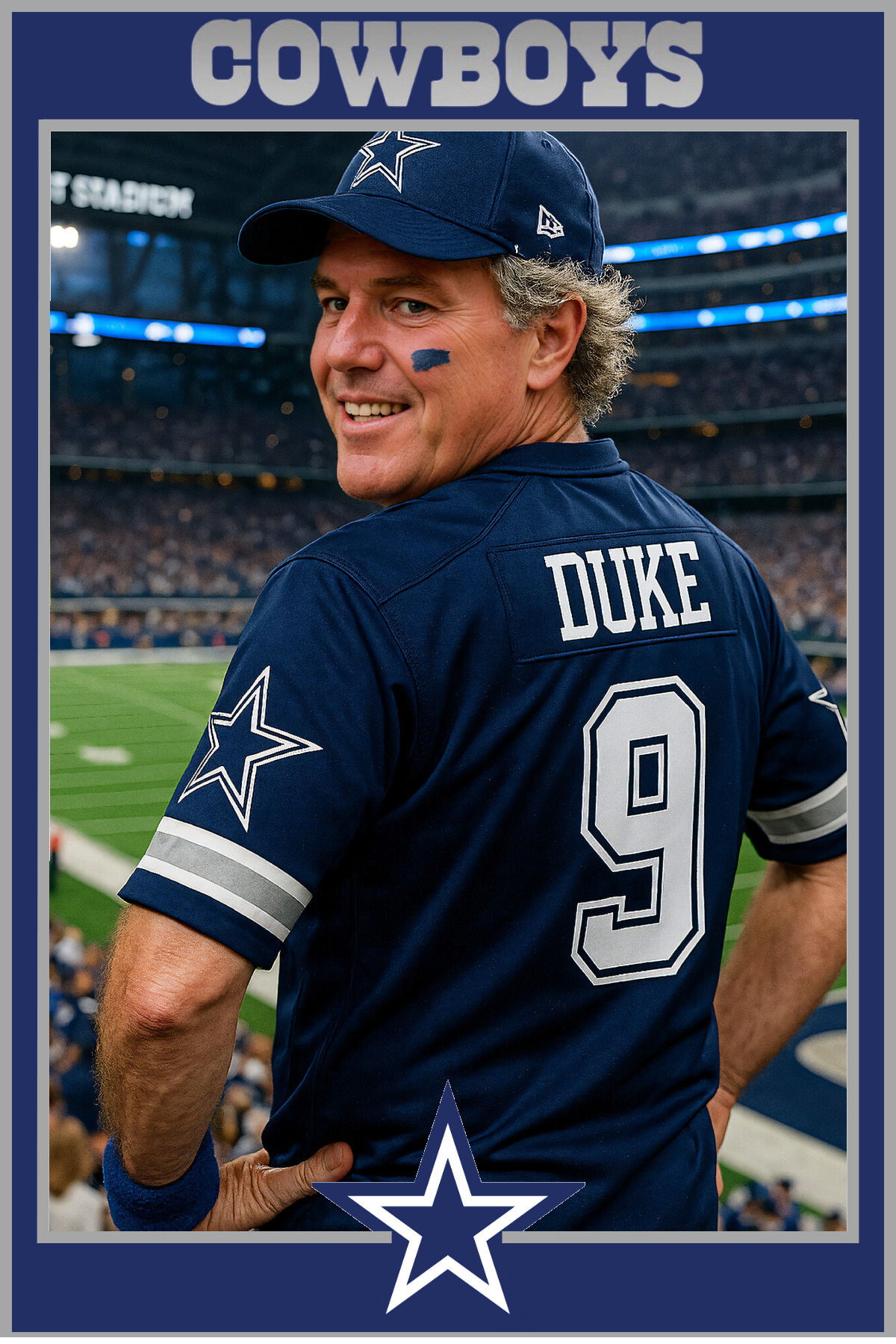
What I’m most proud of is building a company that doesn’t just follow trends, but creates its own. We’ve invested heavily in proprietary activations that solve real problems for brands. Our new Zoomed! activation is a great example—it transforms a single guest interaction into cinematic, broadcast-quality video in seconds, making it ideal for high-traffic environments like sports fan zones, conferences, and major cultural events. It wasn’t built to look cool; it was built to perform.
What sets us apart is perspective. Many companies can provide equipment or staff an event. What we bring is intentional design—every experience starts with a clear objective, whether that’s engagement, shareability, data capture, or brand storytelling. That philosophy is also at the heart of The Experiential Advantage. The book reflects how we think: experiences should earn attention, create trust, and scale across channels.
Ultimately, what I’m most proud of is the impact. Seeing brands use experiences not just as moments, but as strategic assets—and knowing we helped shape that shift—is what keeps me excited about the work.
What’s next?
The future feels especially exciting right now because several big shifts are converging at the same time.
A major focus for us is FIFA World Cup 2026. This will be one of the largest cultural and sporting moments ever hosted in North America, and it’s going to redefine how brands think about fan engagement. Our priority is helping brands and agencies move beyond one-size-fits-all activations and into AI-powered personalization at scale—creating experiences that feel individual, culturally relevant, and instantly shareable, even in massive crowd environments. That’s where experiential marketing really proves its value.
We’re also doubling down on using AI not just as a creative tool, but as a multiplier. AI allows us to generate personalized visual content, dynamic outputs, and branded storytelling in real time—turning a single interaction into dozens of usable assets across social, digital, and internal channels. Activations like Zoomed! are just the beginning of that shift. The goal is to help brands leave events with content, insights, and momentum—not just memories.
At the same time, we’re expanding our work with brands and agencies tied to SXSW in Austin. SXSW is a unique environment where innovation, culture, and brand storytelling collide, and it’s an ideal proving ground for immersive, tech-forward experiences. We’re actively collaborating with SXSW-focused brands that want to stand out in a crowded landscape by creating moments people genuinely want to engage with and share.
Looking ahead, my focus is on scaling impact—working with the right partners, building smarter experiences with AI at the core, and continuing to elevate experiential marketing as a strategic discipline. The next few years aren’t about incremental changes; they’re about redefining what live experiences can deliver for brands willing to think bigger.
Contact Info:
- Website: https://interactivedallas.com
- LinkedIn: https://www.linkedin.com/in/denniswalthers
- Youtube: https://youtube.com/@dwalthers
- Other: https://www.dennisrwalthers.com/

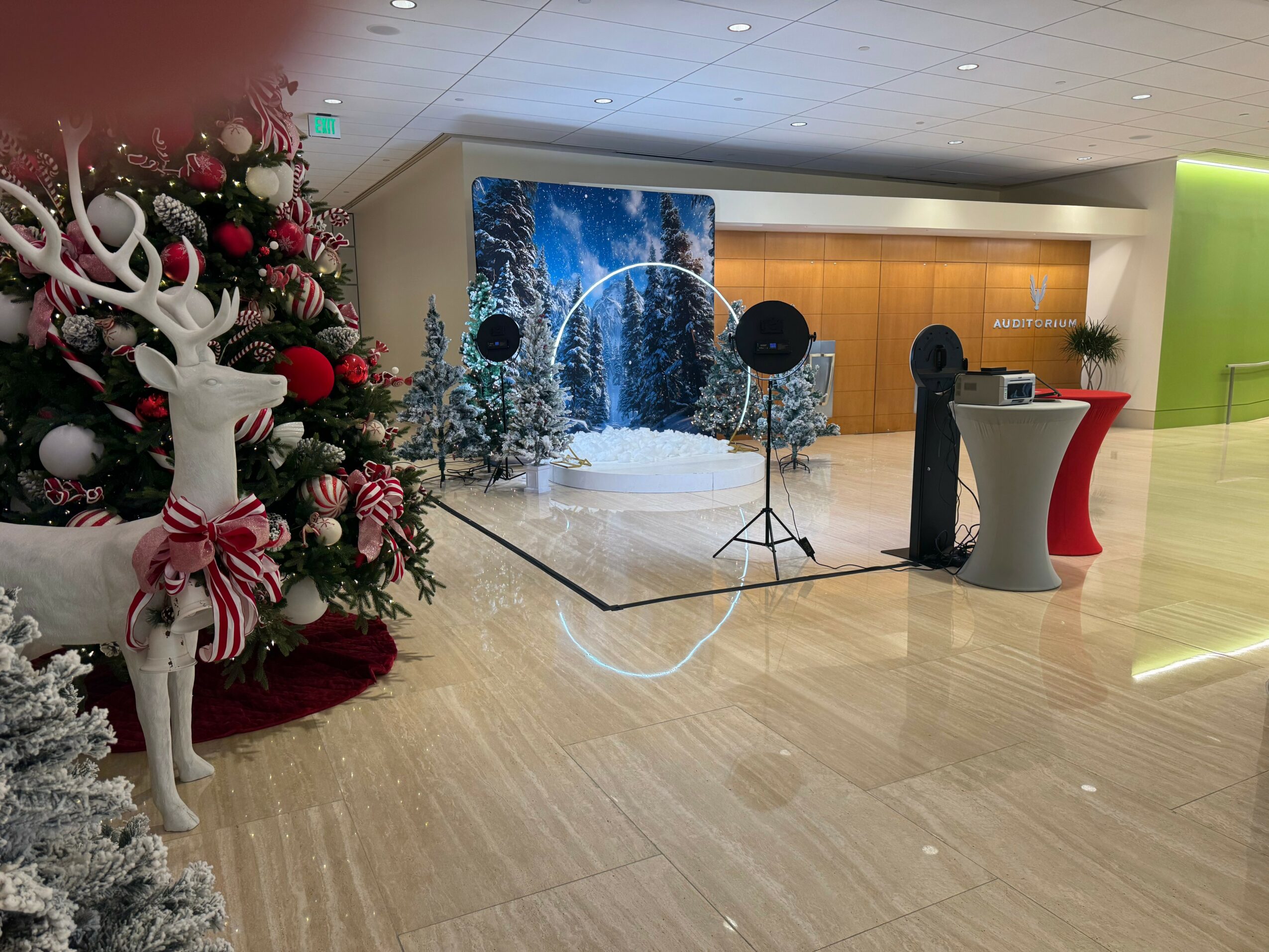

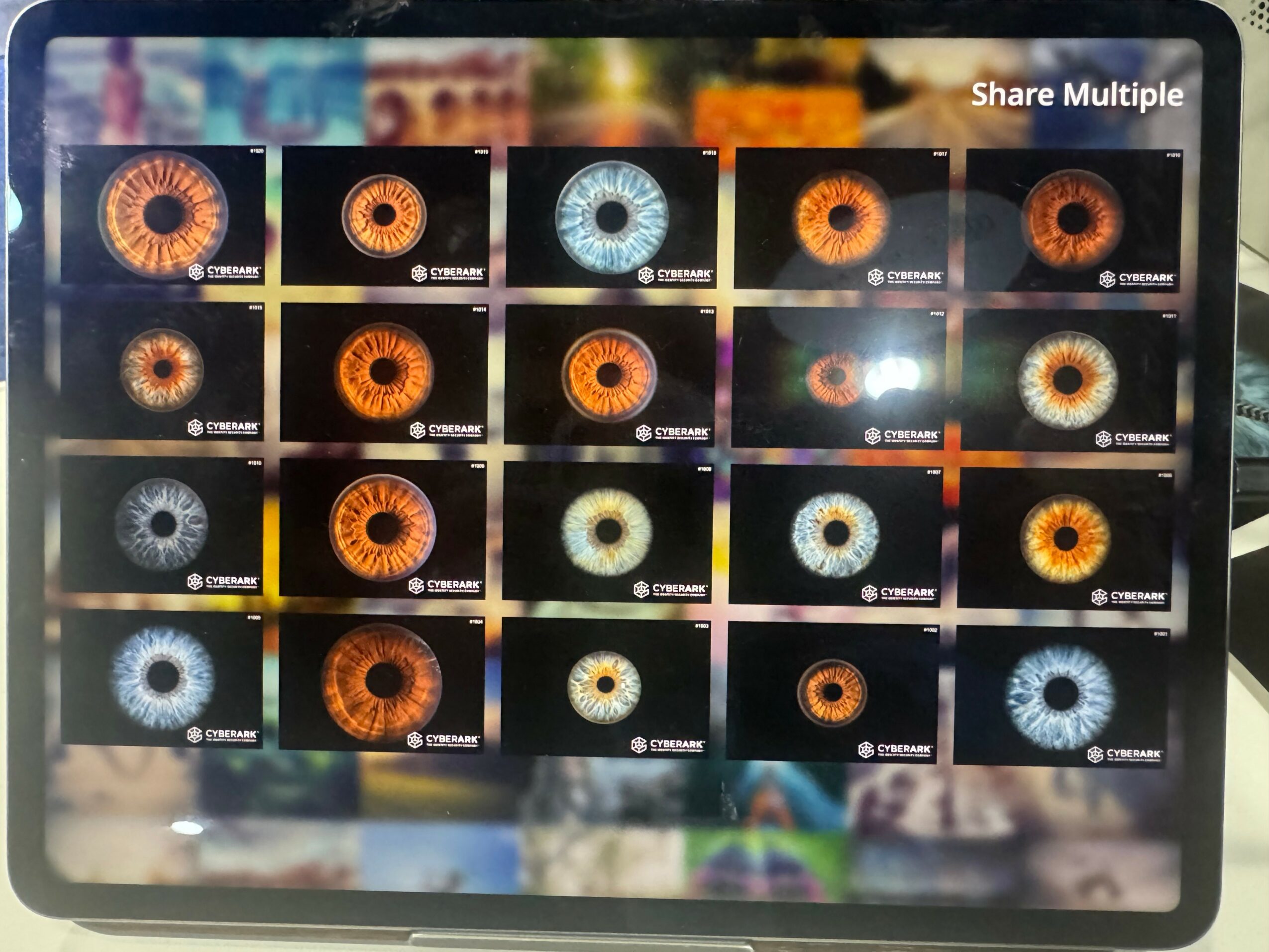


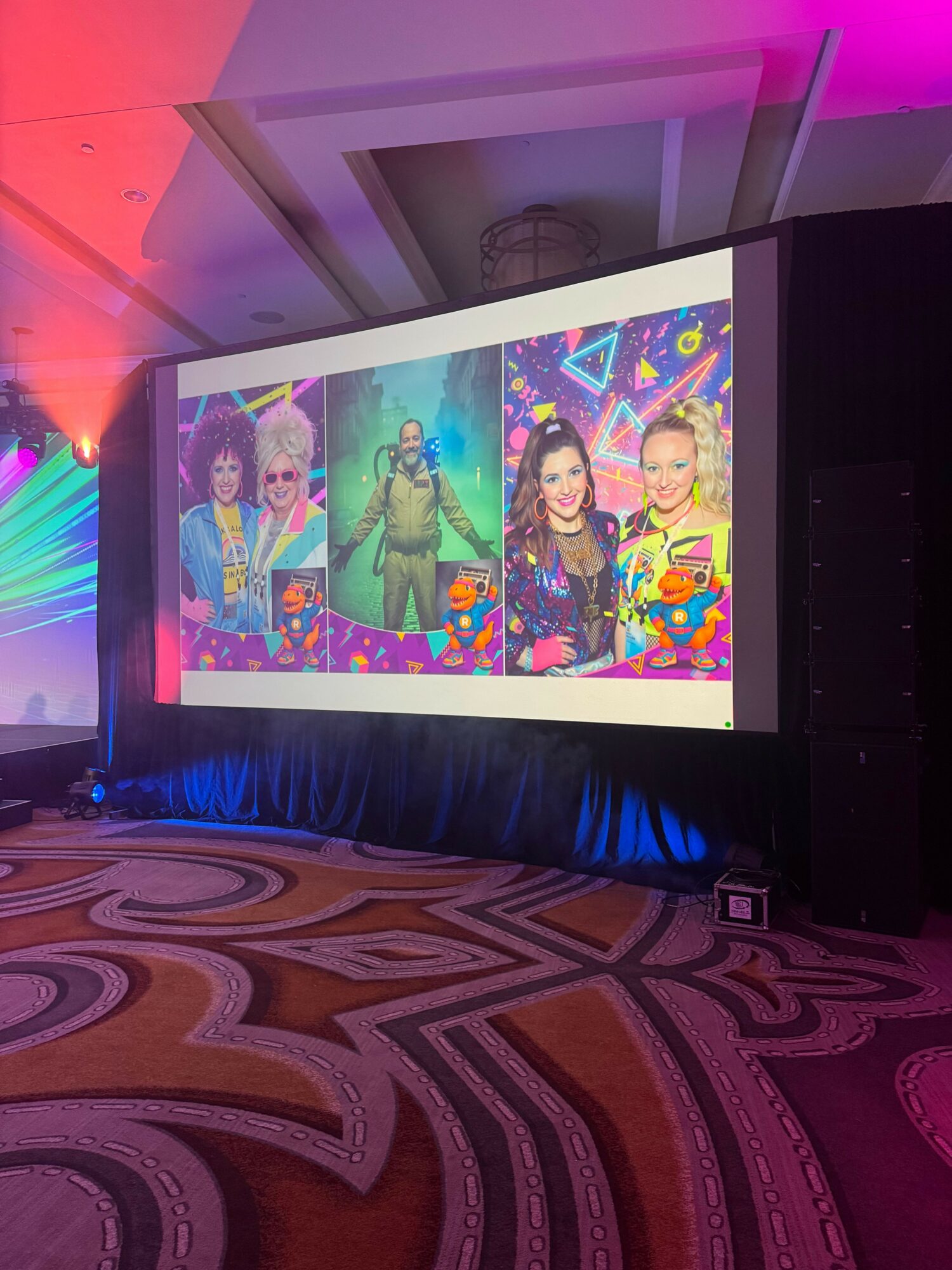
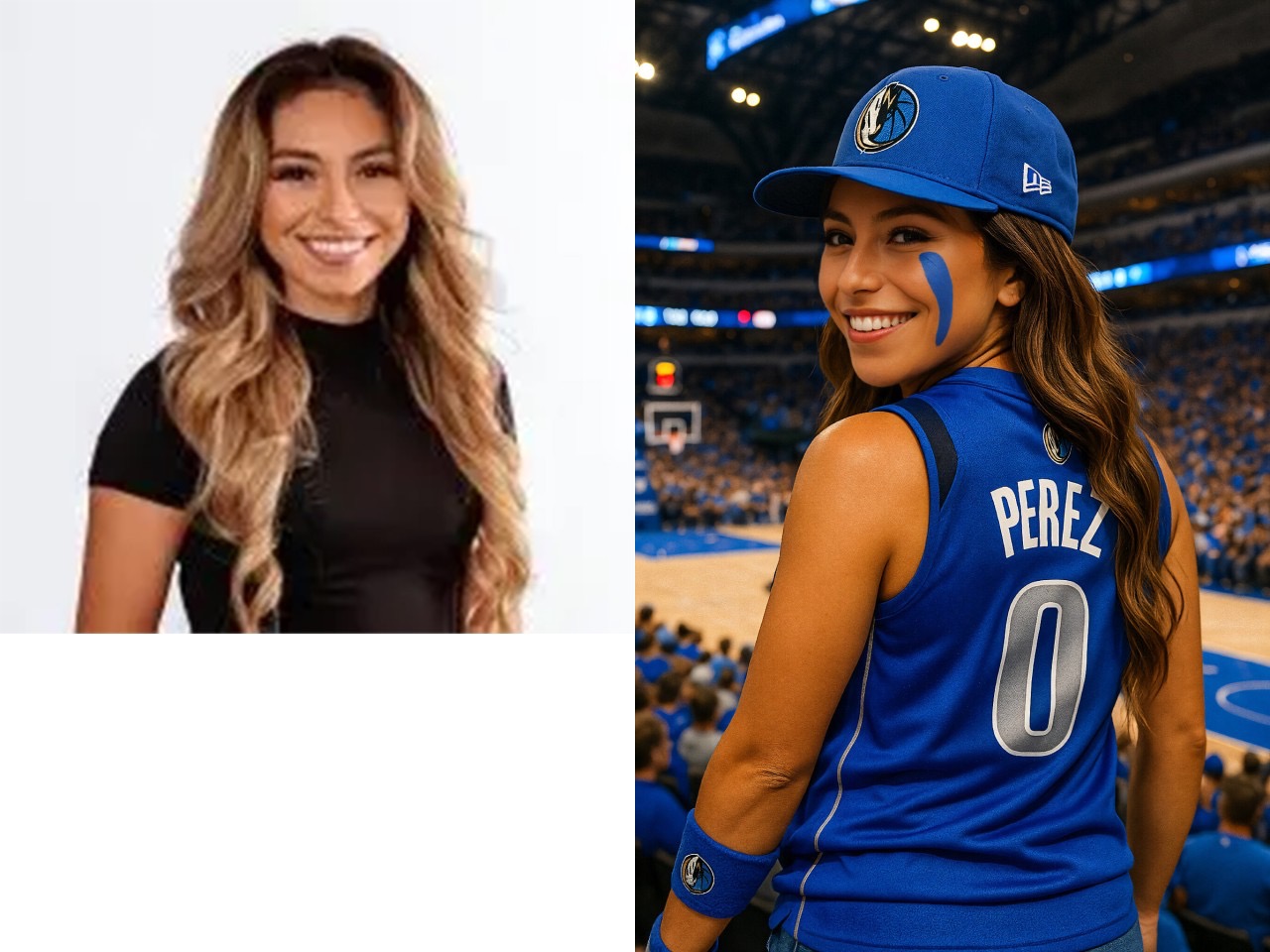

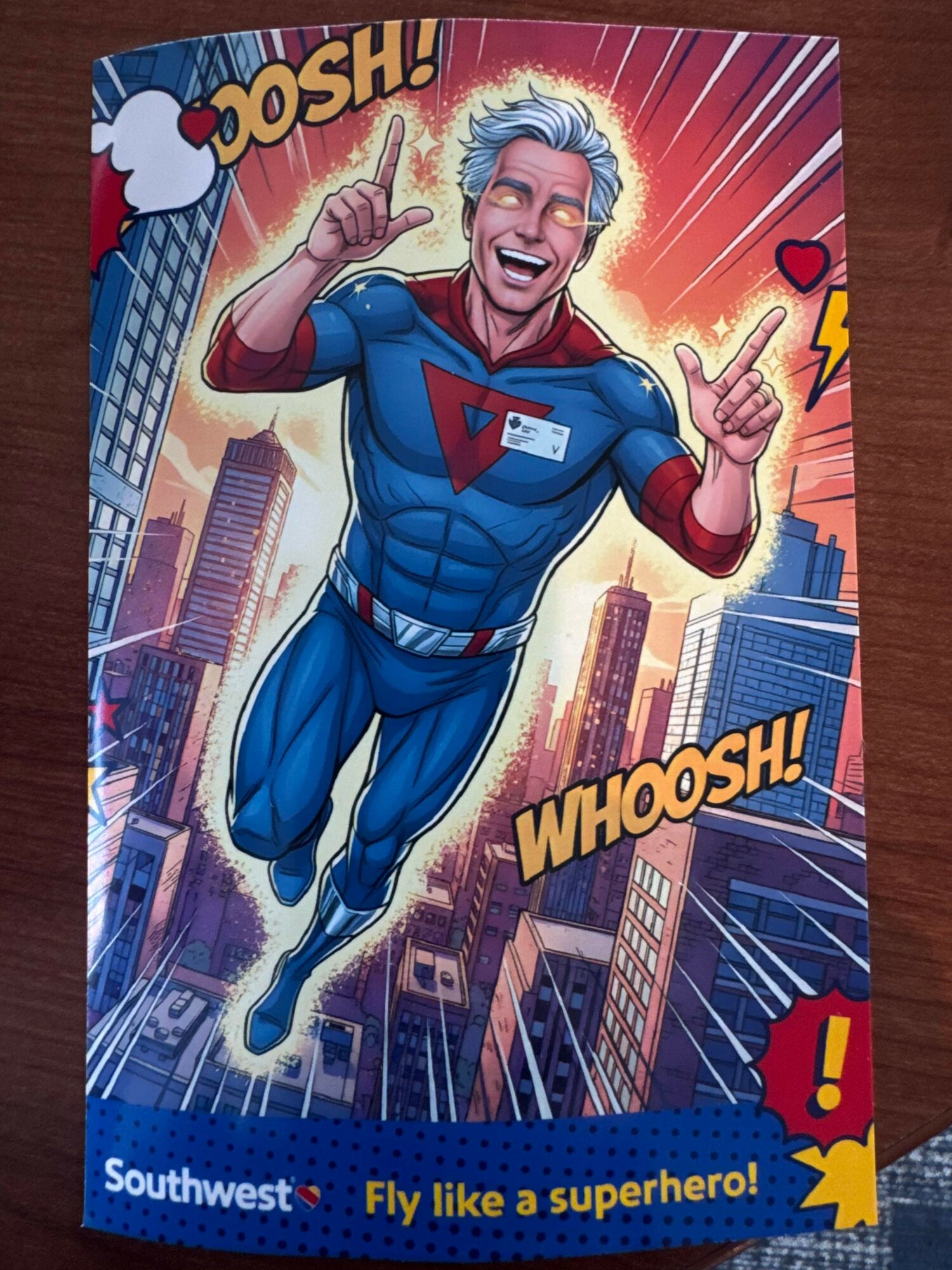
Image Credits
Dennis Walthers