






We’re looking forward to introducing you to Kirk Rogers. Check out our conversation below.
Hi Kirk, thank you so much for joining us today. We’re thrilled to learn more about your journey, values and what you are currently working on. Let’s start with an ice breaker: Who are you learning from right now?
I’ve learned that my own ideas about what should sell aren’t nearly as important as what people actually want. The old saying the customer is always right. My customer is who I am listening to.
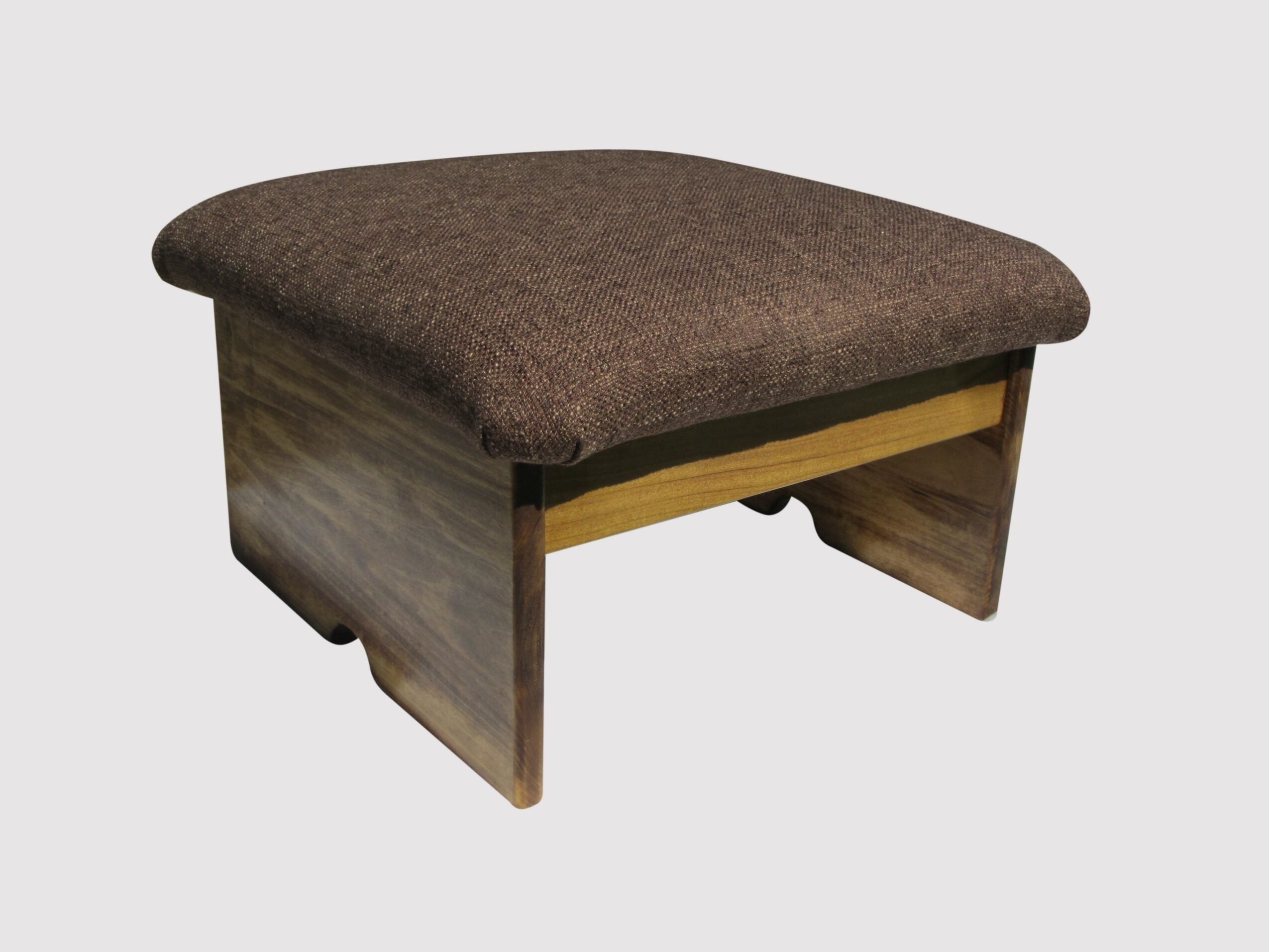
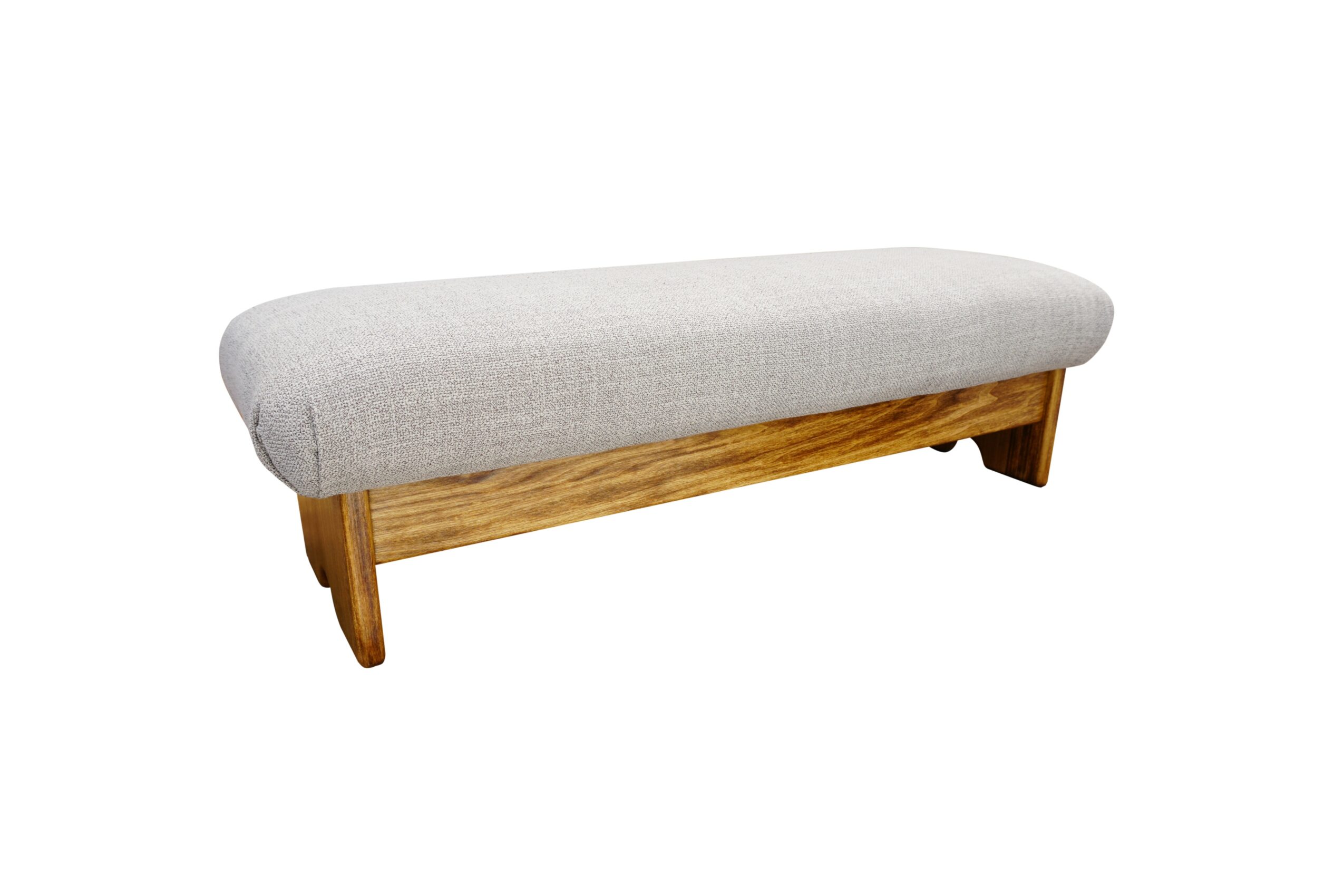
I’ve made and sold thousands of footstools online, but none of that started as a business plan. The very first footstools were made for my church. Shorter women would sit in the chairs with books under their feet so their legs wouldn’t fall asleep. One staff church member noticed that this was ruining his reference books and asked if I could make him a proper footstool. I made him three.
Later, I decided to remake the same footstool design out of oak hardwood and made five of them. They sold in one weekend. So I made twenty-five at a time—and they kept selling.
More recently, a woman asked me to make her a footstool that was only two inches tall. I made it, but then asked my employee, Richard, if he thought it would sell. His answer was immediate: No way. Who would want such a short footstool?
Two thousand 2″ tall footstools later, we had our answer.
What I’ve learned is simple but powerful: I don’t decide what sells—my customers do. My job isn’t to guess; it’s to listen. And that lesson has shaped everything I do.
Can you briefly introduce yourself and share what makes you or your brand unique?
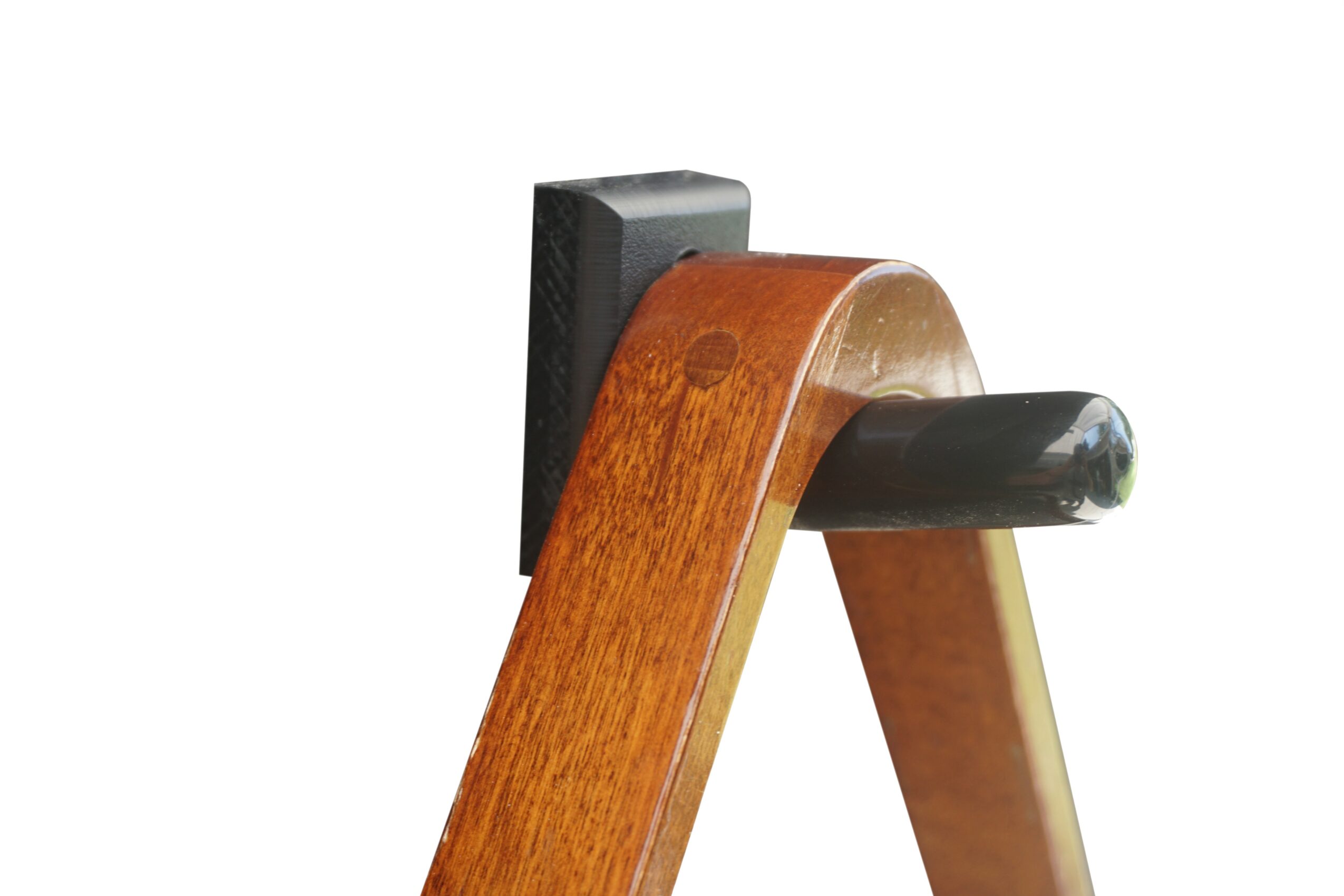
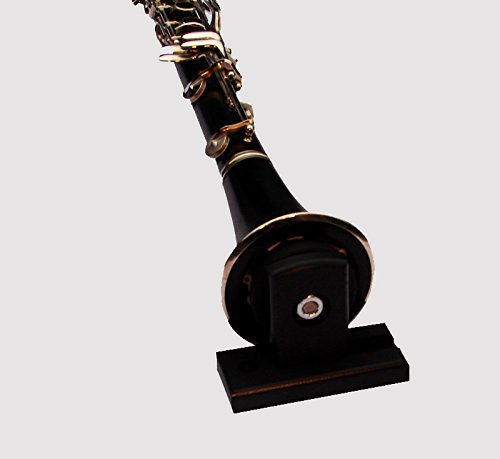
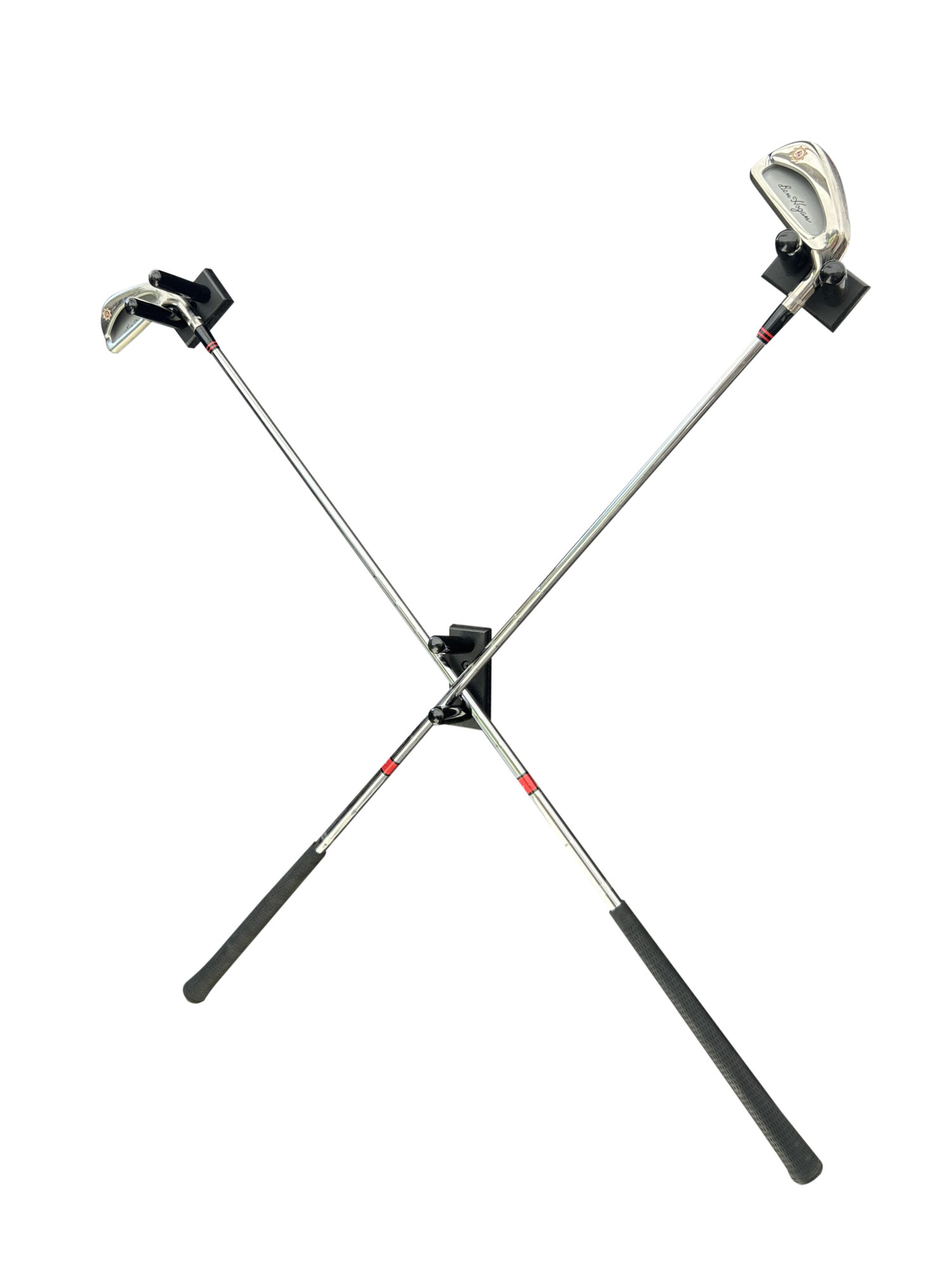
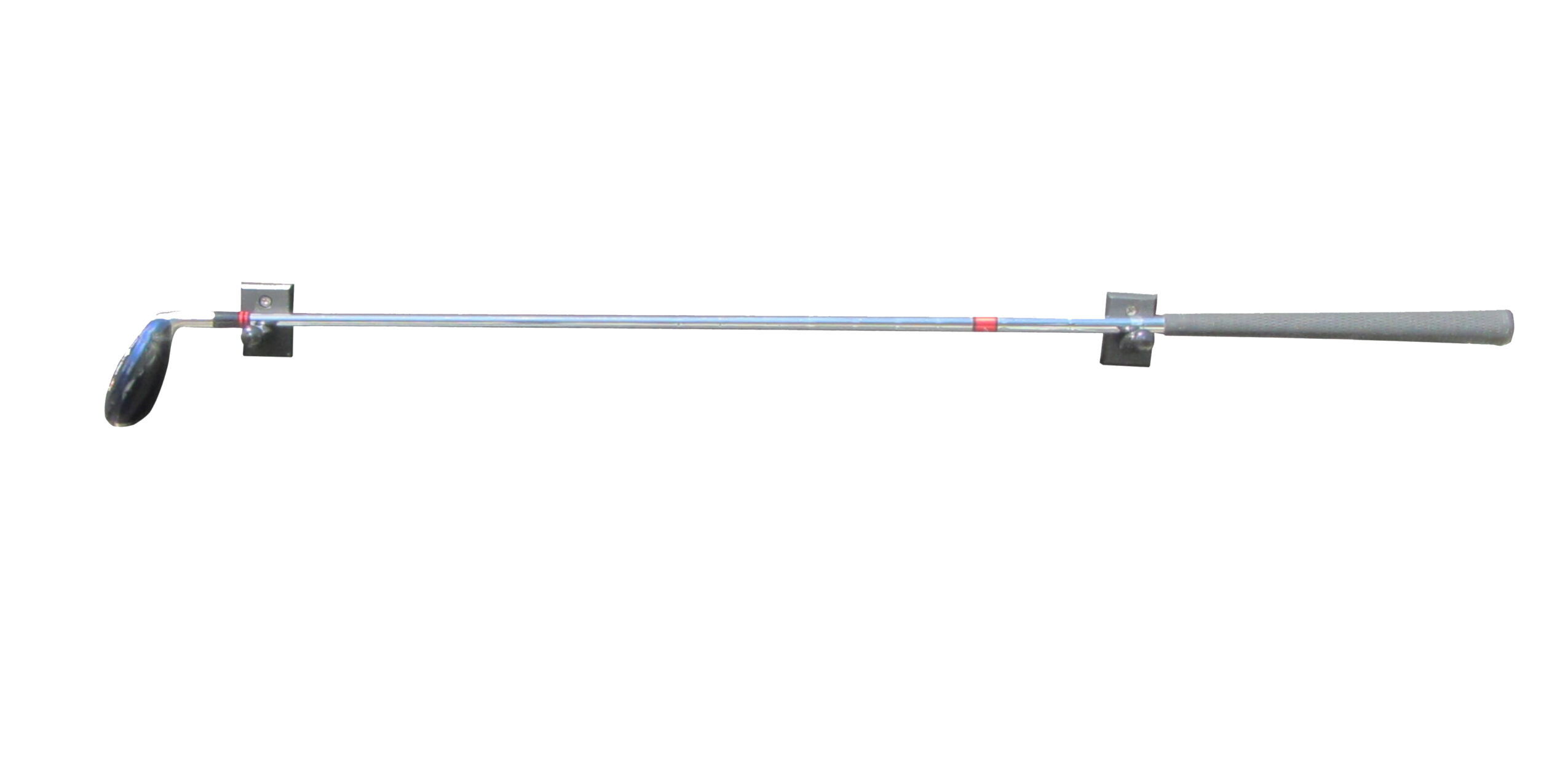
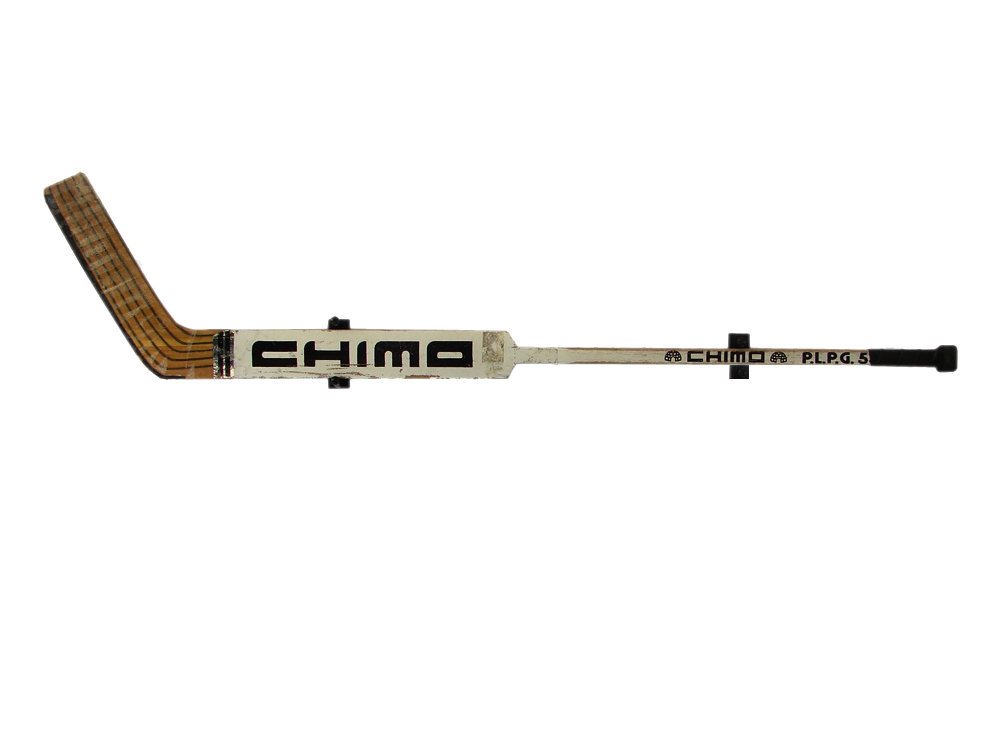
Kirk Rogers is an American inventor who designs practical, well-crafted products that enhance everyday living spaces. An Amazon Top Seller since 2005, I have created more than 1,000 original product designs spanning storage, display, and furniture solutions. I am a display expert.
Under the KR Ideas brand, all products are original designs and proudly fabricated in the United States. Kirk Rogers is known for identifying real-world problems and turning them into thoughtful, functional solutions. Those interested in his work can find KR Ideas products on Amazon and Etsy, or contact KR Ideas directly to develop a custom design tailored to a specific need. 2055@charter.net
Okay, so here’s a deep one: Who taught you the most about work?
By far, my mistakes have taught me the most. They hurt, and they cost me money, but they also strengthen something far more important: my integrity. Money can be recovered; integrity can’t. Every mistake forces me to be more honest—with myself and with the people I serve—and that matters more than profit.
Just as important is the realization that my work helps people in ways I never expected.
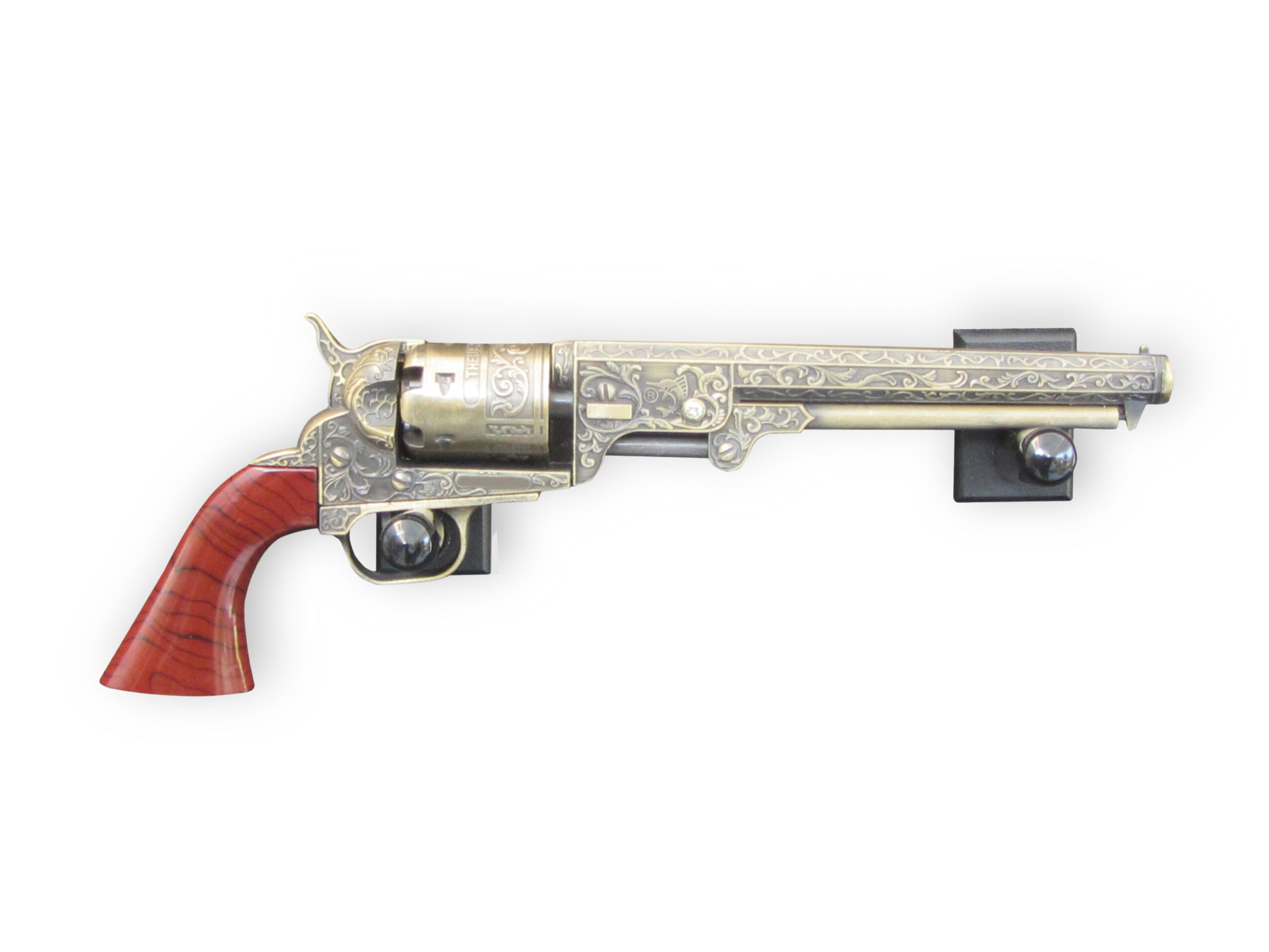
I sell wall mounts for weapons in seven different colors and materials. One customer was a retired military man who wanted to display five rifles: his grandfather’s from World War II, his father’s from the Korean War, his own from his service, his son’s from the Iran War, and his daughter’s from the Afghanistan War.
He was a reserved man, and I could tell this was difficult for him to talk about. He told me his daughter had been killed in Afghanistan. He explained everything quietly, and it was clear this part of his life carried a heavy weight. He wanted to honor his entire family’s service and patriotism respectfully by displaying their rifles.
I told him I know what to do- do not include birth and death dates, because that would feel like a tombstone on the wall. Instead, I asked him what phrase is repeated again and again in your family to encourage them to serve their country. He paused—and then he knew exactly what it was.
I suggested having that motto made into a simple plaque at a trophy shop and displaying it with the rifles. He did.
For the next year, that man called me every month to thank me. More than once, he said, “You’re a guy I didn’t even know, and you helped me through this.”
That experience reminded me that what I make isn’t just a product. Sometimes, it becomes a way for people to process memory, loss, pride, and respect—and that’s something I don’t take lightly.
When did you last change your mind about something important?
Today—because business never stands still.
Sales channels change, marketing shifts, customer reviews evolve, and competitors move fast. There are companies now that use software to scan Amazon, identify successful products, estimate daily and weekly revenue, and then take that data to clients with a simple question: Can you make this?
I know this because I’ve lived it. I have more copycats than I can count. Many of them take the product to China—often through the same firms that identified it in the first place—and have it produced for pennies on the dollar compared to what it costs me to make in the United States.
That forces you to change your thinking quickly. When someone enters a market you created and starts taking your business, you don’t have the luxury of sticking to old assumptions.
What I’ve learned is that the answer is not to cut prices to chase their customers. That’s a race you can’t win. The real solution is to be smarter—better design, better materials, better service, and a clearer story.
In the end, I’m betting that there are still customers who value quality, integrity, and products made in the USA. And that belief shapes every decision I make going forward.
Sure, so let’s go deeper into your values and how you think. Is the public version of you the real you?
Yes—but it’s not the whole story. The public version of me reflects my values: how I work, how I treat people, and the standards I hold myself to. That part is real.
What the public doesn’t see are the quiet decisions, the mistakes, the doubts, and the work done when no one is watching. Those moments shape the person behind the work. I don’t believe in putting on a persona; I believe in consistency. If someone meets me in public or in private, they should recognize the same principles at work.
Okay, so let’s keep going with one more question that means a lot to us: Could you give everything your best, even if no one ever praised you for it?
Yes. That’s part of the Code of Honor I live by.
I don’t do my best to be liked or admired. Praise is fleeting, and approval isn’t something you can control. What you can control is the effort you give, the standards you hold yourself to, and whether you do the right thing when no one is watching.
If you commit to giving your best regardless of recognition, the work speaks for itself—and you can stand behind it with a clear conscience.