






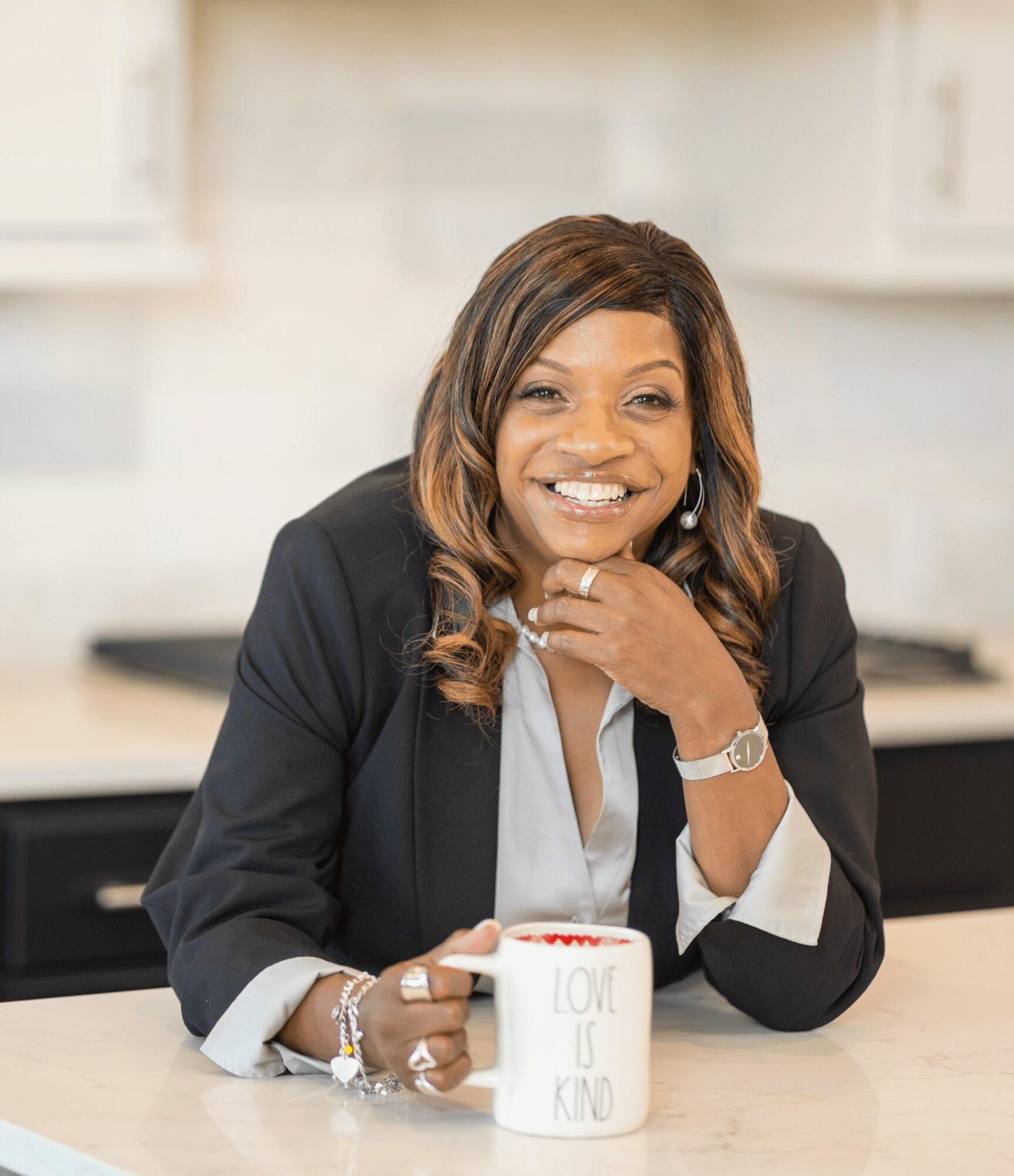
We recently had the chance to connect with Dr. Patrice Dunn and have shared our conversation below.
Hi Patrice, thank you for taking the time to reflect back on your journey with us. I think our readers are in for a real treat. There is so much we can all learn from each other and so thank you again for opening up with us. Let’s get into it: When was the last time you felt true joy?
The last time I felt true joy was yesterday—and it may sound simple, but it was intentional. After completing my dissertation three years ago, I made a conscious decision to practice joy daily rather than waiting for it to appear as a reward at the end of hard work. That shift has been transformative.
My dissertation, Women’s Rights Are Human Rights: Factors Affecting the Success, Mental Health, Wellness, and Well-Being of Three Generations of Tenured and Tenure-Track Black American Female Faculty at PWIs and HBCUs Educated in White Schools from P–12 to PhD, deepened my understanding of the importance of Black joy as a protective and restorative practice. Black joy is not denial of struggle—it is nourishment. As Nichols (n.d.) describes, Black joy is “finding the positive nourishment within self and others that is a safe and healing place…a way of resting the body, mind, and spirit in response to racialized experiences.”
For me, true joy now shows up in moments of presence—laughter without urgency, rest without guilt, connection without performance. I’m intentional about choosing those moments every day because joy, especially Black joy, is not indulgent—it’s essential. And these days, I protect it like a non-negotiable meeting on my calendar.
For me joy, Black joy deserves a standing appointment.
Nichols, E. (n.d.). Black Joy: Resistance, Resilience and Reclamation. National Museum of African American History &
Culture. https://nmaahc.si.edu/
Can you briefly introduce yourself and share what makes you or your brand unique?
I’m Dr. Patrice Dunn, a licensed professional counselor, counselor educator, speaker, and the founder of Real Life Counseling & Consultation Services. I am a full-time faculty member in the Counseling Department at Midwestern State University and an adjunct faculty member in the Counseling Department at Southern Methodist University. At the core of my work is a commitment to helping people—especially women and high-performing individuals—live well, lead fully, and remain grounded in who they are beyond titles and expectations.
Clinically, I work with adolescents and adults navigating life transitions, identity development, achievement pressure, and emotional burnout. My work lives at the intersection of mental health, identity, leadership, and lived experience—supporting those who are often expected to be resilient, composed, and “fine,” even when they’re carrying a lot beneath the surface.
What makes my work unique is the integration of evidence-based practice with real life, (hence the name of my practice). I believe success should not come at the expense of well-being, and healing doesn’t require perfection. This year, I’m especially excited to expand my practice through two new program branches: Becoming HER Collective, a membership program designed to support women in transition as they redefine themselves and their next season, and The Playbook for Life, a mental wellness and identity-focused program for high-performing athletes navigating pressure, performance, and life beyond the uniform.
My brand is rooted in honesty, cultural humility, self-awareness, and the belief that humor, rest, and self-definition are essential—not optional. Whether I’m teaching, counseling, or building programs, my goal is the same: to help people do meaningful work without losing themselves in the process.
Okay, so here’s a deep one: Who saw you clearly before you could see yourself?
That would be my dissertation chair, aretha marbley. ( She does not capitalize her name, please honor that) I met her in 2016 when I began the doctoral program in Counselor Education and Supervision at Texas Tech University, and from the very beginning, she saw something in me that I had not yet named for myself.
She is a critical global multicultural social justice womanist activist, scholar, storyteller, servant, transdisciplinary scholar, and morally engaged researcher whose work has spanned more than four decades. As a helper, healer, and advocate for those who are marginalized—how could I not be impressed?
We worked together on my dissertation, national presentations, and numerous publications, but her most profound contribution was guiding me toward the discovery of my personal and professional identity. She asked questions I had never considered—questions that shifted how I see myself and how I show up in the world. Because of her, I am more intentional, more grounded, and more authentic in how I engage with my friends, my family, and my profession.
I truly believe she entered my life to help fill the void left by my mother’s passing sixteen years ago. My mother held a PhD, and I often wish she had been physically present on this journey with me. In so many ways, Doc marbley showed up in the ways I needed most—encouraging me, motivating me, correcting me, and pouring into me daily. She taught me to trust the process, even when it was uncomfortable, uncertain, or heavy.
There aren’t enough words to fully express my gratitude, but I believe God knew exactly what I needed to get through that season—and sent her.
When did you stop hiding your pain and start using it as power?
I’m not sure I ever truly hid my pain—but for a long time, I didn’t know it had value.
Growing up brown-skinned in a predominantly white school system was tough. I learned early what it meant to compare myself, to feel less than—less pretty, less smart, less enough. My father was strict, and much of my life was shaped by discipline and expectation. I ran track to please him, chasing approval and, in many ways, trying to be the son he wished he had. Childhood freedoms—slumber parties, swimming, “regular” fun—weren’t part of my story.
Eventually, that pressure turned into rebellion. I became pregnant after my sophomore year of college and had two sons out of wedlock. I was a single mother for seven years, navigating several unhealthy relationships, public assistance, and a college journey that took nine years to complete my first degree. I went to school on and off while working to support my family. My final two years, I worked full-time, went to school full-time, and raised my boys. I used to joke that if there was a hard way to do something, I would always find it—but the truth is, I was surviving.
For a long time, I carried a quiet belief that I wasn’t enough. But somewhere along the way, people started saying, “You don’t look like what you’ve been through.” I didn’t fully understand that until later. After getting married, buying a home, and becoming a teacher, I had a moment of reflection that changed everything. I realized my ability to connect with my students—the trust, the understanding, the absence of judgment—came directly from my lived experiences. I was able to be for them what I had longed for growing up: someone who listened, saw them, and didn’t reduce them to their mistakes.
That’s when the shift happened. I stopped seeing my story as something to overcome and started recognizing it as a superpower. Those chapters shaped me into the therapist and educator I am today. The grit, the resilience, the lessons learned the hard way—they now allow me to sit with others in their pain without fear and help them see possibility where they may only see struggle.
What once felt like baggage became my bridge. And now, I use it—intentionally—to help others turn survival into strength.
I think our readers would appreciate hearing more about your values and what you think matters in life and career, etc. So our next question is along those lines. What’s a cultural value you protect at all costs?
I protect the right to live unapologetically.
I come from a legacy of Black women educators and school administrators despite being taught to carry everything, question themselves, and still show up composed. I reject that inheritance of silence. I protect self-definition, voice, and visibility—especially for Black women and girls who are too often told to wait their turn or soften their power.
I believe Black girls rock and in Black girl magic. I believe strength and softness can coexist. I believe I am enough—not because I overperform, but because I exist. I protect the right to speak, to lead, to challenge systems that were never designed with us in mind, and to take my seat at tables where decisions are made.
My work, my presence, and my voice are about leaving a mark—not just for me, but for those coming behind me. I belong at the table, and I’m committed to holding the door open once I’m there.
Thank you so much for all of your openness so far. Maybe we can close with a future oriented question. What do you understand deeply that most people don’t?
I understand that I am not for everyone—and I’m at peace with that.
Meaningful relationships aren’t about quantity, perfection, or popularity. They’re about alignment, reciprocity, and integrity. I don’t need to be everyone’s cup of tea, and there simply isn’t enough of me to pour into everyone. What matters is walking in my truth and calling with kindness and consistency, not overextending myself to earn approval.
I often share a movie-theater analogy with my clients because it makes this idea clear. Your life is the movie playing on the screen. The front row is reserved for your VIPs—the people who have real influence on what’s unfolding. They can impact the story in positive or negative ways, which means who sits there matters.
Here’s the part many people miss: you are the owner of the theater. No one is guaranteed a front-row seat. You don’t have to block, unfriend, or erase people from your life—but you can move their seat. If a relationship stops being reciprocal, becomes draining, or turns toxic, you are well within your rights to relocate them. Back row. Far side. Near the exit. And an extra bonus is you are in control of the seating.
That’s not cruelty—that’s responsibility. Protecting your space, your energy, and your purpose requires discernment. And I take that responsibility seriously.
Contact Info:
- Website: https://Drpatricedunn.com
- Instagram: drpatricedunn
- Linkedin: https://www.linkedin.com/in/dr-patrice-dunn-464556219
- Twitter: @drpatricedunn60
- Facebook: https://www.facebook.com/patrice.g.dunn/
- Youtube: https://www.youtube.com/@patricedunn5447

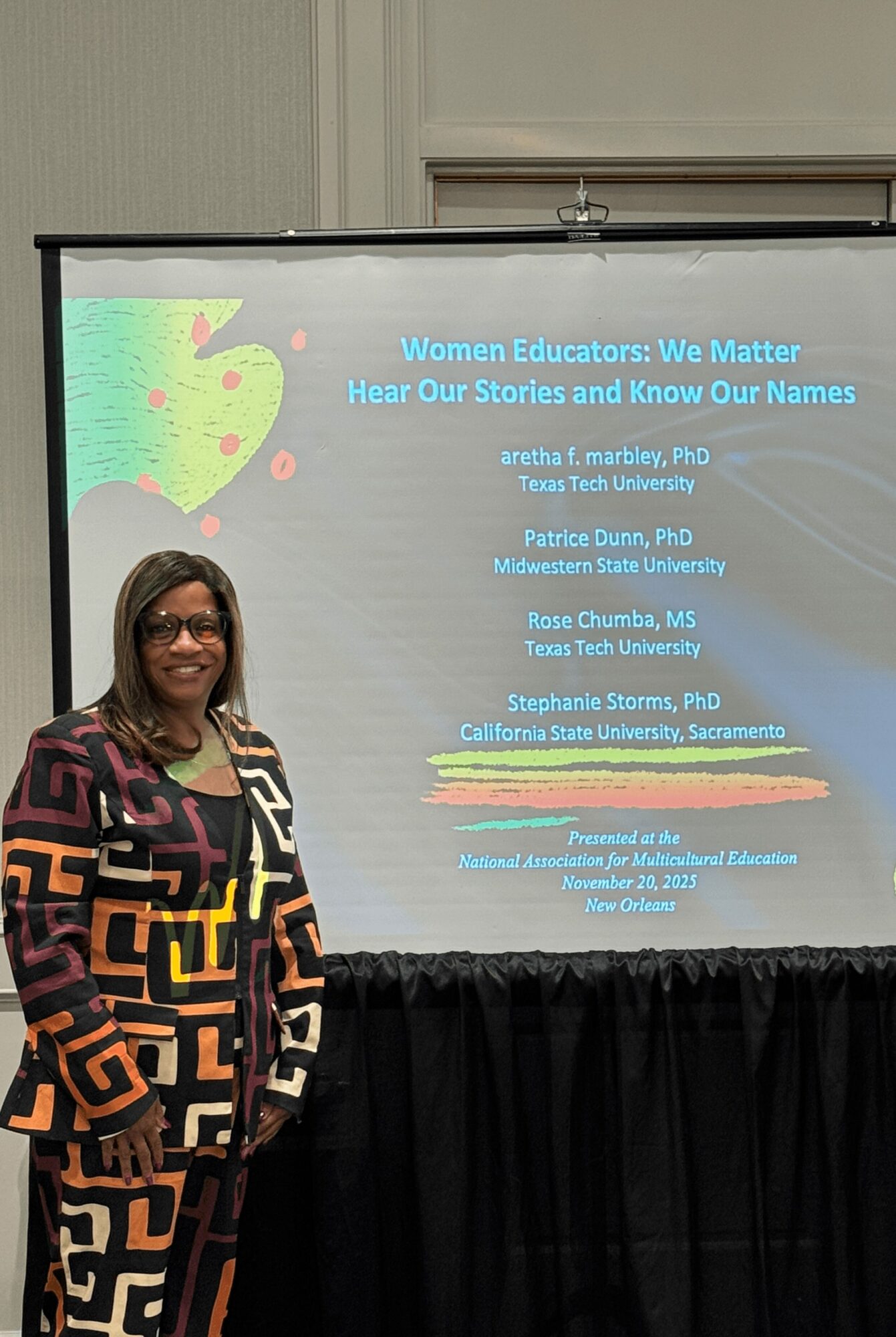
Image Credits
Patrice Dunn-self