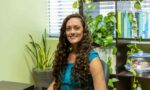


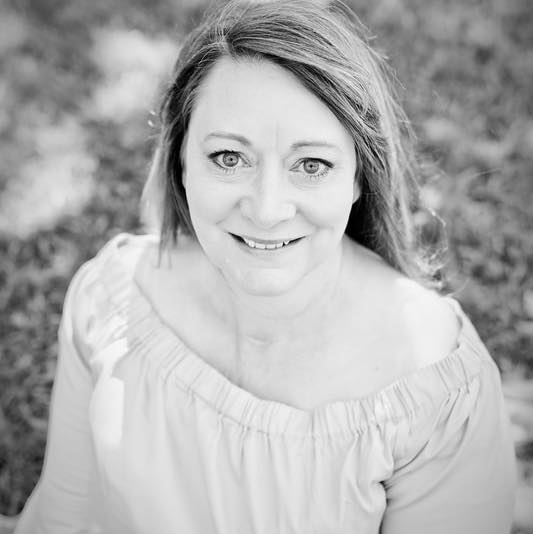
Today we’d like to introduce you to Janna Tidwell.
Hi Janna, can you start by introducing yourself? We’d love to learn more about how you got to where you are today?
I’ve spent most of my professional life as a landscape architect, working in the Metroplex for the past 28 years designing parks, trails, open spaces, streetscapes—projects that really shape how people experience the public realm. Early on in that work, I was often collaborating with artists to integrate public art into those spaces. Seeing how art could elevate a place and create meaning for a community had a big impact on me.
In some of those projects, I found myself envisioning very specific sculptural forms—pieces that felt integral to the landscape itself. At a certain point, it occurred to me that I might actually have the skills to build some of those ideas myself. That realization took me all the way back to my teenage years.
My dad ran a business that provided welding and fabrication for the oilfield industry, think Landman!. He taught welding to our local 4-H group, and I was “told” that if he was teaching other kids, I had to learn too. At the time, I dreaded it. Welding wasn’t something I was excited about, but once I got started, something clicked. I discovered that I really enjoyed working with metal—shaping it and seeing something physical emerge from raw materials.
Fast forward to adulthood, and while I was deep into my career as a landscape architect, those early welding skills resurfaced. I started taking classes at the Creative Arts Center in Dallas to refine my techniques and explore welding from an artistic perspective rather than an industrial one. That’s when sculpture became a serious part of my life.
My first gallery show was at Mary Tomas Gallery on Dragon Street. It was an exhibition focused on emerging artists connected to the Creative Arts Center. I had three sculptures accepted into that show, and to my surprise and excitement, two of them sold. That moment was incredibly validating—it confirmed that this wasn’t just a hobby, but something worth pursuing.
Since then, I’ve been fortunate to work with several galleries in the metro-plex that have supported my work. I’ve also had the opportunity to complete several larger public art commissions, which feels like a natural extension of my background in landscape architecture.
In many ways, my sculpture career brings together everything I’ve learned—designing public spaces, collaborating with artists, and working with metal. It’s a full-circle journey that connects my early experiences, my professional training, and my passion for creating meaningful work in the public realm. I am currently gearing up to transition my career into creating more art and am excited about this next page of my journey.
We all face challenges, but looking back would you describe it as a relatively smooth road?
Throughout all of this, I’ve maintained a full-time career as a landscape architect. The demands of that work—especially in recent years, have made it challenging to devote as much time to creating art as I would like. That said, having another professional path has also given me a certain freedom. Because I’m not solely dependent on art for income, I’ve been able to be very selective about the work I create and the commissions I accept. I’ve never felt pressure to produce just for the sake of producing, and that selectivity has helped me stay true to my ideas and materials.
Like many artists, the pandemic years disrupted momentum. Some of the traction I had built within the DFW gallery scene naturally slowed during that time, both because of professional demands and the broader pause within the art world. But I see that period less as a setback and more as a reset.
I’m currently in the midst of an intentional transition, one that’s designed to rebalance my time and allow sculpture to take on a larger role in my life again. I’m actively carving out space to create more work, reconnect with galleries, and reestablish my presence in the DFW art community. It feels less like starting over and more like returning with greater clarity, experience, and purpose.
Appreciate you sharing that. What else should we know about what you do?
I’m a metal sculptor, and my work is deeply influenced by my background as a horticulturist and landscape architect. Spending years studying and working with plants, landforms, and ecological systems has trained me to notice patterns, rhythms, and textures in nature. Things like repetition, growth, patterns, and balance. Those observations consistently find their way into my sculptures.
While my work leans toward abstraction, nature is always the underlying subject. I’m not trying to replicate natural forms literally, but rather interpret their essence—the movement of grasses, the form of flowers, the layering of butterflies, or the contrast between order and randomness that exists in natural systems. Metal, for me, is a way to translate those organic ideas into something permanent and tactile.
I’ve found that this approach resonates with a wide audience. Even collectors who typically gravitate toward figurative work often connect with my sculptures because the reference to nature feels familiar and accessible. The abstraction invites interpretation, but the natural inspiration gives viewers something intuitive to hold onto, creating a bridge between contemporary abstraction and more traditional tastes.
Risk taking is a topic that people have widely differing views on – we’d love to hear your thoughts.
My first large-scale public sculpture was a significant leap of faith. Up to that point, I hadn’t worked with metal at that scale before, so there was a real sense of risk—both technically and personally—in taking it on. What made that leap possible was the safety net I had in my father.
My dad was highly skilled in building large structural components for the oil industry, and he understood fabrication, loads, and safety at a level I was still growing into as an artist. We worked together to build that sculpture, and the experience was incredibly meaningful. Beyond the technical knowledge I gained, I learned things about my dad—his patience, problem-solving approach, and quiet pride—that I might never have known if we hadn’t taken on that challenge side by side.
There were moments that were genuinely intimidating. Loading a 12-foot-tall sculpture onto a flatbed trailer and driving it from New Mexico to West Texas was one of them. The logistics, the weight, the responsibility of moving something that large safely—it was overwhelming at times. I simply couldn’t have done it without his guidance and experience.
That project gave me confidence not only in working at a larger scale, but also in trusting myself to take on ambitious public art projects. It set a foundation for how I approach large commissions today—balancing creativity with structural integrity, and never underestimating the value of collaboration and mentorship.
Contact Info:
- Instagram: janna_tidwell_studio
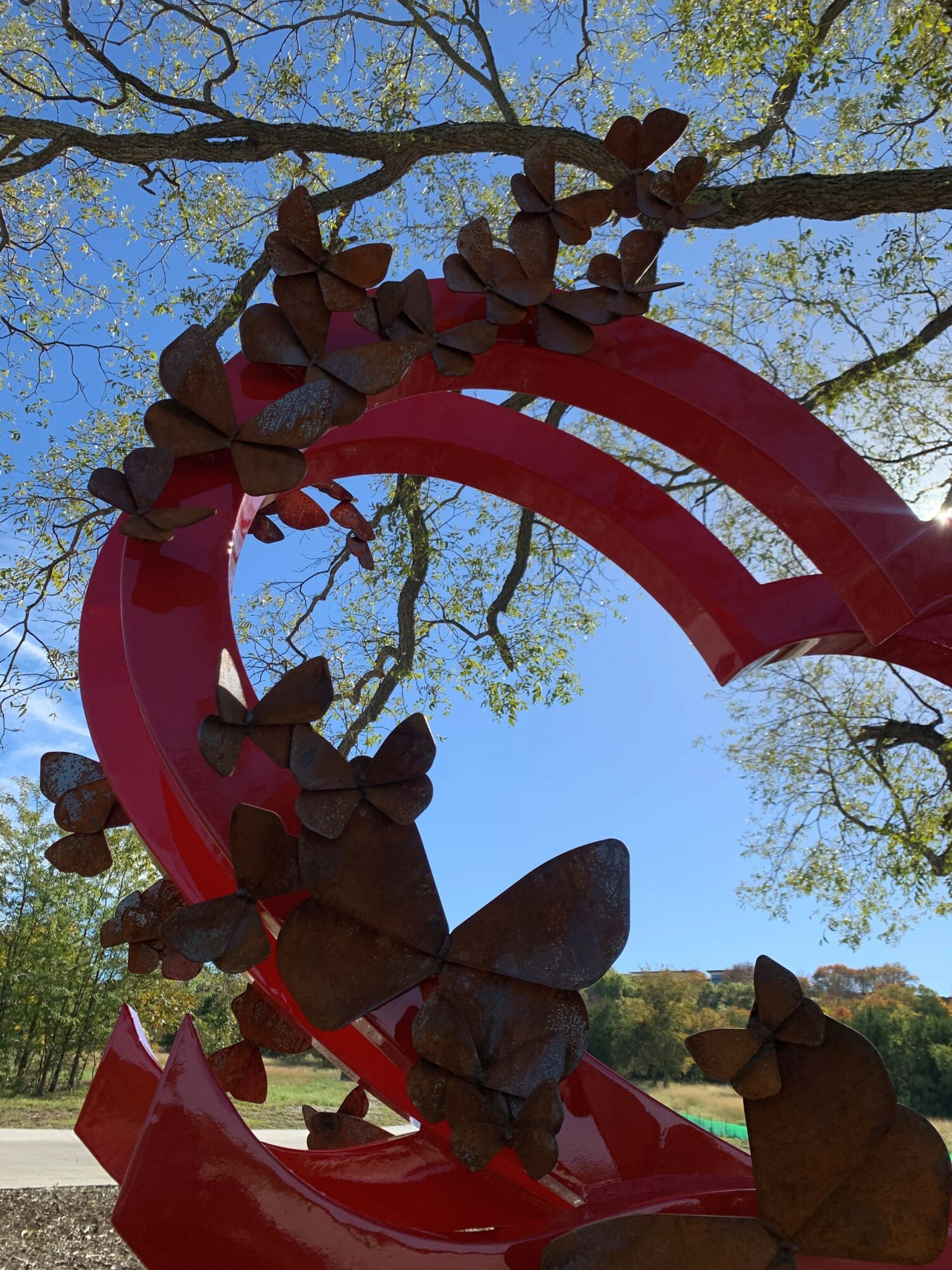
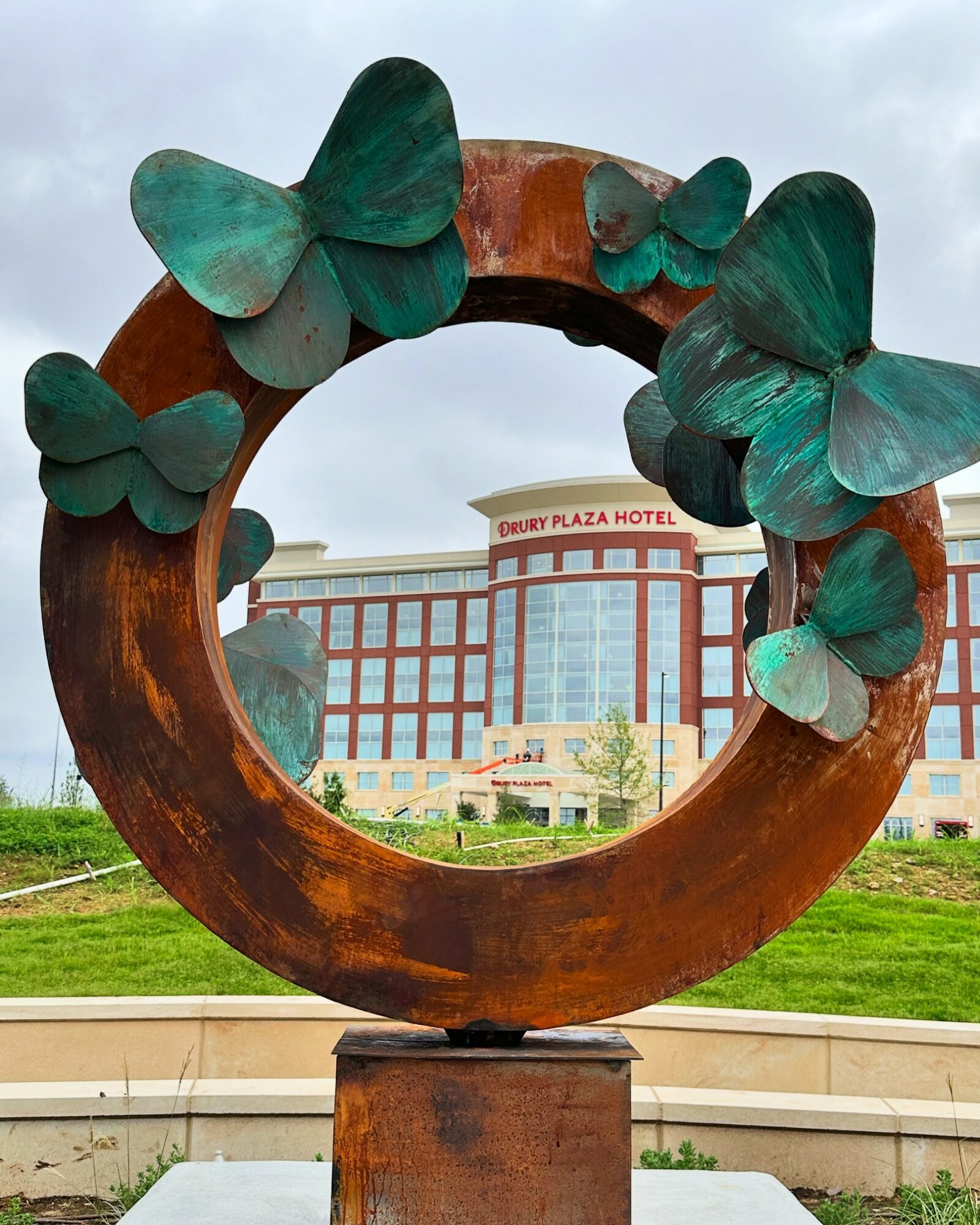
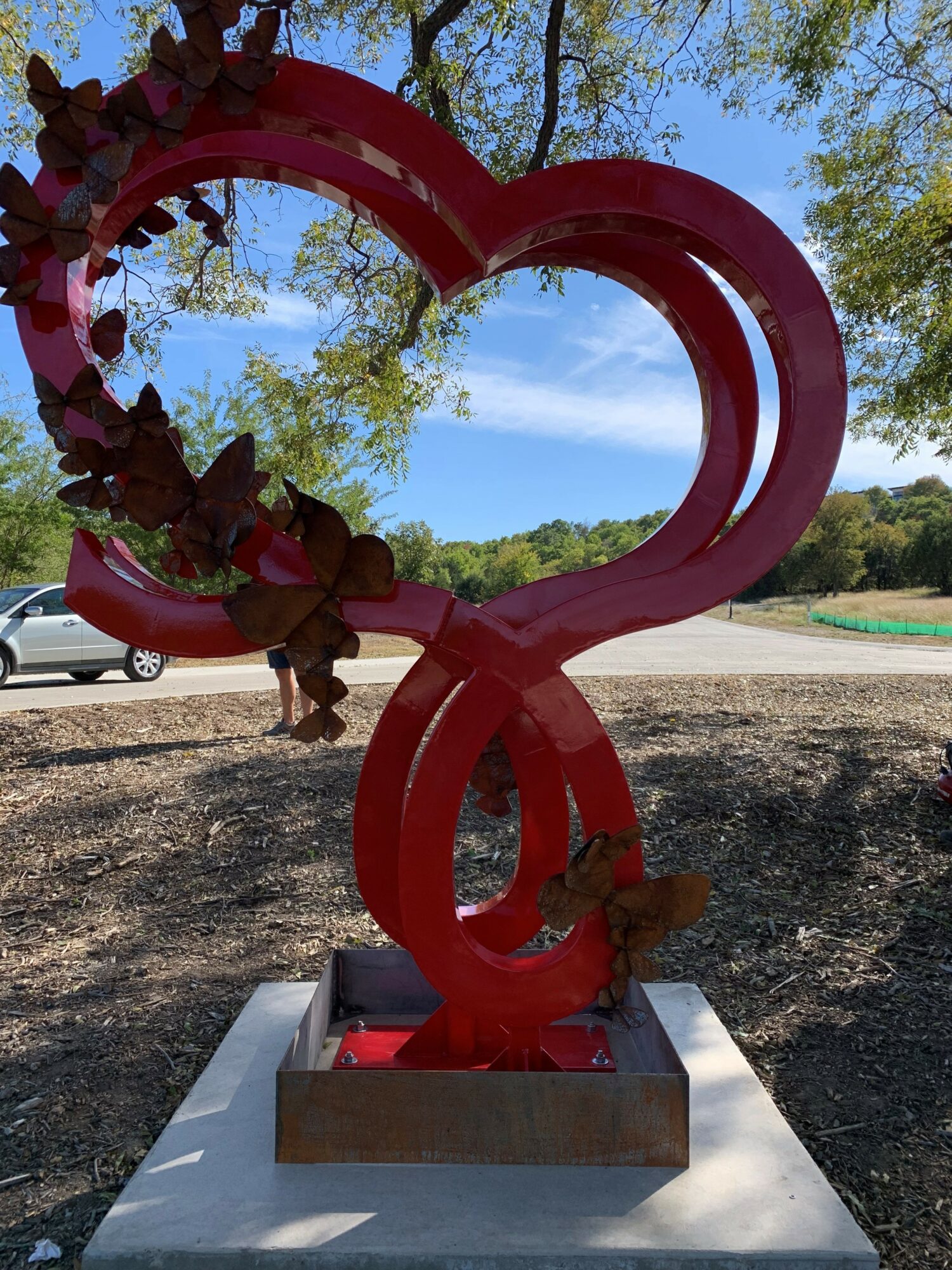
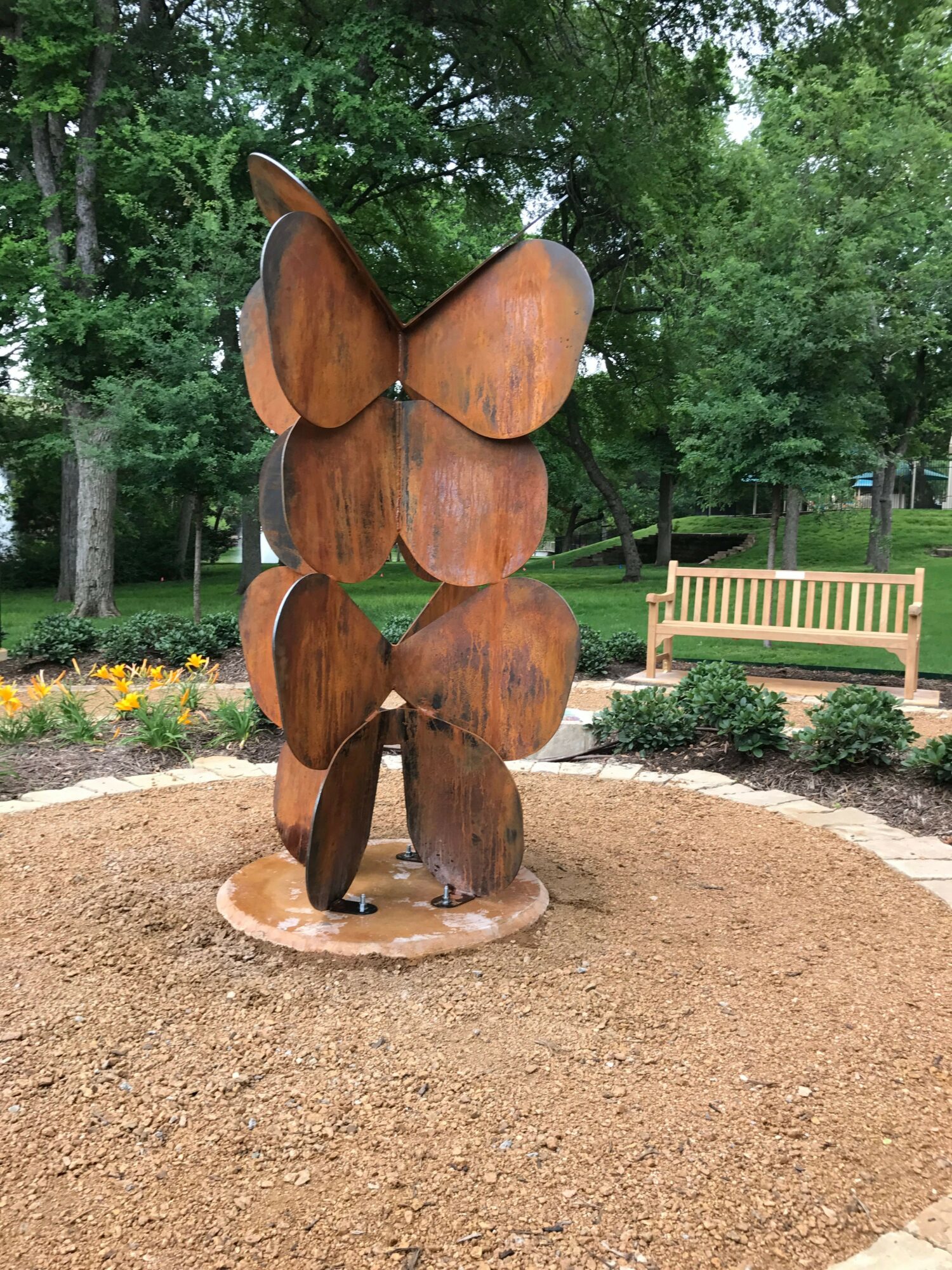
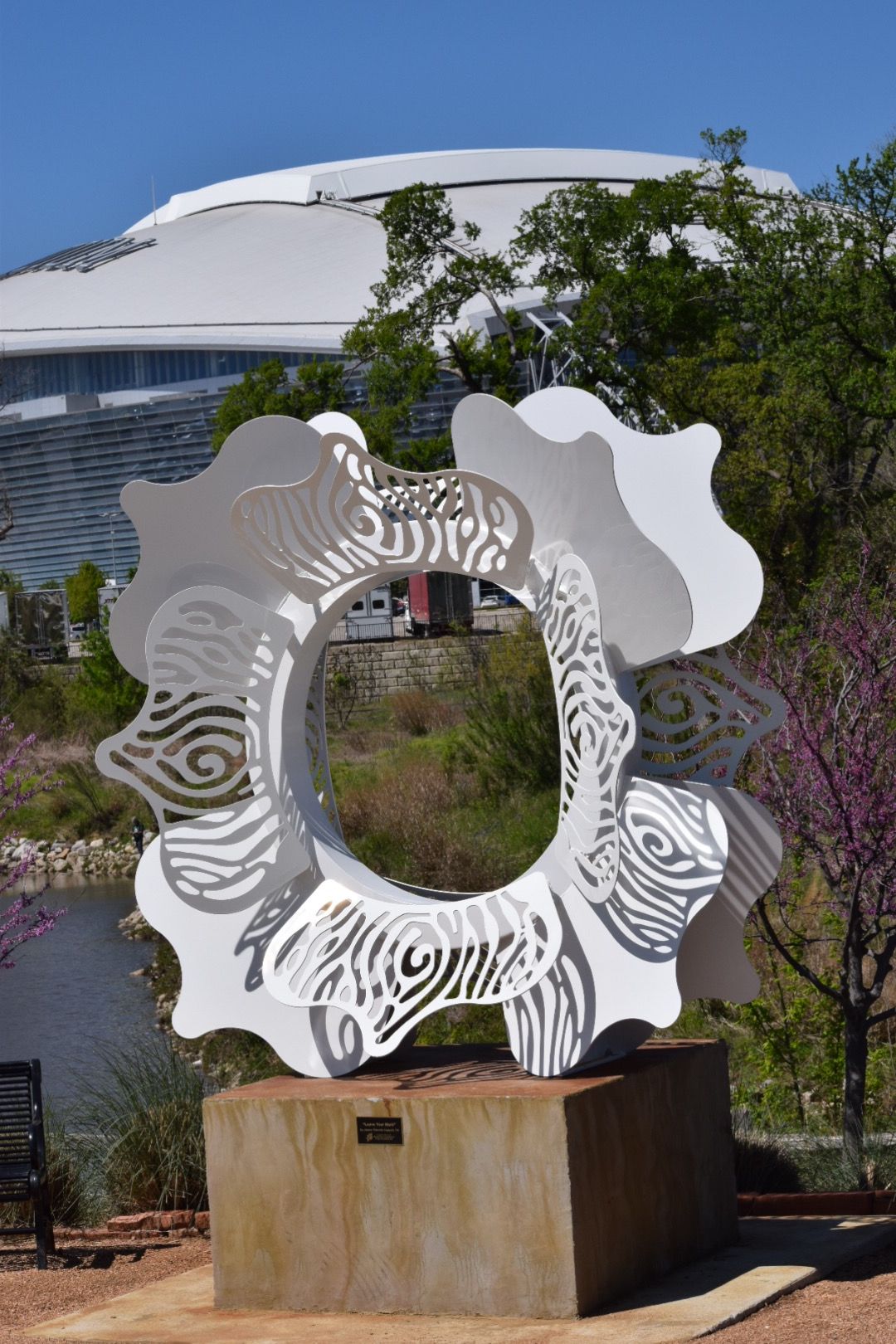
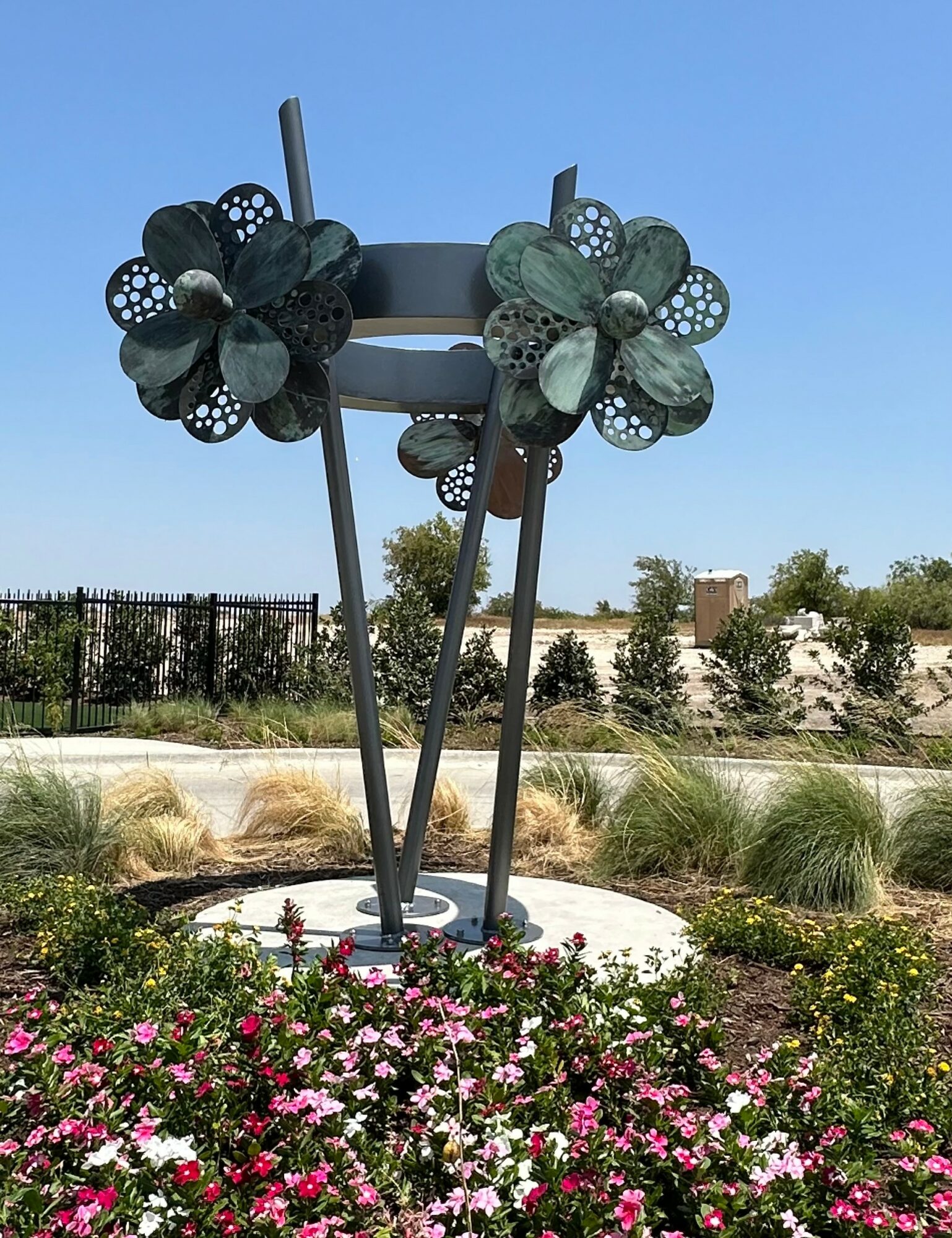
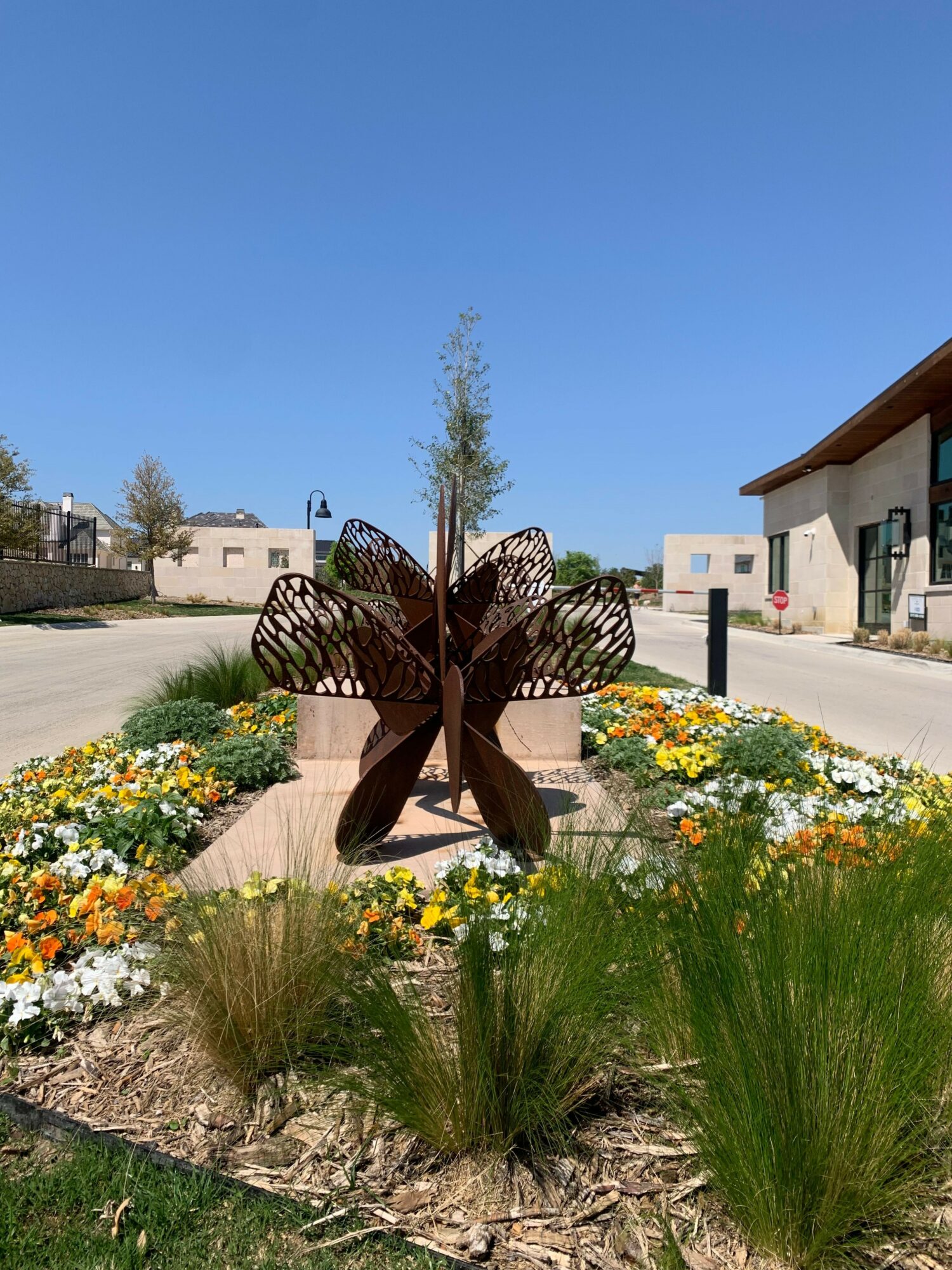
Image Credits
Janna Tidwell