





Today we’d like to introduce you to Rai.
Hi Rai, so excited to have you with us today. What can you tell us about your story?
Performing arts (dance, music, theatre) have been part of my life since childhood. I developed a particularly strong passion for dance by the time I was 9 or 10 years old. I trained and performed with competitive teams through high school before continuing to study dance (and biology) in college. Up until that point, dance, for me, was a pursuit of perfection and tangible accomplishment/validation. There was a feeling that if I could physically achieve excellence in the form of classical ballet technique, then I could know that I was capable, exceptional, and wanted.
That changed a lot during college. I fell into a local street dance community that became most of my social circle for those 4 years. I learned new styles, experienced different formats of performance, and, most importantly, got to see how a thriving dance scene is kept alive outside of classical dance institutions I was raised to revere.
In my last year of college, I crossed paths with several people and organizations that have since come to define my artistry and early career: Arts Mission Oak Cliff, Agora Artists (Avery-Jai Andrews and Lauren Kravitz, at the time), and Very Good Dance Theatre (Colby Calhoun and William Acker). Very Good Dance Theatre (VGDT) reintroduced me to my passion for performance as I was coming into my identities as a non-binary and queer artist. They taught me what it looks like to prioritize people and play/experimentation in collaborative creative spaces, which remains at the heart of my practice today. Agora Artists and Arts Mission Oak Cliff (AMOC) provided me early opportunities to develop and present new work through their SEEDS and Artist-in-Residence programs, respectively. With their help I began clarifying my artistic voice, learned how to self-produce, and started integrating into a local creative community. My time spent with them was the reason I moved to Oak Cliff in the first place.
With all that experience, my passion for performance now centers on collaboration, experimentation, and empowerment. I still enjoy training in classical styles (ballet, modern, jazz), but the pursuit of ‘perfection’ is replaced by a pursuit to discover and become whoever I need/want to be for myself, my loved ones, and my community.
Professionally, my focus includes choreography, performance, and organization/production. I work and create freelance, and I particularly love engaging with the Oak Cliff community. My relationships with these people/organizations (AMOC, Agora Artists, VGDT) have supported me in continuing to create and participate in new works and community programs. AMOC is the venue and co-producer of Collective Reflection, a monthly series of somatic, improvisational dance workshops I founded. I serve on the Agora Artists Advisory Committee, whose programs keep me connected to performance opportunities with my peers. And just last month, I got to participate in a VGDT devised dance theatre residency at AMOC. It’s all so interconnected and community-driven. It makes me feel like I am exactly where I need to be.
Can you talk to us a bit about the challenges and lessons you’ve learned along the way. Looking back would you say it’s been easy or smooth in retrospect?
It’s certainly not a smooth road, and I think that’s the case for most folks passionate about art or community organizing.
I attended a local university where I could pay my way and get a degree in biology, rather than taking out loans to attend a conservatory-style dance program. Towards the end of college, though, I had time and energy to take my first professional gigs and learn the ropes of freelancing. I choreographed concerts for local musicians, and I got my first contracts performing with DFW theaters.
After graduating, I went the 9-5 route at first and landed a job as a medical lab tech for a small-ish company. The work was tiring and stressful- on my feet 8+ hours each day. I didn’t have much time or energy for dance anymore. It became a much heavier lift to be present at dance community happenings. The medical lab company hit a rough patch financially, not long after I joined, and I ended up losing my job in a round of layoffs. At the same time, I learned that my landlord needed me to move out within a month. All of this happened a couple of months before I would start my residency with Arts Mission Oak Cliff. I had nearly no money and no idea what I was doing, but I was determined to figure it all out on my own.
I managed to find a roommate, secure an apartment in Oak Cliff, and started picking up work as a substitute teacher just in time to start the first rehearsals of the residency. I couldn’t tell you how, but we managed to put up an hour-long new work only 2 months later. I remember feeling like there was never enough time, money, or energy, but that I knew I was going to make it happen. It was really all thanks to the people who helped make that show – the dancers/collaborators, the lighting designer, the AMOC staff, and the people who showed up to the community dance classes.
And I guess that’s the main theme. There *is* never enough time or money or certainty, but when we ask for support from the right people, incredible things happen anyway.
Thanks – so what else should our readers know about your work and what you’re currently focused on?
Nowadays, I work as a choreographer, performer (mainly dance and theatre), and arts organizer/producer. I primarily work on a freelance basis in collaboration with other independent artists and small, local organizations, such as Arts Mission Oak Cliff and Agora Artists.
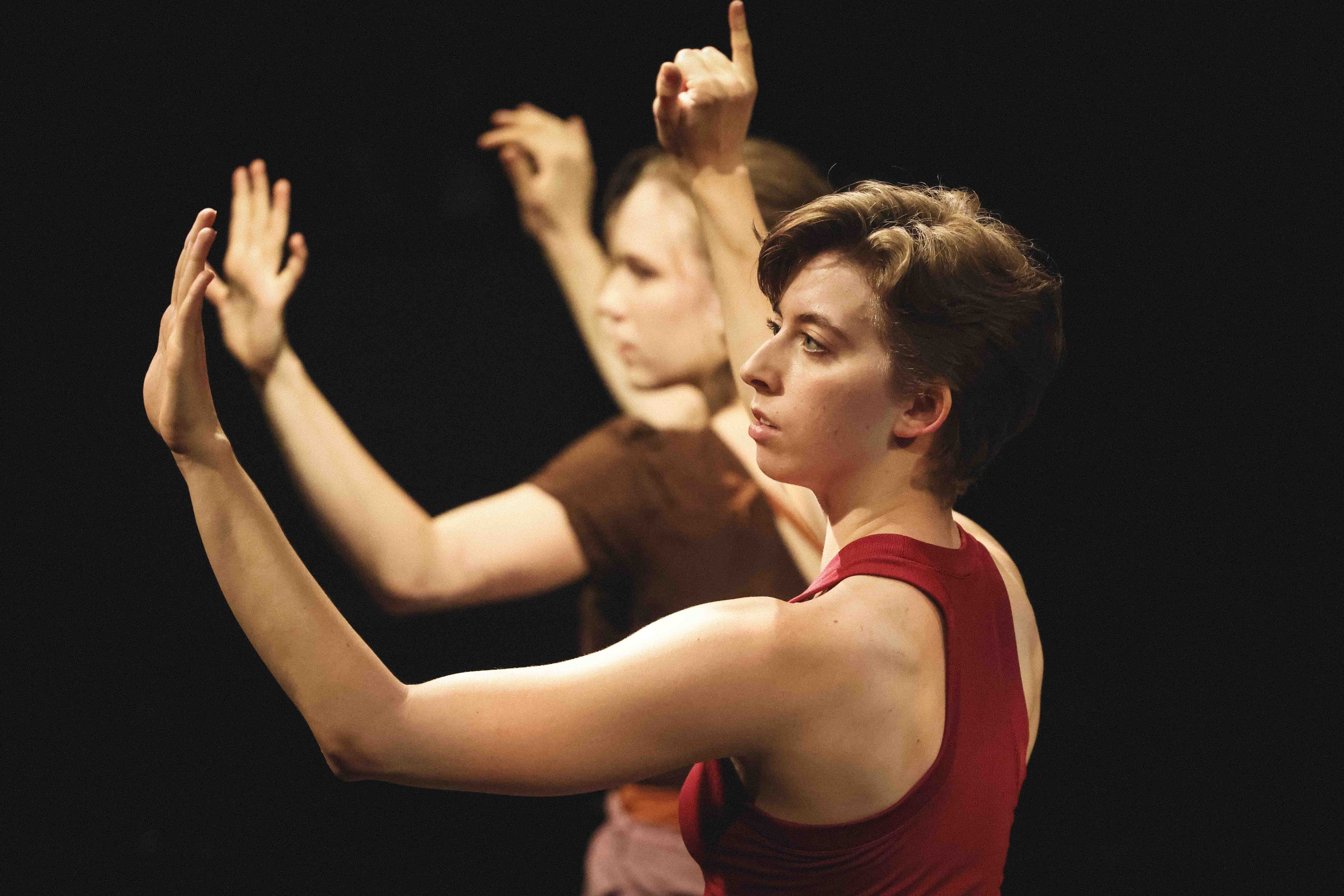
As a choreographer and performer, I specialize in contemporary dance and collaborative processes, with a particular interest in improvised/devised ensemble works. While I enjoy the focused, detailed process of prepared choreography, I find myself most present with myself, my peers, and the audience when I’m not entirely sure what’s about to happen in a performance. I love saying “yes, and” to a thoughtful or silly idea and seeing where it takes us. It’s a uniquely potent way of finding empathy and connection with every person involved in a performance space.
Similarly, I aim to offer creative spaces that dismantle the hierarchical power structures that often exist in contemporary and commercial performance spaces. I prefer to work with the artists in the room as peers and collaborators. I aim to prioritize a sense of ownership of the work for everyone, rather than maintain rigid ‘choreographer’, ‘dancer’, ‘teacher’, and ‘student’ roles. What we learn and experience together in creating and doing the dance becomes just as meaningful (if not more so) than what we look like to outside eyes. There’s very much a “process over product”, “it’s not about the destination, it’s about the journey” mindset that I strive to bring to every program and process I lead.
A lot of these ideas show up in my monthly series, Collective Reflection. This program offers a somewhat structured, beginner-friendly entry point for adults into somatic, improvised dance. Somatic, for my practice, just means that we are dancing in a way that focuses on sensation, rather than trying to mimic a teacher or learn a specific technique. These workshops typically include meditation, a guided warm-up with contemporary/modern dance fundamentals, some playful, mindful improvisation games, and time for reflective conversation/journaling/drawing – all with live music throughout. Entry is donation-based, and no prior dance experience is required to participate. In fact, I encourage folks who have never taken a dance class before to check out this program, in particular! Collective Reflection is offered one Sunday per month, 1:30 – 3:00 pm at Arts Mission Oak Cliff. I’d love to see you there!
Is there something surprising that you feel even people who know you might not know about?
Any community programs or performances I produce are generally offered with a donation-based participation structure!
I believe that art is a shared, communal practice that should be accessible to everyone. That includes financial accessibility through flexible, pay-what-you-can pricing models. Everyone deserves opportunities for creative expression and connection, whether they have $50 or $0 to spare. I will always encourage and hold folks accountable to contribute what they can to ensure the programs can continue to exist, but I will never deny anyone the experience of being part of an artistic offering because of a ticket price.
In certain cases, an event I am co-producing may not explicitly list a free ticket option due to the policies of a producing partner. If the listed price for something I am producing presents a barrier to you participating, please reach out! I want you to be there and will do whatever I can to make that happen.
Contact Info:
- Website: https://www.raibarnardmovement.com/
- Instagram: https://www.instagram.com/rai.barnard/
- Other: https://www.tickettailor.com/events/artsmissionoakcliff/1995018
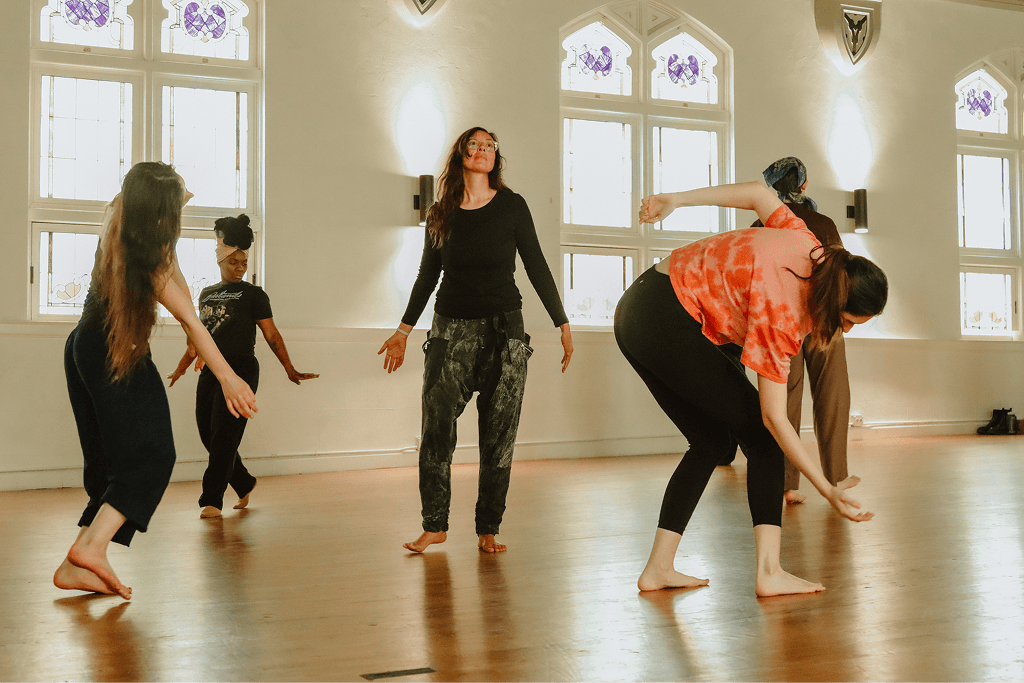
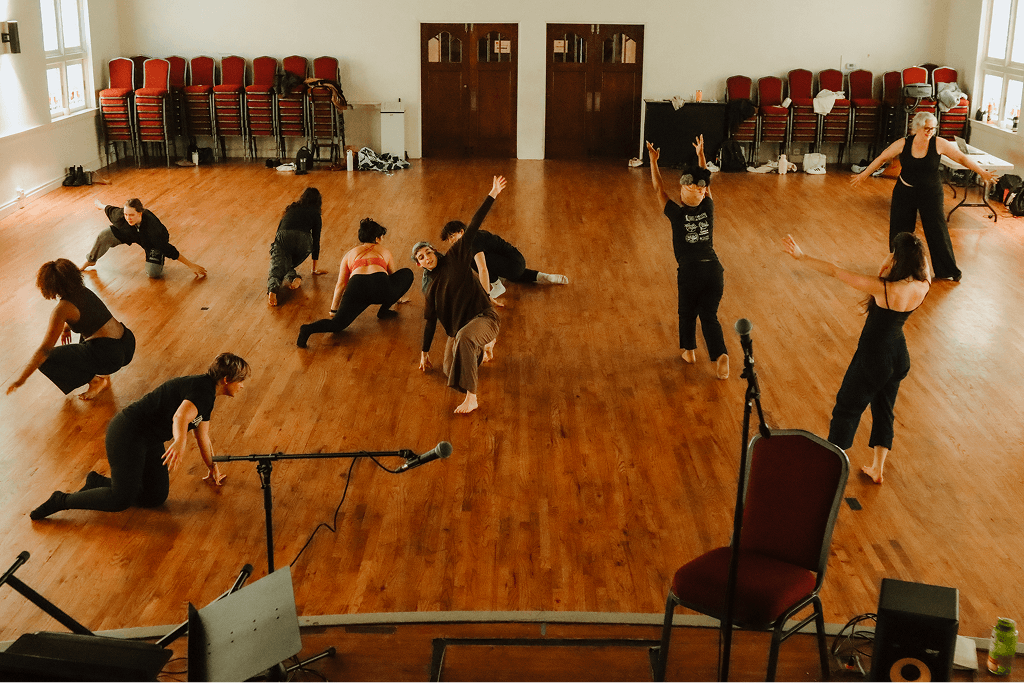
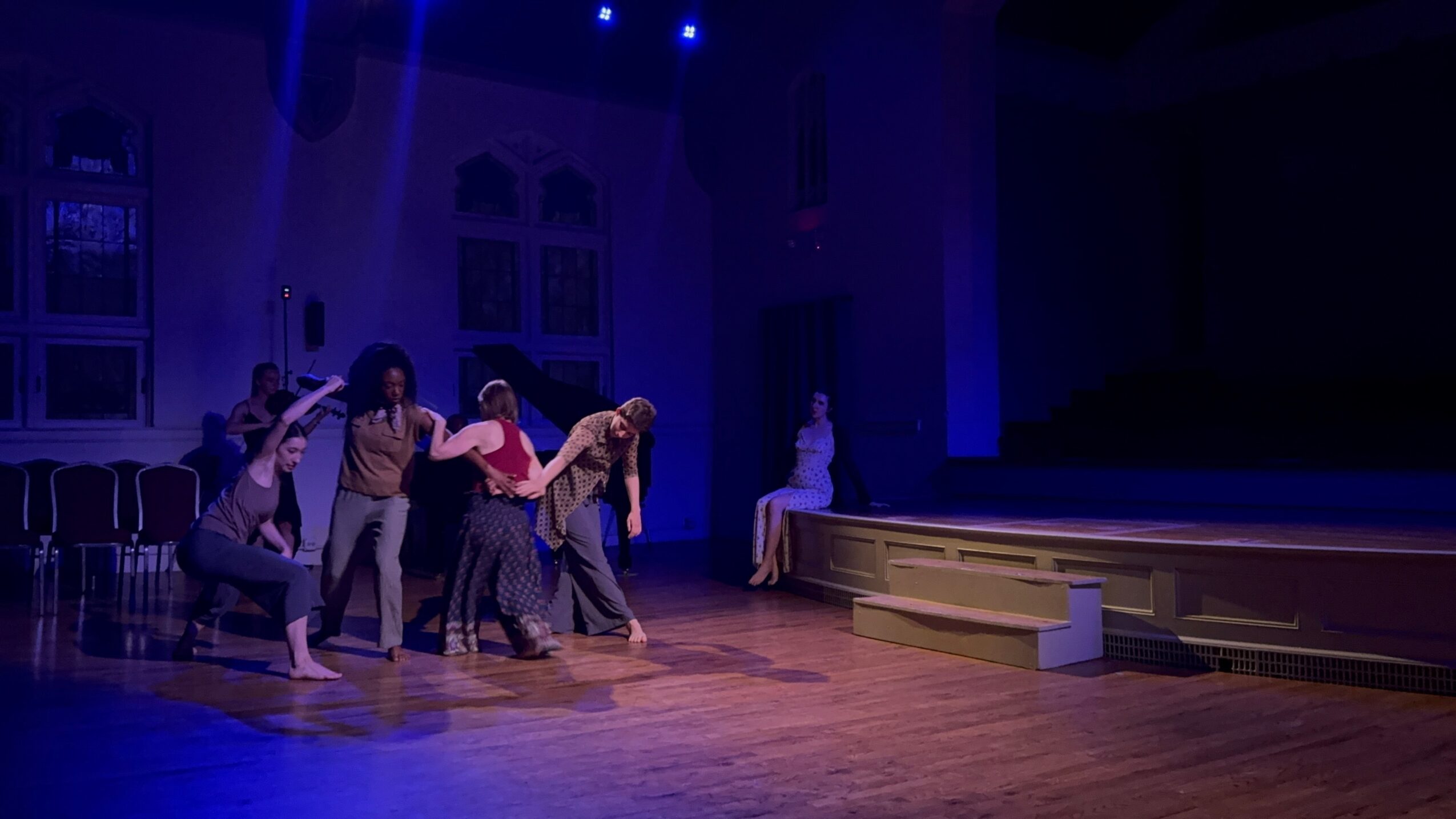
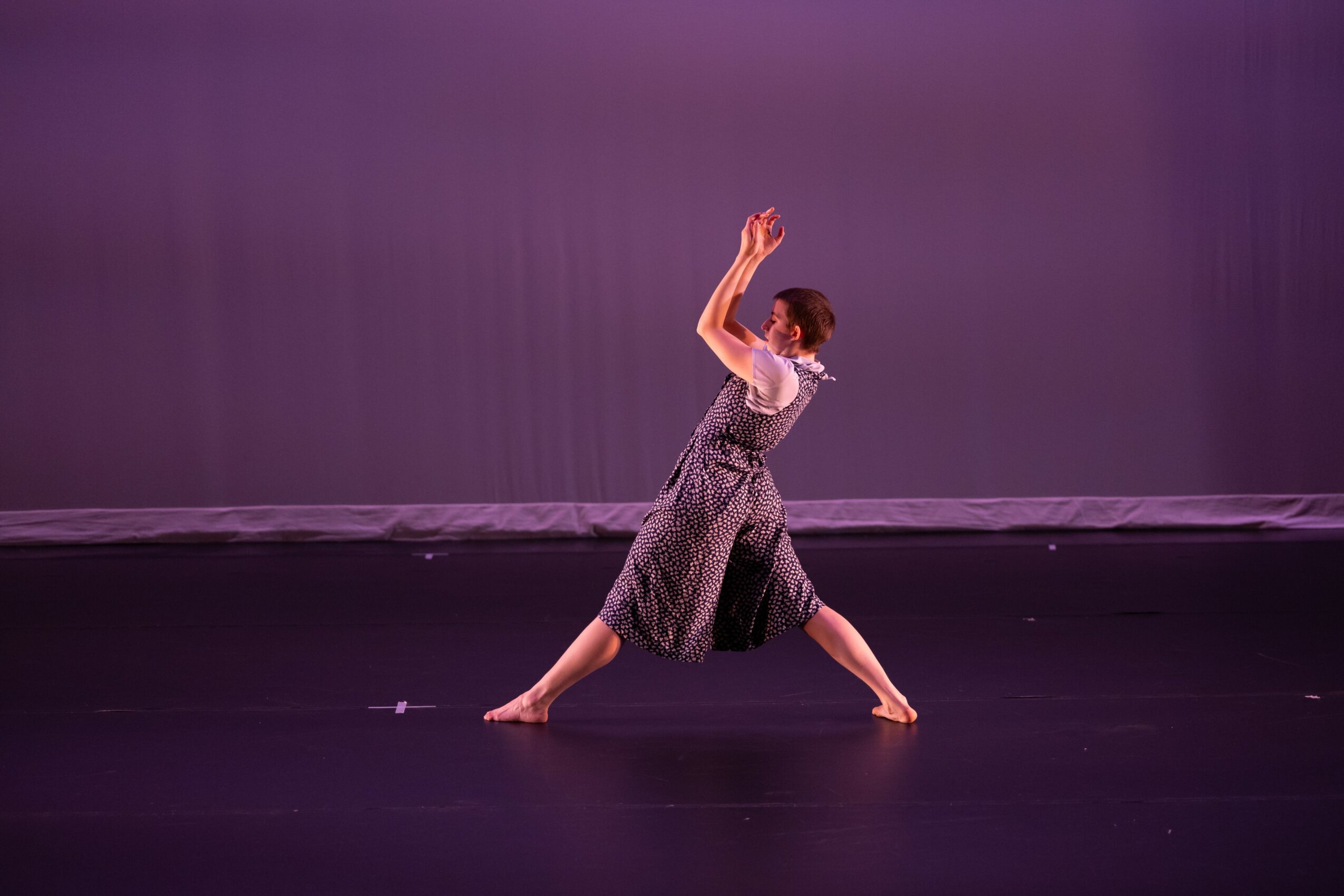
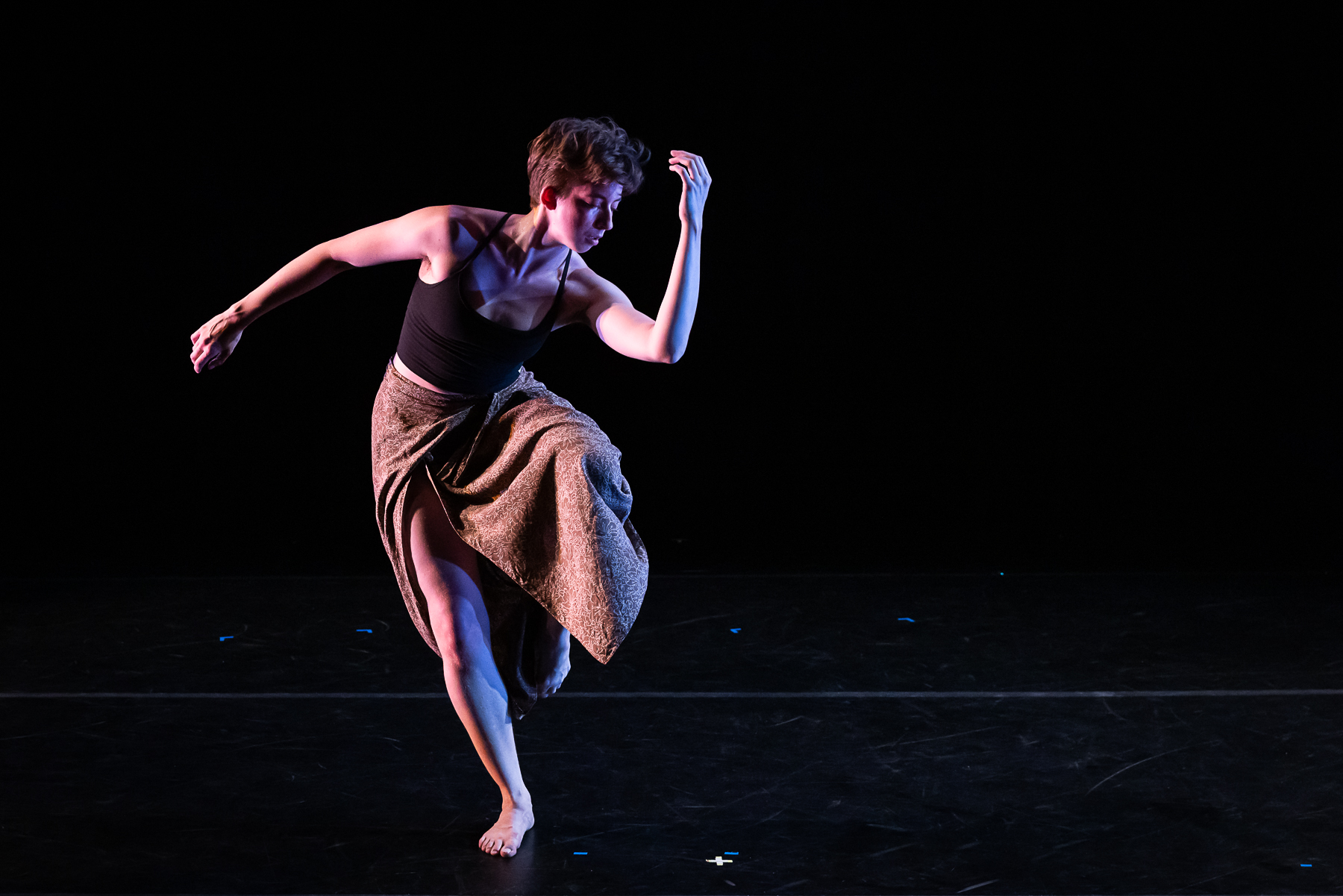
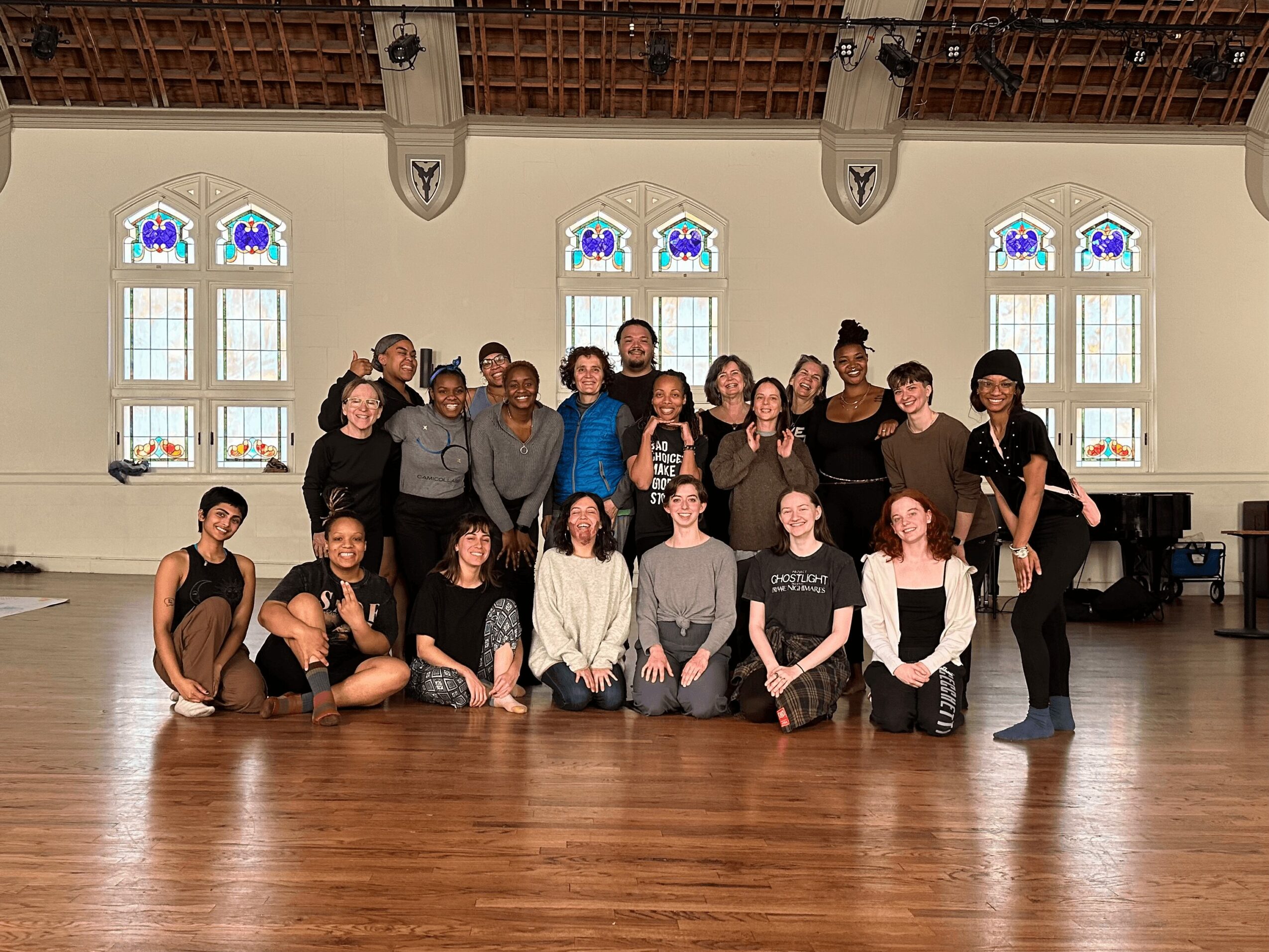
Image Credits
Uploads 1 & 2 Boy Howdy Co (Dani Holway)
Upload 3 : N/A
Upload 4: Natalie Bracken
Upload 5: Lynn Lane
Upload 6: N/A
Popular
-
Behind the Lens, On the Rise: Julian Bell’s Journey From Local Sets to Network Television
-
Jerry “J‑Man” Joyner Is Creating Space for Honest Conversations That Help People Keep Moving Forward
-
Jordan Smelley Is Reframing Mental Health Care Through Lived Experience and Advocacy
-

The Most Inspiring Stories in Dallas