






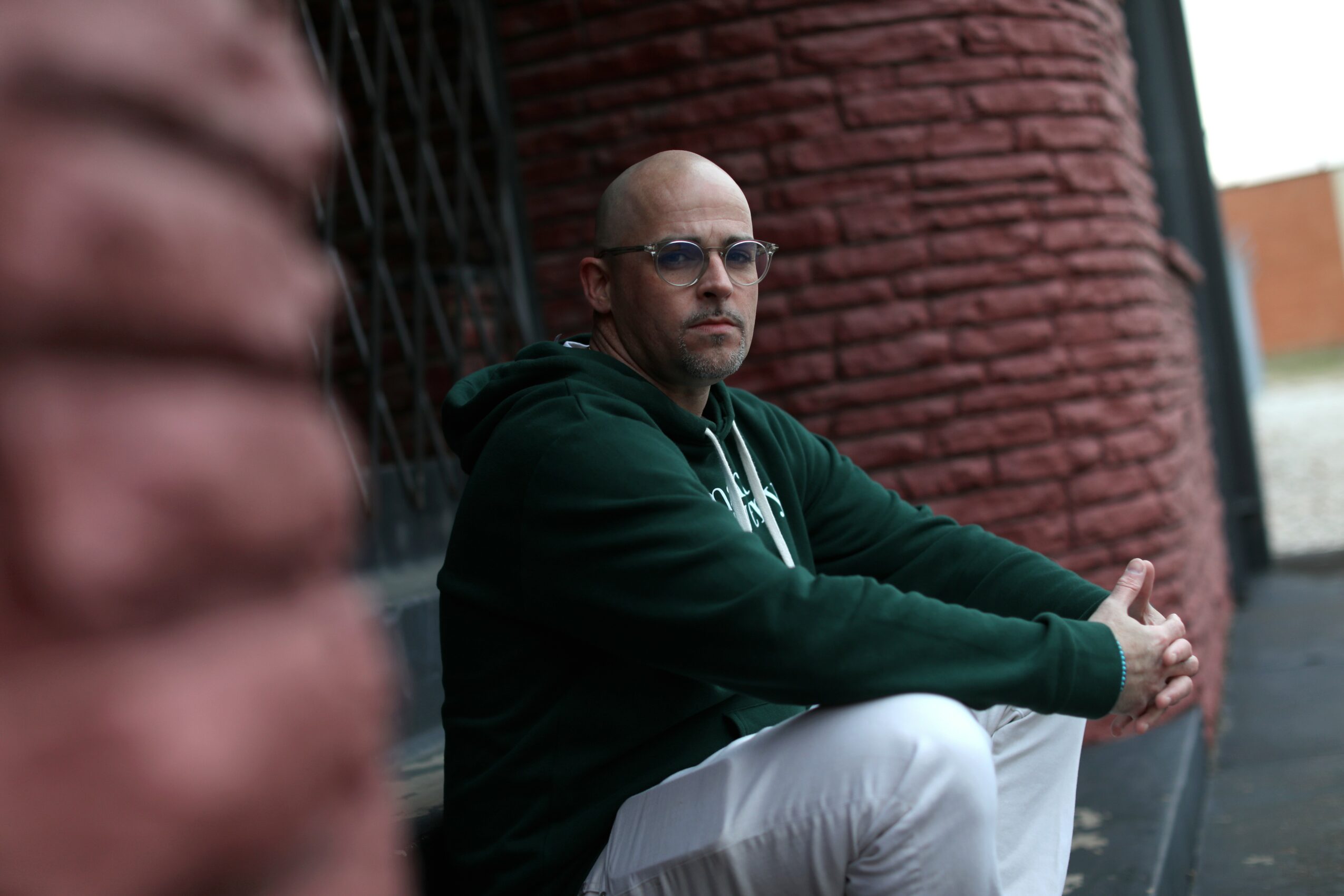
Today we’d like to introduce you to Adam Tripp.
Hi Adam, thanks for sharing your story with us. To start, maybe you can tell our readers some of your backstory.
My story is really a tale of two lives. The first 20 years were defined by a relentless cycle of addiction, the kind that takes everything and then asks for more. I experienced the full weight of that through homelessness, prison, and the devastating loss of my family and self-respect.
Everything shifted in 2013 when I finally got clean. I didn’t just want to survive; I wanted to understand. I started at the ground floor, working as a tech in the very facility where I found my own sobriety. I spent the next decade climbing, eventually serving as a Facility Director, but I always felt there was a deeper level to the work. In 2022, I stepped into the world of interventions and that’s where the two halves of my life finally integrated. I realized that my 20 years in the dark weren’t wasted. They were the training ground for the work I do today, helping families find the light.
We all face challenges, but looking back would you describe it as a relatively smooth road?
It hasn’t been a smooth road by any means. Early on, the biggest struggle was navigating the complex politics inherent in this industry. When you come into this work with a heart for service, it is a shock to realize that not everyone is there for the right reasons.
Learning to differentiate the good guys from the bad guys, identifying who was truly patient centered versus those who were just following a bottom line, was a steep learning curve. There were times when my personal values clashed with the way things were being run, and finding my voice in those spaces took time. But those challenges were necessary. They taught me how to protect the integrity of the recovery process and ultimately led me to the intervention work I do now, where I can ensure the focus stays exactly where it belongs: on the family and the individual in need.
Thanks for sharing that. So, maybe next you can tell us a bit more about your business?
Stillpoint Interventions exists to help families and individuals find clarity, connection, and forward movement during moments of crisis. We specialize in compassionate, relationship-centered intervention services that meet people exactly where they are, without force, shame, or pressure. Our work is rooted in trust, respect, and the belief that meaningful change happens when people feel seen, supported, and safe.
At Stillpoint, we understand that substance use and mental health challenges do not happen in isolation. They impact families, relationships, and entire systems. That is why our approach extends beyond the individual, helping loved ones establish healthy boundaries, gain understanding, and move out of chaos and into stability.
We collaborate closely with trusted clinicians, treatment providers, and community partners to ensure thoughtful placement and continuity of care. Every intervention is handled with intention, discretion, and deep respect for everyone involved. Our goal is not just treatment entry, but lasting alignment, healing, and sustainable next steps.
What sets us apart is our heart and dedication. Because I have been on both sides of the door, I know that a successful intervention isn’t about winning an argument. It is about creating a safe space where the truth can finally be heard.
What do you like best about our city? What do you like least?
I love Dallas. I was born and raised here, so this city is stitched into the fabric of who I am. What I like best is our incredible art and music scene. Whether it is the history in Deep Ellum, the world class exhibits in the Arts District, or the local galleries in Bishop Arts, there is a creative energy here that is deeply underrated. We have a soul that comes through in our music and our murals, and as a local, I take a lot of pride in that.
What I like least about our city is the sprawl and the traffic that comes with it. Because we are so spread out, it can feel like you are living in a series of connected islands rather than one cohesive community. It forces a certain level of isolation, and you really have to be intentional about getting out of your car and finding those pockets of connection. In my work, I see how important community is for healing, so I am always looking for ways to bridge those gaps that the city’s geography tends to create.
Contact Info:
- Website: https://www.stillpointinterventions.com
- Instagram: https://www.instagram.com/stillpointinterventions
- Facebook: https://facebook.com/stillpointinterventions
- LinkedIn: https://www.linkedin.com/company/stillpoint-interventions/
Popular
-

Deborah Fessenden on Turning Foraged Beauty into Purpose-Driven Jewelry and Advocacy
-

Andrew Finch on Building Elite Athletes Through Fundamentals, Mindset, and Global Experience
-

Genai Walker on Turning Life Experience into Impact Through Writing, Business, and Self-Mastery
-

The Most Inspiring Stories in Dallas