






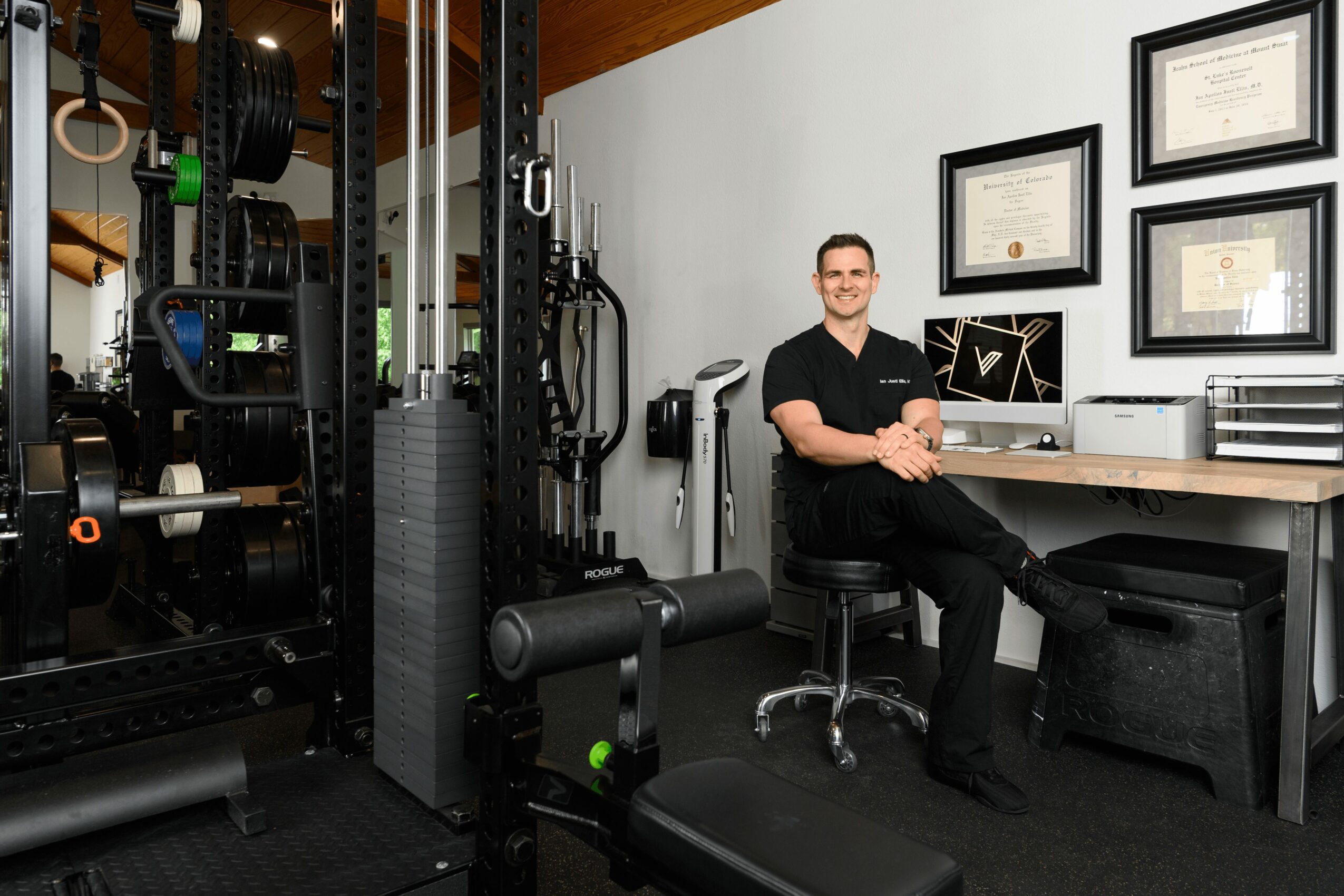
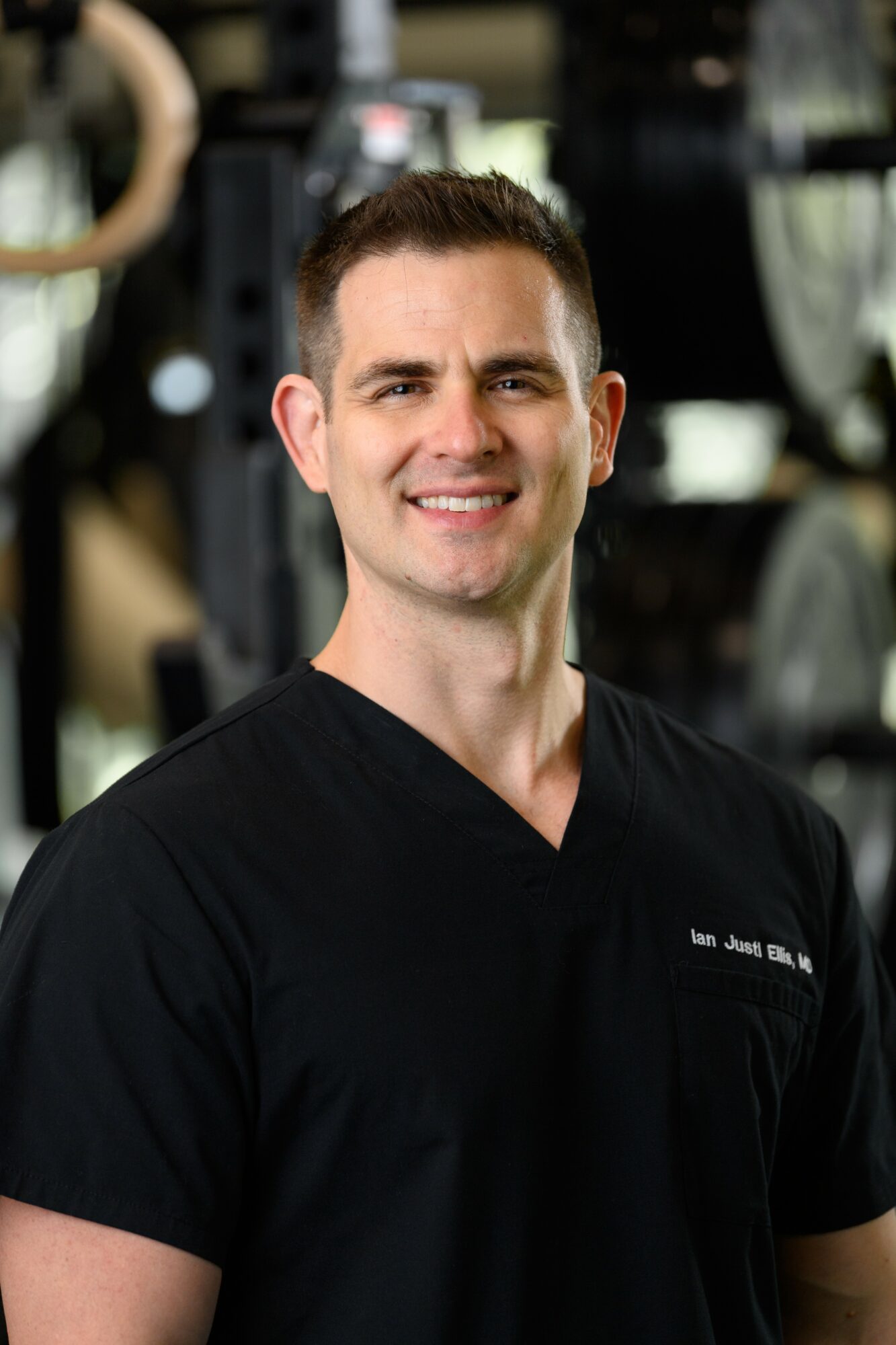
Today we’d like to introduce you to Ian Justl Ellis.
Hi Ian, we’d love for you to start by introducing yourself.
I’ll refer you to a url where I lay this out in a lot of detail: voafit.com/my-story and https://www.voafit.com/justlellis as well as voafit.com/mylevel
The short story is, my story isn’t short.
I didn’t come to medicine with a neat or linear story. Long before medical school, I was obsessed with fitness, nutrition, and the idea that you could reshape your life through discipline. I trained hard, studied diet strategies obsessively, and believed that if you worked hard enough and followed the right plan, results were inevitable.
But my own experience didn’t always match that belief.
There were periods where I did everything “right” and still struggled, with weight fluctuations, burnout, and the constant mental negotiation that comes with trying to control appetite and energy through willpower alone. That disconnect stuck with me. It planted an uncomfortable question early on: if effort and knowledge aren’t enough, what are we missing about how human biology actually works?
That question followed me into medical school and residency. I went into training hoping medicine would provide clearer answers to the problems I had experienced personally and seen in others. Instead, I often felt frustrated. Many of the patients I cared for were dealing with metabolic disease, obesity, fatigue, and hormonal dysfunction, conditions that profoundly affected their lives, yet the tools we offered were often reactive and incomplete. We gave advice that sounded logical, but long-term success remained rare.
When GLP-1 medications began to emerge, they felt different. For the first time, there was a treatment that directly affected appetite biology rather than relying entirely on behavior change. Early results were exciting, but once I began prescribing them regularly, a familiar pattern appeared. Some patients thrived, while others struggled with side effects, inconsistency, or eventually stopped treatment altogether.
What bothered me most was that the patients who struggled were often the most motivated.
The standard approach relied on fixed dose escalation schedules, essentially moving everyone up the same ladder regardless of how their body responded. But clinically, and intuitively, it didn’t make sense. These medications don’t work in steps. They build and decline continuously in the body, and patients seemed to respond to the level of medication present over time, not simply the dose written on the prescription.
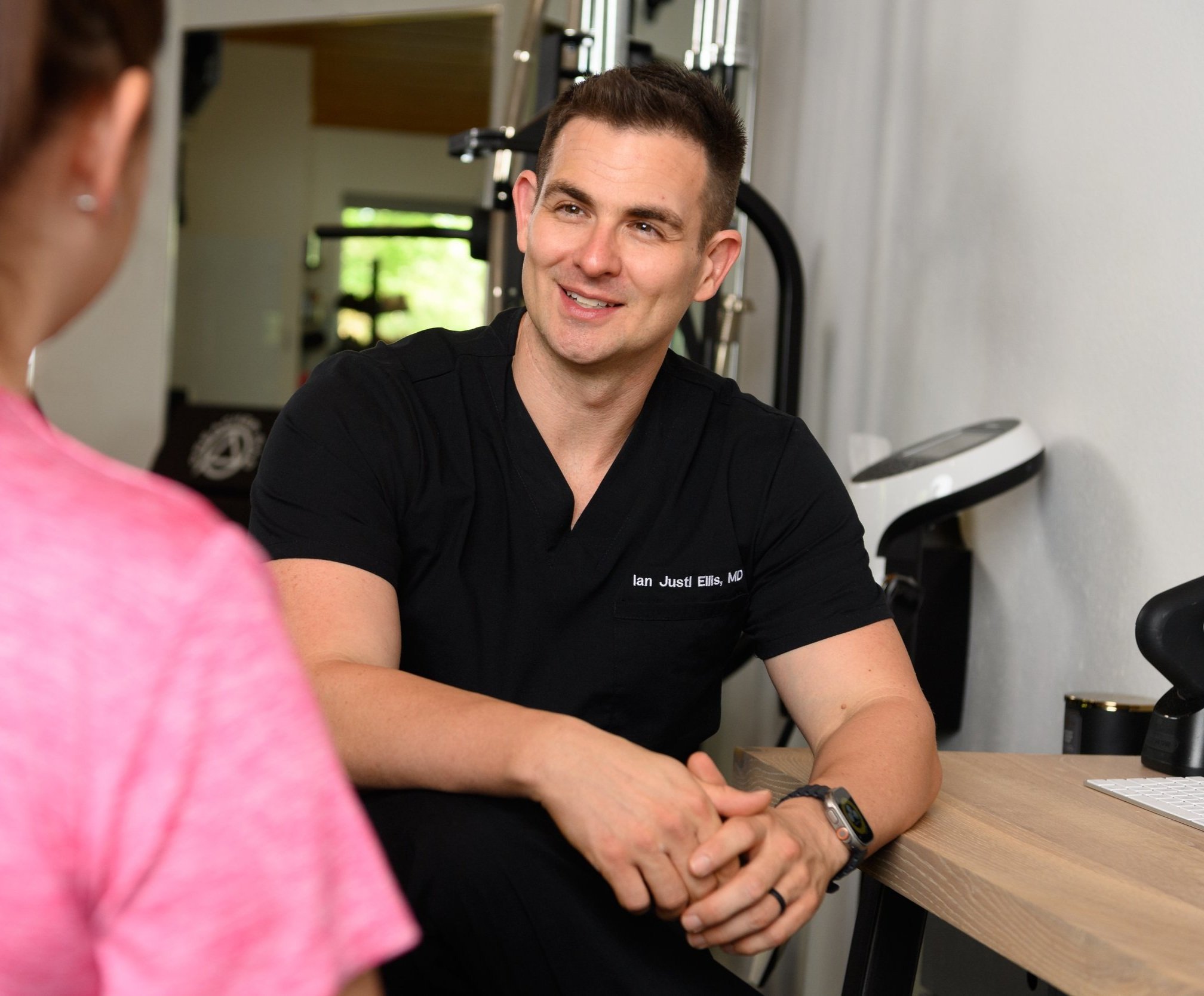
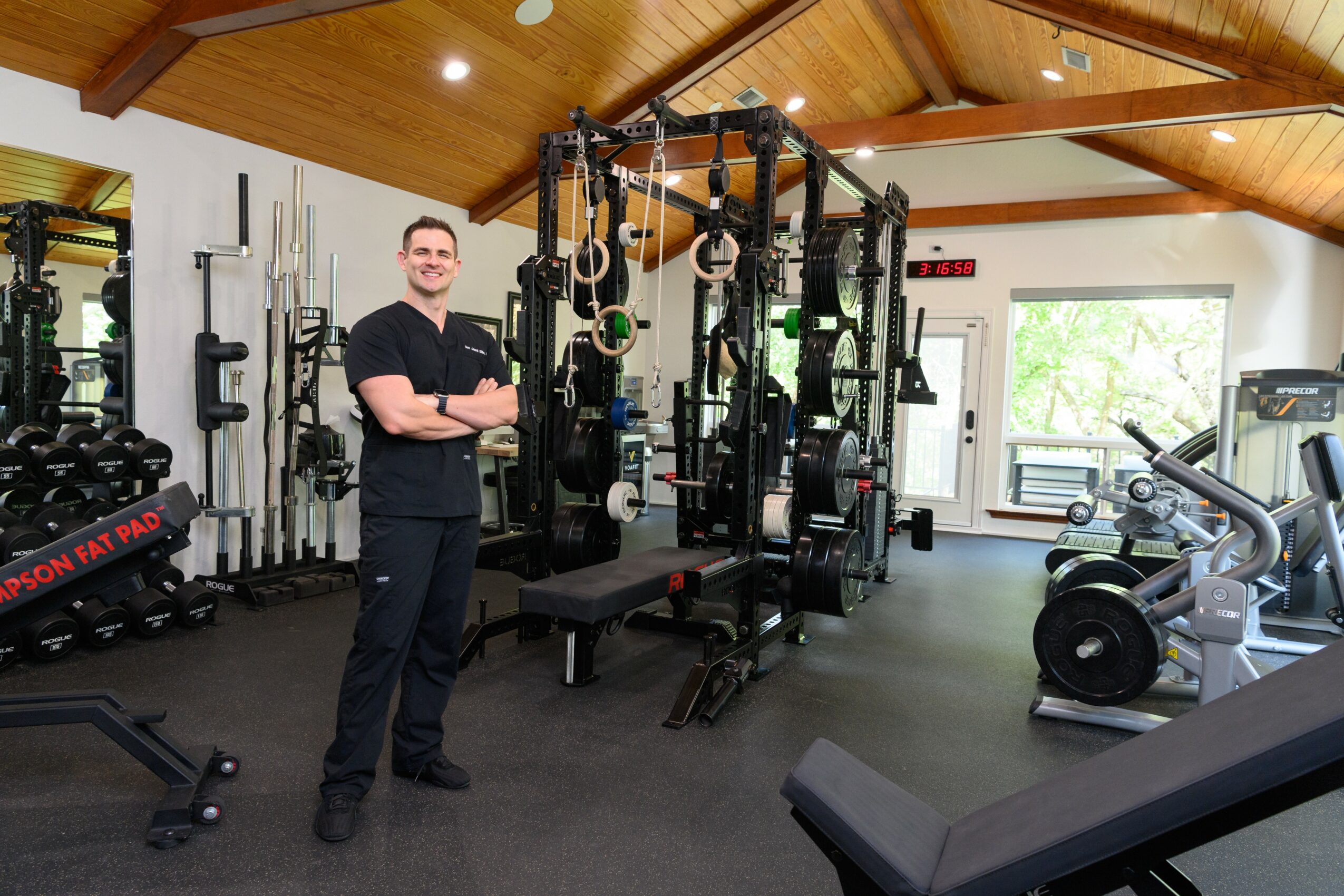
After years of practicing emergency medicine, I made the decision to build my own clinic, Voafit, because I wanted to practice medicine differently. I wanted time to listen, to track outcomes closely, and to adjust treatment based on real patient experience rather than rigid protocols. Working closely with patients through detailed weekly check-ins, something surprising began to happen. When dosing decisions were guided by how medication levels behaved in the body instead of predetermined schedules, patients often felt better, experienced fewer side effects, and stayed on treatment longer. Many succeeded at levels far lower than traditional dosing targets.
What started as small adjustments turned into a pattern, and eventually into a framework.
That framework became MyLevel™, a precision dosing system centered on identifying the medication level where an individual feels and functions best, then maintaining that level in a way that fits real life.
Looking back, MyLevel wasn’t born from a single breakthrough moment. It grew out of years of personal trial and error, frustration during medical training, and countless conversations with patients who were trying hard but felt like the system wasn’t designed for how real humans live.
In many ways, my journey has been about reconciling two worlds, the discipline-driven mindset of fitness and the biological realities revealed through medicine. The realization that changed everything was simple but profound: success isn’t about forcing the body to comply. It’s about understanding how biology actually works and working with it.
Today, through Voafit and the MyLevel platform, my goal is to help patients and physicians move toward a more individualized approach to metabolic care, one that prioritizes sustainability, adaptability, and long-term success over rigid protocols. Because for many people, the difference between failure and success isn’t effort. It’s finally having a system that makes success possible.
We all face challenges, but looking back would you describe it as a relatively smooth road?
No, it hasn’t been a smooth road at all. In many ways, the hardest parts came before anything started working.
Early in my life, I genuinely believed that if you worked hard enough and followed the right plan, you could control your body through discipline alone. Fitness and nutrition became almost an obsession for me. I trained hard, studied diet strategies endlessly, and held myself to a very high standard. But there were periods where, despite doing everything “right,” results didn’t match effort. That was frustrating and honestly confusing. It forced me to confront something uncomfortable early on, that biology doesn’t always respond the way we expect, and that willpower alone isn’t a reliable solution.
That tension followed me into medicine. During medical school and especially residency, I started to feel a growing disconnect between what we told patients and what actually worked in real life. We were treating conditions that were deeply affecting people’s lives, obesity, metabolic disease, fatigue, hormonal dysfunction, yet many of our solutions felt reactive and incomplete. Patients often left appointments with advice that sounded reasonable but didn’t meaningfully change their trajectory. I remember feeling a quiet frustration, wondering if medicine was missing something fundamental about how people actually live and how human biology actually behaves outside textbooks.
Choosing to build my own clinic was probably the most uncertain period. Stepping away from a traditional path meant giving up stability without any guarantee that what I wanted to build would succeed. There were real moments of doubt, financial pressure, long hours, and the uncomfortable realization that when you start something yourself, every decision rests on you. It’s easy to look back and see a clear narrative, but at the time it felt much more like experimenting in the dark.
Even the development of what eventually became MyLevel wasn’t a sudden insight. It was slow, iterative, and sometimes uncomfortable. I questioned myself often. Was I seeing real patterns or just wanting them to exist? Was it irresponsible to challenge established dosing models, or was it more irresponsible not to question them when patients were struggling? Medicine trains you to respect protocols, so stepping outside of them, even thoughtfully, carries a psychological weight.
What kept me moving forward was patients. When you watch motivated people struggle despite doing everything asked of them, it becomes hard to ignore the possibility that the system itself needs adjustment. Over time, small observations began to add up, and what initially felt uncertain started to look like a consistent pattern.
Looking back, the struggles weren’t detours, they were the process. The personal failures taught me humility about biology. Residency taught me where the gaps in care existed. Building the clinic taught me how much uncertainty comes with trying something new. And all of that ultimately shaped the work I’m doing now.
If anything, the journey has made me less interested in perfect answers and more interested in asking better questions, especially when patients’ real-world experiences don’t match what we assume should happen.
As you know, we’re big fans of Voafit. For our readers who might not be as familiar what can you tell them about the brand?
Voafit was built around a simple idea: healthcare works best when it adapts to real human behavior instead of expecting people to perfectly adapt to rigid medical systems.
When I started the practice, my goal wasn’t just to offer another weight loss clinic or hormone optimization program. I wanted to create an environment where treatment could evolve alongside the patient, where feedback mattered, adjustments were thoughtful, and care could be personalized in a meaningful way rather than standardized.
Today, Voafit focuses primarily on metabolic health, medical weight loss, and hormone optimization, but what really defines the practice is how those treatments are delivered. We specialize in individualized care models that prioritize sustainability and patient experience just as much as clinical outcomes. Instead of pushing patients through predetermined protocols, we track how they actually feel and respond over time and use that information to guide treatment decisions.
That philosophy ultimately led to the development of MyLevel™, which has become the defining framework behind much of our work. MyLevel shifts the focus away from fixed medication doses and toward understanding medication levels in the body over time. In practice, that means helping patients find the point where treatment feels effective, stable, and livable, rather than constantly escalating doses in pursuit of an abstract target.
What sets us apart is that the system grew directly out of real clinical relationships. It wasn’t designed in a boardroom or built around a marketing idea. It emerged from years of detailed patient check-ins, conversations, and long-term observation of what actually helps people succeed. Many patients come to us after struggling elsewhere, not because treatments failed, but because the experience felt unsustainable.
Brand-wise, what I’m most proud of is that Voafit has become less about a clinic and more about a philosophy of care. Patients often tell us they feel heard in a way they hadn’t before, and that their treatment finally feels collaborative instead of prescriptive. That trust is something we’ve worked intentionally to build.
What I want readers to understand is that our goal isn’t simply weight loss or optimization in the traditional sense. It’s helping people develop a more stable and predictable relationship with their own biology. Whether through GLP-1 therapy, hormone care, or broader metabolic treatment, the aim is long-term success that fits into real life, not short-term results that require constant struggle to maintain.
At its core, Voafit is about redefining how modern medicine can work when personalization, data, and patient experience are treated as essential parts of care rather than afterthoughts.
What matters most to you? Why?
What matters most to me is helping people reach a place where health gives them freedom instead of becoming another source of stress or control.
For a long time, I saw, both in my own life and in my patients, how easily the pursuit of health can become all-consuming. People either feel trapped by poor health and lack of control, or they swing to the other extreme, where every meal, every workout, and every decision becomes rigid and exhausting. Neither of those states feels like real wellness.
To me, true health optimization means balance. It means having energy, confidence, and stability without constantly thinking about food, weight, or willpower. It means being able to travel, celebrate milestones, enjoy time with family, and live through different seasons of life without feeling like progress will fall apart the moment routine changes.
What I care about most is helping patients build a relationship with their health that is sustainable. Not perfection, not restriction, but a system that works quietly in the background so they can focus on living their lives.
When someone realizes they can feel healthy and in control without obsessing over every detail, that’s the moment that matters most to me. Because health should expand your life, not shrink it.
Pricing:
- $129 per month for Access membership (wholesale medications and discounted consultations)
- $399 per month for Concierge membership (unlimited communication with provider and unlimited consultations + wholesale medications)
- $6,000 for 6 months Elite membership (extensive additional services and wholesale access to multiple sub-specialists in physical therapy, nutrition, internal medicine, exercise coaching, etc
Contact Info:
- Website: https://Voafit.com
- Instagram: https://www.instagram.com/voafitmd/
- Facebook: https://www.facebook.com/ianellismd
- LinkedIn: https://www.linkedin.com/in/voafitmd
- Twitter: https://x.com/voafitmd
- Youtube: https://www.youtube.com/@VoafitMD
- Other: https://voafit.com/mylevel


Popular
-

Deborah Fessenden on Turning Foraged Beauty into Purpose-Driven Jewelry and Advocacy
-

Andrew Finch on Building Elite Athletes Through Fundamentals, Mindset, and Global Experience
-

Genai Walker on Turning Life Experience into Impact Through Writing, Business, and Self-Mastery
-

The Most Inspiring Stories in Dallas