







Today we’d like to introduce you to Iris Meneley.
Hi Iris, so excited to have you on the platform. So before we get into questions about your work-life, maybe you can bring our readers up to speed on your story and how you got to where you are today?
My path to where I am today definitely wasn’t linear — unless you count a winding road fueled by music, curiosity, and a healthy willingness to figure things out the hard way.
Music has always been a constant in my life. I grew up surrounded by it and became a musician myself, but I quickly realized I was far more drawn to what happens behind the stage than in the spotlight. I’ve always been fascinated by how organizations work — how teams function, why some businesses thrive while others struggle, and what actually makes people feel connected to something meaningful.
Texas Amps & Axes began nearly ten years ago as a small, community-focused music school built on a simple belief: music education should be excellent, welcoming, and deeply connected to families. What started as a passion project quickly grew into something much larger than we ever anticipated. Today, we operate both a full-service music school and retail shop serving hundreds of students and families across Prosper and Celina.
Along the way, I learned firsthand that entrepreneurship isn’t glamorous — it’s problem solving at every level. You’re building systems while answering emails at midnight, leading teams while still learning leadership yourself, and making difficult decisions long before you feel fully ready to make them. I’ve never been afraid of the hard conversations or the uncomfortable pivots, because growth usually lives right on the other side of those moments.
As Texas Amps & Axes grew, other business owners began reaching out, asking how we structured operations, built team culture, or navigated scaling challenges. Those conversations revealed something unexpected — I genuinely love helping other entrepreneurs step back, see their business more clearly, and find practical ways forward.
Today, I continue to lead Texas Amps & Axes alongside an incredible team, while also leaning into a growing passion for supporting fellow small business owners as a strategic partner — helping them ask better questions, strengthen systems, and build businesses that don’t just grow, but actually work for the people running them.
At the end of the day, my story is really about building community — whether that’s through music, leadership, or helping other businesses succeed.
We all face challenges, but looking back would you describe it as a relatively smooth road?
Smooth road? Absolutely not — and honestly, I’d hesitate to trust any entrepreneur who says their journey has been smooth. Growth requires risk, experimentation, and occasionally getting things very wrong before you figure them out. If everything feels easy, you’re probably not pushing boundaries or learning much about yourself or your customers.
One of the biggest lessons I’ve learned is that your customers evolve constantly, and successful businesses have to be equally adaptive and perceptive. What worked last year — or even last month — may not work tomorrow, and staying relevant means being willing to listen, adjust, and sometimes completely rethink your approach.
Since opening Texas Amps & Axes, we’ve expanded five times, most recently adding a second campus in 2025. But one of the greatest challenges wasn’t physical growth — it was learning how to scale people and leadership. We began as a four-person team, and growing beyond that forced me to evolve as a leader very quickly.
You’re only as strong as the team you lead, and people will only truly follow you if they trust and respect you. Building that kind of team requires intentionality and, sometimes, difficult decisions. One of the hardest lessons in leadership is understanding that having a “warm body” in a role is not the same as having the right person in the role. Settling for convenience can quietly create cultural and operational toxicity that eventually impacts the entire organization.
I’ve learned that you can’t reshape a position indefinitely just because you like someone personally. When someone is no longer aligned with the needs of the role or the mission of the business, avoiding that reality ultimately does a disservice to the team, the customers, and the business itself. Leadership often means having the courage to make uncomfortable decisions in order to protect the larger vision.
Like many small businesses, COVID was another defining challenge. Overnight, a service-based, community-centered business lost the ability to operate normally, and there were many days where the uncertainty felt overwhelming. Survival required constant reinvention — pivot quickly became the word of the year (said in my best Ross Geller voice).
We’ve also navigated the less glamorous realities of entrepreneurship, including sales tax and IRS audits — experiences that reinforced the importance of building the right professional support systems early. My advice to new business owners is to invest in experts who truly understand your business model. Some lessons are incredibly valuable, but they’re much easier to learn from someone else’s experience.
And of course, growth brings competition. Our area has seen a significant influx of similar businesses, which continually challenges us to refine who we are and how we serve our community. Rather than viewing competition as a threat, we’ve treated it as motivation to improve, innovate, and raise our own standards — and we’re proud to remain a trusted leader for music education and gear in our region.
Entrepreneurship isn’t smooth, but every challenge has strengthened our systems, clarified our leadership, and reinforced the importance of being bold enough to do the hard things when they matter most.
Appreciate you sharing that. What else should we know about what you do?
At its core, my work is about building environments where people can grow — whether that’s students learning music, teachers building meaningful careers, or business owners learning how to lead sustainable organizations.
I serve as the co-owner and operational leader of Texas Amps & Axes: Shop and School of Music, which today operates across two campuses serving hundreds of students and families throughout Prosper and Celina. We specialize in comprehensive music education, performance opportunities, instrument retail, and repair services, but what truly sets us apart is our focus on community and culture. Our goal has never been to simply teach lessons — it’s to create a place where families feel connected, students gain confidence, and music becomes part of their lifelong identity.
Over time, I found that my natural specialization evolved beyond music education itself and into systems, leadership, and organizational growth. I’m deeply interested in how businesses function behind the scenes — how teams communicate, how processes either support or hinder success, and how leadership decisions shape culture. Much of my work involves building structures that allow both people and businesses to thrive long-term rather than relying on constant crisis management.
What I’m most proud of isn’t just the growth of Texas Amps & Axes, but the team we’ve built. We started as a small four-person operation, and today we’ve developed a thriving organization powered by passionate educators and staff who genuinely care about our students and community. Watching team members grow into leadership roles and seeing students who began as beginners become confident musicians — and even future teachers — is incredibly rewarding.
I think what sets me apart is a willingness to say and do the hard things when they need to be done. I believe strongly that clarity is kindness in leadership. Avoiding difficult conversations or decisions may feel easier in the moment, but it ultimately limits growth for everyone involved. My approach has always been equal parts strategic and human — balancing systems and accountability with empathy and respect.
In recent years, that mindset has naturally extended beyond our own organization. I’ve had the opportunity to work informally with other small business owners, helping them step back from daily operations and evaluate their systems, leadership structures, and growth challenges from an outside perspective. I’ve discovered that I genuinely love helping entrepreneurs reconnect with their vision and build businesses that support both their goals and their teams.
At the end of the day, whether through music education or business strategy, my work is centered around the same idea: helping people build something meaningful — and building it well.
Is there any advice you’d like to share with our readers who might just be starting out?
One of the biggest pieces of advice I give new business owners is to look beyond the walls of their own business much earlier than they think they need to.
Get involved in your community. Pay attention to what’s happening at the city and council level, because those decisions have a far greater impact on your business than most people realize — from development and traffic patterns to zoning, growth strategy, and the types of businesses entering your market. Understanding how your community is evolving allows you to position your business proactively rather than reactively.
Along those same lines, I encourage entrepreneurs to pay attention to their local Economic Development Corporation. These organizations play a major role in shaping the future of a city — including attracting new businesses and competitors. Being aware of those long-term strategies helps you anticipate change and align your business where it makes sense.
I also can’t emphasize enough the importance of connecting with your local Chamber of Commerce or business community. Some of our strongest partnerships, collaborations, and support systems have come directly from relationships with fellow business owners. Entrepreneurship can feel isolating, but surrounding yourself with people who understand the journey makes an enormous difference.
From an internal standpoint, I wish I had understood earlier how important it is to define your vision from the beginning. Know where you want your company to be in three, five, or even ten years. That vision will absolutely evolve — and it should — but having a clear destination makes decision-making far easier. When you inevitably take a wrong exit (which everyone does), it’s much easier to course-correct when you know where you’re ultimately trying to go.
And finally, be bold and be confident. You will never have perfect information or perfect timing. At some point, leadership requires trusting your instincts, making the decision, and moving forward.
Contact Info:
- Website: https://school.texasampsandaxes.com
- Instagram: https://www.instagram.com/iris.meneley/
- Facebook: https://www.facebook.com/TAASchoolofMusic/



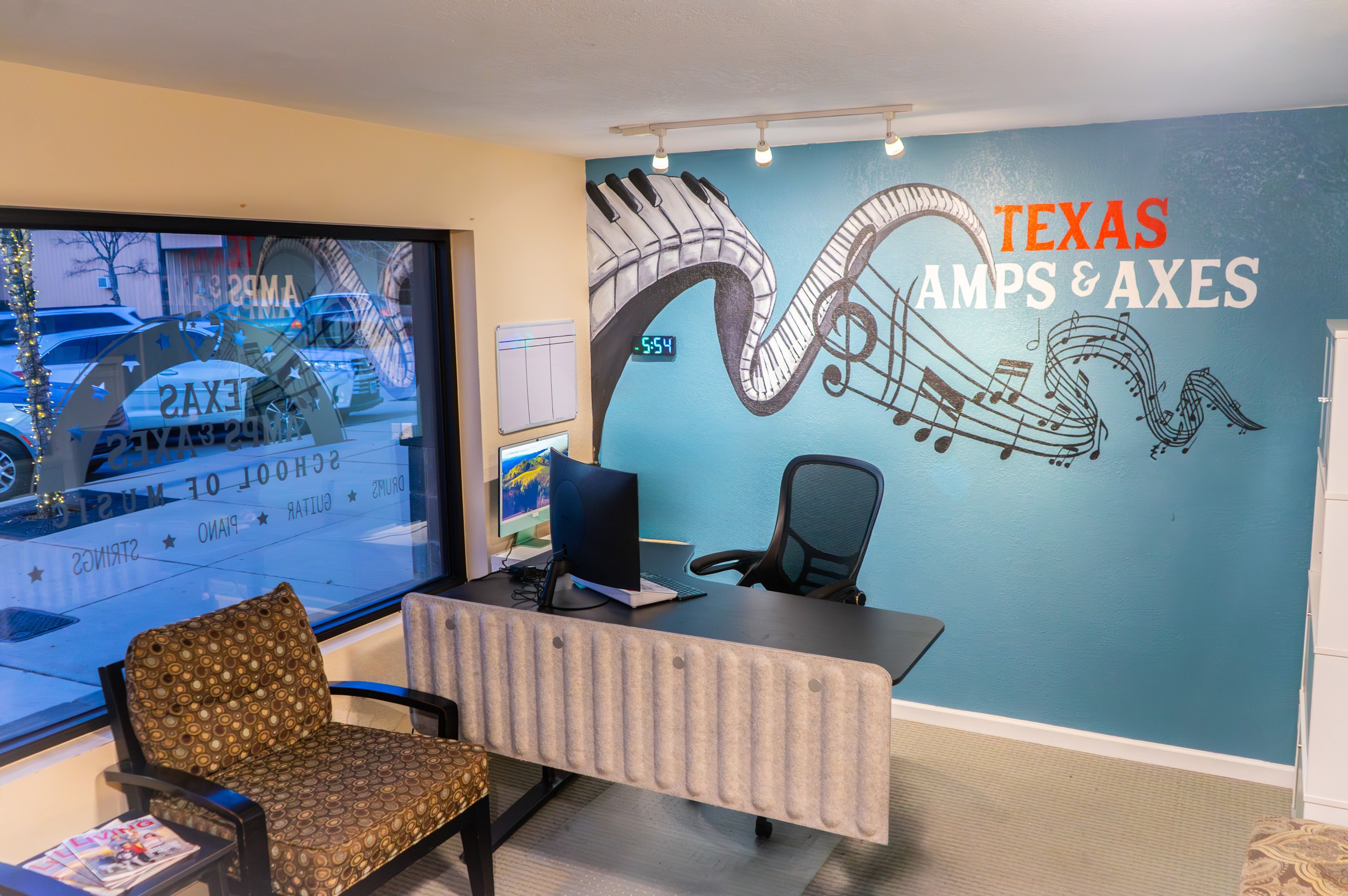
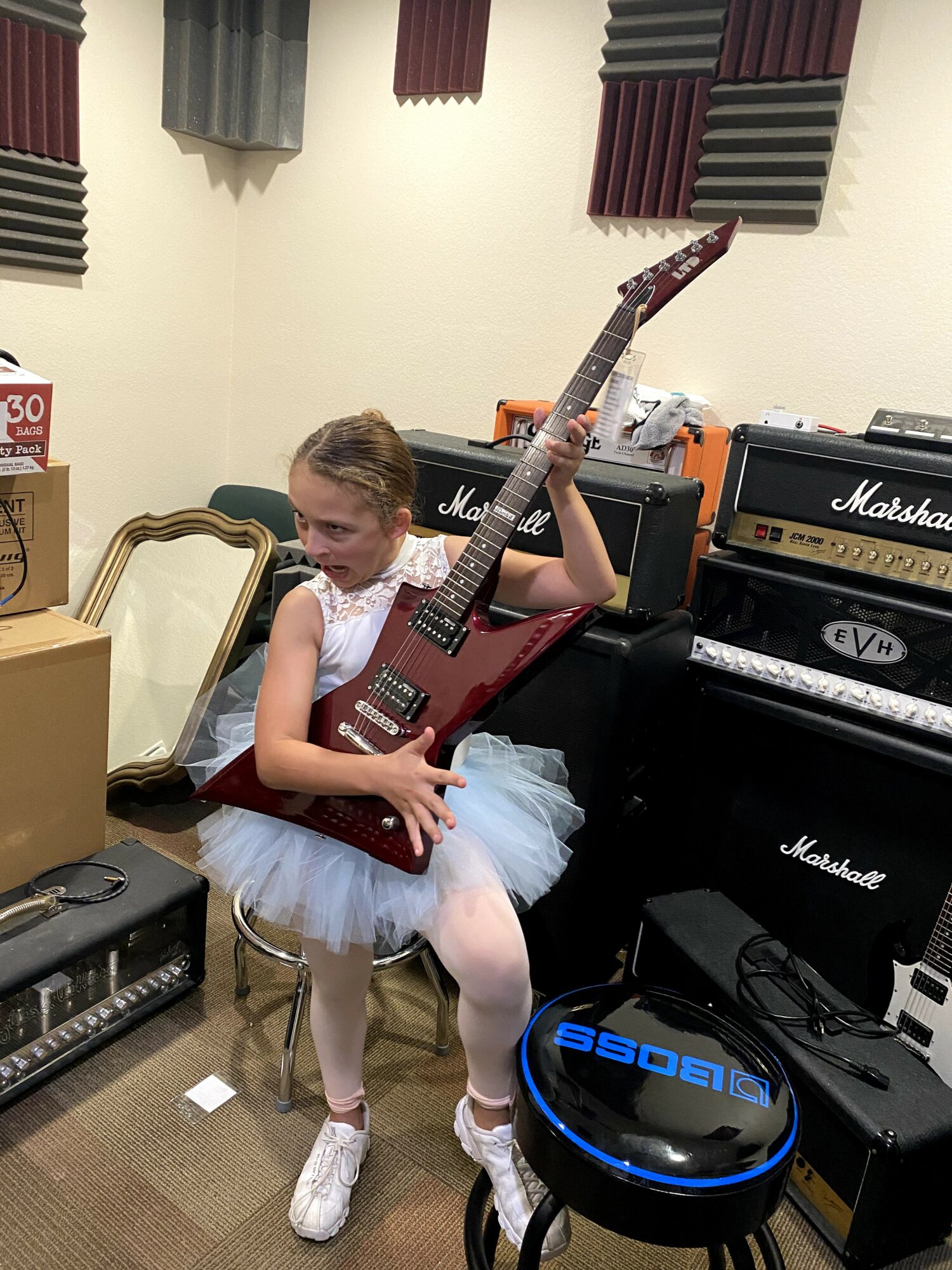
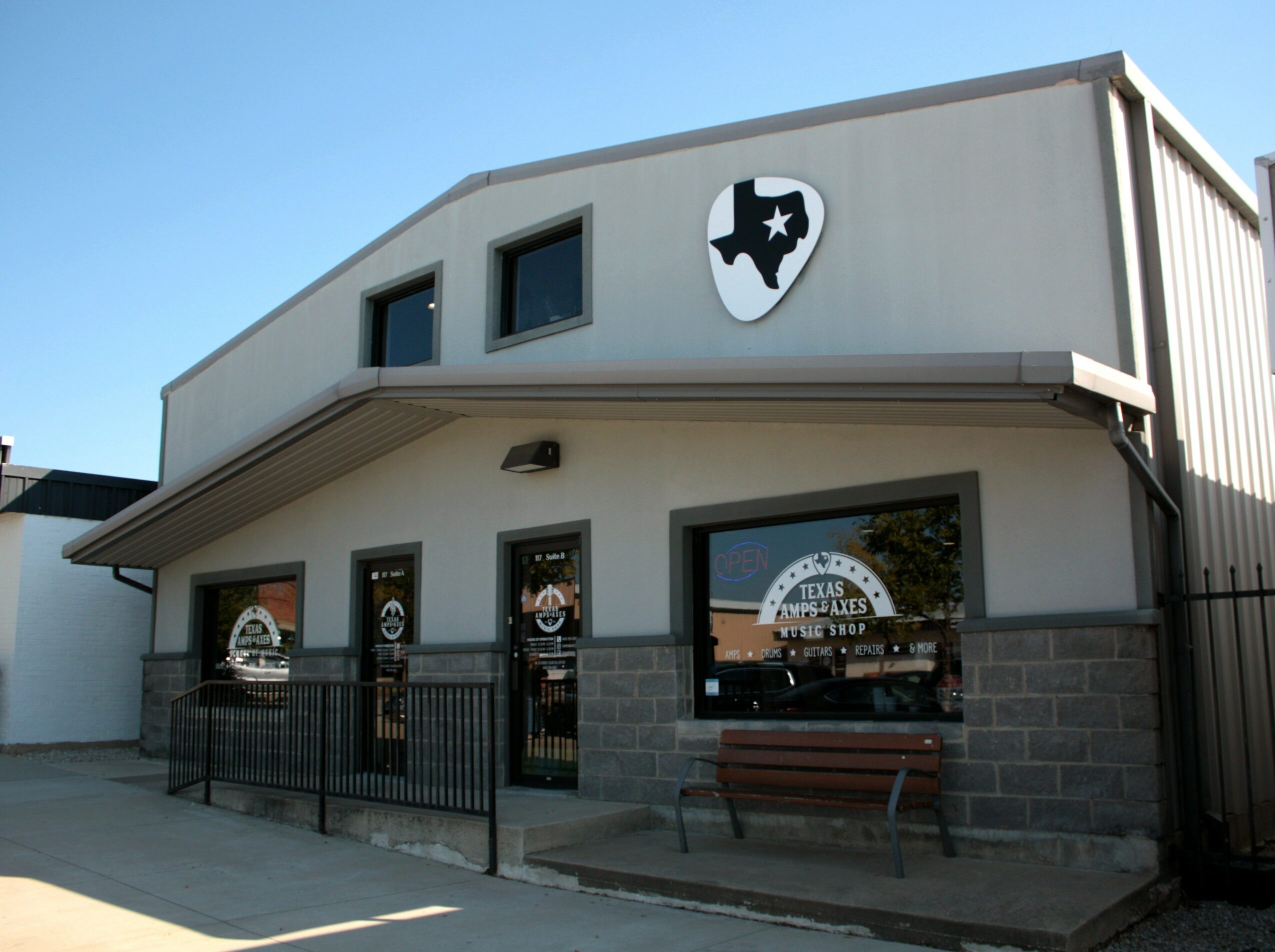


Image Credits
Headshots Credit: Jessica Mills Photography
Candids: GMA Photography
Popular
-

Deborah Fessenden on Turning Foraged Beauty into Purpose-Driven Jewelry and Advocacy
-

Andrew Finch on Building Elite Athletes Through Fundamentals, Mindset, and Global Experience
-

Genai Walker on Turning Life Experience into Impact Through Writing, Business, and Self-Mastery
-

The Most Inspiring Stories in Dallas