






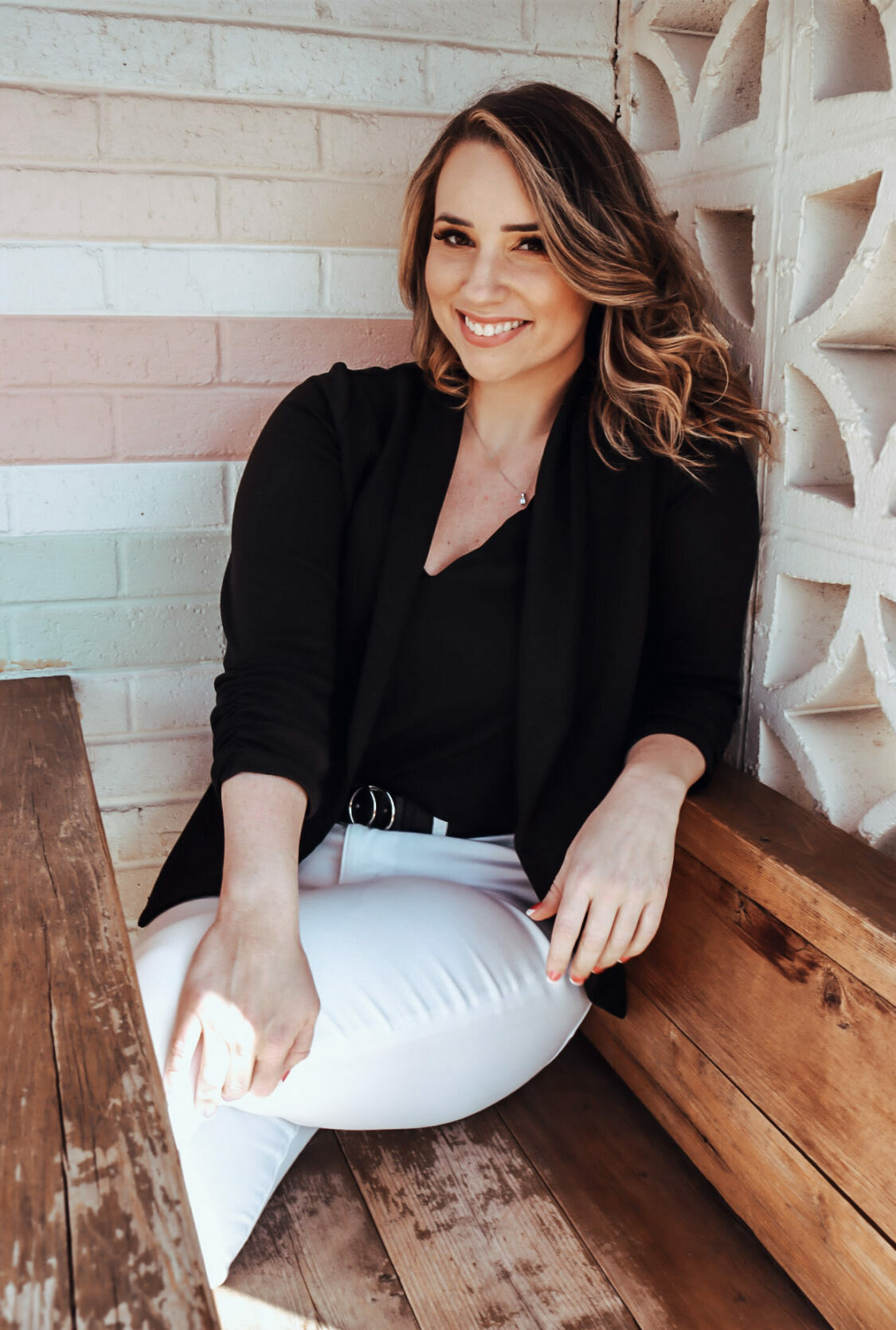
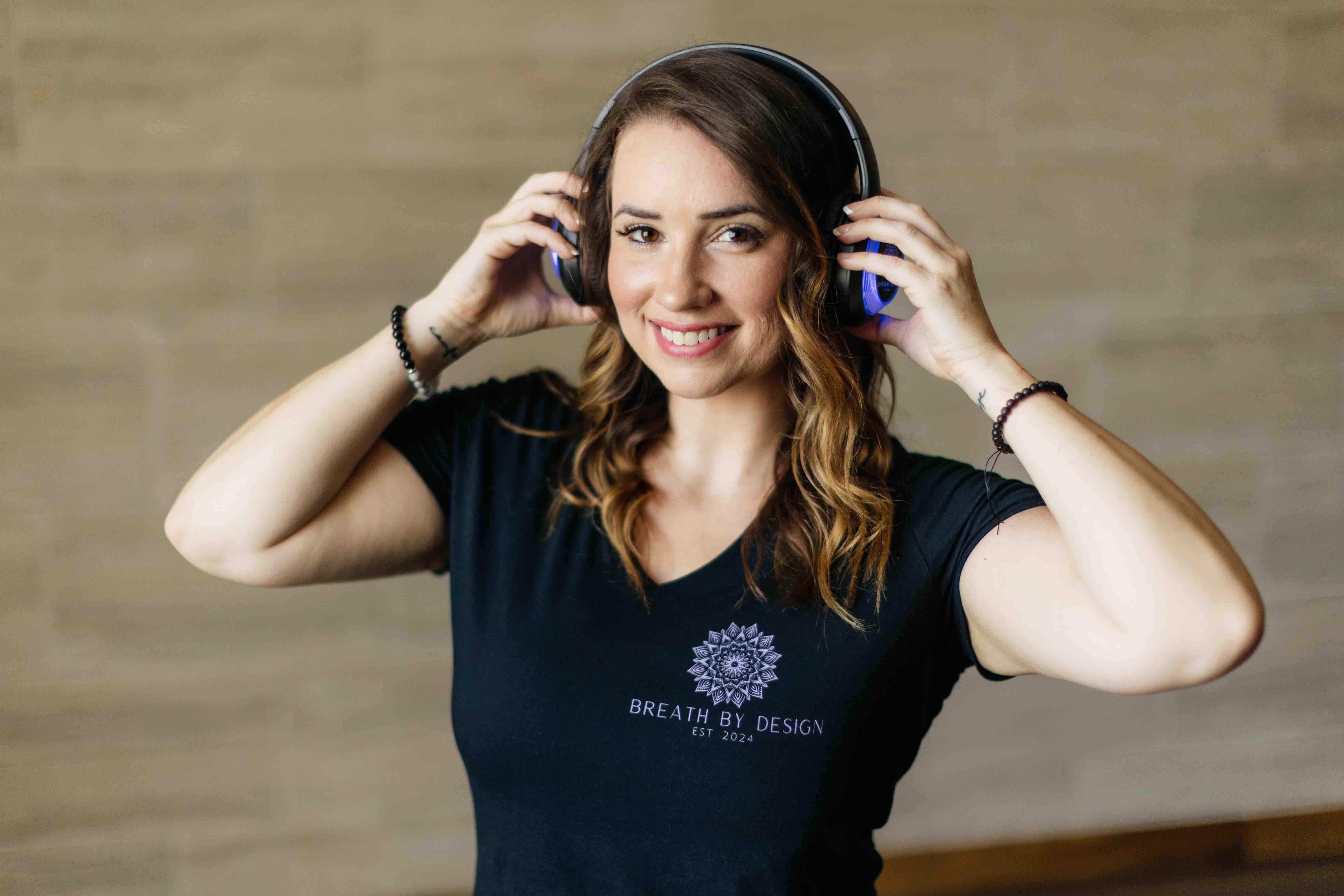
Today we’d like to introduce you to Dr. Rachel Sims.
Alright, so thank you so much for sharing your story and insight with our readers. To kick things off, can you tell us a bit about how you got started?
My professional path into the mental health and somatic healing field has been both clinically driven and deeply shaped by an enduring curiosity about human behavior, nervous system regulation, and what truly creates sustainable transformation.
From an early age, I was highly self-observant and internally motivated. As someone who identifies as neurodivergent, I often experienced traditional academic and institutional systems differently than many of my peers. Rather than viewing that as a barrier, it became a catalyst. I developed a strong drive to understand how the mind, body, and emotional patterns function beneath the surface. That question has quietly guided every chapter of my career and continues to inform my work today.
I graduated high school at 17 and completed my undergraduate degree at 20, which positioned me to begin teaching high school in the Rio Grande Valley at a relatively young age. During my seven years in the classroom, I witnessed firsthand the growing impact of anxiety, trauma, and emotional dysregulation in students and families. Long before nervous system language became mainstream, it was clear to me that many behavioral challenges were rooted in physiological survival patterns rather than simple discipline concerns.
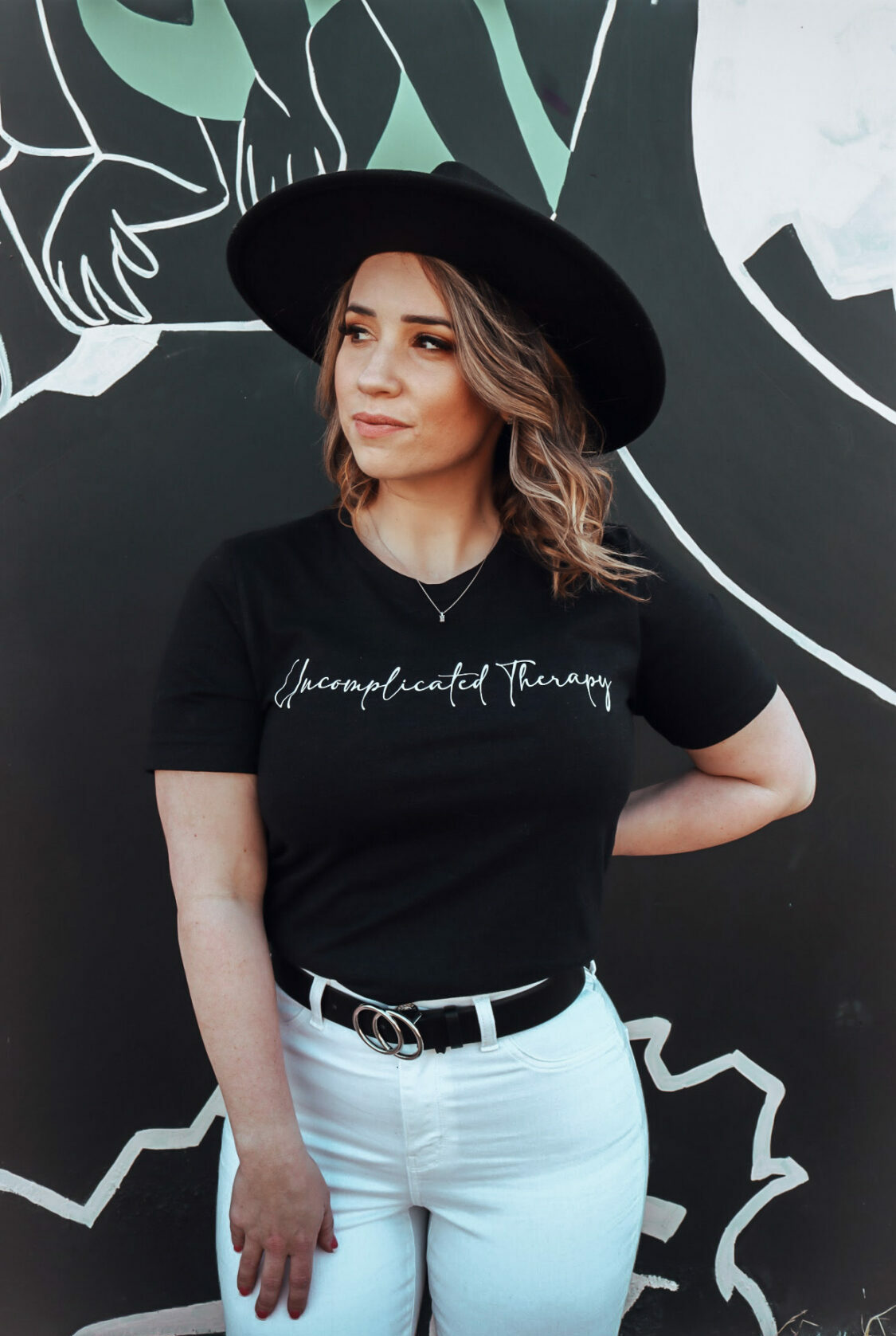
That clinical curiosity led me to pursue my master’s in counseling and ultimately become a Licensed Professional Counselor. After serving as a school counselor in the Dallas area, I founded my private practice, Uncomplicated Therapy, where I specialize in attachment dynamics, trauma-informed care, and nervous system stabilization for high-functioning adults.
I have always considered myself a lifelong learner, and that mindset became especially important as my clinical work deepened. I began to observe a consistent gap in traditional talk therapy. Many clients were highly insightful and could clearly articulate their patterns, yet their nervous systems remained chronically activated. Insight was present, but full physiological regulation was not.
That realization became a pivotal inflection point in my work.
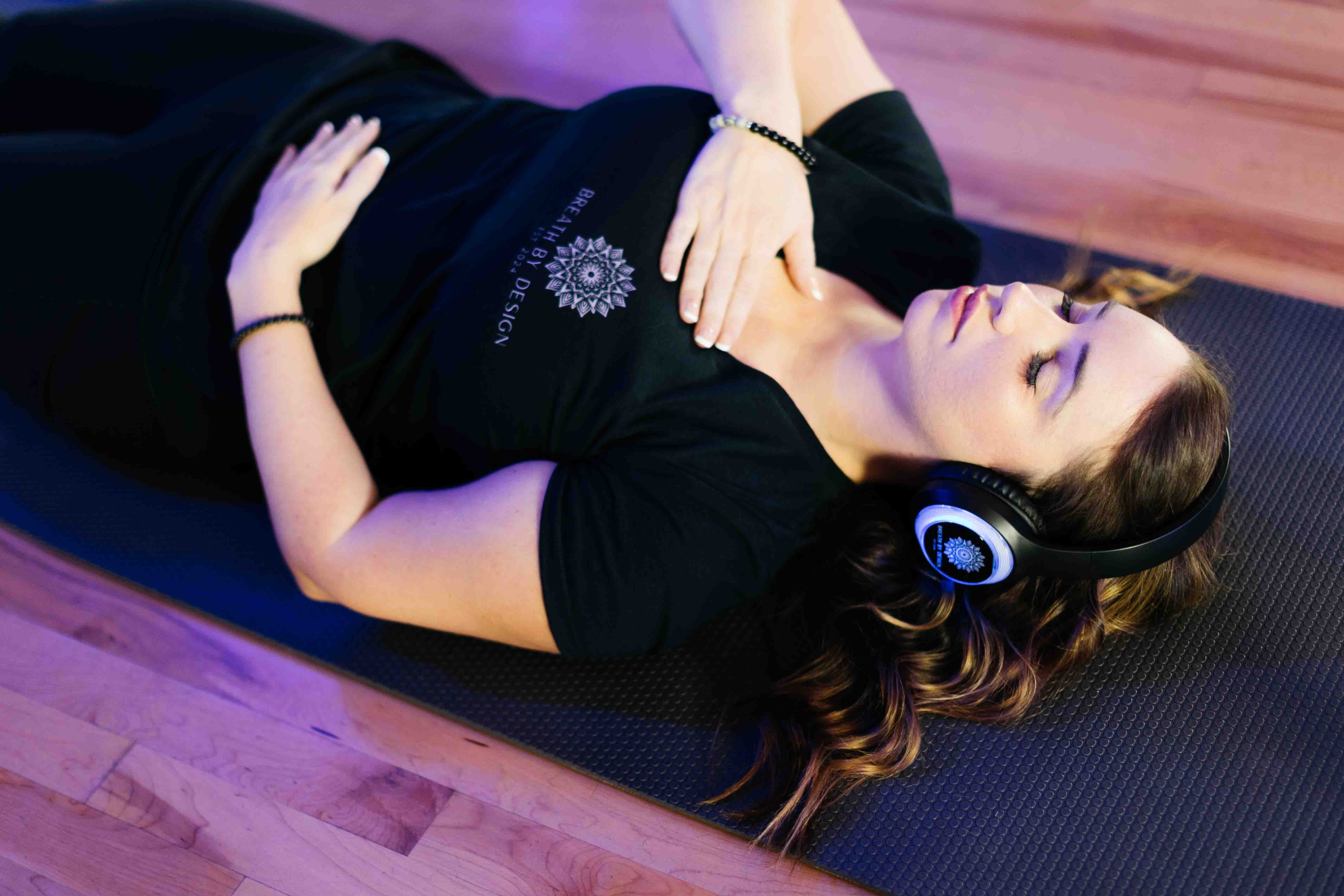
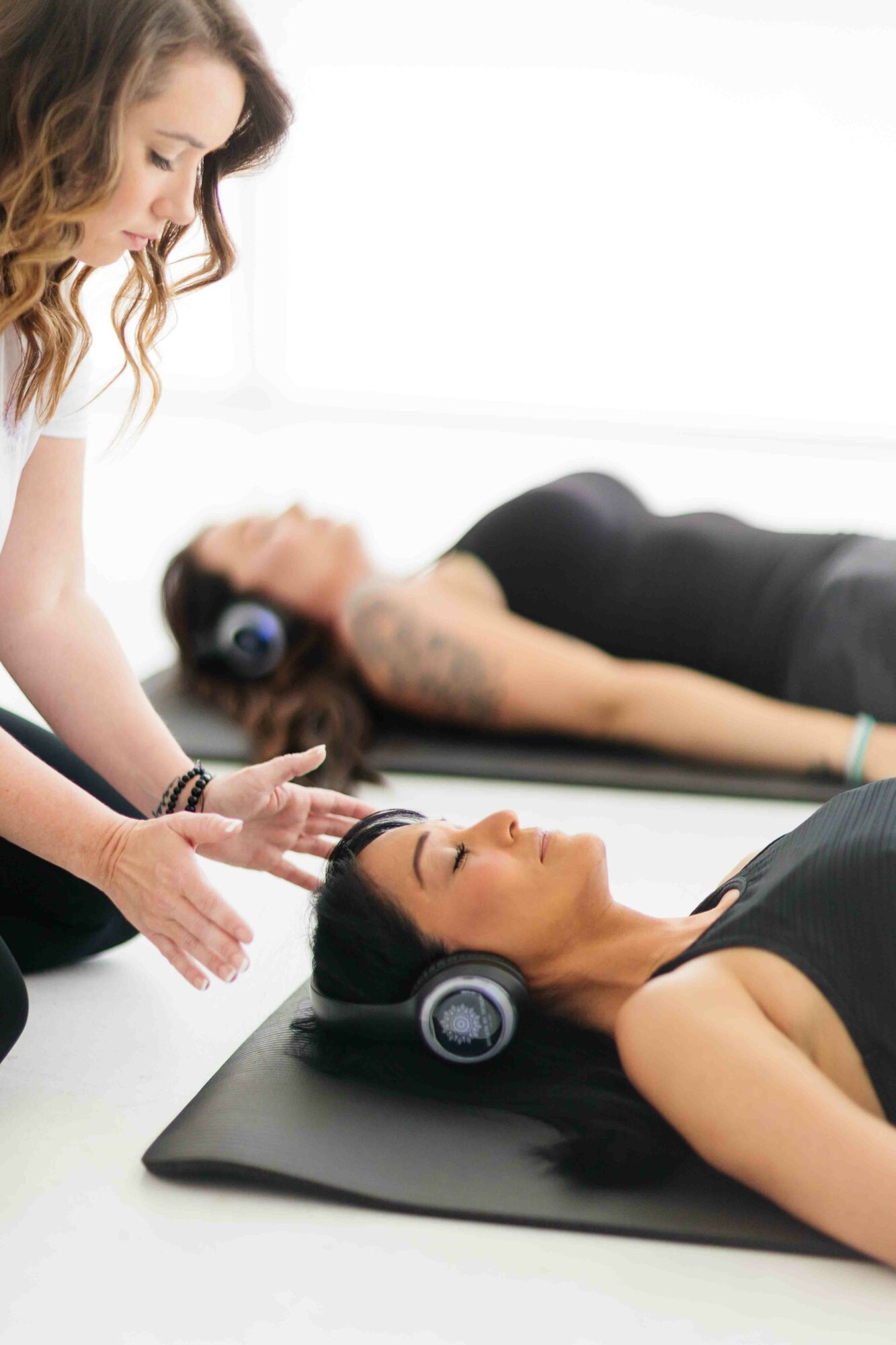
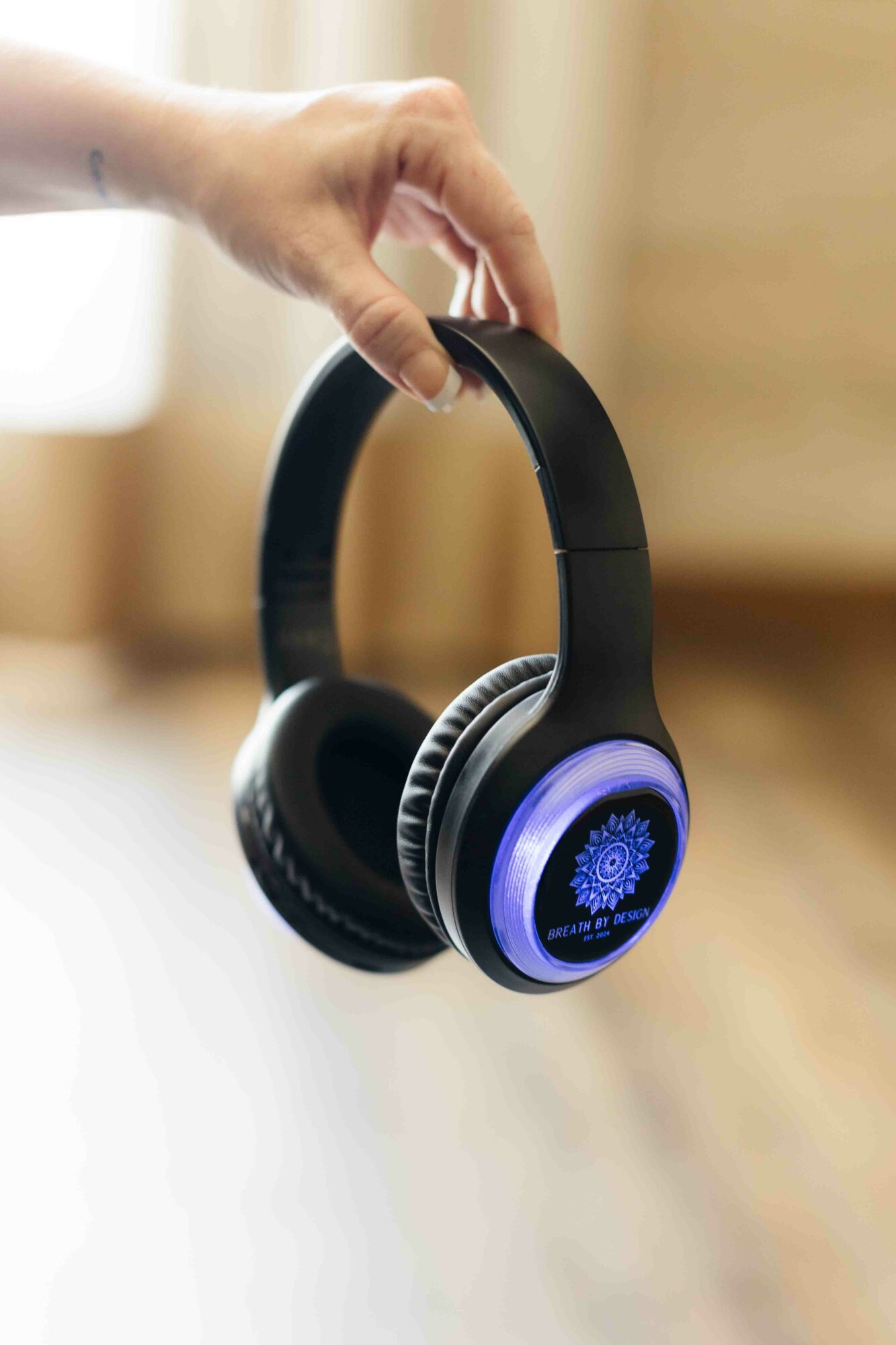
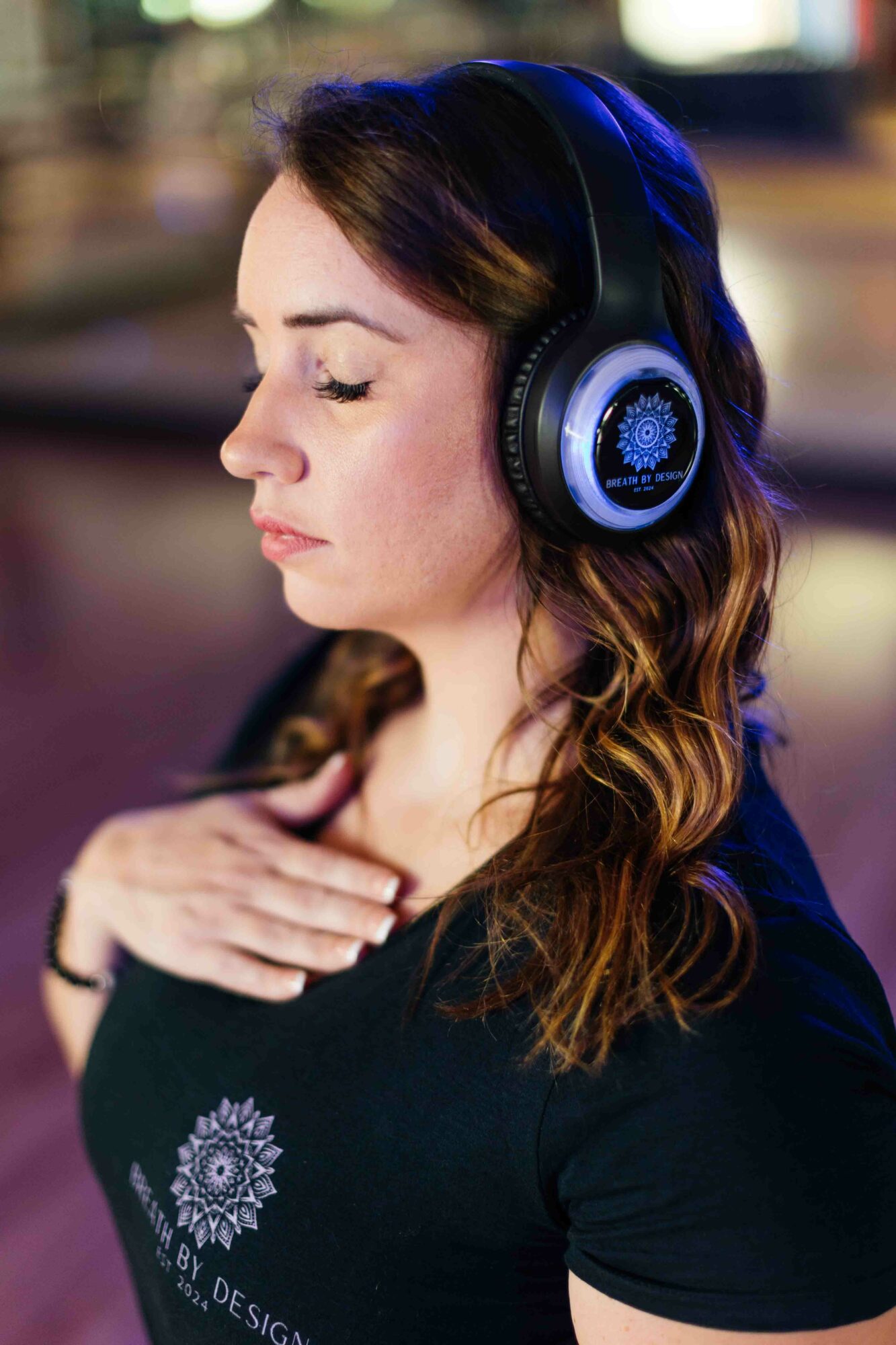
It led me deeper into somatic psychology, breathwork, and ultimately advanced 9D breathwork, an immersive, neuroscience-informed modality that integrates spatial audio, guided subconscious work, and intentional breath sequencing to support emotional release and nervous system recalibration. When these body-based approaches were layered alongside cognitive therapy, the shifts we witnessed in clients were significant.
In parallel with my clinical work, I became the author of “Are You Love Smart or Love Stupid”, expanding my focus on attachment patterns and relationship dynamics to a broader audience. Writing the book further reinforced my commitment to making complex psychological concepts accessible and actionable in real life.
Another deeply formative chapter of my journey involved my personal and professional exploration of plant medicine. Years ago, my own experience with ayahuasca was profoundly humbling and perspective-shifting at Arkana Spiritual Center in Peru. It was not a quick fix, but it highlighted the importance of proper preparation, nervous system support, and structured integration. That experience shaped my commitment to bringing clinical responsibility and ethical care into spaces that have historically lacked psychological support.
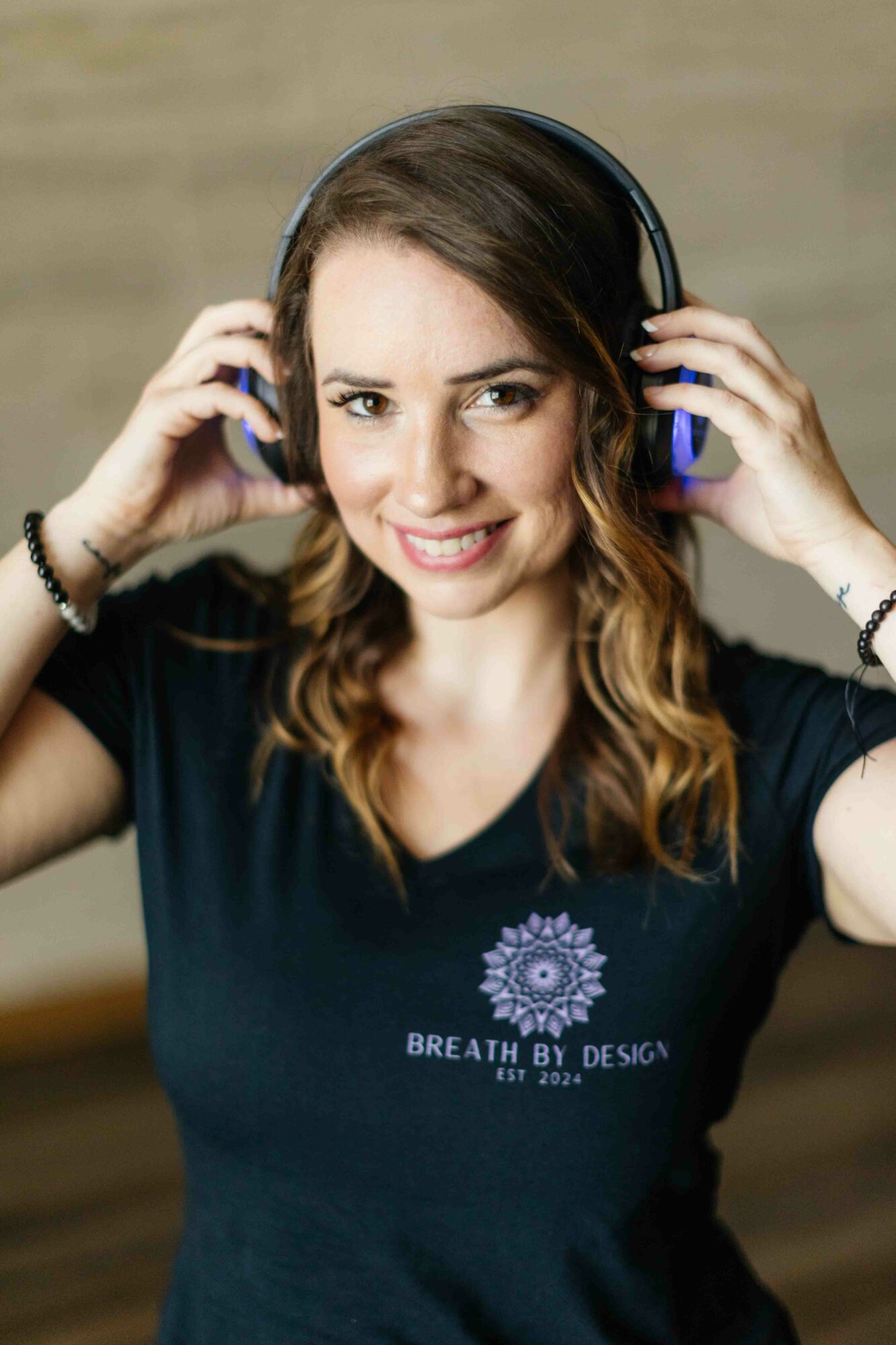
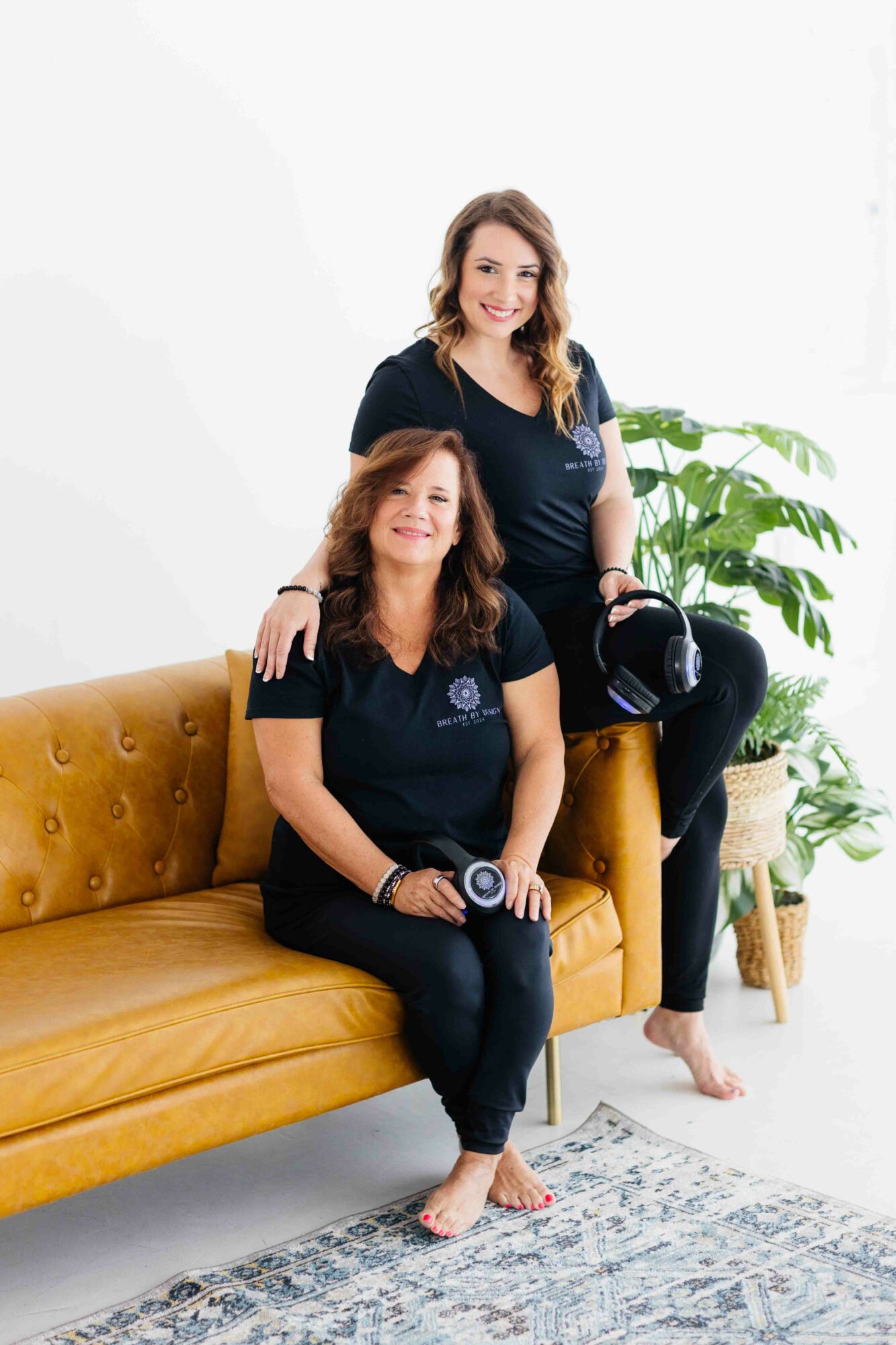
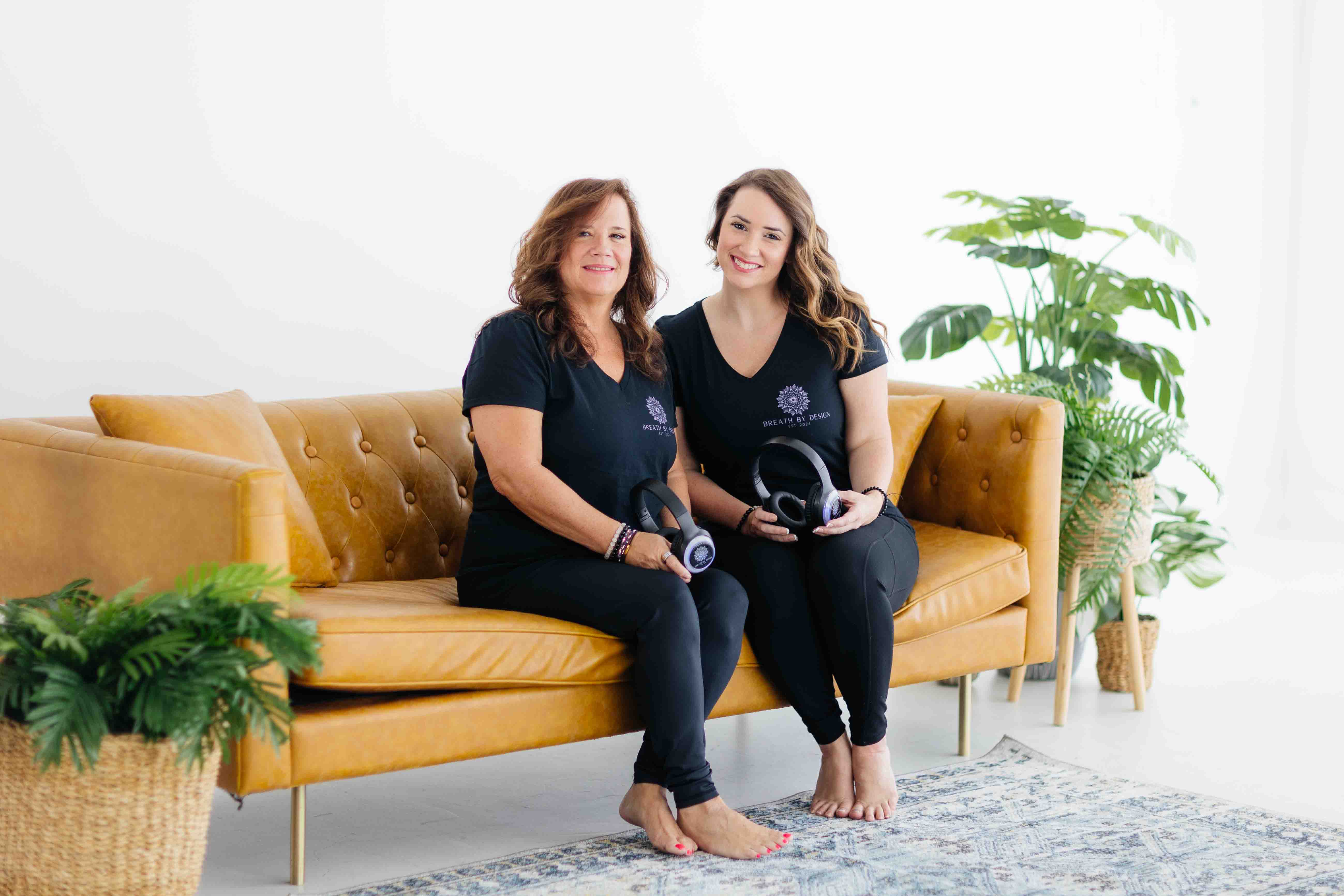
This evolution ultimately led to the co-founding of Breath by Design with my mother, Lisa Young. Together, we built the company to ethically bridge traditional mental health care with advanced somatic and nervous system technologies. Our work spans private therapy, 9D breathwork facilitation, corporate nervous system training, youth athletic performance programs, and our international Reclaim Your Light Ayahuasca retreats in partnership with Arkana Spiritual Center.
Across every platform, the mission remains consistent: helping individuals move out of chronic survival physiology and into sustainable nervous system regulation. In many ways, my neurodivergent lens and lifelong commitment to learning have been two of my greatest professional assets. They have taught me to question one-size-fits-all models of healing and to remain open to integrative, evidence-informed approaches that honor both psychology and physiology.
What continues to drive my work is simple but profound: when we address both the cognitive story and the nervous system state, transformation does not just become possible, it becomes far more durable. And in my clinical opinion, we are still only at the beginning of what fully integrative, nervous-system-informed care can do for the future of mental health.
I’m sure it wasn’t obstacle-free, but would you say the journey has been fairly smooth so far?
It has absolutely not been a smooth road, and in many ways the friction points are what forged both my clinical depth and my entrepreneurial discipline.
Like many clinicians who step into private practice, I was highly trained in the therapeutic work but largely self-taught on the business and infrastructure side. Building Uncomplicated Therapy from the ground up required wearing every role at once, clinician, marketer, systems builder, and operations lead. There were long seasons where I was holding deep emotional space for clients during the day and building the backend of the business late into the night.
Very early on, I also began to recognize the structural realities of both the therapy and publishing industries. In the insurance-based therapy model, reimbursement rates and treatment parameters are often dictated by external boards, which can unintentionally limit both clinician autonomy and the depth of care clients receive. I made the intentional decision to build my private practice model with strong independence from the start so I could maintain clinical integrity, flexibility in treatment approaches, and higher-touch client care.
A similar awakening happened when I entered the publishing world. I quickly saw how traditional publishing is heavily controlled by gatekeepers, which can significantly limit author ownership and creative control. That realization led me to self-publish Are You Love Smart or Love Stupid, allowing me to retain 100 percent of my rights and maintain full alignment with my message and audience. That decision required a steep learning curve, but it ultimately strengthened my entrepreneurial skill set in ways that served me later.
Another major stretch came as I moved more deeply into somatic work and 9D breathwork. When I began integrating nervous system-based modalities, the market was far less educated than it is today. Stepping into Breath by Design meant not only building a company but also helping introduce a relatively new modality into the Dallas market with a trauma-informed, clinically responsible framework. Being among the first to bring 9D breathwork into this region came with both opportunity and pressure. When you are early in an emerging space, there is very little room for error. We were deeply intentional about doing it right, building proper screening processes, maintaining strong ethical standards, and ensuring every experience was grounded in nervous system safety, not just performance or trend.
Co-founding Breath by Design with my mother, Lisa Young, required an entirely new level of operational precision, partnership alignment, and market education. What many people see now is the momentum, but behind the scenes were countless hours of refinement, recalibration, and strategic decision-making. Layered into all of this is my neurodivergent wiring, which meant I had to learn early how to build systems that actually support how I think, lead, and create. What once felt like friction ultimately became one of my greatest strategic advantages, but that clarity came through persistence and a willingness to adapt.
Through every phase, what grounded me was a very clear internal compass and a deep faith in the process. I truly believe every step prepared me for the next level of impact, including the launch and expansion of Breath by Design. If there is one theme that runs through my journey, it is this, meaningful innovation in the mental health and somatic space requires both courage and precision. The road was not linear, but the perseverance it demanded is exactly what allows me to hold the level of clinical integrity, structure, and depth that our clients experience today.
And in many ways, we are still just getting started.
Appreciate you sharing that. What else should we know about what you do?
At the core of my work is a very specific focus, helping high-functioning, self-aware individuals who intellectually understand their patterns but still feel stuck at the nervous system level. My work sits at the intersection of clinical mental health, attachment science, somatic regulation, and immersive nervous system technologies.
Through Uncomplicated Therapy, I specialize in attachment dynamics, trauma-informed care, relationship patterns, and nervous system stabilization. Many of the clients who find their way into my practice are successful on the outside but internally dysregulated, experiencing chronic anxiety, emotional overwhelm, relational distress, or burnout that has not fully resolved through traditional talk therapy alone.
What I became known for clinically was recognizing a pattern that many high performers experience: insight without embodiment. Clients often know why they do what they do, yet their physiology continues to default into survival responses. My work focuses heavily on closing that gap between cognitive awareness and nervous system regulation.
That clinical focus is what naturally expanded into Breath by Design.
Through Breath by Design, we provide neuroscience-informed 9D breathwork experiences, nervous system reset workshops, corporate and athletic regulation training, and therapist-supported international retreats. Our approach is intentionally trauma-informed and clinically grounded while still being deeply experiential and immersive. One of the areas I am especially known for is bridging worlds that have historically been separated. I operate at the intersection of traditional therapy, somatic work, performance breathwork, and ethical plant medicine integration. Rather than viewing these as competing modalities, my work is centered on thoughtful, responsible integration.
Our Reclaim Your Light retreats, in partnership with Arkana Spiritual Center, are a strong example of this philosophy in action. We provide structured psychological preparation, nervous system support, and post-ceremony integration, which are often the missing pieces in the broader plant medicine space. My role is not ceremonial leadership but clinical containment and integration support so that insights become sustainable change in real life.
What sets my work apart is the combination of doctoral-level clinical training with advanced somatic technology and real-world application. Every program, whether therapy, breathwork, corporate training, or retreat work, is filtered through a trauma-informed lens and a deep respect for nervous system physiology.
I am also deeply proud of the preventative work we are doing through our Breathe Like Champions initiative, where we bring visualization, breathwork, and emotional regulation tools into youth athletic environments. Watching children as young as seven begin to understand how to regulate their bodies and focus their minds is incredibly meaningful and speaks to where the future of mental wellness is heading.
Beyond specific programs, what I am most proud of is the consistency of client outcomes. We regularly work with individuals who have “tried everything” and are finally experiencing measurable shifts in emotional regulation, clarity, and embodiment. That level of transformation is what continues to drive the evolution of our work.
If I had to summarize what differentiates my approach, it would be this:
I do not believe healing is purely cognitive, and I do not believe it is purely somatic. The most sustainable transformation happens when we responsibly address both the psychology of the story and the physiology of the nervous system. That integrative lens, combined with strong clinical ethics and a deep commitment to ongoing learning, is what continues to shape my work and what I believe positions Breath by Design and Uncomplicated Therapy at the leading edge of the next evolution in mental health and human performance.
We all have a different way of looking at and defining success. How do you define success?
For me, success has evolved far beyond metrics, titles, or external milestones. At this stage of my life and work, I define success by three things, happiness, sovereignty, and peace.
Early in my career, like many high achievers, success looked very traditional. It was degrees earned, credentials obtained, businesses built, and goals checked off the list. Those things matter and they reflect discipline and stewardship of the gifts we are given. But over time, both personally and professionally, I began to understand that external achievement without internal regulation and alignment can still leave someone deeply dysregulated.
Today, success is much more embodied for me.
Success is waking up in the morning with clarity in my spirit and calm in my nervous system. It is building work that is in integrity with my values. It is having the sovereignty to choose how I serve, who I serve, and the pace at which I grow. And most importantly, it is seeing the fruit of the work, not just in numbers, but in transformed lives.
Scripture speaks to this clearly. In Matthew 7:16, we are reminded, “You will know them by their fruits.” That verse has stayed with me throughout my journey. I believe success is best measured by the fruit our work produces, the healing in our clients, the stability in our community, the integrity in our leadership, and the peace we carry while doing it.
Happiness, for me, is not constant excitement or surface-level positivity. It is the quiet fulfillment that comes from knowing I am operating in alignment with my calling. Sovereignty is the ability to build and lead in a way that honors both clinical responsibility and personal truth. And peace is the nervous system marker that tells me I am not operating from chronic survival mode, but from grounded presence.
If the work is expanding lives, if the nervous systems we touch are becoming more regulated, and if I can lay my head down at night with peace in my body and integrity in my decisions, that is success to me.
Everything else is simply a byproduct of that alignment.
Contact Info:
- Website: www.breathbydesign.net and www.uncomplicatedtherapy.com
- Instagram: @breathbydsign _ @uncomplicatedtherapy @uncomplicatedtherapyproducts @reclaimyourlightretreats @areyoulovesmartorlovestupid
- Facebook: breathbydesigndfw uncomplicatedtherapy
- TikTok: @Breathbydesign



Popular
-

Deborah Fessenden on Turning Foraged Beauty into Purpose-Driven Jewelry and Advocacy
-

Andrew Finch on Building Elite Athletes Through Fundamentals, Mindset, and Global Experience
-

Genai Walker on Turning Life Experience into Impact Through Writing, Business, and Self-Mastery
-

The Most Inspiring Stories in Dallas