




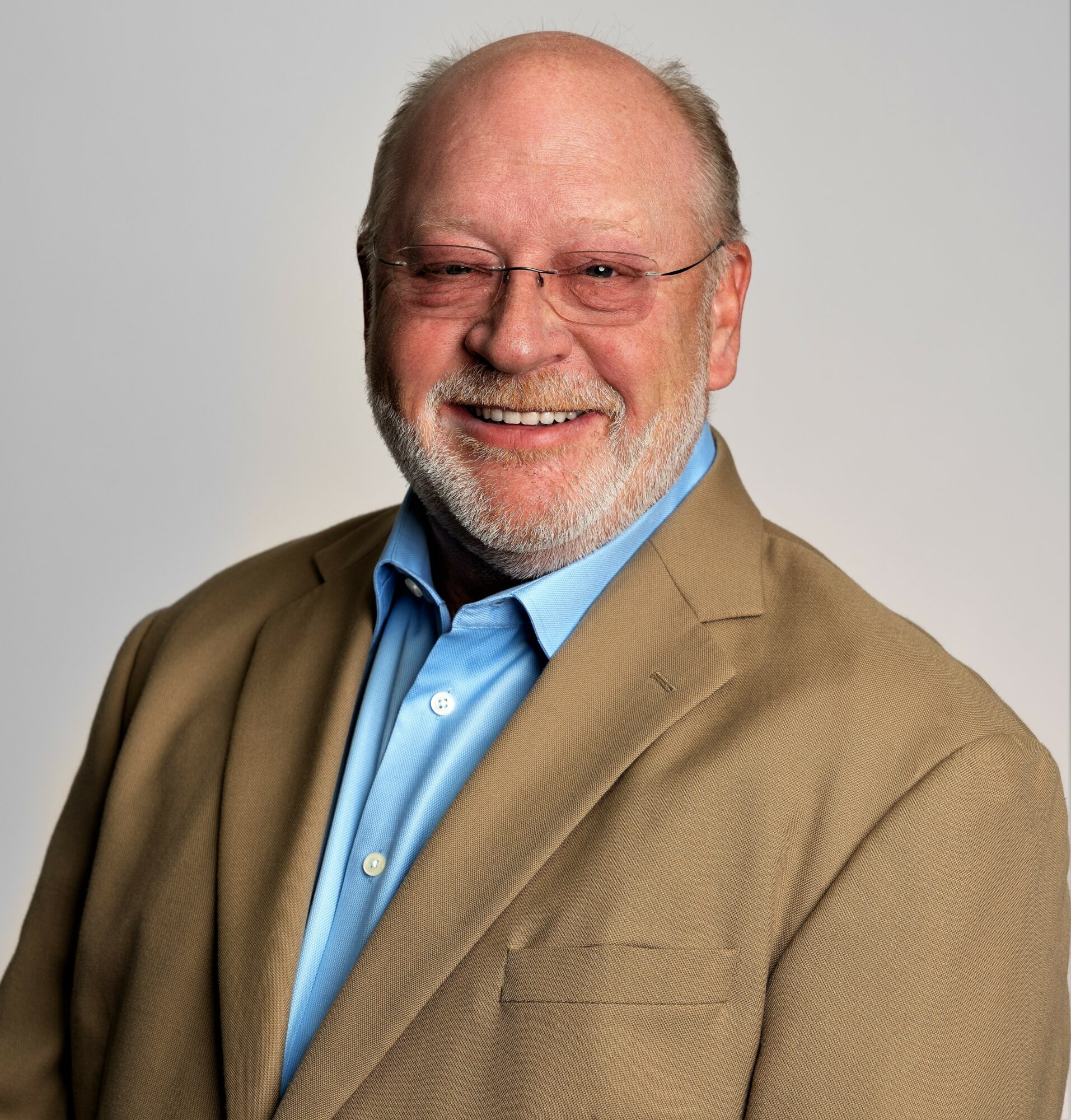
Today we’d like to introduce you to Michael Boler.
Hi Michael, please kick things off for us with an introduction to yourself and your story.
“My story really starts with where I come from and the values that shaped me.
I grew up around a farm in Dublin, and that kind of life teaches you a lot early on—work ethic, responsibility, and the importance of showing up every day and taking care of what’s in front of you. Those lessons stayed with me.
Before I got married, I made the move to North Texas to be closer to family and help care for loved ones. That season of life really reinforced something that’s guided me ever since—when people need you, you step in. That mindset carried into everything that followed.
Not long after, I married my wife—my best friend—and we’ve now been together for 36 years. Together, we’ve raised five children, and family has always been at the center of everything we do.
Professionally, I spent 28 years in banking and finance, working in high-pressure environments where structure, accountability, and consistency matter. I led teams, managed complex portfolios, and often stepped into situations that required bringing order to uncertainty. That experience shaped how I approach leadership and problem-solving.
But the most meaningful part of my story began when those life experiences intersected with a real need.
Through my wife’s work in education, we saw what happens to individuals with disabilities after they leave the school system. The support system drops off, and families are left trying to navigate something incredibly complex on their own. It wasn’t something we could overlook.
So we stepped into that gap and co-founded Bridges Training Foundation.
That decision wasn’t about starting a business—it was about doing what we felt was right. And over time, it’s become deeply personal. Every individual we serve and every family we support reflects the same values we built our own life on—commitment, care, and being present when it matters most.
What I’m most proud of is the impact. Seeing someone who was once isolated gain confidence, find a job, and become part of their community—that’s powerful. And just as meaningful is helping families move from uncertainty to stability.
If there’s anything that sets me apart, it’s perspective. I’ve lived in both worlds—the structured, analytical side of finance and the human, relational side of nonprofit work. And I’ve learned that the best outcomes happen when you bring both together.
At the end of the day, my story isn’t just about career—it’s about family, responsibility, and a willingness to step in when there’s a need. That’s what’s guided me from the beginning, and it’s what continues to drive me today.”
Would you say it’s been a smooth road, and if not what are some of the biggest challenges you’ve faced along the way?
“One of the biggest things we’ve learned along the way is that our challenges haven’t just been internal—they’re largely systemic.
From the start, we were stepping into a space where the need far exceeds the available resources. In Texas, services for individuals with intellectual and developmental disabilities are significantly underfunded, and families can wait years—sometimes decades—just to access basic support through programs like the HCS or TxHmL waivers. So we’re often meeting families at a really critical moment, when they’re overwhelmed, uncertain, and trying to navigate a system that isn’t built for clarity.
At the same time, there’s a real operational challenge. The reimbursement rates for services don’t always reflect the true cost of delivering quality care, which makes staffing difficult. Like many providers, we face ongoing challenges with recruiting and retaining direct support professionals—people doing incredibly important work, but often without the compensation that reflects their value. That creates pressure on consistency and capacity.
We’ve also had to grow carefully. Demand for our services has expanded well beyond our immediate community, but scaling isn’t just about adding more people—it requires infrastructure, funding, and the right partnerships. We’ve had to be very intentional about how we grow so we don’t compromise the quality of what we provide.
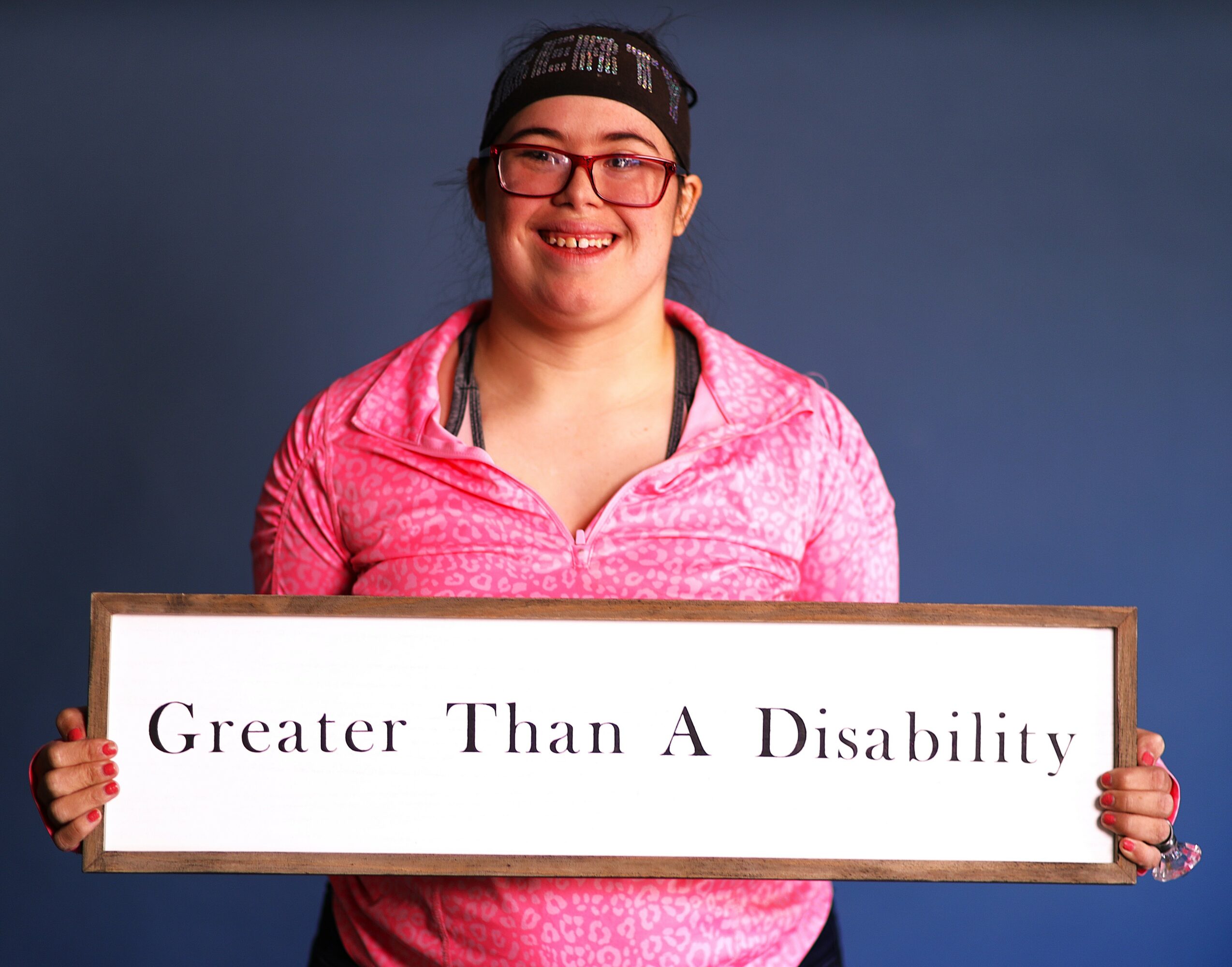
And then there’s the human side of it. One of the most persistent challenges is overcoming perception. Too often, when people hear the word ‘disabled,’ expectations are lowered. Part of our work every day is shifting that mindset—helping families, employers, and the community see ability, potential, and value.
At its core, Bridges was founded to address a gap that shouldn’t exist—the transition from school into adulthood. That gap is still very real today, and in many ways, we’ve had to build systems and supports that bridge what public systems don’t currently provide.
But I would say this—those challenges have also shaped who we are. They’ve forced us to be resourceful, to build strong relationships, and to stay deeply focused on outcomes. And ultimately, they’ve strengthened our commitment to making sure every individual we serve has the opportunity to live with independence, dignity, and purpose.”
Appreciate you sharing that. What else should we know about what you do?
“My career has taken a bit of an unconventional path, but when I look back, it all connects.
I’ve spent over 28 years in finance and banking, much of that time working in high-pressure environments—leading receiverships, managing distressed assets, and overseeing large teams through complex, often uncertain situations. The work required discipline, attention to detail, and the ability to make decisions where the margin for error was very small. That experience really shaped how I think—how I approach structure, accountability, and long-term sustainability.
But the most meaningful part of my work started when my wife and I co-founded Bridges Training Foundation.
That didn’t come from a business plan—it came from seeing a real gap. My wife had spent years in education, working closely with students with disabilities, and what became very clear was that once those students graduated, the support system largely disappeared. Families were left trying to navigate a very complicated system on their own, often without guidance, and in many cases, individuals ended up isolated at home.
We couldn’t ignore that.
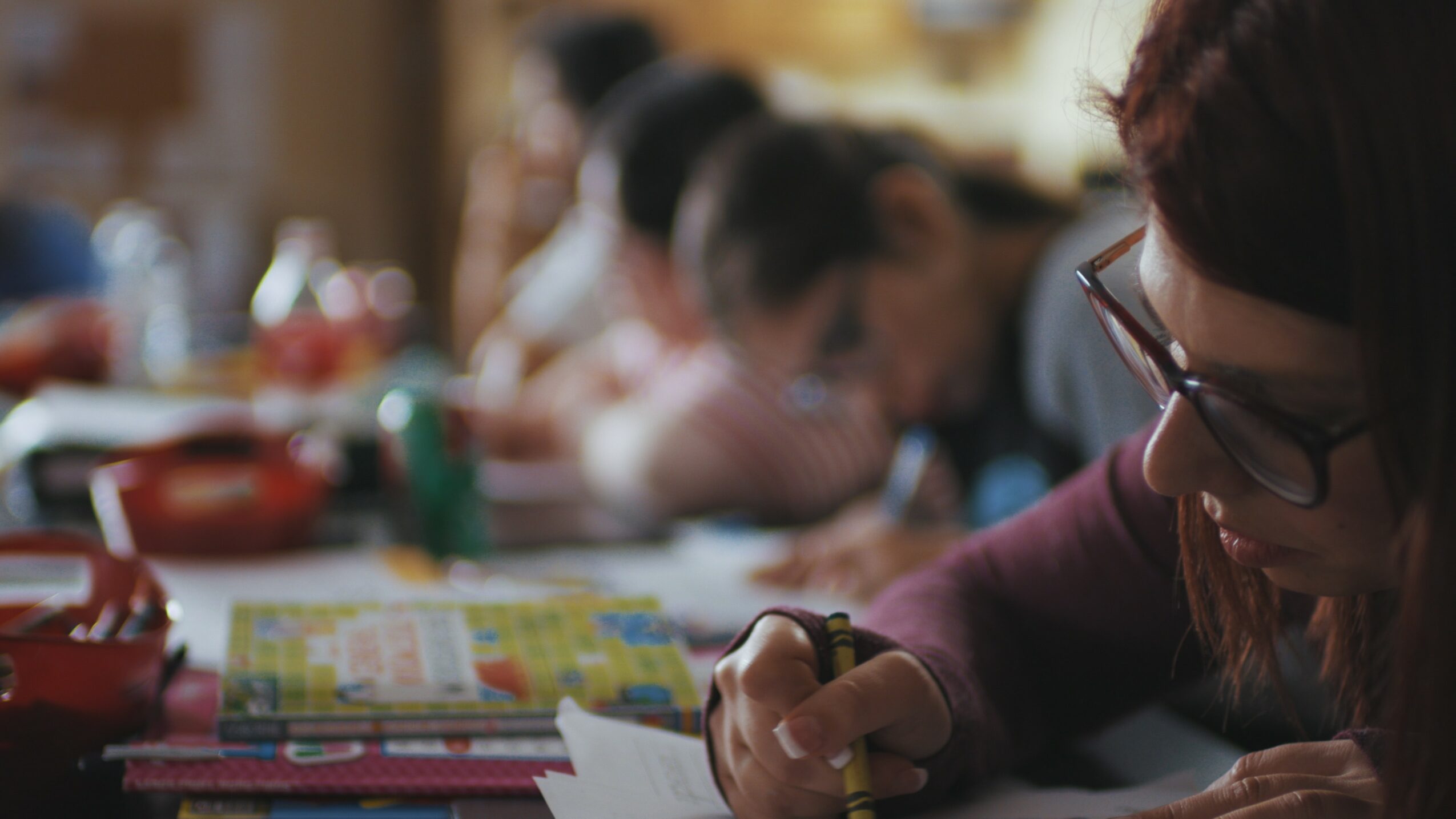
So we started Bridges with a simple idea: create a place where individuals could continue to grow—where they could build life skills, develop relationships, and find purpose in their day-to-day lives. What began as a small effort has grown into something much larger, but the mission hasn’t changed.
My role in that has been to take everything I learned in the corporate world and apply it in a way that makes the organization sustainable and accountable. I’ve always believed that mission work deserves the same level of discipline and structure as any large financial institution—because the stakes are just as high, if not higher.
What I’ve become known for, I think, is consistency. I’m not someone who chases quick wins. I’m focused on building systems that work over time—whether that’s in finance or in human services. I want to know that what we’re doing today will still be standing five, ten years from now, and that it’s making a measurable difference.
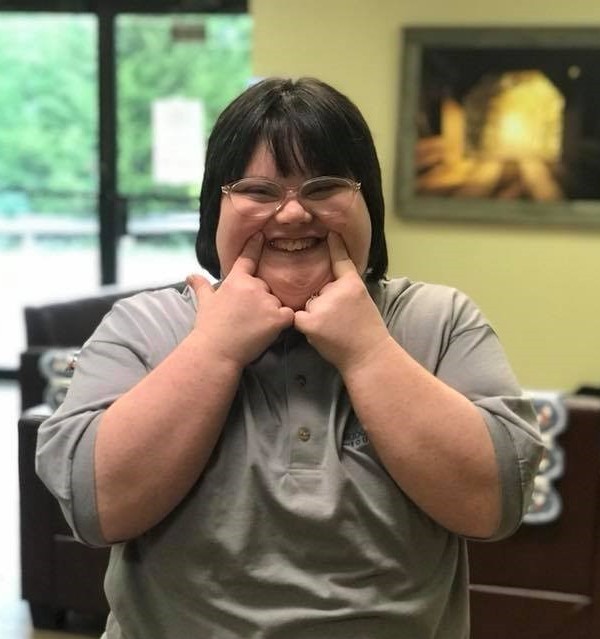
What I’m most proud of is the impact we see every day. It’s the individual who came to us withdrawn and unsure, and now has a job, friendships, and confidence. It’s the parent who went from feeling overwhelmed and uncertain to having a clear path forward. Those moments are real, and they’re constant reminders of why this work matters.
I also take a lot of pride in the team we’ve built. This work isn’t easy—it requires patience, empathy, and a real commitment to the people we serve. Seeing our staff show up every day with that mindset is something I don’t take for granted.
If there’s anything that sets me apart, it’s probably the balance between two worlds. I bring a very structured, analytical approach from finance, but I operate in a space that requires empathy and flexibility. I’m comfortable with complexity, but I don’t lose sight of the human side of the work.
At the end of the day, I see myself less as a leader and more as a steward—of the organization, of the people we serve, and of the trust families place in us. That’s a responsibility I take seriously, and it drives how I show up every day.”
Can you talk to us a bit about the role of luck?
“I’ve thought about that question a lot over the years, and I’d say luck has definitely played a role—but probably not in the way people typically think.
In my career on the finance side, especially working through receiverships and distressed assets, you’re often stepping into situations where something has already gone wrong. In a sense, that’s ‘bad luck’—market shifts, failed decisions, economic downturns—but what I learned early on is that outcomes are rarely about luck alone. They’re about how you respond when things don’t go as planned. That environment trained me to stay steady, to assess quickly, and to make decisions with incomplete information.
On the nonprofit side, with Bridges, I wouldn’t say we got ‘lucky’—we were exposed to a need that we couldn’t ignore. If anything, it felt like being called into a space where the odds are stacked against families. Long waitlists, complicated systems, limited funding…those aren’t lucky conditions. But what has felt like good fortune is the people we’ve encountered along the way.
We’ve had individuals, families, community partners, and supporters show up at the right moments—sometimes when we didn’t even know what the next step was going to be. Whether it was a partnership, a donor, or someone willing to believe in what we were building early on, those moments matter. You can call that luck, but I also think it’s a reflection of staying committed and doing the work the right way over time.
There have been challenges too—unexpected expenses, infrastructure issues, funding gaps—things that could easily set you back. But those moments tend to sharpen you. They force you to become more resourceful and more disciplined.
So I guess I’d frame it this way: luck may open a door, but it doesn’t build anything. What really shapes the outcome is consistency, relationships, and how you handle the difficult moments.
I’ve been fortunate to be surrounded by the right people at the right time—but I’ve also learned that you have to be ready when those moments come. That’s where preparation and purpose meet opportunity.”
Contact Info:
- Website: https://bridgestf.org/index.html
- Facebook: https://www.facebook.com/profile.php?id=100064376782176#
- LinkedIn: https://www.linkedin.com/company/bridges-training-foundation/about/?viewAsMember=true
- Youtube: https://www.youtube.com/channel/UCzi-Vg2I5Z8HhdOUI_6doCA
- Yelp: https://www.yelp.com/biz/bridges-training-foundation-midlothian?osq=Bridges+Training+Foundation