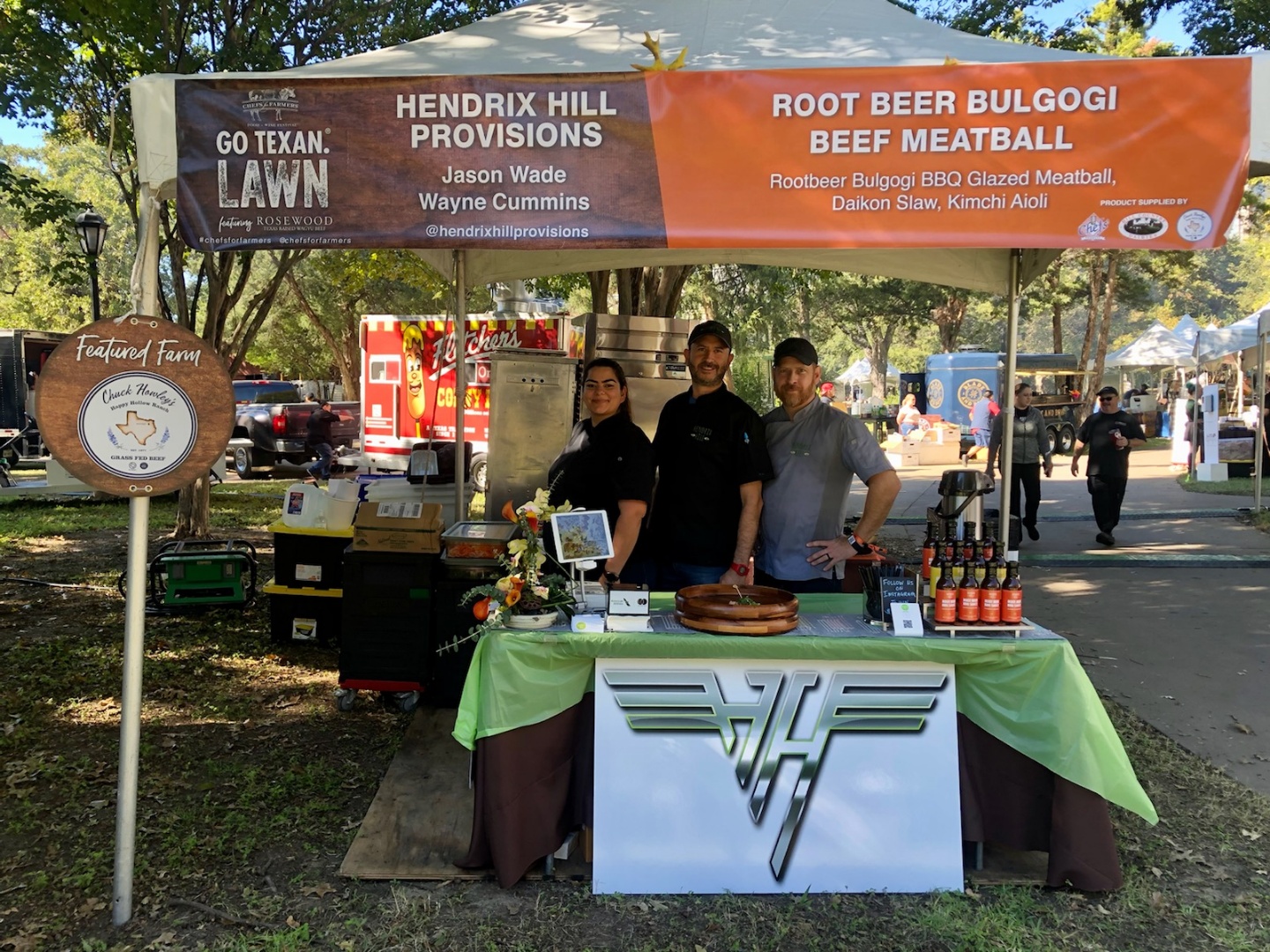





Today we’d like to introduce you to Wayne Cummins.
Wayne, we appreciate you taking the time to share your story with us today. Where does your story begin?
From Grits to Greatness: A Chef’s Journey Home
By Wayne Cummins
I was born in New Orleans, and that’s where my culinary journey truly began. I’ve always been inspired by food and the way it brings people together. In my family, we always ate together—sharing moments, branching out, trying new things. My dad was a fantastic cook, and my mom worked in fine dining French restaurants in New Orleans, so I was immersed from the very beginning.
I started “assisting” my dad in the kitchen when I was three years old. But my parents knew I had the bug when I was about five. They woke up one morning to noises in the kitchen, and there I was—cooking grits and eggs. This was before instant grits existed, so I was doing it the real, slow way. They just looked at each other and knew.
We moved to Dallas when I was nine. That was a huge cultural shift. Suddenly, we didn’t have the same constant supply of fresh seafood or those little dive eateries and convenience stores with the best gumbo. But Dallas had its own thriving restaurant scene, so I found my way in.
In high school, I started working at a Jewish deli. I ended up becoming the general manager—while I was still under 18. That was a real trial by fire, but I loved it.
Then I got my first real break when Whole Foods came to Richardson, where I grew up. I got a job in the prepared foods department. For the first few months, I mostly just watched. But I noticed something strange—I could put flavors together almost instinctively. One of the head chefs had a cook out on extended leave, so I started helping him out for a few days. I told him I had some ideas. He kind of did a double take, like I was joking—which I was not. I showed him some of the ideas on paper I had written down. I always carried a little notebook and would scribble mini recipes whenever something came to me. He was astounded. He said, “Let’s try a few of these.” And that’s when it took off for me. Seeing my creations—composed salads in the deli case—and watching customers walk up and actually ask for them by name? That was a huge rush. I worked there for a few years, opened several more stores in town, and became a trainer.
But then I got a little distracted. Skateboarding and music were my real foundation, my everyday passion. So I worked at Bill’s record store—local, world-renowned—for years off and on, then at Pagan Rhythms. I had this one customer who came in all the time. I basically curated his entire life’s playlist because he bought everything I suggested. One day, after about a year of this exchange, he said to me: “Why are you here? I can tell there’s more for you out there. You have so much passion.” I said, “Well, I love to cook, but I’ve never really done it professionally. Never went to culinary school.” You could see the light bulbs go on over his head. But I had no idea why.
He came in the next week and said he was having a small get-together. Wanted me to serve some passed appetizers and small bites. I was elated. I made the food, served it to everyone, and they were all so nice. Then they started handing me cards, asking super detailed questions. That’s when they told me who had put this together. It was Paul Rodriguez. The President of the Texas Restaurant Association. Brother of Mico—founder of Mi Cocina. Son of the founders of Mia’s Tex-Mex. This was restaurant royalty around here. I was dumbfounded.
The next day, Paul came into the record store and told me to write down the top five restaurants I’d like to work in Dallas. I wrote them down. Three hours later, he came back and said, “You have interviews with three of them next week.” My first choice was the Green Room in Deep Ellum. Number two was Liberty Noodle on Lowest Greenville. I didn’t have an interview set for Green Room yet, but my first one was at Liberty. I walked in and was honest: “I have no experience—but I work hard and I learn fast.” She asked when I could start. I told her, verbatim: “I’ll be back at 3:00.” She was taken aback but agreed.
I showed up at 3:00. Six months later, I was kitchen manager. In a year, I was executive chef. Then I went on to open more locations in Houston and Park Cities. That’s when I got courted by the Green Room at a local live music venue in Deep Ellum. And that’s when the world changed. This was serious food. Ambitious. With a freedom of ingredients I’d never even considered. It wasn’t just about feeding people anymore. It was about pushing boundaries, taking risks.
After a stint at the Green Room, I wanted to branch out. I got into wine—just from being around it so much—and started running a small , eclectic wine bar on McKinney with a crazy by-the-glass selection. I did all the food and managed the place at the same time. It was super fun. I met lifelong friends there. Then I went to open another wine bar in Addison. After that, I partnered up with one of my wine reps—who became my best friend—and we opened our own restaurant and wine bar in Richardson. It went really well… until the housing market collapsed in 2008. Still, we got Best Neighborhood Restaurant in D Magazine and other accolades.
Many other opportunities came and went. I kept trying to put something together. Then I ran into my old chef , Jason from the restaurant, and we started a catering company. That was about ten years ago. Then COVID hit. It almost took everything from us. But we pivoted—hard—and made it through. Now we’ve partnered with another great chef, Mike, and have grown a bit, but honestly? We have our sights set a lot higher.
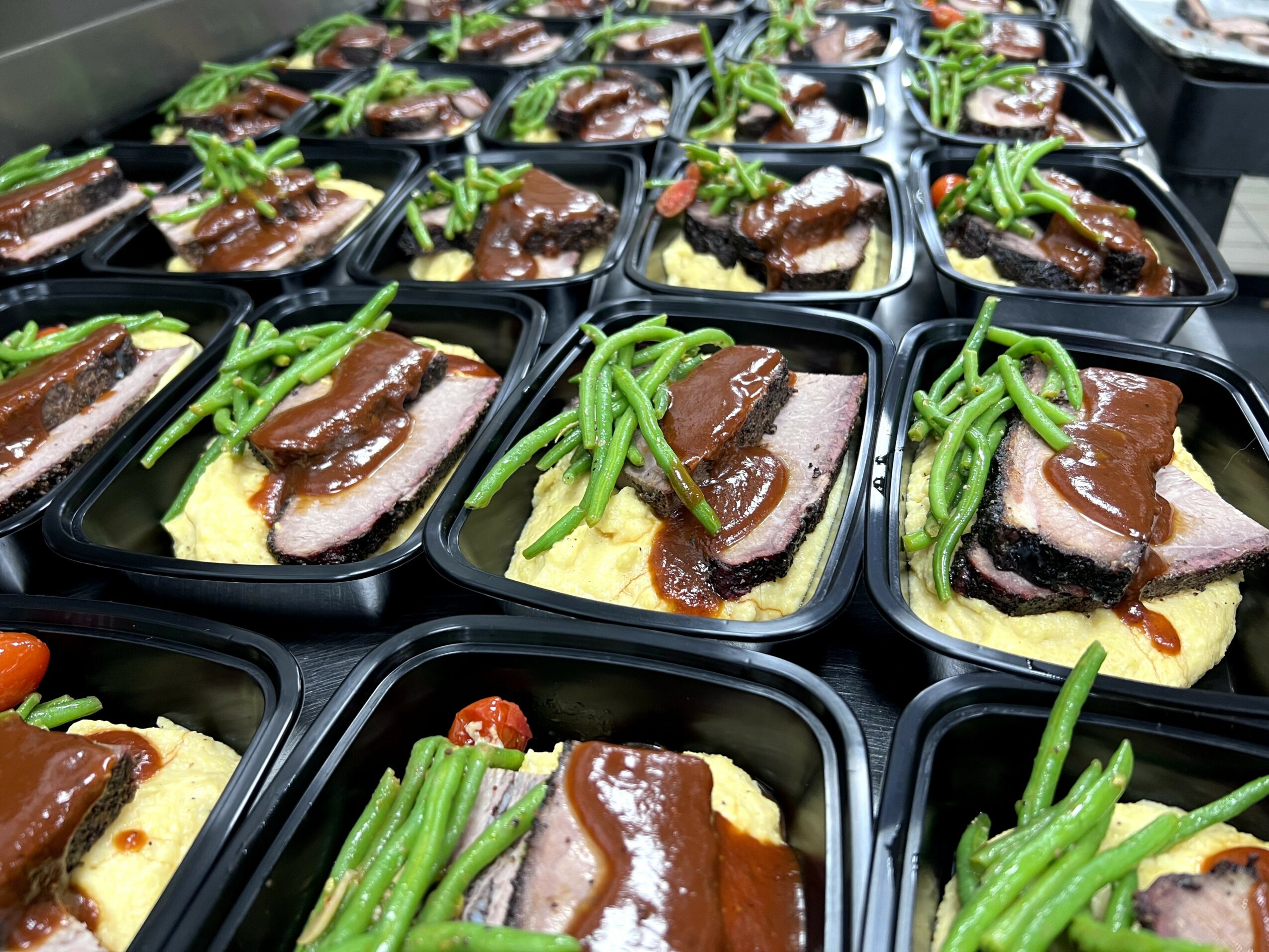
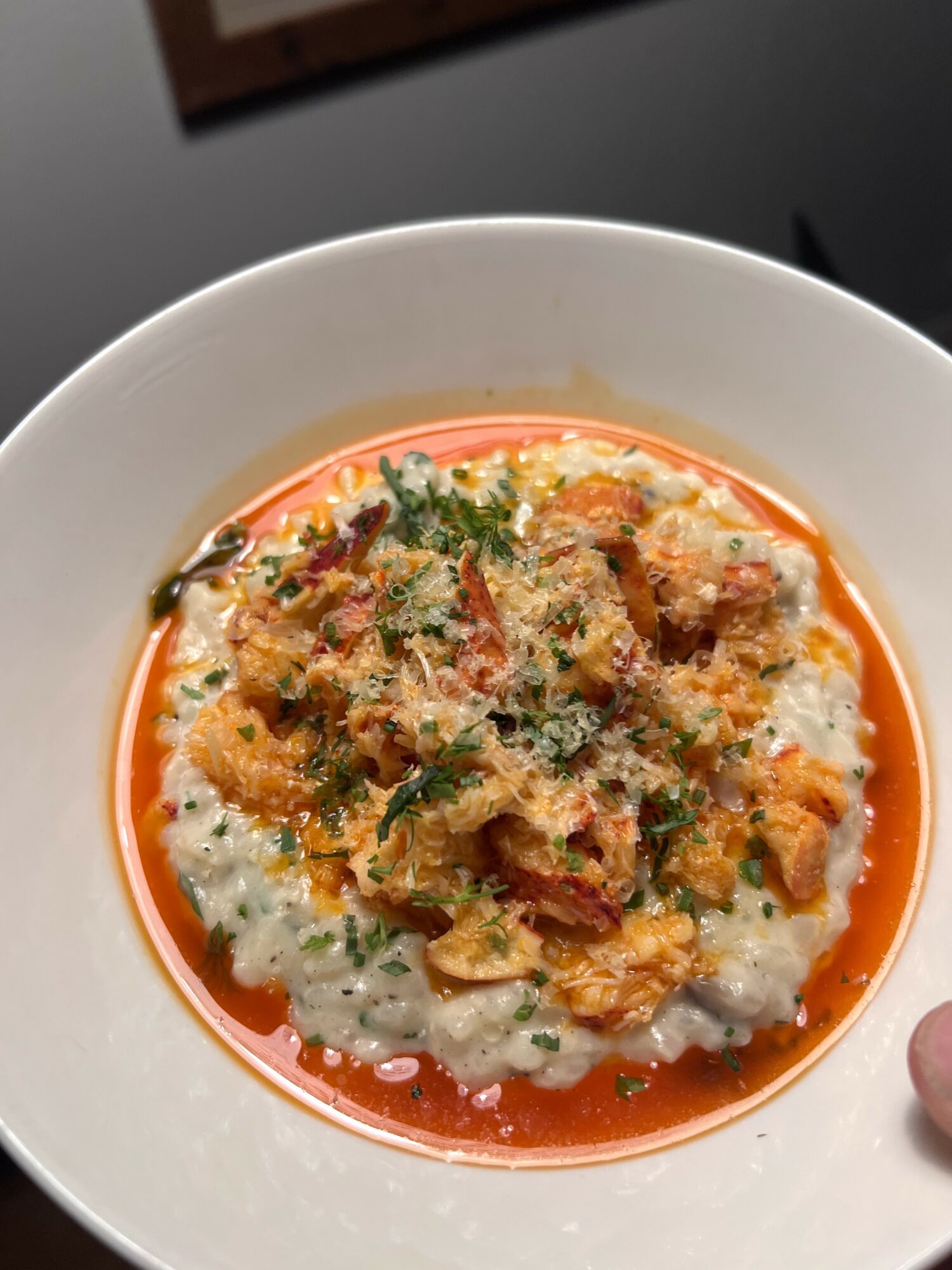
Today, we do everything: corporate breakfasts and lunches, weddings, school lunch programs, photo shoots, film production, craft services. We try to make each client feel recognized and appreciated. We go above and beyond to accommodate dietary preferences and do loads of research to ensure we’re doing it the right way. Because after all these years—from a five-year-old making real grits in New Orleans to now—I still believe food is about bringing people together. And that’s never going to change.
At home, I’m a husband to my junior high sweetheart and step-father to two beautiful girls. We love music, and we’re always working to make our mid-century modern home even happier and more fun to be in. The whole goal is to host friends, gather around the food and wine, and keep that same feeling alive: everyone at the table, sharing moments. That’s the real recipe.
Stay tuned. We’re just getting started.
Would you say it’s been a smooth road, and if not what are some of the biggest challenges you’ve faced along the way?
Plenty. First, never going to culinary school—that came with a lot of self-doubt. I’d walk into kitchens where everyone had fancy credentials, and I had to prove myself every single day. Imposter syndrome is real.
Second, the 2008 housing crash. We had a great little restaurant in Richardson—best neighborhood restaurant, accolades, loyal customers—and then the bottom fell out. Watching something you built struggle through no fault of your own? That was heartbreaking.
Third, COVID. We had a catering company that was finally humming after six or seven years, and suddenly all events stopped. Weddings, corporate lunches, film shoots—gone overnight. We almost lost everything. I remember sitting in our empty kitchen wondering if I should just hang up my apron for good.
Also, balancing family. Being a chef and a dad to two girls, married to my junior high sweetheart—that’s not always easy. The hours, the stress, the nights and weekends. There were times I missed things I’ll never get back.
And honestly? The constant hustle. Every time you think you’ve made it, something changes. Economy shifts. Trends change. Clients cancel. You have to reinvent yourself over and over. That’s exhausting. But it’s also what separates the ones who last from the ones who burn out.”
As you know, we’re big fans of you and your work. For our readers who might not be as familiar what can you tell them about what you do?
“I think what sets me apart is that I never learned the rules—so I never knew I was supposed to be afraid of breaking them. I didn’t go to culinary school. I don’t have a classic French technique drilled into me. I have instincts. I have taste memory from New Orleans. I have years of listening—to music, to people, to flavors. And I have this weird ability to put things together that don’t seem like they belong, and somehow they work.
But more than that? I treat every plate like it’s for someone I love. That sounds simple, but it’s rare. A lot of chefs cook for awards, for Instagram, for their own egos. I cook for the moment someone takes a bite and their shoulders relax. I cook for my dad watching me from wherever he is and my mom admiring from the sidelines. I cook for my family, who gave me a reason to keep going when the restaurant collapsed and when COVID tried to finish us off.
What am I most proud of? Not the accolades, though those felt good. I’m proud that I’m still here. Still cooking. Still learning. I’m proud that my family see me get knocked down and I get back up. I’m proud that when everything went wrong—2008, the pandemic, all of it—I didn’t walk away. I pivoted. I adapted. I found a way.
And I’m proud that the five-year-old making real grits in New Orleans would look at me now and say, ‘Yeah. You did it right.'”
Networking and finding a mentor can have such a positive impact on one’s life and career. Any advice?
Honestly? Stop trying to network and start trying to connect. There’s a difference. Networking is transactional—’What can you do for me?’ Connecting is genuine. ‘I love what you do. Here’s what I love about it.’ People can smell an agenda from a mile away.
Here’s what worked for me:
1. Be curious, not hungry. When I was at the record store, I didn’t pitch myself to Paul Rodriguez. I just curated music for him because I loved music. I wasn’t angling for a restaurant job. I was just being me. That authenticity opened every door.
2. Carry a notebook and show your work. I didn’t walk into Whole Foods and say ‘hire me.’ I showed up every day, watched, learned, and then showed the chef my ideas—on paper. Mentors want to see that you’re already doing the work, not just asking for a handout.
3. Say ‘yes’ to small things. Paul asked me to cook for a small get-together. Not a big catering gig. Not a job offer. Just passed apps for his friends. I said yes like it was the Super Bowl. That little yes led to everything.
4. Don’t ask someone to be your mentor—just ask good questions. The word ‘mentor’ can scare people off. Instead, ask: ‘How did you handle this?’ ‘What would you do differently?’ ‘Can I show you something I’m working on?’ The relationship grows naturally.
5. Stay in touch without needing anything. After Paul helped me get those interviews, I didn’t blow up his phone. I checked in. Sent a note. Eventually, we became friends, not just contacts. That’s the real network. Unfortunately, he passed away before I got far enough into my career for him to see what he made. He is always with me though.
Bottom line: Be someone worth mentoring. Work hard. Be curious. Help others with no expectation of return. And remember—your next mentor might be a regular customer at your record store. Or the chef you used to work for. Or you, for someone else, someday.”
Contact Info:
- Website: https://www.creativeaffairscatering.com
- Instagram: @creativeaffairscatering
- Facebook: https://facebook.com/creativeaffairs.catering