





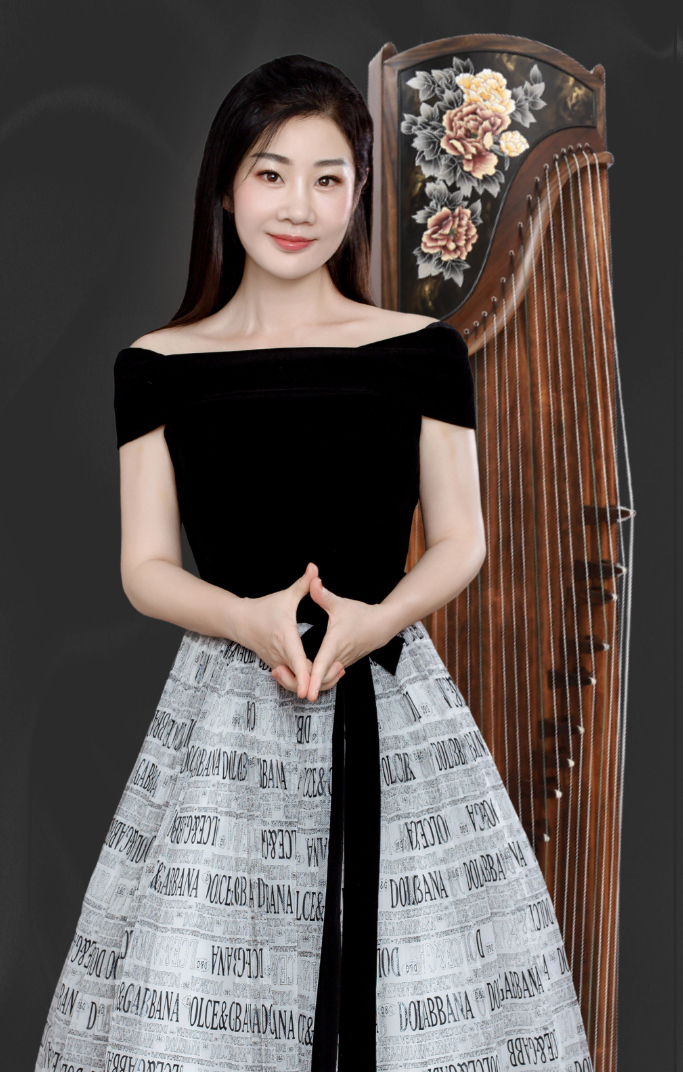
Today we’d like to introduce you to Crystal Zheng.
Hi Crystal, so excited to have you on the platform. So before we get into questions about your work-life, maybe you can bring our readers up to speed on your story and how you got to where you are today?
My journey with the Guzheng began when I was six years old in Xi’an, China, where I was admitted to the Xi’an Conservatory of Music and trained under the renowned Guzheng master Professor Jun Wei. That early immersion shaped not only my technical foundation, but also my lifelong emotional connection to the instrument. I later pursued advanced studies at the China Conservatory of Music, continuing to refine my performance under several distinguished Guzheng masters whose mentorship deeply influenced my artistic voice.
After graduation, I joined a well-known cultural and arts company in Beijing. Over the years, I grew from working in production to serving as the company’s Art Director. In that role, I organized large-scale international cultural exchange events, produced major performances, and contributed music to film and television projects. It was a formative chapter in my career that deepened my understanding of how art can connect people across cultures.
Later, wanting to strengthen my leadership and management skills, I pursued a Master of Business Administration (MBA) at the University of Chicago. During my time in the United States, I was struck by the growing curiosity and appreciation for Eastern culture and traditional Chinese instruments like the Guzheng. At the same time, I noticed a clear gap in both professional instruction and meaningful cultural outreach.
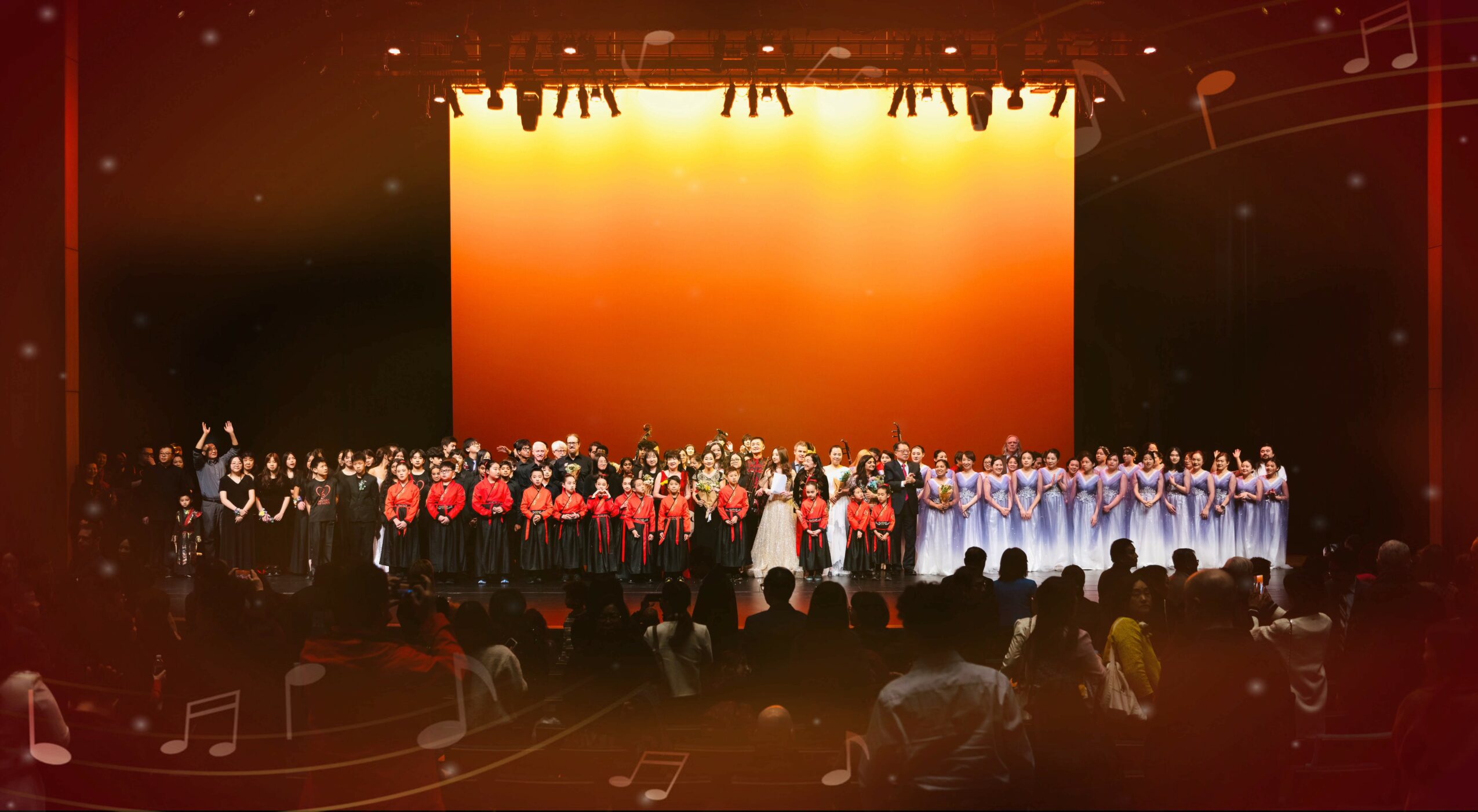
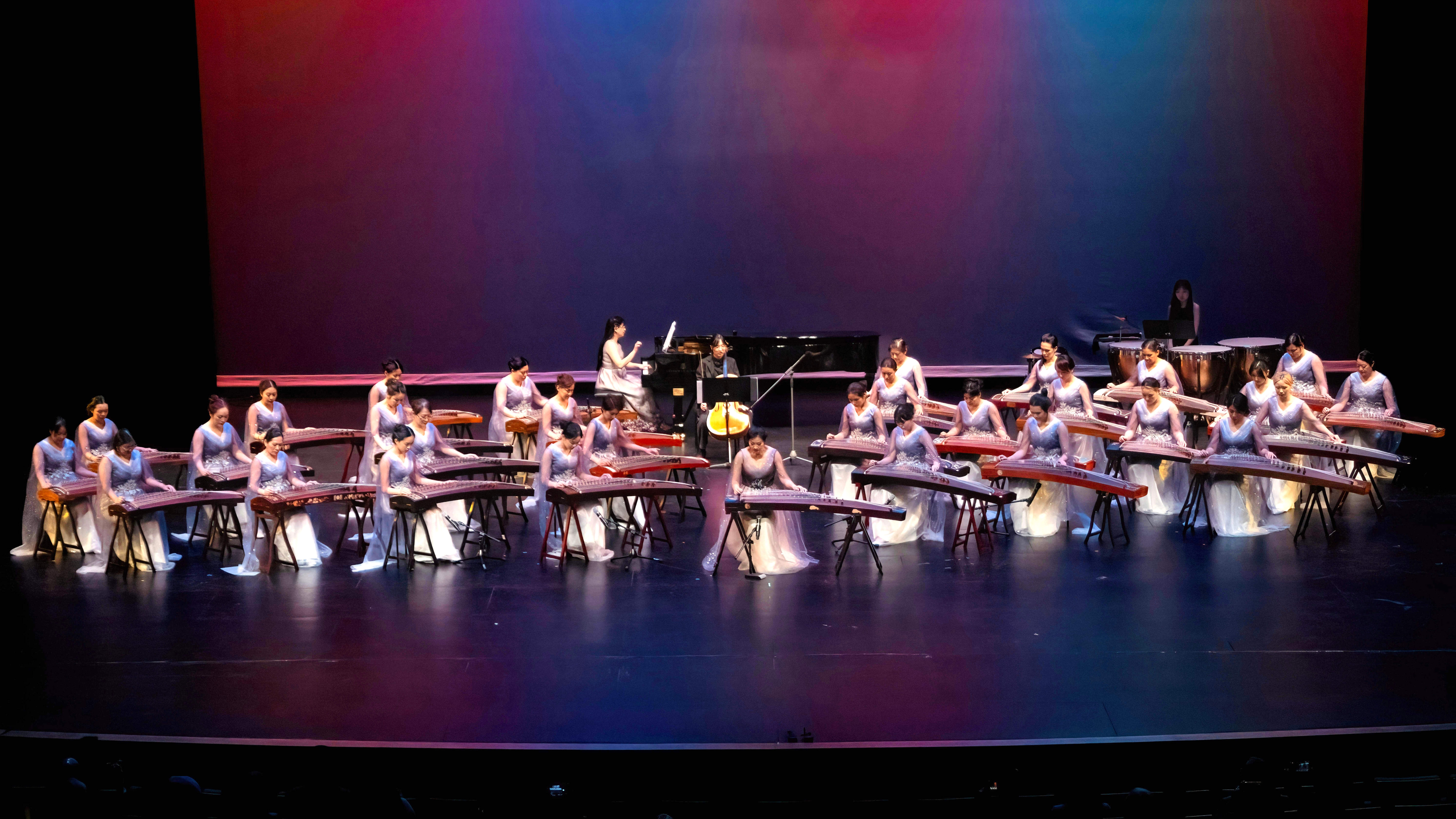
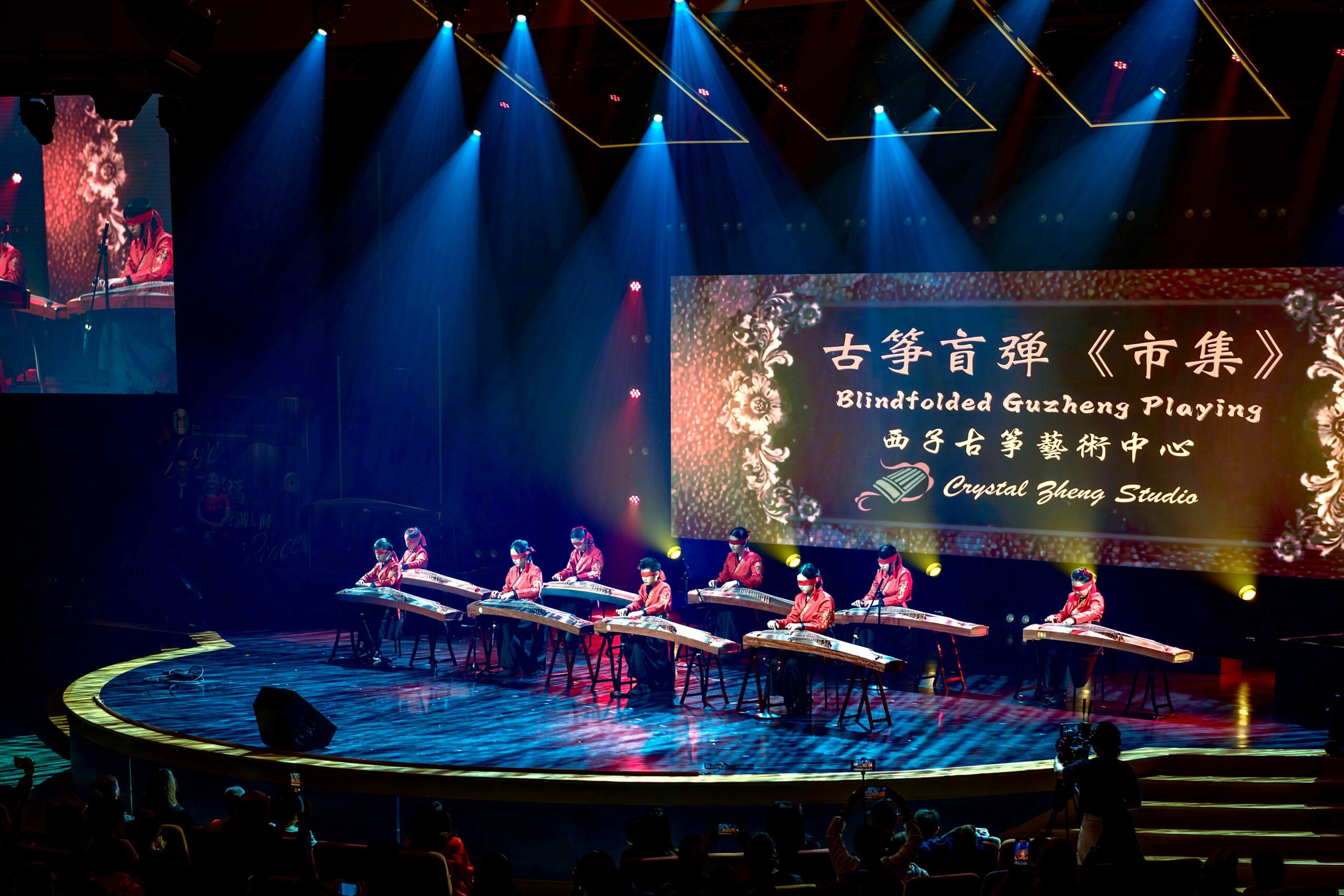
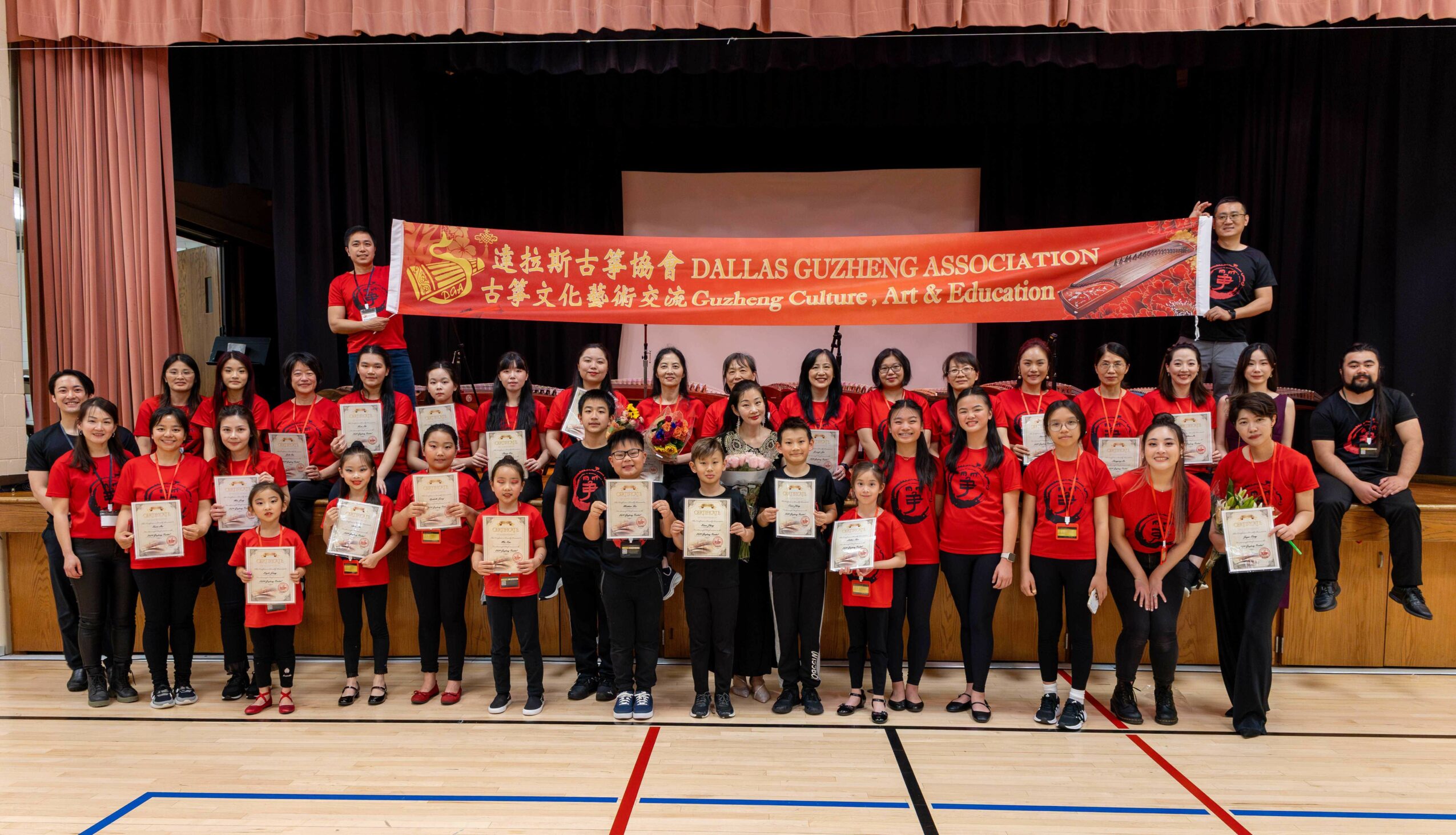
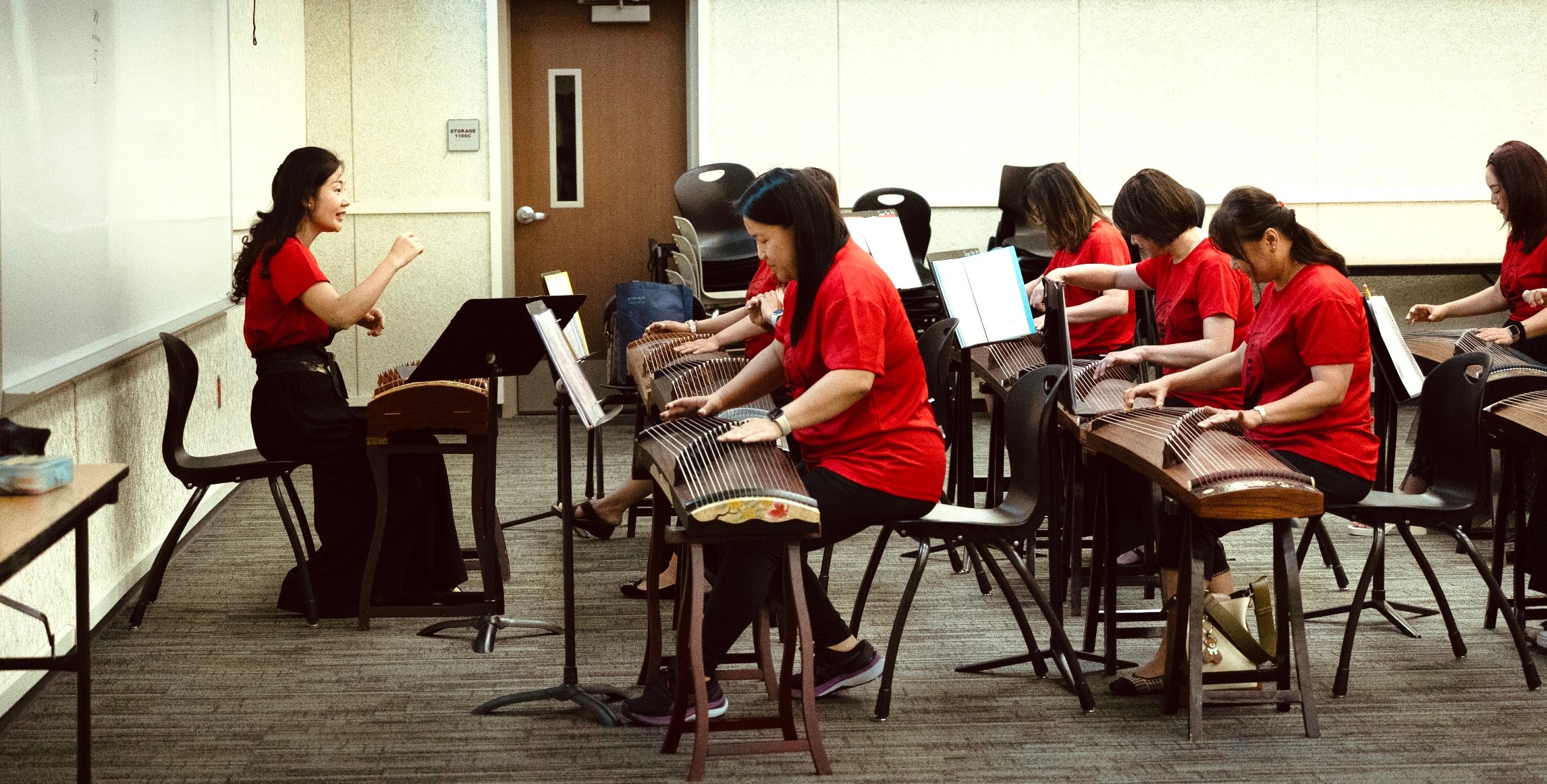
That realization became a turning point. After graduating, I chose to stay in the United States and dedicate myself to sharing Guzheng music and Chinese culture. I founded Crystal Zheng Studio, as well as the Dallas Guzheng Association and the Chinese Zither Network, creating platforms for education, performance, and cultural exchange. Over the years, we have organized and participated in dozens of concerts, workshops, and lectures each year at schools, museums, libraries, corporations, and community organizations, reaching audiences of all ages and backgrounds.
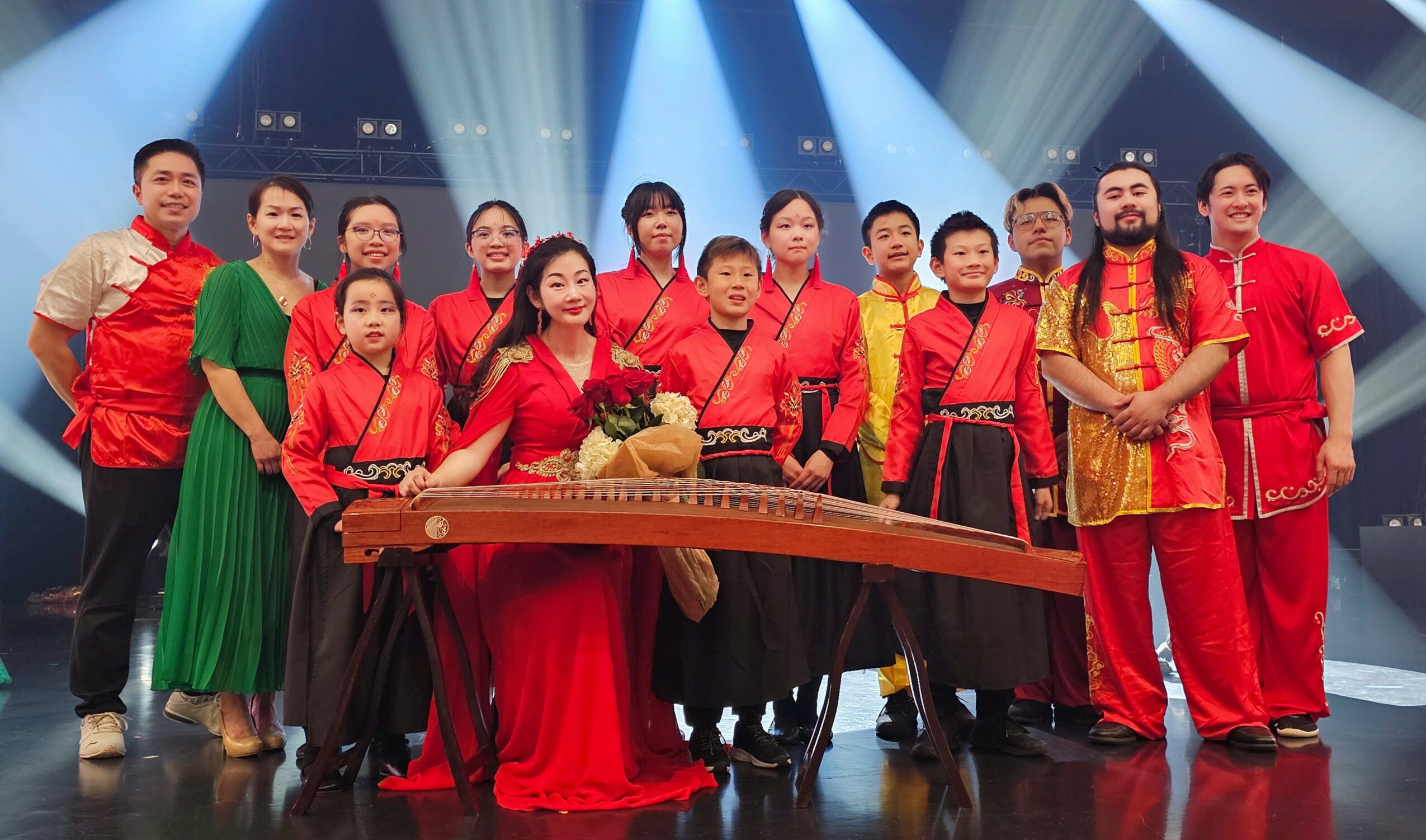
My students now come from more than ten countries, reflecting the growing international reach of this work. In addition, I mentor Guzheng educators across multiple countries, helping elevate teaching standards and nurture the next generation of instructors. I have created numerous original Guzheng works and reached millions through digital platforms.
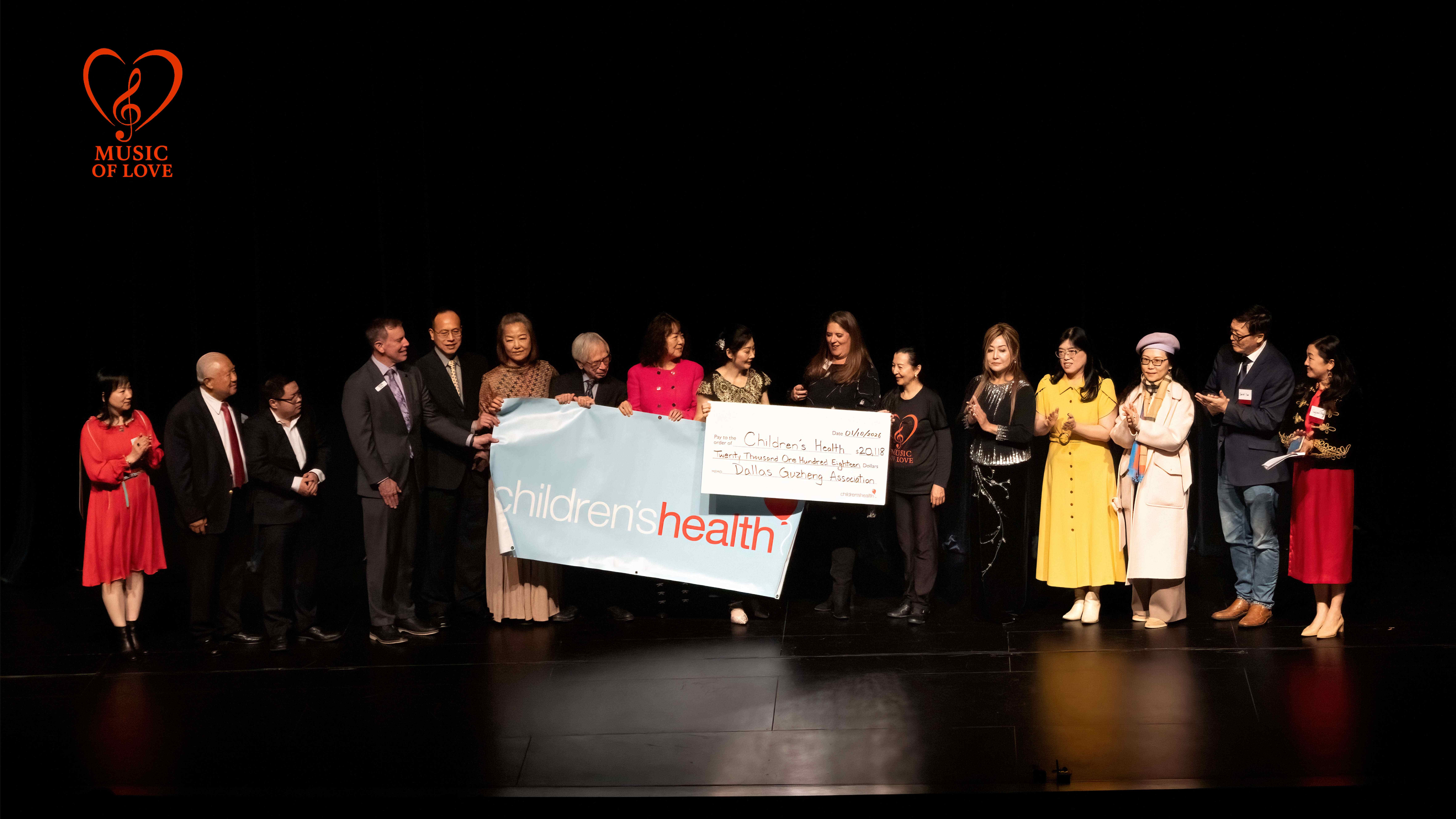
At the same time, I have remained deeply committed to using music as a force for good. As the founder and producer of the “Music of Love” Charity Concert, we have already raised more than $20,000 in just the first half of this year to support children’s health initiatives.
Looking back, my path has been shaped by a continuous thread: from rigorous classical training in China, to international cultural work, to education and advocacy in the United States. Today, I am devoted to preserving the beauty of the Guzheng, sharing Chinese musical heritage with the world, and using music to connect cultures and spread compassion.
We all face challenges, but looking back would you describe it as a relatively smooth road?
It definitely has not been a completely smooth road, and I believe any meaningful journey rarely is.
One of the earliest challenges was pursuing a traditional Chinese instrument like the Guzheng in environments where it was still relatively niche and not widely understood. Even in my early career in China, balancing artistic integrity with the demands of large-scale productions required constant learning and adaptation.
Moving to the United States brought a different set of challenges. While I was encouraged by the strong curiosity about Eastern culture, I also realized there was a significant gap in structured Guzheng education, professional resources, and cultural infrastructure. Building everything from the ground up—whether it was my studio, the Dallas Guzheng Association, or broader cultural programs—meant starting almost from scratch in terms of systems, audience base, and institutional support.
There were also personal challenges in transitioning from being a performer and artistic director in China to becoming an educator, organizer, and cultural entrepreneur in a new country. I had to continuously step outside my comfort zone, especially in leadership, communication, and cross-cultural collaboration.
Looking back, however, each of these challenges became a turning point. They pushed me to grow not only as an artist, but also as an educator and cultural bridge-builder. I am truly grateful for those difficult moments, as they shaped the path I am on today and strengthened my commitment to sharing Guzheng music and Chinese culture with a global audience.
Appreciate you sharing that. What else should we know about what you do?
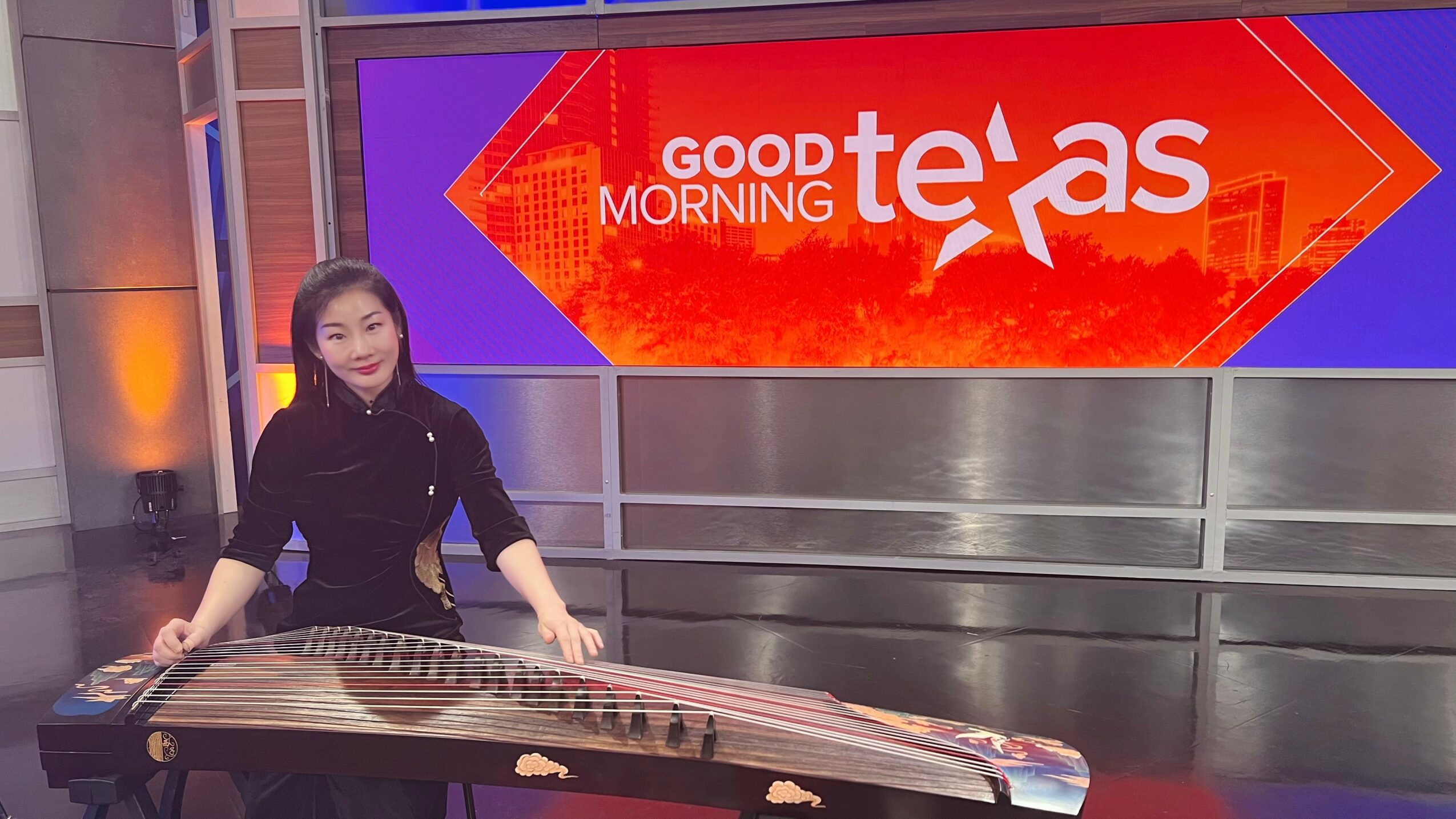
My work centers around the Guzheng as a performer, educator, and cultural creator. I specialize in both traditional classical repertoire and contemporary Guzheng expression, including original compositions and modern arrangements that bring this ancient instrument into today’s global musical landscape.
Beyond performance, I am known as a cultural bridge-builder, bringing Guzheng music into international communities through concerts, educational programs, and cross-cultural collaborations. As the Founder and President of the Dallas Guzheng Association, I have built platforms that connect artists, students, and audiences across different countries, making Guzheng education and performance more accessible globally.
One of the things I am most proud of is seeing students from more than ten countries learn and grow through this instrument, many of whom had no prior exposure to Chinese music. It is deeply meaningful to witness how music can transcend language and cultural boundaries.
I am also especially proud of the “Music of Love” Charity Concert, which uses music as a force for social impact. In just the first half of this year, we have already raised over $20,000 for children’s health initiatives, demonstrating that art can carry both cultural and humanitarian value.
What sets my work apart is the integration of three dimensions: deep classical training in Chinese traditional music, professional experience in large-scale cultural production and international exchange, and a long-term commitment to education and community building in the United States. I do not see myself only as a performer on stage, but as someone who builds systems, creates platforms, and helps shape how guzheng music is understood and experienced in a modern, global context.
What quality or characteristic do you feel is most important to your success?
The quality I value most in my journey is persistence, combined with a strong willingness to adapt.
In my experience, artistic growth and cultural work are never linear. There are always new environments to understand, new audiences to connect with, and new challenges to navigate—especially when bringing a traditional instrument like the Guzheng into a global context.
Persistence has allowed me to stay committed to long-term goals, even when progress is gradual. At the same time, adaptability has helped me evolve from a classically trained performer into an educator, cultural organizer, and creative director working across different countries and communities.
I have learned that success in this field is not only about talent or training, but about staying open-minded, continuously learning, and being willing to build step by step—even from the ground up when necessary.
For me, it is this combination of persistence and adaptability that has made the most meaningful difference in my professional journey.
Contact Info:
- Website: https://crystalzheng.com/
- Facebook: https://www.facebook.com/crystalzhengstudio#
- Youtube: https://www.youtube.com/@CrystalZhengStudio
- Other: https://musicoflove.org/