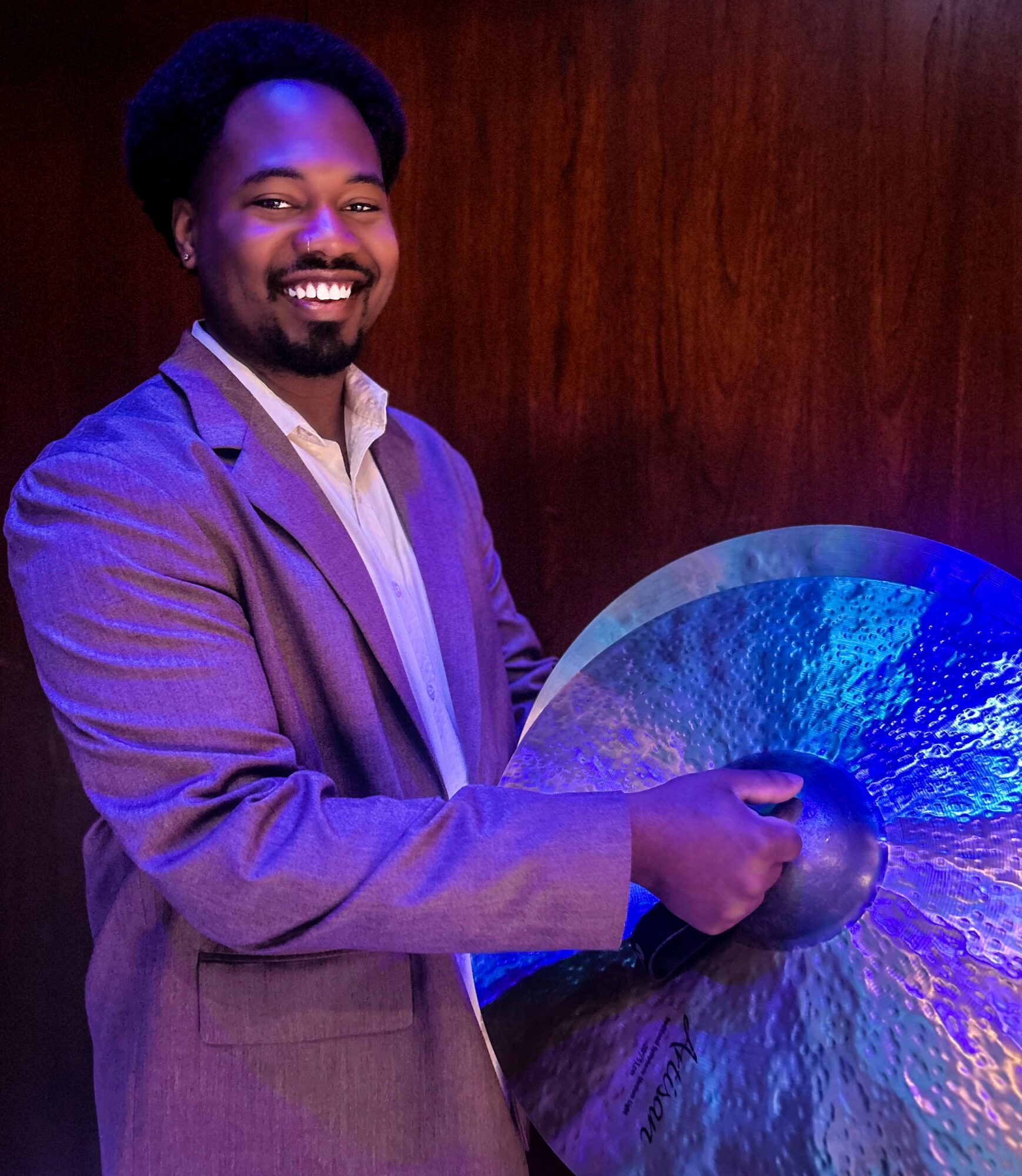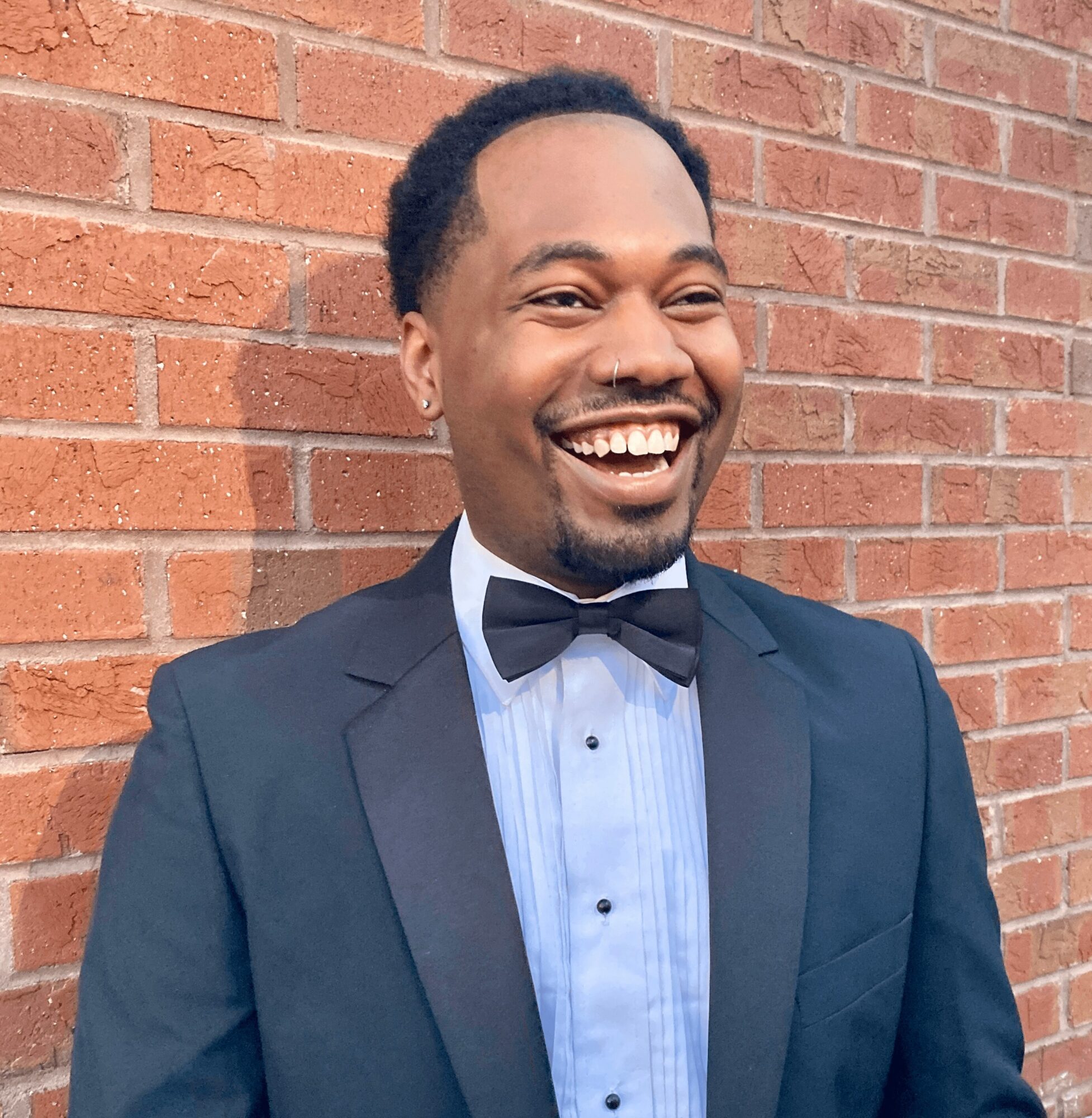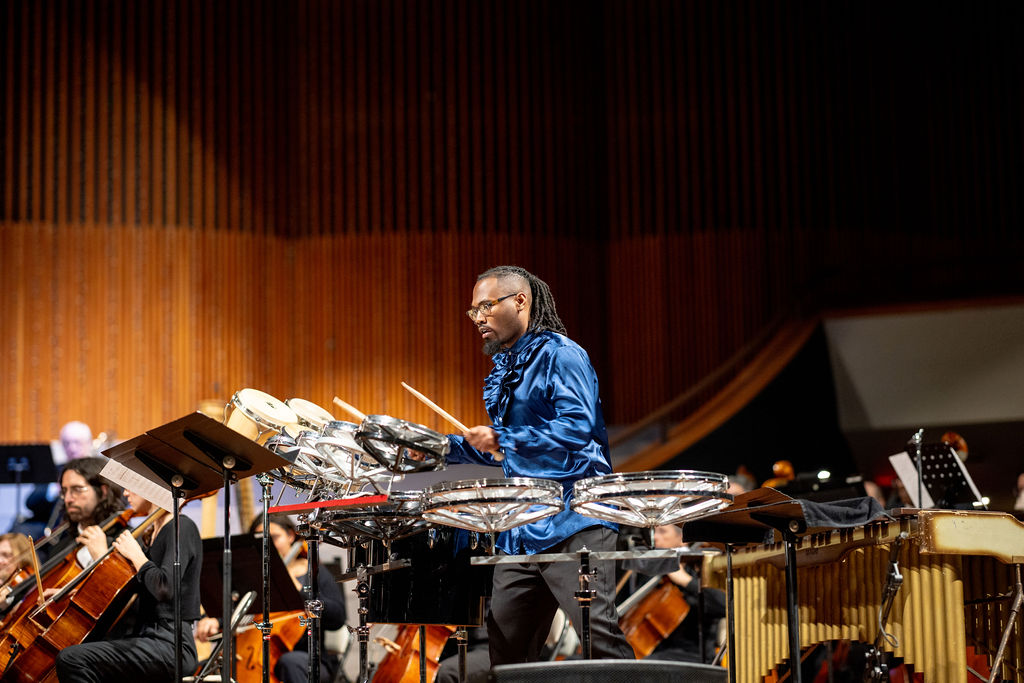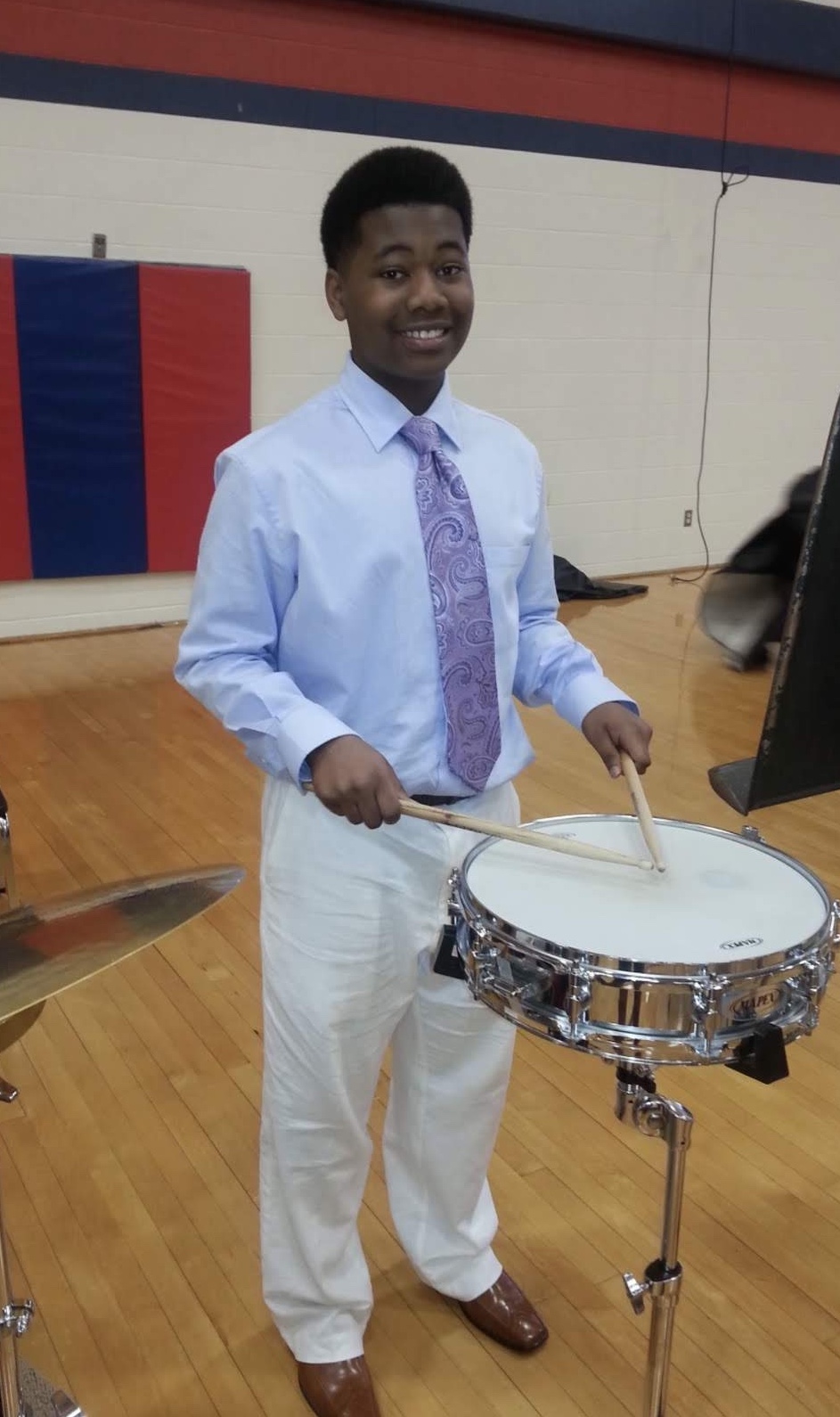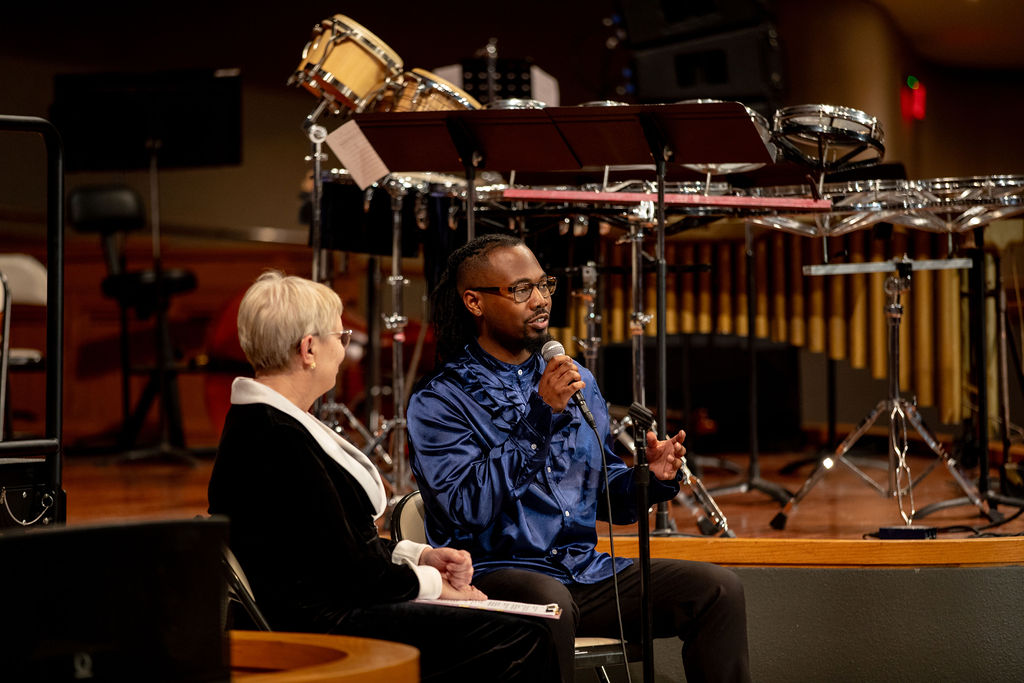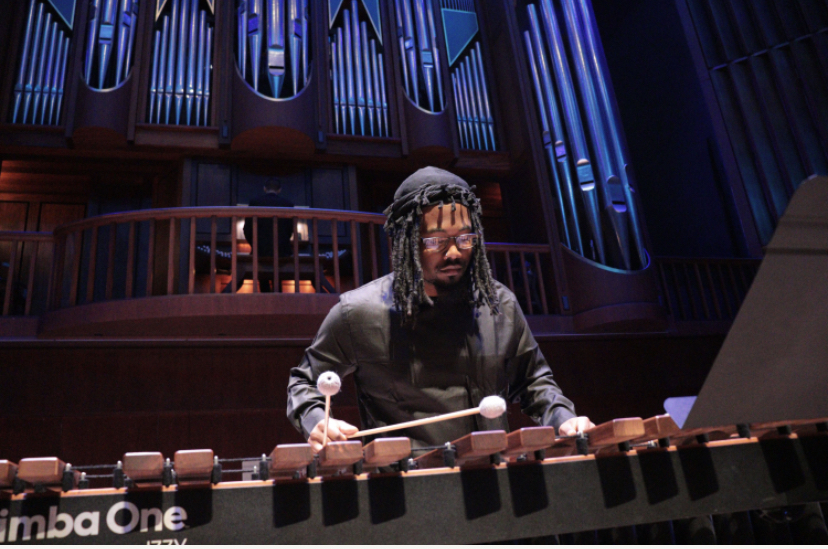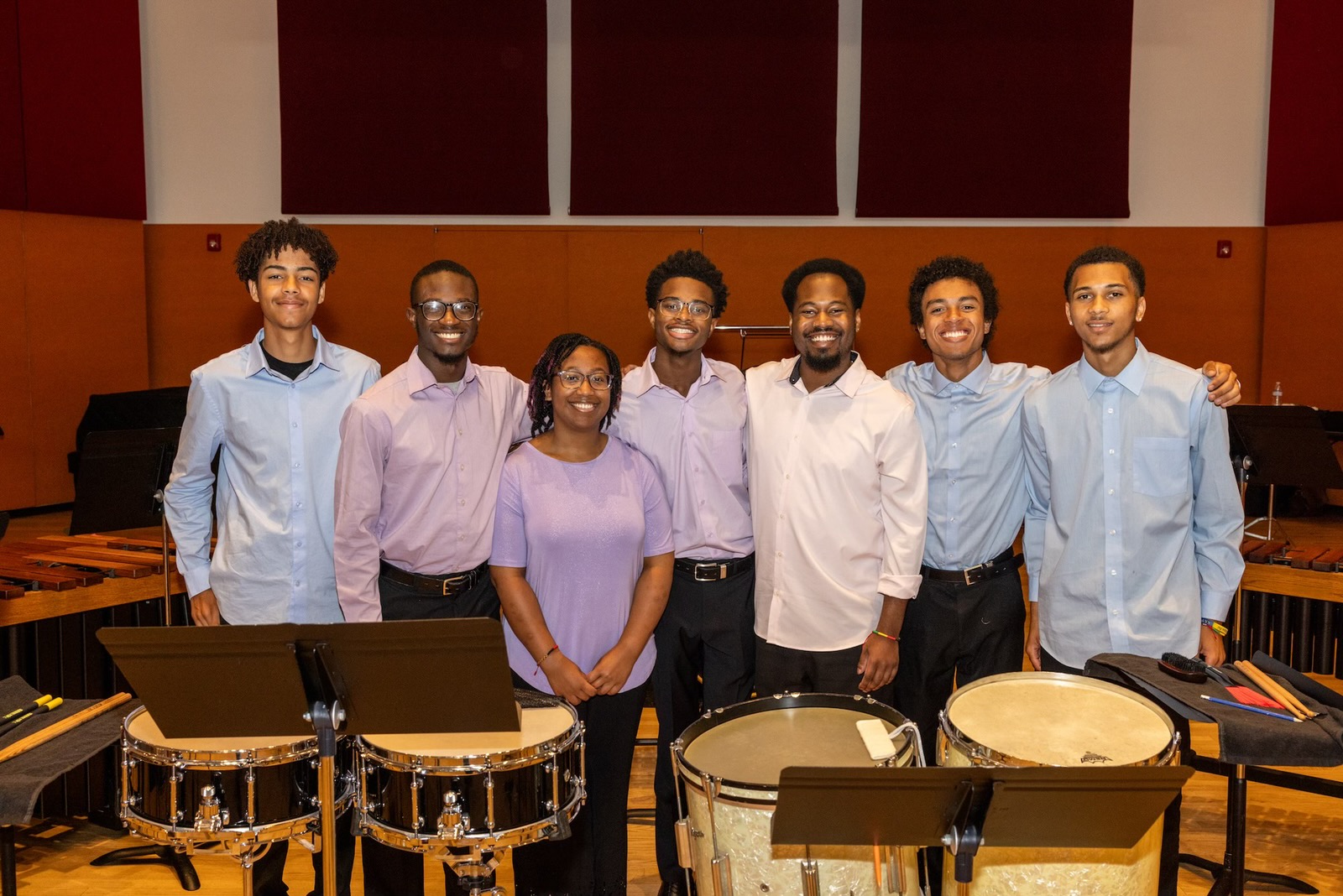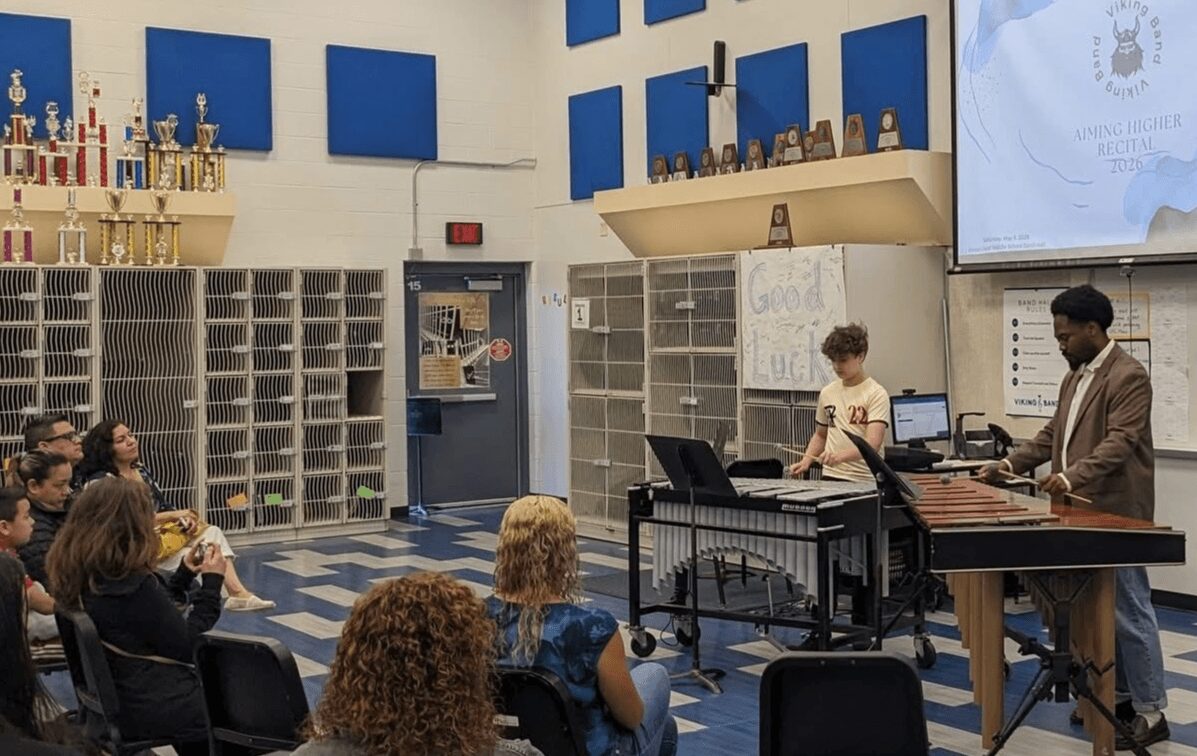






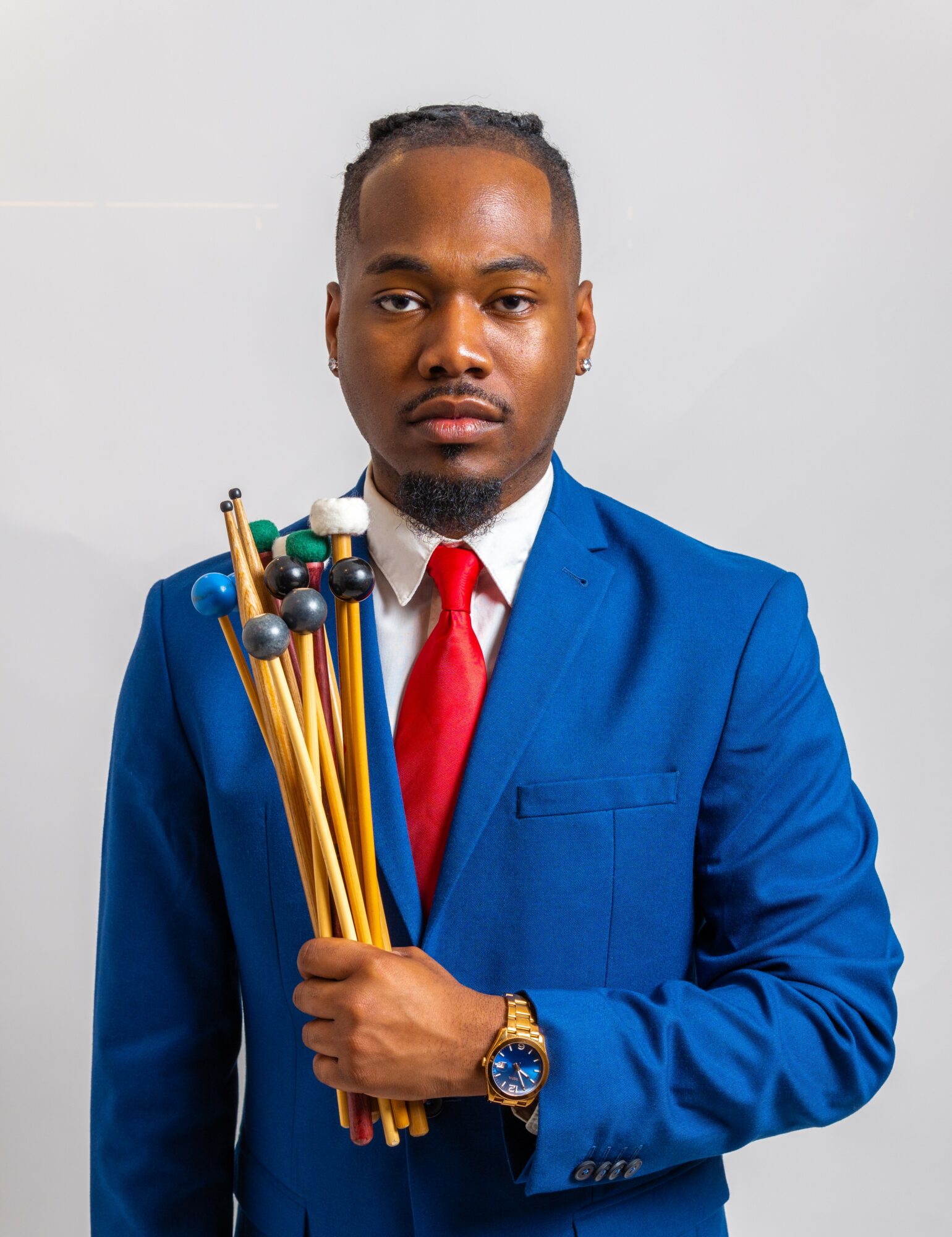
Today we’d like to introduce you to Torrance Buntyn Jr..
Hi Torrance , it’s an honor to have you on the platform. Thanks for taking the time to share your story with us – to start maybe you can share some of your backstory with our readers?
Growing up Baptist, music was a major part of church life, and I sang in the Youth Choir from an early age. In fact, the majority of my family sang in the choir at some point. While singing in the choir, my ears always connected with whatever the drumset player was doing, and I constantly tuned in to the drums. I wanted to take drumset lessons, but those were hard to come by at the time, especially since I grew up in a somewhat small town called Jackson, TN—the small city between Memphis and Nashville that no one pays attention to. Lessons simply weren’t accessible.
I also enjoyed all the music classes I took in elementary school—it was one of my favorite parts of the day. I loved playing the recorder, African drums, shakers, bells, and other percussion instruments. Fun fact: The Little Einsteins was one of my favorite childhood shows. Even with limited resources, early passion and curiosity can ignite a lifelong connection to music.
When I went to middle school, I instantly joined the band. I knew it was something I wanted to pursue, especially since my grandfather, father, uncle, and aunt all played percussion in their school bands. My great-grandfather was also the DJ for the local radio station back in the day, so I wanted to continue that musical legacy.
My grandfather had his own band when he was younger and also played kettle drums in high school. He had a heavy influence on my musical career, exposing me to many musical experiences and greatly supporting my journey. My parents also recognized my talent and invested in private lessons for me, from the hour drives between Huntington and Jackson to the trips to Memphis so I could attend the University of Memphis Day of Percussion.
Throughout middle school, my band teacher knew exactly where I was headed, even before I did. She instilled in me a strong foundation in percussion and encouraged my parents to keep me involved in music through private lessons. That decision helped me grow quickly as a musician.
I didn’t study with a famous symphony percussionist. My teacher was a local band director and percussion instructor who taught me things no one else in town could. I was simply an ordinary and quirky band kid who loved music and had finally found his passion.
In high school, I excelled in both music and academics while developing leadership skills and deepening my passion for percussion. I joined the marching band at my neighborhood high school, which, in my very biased opinion, had one of the best marching bands in town. Marching band is extremely popular in the South, especially because of the strong football culture. Outside of marching percussion, I still had the desire to play marimba and other mallet instruments, so I continued practicing concert percussion as well. Ninth grade was the first time I learned four-mallet technique. It was uncomfortable at first, but I was determined to master it because it was necessary if you wanted to make All-State.
Throughout high school, I balanced music, academics, leadership responsibilities, friendships, and even a part-time job. I knew the work I put in during those four years would shape my future. I earned numerous honors, developed discipline and perseverance, and began dreaming about studying music at a high level, including attending the Eastman School of Music.
After joining the Jackson Symphony Youth Orchestra, I was introduced to the world of symphony orchestra performance. I became the Principal Timpanist, and one of my favorite highlights was performing the Finale of Stravinsky’s *Firebird Suite* alongside the Jackson Symphony. The JSYO was the most prestigious ensemble for young musicians in the local area, and the experience exposed me to orchestral repertoire by composers such as Stravinsky, Beethoven, and Schubert for the first time.
I also became a leader within the marching band program. It was one of the most challenging experiences of my teenage years because it taught me communication, responsibility, and leadership. As a section leader, I understood that I was a role model for the younger students around me.
A turning point in my journey came when my leadership experiences in high school band sparked an interest in Music Education. Being a section leader, helping teach my peers, and occasionally being placed on the podium by my band director made me want to teach. My band director would even give me music theory lessons since my school did not offer theory courses.
At the time, Music Education was the only music career path I had really been exposed to. I had no idea that someone could pursue a career in classical music or perform professionally in a symphony orchestra. Without exposure and mentorship, it is easy to miss opportunities that could shape your future.
I attended Tennessee State University, a Historically Black College and University (HBCU), and graduated with my Bachelor’s in Music Education in 2022. Being at an HBCU was a unique and empowering experience. It was one of the first times I felt surrounded by Black professors, administrators, and mentors in an academic environment. My experience at TSU deeply shaped both my musical and personal growth.
While deeply involved in marching band, I made it a priority to continue my concert percussion studies and eventually discovered my passion for orchestral percussion. I eventually stepped away from the famous “Aristocrat of Bands” marching band in 2020 and redirected my career toward orchestral performance.
In 2020, the pandemic changed everything. I realized that being a band director was not the right path for me. I knew I needed a career where I could fully dedicate myself to performing percussion. I enrolled in the Ted Atkatz Percussion Seminar Online, where I was introduced to the world of orchestral percussion for the first time. That summer, with no school activities taking place, my former high school band director allowed me to borrow percussion equipment, and I began learning my first orchestral excerpts.
From that point on, I shifted my focus from teaching to performance. I began taking summer classes, auditioning, participating in orchestra festivals such as the Sewanee Music Festival, studying with Ted Atkatz through the Ted Atkatz Percussion Seminar, and seeking out as many opportunities as possible to learn about the professional orchestra field. Eventually, I became an Emerging Artist with the Network for Diversity in Concert Percussion and was accepted to Southern Methodist University with a full scholarship to pursue my master’s degree.
I worked tirelessly each year, even programming my own virtual recital, all with the goal of getting into a top-tier graduate program. This marked the beginning of a new chapter in my musical journey. I owe so much to my teacher, Derrick Greene, who fully supported me and pushed me to new heights.
When I entered graduate school at Southern Methodist University – Meadows School of the Arts, studying under George Nickson and Brian Jones from the Dallas Symphony Orchestra, I faced new challenges. I wasn’t the “big fish in a small pond” anymore—everyone around me was just as dedicated and talented. The conservatory-style environment was rigorous and demanded more from me than I had ever experienced. Coming from an HBCU background, where resources for classical training were limited, I suddenly found myself in a space where I had to catch up in certain areas. But I didn’t let that stop me.
Instead of feeling defeated, I learned to embrace the difficulty and put in the extra effort to improve. I adjusted to the environment, grew as a musician, and soon became a protégé of the Alliance of Black Orchestral Percussionists (ABOP). Through this program, I received one-on-one mentorship from Black percussionists with professional experience in the field. I gained insight and skills that are rarely taught in traditional classrooms, which helped me navigate graduate school successfully. My current mentor is Raynor Carroll, retired Principal Percussion of the Los Angeles Philharmonic.
It wasn’t easy, though. As a Black percussionist in a predominantly white institution, I often felt like the “other.” In the orchestra, percussionists already stand out since we are positioned at the back, playing something different from everyone else, and being the only Black person in the section added another layer of pressure. Imposter syndrome, self-doubt, and the feeling of needing to constantly prove myself were challenges I dealt with regularly. But I continued pushing forward. I turned those struggles into opportunities, made it to the final rounds of auditions, performed my first concerto, and presented recital programs that were deeply meaningful to me. I’m proud of how much I’ve grown, and I know I’m continuing to improve.
After graduating with my master’s degree in 2024 from Southern Methodist University, I took a gap year to live in Atlanta, where I studied with Joseph Petrasek, Principal Percussionist of the Atlanta Symphony Orchestra. During that time, I continued preparing auditions, refining my musicianship, and learning more about the professional orchestra field outside of an academic environment. That year taught me a great deal not only about percussion, but also about myself. For the first time, I had the opportunity to develop independently without the structure of being in school, which strengthened both my discipline and artistic growth.
After that year, I returned to Southern Methodist University to complete a one-year Performance Diploma program in Percussion Performance. I now feel that I am entering a new stage of my journey—one where I am stepping more fully into my potential while continuing to refine my musical voice, artistry, and identity as a percussionist.
Over the years, I’ve developed a strong desire to create change within the classical music world and confront its challenges directly. The orchestral path, especially for musicians from underrepresented and underserved backgrounds, is rarely straightforward. There are barriers involving access, finances, mentorship, and representation, all while navigating the demands of everyday life. Despite those challenges, I remain committed to growing as both a percussionist and an artist.
As I continue building a holistic and meaningful career, I also hope to inspire others whose journeys may not follow traditional paths. I want to challenge stereotypes surrounding Black classical musicians and encourage others to pursue careers that feel authentic to them. I am committed to creating, leading, teaching, performing, and advocating through music while paving my own path forward.
Being Black in the classical music industry is rarely the traditional route, but I am committed to thriving while helping inspire others to pursue their own unique journeys with resilience, purpose, and vision.
This road is long, and I am still growing through every step of it. After recently completing my Performance Diploma in Percussion Performance at Southern Methodist University, I will continue my studies at New England Conservatory while continuing to pursue professional orchestra auditions. What once felt impossible for a kid from Jackson, Tennessee now feels like the beginning of something much bigger, and I’m excited to see where the journey leads next.
Alright, so let’s dig a little deeper into the story – has it been an easy path overall and if not, what were the challenges you’ve had to overcome?
No, it definitely hasn’t been a smooth road. A lot of my journey has been about navigating spaces where I didn’t always see myself reflected or fully represented, especially in the classical and orchestral world.
I grew up in Jackson, Tennessee, where access to things like private lessons, orchestral exposure, and clear pathways into classical music wasn’t readily available. Early on, I didn’t even realize that careers in orchestral percussion were really possible. Music Education felt like the only visible path simply because it was the only one I had been exposed to.
As I continued developing, I had to actively seek out opportunities, mentorship, and resources that weren’t always built into my environment. Moving through different educational spaces—from an HBCU setting to a conservatory-style program—also came with its own adjustments. I often had to learn how to navigate rooms where I wasn’t always on equal footing in terms of preparation, and where I sometimes felt like I had to constantly prove myself.
On top of that, being a Black percussionist in classical music has shaped how I experience these spaces. There are times when I’ve felt like I exist at multiple intersections that aren’t always visible or fully understood in these environments, which can be isolating at times. At the same time, it’s also pushed me to be more intentional about community, mentorship, and staying grounded in who I am.
There have been moments of imposter syndrome, self-doubt, and questioning whether I belonged in certain rooms—but those same challenges have also been what pushed me forward. They’ve helped me grow into a more resilient musician and deepened my commitment to expanding access and representation for others coming up behind me.
Thanks for sharing that. So, maybe next you can tell us a bit more about your work?
I am a percussionist, educator, and advocate, specializing in orchestral percussion and solo performance. My work spans performing in orchestras, preparing for professional auditions, teaching private students, and engaging in community-based music education.
I am especially focused on orchestral and classical percussion, including instruments like marimba, timpani, and auxiliary percussion. Alongside performance, I’ve also built a strong foundation in teaching and mentorship, which began early through leadership roles in school ensembles and has continued through private instruction and community engagement.
What I’m most known for is my journey into classical music from a non-traditional background. I did not grow up with early access to conservatory training or orchestral pathways, so a lot of my development came from curiosity, persistence, and seeking out opportunities that weren’t always immediately visible to me. That experience has shaped not only how I play, but how I approach the field as a whole.
What I am most proud of is the growth I’ve experienced through every stage of my journey—from discovering percussion in a small town in Tennessee, to studying at institutions like Tennessee State University and Southern Methodist University, and now continuing my training at New England Conservatory while pursuing professional orchestra auditions.
What sets me apart is not just my training, but the perspective I bring into the classical music world. I approach percussion with a deep sense of purpose, community, and representation. As a Black musician in this space, I am intentional about excellence, but also about expanding what visibility and opportunity can look like for others who come from similar backgrounds.
What matters most to you? Why?
What matters most to me is bringing others up with me. I am continually inspired by Florence Beatrice Price, a pioneering Black woman composer and the first to have her work performed by a major American orchestra. Her legacy reminds me of the importance of visibility and representation in classical music, especially in spaces where we have not always been centered.
Contact Info:
- Website: https://www.torrpercussion.com
- Instagram: https://www.instagram.com/torrpercussion/
- LinkedIn: https://www.linkedin.com/in/torrancebuntynjr/
- Youtube: https://www.youtube.com/@torrpercussion