






Today we’d like to introduce you to Natsuko Oshima.
Hi Natsuko, so excited to have you on the platform. So before we get into questions about your work-life, maybe you can bring our readers up to speed on your story and how you got to where you are today?
I grew up in Japan and started dancing at a young age. Almost immediately, ballet became the center of my world. It was where I felt most expressive, curious, challenged, and alive. Through dance, I learned discipline, resilience, cultural appreciation, and how movement can communicate emotions and stories in ways words sometimes cannot. Ballet shaped not only my career path, but also the way I viewed people, relationships, and the world around me.
My training and professional dance career eventually took me across four continents. I trained at Bolshoi Ballet Academy in Moscow, Russia and at Alberta Ballet School in Alberta, Canada before performing professionally with companies including Ballet Nacional Sodre in Uruguay, and Opera Nationala Romana Iasi in Romania. One of the highlights of my dance career was earning a bronze medal at the World Ballet Competition in Orlando, Florida under the training and mentorship of Tatiana Berenova.
Even while pursuing dance professionally, I was always fascinated by movement and the human body. At the same time, the professional dance world can be physically and emotionally demanding in ways people outside of it rarely see. I often returned to performing before my body was truly ready because opportunities in the dance world can feel fleeting. Looking back now, I realize there was often a lack of communication, understanding, and support between healthcare providers and the actual demands placed on performers. Over time, that disconnect contributed to repeated injuries that eventually became much more serious and career-ending.
Having my professional dance career cut short by injury was one of the hardest experiences of my life. At the time, I did not just lose a profession — I lost a huge part of my identity and the way I saw myself. But during recovery, I became deeply interested in the people helping injured performers return to movement and in the incredible complexity of the human body itself. I realized movement is never just physical. It is emotional, psychological, artistic, cultural, and deeply connected to identity and human experience. That realization completely changed the direction of my life.
I eventually moved into exercise science and earned a bachelor’s degree in Health and Exercise Science from the University of Oklahoma before later earning my Doctor of Physical Therapy degree at Texas Woman’s University. Today, I combine my backgrounds in dance and healthcare as a physical therapist specializing in performing arts medicine. In addition to clinical practice, I conduct research, present internationally, teach ballet, and operate my own practice, Therapy en Pointe. I also continue to train and compete in Irish dance as an adult, and enjoy collaborating with artists and organizations across the performing arts community.
In many ways, my career now exists between multiple worlds — healthcare, education, research, and the performing arts. I think what ties all of it together is my belief that movement is deeply human. I care a lot about helping people feel connected to their bodies, supported in their goals, and empowered to pursue long, sustainable artistic careers. If my experiences can help performers feel seen, then in the end everything I went through had meaning!
Would you say it’s been a smooth road, and if not what are some of the biggest challenges you’ve faced along the way?
Definitely not. There were many moments where I felt like I was rebuilding myself from scratch.
One of the hardest parts was learning how to separate my identity from performance. In the dance world, especially professionally, it is very easy to tie your self-worth to what your body can do. Injuries, uncertainty, competition, and constant pressure become normalized. For a long time, I pushed through pain because I was afraid opportunities would disappear if I slowed down.
Moving internationally also came with challenges. I had to adapt to different languages, cultures, healthcare systems, and professional environments while trying to build a career far from home. Later, transitioning from the arts world into healthcare and academia was another major adjustment. I had to learn new ways of thinking, develop new skills, and redefine what success looked like beyond the stage.
Building my business has also required patience and persistence. Performing arts medicine is still a relatively niche field, especially in Arkansas, so a lot of what I do has involved creating opportunities and building community relationships from the ground up.
At the same time, I think those experiences shaped the way I care for people now. I understand how vulnerable it can feel when movement, identity, confidence, and purpose become deeply connected. Because of that, I try to approach every patient and performer with empathy, honesty, and respect for the person behind the injury.
Thanks – so what else should our readers know about THERAPY EN POINTE, LLC?
I founded Therapy en Pointe because I wanted to create the kind of care I wish more performers had access to throughout their careers — healthcare that genuinely understands the artistic, emotional, and physical demands of movement-based professions.
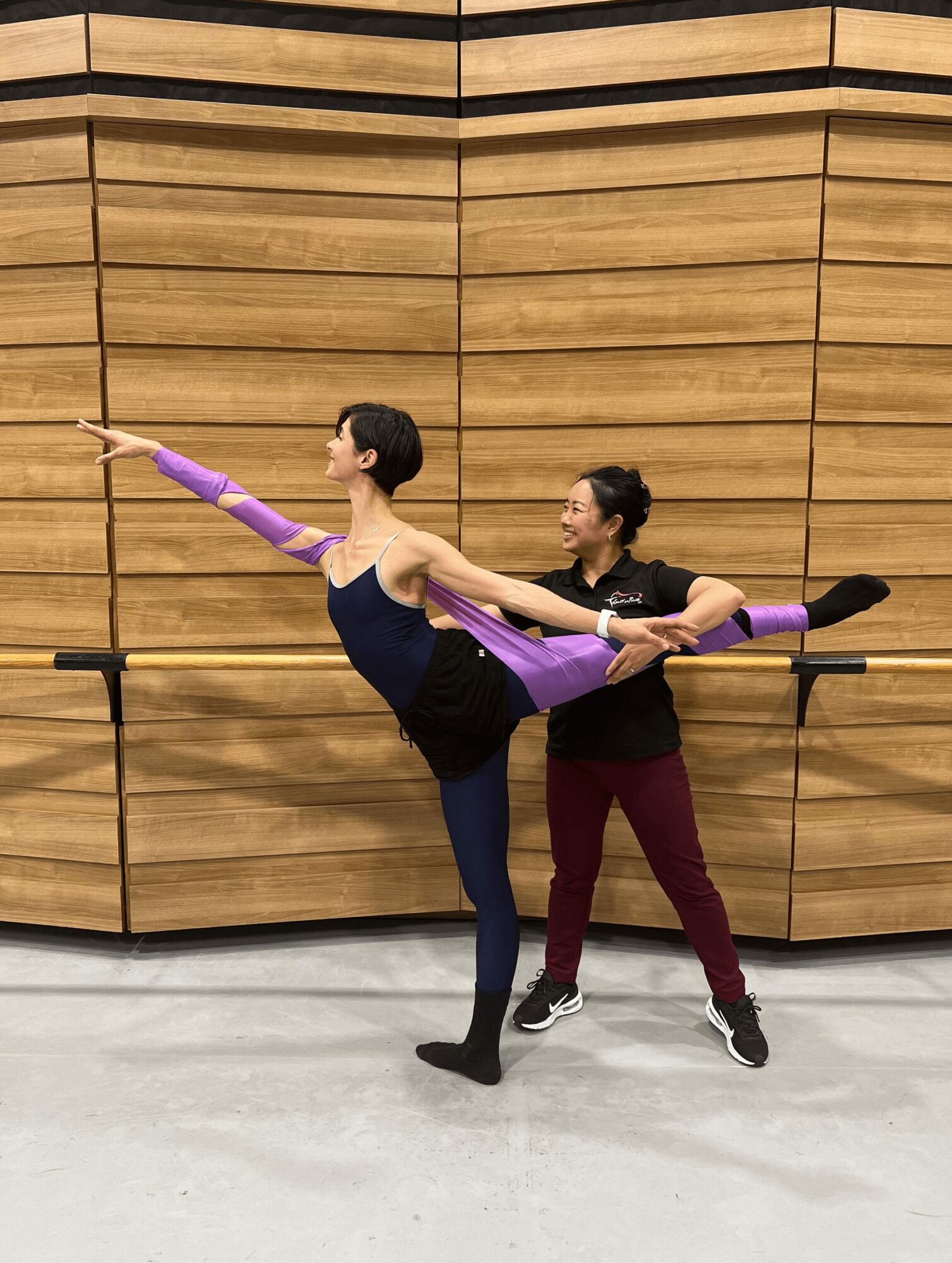
Therapy en Pointe is a mobile physical therapy and wellness practice specializing in dancers, performing artists, circus artists, musicians, and other movement professionals. My work combines physical therapy, movement analysis, injury prevention, performance support, and education in a way that bridges healthcare and the performing arts world through one-on-one care, workshops, and collaborations with local studios and arts organizations.
What sets my work apart is that I understand these communities both professionally and personally. I am not only treating performers — I have lived that lifestyle myself and still continue to live in that world today. I continue teaching ballet, train and compete in Irish dance as an adult, and regularly spend time in studios alongside dancers and artists. Because of that, I understand the discipline, pressure, fear, perfectionism, and passion that often exist behind performance.
I value autonomy and independence very strongly. I do not see myself as someone who “fixes” patients. I believe people have ownership over their own bodies and health, and my role is to guide, educate, support, and empower them throughout that process. A large part of my work involves teaching patients how to better understand and care for their own bodies through movement education, exercises, self-check strategies, recovery tools, and ways to protect their long-term health while still allowing themselves to grow, perform, and thrive artistically.
My experiences as a professional dancer also shaped the way I view rehabilitation and performer healthcare. In the traditional healthcare system, many performers are discharged once they can return to basic daily activities, even though returning to high-level artistic performance requires a completely different level of physical and psychological readiness. Like many dancers, I assumed that once I was discharged, I was fully ready to return to performing. Looking back now, I realize there was often a lack of communication, understanding, and support/resources between healthcare providers and the actual demands placed on performers. Because opportunities in the dance world can feel rare and temporary, I frequently returned before my body was truly ready, which eventually contributed to repeated injuries becoming much more serious. Those experiences became a major reason why I created Therapy en Pointe.
More than anything, I wanted Therapy en Pointe to feel human. I wanted to create a space where performers feel safe, understood, respected, and empowered not only as artists, but as people. I care deeply about advocating for dancers and performers to feel supported, connected to their bodies, and empowered to pursue long, sustainable artistic careers. If Therapy en Pointe can help people feel less alone while continuing to grow and thrive artistically, then I feel like I am doing meaningful work.
We love surprises, fun facts and unexpected stories. Is there something you can share that might surprise us?
I think people are sometimes surprised by how many different worlds I move between. Depending on the setting, people may know me as a physical therapist, researcher, dance teacher, former professional ballet dancer, Irish dancer, or business owner, but to me those roles all feel deeply connected through movement and human experience.
Another thing people may not realize is how emotional movement feels to me. Because I experienced losing dance unexpectedly, I never take movement for granted anymore. In some ways, I think helping patients and performers reconnect with their bodies has also helped me heal parts of my own past. Seeing someone regain confidence, return to performing, or even seeing a muscle finally start to activate after struggling for a long time genuinely makes me excited. Sometimes I literally jump around celebrating with them in the clinic.
I am also endlessly curious. I love learning about biomechanics, neuroscience, rhythm, psychology, culture, and how all of those things connect through movement and human experience. I think that curiosity is part of what keeps me excited about healthcare, academia, and the arts.
Contact Info:
- Website: https://www.therapyenpointe.com/
- Instagram: https://www.instagram.com/natsukoinsta/
- LinkedIn: https://www.linkedin.com/in/natsuko-oshima-dpt/
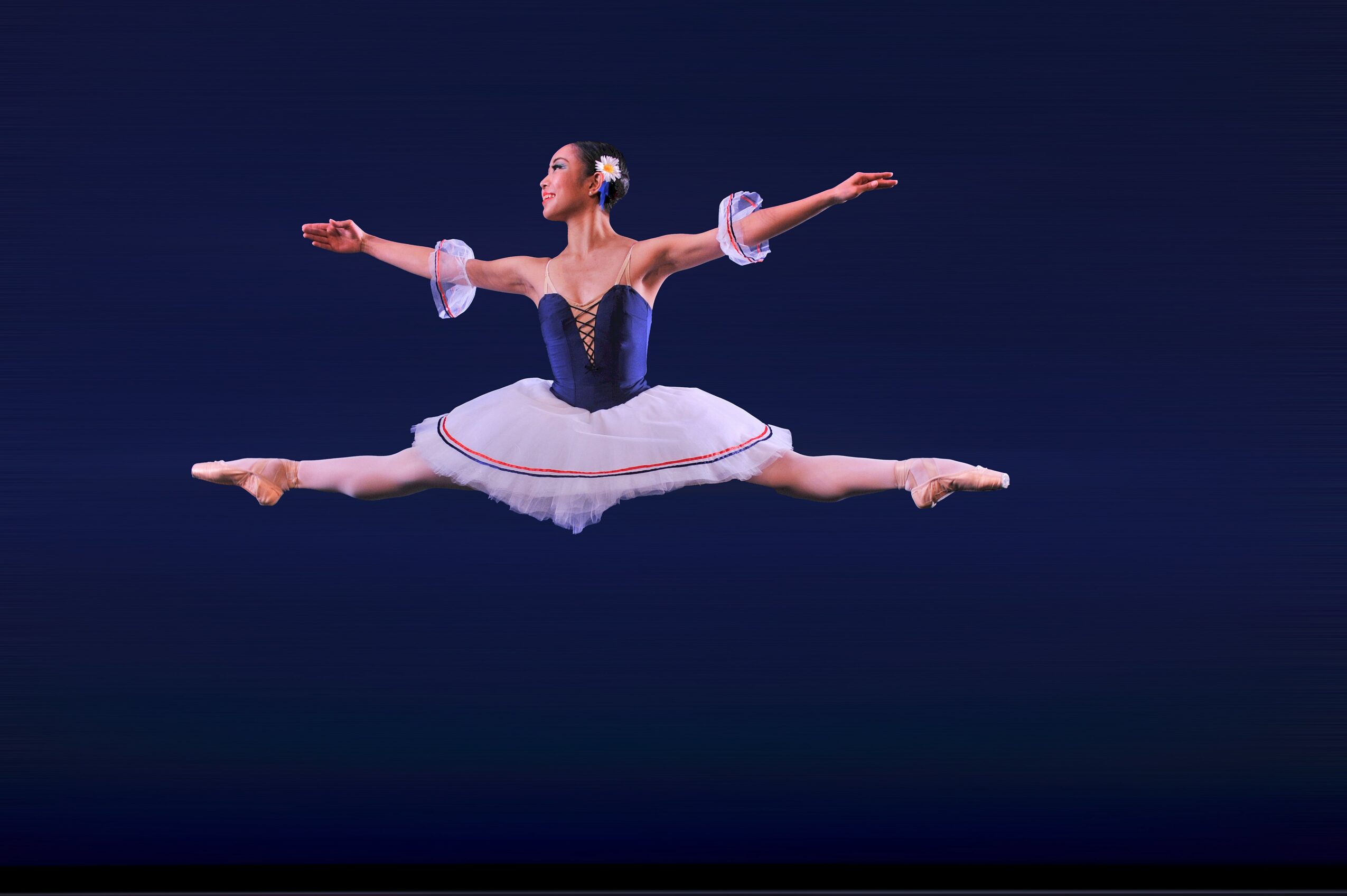
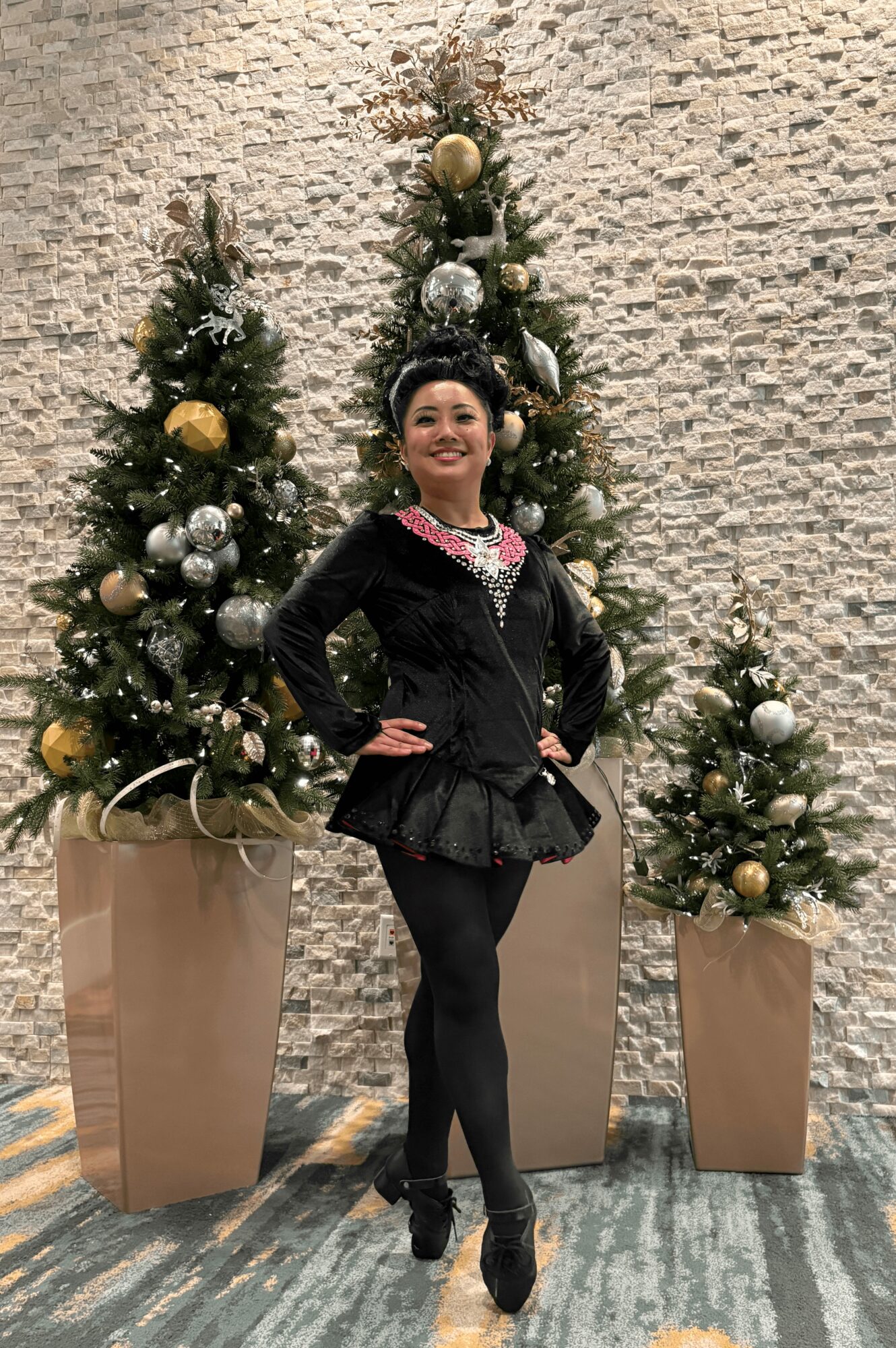
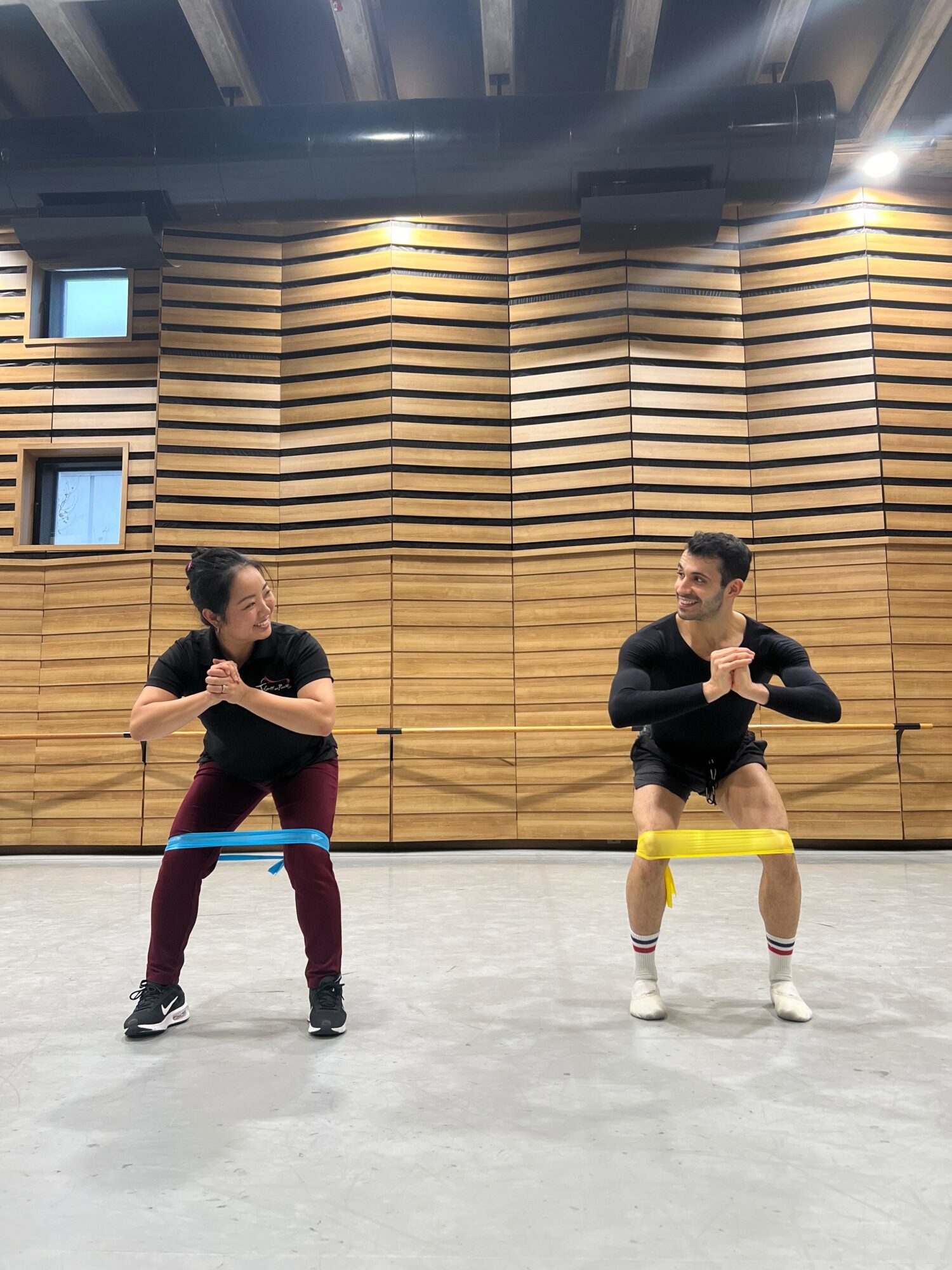
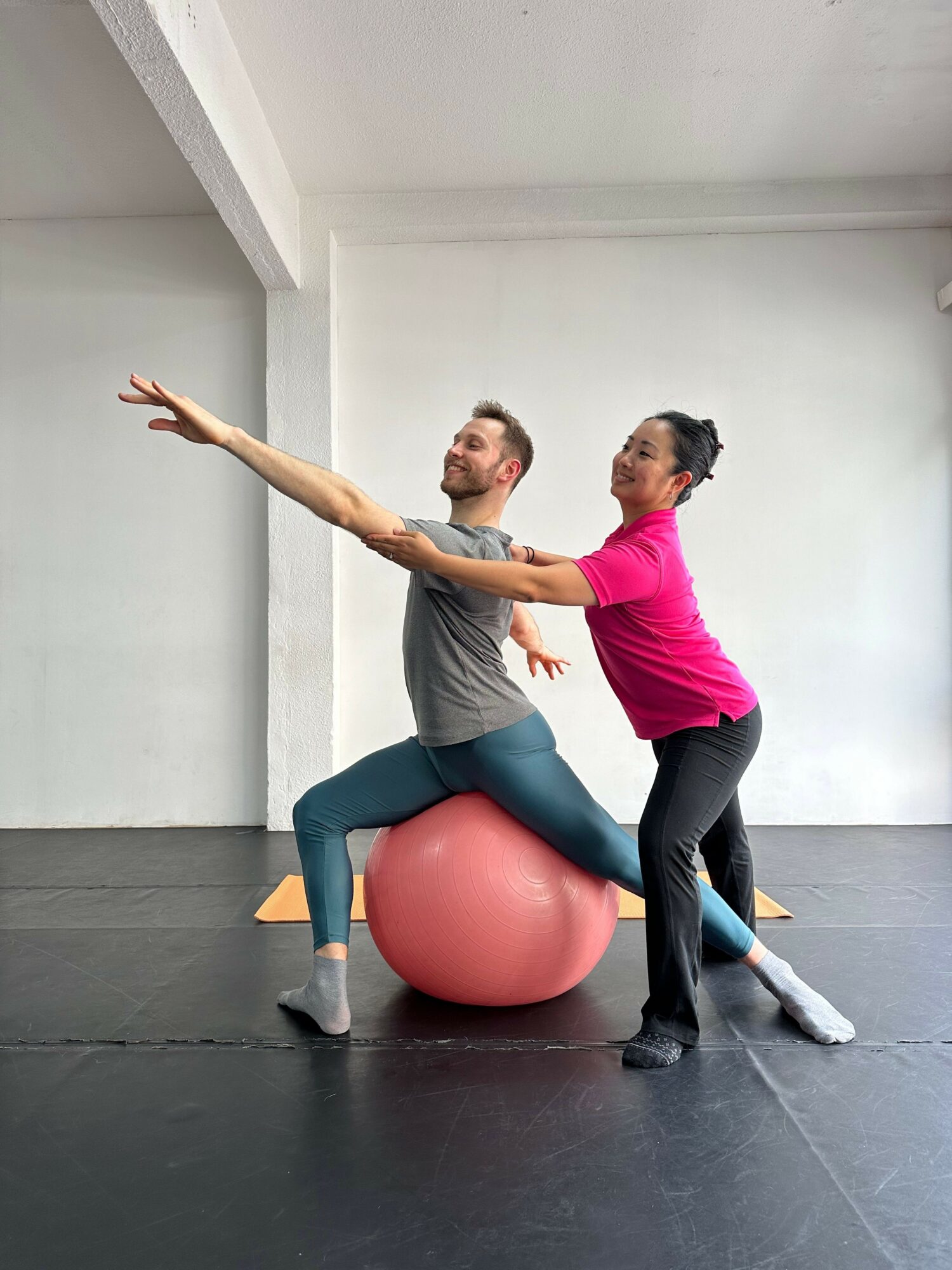
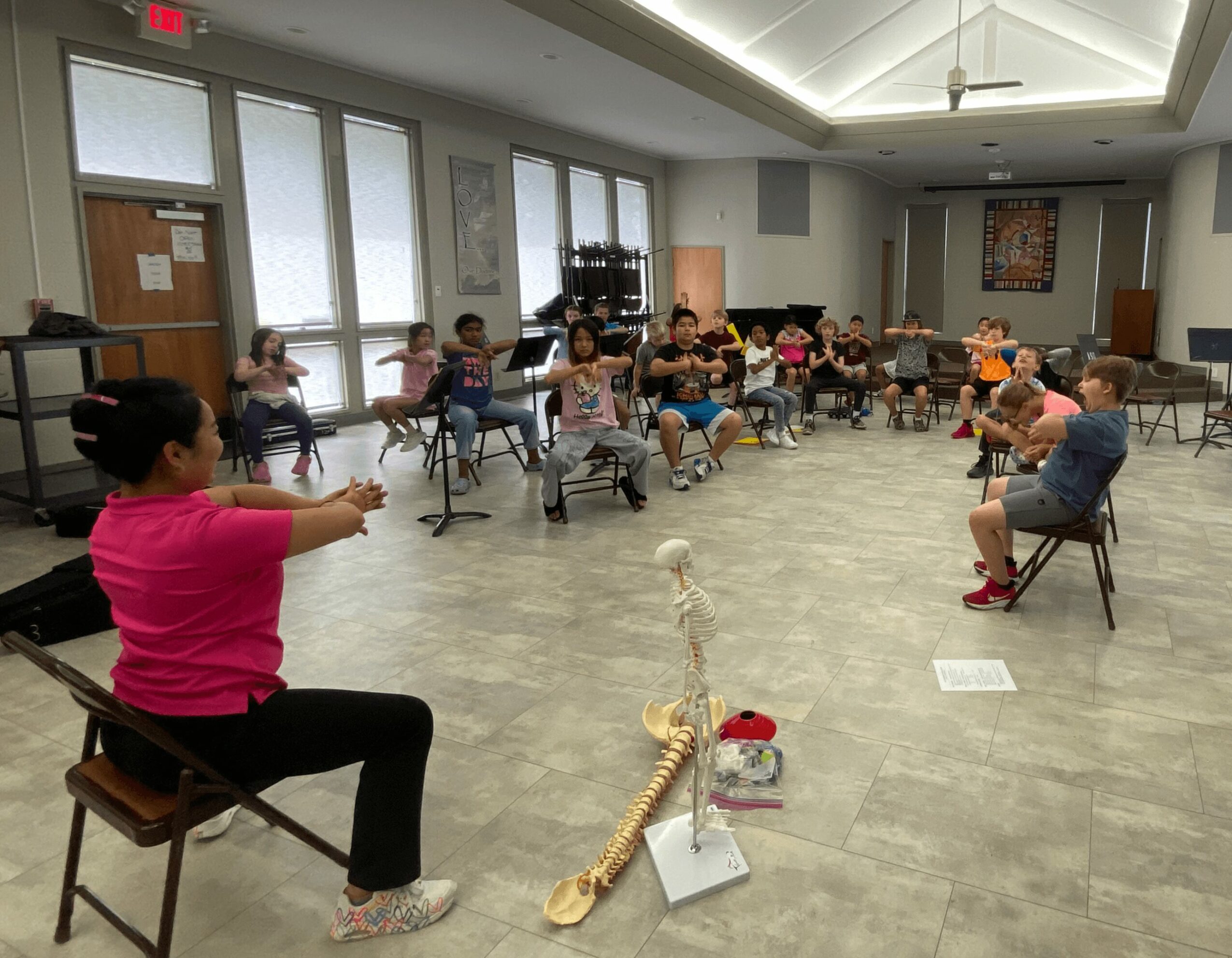
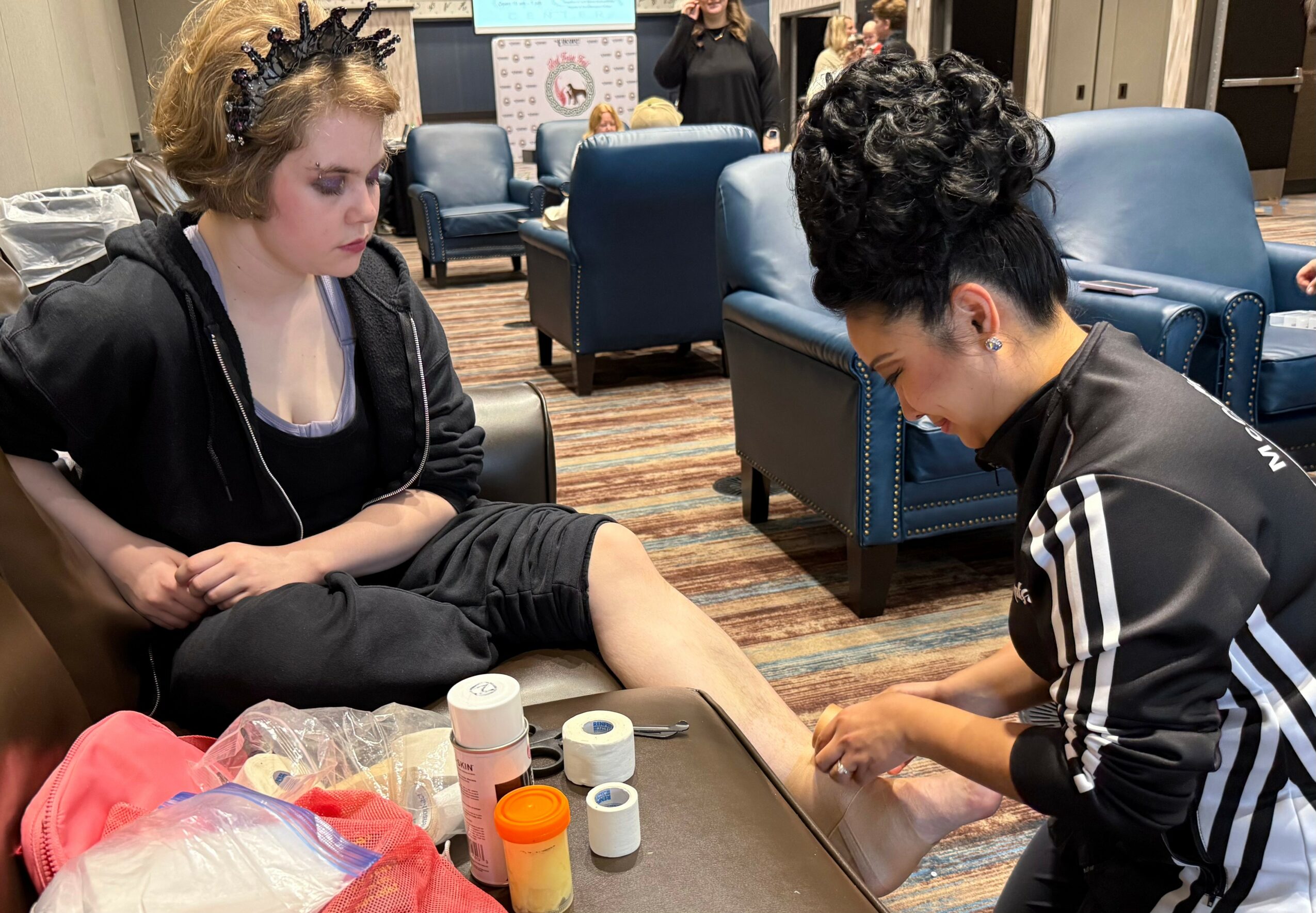
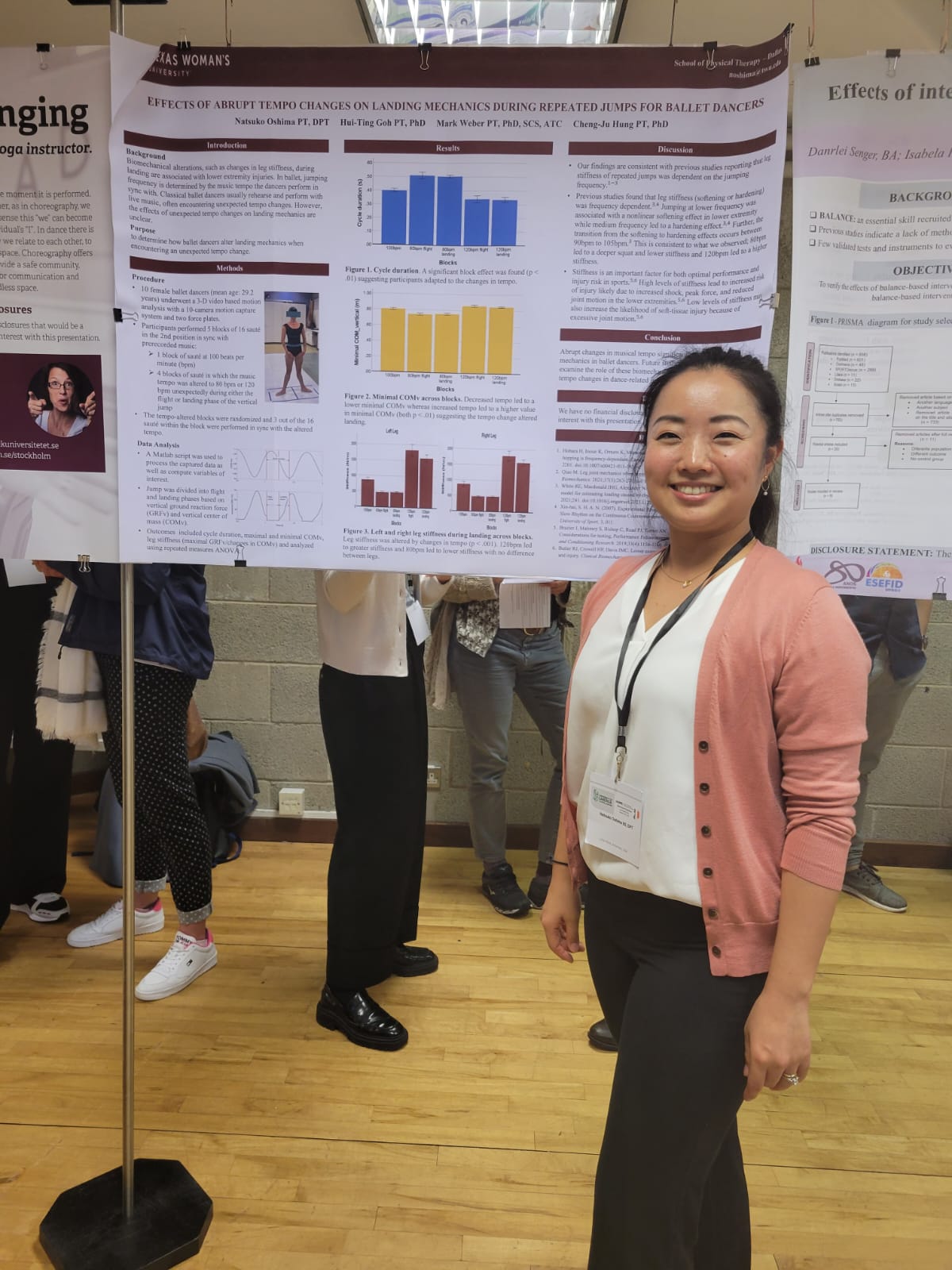
Image Credits
Professional ballet photo taken at USA International Ballet Competition, Jackson, Mississippi (2010). Photo by Richard Finkelstein.