





Today we’d like to introduce you to Jim Wilson.
Hi Jim, please kick things off for us with an introduction to yourself and your story.
I’ve always felt equally drawn to architecture and art. Both have shaped the way I see the world and the way I approach creative work. I studied architecture at the University of Texas at Austin and later earned a Master of Architecture from Harvard’s Graduate School of Design. Over the past four decades, I’ve been fortunate to design a wide variety of projects and to work with some truly wonderful clients, collaborators, and communities along the way.
For seventeen years, I owned my own practice, Jim Wilson Architects. I later spent more than a decade with another design firm, and when that chapter unexpectedly came to an end in 2024, I found myself with an opportunity to start over. That led me to establish Cardinal Design Group.
Beginning a new practice at this point in my career was a little daunting, but it was also incredibly energizing. It gave me the chance to return to the kind of personal, design-focused work I enjoy most: working closely with clients, solving problems thoughtfully, and creating places that feel meaningful and connected to the people who use them.
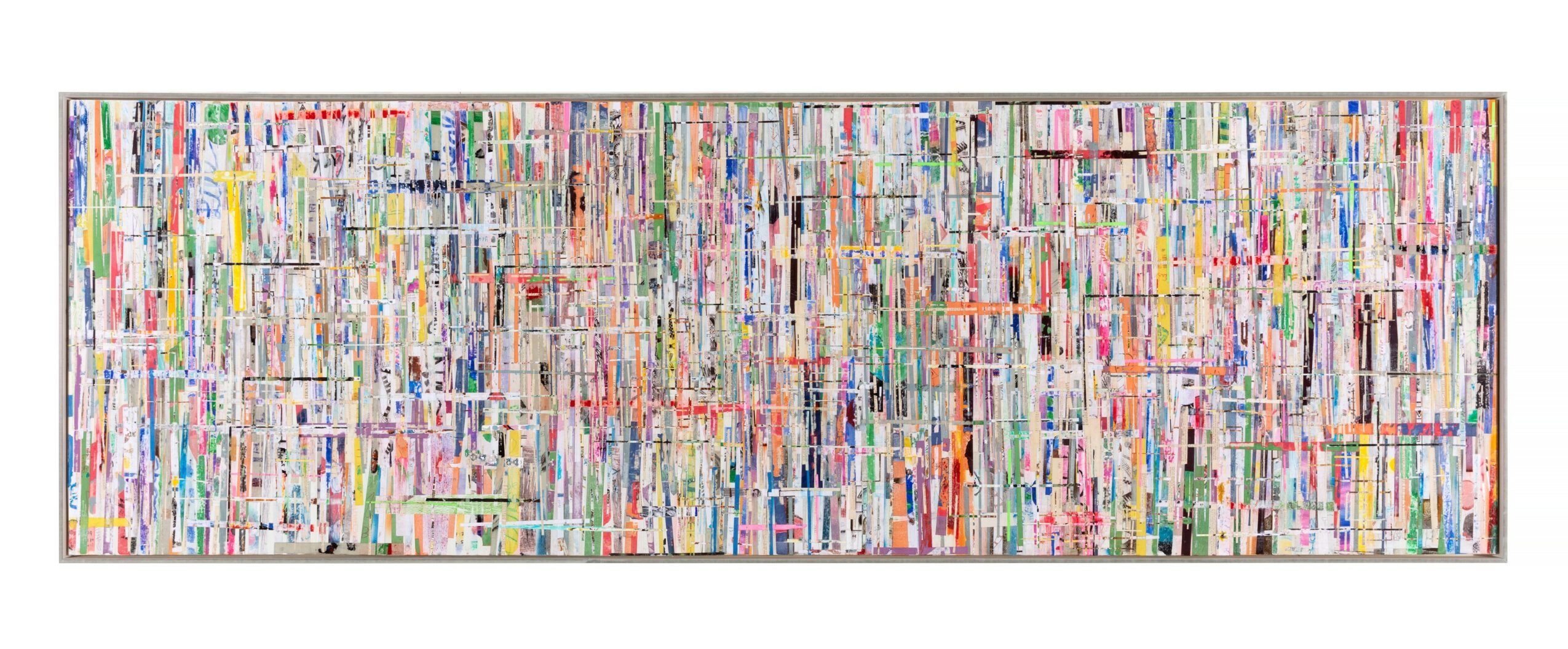
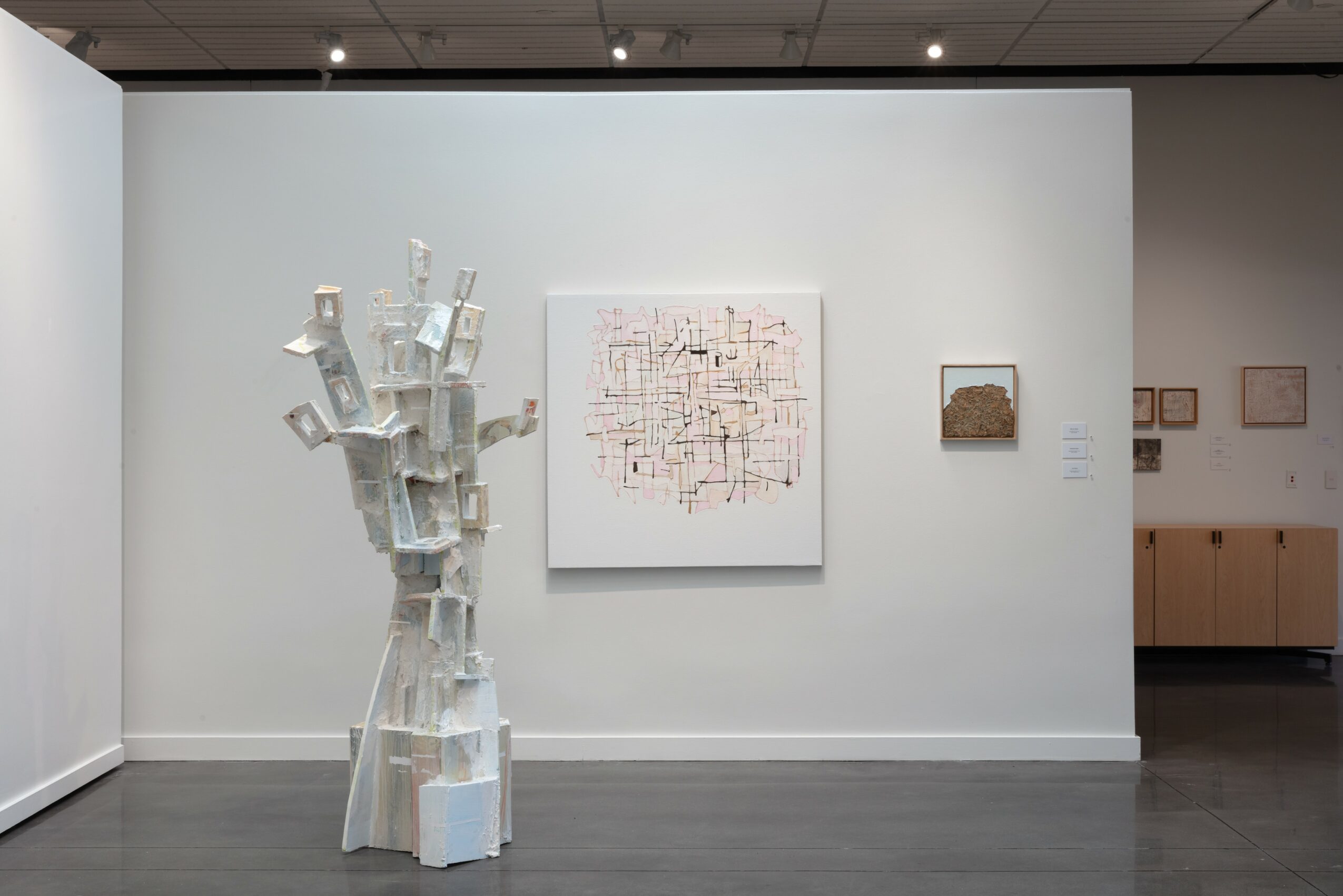
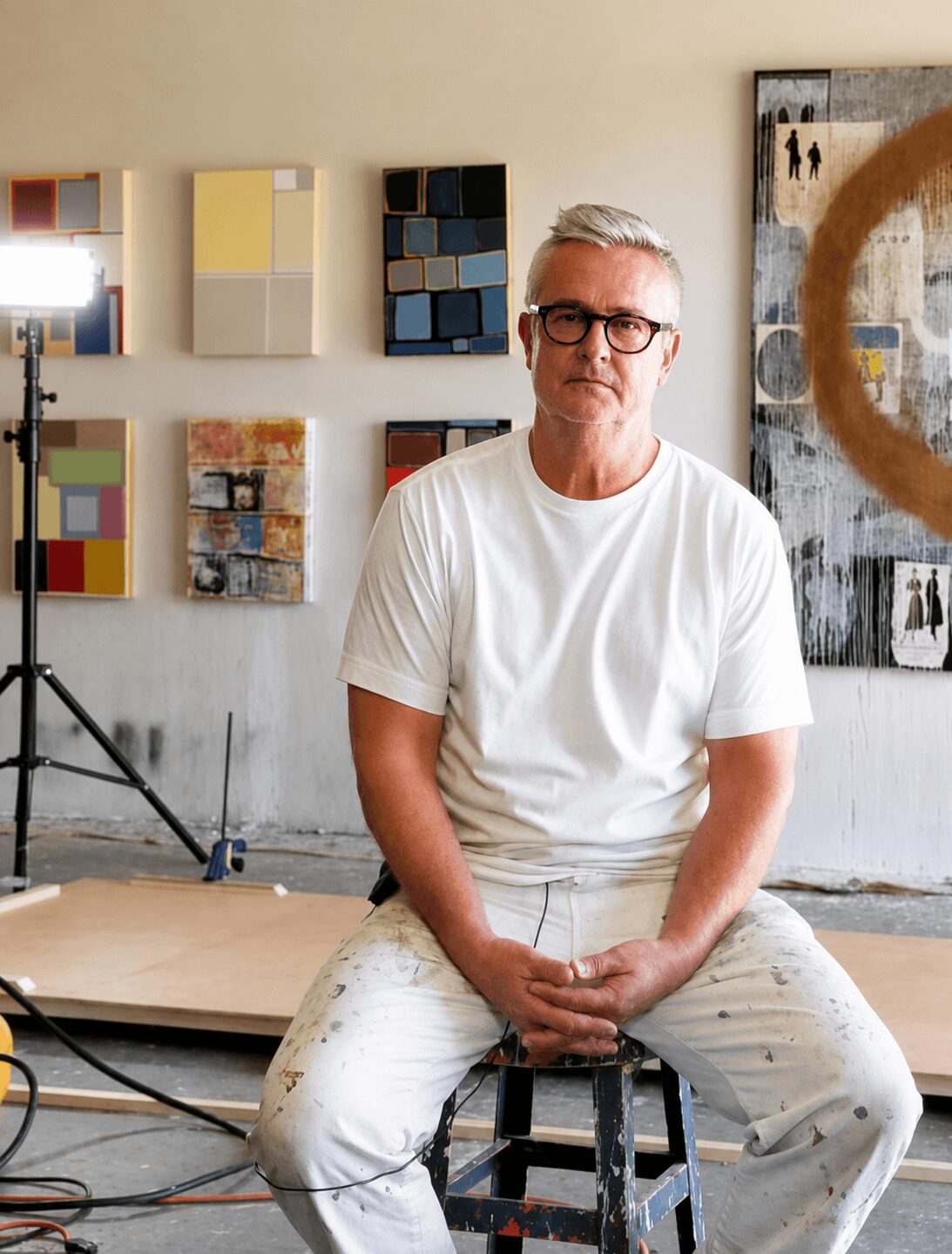
At the same time, my art practice has become an increasingly important part of my life and creative identity. I earned an MFA from the University of North Texas and work primarily in painting, sculpture, and mixed media. My work often explores material, memory, place, and the ways individual elements can be layered and assembled into something larger. I enjoy the freedom and experimentation of the studio, and I find that my art continually opens up new ways of thinking about architecture as well.
For me, architecture and art are not separate paths. They are closely connected ways of exploring composition, material, light, emotion, and human experience. Architecture has taught me discipline, collaboration, and how to work within real-world constraints, while art has given me a space to be more intuitive, personal, and open-ended.
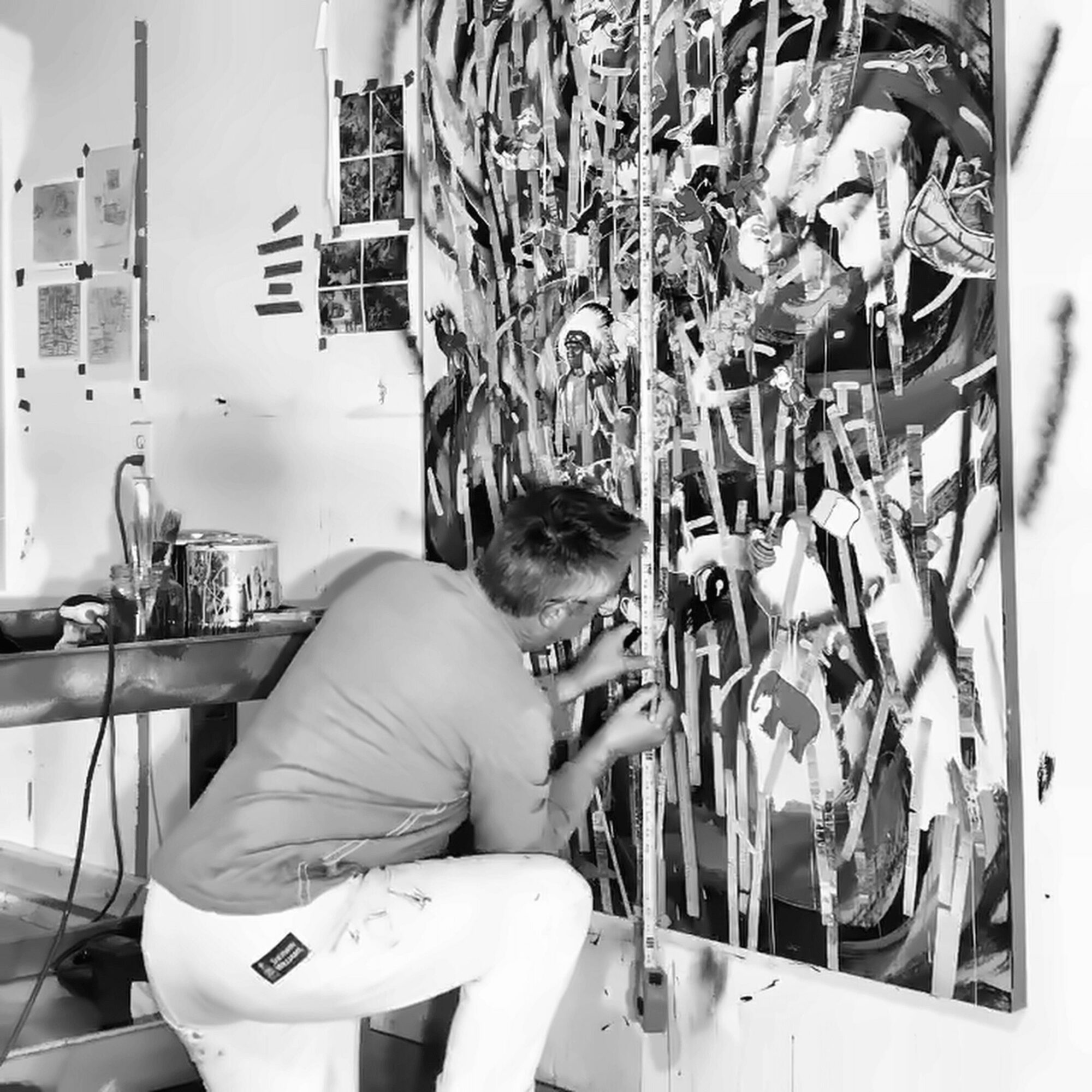
Today, I divide my time between Cardinal Design Group and my art studio at the McKinney Cotton Mill. I’m grateful to be at a place in life where both sides of my creative practice are receiving meaningful attention and where architecture, art, community, and relationships are coming together in a way that feels purposeful and genuinely exciting.
Alright, so let’s dig a little deeper into the story – has it been an easy path overall and if not, what were the challenges you’ve had to overcome?
It definitely has not always been a smooth road. Like most creative careers, mine has included periods of uncertainty, disappointment, and having to reassess what comes next.
Running my own architectural practice for seventeen years was deeply rewarding, but it also came with the pressures of managing a business, finding the next project, supporting employees, and balancing creativity with financial realities. Architecture is a collaborative and often unpredictable profession. Projects can be delayed or canceled for reasons beyond your control, and even good work does not always lead directly to the next opportunity.
One of the most difficult transitions came in 2024, when my position with the firm where I had worked for more than a decade unexpectedly came to an end. At that point in my career, I had to decide whether to step back or begin again. Starting Cardinal Design Group required me to rebuild relationships, generate new work, and learn how to operate independently in a professional environment that had changed considerably since I last owned a practice. It was humbling at times, but it also reminded me that experience, resilience, and long-standing relationships have real value.
Maintaining a serious art practice has presented its own challenges. Art requires time, vulnerability, and a willingness to keep working without knowing how the work will ultimately be received. Balancing the demands of architecture with the need for uninterrupted studio time is not always easy, and there are inevitably moments of self-doubt in both disciplines.
Through all of it, I’ve learned to be more patient with the process and less attached to the idea that a career should follow a straight line. Some of the most difficult transitions have ultimately opened the door to greater freedom and a clearer understanding of the work that matters most to me.
Thanks – so what else should our readers know about your work and what you’re currently focused on?
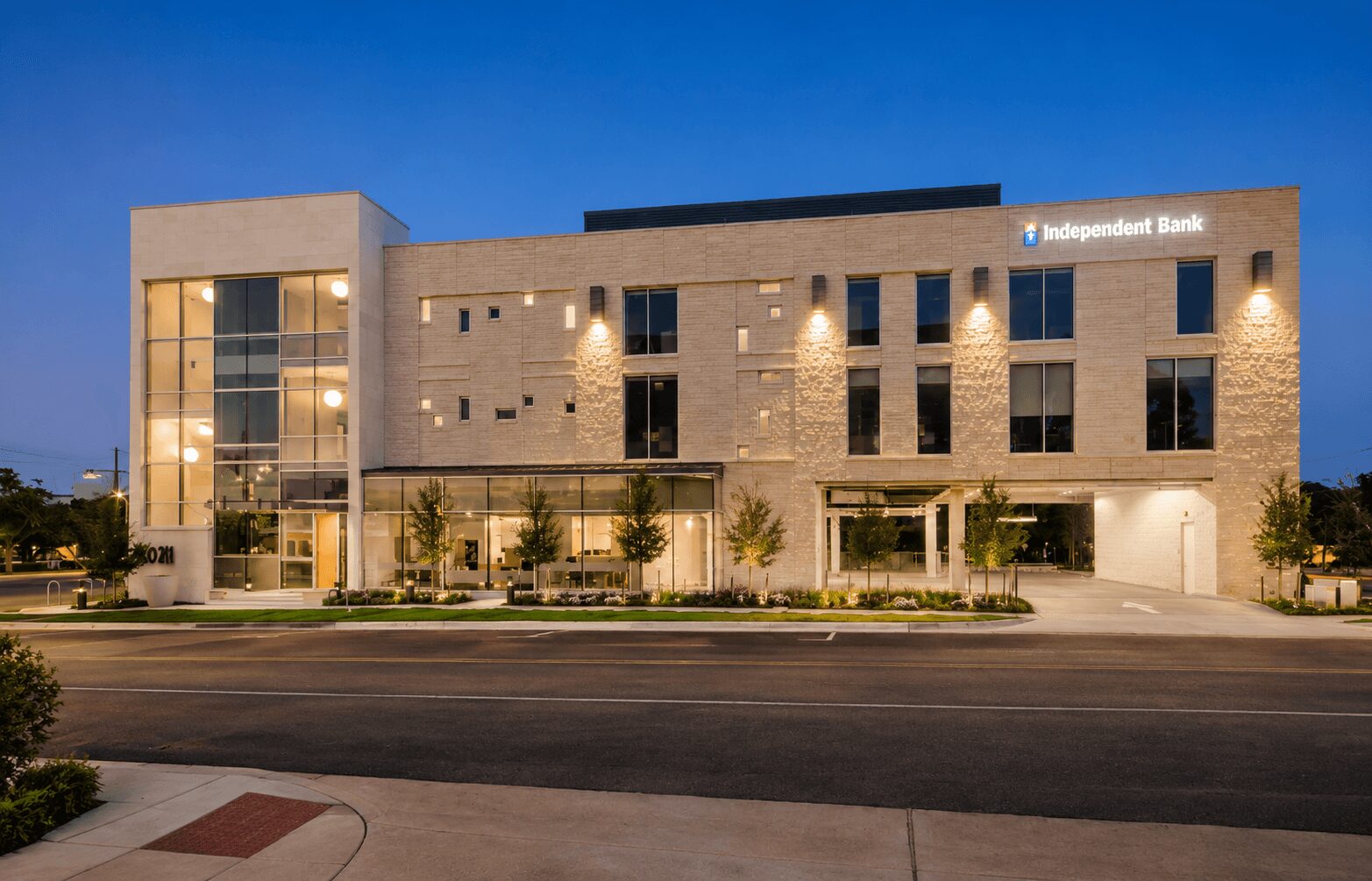
My work moves between architecture and visual art, and I see the two as closely connected. Through Cardinal Design Group, I design thoughtful, highly personal spaces for clients who value creativity, collaboration, and attention to detail. My work ranges from homes and renovations to banks, fire stations, churches, offices, and other community-focused projects. I’m especially drawn to projects where architecture can create a strong sense of place and genuinely improve the way people experience a building.
In my studio practice, I work primarily in painting, sculpture, and mixed media. I’m interested in material, memory, place, and the way separate fragments can be layered and assembled into something that carries both visual and emotional weight. My work often develops through experimentation, and I enjoy allowing the materials and process to influence the final direction rather than beginning with every decision already resolved.
What I’m most proud of is that I have continued to grow and take creative risks throughout my career. After decades in architecture, I returned to school and earned an MFA from the University of North Texas, which challenged me to think differently and gave my art practice a new level of focus and seriousness. More recently, I established Cardinal Design Group and began building a new architectural practice while continuing to develop ambitious work in the studio.
What may set me apart is the way these two disciplines continually inform one another. Architecture has taught me discipline, proportion, collaboration, and how to bring a complicated idea into reality. Art has taught me to trust intuition, embrace uncertainty, and remain open to unexpected possibilities. Whether I’m designing a building or making a painting, I’m ultimately trying to create work that feels thoughtful, distinctive, and deeply connected to the people who experience it.
Is there anyone you’d like to thank or give credit to?
I’ve been fortunate to have many people encourage and guide me along the way. My parents and grandparents gave me a strong foundation and taught me the value of hard work, perseverance, creativity, and treating people well. Their influence has stayed with me throughout both my personal and professional life.
My friends have also played an important role. They have encouraged me through difficult transitions, celebrated the good moments, and reminded me to keep moving forward when the path was uncertain.
I’m especially grateful for the two architects who gave me my first professional opportunities and became important mentors. They taught me lessons about design, practice, responsibility, and working with clients that could never have been learned in school alone. Their confidence in me early in my career helped shape the architect I became.
I also want to recognize a longtime banker friend and his art consultant, who became significant supporters of my work as an artist. Through the artwork they purchased, as well as their encouragement and belief in what I was creating, they gave me a meaningful sense of affirmation and validation at an important point in my development. Their support helped me see that my art could connect with others and deserved to be taken seriously.
I also owe a great deal to the clients, collaborators, teachers, and artists who have trusted me and shared their knowledge over the years. Creative work is never accomplished entirely alone, and I’m deeply grateful for the many people who have contributed to my journey.
Pricing:
- Original artwork: Priced individually based on size, materials, time, effort, and the significance of the piece within my body of work.
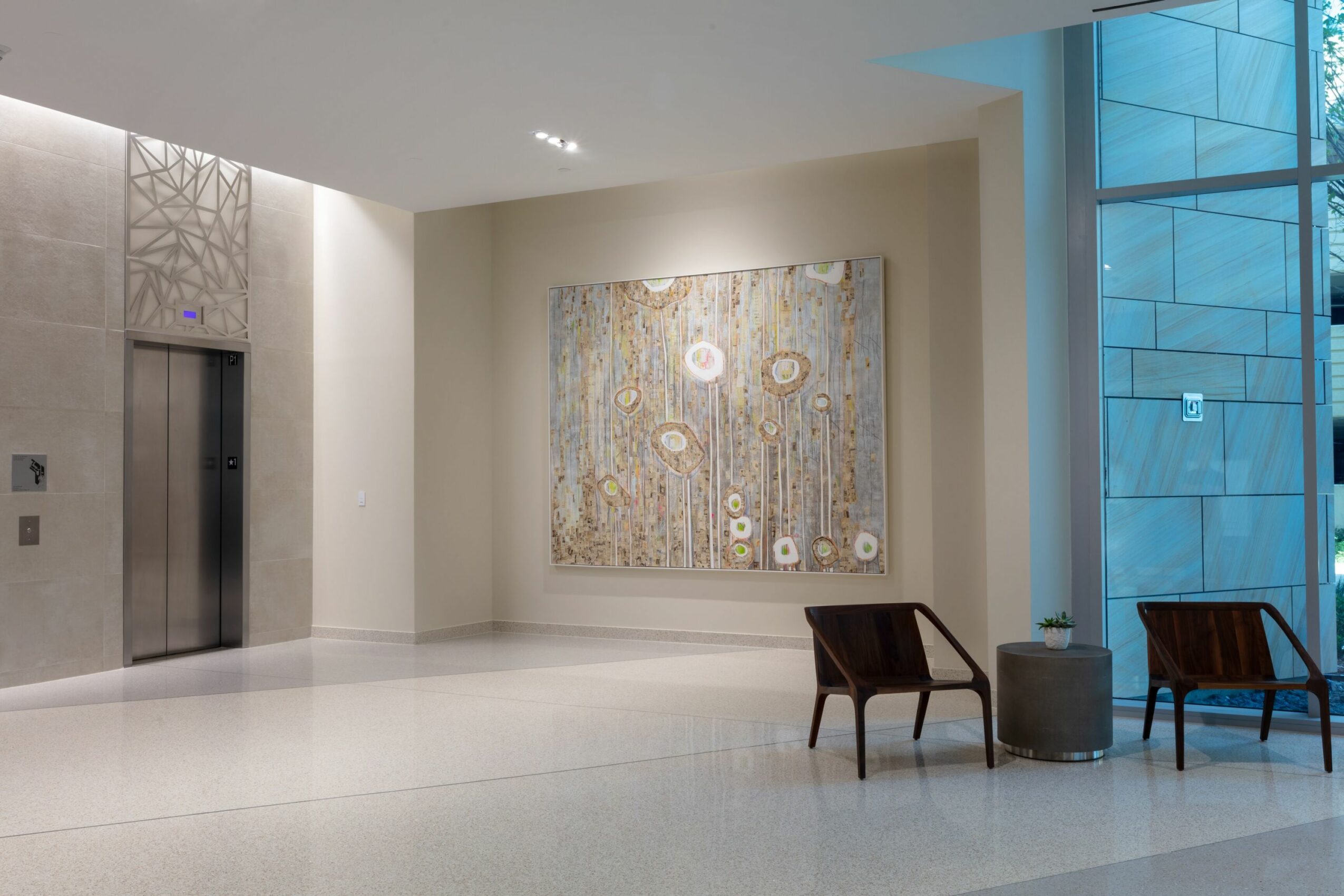
- Commissioned artwork: I meet with clients, study the space where the artwork will live, and develop a proposal outlining the concept, dimensions, schedule, and price.
- Architectural services: Fees are determined by the scope and complexity of the project and are typically structured as a percentage of construction cost, a fixed fee, or a combination of the two.
- Overall approach: I have never positioned myself as the least expensive option in either art or architecture. My goal is to provide thoughtful, highly personal work and to exceed my clients’ expectations.
Contact Info:
- Website: https://www.jimtwilson.com
- Instagram: jim_t_wilson