




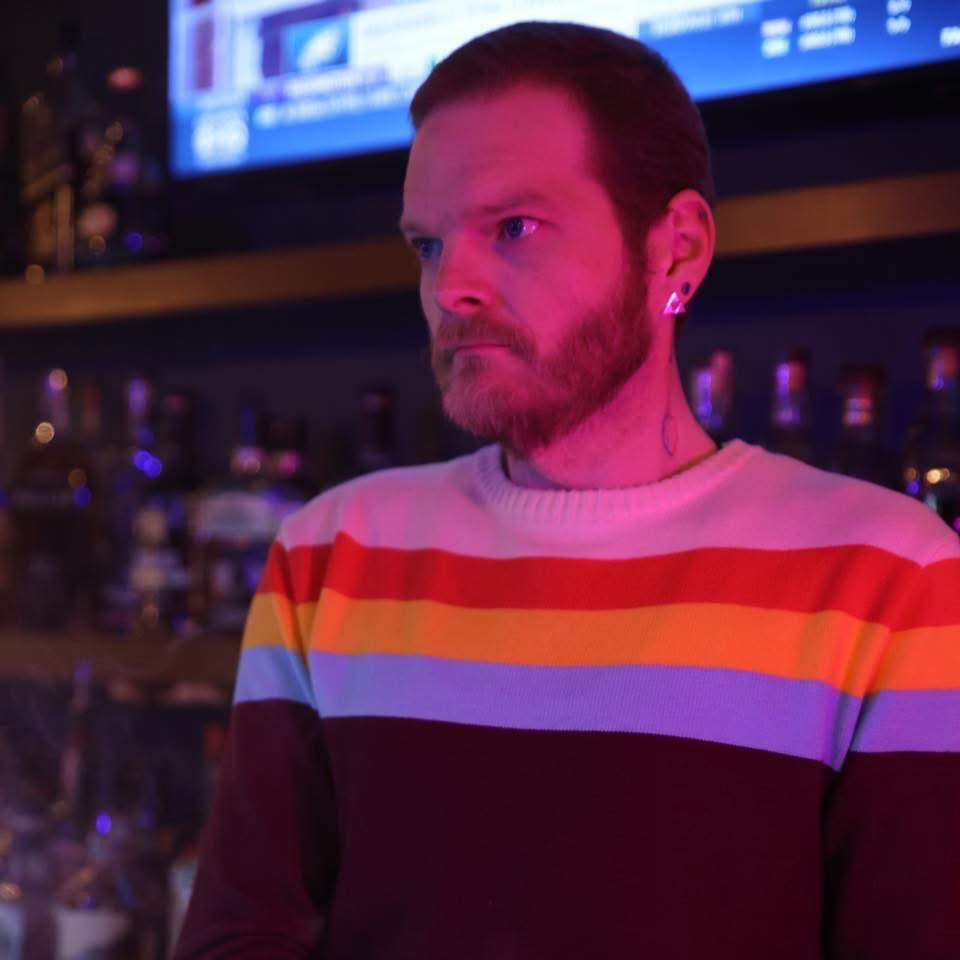
Today we’d like to introduce you to Travis Patten.
Hi Travis, please kick things off for us with an introduction to yourself and your story.
My earliest memories involve sitting in front of Merry Melodies and Silly Symphonies VHS compilations, paper and pencils/crayons in my lap, and drawing on blank paper. The fascination in how these drawings came to life (a moving image) arrived before I can remember. I did my earliest stop-motion animation tests with my dad’s camcorder, and as I aged in school, I started making short films with friends. By this time, the “Special Features” on most DVDs acted as a sort of film-school, with behind-the-scenes processes explained so intricately, we were practically brainwashed into thinking we could produce a feature film by ourselves. We did just that in high school in 2004, then again in 2005, then again in 2006.
It was the age of Mini-DV, of early SSDs, and the earliest consumer-accessible digital editing software. In hindsight, we were learning this technology concurrently with academia, as the film industry itself had only recently shifted into digital production. In the decades that have passed, I’ve produced 19 digital short films and feature projects, and won a slew of awards for directing, writing, editing, and producing, primarily under the title FACULTY MEETING FILMS.
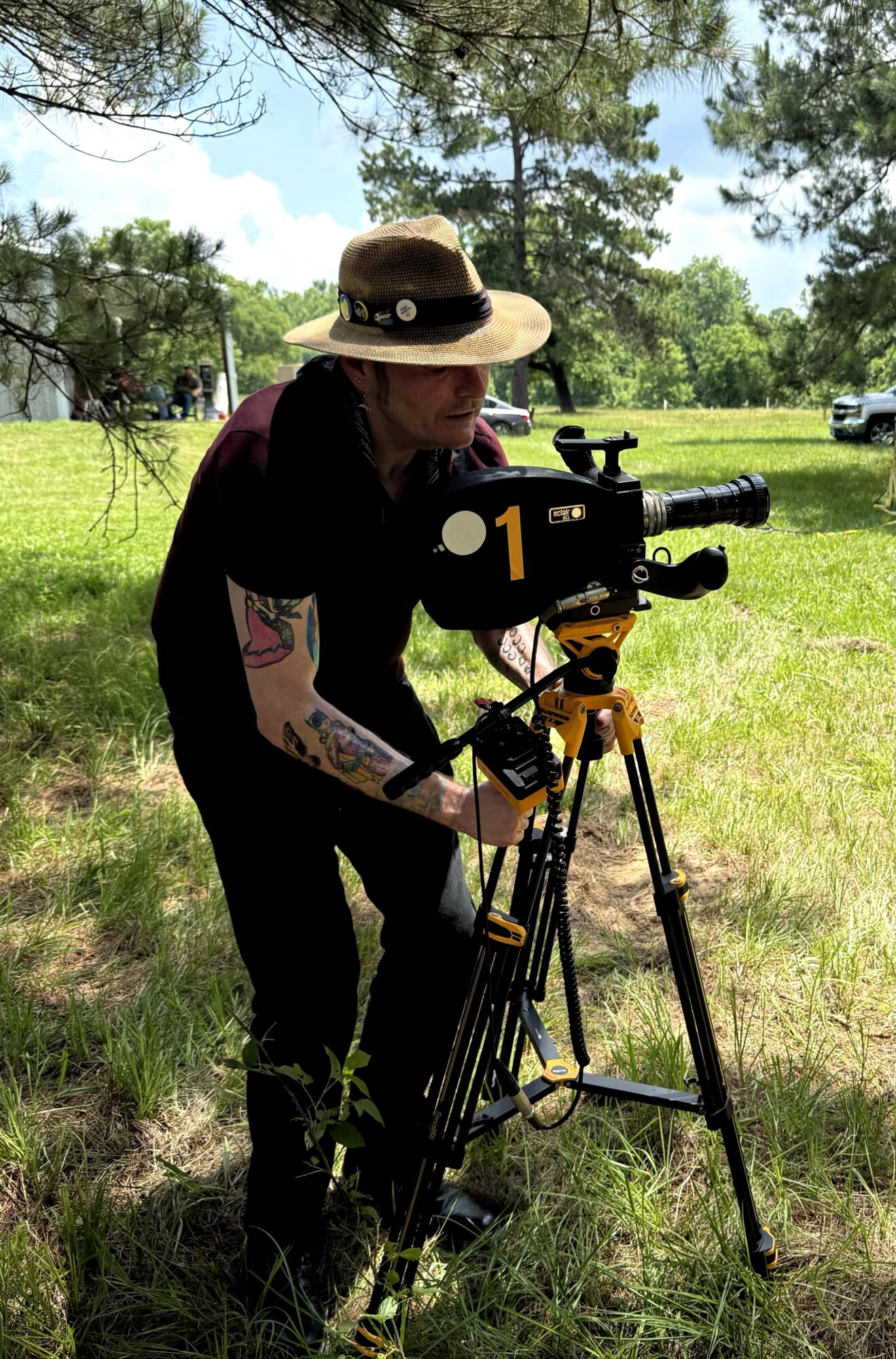
Now, with the arrival of this recent A.I. boon, I’ve found myself (and many of my peers) back at the old drawing board, our skills no longer needed by our clients, asking myself a very important question: do I love filmmaking, or do I love looking like a filmmaker? Do you love it, or do love what it does for you? I’ve found my answer by looking backward, with the recent acquisition of a 50+ year old Eclair ACL II 16mm film camera.
When you hear the shutter clicking, the faint flapping of the film in the magazine as it winds, knowing it’s just you, the light, and the glass controlling what burns into those tiny halide crystals…you don’t miss cycling through endless menus, the digital redundancies, the pixel-pushing resolution-race ONE BIT. It has been a learning experience, this venture backward in technology, but in finding it, I feel as though I’ve returned to that kid with the blank paper on his doodle pad, ready to dream.
Can you talk to us a bit about the challenges and lessons you’ve learned along the way. Looking back would you say it’s been easy or smooth in retrospect?
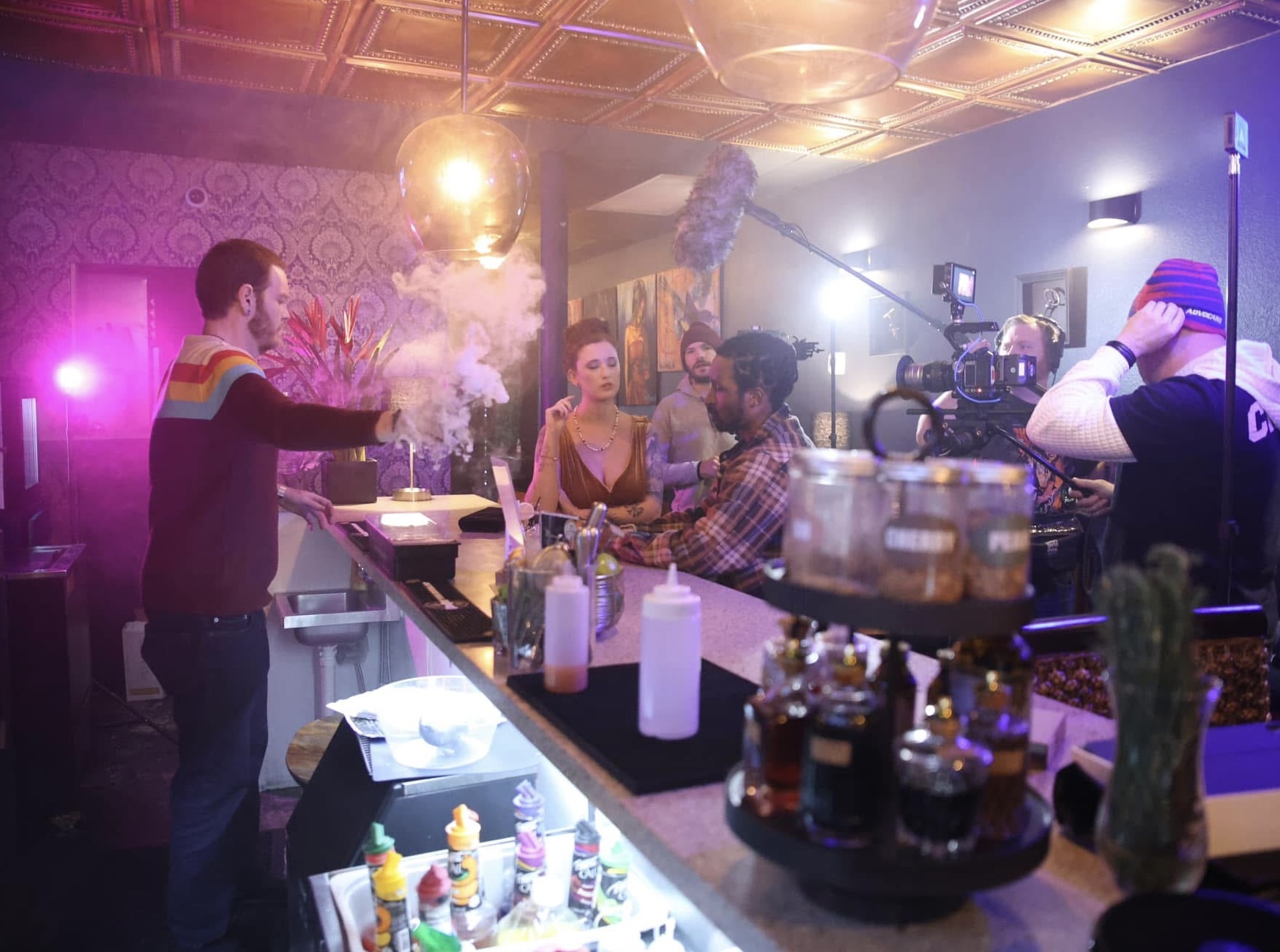
One of the great allures of filmmaking, to me, is that it encompasses so many art forms: the stagecraft skill needed to make sets, the musicians needed for film scoring, the choreographers with balletic precision for both fight and dance scenes. It’s as though all the artists get to come together with filmmaking; however, all these minds have to work together, and no two people are the same.
Projects fall apart or succeeded based on how this combination of people function together, and the failures I’ve had almost always came from my own lack of management experience, not knowing how to effectively communicate under various stresses, and an overall paucity of effective leadership. I’ve been doing this so long, I have to chalk these up to growth experiences, keep what I learned, and move on. I liken it to exercising a muscle in that you have to know how to do it healthily, otherwise you’ll keep damaging the muscle over time while telling yourself “no pain, no gain.”
That being said, the greatest obstacle for me lies in this balance between budget and ambition. I have a mental list of things I”ve wanted to put in movies my entire life: small things like actors delivering dialogue on horseback to big spectacle things like car chases and whatnot. I’ve checked a few of these things off the list over the years. The act of getting a small group of crew and actors into a room to merely sit and speak on camera is a quixotic effort that itself requires a good deal of money, and would that I could be satisfied telling feature length stories about handfuls of characters in handfuls of rooms; however, the visual and aural possibilities of cinema, the boundless imagination present in those childhood Merrie Melodies and Silly Symphonies, instilled a desire for spectacle, for scale, scope, and depth–things that cost a lot in a world ever-increasing in cost.
I’ve never expected a monetary return from telling my own stories. There is a struggle that a lot of us “zero budget” filmmakers go through: this idea that there can be some kind of payoff or outer-reward, “my film will get bought at this or that festival” or “my film is gonna make it big streaming”, and we’ll be able to make a living doing this. There are more films being produced on the planet now than ever before, way way way more films. In that sense, there’s never been more competition. Seeing the finished product, seeing the effort from the collection of artists all cut together with music, that must be the reward.
Thanks for sharing that. So, maybe next you can tell us a bit more about your work?
I would hope that anyone who watches more than one Faculty Meeting film notices the diversity of genre that’s already present. People contain multitudes. Nobody likes just one type of song, just one type of food, and I think that a real artist would feel an inclination to produce for those eclectic sensibilities, if for anything, to reflect the growth and discoveries we make as we continue making art. We change, so too should the stories and how we tell them.
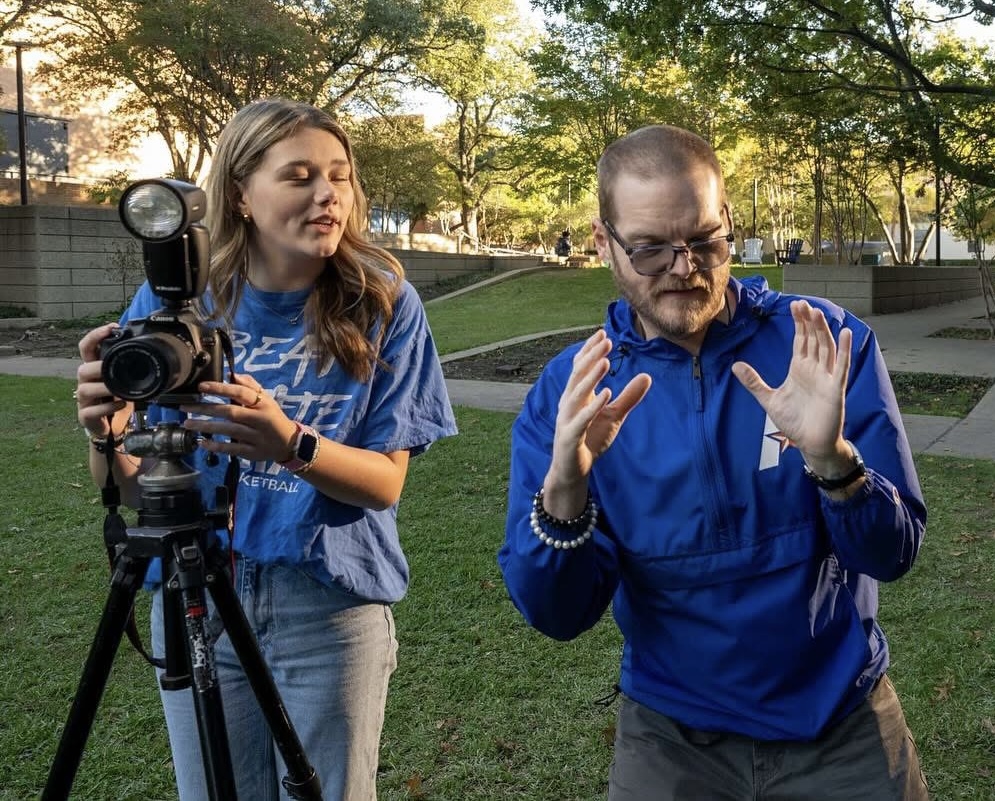
I am always looking for fiery collaborations, for artists wanting to tell a story or experiment with the medium in any way. I’ve found it best to see the reward not in the laurels or recognition, but in grand partnerships, and the something that came from nothing.
How do you think about happiness?
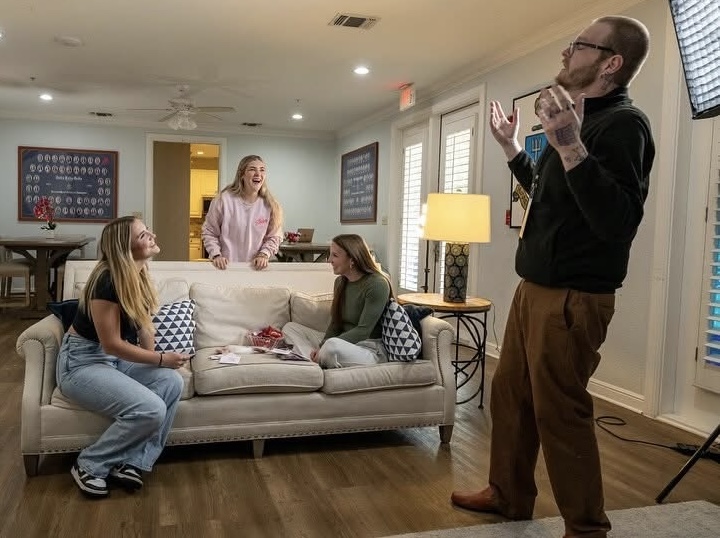
I find happiness in production, whether that’s being on set with a camera, or sitting at home illustrating or writing. The creation of something from nothing, getting an idea or entity on that blank paper, brings me great contentment. It’s when the numbers are multiplied, however, when the group comes together and creates, that the real joy begins. Completely separate brains from yours, all together on the same project or plan, is one of the few things that really changes the world. To be a part of that, to be part of orchestrating that, is a tremendous high that is tough to top. It’s with that spirit that I say probably the most honest thing I can in this interview: there are few things better in life than making movies with your friends.
Contact Info:
- Website: https://www.facultymeetingfilms.com
- Instagram: @facultymeetingfilms
- Youtube: https://www.youtube.com/@facultymeetingfilms5266