



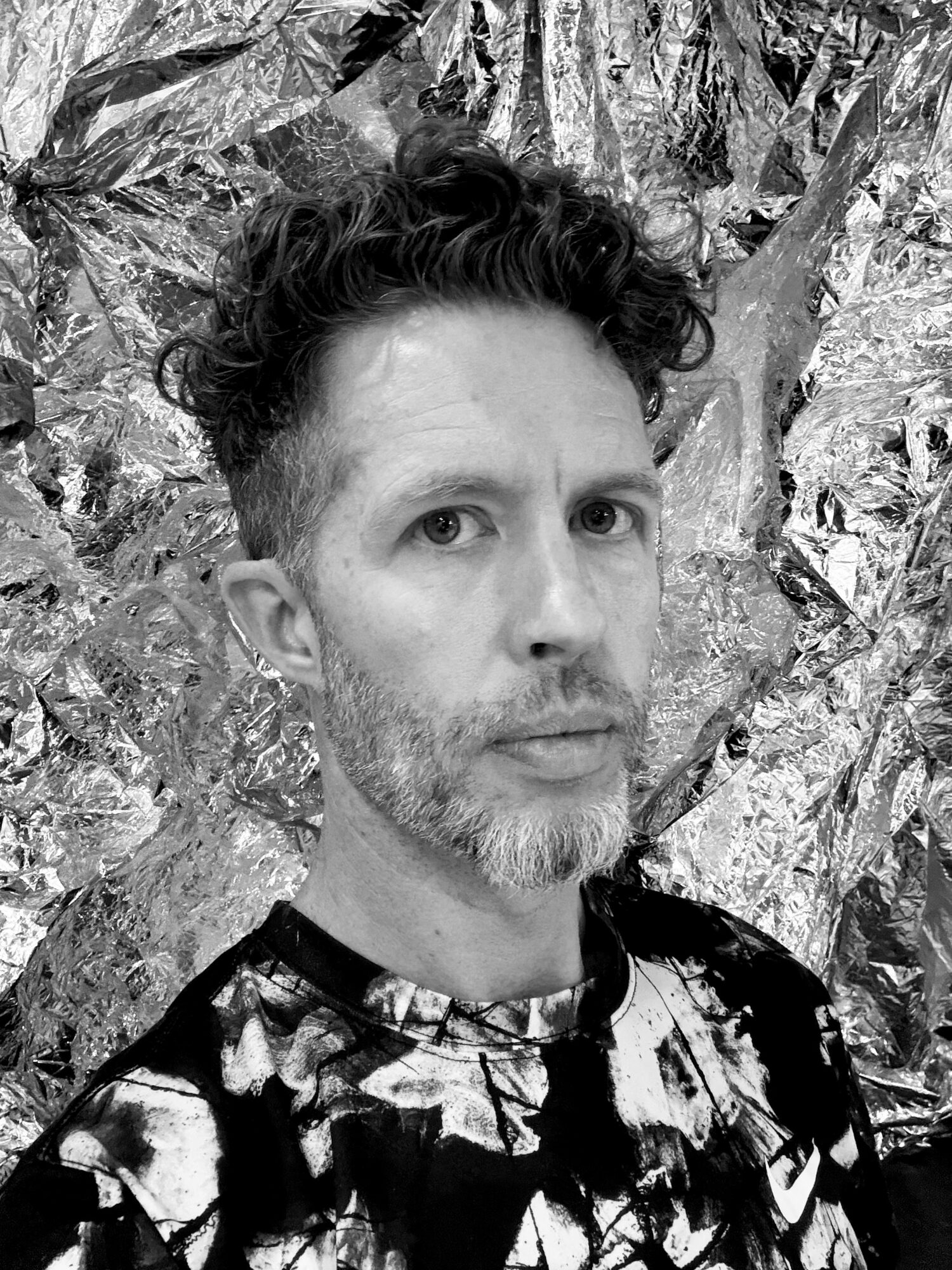
Today we’d like to introduce you to Adam Fung.
Hi Adam, please kick things off for us with an introduction to yourself and your story.
I’ve been painting for over 20 years at this point in my life. Being an artist has been a wild endeavor really, full of leaps of faith and trust in a vision. This interview is allowing me to pause and look back on how my interests, passions, and the formation of an art “career” has been cobbled together from a series of smaller choices. I feel lucky to have made it work but on many levels it’s grown out of a blue collar work, ethic inside and outside the studio, that was ingrained in me growing up in Upstate New York with parents and grandparents who were engineers and teachers. I think of all the moments that have pushed me forward as an artist are combination of this work ethic and the “stars aligning”.
In High School, I started skipping my lunch period to work on paintings, the art teacher told me the studio was open and I could use the materials on hand. This was really informative because it was creative work that wasn’t assignment, sometime the paintings were “jokes” for my friends, or just it was messing around with paint as a material. I never felt completely comfortable with painting but always enjoyed that tactile manipulation of the medium.
I went to Virginia Commonwealth University in Richmond, VA for a year of Art Foundations but after that first year I wasn’t sure what direction I wanted to go within the arts. I had friends that had moved to Seattle and they said “move here”. So I lived in Seattle for a year working as a barista on Alki Beach, getting to see great bands, biking around the city, going to the mountains or the coast-which was magical and at the time I didn’t realize how this would be a spark for my future artwork. I lived frugally and my Aunt Janet let me live in their house almost rent free (I think I mostly paid rent… in coffee). This was a learning moment for me, as how could I “survive as an artist” was a question on my mind. That year in Seattle I worked hard and put away money that would sustain me during the academic year when I enrolled at Western Washington University for my BFA in Painting. I also was able to travel to Italy for the first time visiting Rome, Naples, and Sicily.
I had great professors and talented peers at WWU and it was a supportive, small program. Even though I was spending a lot of time outdoors I didn’t really connect those pursuits and engagements with my art, at least not fully. Truthfully, I didn’t really understand how to make good paintings or how art could operate in the world, the Pacific Northwest is very isolated from the “artworld”. We did have a great student club and gallery, that was vital to navigating some art world basics like how to hang a show, organizing exhibitions that tapped into conversations we wanted to have, and this created community. I also had started dating my future partner, Charlene, she lived in Vancouver, BC. So I would often cross the border into Canada for the weekends and see more conceptual art there in the city. I remember seeing Dan Graham and Douglas Gordon works there and thinking “oh, this art thing is more expansive than I thought”.
At some point-I had a friend who told me you could go to grad school “for free” (weirdly- I don’t remember a professor ever telling me about fully funded programs!) so as I approached my final year at WWU I started researching MFA programs. Long story short-I ended up at University of Notre Dame, mostly due to the painting professor there, Maria Tomasula. Proximity to Chicago’s art scene, the research focus of the program, and it being fully funded made the decision easier after I had visited and met Maria. Maria was the best mentor, extremely smart, supportive but demanding, and she modeled a fantastic balance of research and studio work.
It was at Notre Dame that everything clicked for me, I went there to become a better painter but what really propelled me forward was understanding how deep engagement and research were part of my studio practice. The expectations were high in the program, you had to present to the full faculty (including graphic and industrial design) and I complimented the program’s rigor by visiting Chicago to see great shows. I also started showing with a tiny gallery locally, which was a great outlet for my work because it gave me professional deadlines outside the program.
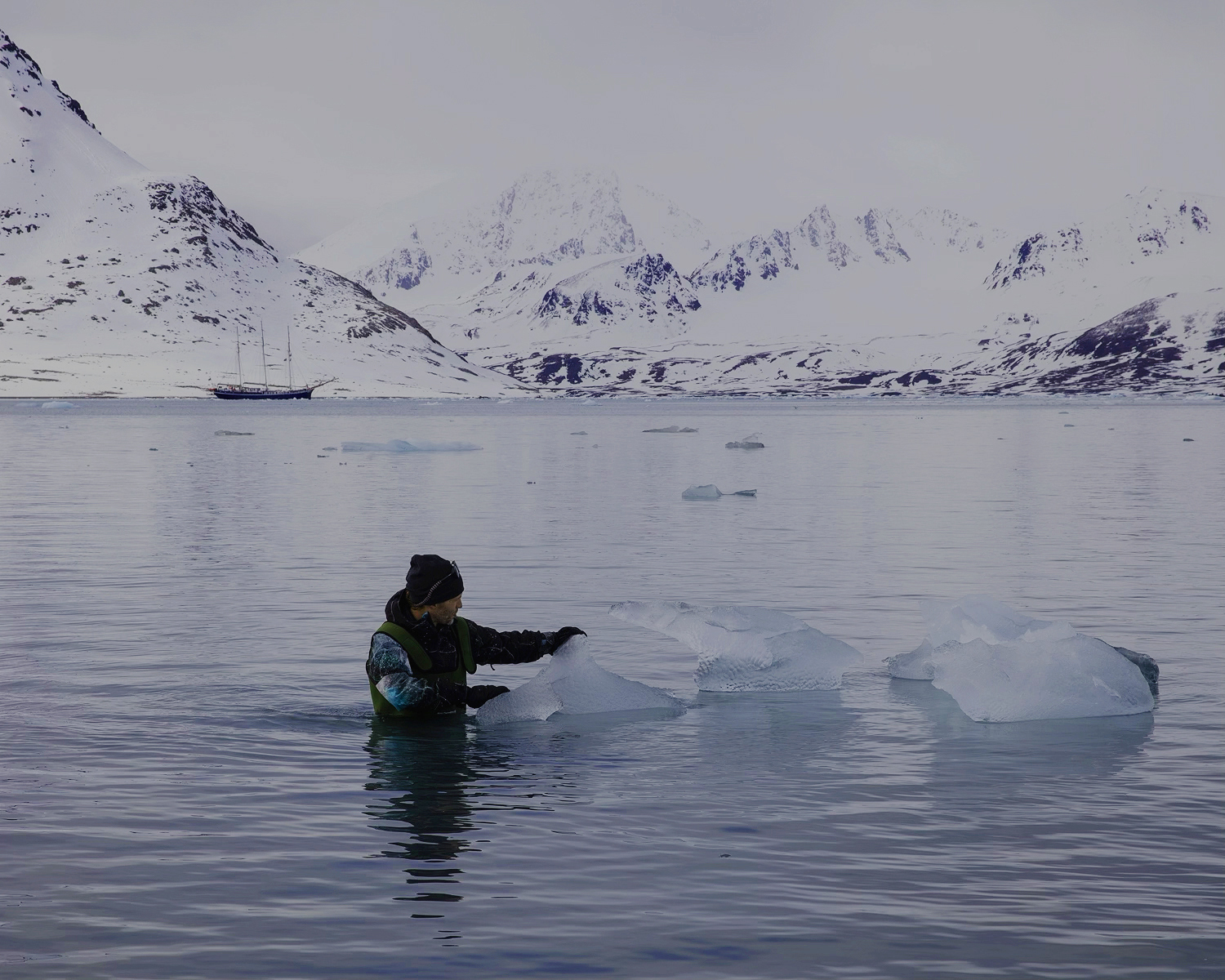
Another stars aligning moment was when I was provided grant funding to travel to Antarctica during my MFA thesis year. I didn’t understand how this happened at the time but it really pushed my work into a new realm. I had no idea how to do “field research”, I was painting ice, icebergs, and reading these dooms day climate change scenarios that everyone was ignoring. I had went up to Lake Michigan in the winter to take photos of ice but this was far different than taking a plane to Chicago, then to Santiago, Chile, then to Ushuaia, Agentina to get on a ship to cross the Drake Passage to cruise around the Antarctic Peninsula for a week. The work that came after this trip was markedly different and this expedition-like approach to engaging with sites would become the foundation of my work and practice as an artist.
After my MFA at Notre Dame I moved to Chicago and was showing with Zolla/Lieberman Gallery, which is where I met Vernon Fisher, the incredible North Texas Artist. Over the next 5 years I exhibited nationally and internationally, went to artist residencies, and taught as an adjunct in a variety of settings. During this time-my partner and I welcomed two wild kids into the world which led to me trying to juggle being a caregiver and making paintings (I failed many weeks/ months at making the art side work). I always tell my students I “made” an entire body of work while walking around Rogers Park, a northside neighborhood of Chicago. For months I just thought about my studio, and the paintings I wanted to make constantly, made little doodles and when the studio time came, the work flowed out of me. Becoming a parent makes you more flexible, whether you like it or not!
After applying for two years, I landed the painting professor position at TCU in Fort Worth. I didn’t think I would ever living in Texas but visiting and seeing all the great museums in Fort Worth and the fantastic facilities at TCU really solidified that this would be a great fit for me. After 13 years at TCU its amazing to see how my work has changed and grown. I’ve worked with so many talented students at the undergrad and MFA level, it’s such a privilege to be able to support future generations of artists. I try to always think back to what I would have wanted in a professor or the examples I had. Or just as often- what does this particular student need? Also, to have a teaching position that is supportive of my own practice has been incredible and given me flexibility to pursue non-commercial exhibitions. This year marks another evolution, as I am moving into the Graduate Coordinator role for the MFA program at TCU (which is fully funded with great perks- like our donor funded Artist residency in Tuscany). I am also excited to be working with a new director at TCU, James Enos, who is coming to us from University of Georgia.
Can you talk to us a bit about the challenges and lessons you’ve learned along the way. Looking back would you say it’s been easy or smooth in retrospect?
There have been many challenges along the way but I’ve been lucky to have a supportive network consisting of my partner, family, friends, and mentors. This has made each obstacle I’ve faced manageable and I try to pay the supportive forward as a professor and artist. As artists we always need the connections and support of community!
One specific thing I will say is finding space to work in is vital. I’ve worked in so many garage spaces but it has to be whatever works for each artist, a corner in the apartment, a spare room, getting other artists together to share a space, it’s a huge challenge.
Can you tell our readers more about what you do and what you think sets you apart from others?
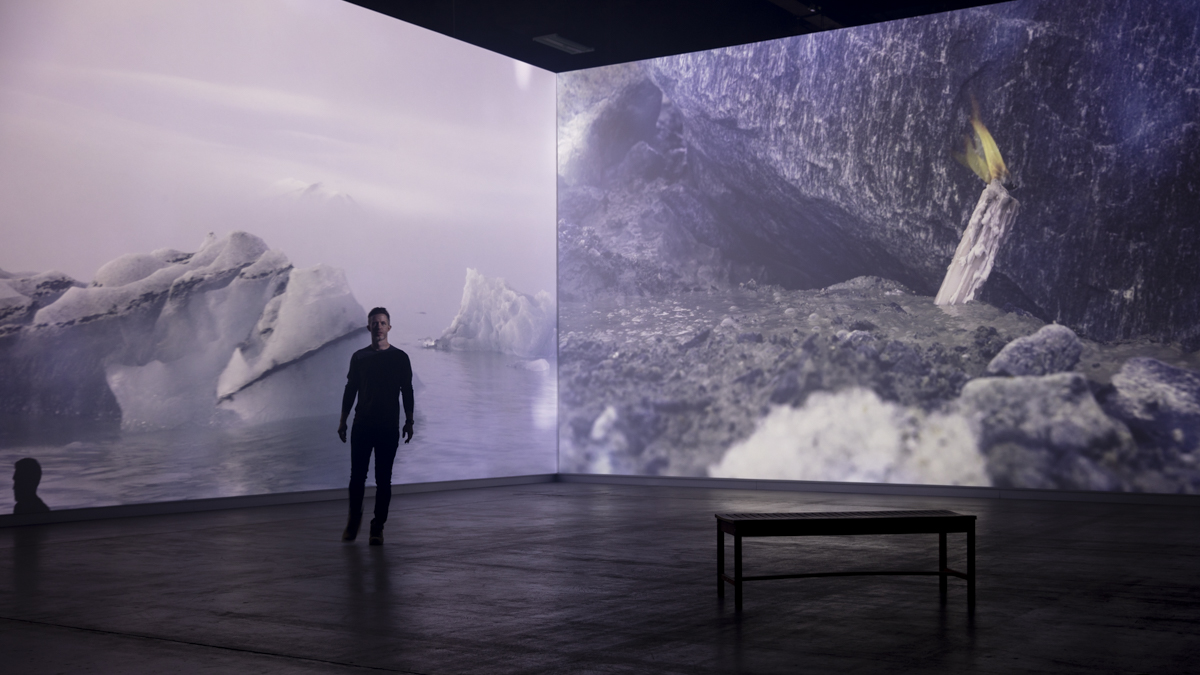
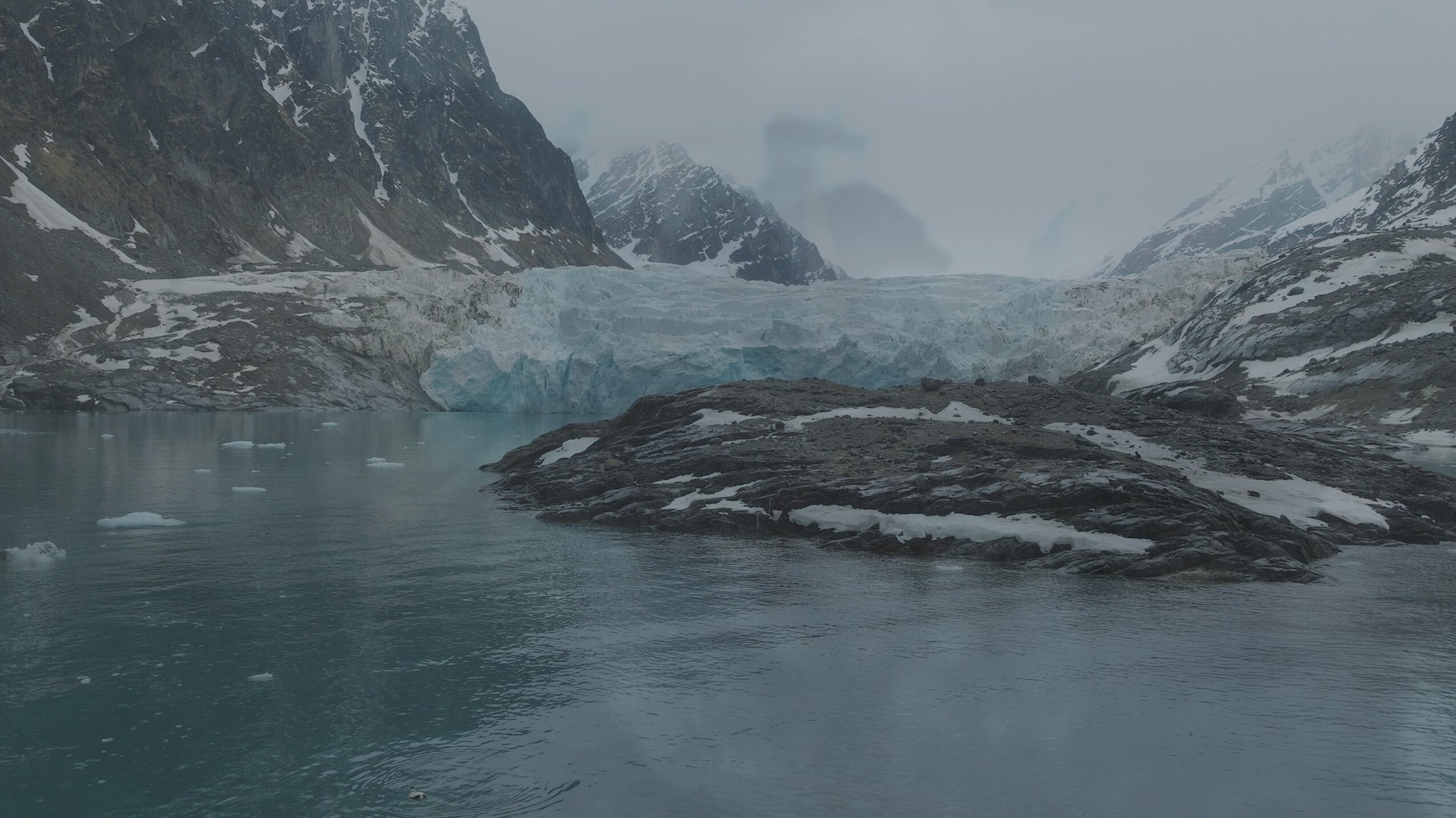
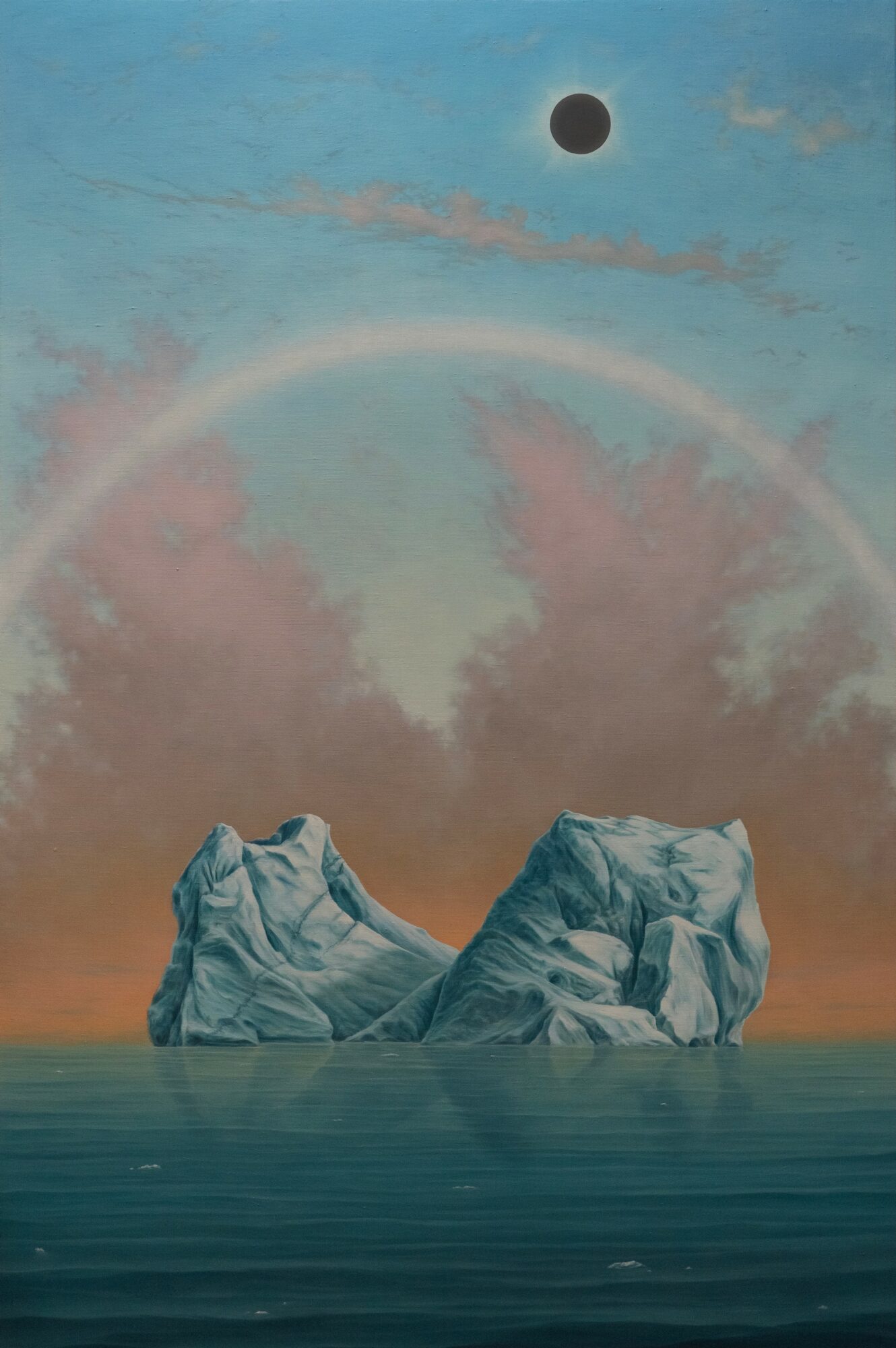
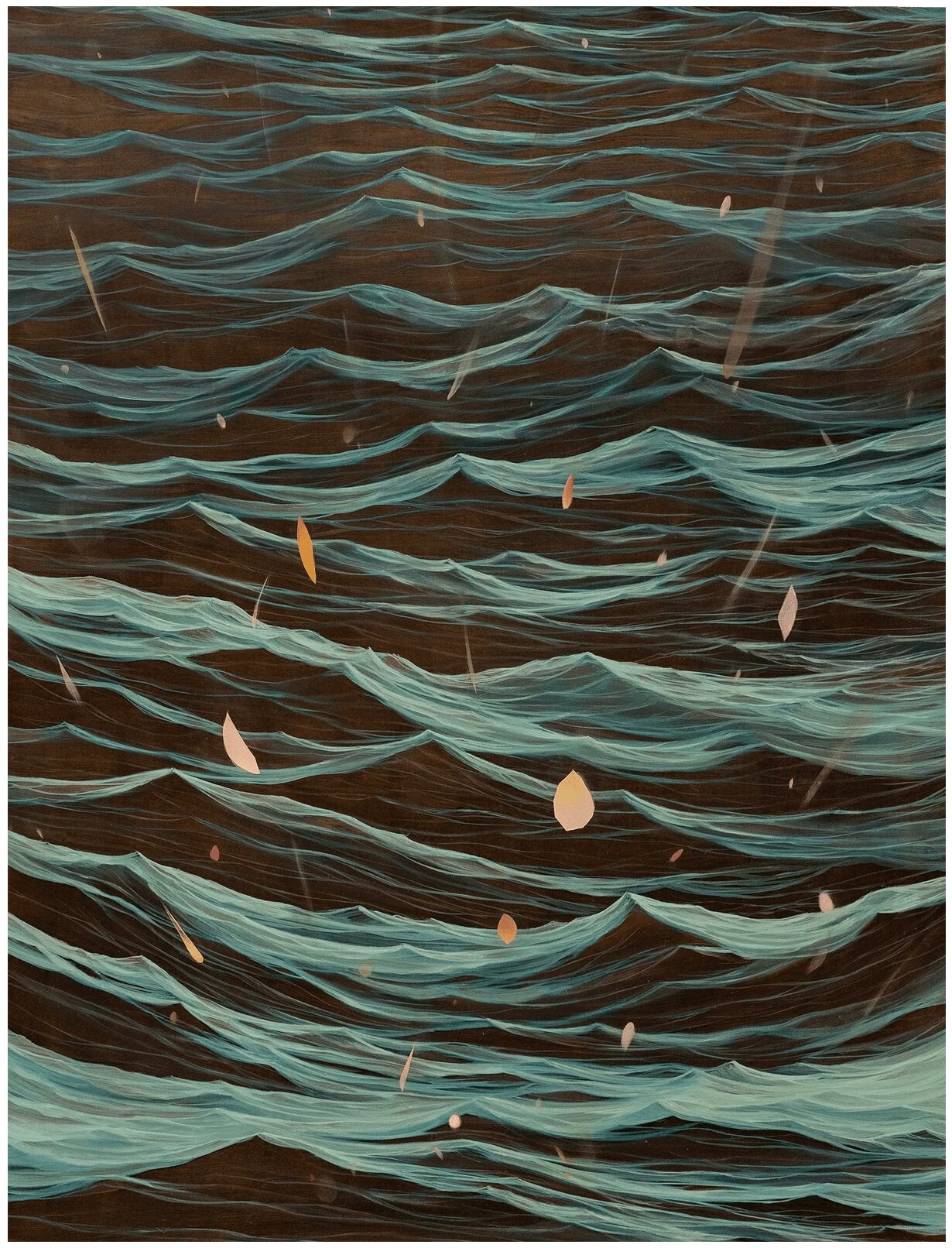
I have often worked within the realm of contemporary landscape and related global climate change. Mostly through paintings but I also have created video works. My imagery has shifted and evolved across polar imagery (I’ve painted too many icebergs at this point), space related works, seascapes, skies and moons, and more recently I’ve been working on paintings that point more towards systems and ecology. I’ve always been interested in the dichotomy of surface and illusion in painting. When I’m painting I am thinking about the intersection of the materiality of paint, the resulting surface created through painting, and the power of images. While my studio practice is very isolated and personal I am usually sitting with the question of “How can this hand made, crafted object connect to the greater world and it’s concerns”?
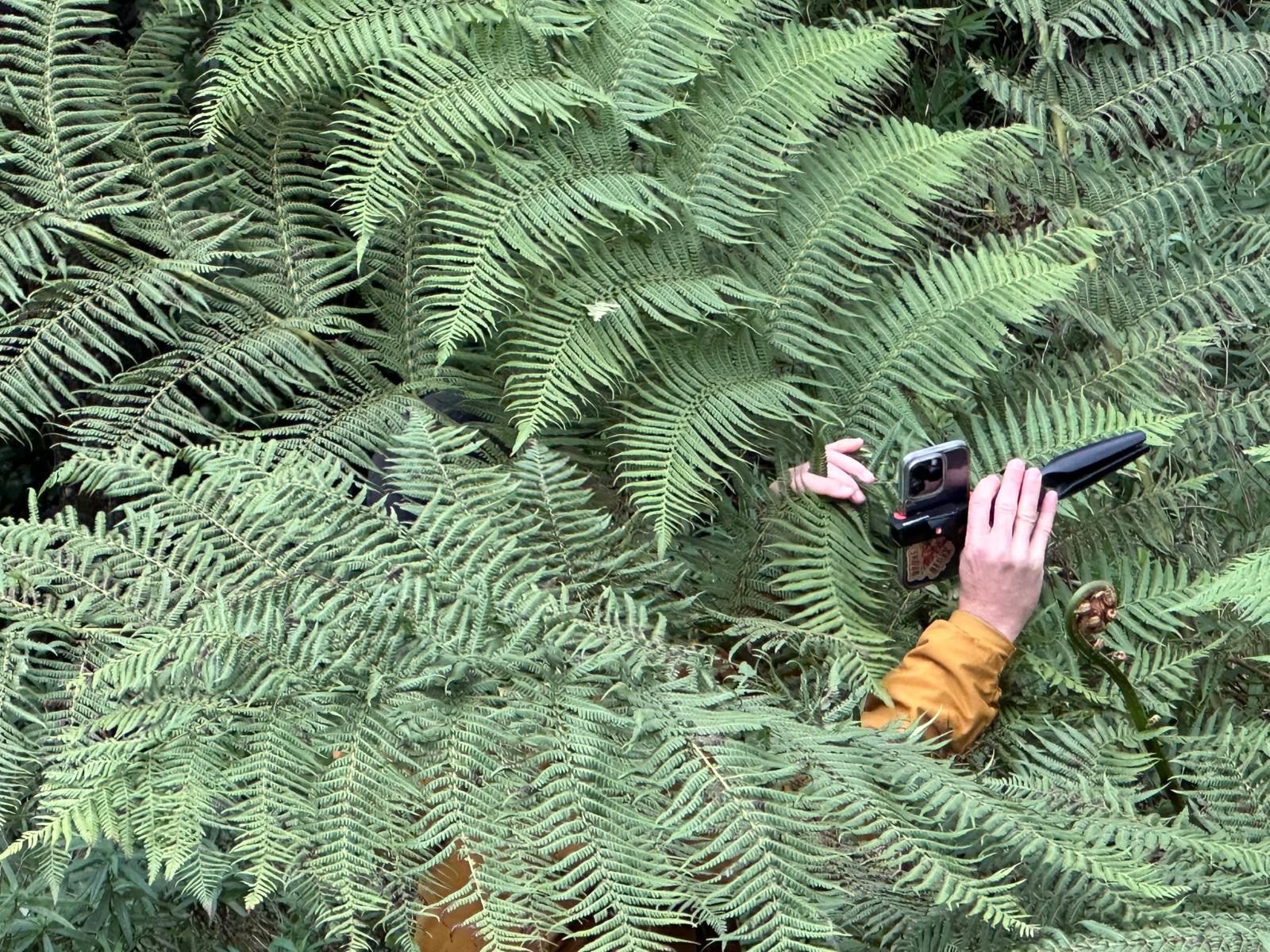
My practice is firmly rooted in direct experience and field research. Past examples of this practice have been road trips to dark sky parks in Texas and New Mexico, residencies in the High Arctic (highly recommend the Arctic Circle residency that takes place aboard a sailing ship), spending time in Southern Tuscany, or more recently a month spent in the Wollemi National Forest in Australia.
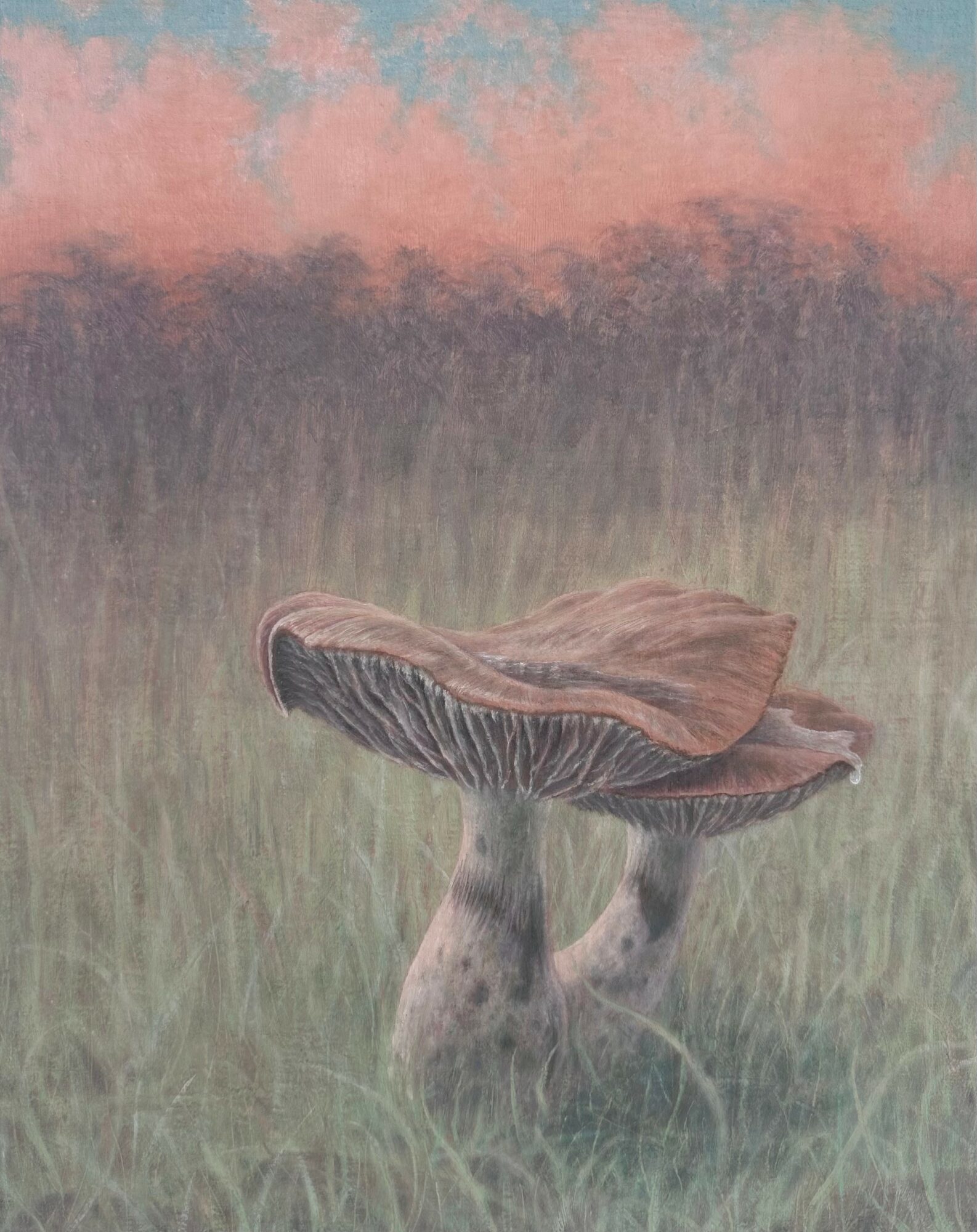
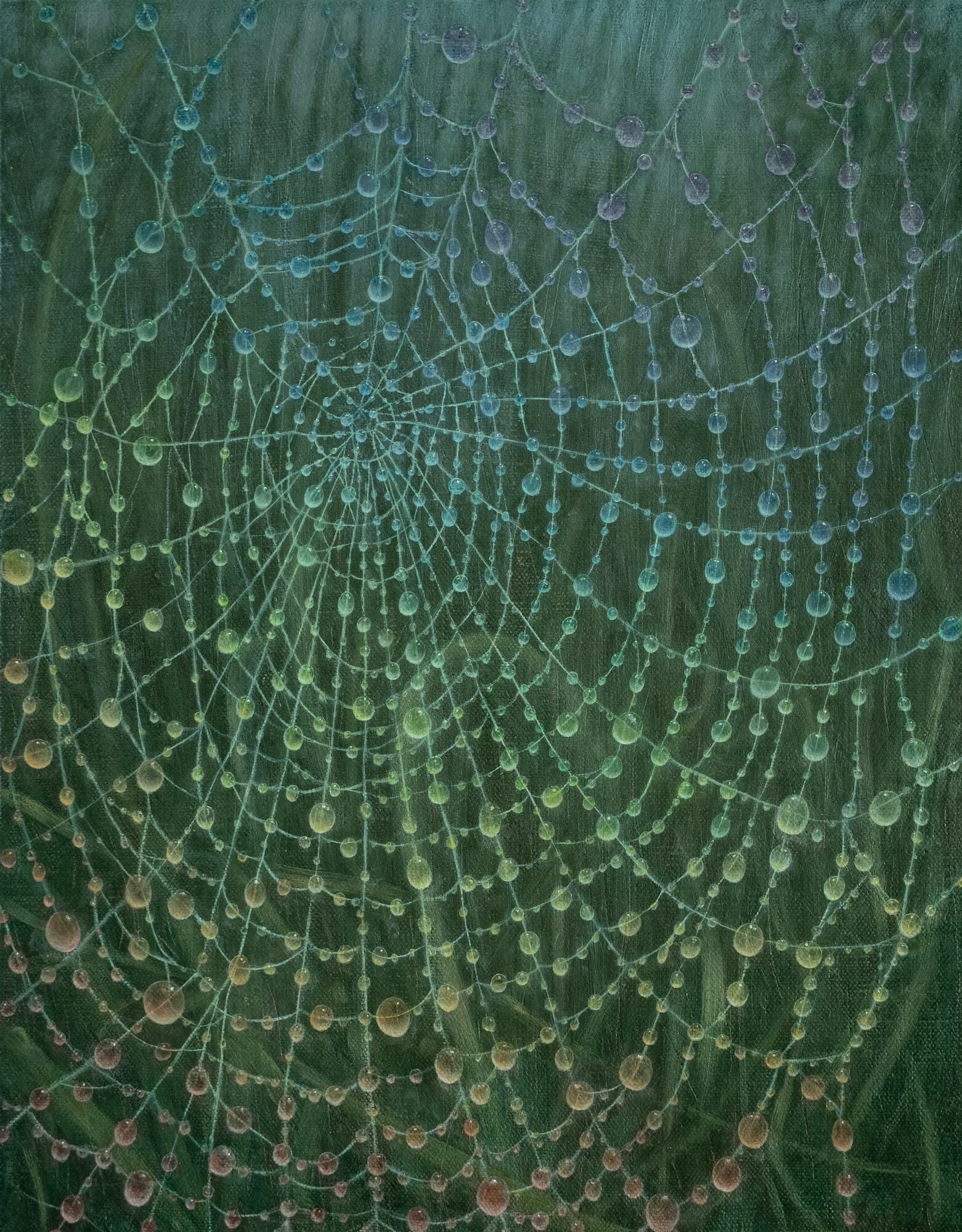
I’m really curious how environments can start to change us, and wonder if paintings (or art) can do this as well? I believe engaging with physical, natural environments is vital to understanding our planet. It’s pretty clear that most humans are (too) far removed from the natural world. Last summer, I spent a lot of time thinking about the symbiotic relationships that mushrooms have with forests while in Australia. It felt like an absolute luxury, but having the chance to slow down, wander through a forest without trails, to stop and sit and look at mushrooms, plants, and spiderwebs- really opened up some excitiing new pathways for my work. When I do these research trips I typically collect sound, video, photos, and make water colors on site to create an archive to work from back in my home studio.
At the moment I’m making new paintings for a show at the Mayer Museum at Angelo State University which opens October 1st (through mid March). This will be a combination of work made of the last two years, including paintings I’m reworking and building new layers into. Ultimately I spend a lot of my studio practice considering long-time and trying to get out of the head space of human time (it’s not easy to do), I think that’s why I’m drawing to more infinite, cyclical imagery.
Do you have recommendations for books, apps, blogs, etc?
I love reading when I have time, some recent favorites- Underland by Robert MacFarlane, Entangled Life by Merlin Sheldrake, Ministry of the Future by Kim Stanley Robinson, and I’ve been looking at this great Hilma af Klint book this summer a lot, titled “what stands behind the flowers”.
Contact Info:
- Website: https://www.adamfung.com
- Instagram: @adamfung.art
- Other: threads: @adamfung.art