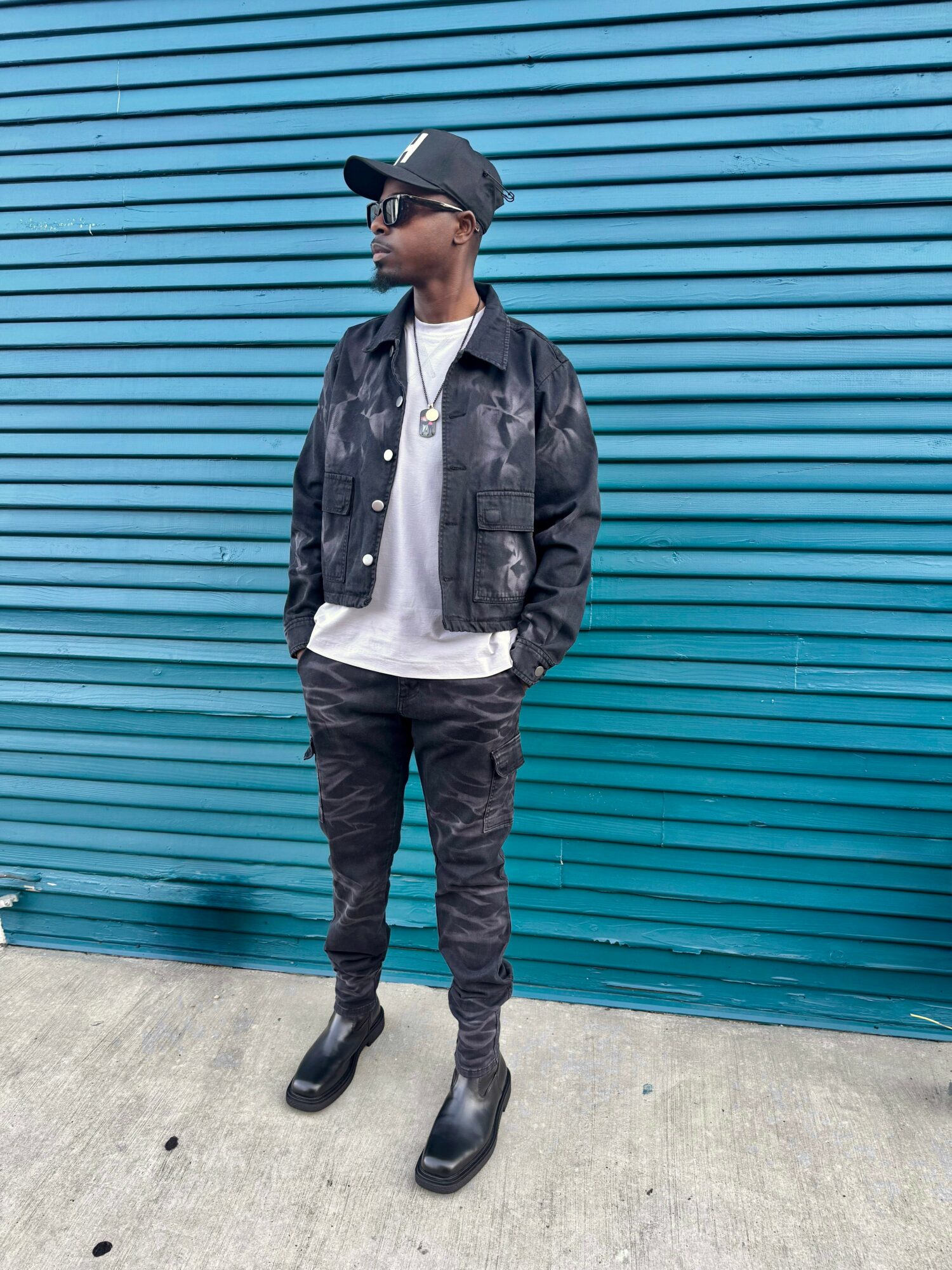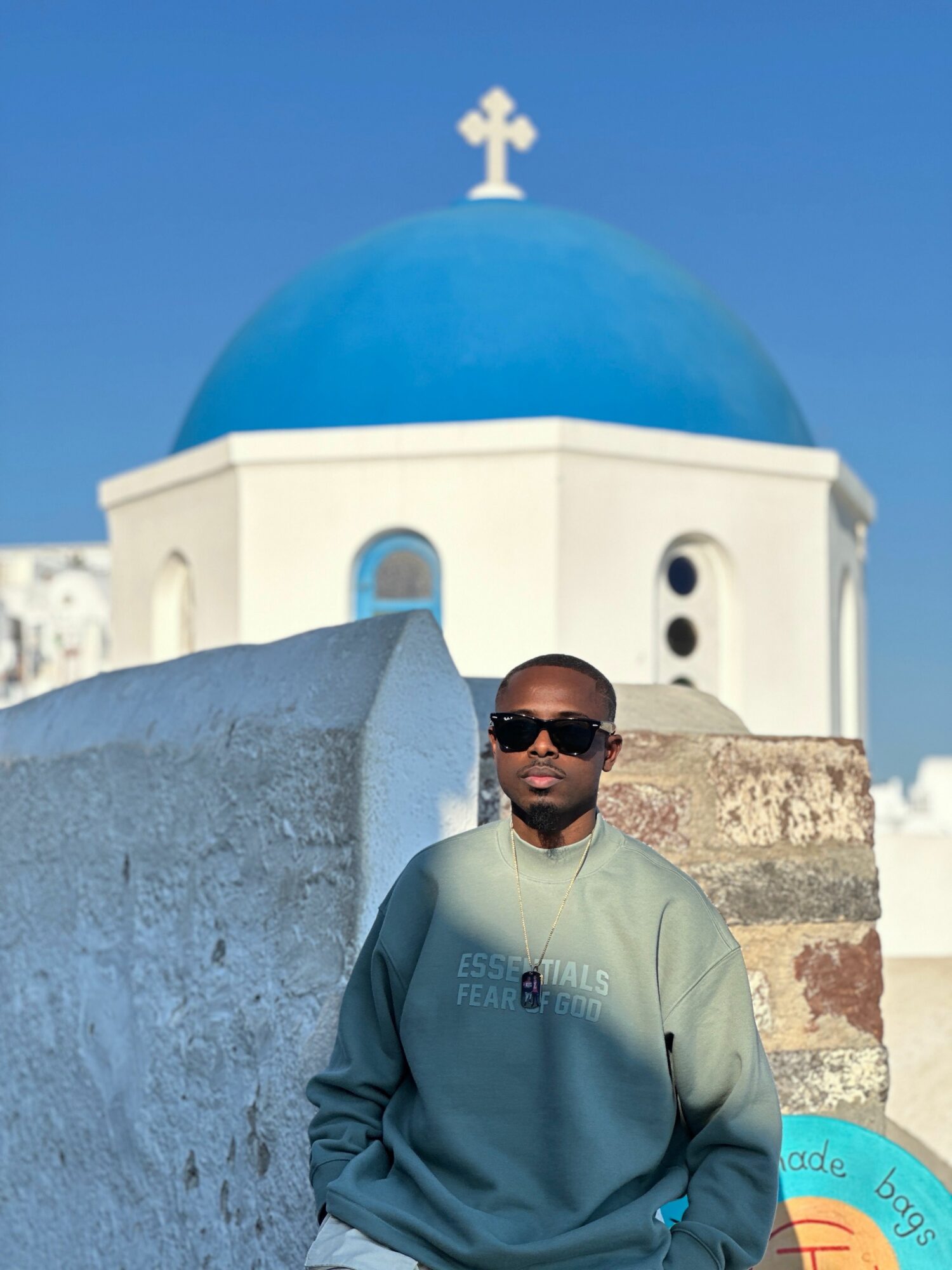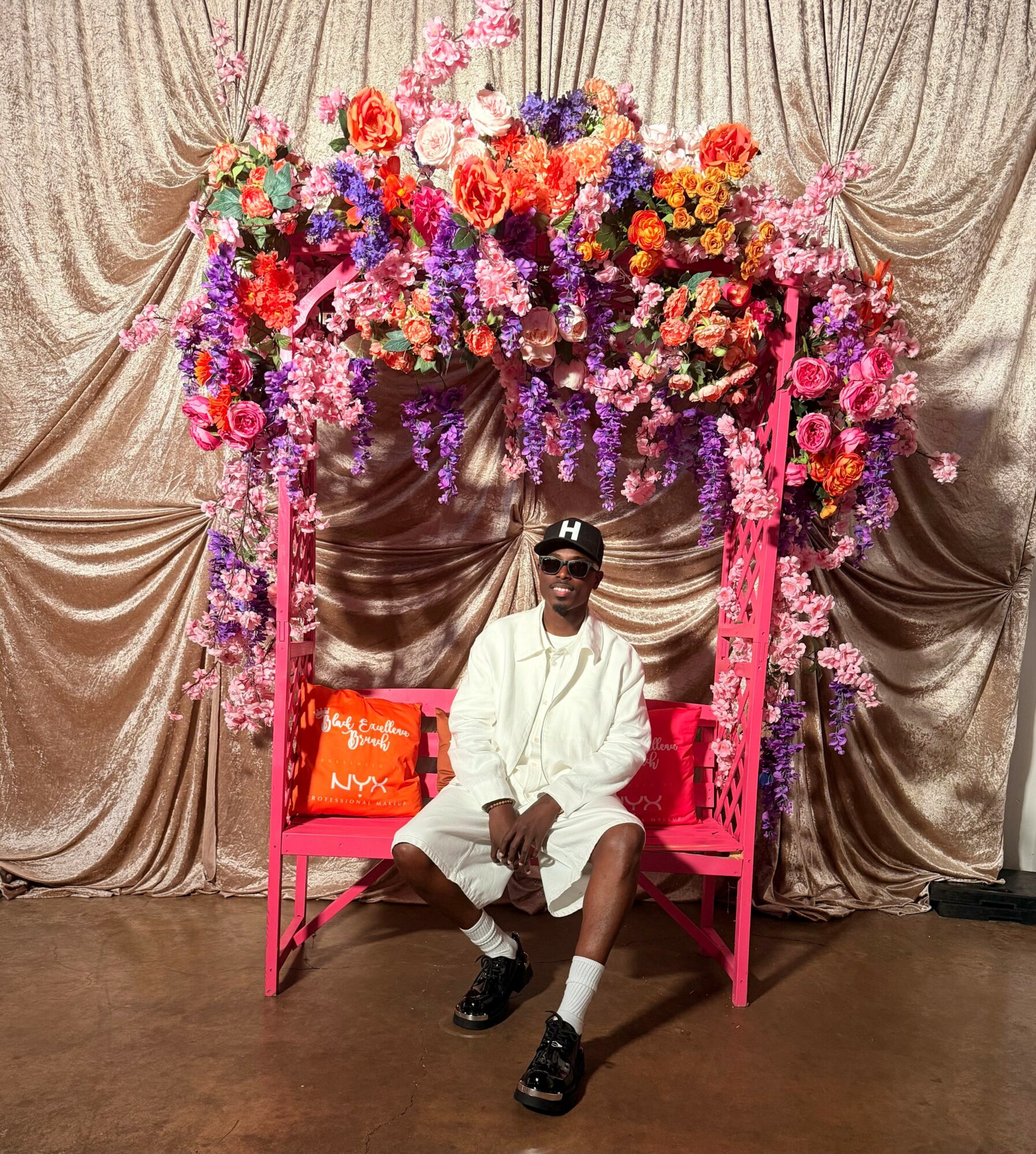






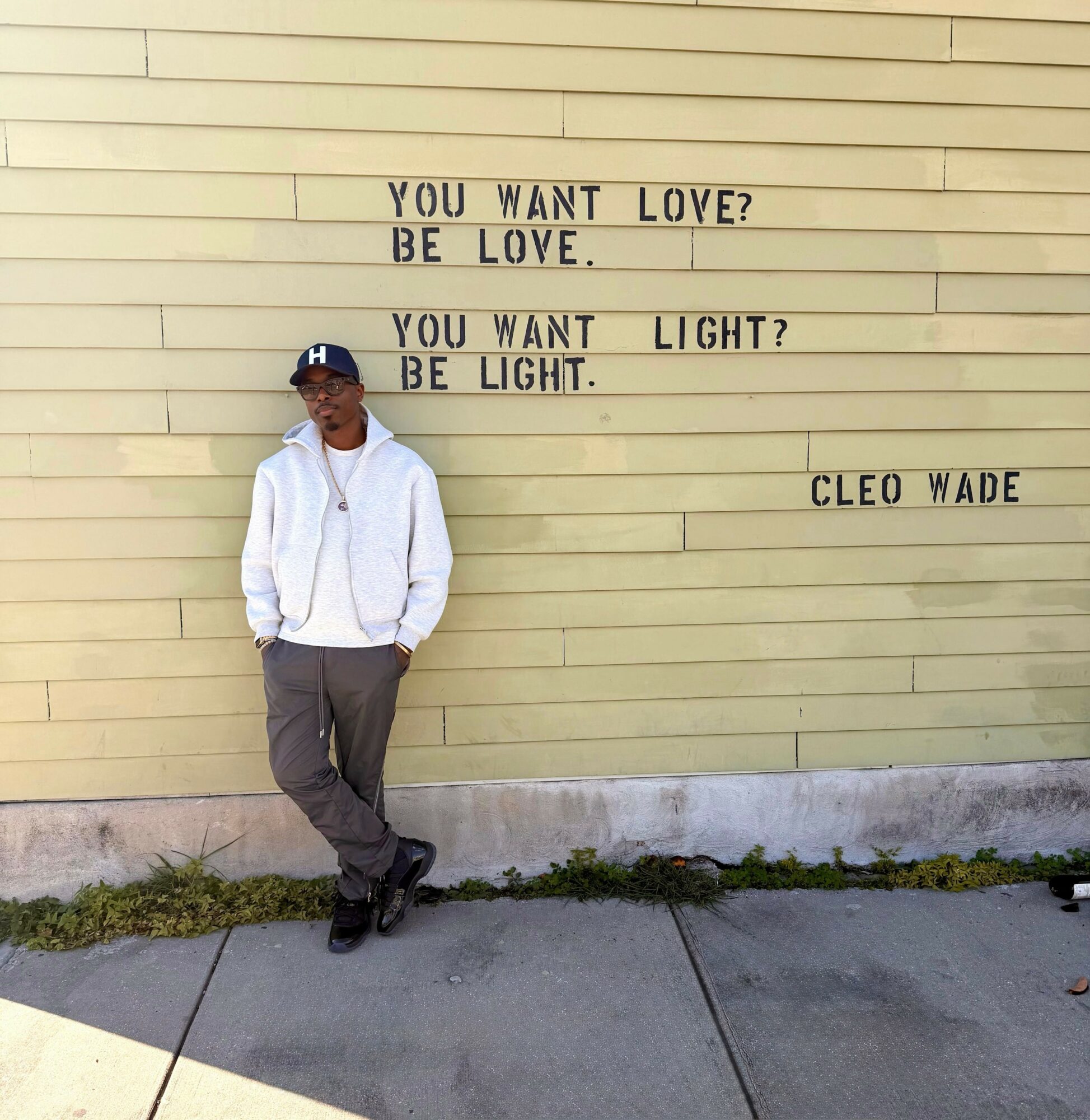
Today we’d like to introduce you to Gerald Thomas.
Alright, so thank you so much for sharing your story and insight with our readers. To kick things off, can you tell us a bit about how you got started?
I was born and raised on the West Side of Chicago, and despite the challenges that came with growing up there, one thing I never questioned was whether I was loved. My family didn’t have everything, but they gave me something priceless: a foundation rooted in faith, service, and the belief that my life was meant to make a difference.
As I got older, I began to recognize that not everyone grew up with that same foundation. I met people who weren’t raised in homes where they felt seen, encouraged, or affirmed. Many were taught how to survive, but never how to heal, trust, or dream. That realization changed the way I viewed leadership. It shifted my focus from simply helping people succeed to helping create environments where people feel like they belong.
That perspective has shaped every chapter of my life. From serving as Student Government Association President in college, to missionary work in the Philippines, to building a career spanning business strategy, corporate sustainability, community engagement, and philanthropy, I’ve always gravitated toward work that connects people and creates opportunity.
Today, I have the privilege of working for a Fortune 20 company at the intersection of business strategy and corporate sustainability. Outside of my corporate role, I lead The G.D.T. Foundation, where we expand access to mental health resources, mentorship, and community-centered programs that help people move from surviving to thriving. While those roles may seem different on the surface, they’re rooted in the same purpose: creating spaces where people feel seen, valued, and equipped to reach their full potential.
Looking back, none of these experiences feel random. They’ve all been preparing me for the same purpose: helping people move beyond survival and into lives where they feel seen, valued, and empowered to thrive. Whether that’s inside a Fortune 20 company, through my nonprofit, or in the communities I serve, that’s the work I feel called to do.
Can you talk to us a bit about the challenges and lessons you’ve learned along the way. Looking back would you say it’s been easy or smooth in retrospect?
Not at all. Looking back, I don’t think the goal was ever for the road to be smooth. Every season, whether good or difficult, taught me something I needed for the next one.
Like many people, I’ve experienced loss, disappointment, and moments where I questioned what was next. Professionally, there were opportunities I didn’t get, ideas that didn’t work the way I hoped, and seasons where I had to prove myself all over again. Personally, the greatest challenge has been grief. Losing my brother Jeremy to suicide changed my life in ways I never could have imagined. It forced me to stop treating mental health as an abstract issue and confront it as something deeply personal.
There have also been moments when I felt pulled in different directions. I’ve built a career in corporate America while leading a nonprofit, often balancing demanding responsibilities with a calling that doesn’t end when the workday is over. There were times I wondered if I was doing enough in either space.
What has carried me through is purpose. I’ve learned that setbacks don’t have to define the story. They can refine it. Every challenge has made me a more empathetic leader, a better listener, and someone who understands that success isn’t just about titles or accomplishments. It’s about how you use your experiences to create opportunities for someone else.
If anything, the road has reminded me that resilience isn’t pretending everything is okay. It’s choosing to keep showing up, to keep serving, and to keep believing that even the hardest chapters can be used for something meaningful.
Alright, so let’s switch gears a bit and talk business. What should we know about your work?
Today, I have the privilege of working for a Fortune 20 company at the intersection of business strategy and corporate sustainability while leading The G.D.T. Foundation, a nonprofit dedicated to expanding access to mental health resources, mentorship, and community-centered programs. Although those roles exist in different spaces, they’re driven by the same belief: when people feel seen, valued, and supported, they do their best work, build stronger communities, and create lasting change.
I’m most proud of building a career that hasn’t forced me to choose between purpose and profession. Whether I’m working inside a global corporation or serving through my foundation, I’ve been able to create meaningful experiences that bring people together and improve lives. That alignment is something I never take for granted.
If there’s one thing that sets me apart, it’s that I don’t see business, philanthropy, or community work as separate lanes. I see them as connected. I’m known for building authentic relationships, bringing people together around a shared vision, and creating spaces where people don’t just participate, they feel like they belong. That’s the work I’ve dedicated my life to, and it’s the work I hope to continue for years to come.
Is there a quality that you most attribute to your success?
If I had to choose one quality, it would be empathy. Not empathy in the sense of feeling sorry for people, but the ability to genuinely understand where they’re coming from before trying to solve a problem. I think it’s one of the most underrated leadership skills there is.
Whether I’m working with executives, colleagues, community leaders, or someone attending one of our mental health programs, I’ve learned that people want to know they’re being heard before they’re willing to trust you. That mindset has helped me build meaningful relationships, navigate difficult conversations, and bring people together around a common goal, even when perspectives differ.
Empathy has also made me a better strategist. It reminds me to look beyond the immediate issue and ask, “What’s really driving this?” I believe the best solutions come from understanding people first. For me, that’s been the foundation of every meaningful accomplishment in my career and in my life.
Contact Info:
- Instagram: https://www.instagram.com/thegdtproject
- Facebook: https://www.facebook.com/thegdtfoundation