


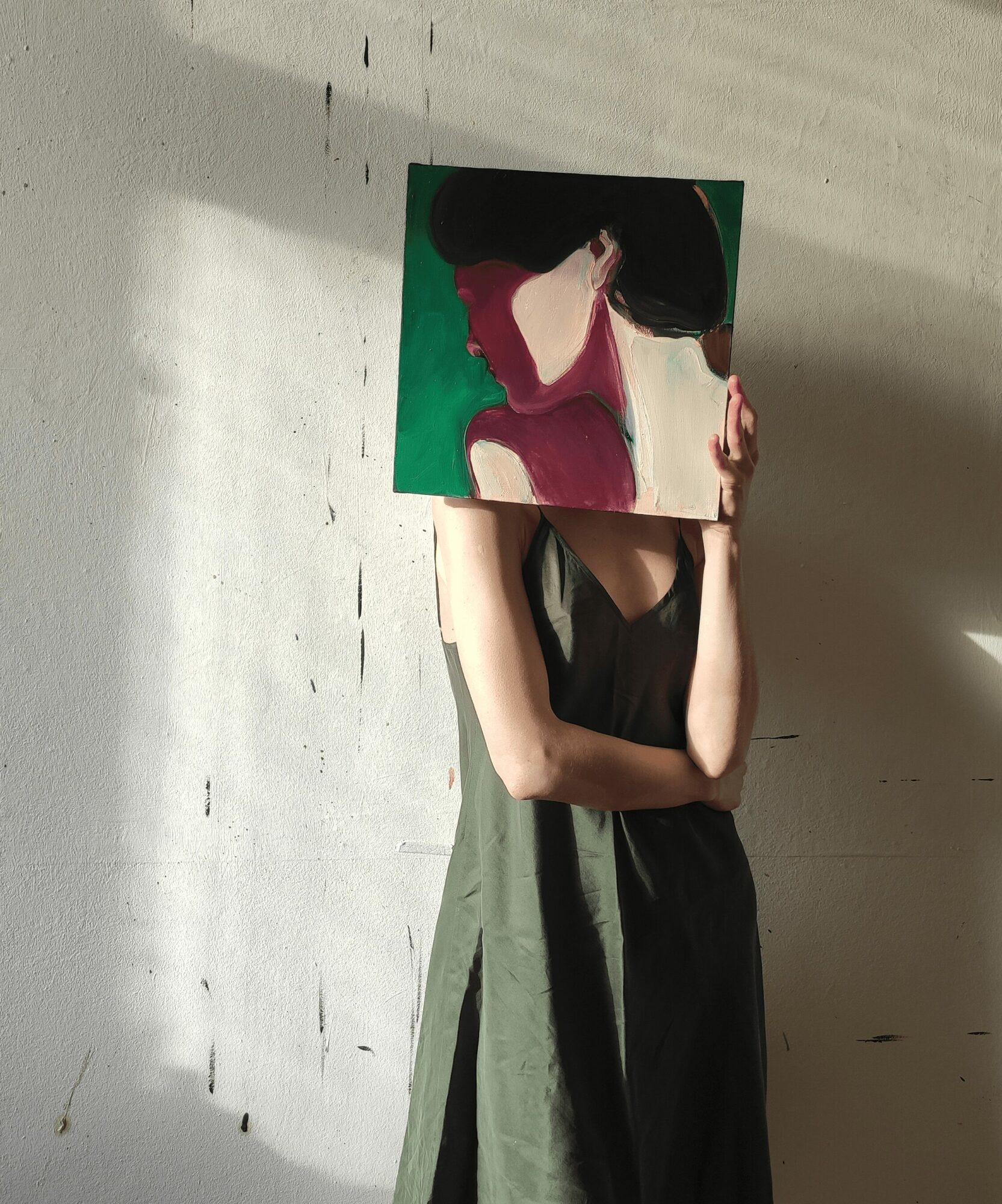
Today we’d like to introduce you to Maria Kostareva.
Hi Maria, can you start by introducing yourself? We’d love to learn more about how you got to where you are today?
I’ve wanted to be an artist since I was a child. I grew up in a small village next to a forest, and I started going to art school as a child. At fifteen, I even moved to another city to continue my education at an art college.
But despite my passion for art, I didn’t believe I could actually make a living as an artist because there weren’t any successful examples around me. I eventually switched to graphic design, thinking it would be a more reliable path. It turned out to be completely different from what I was looking for.
While working in an office, I kept searching and exploring. I studied philosophy of art and eventually earned a degree in art history. Paradoxically, studying art history was what made me take my own desire to be an artist seriously. I began to understand that there is no single linear path to becoming an artist, and that art has always been about finding new ways of thinking and seeing.
Another important moment happened when I attended an artist residency in Spain. For the first time, I met artists who were actually making a living from their work. It suddenly became tangible: this was not just an imaginary life. It was possible.
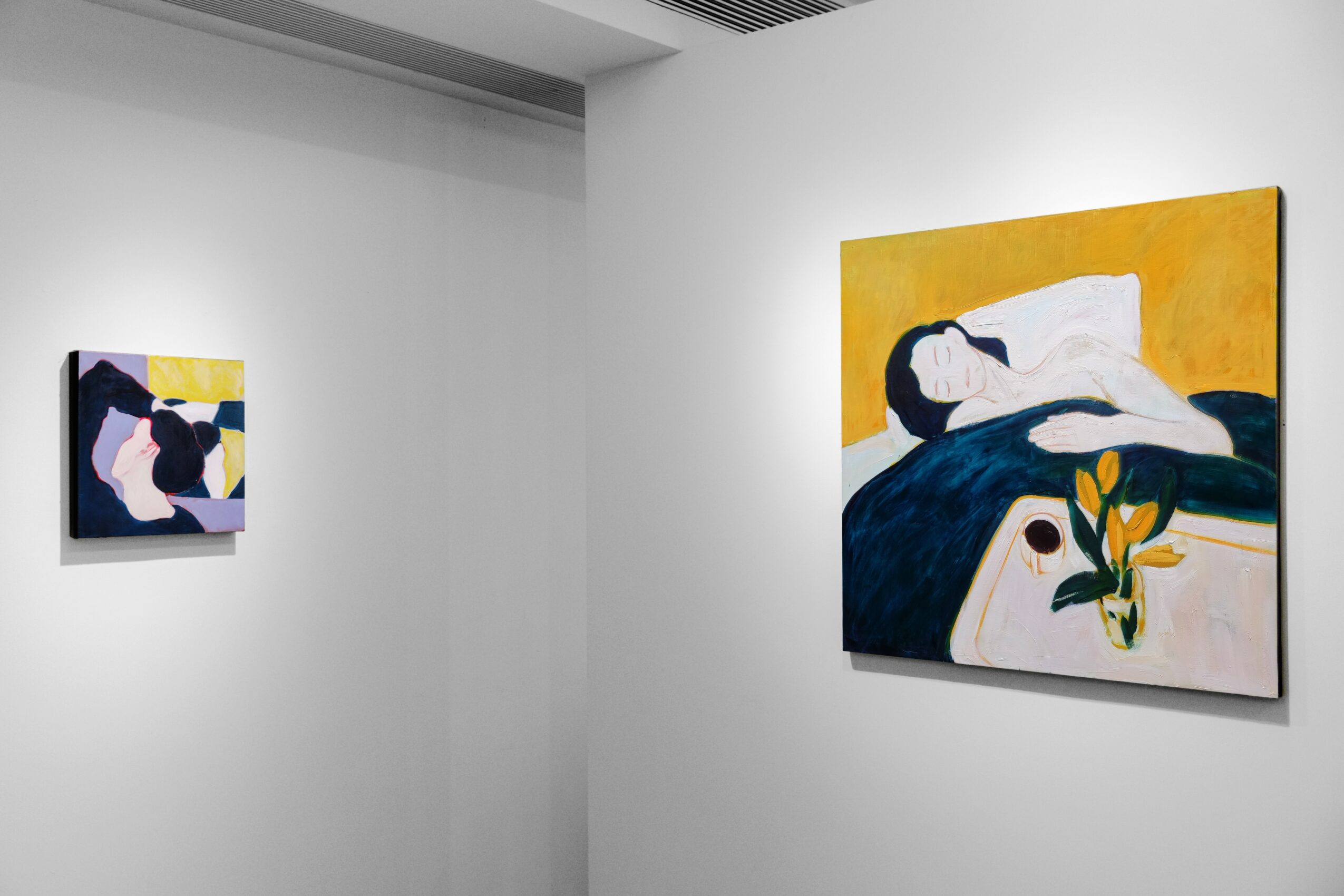
Eventually, I decided to leave my office job and become an artist full-time. I still remember the day I quit. It was February, and I was walking down the street feeling completely free. I started working intensely without knowing exactly what I was looking for. I made a lot of paintings, and gradually, through the process itself, two series began to emerge. I started showing them, contacting galleries, and building my practice from there.
I think one of the most important things I’ve learned is that if you feel you have something to say, you have to try. There is no guaranteed path — you have to discover your own way by doing it.
I’m sure it wasn’t obstacle-free, but would you say the journey has been fairly smooth so far?
One of my first challenges was learning to look at my own work critically. In the beginning, I was fascinated by painting as a medium — by the physical process, the material, the pleasure of making an image. But I didn’t always think deeply enough about what I was actually trying to say. I had to learn to set myself artistic questions and goals, rather than simply making work that I liked.
I also had to learn how to navigate the art world. At times, I said yes to projects that were not really worth my time or energy, simply because I didn’t yet know how to evaluate opportunities.
Later, a different challenge emerged: not losing faith in what I was doing. Success can be dangerous in its own way. If a particular series sells well, it can be tempting to keep making variations of the same thing simply because you know it worked before. For me, staying authentic means being willing to move on even when the previous direction was successful.
And at some point, I had to take responsibility for my career in a different way. It is easy to blame galleries, the market, or circumstances when things change. But eventually I realized that the more useful question is: What can I do now?
The art world changes, circumstances change, and an artist has to change with them without losing the core of their practice. For me, that has meant accepting uncertainty and taking responsibility for my own choices rather than waiting for someone else to define what happens next.
Thanks – so what else should our readers know about your work and what you’re currently focused on?
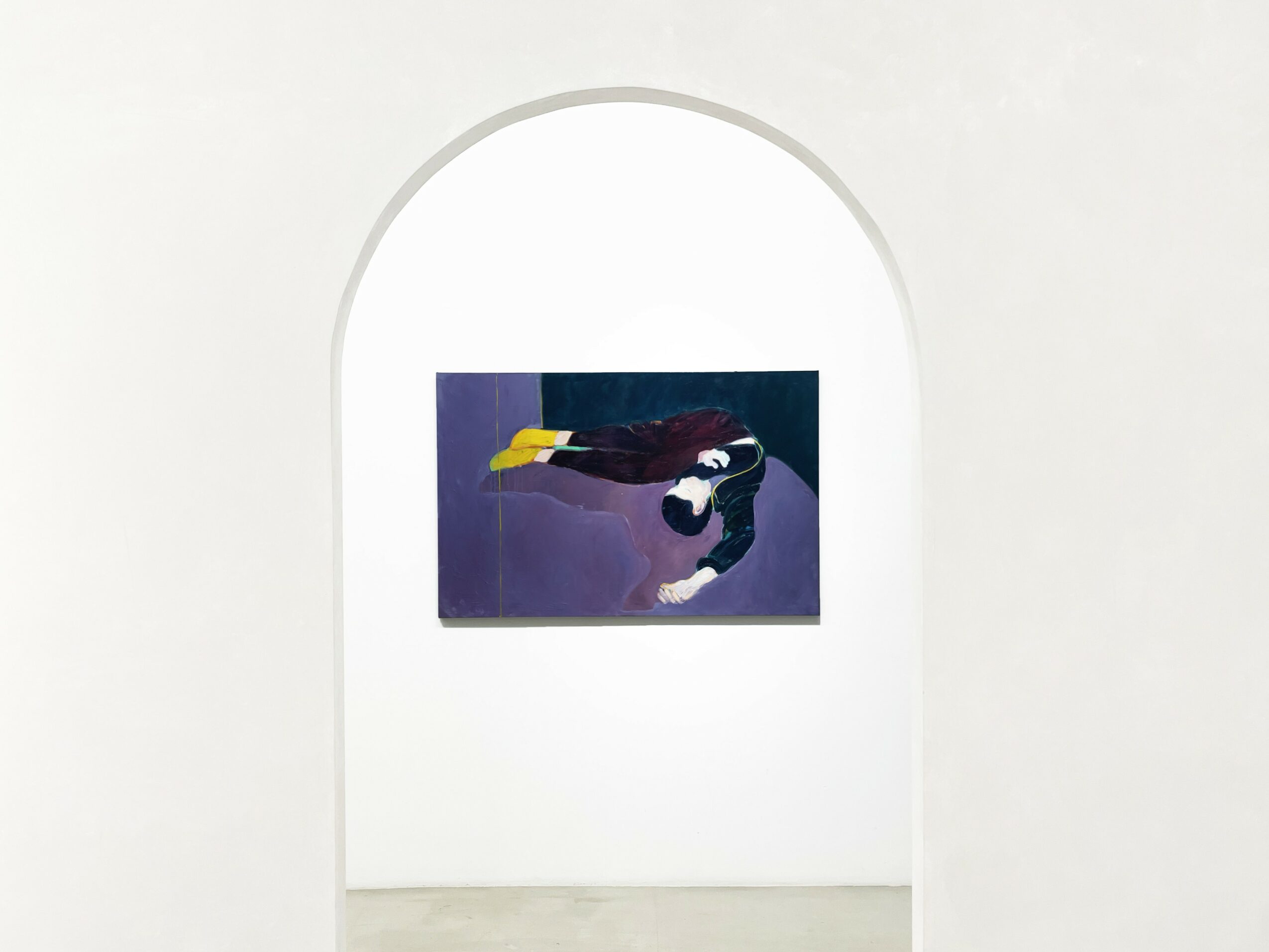
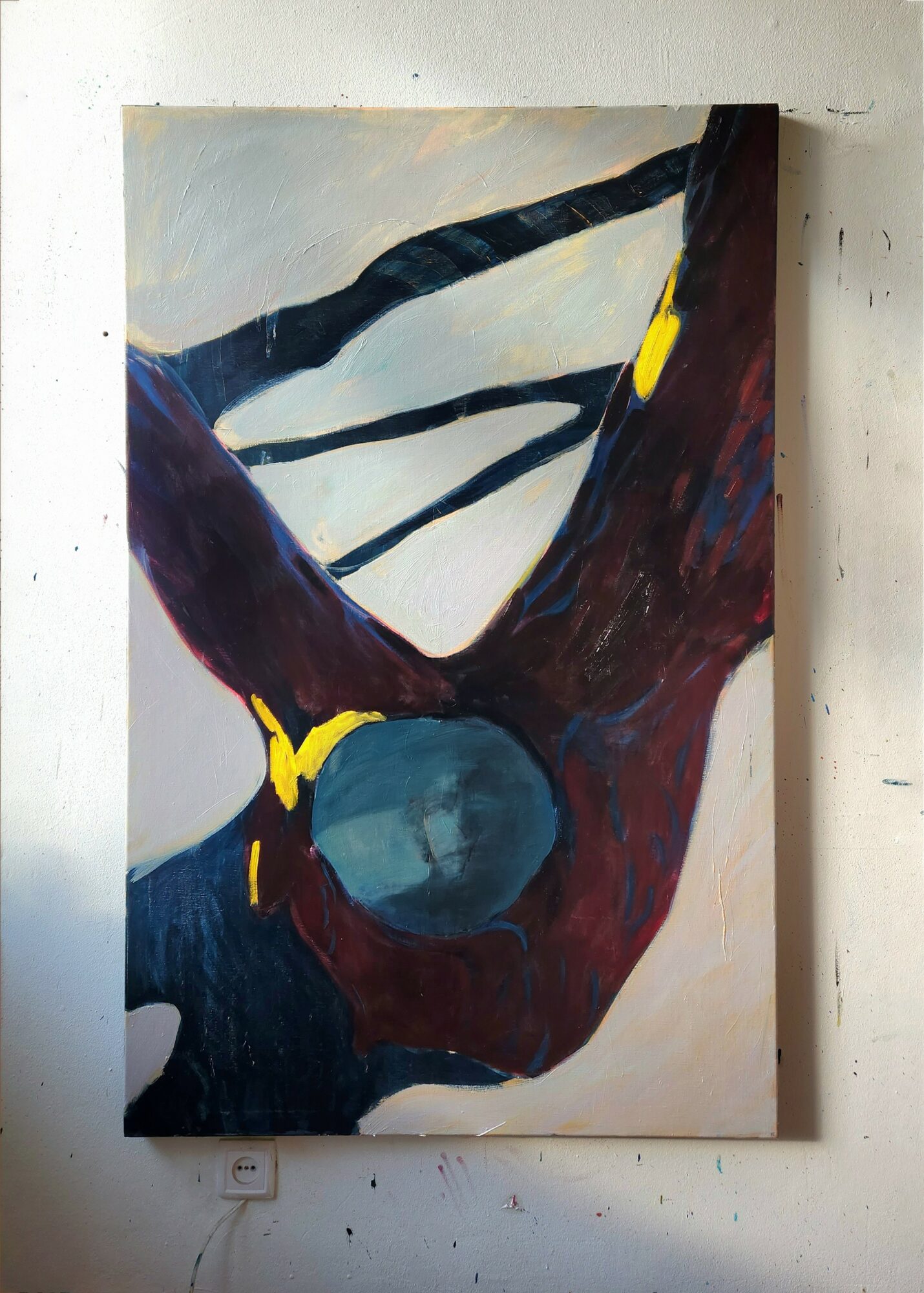
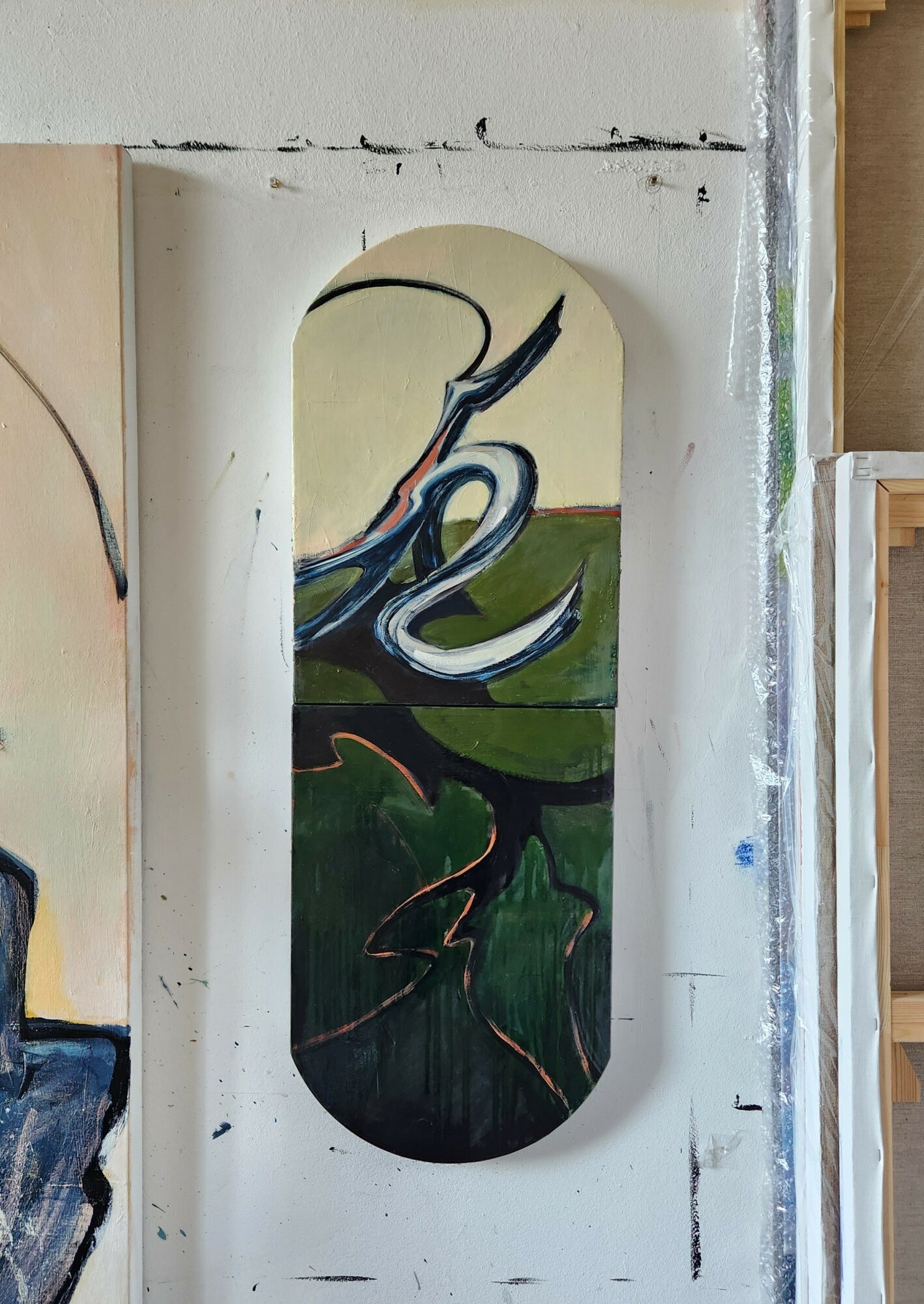
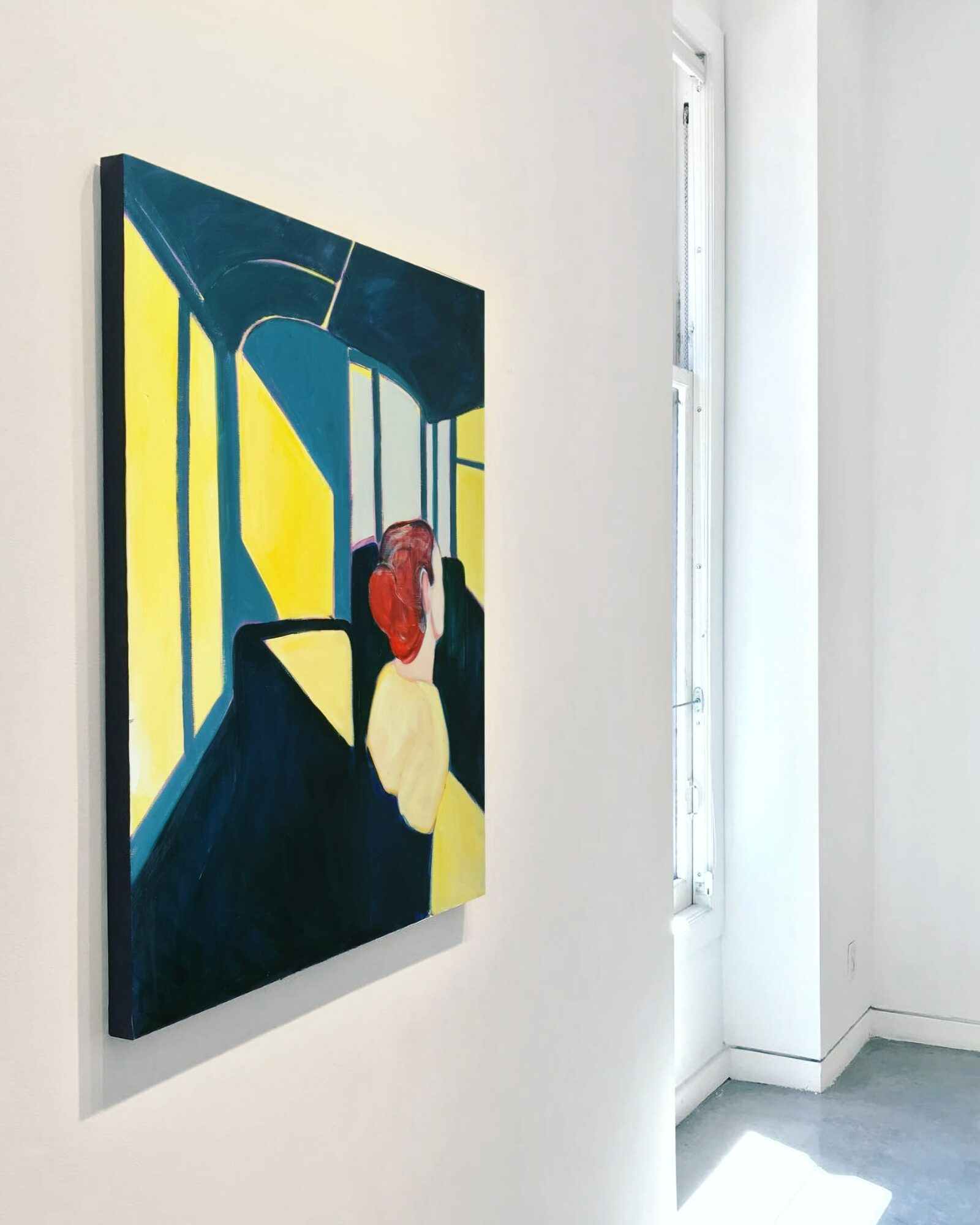
I am interested in untold stories and connections — especially the ones that are difficult or impossible to see.
What I hope for from the viewer is a very particular feeling: “This affects me, but I don’t completely understand why. It feels somehow connected to me, but not literally.” I like the idea that there can be an invisible thread between a person and a painting — something that can be felt but cannot be fully explained.
This is one of the reasons I’m still so deeply interested in painting. Unlike photography, painting is not simply evidence of something that existed in front of the camera. It is a living matter. The physicality of paint, the gesture, the surface, and the process of making all become part of the meaning.
One of my favorite moments is when I realize that an image really works. It is not easy to look at your own work from the position of a viewer, but if you are brave enough to do it, it is one of the best tools an artist has.
Today, I try to work without compromise. Sometimes that means making difficult decisions. Just recently, I painted over a large finished work because, honestly, it did not reflect who I am or what I feel I need to bring into the world. I think that kind of honesty is more important to me than keeping a finished object simply because it took a long time to make.
What was your favorite childhood memory?
I grew up next to a forest, and it was only after I moved to a big city that I realized how unusual that experience had been. As a child, I explored the world through nature. The forest never felt hostile or dangerous to me. It was a place I trusted.
One of my favorite memories is going mushroom picking with my father. It was probably our main shared activity, and I treasured those days. We would take a large basket and walk into the forest. We didn’t use a compass. We would often go in different directions, sometimes far enough that we couldn’t see each other. But my father would sing very loudly while we were supposed to be quietly searching for mushrooms, so I could always tell where he was.
What I loved — and still find fascinating — was the simple idea that you could walk into a forest with an empty basket and come back with food. It made nature feel generous and full of possibilities.
I also grew up with my twin sister. We spent almost all our time together, and because this was before smartphones and the internet, we had to invent our own worlds. We made up stories and wrote songs for imaginary singers. She eventually became a writer.
I think that early freedom — being allowed to explore, invent stories, and move through the natural world without feeling that everything had to be explained or controlled — has stayed with me. Perhaps it is one of the reasons I am still drawn to images that leave something unknown and invite you to keep looking.
Contact Info:
- Website: https://m-kostareva.com/
- Instagram: https://instagram.com/marikostareva
- Other: https://www.artsy.net/artist/maria-kostareva