



Today we’d like to introduce you to Suraj.
Alright, so thank you so much for sharing your story and insight with our readers. To kick things off, can you tell us a bit about how you got started?
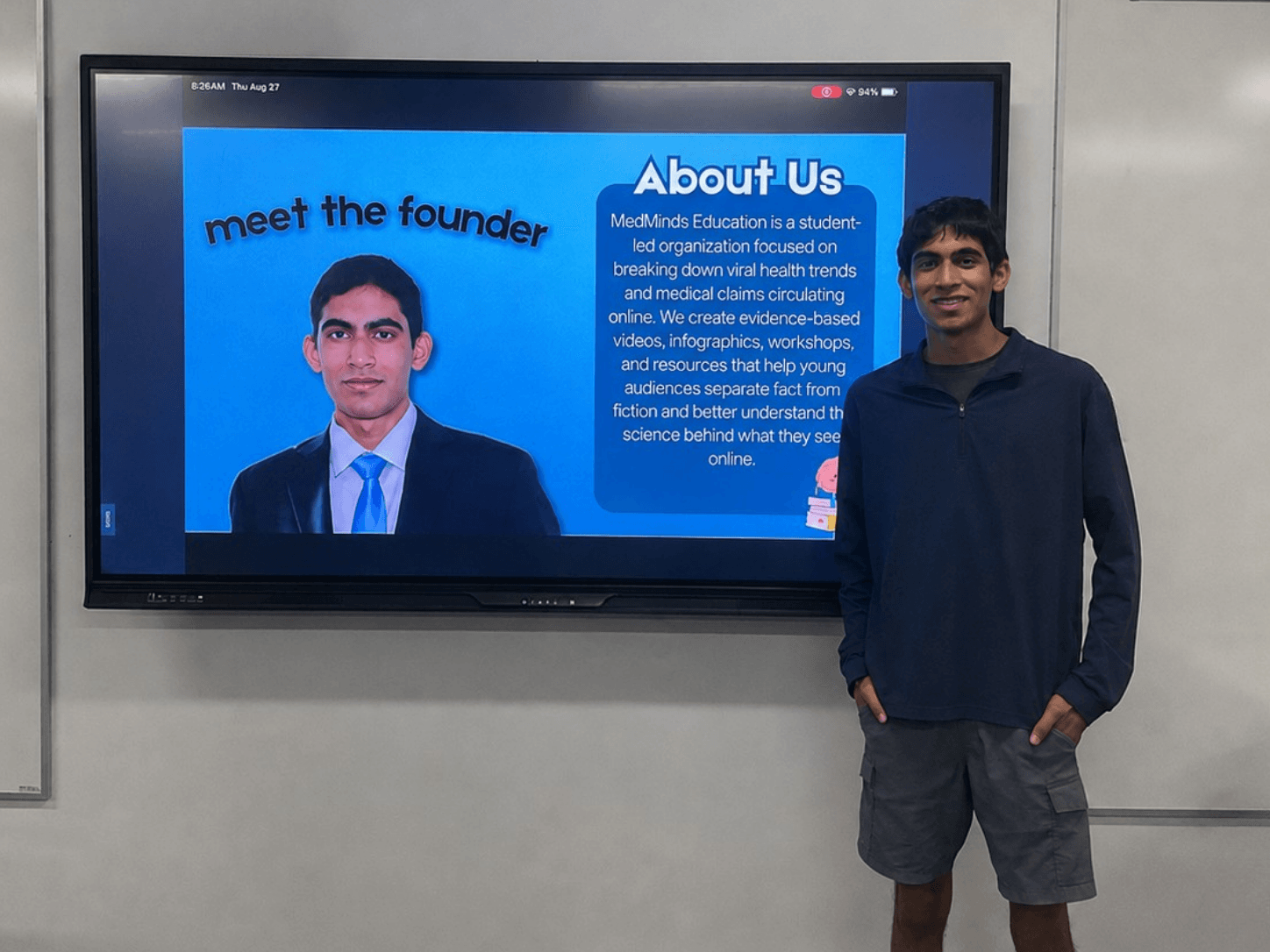
MedMinds Education began in August of 2024 when my friend and I realized how difficult it was becoming to distinguish between health advice that was actually backed by science and information that was simply going viral online. As someone who was becoming increasingly interested in medicine, I started noticing how often health claims on social media were influencing the way young people thought about nutrition, medicine, and their own health, even when there was little context or evidence behind them. I wanted to explore these topics for myself while finding a way to make what I learned useful to other students, which became the foundation for MedMinds Education.
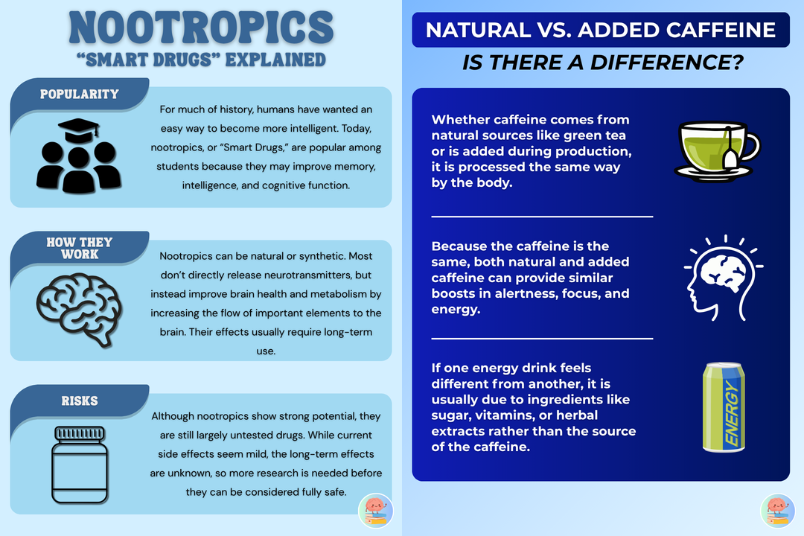
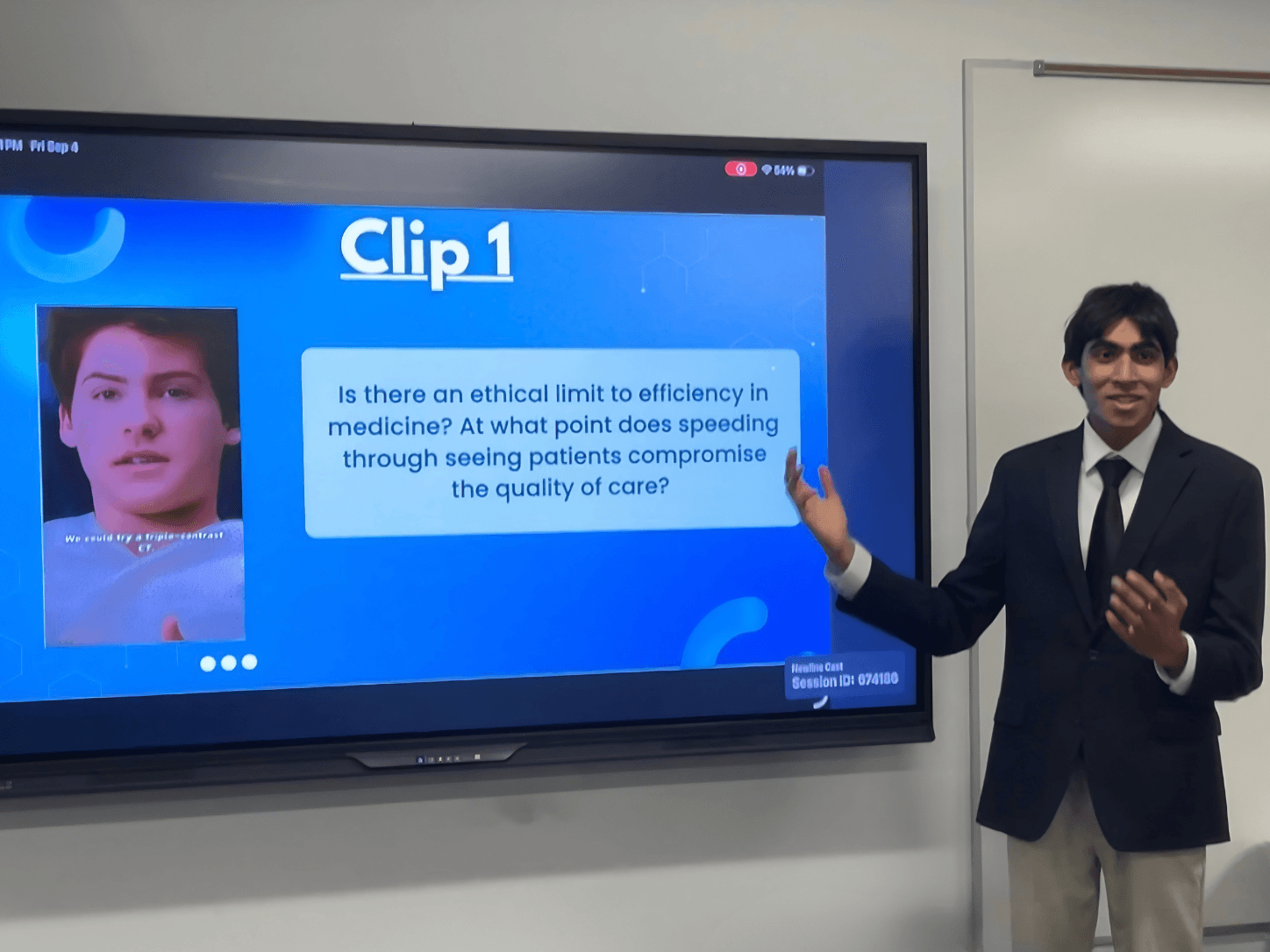
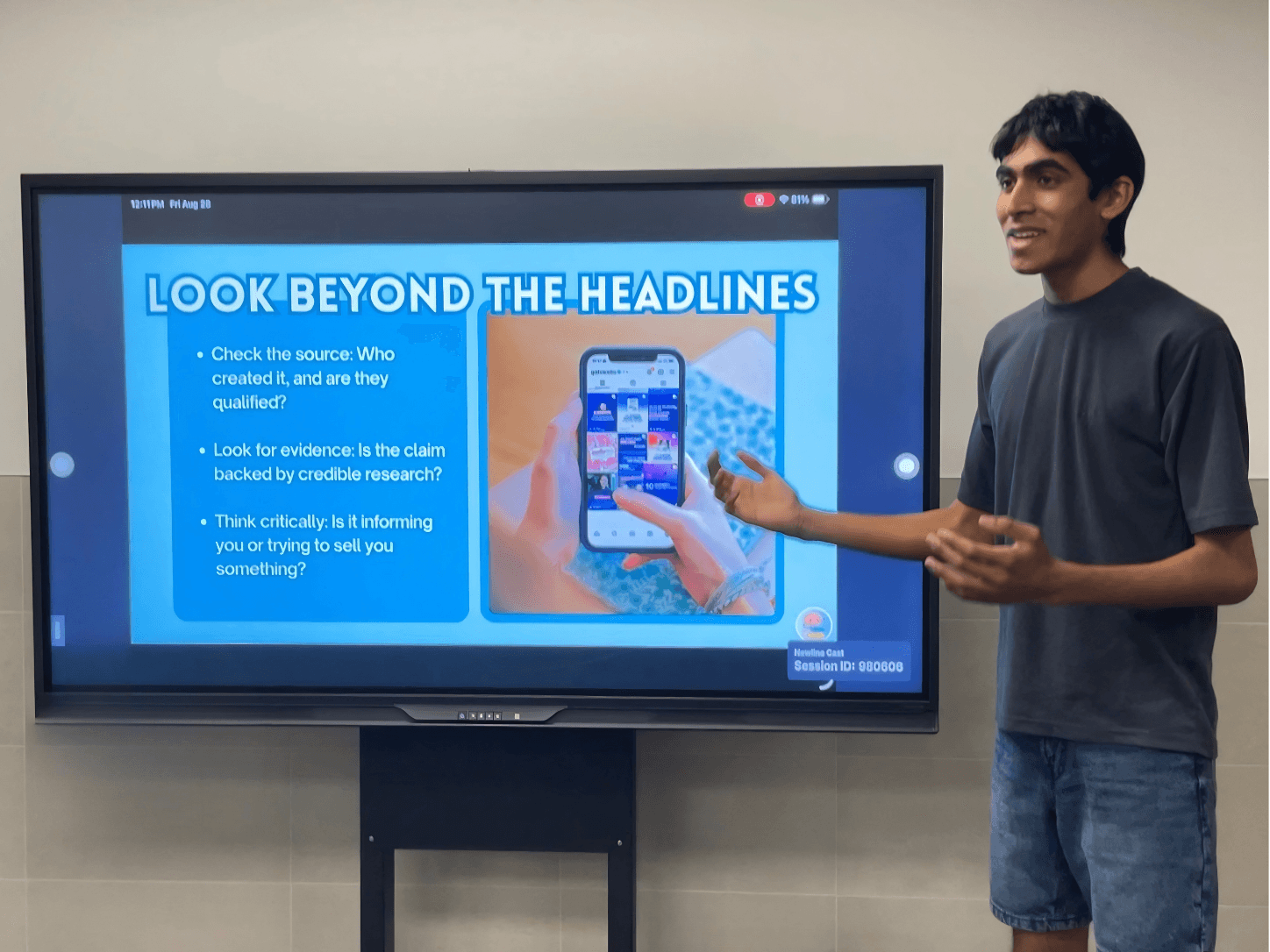
My co-founder Avighna helped me develop the organization and shape many of the ideas behind our resources, while Mr. Alan Vuong, our advisor, taught me how to approach complex medical topics and communicate them in a way that others could understand. We started by giving presentations to students at our school, breaking down medical topics and health trends that we thought students would actually find interesting and useful. As we continued developing our resources, we realized we could reach so many more students online, which led us to expand into videos, infographics, and other digital content.
Since then, we’ve reached over 30,000 people across more than 10 countries online and have continued sharing our work at our school and through different community events. Looking back, the most rewarding part has been seeing how one simple question about health misinformation turned into something that other people could learn from as well. In conclusion, my journey has shown me that even as a student, curiosity can have a real impact when you find a way to share what you learn with others!
Would you say it’s been a smooth road, and if not what are some of the biggest challenges you’ve faced along the way?
The road definitely hasn’t been completely smooth. One of the biggest challenges my co-founder and I have faced has been finding the time to balance MedMinds Education with everything else that comes with being high school students. Creating content, developing new resources, and especially finding time to host workshops can be difficult. Scheduling our first few workshops was particularly challenging because our team and our advisor had busy schedules, so turning an idea we were excited about into an actual workshop often took more planning than we expected.
We’ve also had to figure out what to create next. There is no shortage of health information online, but finding topics that are genuinely useful, supported by strong evidence, and interesting enough to keep a young audience engaged can take time. As we’ve continued developing MedMinds Education, we’ve learned to be more intentional about the topics we choose, paying attention to the questions people are asking and the areas where misinformation or confusion seems to be especially common. While these challenges have sometimes made things more difficult than we originally expected, they’ve also forced us to be more deliberate about how we plan, what we prioritize, and how we approach developing MedMinds Education.
Thanks – so what else should our readers know about your work and what you’re currently focused on?
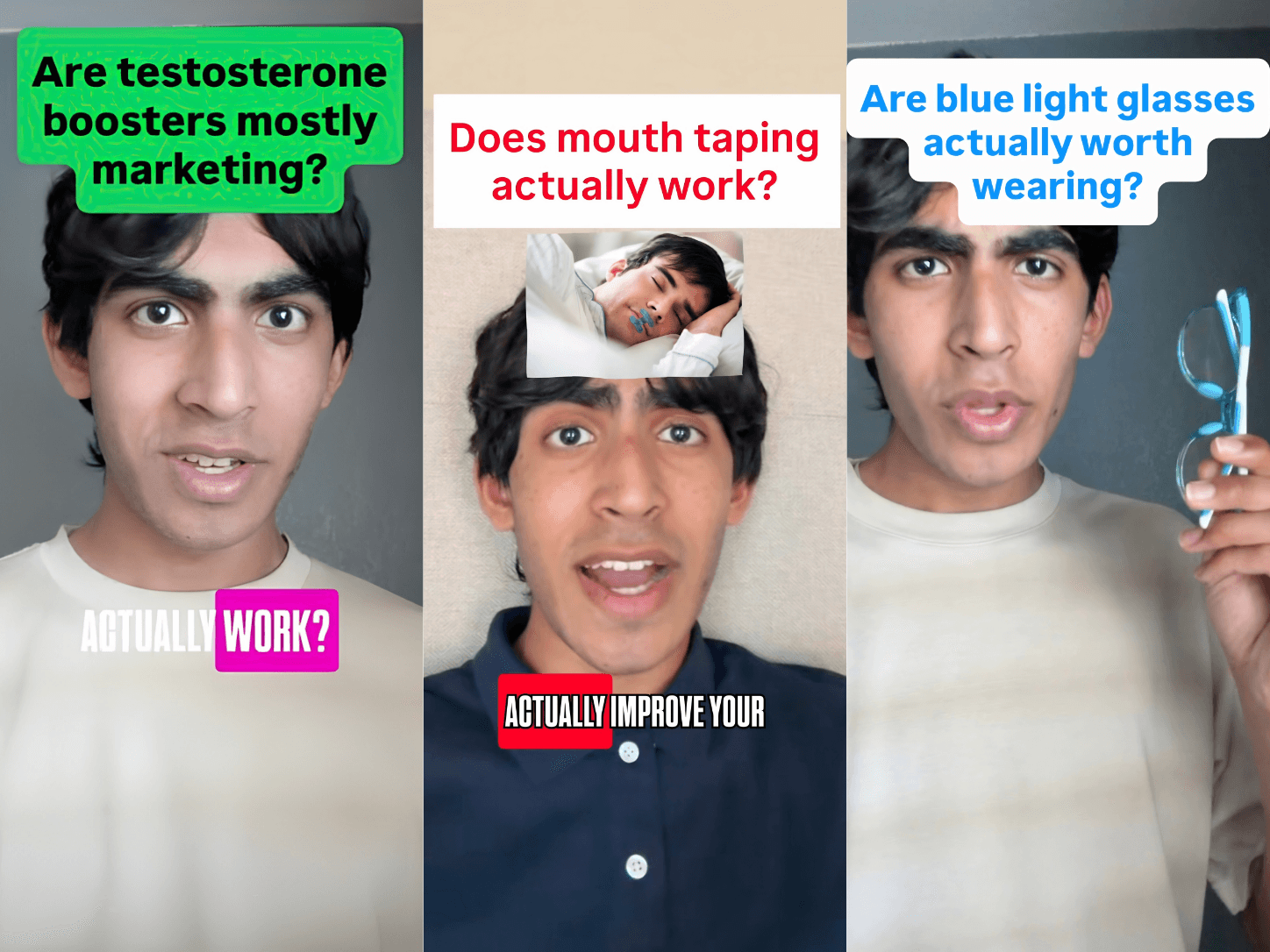
At MedMinds Education, we take viral health trends, medical claims, and wellness advice that Gen Z and young people might come across online and break them down with reliable scientific evidence. As we’ve continued developing our work, we’ve created videos exploring questions like why so many influencers are drinking raw milk, whether testosterone boosters actually work, and whether wearing a weighted vest can actually make walking more beneficial. We focus on creating content that is short, digestible, accurate, and informative while still providing the context that can sometimes be missing from health information online. Whether through short-form videos, infographics, or interactive presentations, our goal is to make complicated medical and health topics easier to understand without oversimplifying the science behind them.
What I’m most proud of is the way we approach health education. Rather than simply telling someone whether a claim is “true” or “false,” we try to explain the reasoning and evidence behind our conclusions so that people can better understand the topic and make informed decisions for themselves. I think that approach is one of the things that sets MedMinds Education apart. We’re students who are genuinely curious about medicine and science, and we approach each topic as learners and communicators rather than pretending to be experts. For us, the goal has never been to have all the answers, but to learn how to find reliable information and make that information easier for others to understand.
Let’s talk about our city – what do you love? What do you not love?
What I like most about Dallas is how much there is to do and how open people are to learning and trying new things. From exploring the Dallas Museum of Art and the Perot Museum to visiting The Dallas World Aquarium and trying restaurants across different neighborhoods, there’s always something new to experience. I also appreciate how willing people are to explore new interests and take advantage of the many opportunities the city has to offer. What I like least is probably how spread out the Dallas–Fort Worth area is. There are so many great places and opportunities across the metroplex, but getting from one side to the other can take a lot of time.
Contact Info:
- Website: https://www.medmindseducation.org/
- Instagram: https://www.instagram.com/medminds_edu/
- Other: https://www.tiktok.com/@medminds_edu