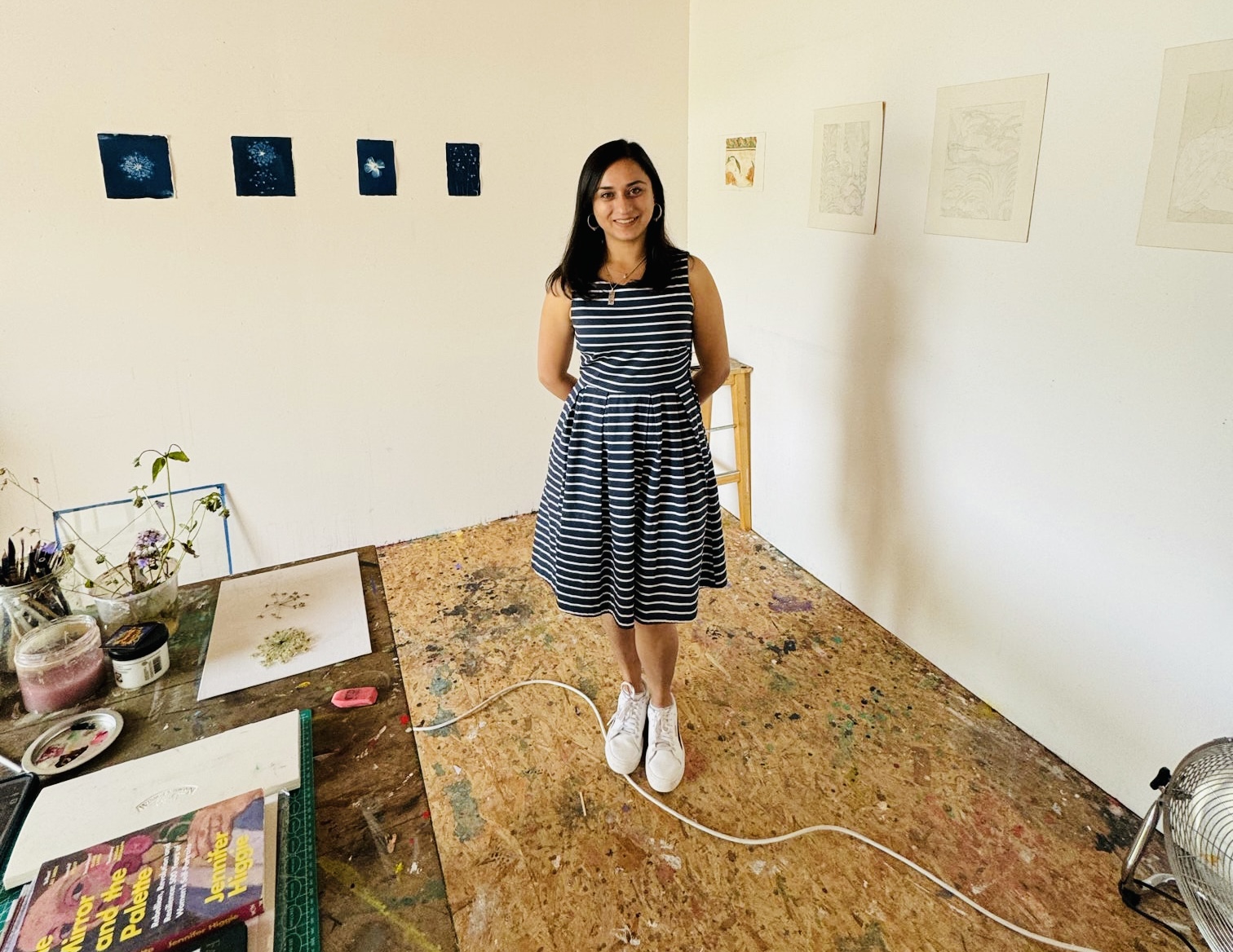





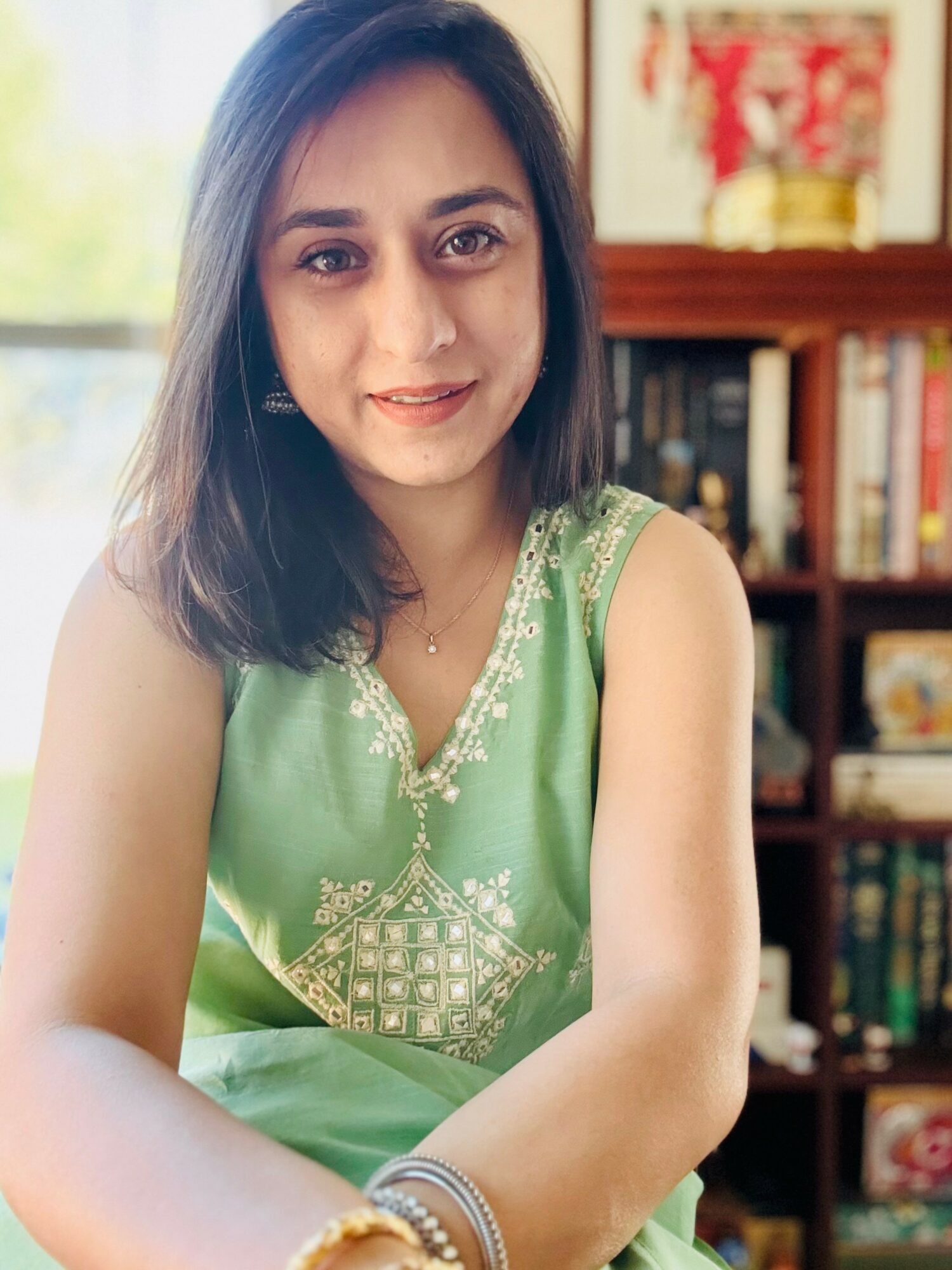
Today we’d like to introduce you to Maria Rasheed.
Hi Maria, please kick things off for us with an introduction to yourself and your story.
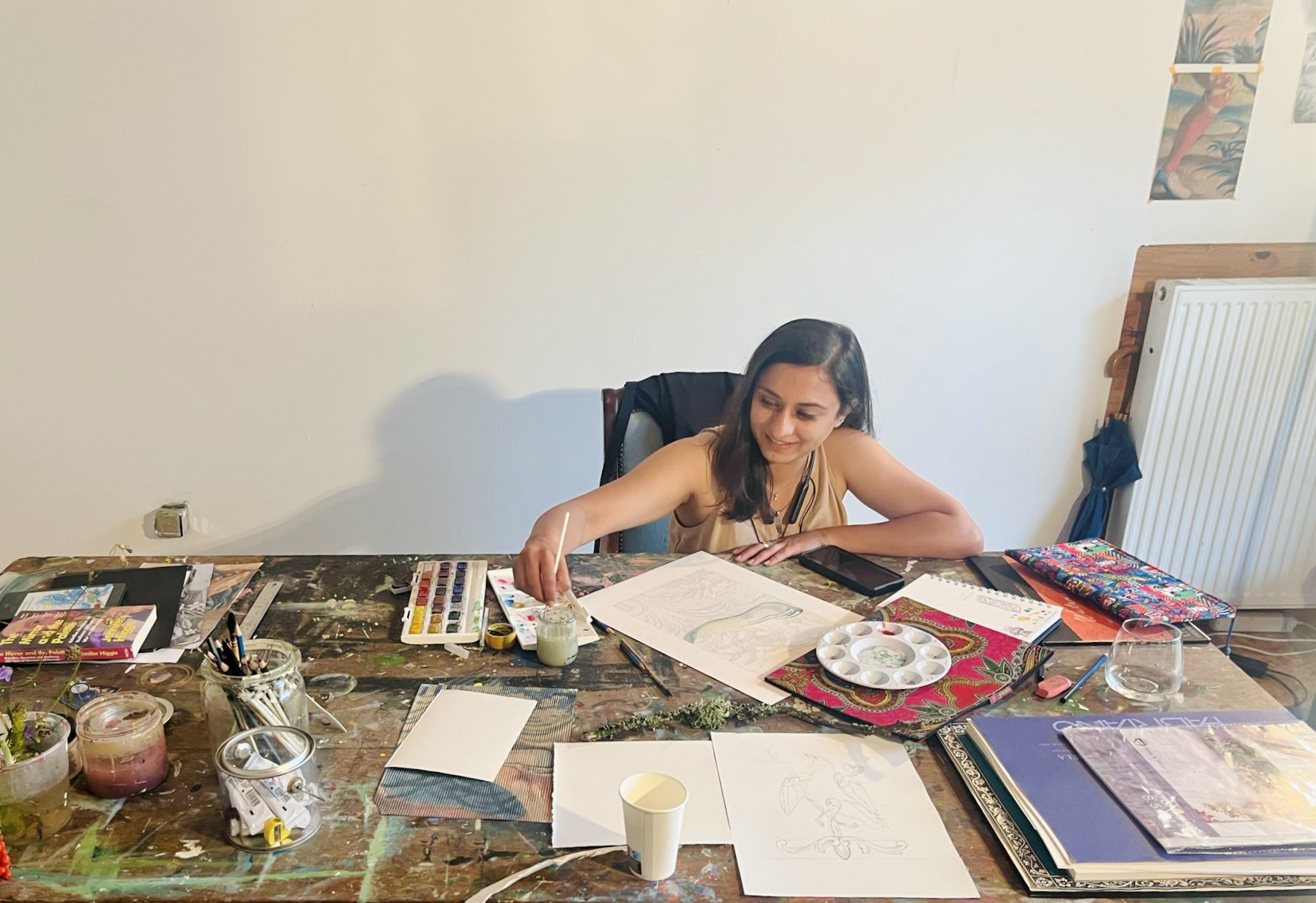
I grew up surrounded by the carpets, textiles, and objects that are part of everyday life and heritage in a Pakistani household. Those objects became a connection to home, carrying both personal memories and the shared histories of the culture I come from. Initially trained as a Visual Communication Designer, my interests evolved over the years toward exploring these cultural objects and the stories they carry. After moving to the United States, I began looking at them through the lens of memory, migration, and what it means to carry pieces of home with you.
We all face challenges, but looking back would you describe it as a relatively smooth road?
Moving away from home has meant experiencing migratory mourning—the loss and isolation that comes with leaving behind family, friends, familiar traditions, and a place that feels like home. At the same time, migration has also brought unexpected joy: creating temporary homes in new places, finding comfort in the familiar, and building new connections along the way. I’ve learned that home can be both something you grieve and something you continually create.
Alright, so let’s switch gears a bit and talk business. What should we know about your work?
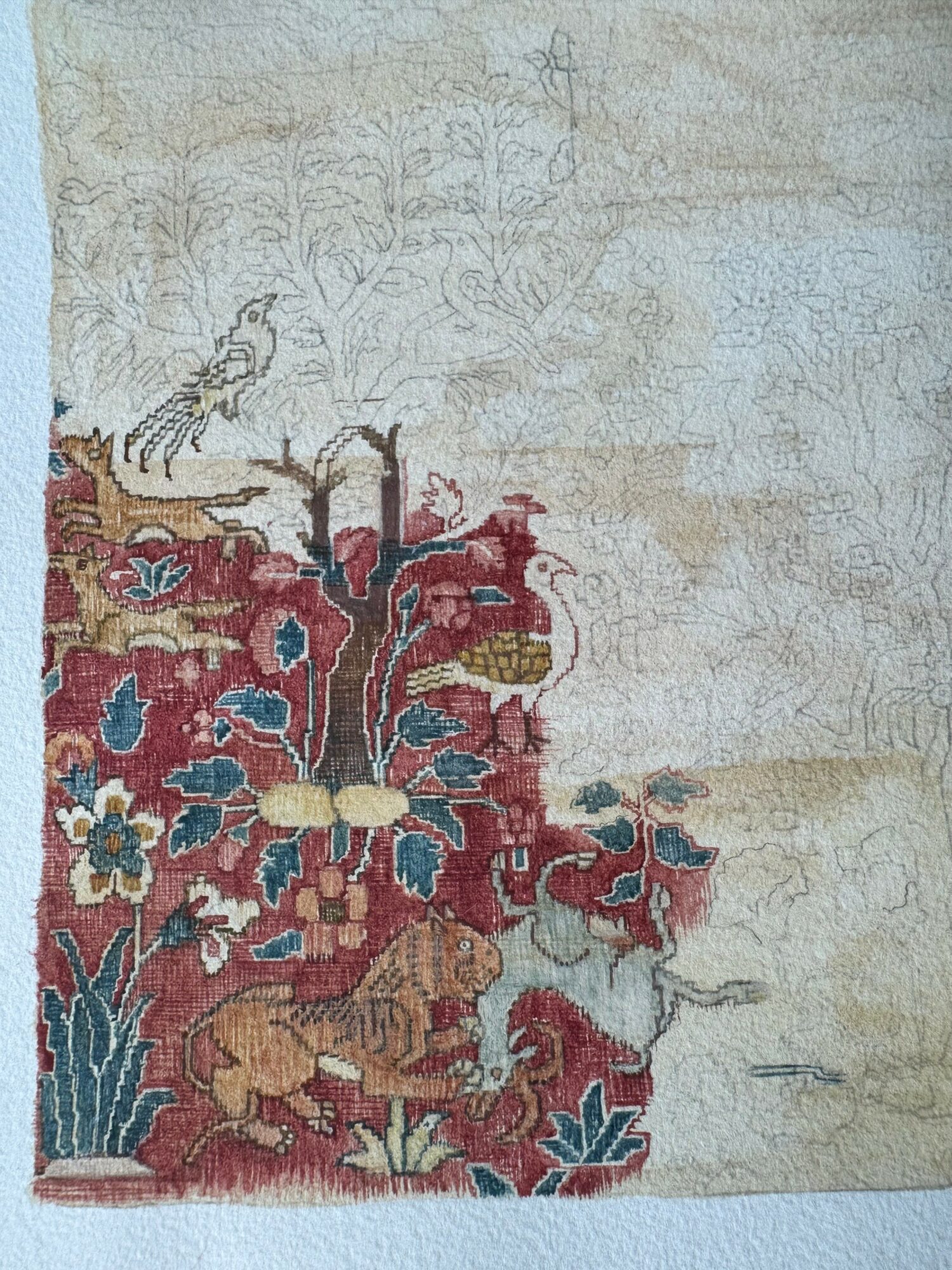
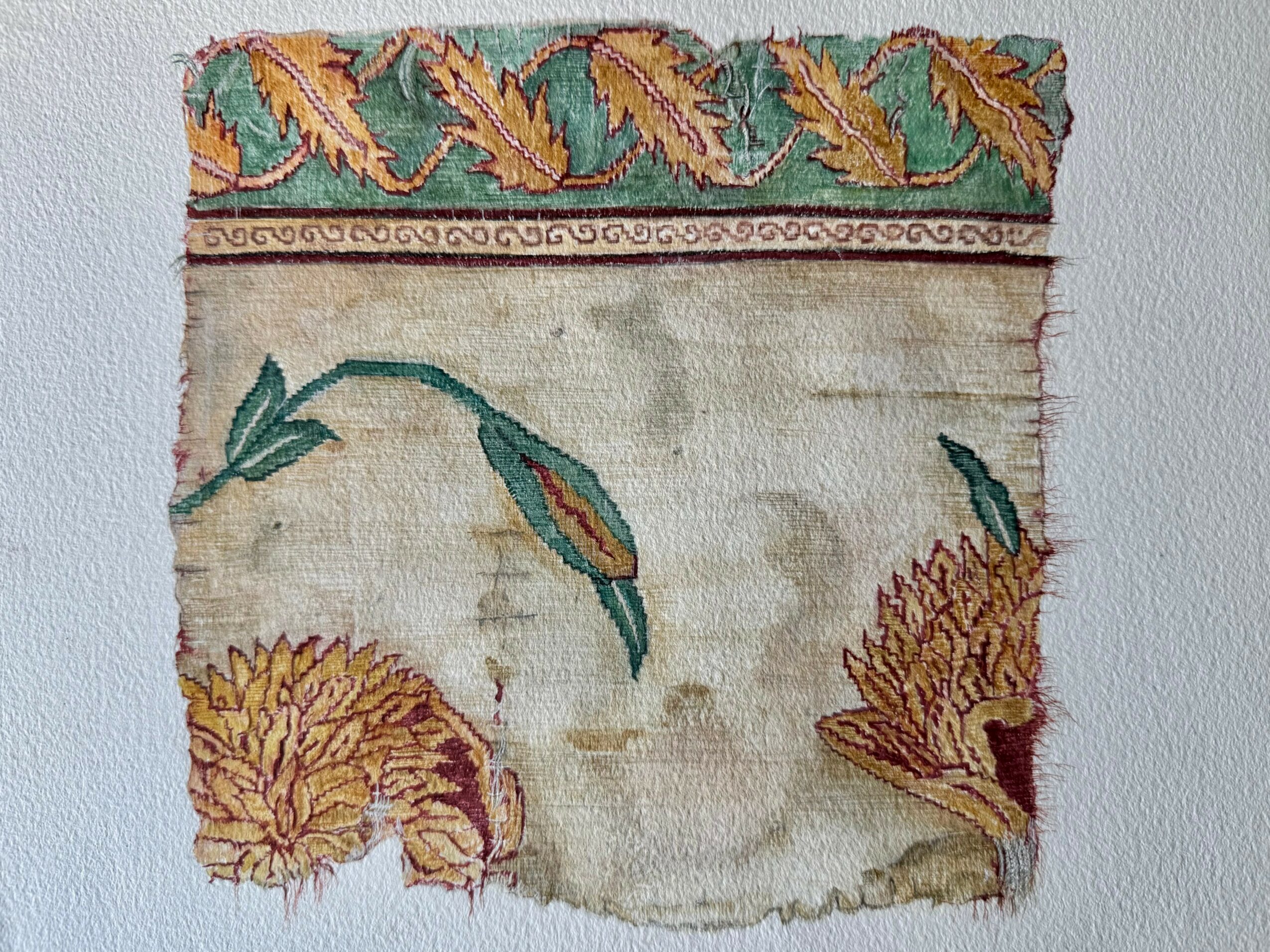
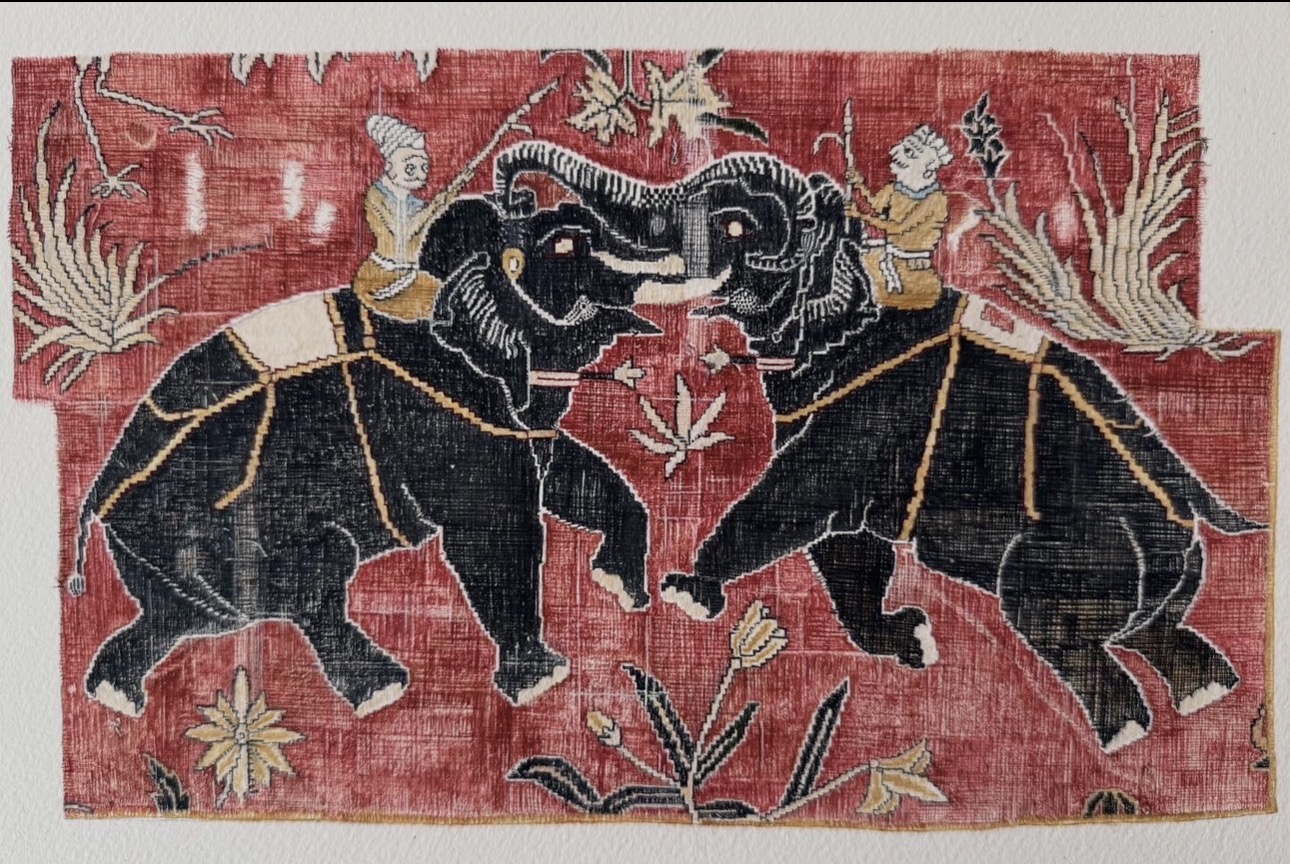
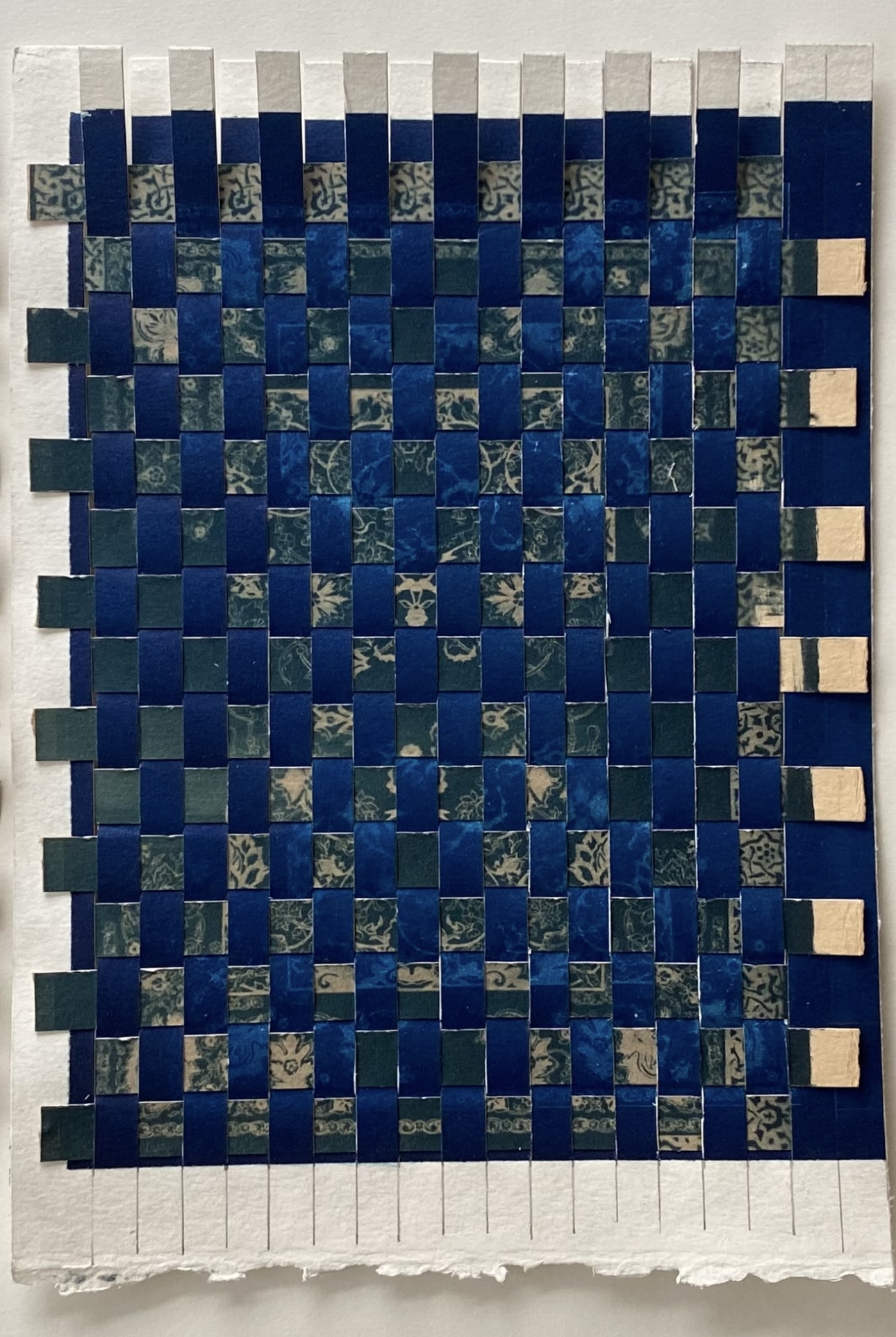
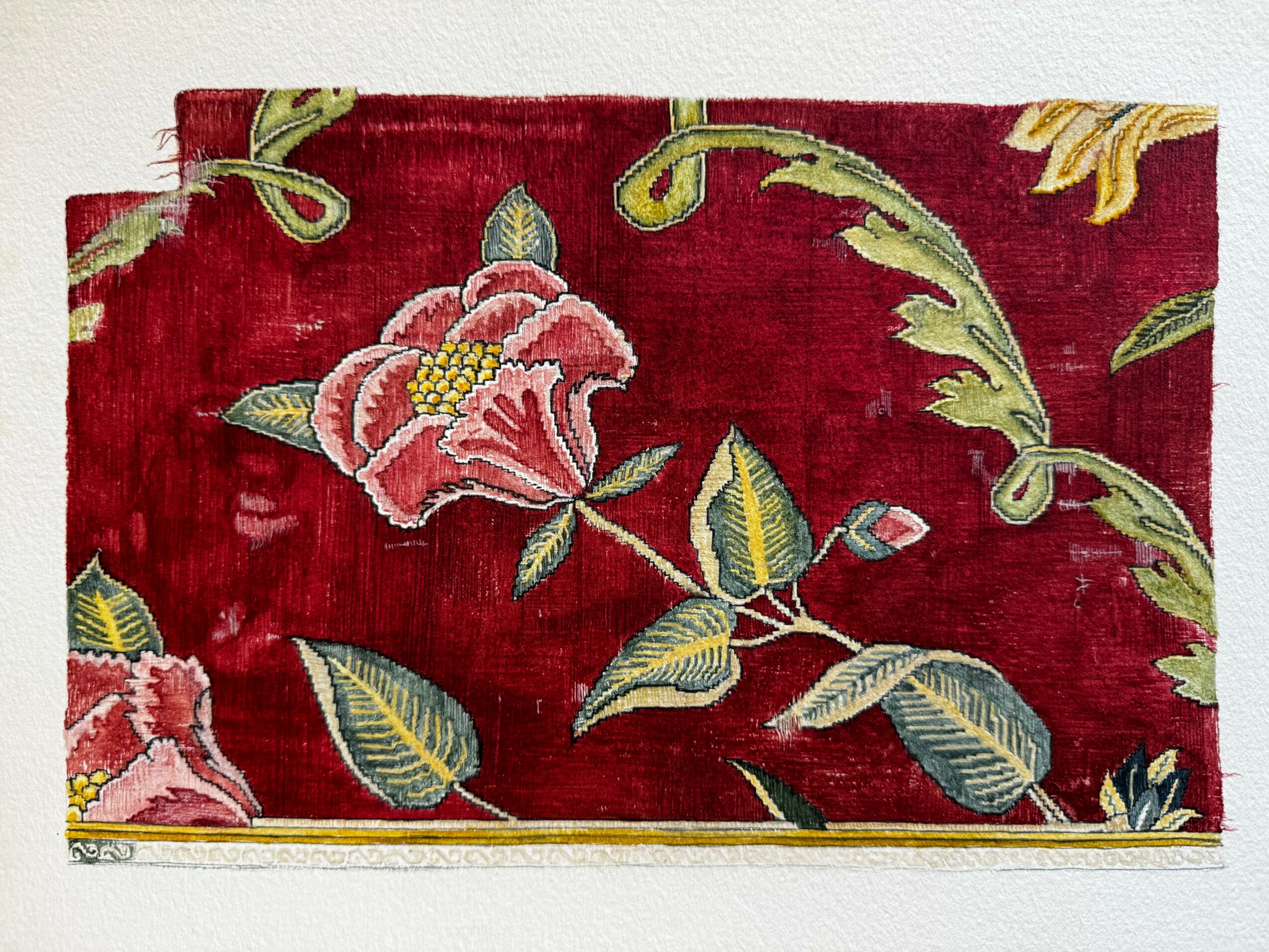
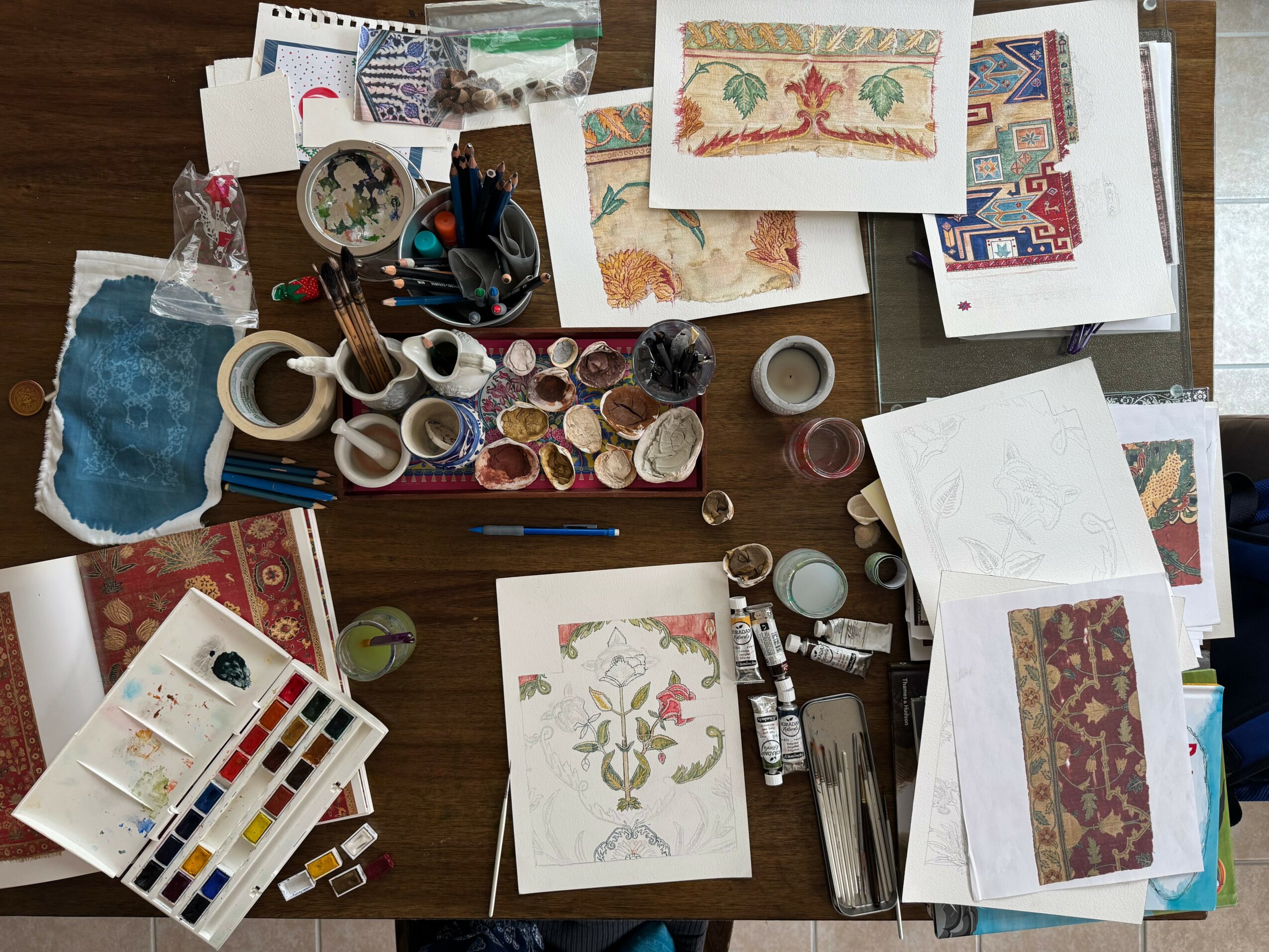
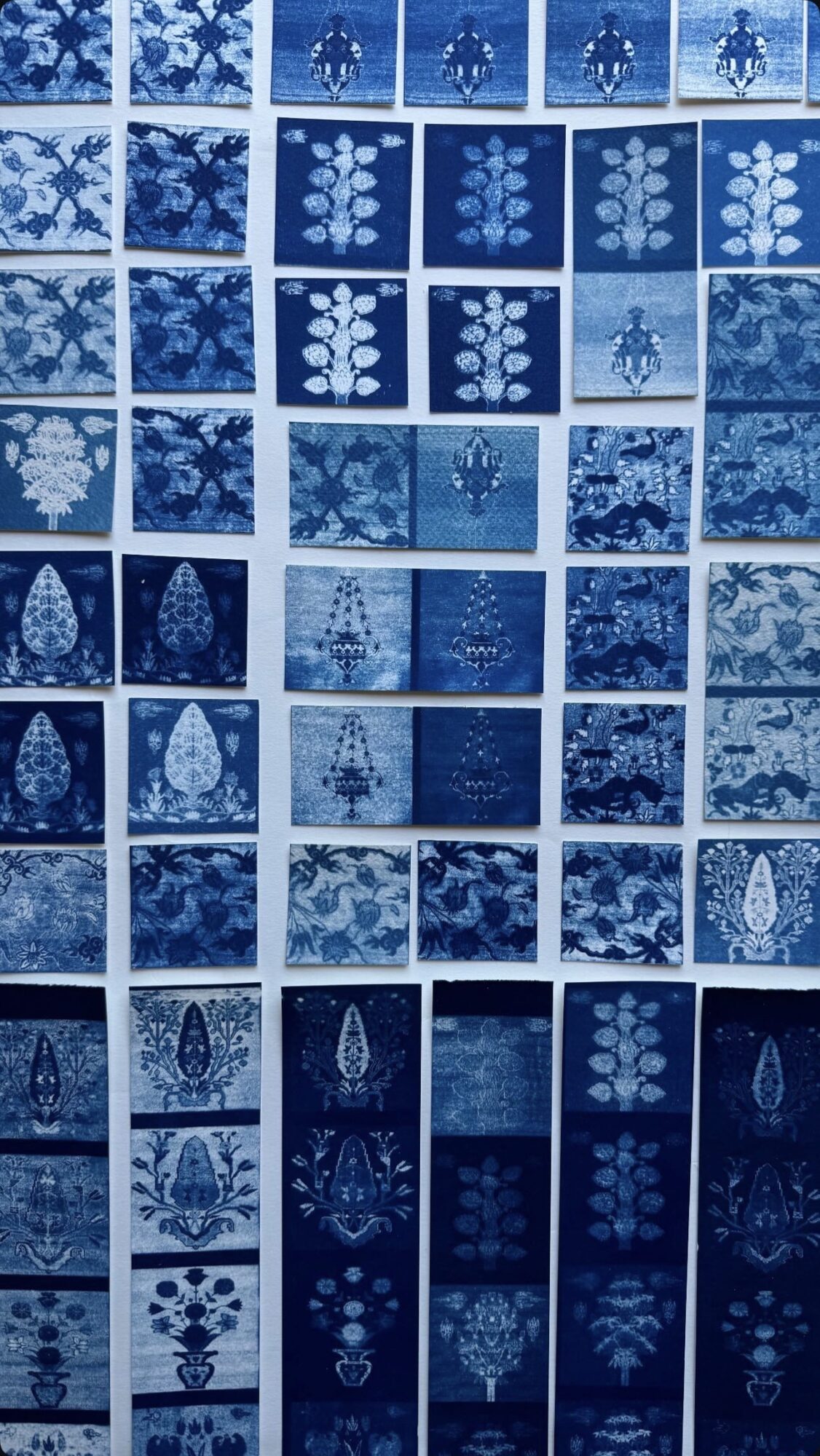
My practice moves between painting, cyanotype, and weaving paper. Drawing from carpets and domestic objects carried across continents, my work examines how personal histories are preserved, altered, and reconstructed over time. By isolating a worn fragment, I shift attention from the carpet as a decorative object to its surface as an archive—marked by time, displacement, and preservation. Through this process, I create fragile archives that reflect the erosion of memory and the emotional weight of displacement.
Developing this practice into a body of work that connects my South Asian heritage and personal experience of migration with broader ideas of memory and belonging has been an accomplishment. Having my work exhibited in galleries across the United States and internationally has allowed these deeply personal stories to become part of a larger conversation about heritage, displacement, and what we carry with us.
How do you think about luck?
In my art practice, I’ve learned that consistency matters. Developing an idea, refining a process, and continuing to make work even when there is no immediate recognition all require commitment. I think what may look like luck from the outside is often the result of years of work quietly preparing you for an opportunity when it finally appears.
This is closely connected to the way I approach my work. I often begin with something that already carries a history—a worn carpet, a fragment, a pattern, or a domestic object—and through painting, cyanotype, cutting, and re-weaving, I slowly transform and reconstruct it. The process is deliberate and often labor-intensive. I’m interested in what can be revealed through that persistence: how a fragment can hold traces of memory, displacement, and time, and how something seemingly damaged or incomplete can become the starting point for something new.
Contact Info:
- Instagram: https://www.instagram.com/maria.rasheed_