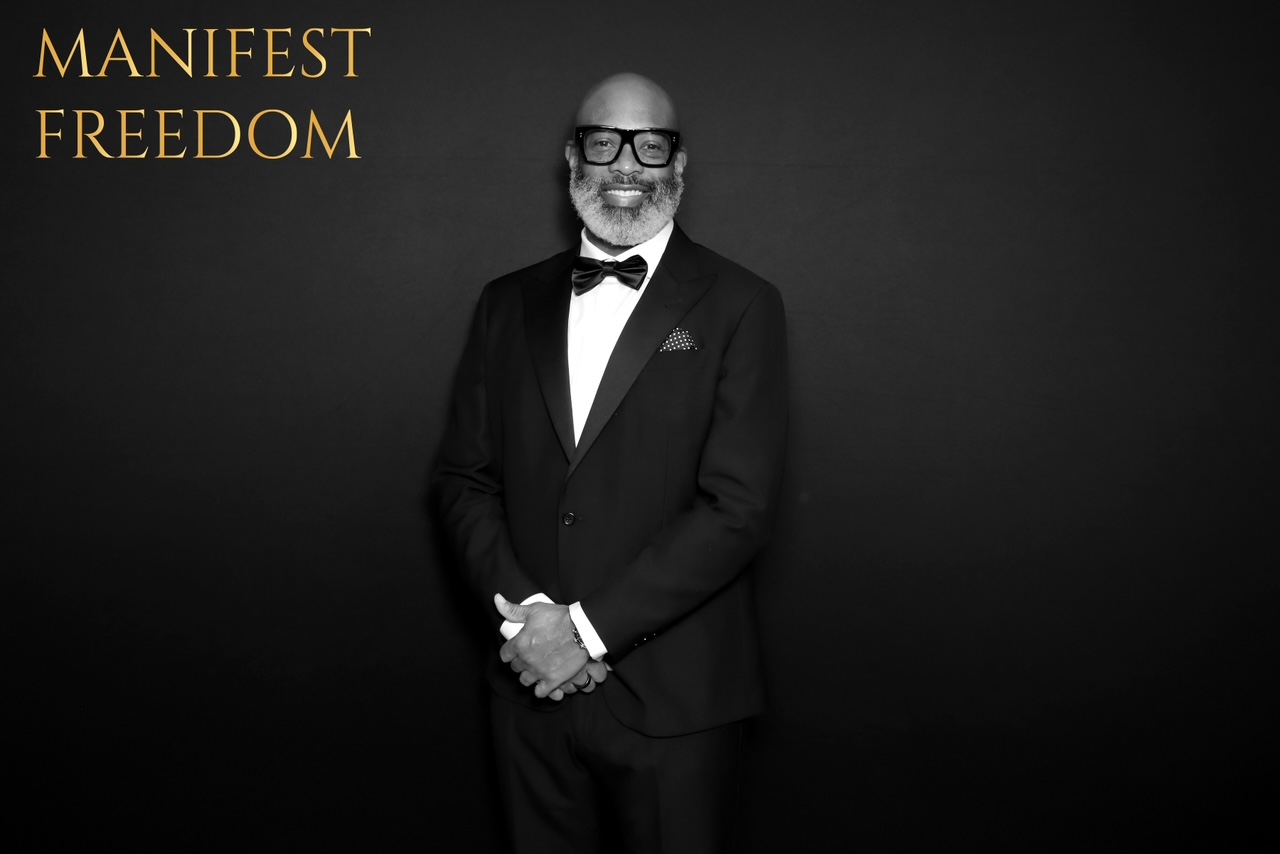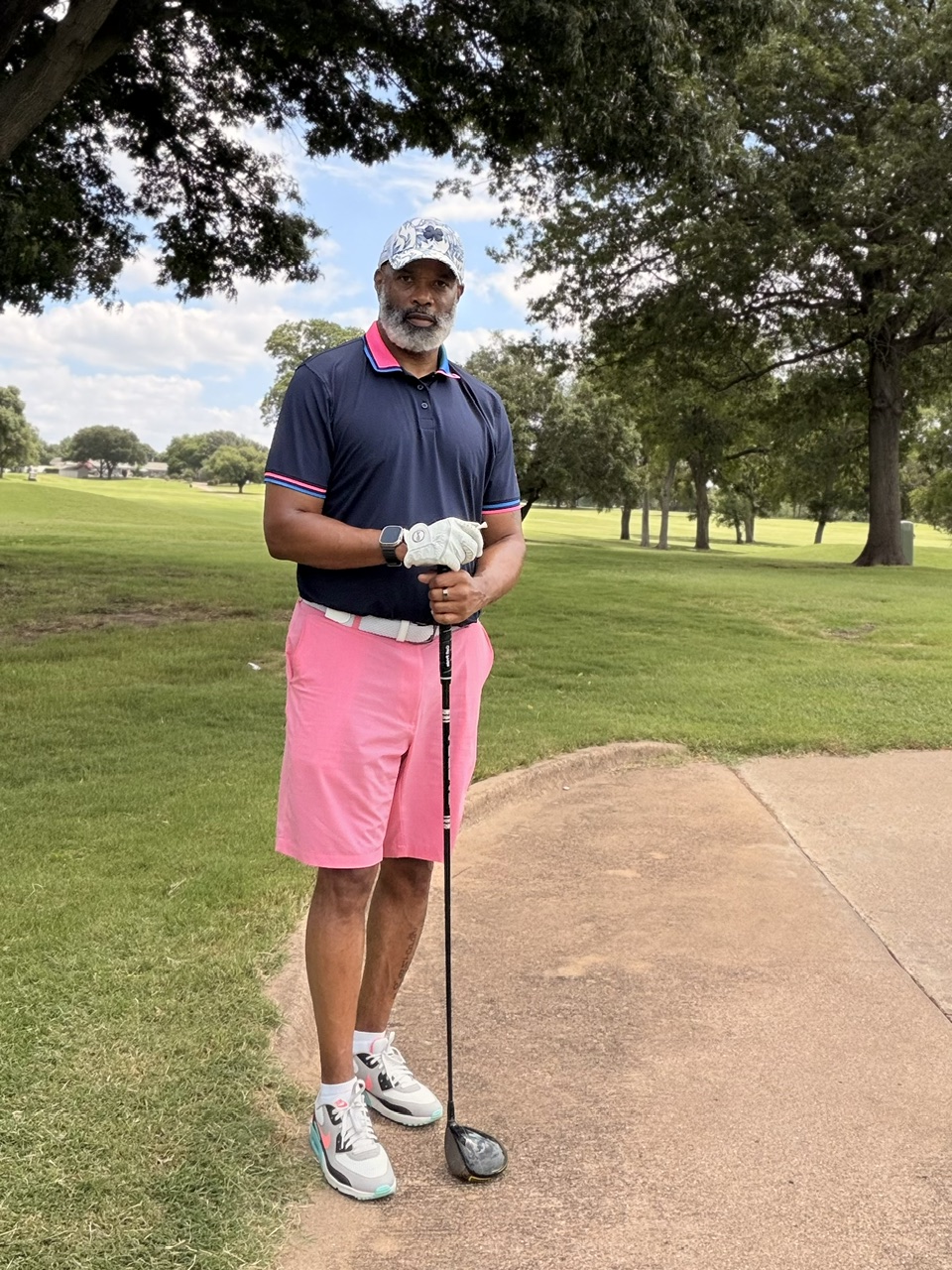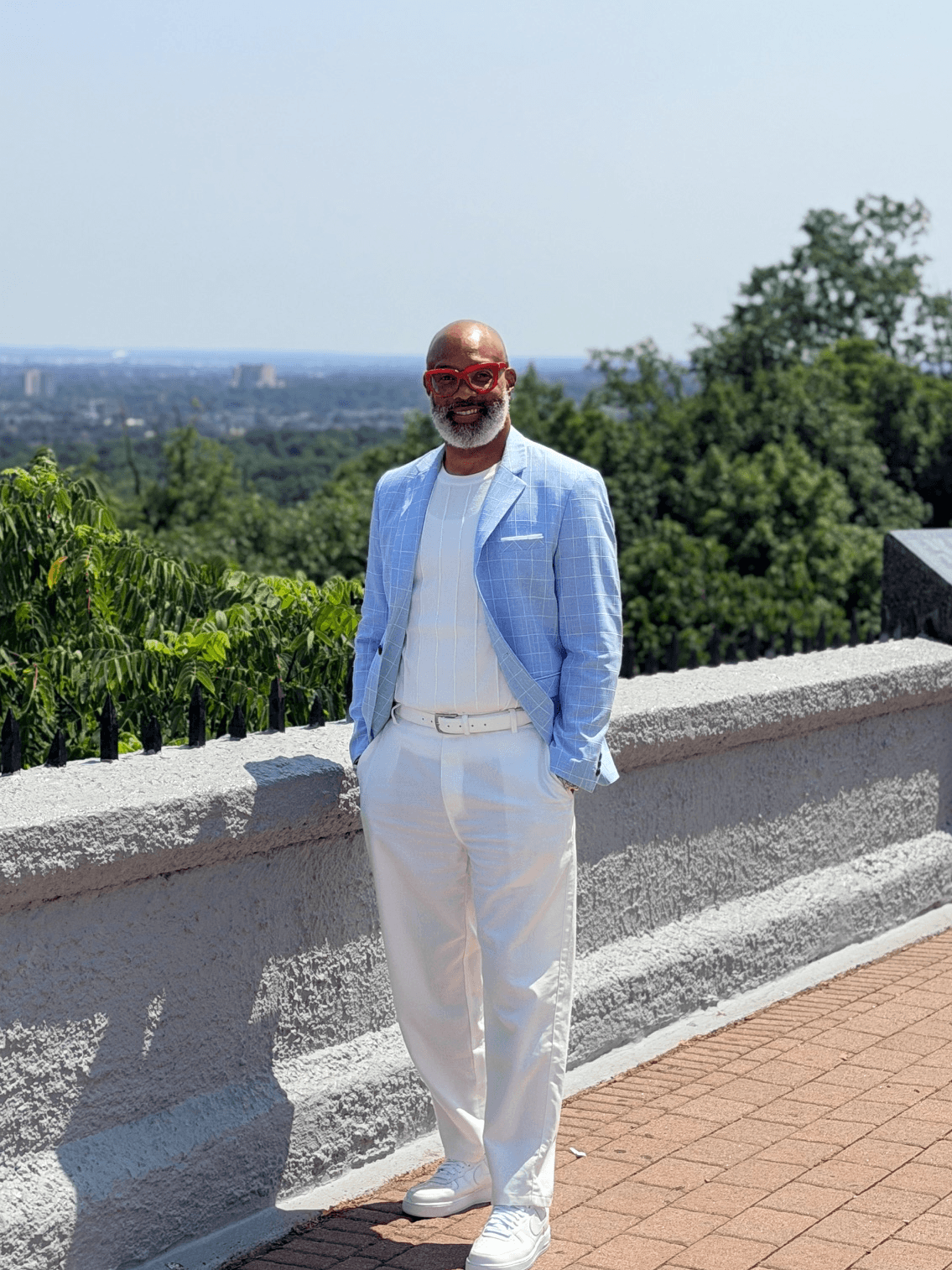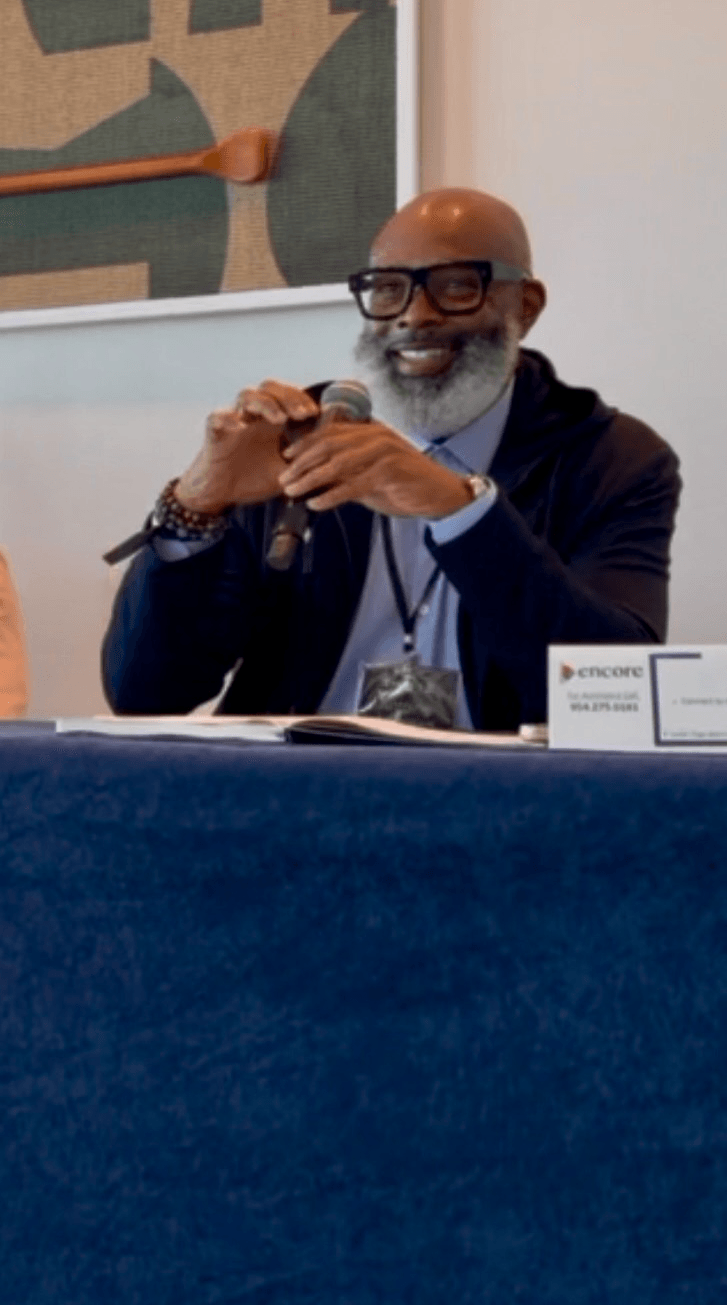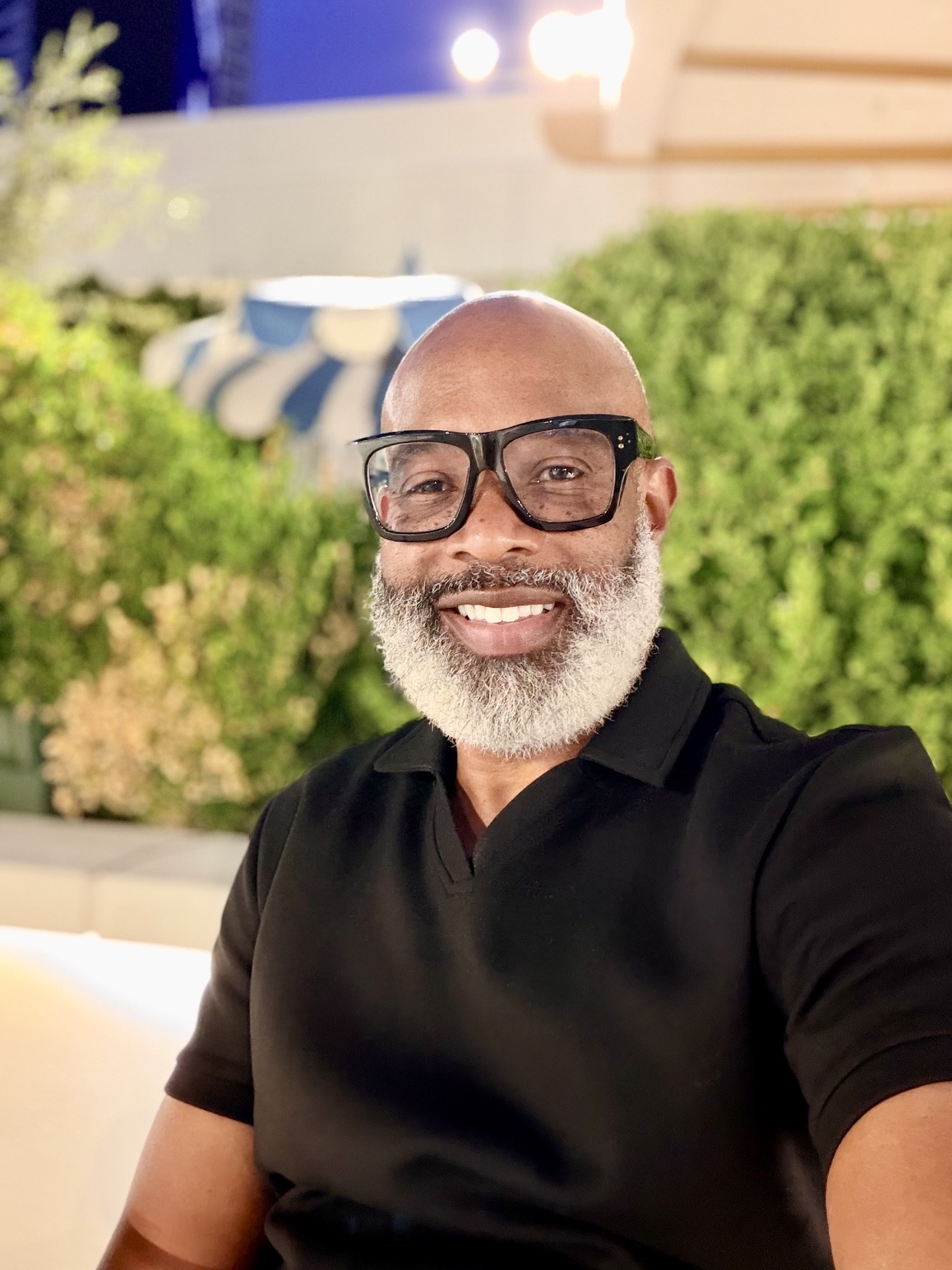






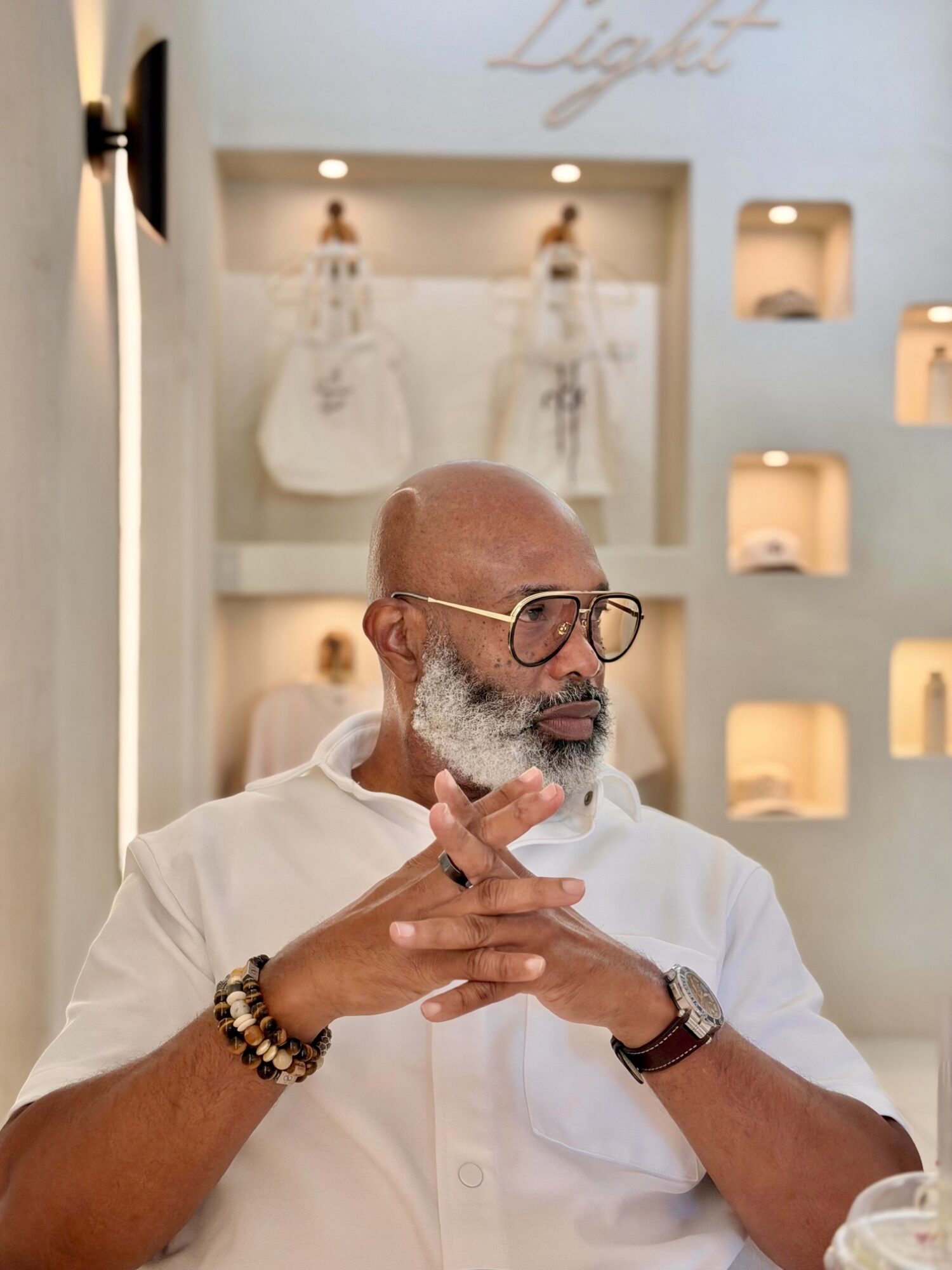
Today we’d like to introduce you to Antoine Rashan Andrews.
Antoine Rashan, we appreciate you taking the time to share your story with us today. Where does your story begin?
I usually tell people there are a few names you should know if you really want to know me. I’m Antoine. A lot of people in my life know me as A-Two. And then there’s Rashan, or Ra. To understand that name, you have to understand a little about where I come from.
I grew up in Newark, New Jersey, and spent part of my childhood in the Bradley Court Housing Projects. Newark in the 1970s and ’80s was a complicated place to grow up. Struggle surrounded us, but that is only part of the story. There was also community, culture, creativity, humor, pride, and people who looked out for one another. Hip-hop began shaping the culture around us, and the way we talked, dressed, played, joked, and learned to carry ourselves became part of how I understood the world.
Growing up there taught me to pay attention. You learned pretty quickly that every room had its own rhythm. You watched people. You listened. You figured out when to speak, when to move, and when something didn’t feel quite right. As a kid, I didn’t have language for any of that. I certainly wasn’t calling it leadership. I was learning how to navigate the world in front of me.
And I definitely wasn’t standing in Bradley Court imagining a career that would eventually take me into leadership roles at companies like Nike, Gap, Symantec, and SurveyMonkey. I didn’t have that kind of line of sight. My world was the world I could see.
Over time, that world got much bigger. I built a career I’m incredibly proud of. I got to work with remarkable people, lead through some incredibly complex moments, travel, and sit in rooms where decisions were being made that affected businesses, communities, and people’s lives. Along the way, I learned a lot about organizations, culture, power, leadership, and myself. I also became very good at succeeding.
I think a lot of high-achieving people will understand that. You learn how to adapt, deliver, lead, keep moving, and meet the expectations that come with each new opportunity. Eventually, I found myself wrestling with a different question: What happens when you’ve gotten good at being successful, but you’re no longer sure success is the only thing you’re trying to achieve? That question changed something for me.
I became less interested in the title someone held and more curious about the person carrying it. I wanted to understand what happens when our responsibilities, ambitions, or lives grow faster than our sense of who we are. And I began asking myself some of those same questions.
That journey eventually led me more intentionally into coaching and to creating ASquared Coaching. I think a lot of high-achieving people will understand that. My work is grounded in a framework I developed called Root, Rhythm, Reach: understanding who you are, becoming intentional about how you move, and recognizing the impact you have on the people and environments around you.
In many ways, ASquared grew out of what my own life had been teaching me. For years, I thought growth was mostly about adding things: more responsibility, bigger opportunities, greater accomplishment, another room I had earned the right to enter. At this stage of my life, I see it differently. Sometimes growth is about addition. Sometimes it’s about stripping away what no longer fits and getting closer to who you’ve always been. Maybe that’s why the names mean more to me now.
Antoine, A-Two, and Ra aren’t three different people. They are names that have traveled with me through different relationships, places, and chapters of my life. Each holds something. Each has a story. And all of them belong to the same man.
For a long time, I learned how to walk into different rooms and understand what the room required of me.
These days, I’m much more interested in walking into the room whole.
Can you talk to us a bit about the challenges and lessons you’ve learned along the way. Looking back would you say it’s been easy or smooth in retrospect?
Not even close.
I’ve had an incredible career, and I’m deeply grateful for it, but I don’t want the résumé version of my life to suggest that one opportunity led to the next. There have been setbacks, disappointments, moments of real self-doubt, and seasons when I was carrying things personally that the people I worked with probably knew very little about.
There were roles I walked into wondering whether I was actually ready for them. I’ve sat in senior leadership positions with significant responsibility and still had moments when I questioned whether I was cut out for the job. Experience doesn’t magically eliminate insecurity. Sometimes the stakes get higher, and the voice in your head gets more sophisticated.
There were also professional setbacks. Opportunities I wanted and didn’t get. Moments when I didn’t perform as well as I expected of myself. Times when I had to confront the difference between being good at what I did and being right for a particular role, organization, or moment. Some of those experiences bruised my confidence. A few forced me to reconsider things I thought I knew about myself.
And then there were moments when what was happening in the world walked directly into my work. Much of my career involved culture, equity, belonging, and social impact. During periods of intense social unrest, particularly around race in America, those issues weren’t abstract professional topics for me. I was helping organizations and leaders navigate conversations that I was also experiencing personally as a Black man in America. Some days, something painful would happen in the world, and I still had to walk into a meeting, help people process what they were feeling, advise leaders on what to say or do, and create space for employees who were hurting. That work mattered deeply to me. It also took something out of me.
One thing I understand better now is that being strong for other people doesn’t mean you are untouched by what you are carrying. There were periods when the emotional weight of the work, the expectations I placed on myself, and things happening in my personal life affected my mental health. Therapy became an important part of learning to understand myself beyond the version of me that could always handle it, fix it, lead through it, or keep moving.
My physical health has challenged me too. I’ve had health issues that forced me to slow down and confront something high achievers aren’t always very good at accepting: your body does not care about your title, your calendar, or how much people depend on you. There are moments when life makes the decision for you and says, “You’re going to pay attention to this now.”
Those experiences changed how I see strength. I used to think strength meant being able to carry a lot without letting people see the weight. I don’t believe that anymore. I think strength also means knowing when something is heavy. Asking for help. Admitting when you don’t know. Giving yourself permission to be scared. And understanding that vulnerability doesn’t make you less capable of leading.
The road hasn’t been smooth, and I wouldn’t romanticize the difficult parts by saying I’m grateful for every one of them. Some things were simply hard. Some hurt. Some I would have gladly done without.
But I know this now: strength isn’t proving how much you can carry. Sometimes it’s recognizing what you’re carrying and deciding you don’t have to carry it alone.
We’ve been impressed with ASquared Coaching, but for folks who might not be as familiar, what can you share with them about what you do and what sets you apart from others?
ASquared Coaching is an executive coaching and leadership advisory practice I created for leaders who have accomplished a great deal but find themselves at a point where the next step isn’t simply about doing more. Sometimes the role has gotten bigger. Sometimes life has changed. Sometimes what made you successful no longer feels like enough. And sometimes you realize that you’ve spent so much time becoming who you needed to be that you haven’t stopped to ask who you want to be now. That’s the space where I do my best work.
I work primarily with executives and high-performing leaders navigating growth, transition, expanded responsibility, or some form of internal misalignment. They don’t usually come to me because they need someone to tell them how to lead. Most of them already know how to lead. What they need is a place where they can put down the title for a minute, think honestly, challenge some of their own assumptions, and reconnect who they are with how they lead.
The philosophy behind ASquared is captured in a framework I created called Root, Rhythm, Reach.
Root is who you are. Your values, experiences, identity, beliefs, and the things that ground you when everything around you is moving.
Rhythm is how you move. How you make decisions, build relationships, respond under pressure, communicate, and translate what you believe into how people actually experience you.
Reach is what happens because you were there. The impact of your leadership on other people, the culture you help create, and whether your presence creates more possibility for the people around you or less.
The framework is simple by design, but the work underneath it can get pretty deep. Most of my coaching engagements unfold over a series of six to twelve sessions. That gives us enough time to move beyond whatever brought someone to coaching and explore the patterns, choices, relationships, and questions underneath it.
For leaders at a more significant inflection point, I offer The Journey, a deeper coaching experience built around Root, Rhythm, Reach. The Journey isn’t about arriving with a neatly defined leadership problem to solve. It creates space to step back and examine the larger picture: who you are now, what has shaped you, what you may have outgrown, how you want to move through this next season, and the kind of impact you want to have along the way. We may talk about leadership, career, identity, relationships, purpose, or transition because, in real life, those things rarely stay in separate boxes. The goal isn’t to leave The Journey with a new version of yourself. It’s to leave with a clearer relationship to the person who is already there. That idea is also at the heart of how I coach.
I don’t approach coaching as if there is something wrong with the person sitting across from me that I need to fix. I’m much more interested in helping someone get curious about themselves. I ask a lot of questions. I listen for what is being said and sometimes for what isn’t. I’ll challenge you, and there may be moments when I tell you something you don’t particularly want to hear. But there’s no performance required in the room with me.
My approach also comes from having sat in many of the seats my clients occupy. I’ve led teams, advised CEOs and boards, navigated organizational change, made difficult people decisions, gotten things wrong, questioned myself, experienced success, and had to figure out who I was when a title or chapter changed. I understand both the organizational realities leaders face and the very human experience of being the person expected to lead through them. That combination matters to me.
When I think about what I’m most proud of with ASquared Coaching, it isn’t a program, a logo, or even the framework. It’s the belief at the center of the brand: authentic leadership creates freedom and space for others to flourish.
I don’t think authenticity means saying whatever you want or showing up exactly the same way in every situation. Leadership requires judgment, adaptability, and awareness of other people. For me, authenticity means knowing yourself well enough that adapting to the room doesn’t require abandoning yourself in the process. That’s ultimately what I want ASquared to be known for.
Of course, I want the leaders I coach to become more effective. I want them to navigate transitions well, expand their influence, strengthen relationships, make better decisions, and have greater impact. But I’m equally interested in helping them become more aligned with themselves while they do it. I’ve come to believe that the goal of leadership isn’t simply to become the kind of person who can command a room.
It’s to become the kind of person whose presence creates room for other people too.
Is there anything else you’d like to share with our readers?
There are a lot of things that make me who I am that probably don’t show up in a professional bio. I’m a reader, but I’m probably even more of a collector of ideas. I can find something that makes me think in a novel, a conversation, a piece of music, a documentary, a sneaker store, or just sitting somewhere watching how people interact. Curiosity is probably one of the things I value most about myself.
Toni Morrison is one of the writers I return to. I love her work, and The Bluest Eye has stayed with me because of the way she explores beauty, race, identity, belonging, and what can happen when the world’s definition of your worth becomes louder than your own. Morrison could take something deeply personal and show you all of the forces surrounding it without ever losing the humanity of the person at the center.
James Baldwin does something similar for me. What I love about Baldwin is his willingness to look directly at something difficult and refuse the easy answer. He makes me examine what I think I know. That has influenced not only how I think, but how I coach and how I’m beginning to approach my own writing.
More recently, Ta-Nehisi Coates’ The Message gave me a lot to sit with around storytelling, power, place, and who gets to shape the narratives we inherit. I’m drawn to books that don’t simply give me answers. I like books that leave me with better questions.
Then there are books that have helped me think about how I want to live. Ikigai introduced me to a way of thinking about meaning, purpose, and the things that make a life feel worth getting up for. The Four Agreements is one of those deceptively simple books whose ideas are much harder to practice than they are to understand. And The Alchemist continues to remind me that sometimes the journey toward what we’re searching for changes us as much as finding it.
And then there’s Dapper Dan’s Made in Harlem.That one hits differently.
Fashion has always mattered to me. Not simply clothes, but style as a form of identity and storytelling. Dapper Dan took what the world around him gave him, remixed it through a distinctly Black and Harlem lens, and created something the traditional fashion world eventually had to recognize. There’s entrepreneurship in that story, but there’s also culture, resistance, imagination, and the audacity to define luxury for yourself.
That probably explains my relationship with sneakers too. I’m a sneakerhead, and have been for a long time. Growing up in Newark as hip-hop culture was taking shape, sneakers were never just something you put on your feet. They were part of how we expressed ourselves. The right pair, how you wore them, how clean you kept them, what you paired them with, all of it said something before you ever opened your mouth.
I still love that about sneakers. I love the design, the history, the hunt, and the stories behind them. I love how a shoe can connect sport, music, fashion, art, neighborhood, and culture all at once. And yes, I still get excited about a great pair of sneakers. Some things you’re supposed to outgrow. I’ve decided that isn’t one of them.
Fashion, hip-hop, literature, and leadership may look like completely different interests, but I don’t experience them that way. They’re all places where people are asking some version of the same questions: Who am I? How do I want to be seen? What do I value? What am I trying to say?
I also listen to podcasts, read articles, and follow thinkers across leadership, culture, psychology, business, and creativity, but I try not to build an information bubble around myself. Some of the things that help me most have nothing to do with leadership.
People are a resource for me too. I’ve been fortunate to have people in my life who challenge my thinking, introduce me to new ideas, and sometimes see possibilities for me before I see them myself. Snjezana Pruginic, who recommended me for this VoyageDallas feature, is one of those people. I’m grateful that she thought my story was worth sharing and opened this particular door for me.
Music helps. Golf helps, although golf also has a unique ability to make you question every positive thing you previously believed about yourself. Travel helps. Therapy has helped. Writing helps. A good conversation with someone who sees the world differently than I do can help tremendously. And increasingly, I value quiet.
At this stage of my life, doing my best doesn’t always mean finding another book, downloading another app, or consuming more information. Sometimes the resource I need is enough space to hear myself think. I’m learning there’s a difference between constantly feeding your mind and actually giving it time to digest.
Contact Info:
- Website: https://asquaredcoaching.com/
- LinkedIn: https://www.linkedin.com/in/antoineandrews/