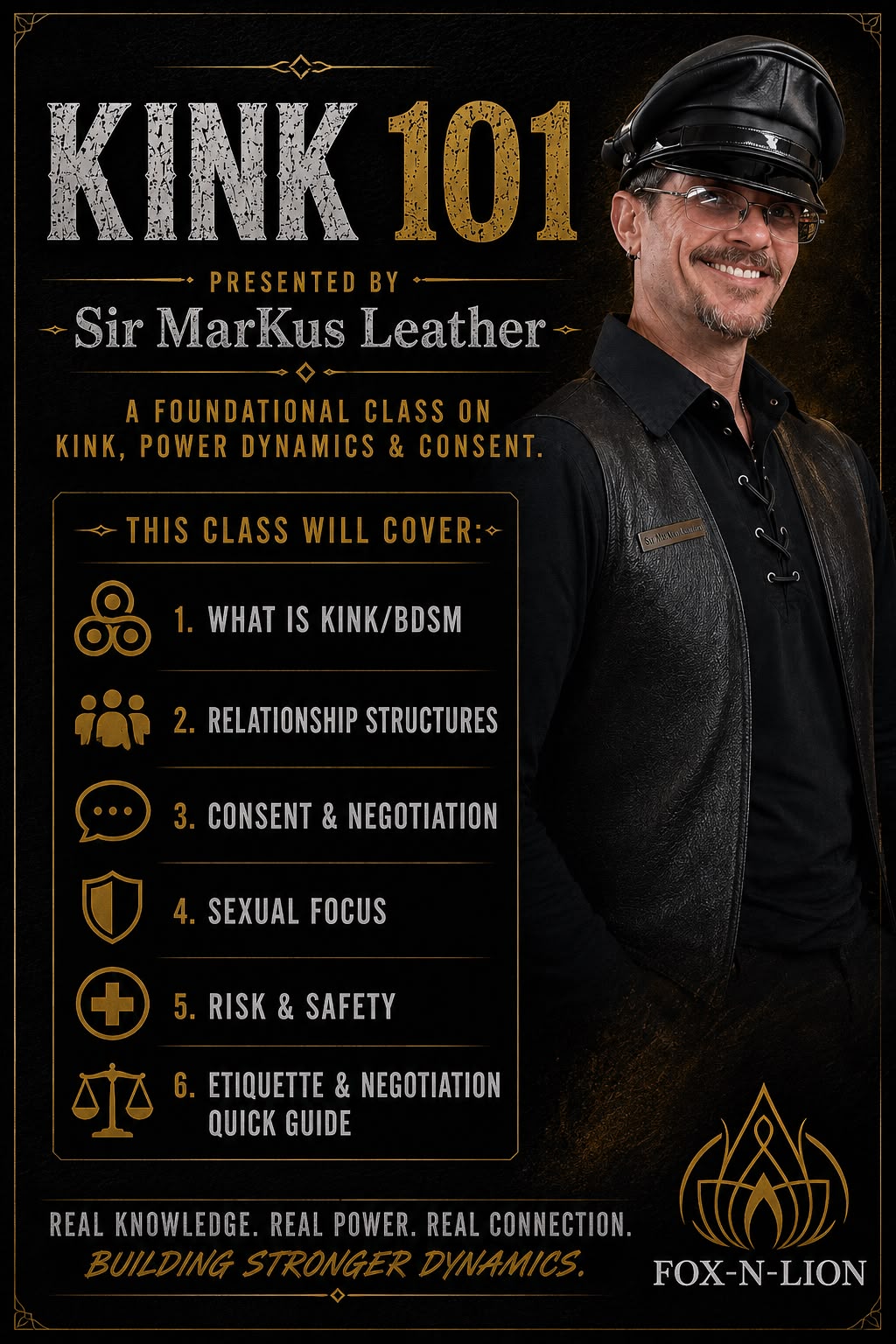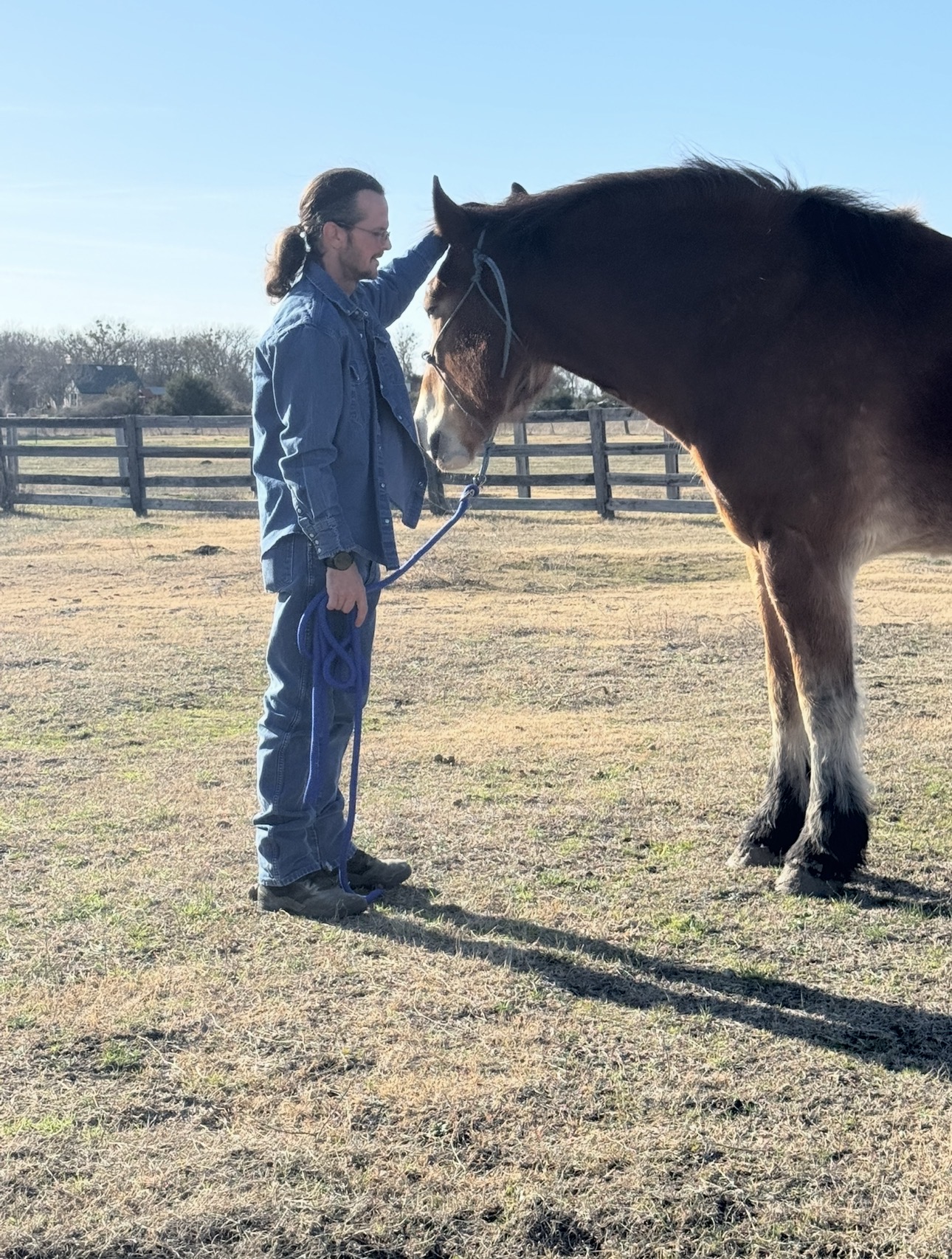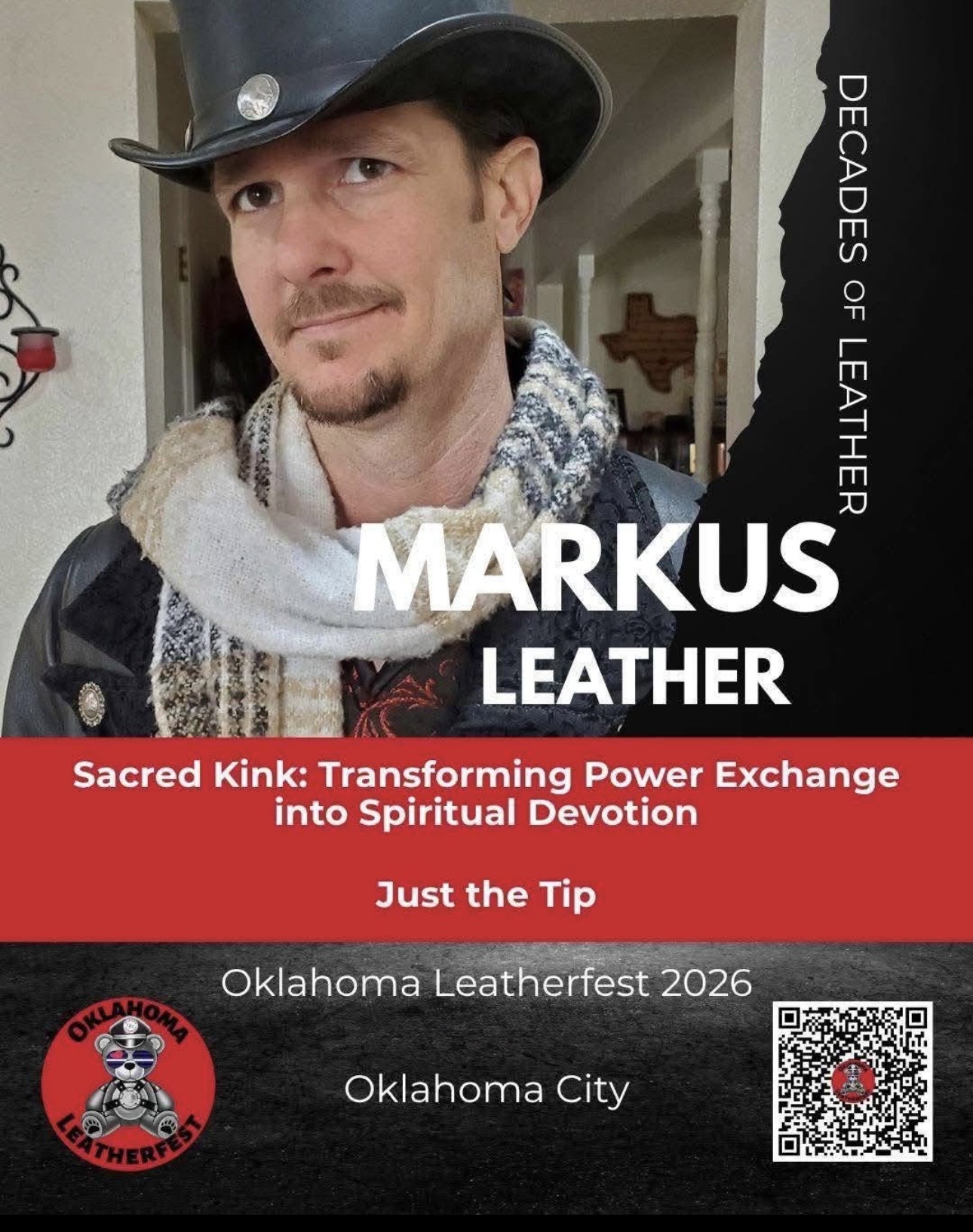






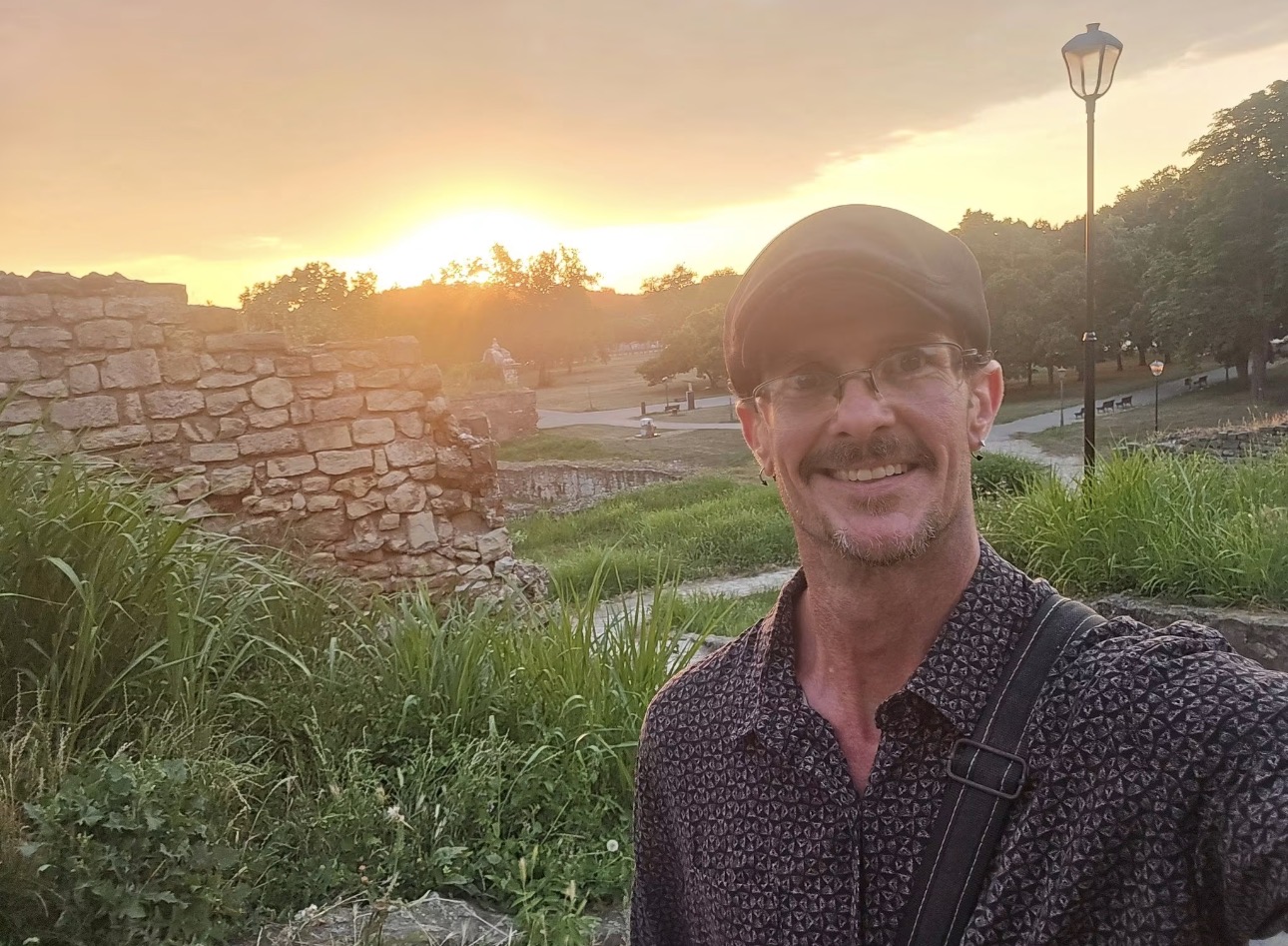
Today we’d like to introduce you to MarKus Leather.
Hi MarKus, can you start by introducing yourself? We’d love to learn more about how you got to where you are today?
My path as an educator has never really followed one straight line. Over the years, my interests and studies have taken me through a number of different disciplines, including Chi Kung, Tiger Crane Kung Fu, behavioral sciences, and alternative lifestyles. Each of those areas has influenced not only what I teach, but how I approach teaching and working with people.
In 2015, I founded HOME as a safe space for people to explore alternative lifestyles while also learning how to integrate those experiences into their everyday lives. For me, the work has never been about separating alternative lifestyles from the rest of who someone is. It is about understanding the whole person and giving people the knowledge and tools to make informed, intentional choices for themselves.
When COVID hit in 2020, it gave me an opportunity to return more of my focus to alternative lifestyle education and counseling. At the same time, I continued furthering my education in the behavioral sciences, ultimately earning a degree in psychology with a concentration in human sexuality. That education added another layer to how I understood communication, relationships, human behavior, sexuality, and the way people learn.
All of those experiences eventually contributed to the work I do today through Fox & Lion, but education has really been the common thread throughout the journey. Whether I’m teaching martial arts, leathercraft, BDSM, relationships, or other aspects of alternative lifestyles, my goal is to create an environment where people can ask questions, understand the why behind what they’re learning, and walk away with something they can actually use.
I’m sure it wasn’t obstacle-free, but would you say the journey has been fairly smooth so far?
It definitely hasn’t always been a smooth road. A lot of the challenges have come from the stigma, judgment, and sometimes even ridicule that still surround alternative lifestyles, sexuality, and the kinds of topics I teach.
What has been interesting is that judgment doesn’t only come from outside these communities. Even within spaces that consider themselves open-minded or nonjudgmental, people can still carry their own biases about how someone else chooses to live, identify, build relationships, or express themselves. Creating an educational environment where people can challenge those assumptions without feeling attacked or shamed can be difficult, but it is also an important part of the work.
Another challenge is simply people’s comfort level. We’re talking about subjects that can be incredibly intimate or are still considered taboo. Sexuality, relationships, BDSM, desires, boundaries, and personal experiences aren’t always easy things for people to discuss openly. Sometimes the first hurdle isn’t teaching the subject at all—it’s creating enough trust and safety for someone to feel comfortable asking the question they actually want to ask.
Those challenges have reinforced for me why this kind of education matters. If we can create spaces where difficult or taboo subjects can be discussed openly, respectfully, and without judgment, people have an opportunity to learn more about themselves and each other.
As you know, we’re big fans of you and your work. For our readers who might not be as familiar what can you tell them about what you do?
My work centers around human sexuality, with a particular focus on education, exploration, and creating spaces where people feel safe enough to ask questions, challenge assumptions, and better understand themselves. Much of what I do involves subjects that are often considered intimate, unconventional, or taboo, so creating an environment free from judgment is an important part of how I approach both education and counseling.
What I am most proud of is the trust people place in me. There is a tremendous amount of vulnerability involved when someone allows you into parts of their life or identity they may not feel comfortable sharing elsewhere. Being trusted to hold that space, whether someone is exploring something for the first time, working through uncertainty, or simply trying to better understand what they want, is something I don’t take lightly.
There is also a somewhat selfish pleasure I get from opening a door for someone. I may introduce them to an idea, skill, experience, or part of themselves they hadn’t considered before, and then months or even years later, I get to see them enjoying it, exploring it on their own, or even sharing that knowledge with someone else. There is a great deal of pride in knowing I had a small part in helping someone discover something that ultimately became their own.
What sets me apart is that I don’t teach these subjects solely from an academic or theoretical perspective. I live within the communities and lifestyles I educate about, and I bring personal lived experience into the work alongside my education. I understand that what looks straightforward in a textbook can be much more nuanced when applied to actual people, relationships, identities, and experiences. That combination allows me to teach from both knowledge and experience while recognizing that there is rarely one “right” way for someone to explore who they are.
What do you like best about our city? What do you like least?
City life has never really been where I feel most at home, so Dallas and I have an interesting relationship. What I appreciate most about the city is the melting pot of people, cultures, backgrounds, and experiences that exist here. When you bring that many different people into one place, you have the opportunity to encounter perspectives you may never have considered otherwise. For someone whose work centers around human sexuality, alternative lifestyles, and creating space for people to explore who they are, that diversity of thought and experience is incredibly valuable.
What I appreciate least is that, despite all of that diversity, Dallas can still be surprisingly close-minded. There can be a disconnect between having a diverse population and genuinely being open to perspectives or ways of living that fall outside of what someone considers conventional. At the same time, those challenges reinforce why spaces that encourage respectful conversation, curiosity, and education are important.
Dallas may not have made me a city person, but I value the people I’ve encountered here and the different perspectives they continue to bring into my life and work.
Contact Info:
- Instagram: https://www.instagram.com/leather_markus?igsi=MTVyaDd3em1oN2xuMg==
- Facebook: https://www.facebook.com/share/1E11dxSvQx/?mibextid=wwXIfr