


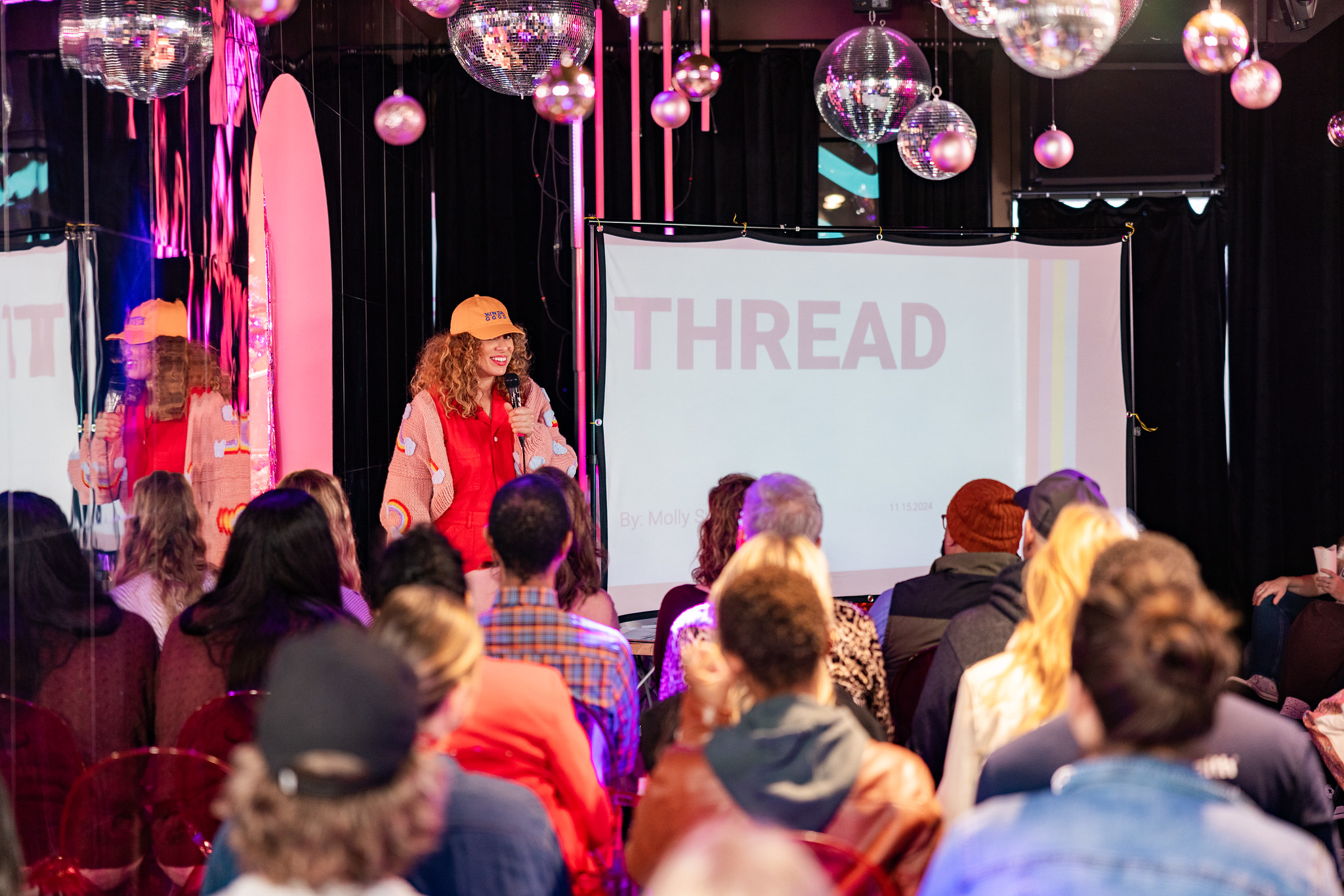
Today we’d like to introduce you to Molly Sydnor.
Hi Molly, thanks for joining us today. We’d love for you to start by introducing yourself.
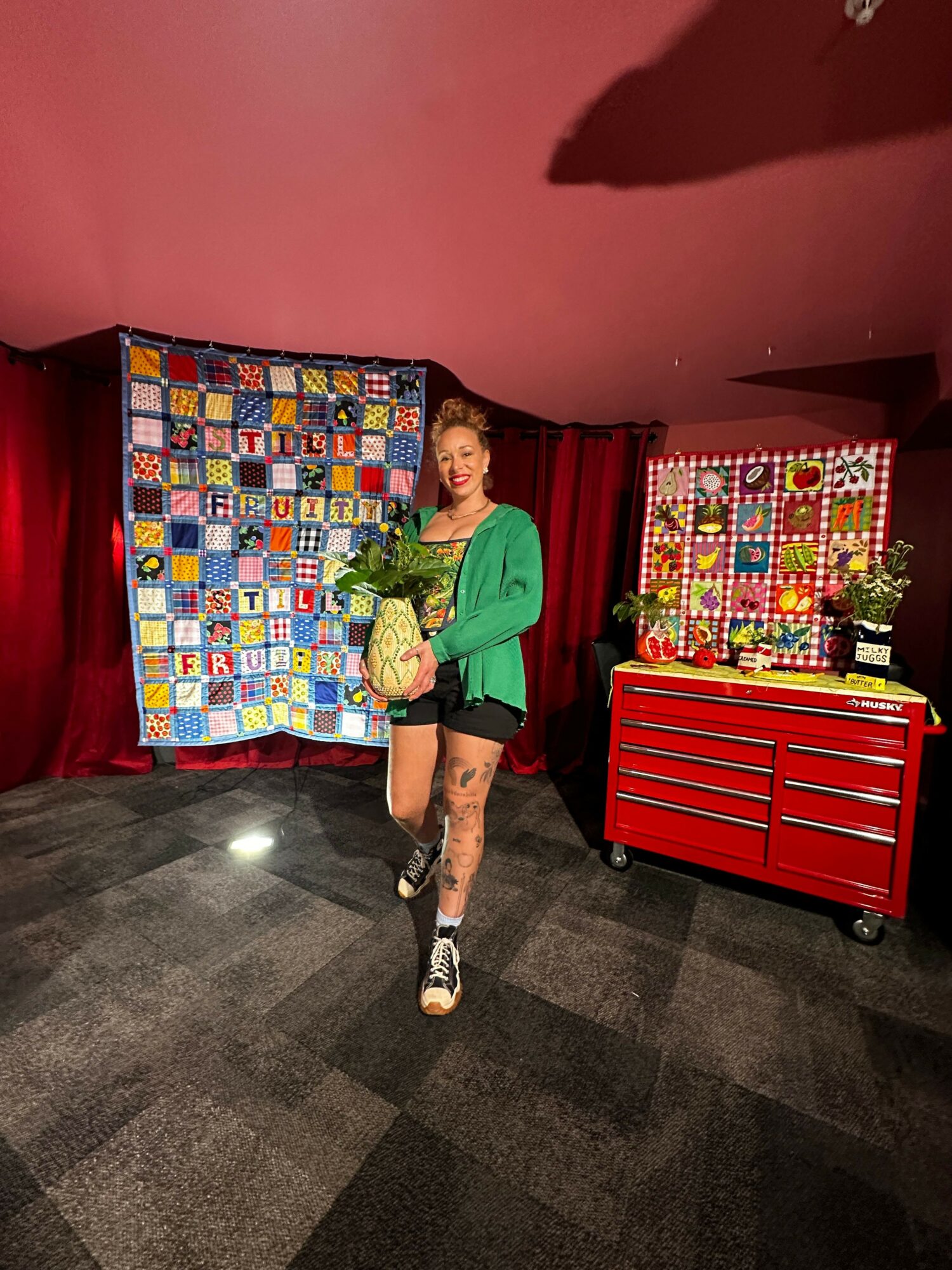
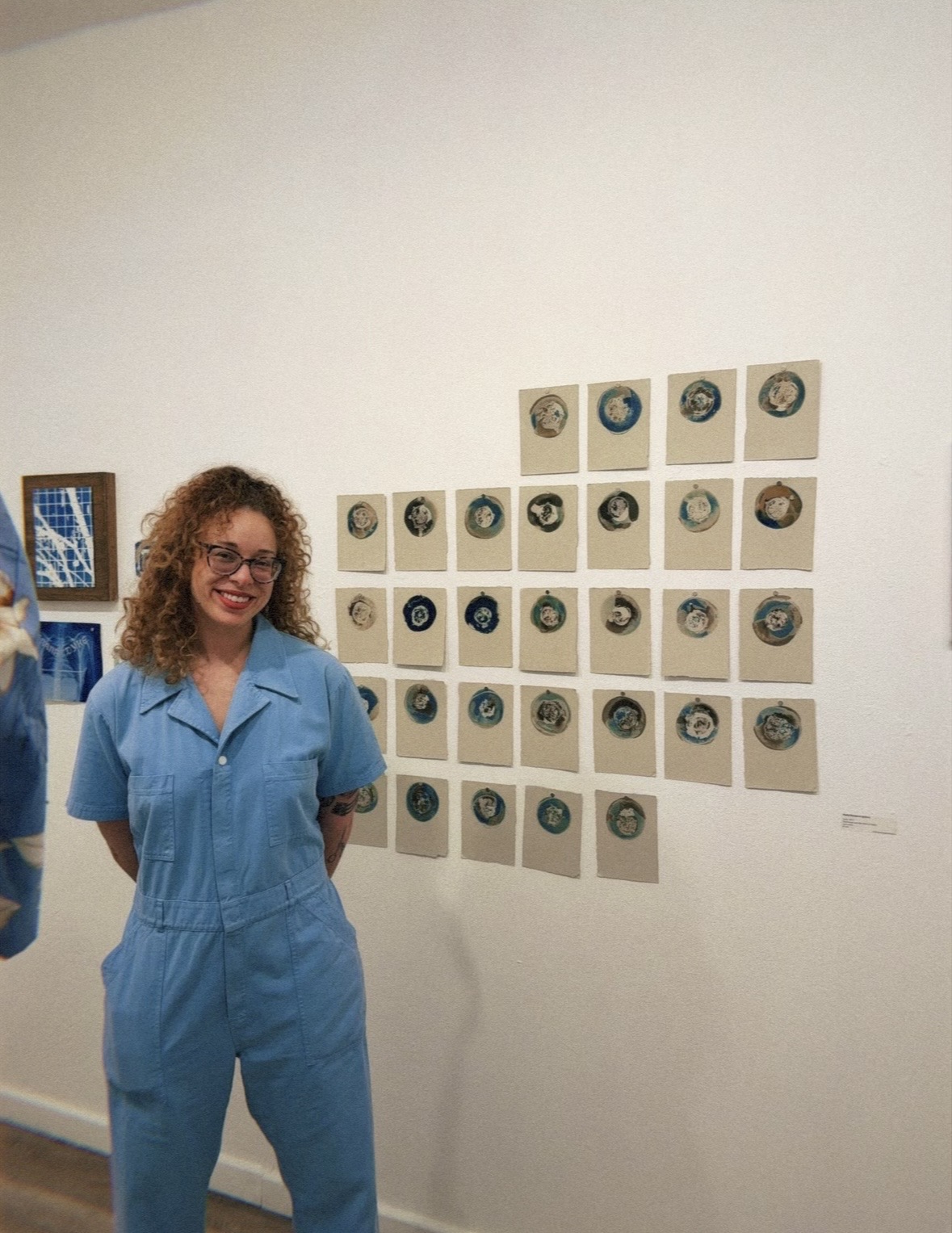
I have intentionally built my practice at the intersection of art, culture, community, and creative strategy. I studied Fine Art at The Maryland Institute College of Art, and began my career as a working artist while traveling the world as a textile designer (rugs, pillows, interior design focused work). Those early experiences gave me a better understanding of how expansive a creative life could be! Through a lot of trial and error with my personal practice and freelance work, I ultimately changed my career from product development to external affairs strategy via marketing, social media, education, programming and digital engagement. The goal then was simple, I wanted to round out my experience working towards becoming a creative director. Not just making and creating things, but collaborating with people, learning from different cultures and industries, and finding ways for contemporary art, good design and innovation to connect people.
Over the past decade, I’ve moved between the worlds of design, art, education, nonprofit work, and cultural institutions. Though not necessarily on purpose and with a lot of initial confusion, I’ve never really viewed those as separate paths. My professional work has always informed my life as an artist, and my studio practice has continually informed how I approach my career. Working in arts organizations, creative industries, fundraising, teaching, and advocacy has given me opportunities to share my passion with broader audiences, support other artists, produce platforms for creative people, and help build communities around the things I care about.
A huge part of that has happened in Texas. Alongside my professional career, I’ve built an active and fruitful studio practice and created spaces for other people to connect through art and community. I co-founded and directed Local Queer throughout DFW for about five years, expanding it to Austin, taught art and activism (artivism) to underserved youth in Dallas, organized and participated in numerous exhibitions and residencies globally, and collaborated with people and organizations across art, hospitality, sports, and culture. Much of my work has been about creating opportunities that I wished existed for myself and then opening as many doors as I can for other artists and creatives. Even if it is something as simple as hosting a weekly craft night for friends and friends of friends (one of my favorite weekly activities).
At the same time, I’ve continued to develop my own practice and make work wherever I am. Traveling has always been an important part of that, from my years designing rugs around the world to international exhibitions, residencies, and more recently pursuing new opportunities to study and make art abroad. I’m interested in a creative life that doesn’t have a strict boundary between the studio, the workplace, and the community. Hell, I am returning to Greece in November to study marble carving with a French sculptor! Not even in my wildest dreams did I think I would make art in Greece, let alone have not one, but two residencies in the Cyclades.
When I look back at the last decade, the through-line is really clear and extremely consistent. I’ve spent my life making things and bringing people together. Sometimes that has meant making an artwork in my studio, partnering with a fortune 500 company to give a public speech on DEI and the importance of arts funding, sometimes building and maintaining a community through event production and local networking, other times creating an opportunity for another artist and being that connector, and more often than not, its consulting with an institution to tell its story to different generations and audiences. It has been a rocky journey to experiment, grow, find my people, and build a creative life. I’m proud of what I’ve produced, the opportunities i’ve earned and I’m excited to see where that creative life takes me next.
Can you talk to us a bit about the challenges and lessons you’ve learned along the way. Looking back would you say it’s been easy or smooth in retrospect?
It definitely hasn’t been a smooth road. One of the hardest parts of building a creative career has been figuring out how to financially sustain an artistic life while also continuing to grow professionally. For years, I’ve taken jobs that were not necessarily where I ultimately wanted to land because they gave me the stability, experience, or health insurance I needed to keep making art. There have been periods when I was working full-time extremely underpaid, picking up additional work to pay my bills, maintaining a freelance practice, and still trying to protect whatever time and energy I had left for my studio practice. It can be exhausting to constantly feel like you are building two careers at once.
I’ve also had to fight to have my experience understood when moving between industries. Transitioning from product development into external affairs and arts marketing was much harder than I expected. Everyone kept telling me I needed to go back to school or take an unpaid internship. Can you imagine that? On paper, the roles looked completely different, even though I had already spent years building and running my own organization, developing its brand, creating programming, cultivating an audience, managing partnerships, and doing essentially every aspect of the work in whatever spare time I had. I knew how to communicate, build community, develop strategy, and create opportunities. I just didn’t always have the traditional job titles that made those skills immediately legible to someone reading my résumé.
My art practice has taught me a similar lesson about resilience. I’ve experienced a kind of ego death over and over again by putting my work out into the world: applying for grants and residencies, pursuing funding, submitting to exhibitions, proposing solo shows, being rejected, trying again, and continuing to make work anyway. There is a lot of labor behind every opportunity that eventually becomes visible to other people. One of the strange things about being an artist is that people often see the opportunity but not the hundreds of applications, emails, proposals, studio hours, conversations, and rejections that came before it. When you consistently put yourself out there, people can assume that opportunities simply happen to you, when in reality, I’ve had to work incredibly hard to be noticed.
There is also a strange pressure that comes with being perceived as someone who is “doing things.” Once people start seeing exhibitions, residencies, grants, or projects, they start asking what’s next. Sometimes there is no next thing just yet. Sometimes the work isn’t coming in, you’re in a creative rut, or you’re simply trying to figure out what you want to make before you know how to talk about it. That uncertainty can be more difficult than a rejection email. A rejection gives you an answer. Not knowing requires you to sit with the possibility that the next opportunity might take months or might look completely different from what you imagined. Being an artist requires an incredible willingness to be told no, but it also requires learning how to live with uncertainty and keep believing in something before anyone else can see it. I’ve had to become comfortable with both the rejection and silence, all while continuing to make work even when I can’t yet see where it’s going to lead.
That has been particularly complicated in Dallas. I loved this city when I moved here over a decade ago and it has been an important part of my creative development, but I’ve also struggled to find the same level of access and recognition here that I’ve experienced in short periods of time in Austin, Houston, and San Antonio. Dallas has an incredible arts ecosystem and significant resources, which can make it especially frustrating to feel like you are working so hard to find your way into it. I’ve spent years creating my own opportunities and building community when I couldn’t find the doors I was looking for.
Professionally, I’ve also reached a point where I want to grow upward rather than simply take on more. I’ve spent years being the person who can wear fifteen hats, solve problems outside of my job description, and connect seemingly unrelated pieces of a project. The challenge now is explaining that value to people outside the arts who are often looking for a very linear career path. My experience isn’t non linear by accident. It’s intentionally interdisciplinary. I’ve built a career that allows me to understand the artist, the audience, the institution, the community, and the strategy at the same time.
I think the struggle has ultimately been learning not to see that complexity as a liability. For a long time, I felt like I had to explain why my career looked different. Now I see that the ability to move between disciplines, create something from nothing, build community, and keep going when the answer is no is probably one of the most valuable things I bring to the table.
Appreciate you sharing that. What else should we know about what you do?
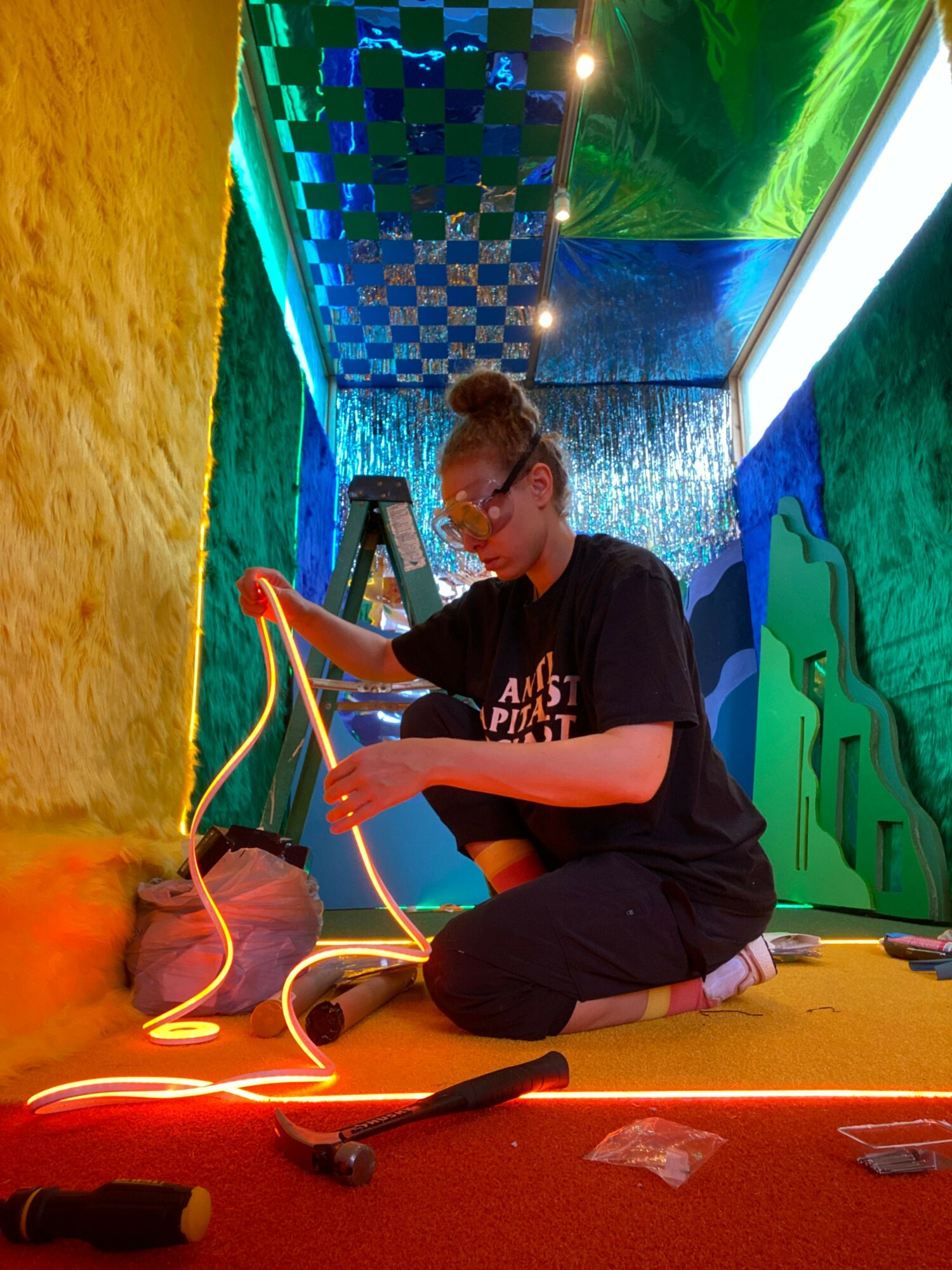
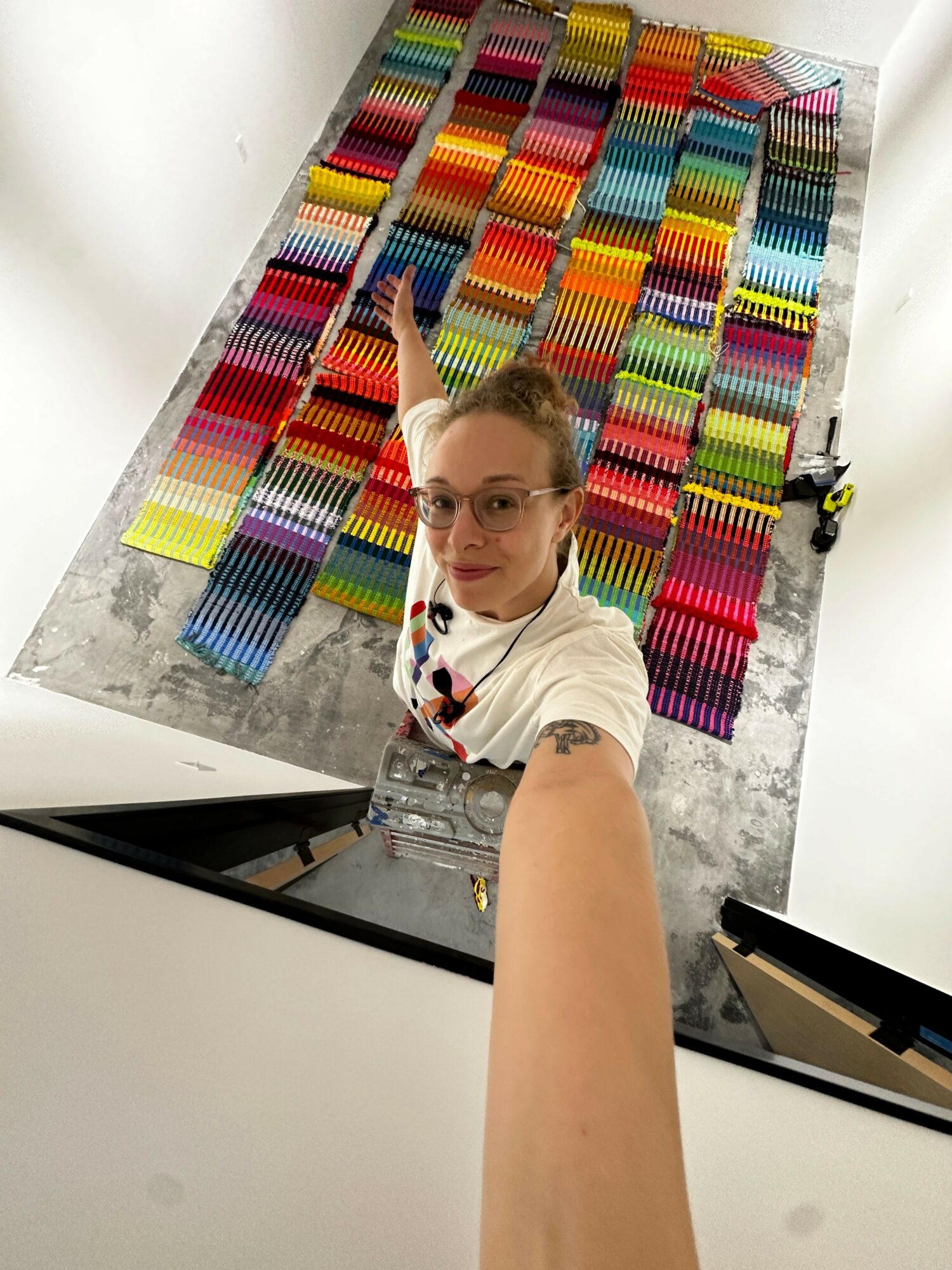
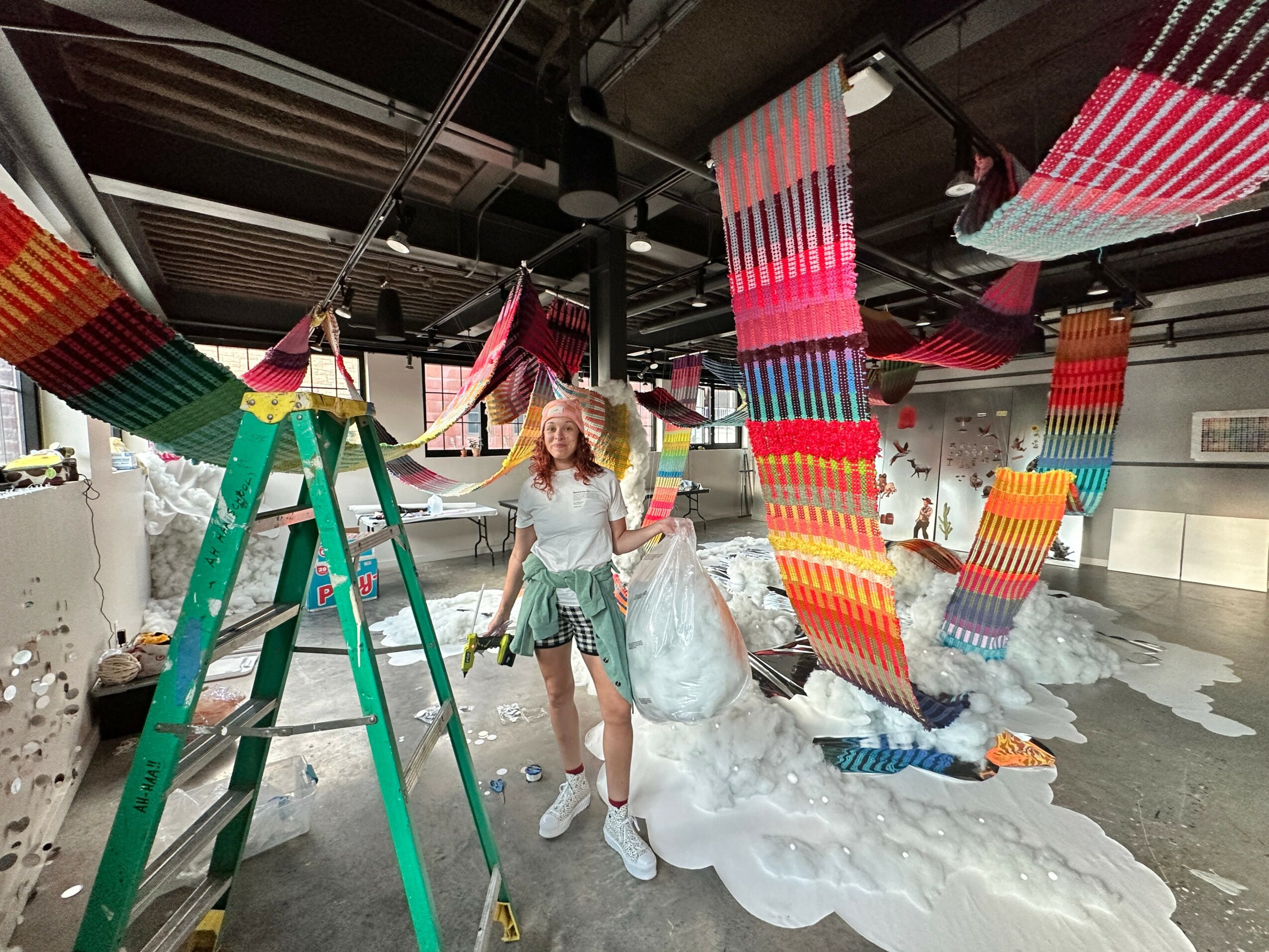
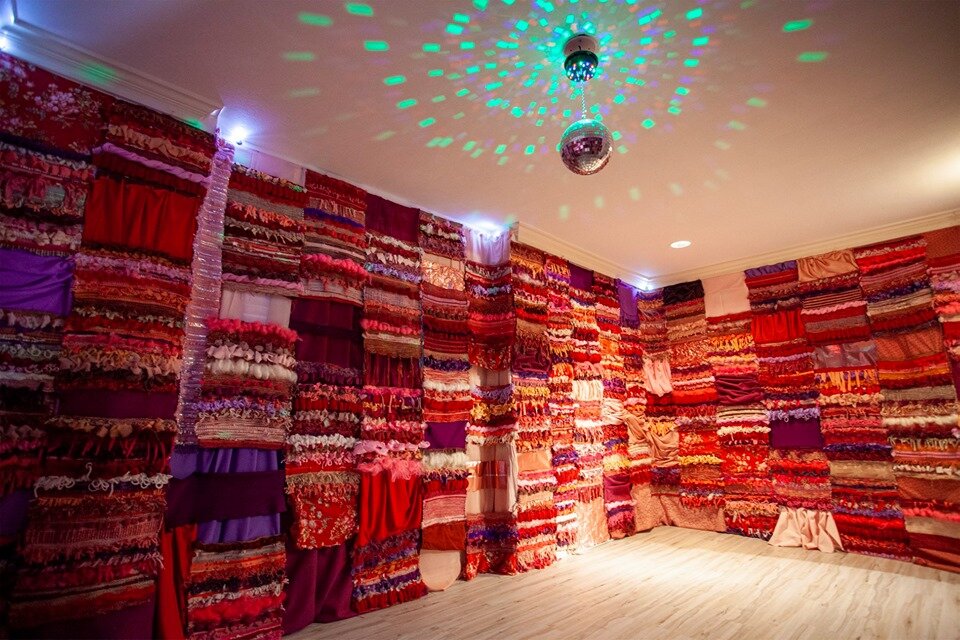
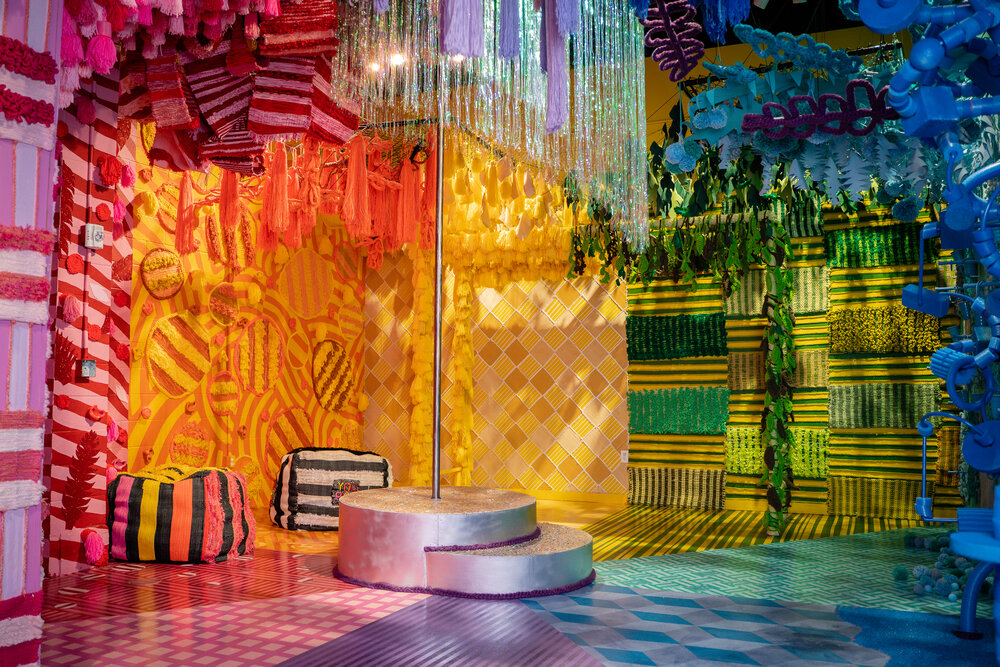
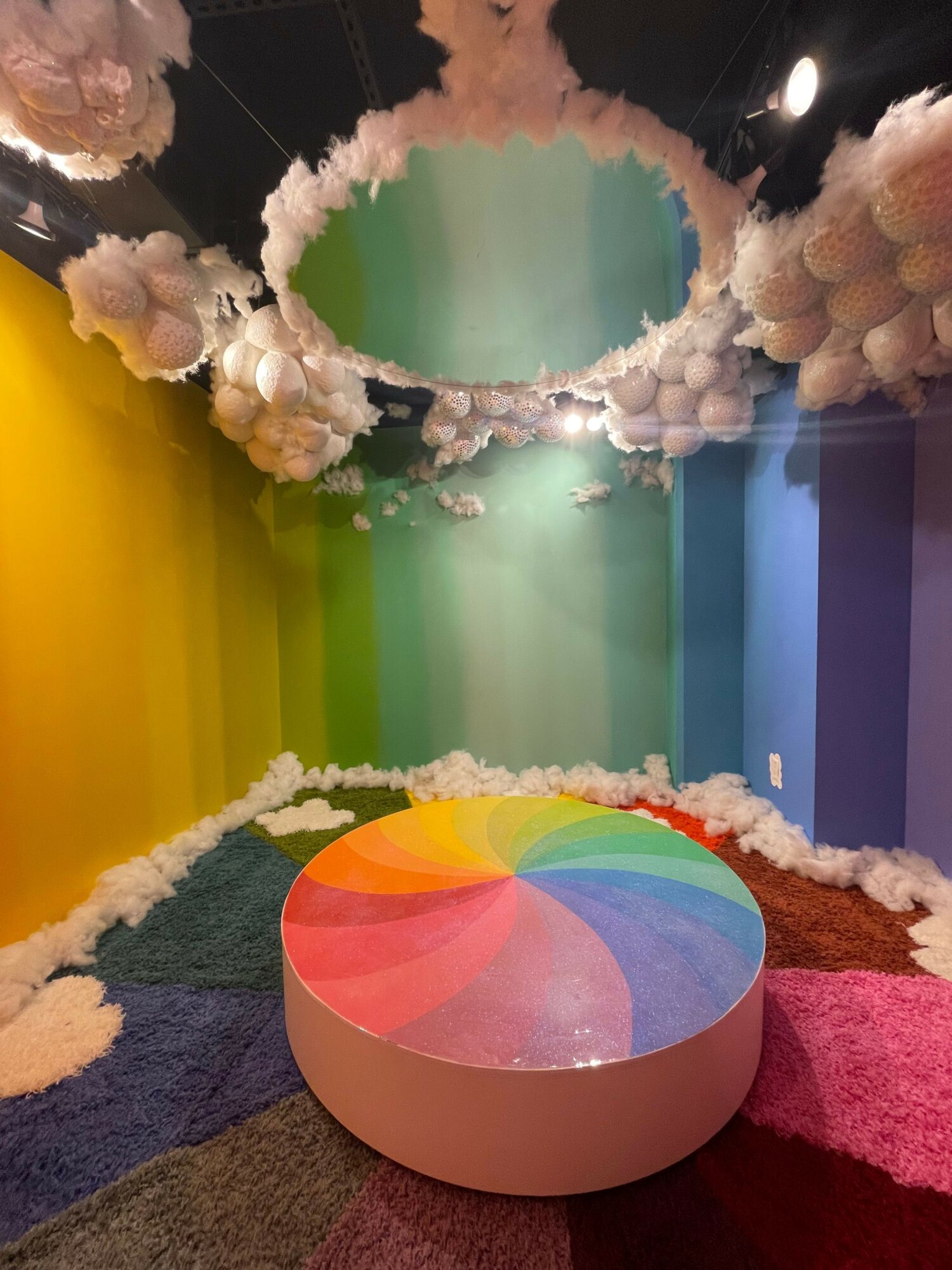
My work is about turning ideas into experiences people want to engage with. I’m a creative director and artist, and I’m most interested in the space between concept, execution and figuring out what something should look like, feel like, sound like, and ultimately mean to the people experiencing it. I am most known for my large and colorful textile installations, though I don’t prefer to box myself in. I like to look at each opportunity as its own, and conceptualize my final product as a custom piece.
I tend to work best when the brief isn’t completely defined yet. I like taking a messy collection of ideas, cultural references, business objectives, personalities, and possibilities and finding the thread that can turn them into something cohesive and memorable. That might become a campaign, an event, a brand experience, an exhibition, a partnership, a piece of content, or an entirely new concept. I’m drawn to projects where there is an opportunity to create something that feels culturally relevant and genuinely interactive rather than simply polished.
My artistic practice is a big part of why I work this way. I’m constantly looking at the world for unexpected connections, questioning familiar visual language, and thinking about how people interact with objects, spaces, and each other. I bring that same curiosity to commercial and organizational work. I’m less interested in following established formulas if they don’t makes sense than I am in figuring out how to make an idea feel specific to its audience and impossible to confuse with someone else’s.
What I’m most proud of is the range of things I’ve been able to create without having to abandon one part of myself for another. I’ve designed products, built communities, developed campaigns, produced visual content, created exhibitions, developed partnerships, made sculpture and installations, and created experiences for very different audiences. Each individual project has informed the next one. I have a lot of individual experiences that I’m also proud of, but mostly it is the domino effect they’ve created. One of the largest grants I’ve received allowed me to create a public artwork in Austin, which opened the door to new partnerships and ultimately a two-month residency at The Line Hotel. Being invited to create work and speak on a panel at Art Basel through Paramount’s Content for Change program led to me showing work in two Art Basel shows the following year. Even a residency in Greece that ultimately turned out to be a scam became the catalyst for me to find another opportunity, which led me to carving marble and eventually to an intensive study with a French sculptor this November. None of those things were guaranteed. They happened because I was willing to take a risk, say yes, put myself out there, and see what came next.
That mindset is also shaping what I’m building now. I’ve been intentionally pulling together my network and bringing my creative direction and marketing skills into events and experiences. Most recently, I pitched a brief to Dinah Shore in Palm Springs, an event I’ve wanted to attend for nearly a decade. By offering to produce marketing content in exchange for access to the weekend’s events, I’m bringing a group of creative friends with me. Something that began as a personal goal has turned into a creative opportunity and a shared experience amongst other talented and well deserving folks. That kind of alchemy—taking what I have, seeing what it could become, and creating an opportunity where one didn’t previously exist—is probably what I’m best at.
I think what sets me apart is that I’m both a maker and a strategist. I care deeply about the idea, but I also know what it takes to actually get the idea into the world. I’m happiest at the beginning of a project, when there’s still room to ask, “What could this be?” and then staying involved long enough to make the answer real.
How do you think about luck?
I’m not sure I believe in luck in the way people typically talk about it. I believe in the sun, the moon, the stars, and in circumstance. I believe there are things we cannot control, moments when the timing is inexplicably right or wrong, and forces much bigger than ourselves that shape where we end up.
But I think privilege plays a much bigger role than luck. Access to money, education, time, networks, geography, health, and simply having the ability to take a risk can dramatically change what opportunities are available to someone. I try to be honest about the advantages I’ve had while also recognizing how much work happens behind the opportunities people eventually see.
A lot of what might look like luck in my career has actually been persistence, accountability and a willingness to make something out of circumstance. I’ve taken plenty of risks that could have easily gone nowhere: proposing the strange idea with no proof of outcome, traveling somewhere unfamiliar, or saying yes before I knew exactly what would come next. Sometimes those risks have led to incredible opportunities. Sometimes they’ve cost me money, time, or a my ego. But almost every meaningful turn in my career has started with being willing to risk something.
An opportunity comes along, I say yes, I take a risk, I meet someone, I make something, and that experience leads to another one. Sometimes the original plan completely falls apart and something better, or simply different, comes from it. My career has been shaped by those domino effects.
It sounds corny, but I do think you can increase the number of chances you have for something unexpected to happen when you let go of control. It has probably taken me my entire life to learn how to do that, and honestly, I’m still learning. Every day, I’m faced with some new reminder that I can’t control everything, but maybe, just maybe… I don’t need to.
Ultimately, I am grateful for the circumstances that have worked in my favor, honest about the ones that haven’t, and committed to continuing to take thoughtful risks. I’d rather have a life shaped by the things I was brave enough to try than one shaped by the things I was too afraid to risk. Like skiing. I took a residency in Jackson Hole in 2024 and decided I was going to learn to ski on my 31st birthday. I had spent my entire life not skiing, even though I was born and raised in the coldest winters full of snow and winter sports. I was terrified but I knew it was just something I had to do once. So I forced myself out of my comfort zone, and now I ski every year and love it. Simple as that.
Contact Info:
- Website: https://www.mollysydnor.com
- Instagram: mollymargaretdesigner
- LinkedIn: https://www.linkedin.com/in/molly-sydnor-324b5557/