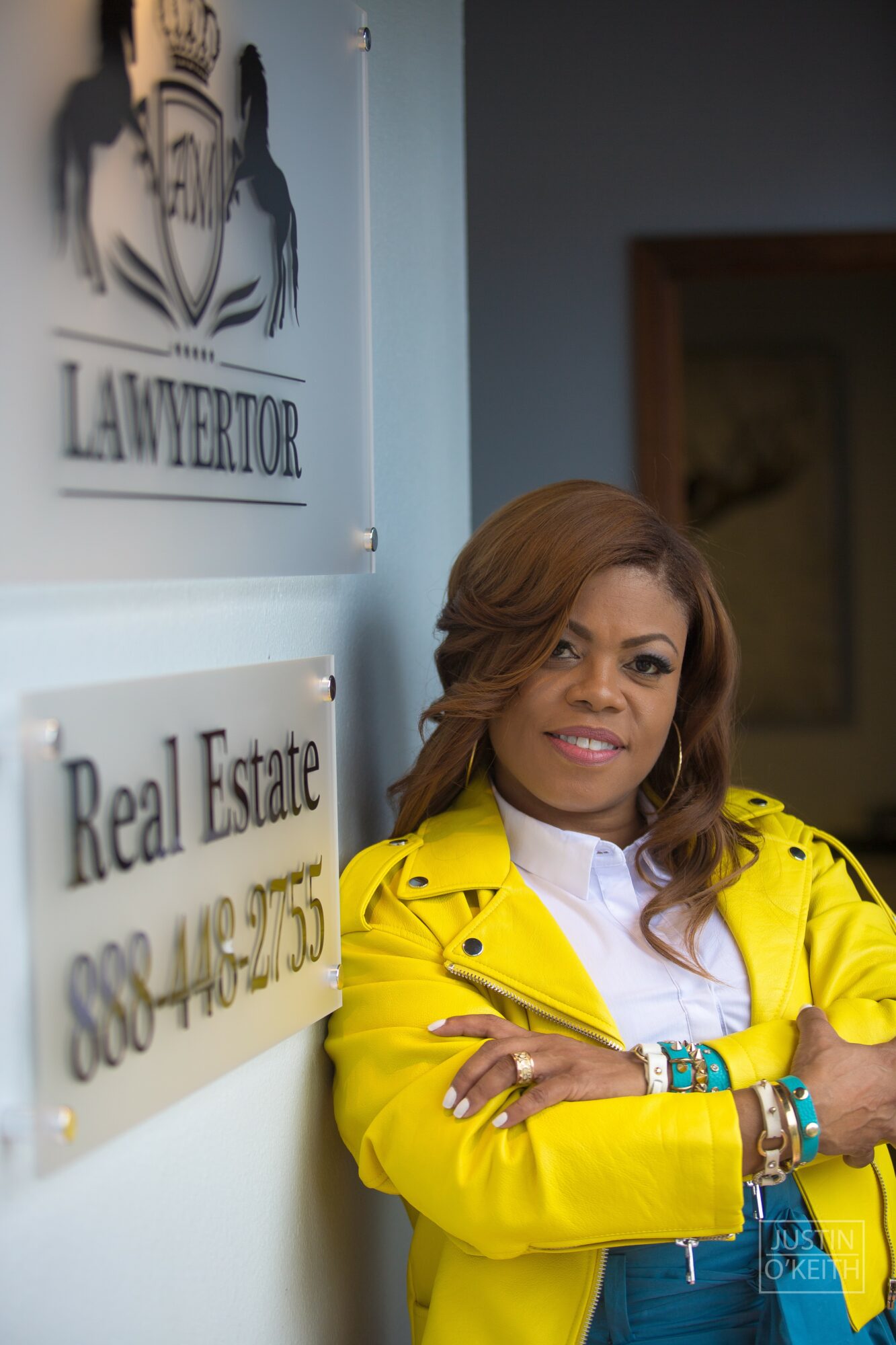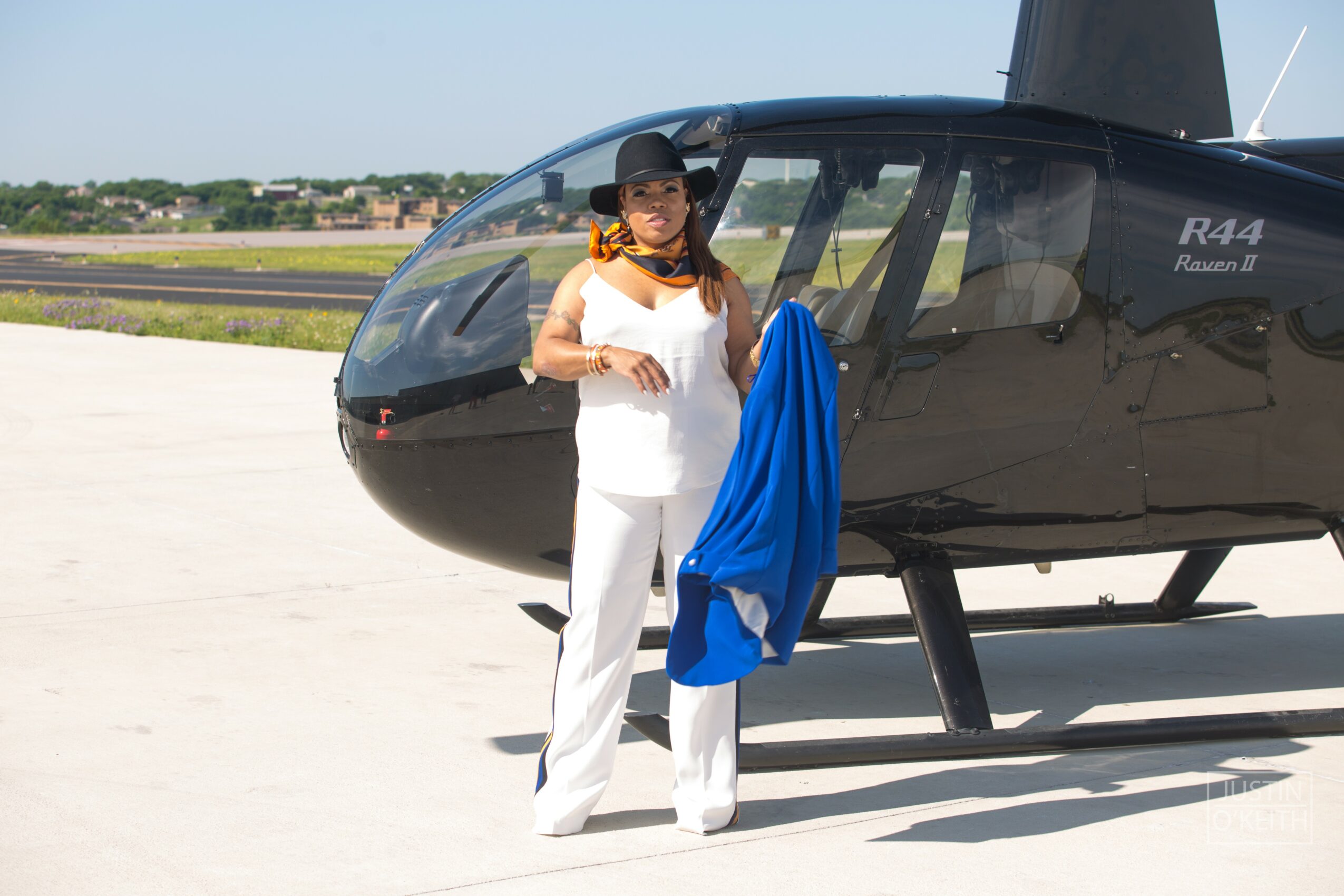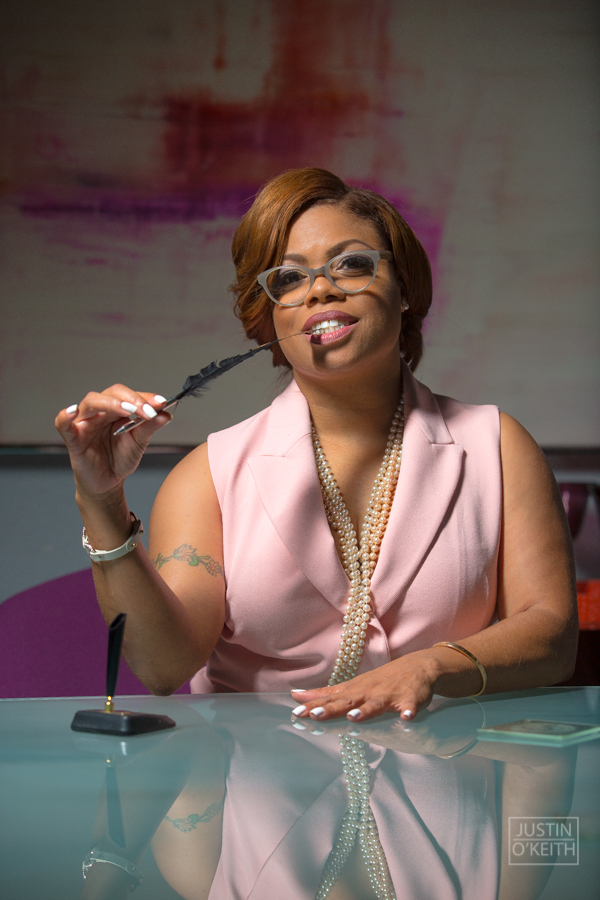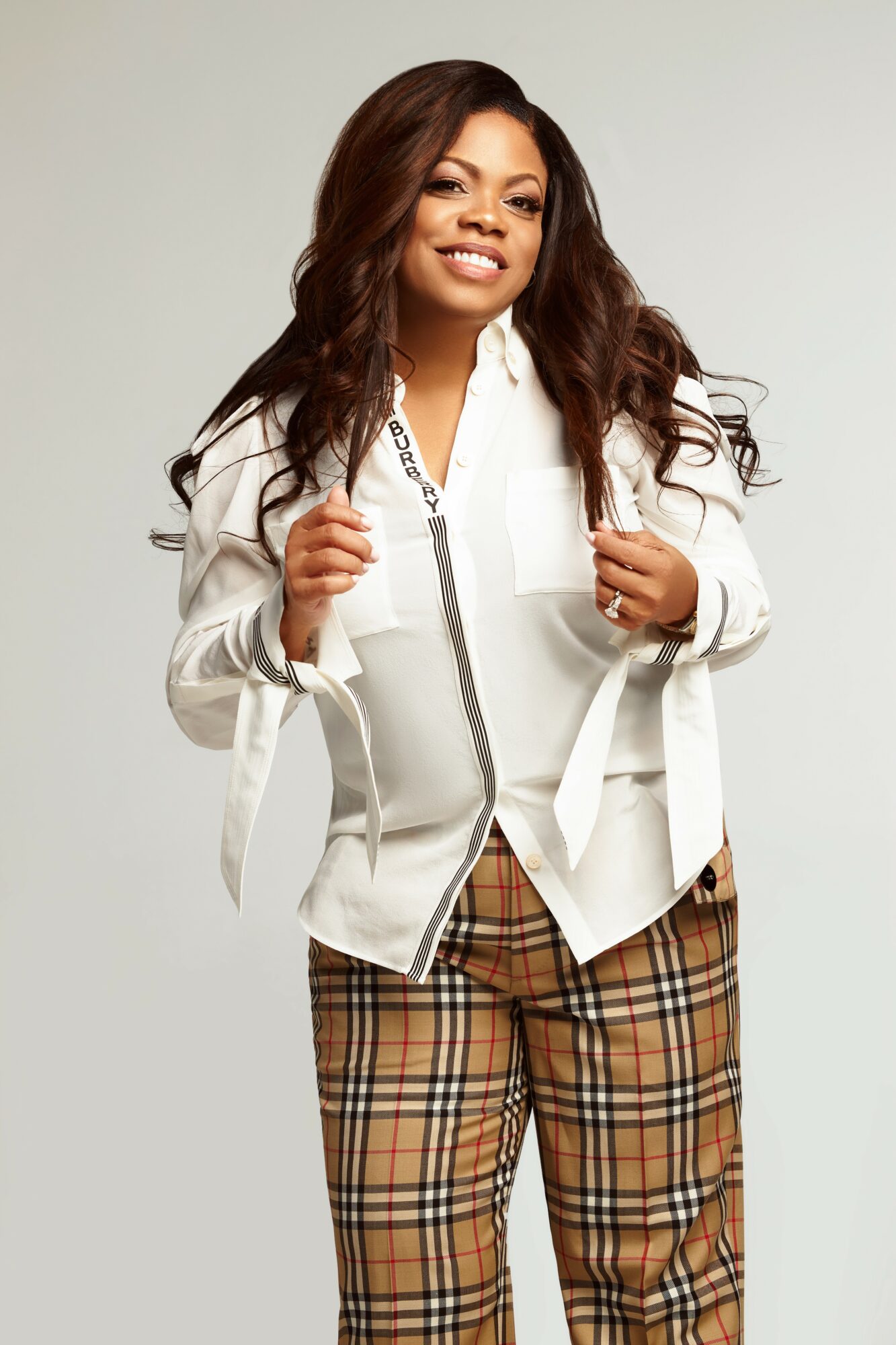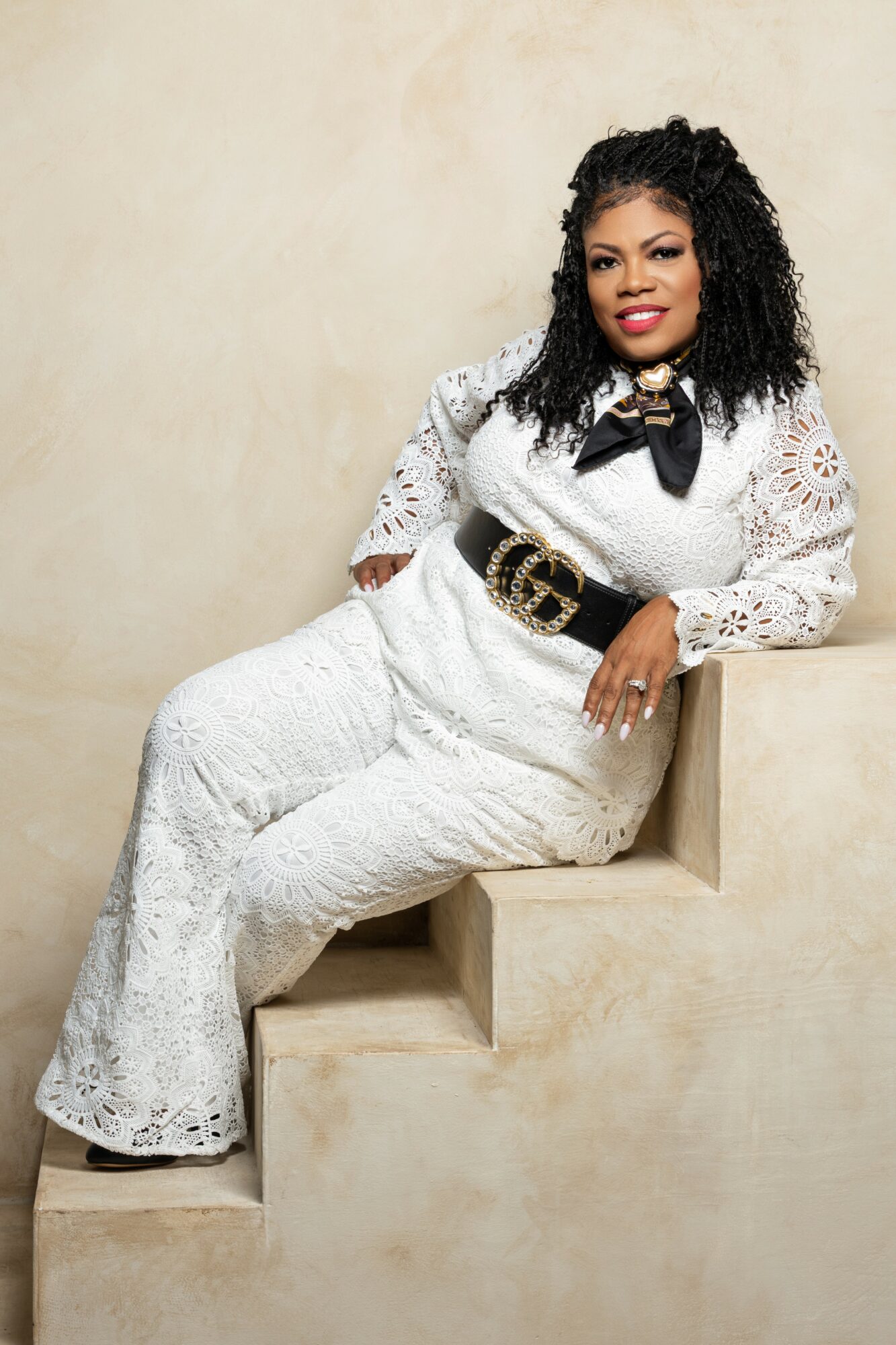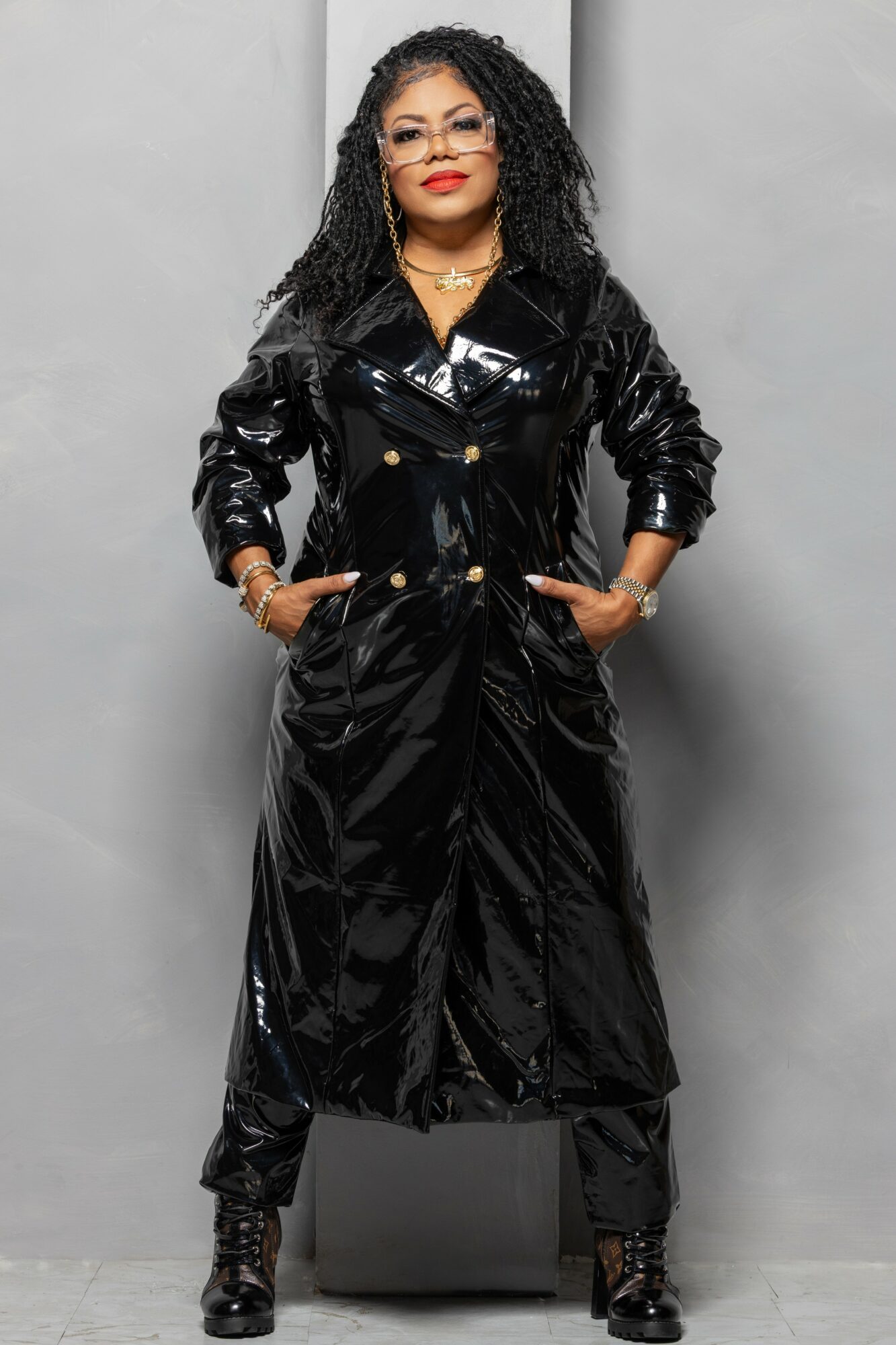





Today we’d like to introduce you to Alisha Melvin.
Hi Alisha, thanks for sharing your story with us. To start, maybe you can tell our readers some of your backstory.
I did not take the traditional path to becoming an attorney, business owner, real estate broker, or educator. I left high school and later earned my GED. From there, I continued my education, eventually earning my bachelor’s degree from the University of Texas at Dallas and my law degree from Thurgood Marshall School of Law.
Real estate was actually part of my professional life long before law. I have worked in the industry for more than 25 years, and over time I began to understand just how closely property, business, family, wealth, and the law are connected. Becoming an attorney allowed me to bring those worlds together. Today, my work includes real estate, probate, estate and legacy planning, business matters, and helping people protect property and the things they have worked hard to build.
I am also a real estate broker and instructor, and teaching has become an increasingly important part of what I do. I enjoy taking subjects that can feel complicated, whether it is a contract, a real estate transaction, probate, or emerging technology, and helping people understand what it actually means for their lives and businesses.
More recently, artificial intelligence has become another important chapter in that story. I became deeply interested in how professionals can use AI to become more effective without surrendering the judgment, responsibility, privacy, and expertise that make them professionals in the first place. That work led me to develop the AMELIA Blueprint and to spend more time teaching about responsible AI adoption and governance, particularly for lawyers, real estate professionals, entrepreneurs, and other experts.
What connects all of these chapters for me is legacy. I understand what it means for the road not to be straight. I also understand how education, ownership, good advice, technology, and opportunity can change the direction of a family.
So today, whether I am practicing law, working in real estate, teaching a class, speaking about AI, or building something new, I am really doing the same thing I have been doing throughout my career: helping people understand what they have, what they are building, and how to protect it.
That is also why the title of my memoir, “GED to JD: A Memoir, From Dropout to Lawyer,” means so much to me. It is not simply about becoming a lawyer. It is about what can happen when you refuse to let where you started determine where you finish.
Would you say it’s been a smooth road, and if not what are some of the biggest challenges you’ve faced along the way?
No, it has definitely not been a smooth road.
I became a mother at 16. At an age when most young people were thinking about school dances and graduation, I was thinking about childcare, transportation, work, and how I was going to take care of a child while still trying to figure out my own life.
I did try to return to traditional high school, but the structure simply did not fit the responsibilities I had. Choosing to pursue my GED was not me giving up on education. It was actually one of the first times I learned an important lesson that has followed me throughout my life: sometimes you have to stop trying to force yourself through the route everybody says you are supposed to take and find another way to the destination.
There were plenty of struggles after that. I worked. I went to beauty school. I became a cosmetologist and entrepreneur. I raised my children. I experienced grief and loss. I went back to school and earned a college degree while continuing to carry real-life responsibilities. Then came law school, with its own financial pressures, exhaustion, sacrifice, and moments when I had to wonder whether I had taken on more than I could handle.
Even becoming a lawyer did not happen in one perfect, triumphant moment. I had setbacks along the way, including having to take the bar examination more than once. That was humbling. But one of the things life had already taught me was that failing at something and being a failure are two very different things.
My career has not been a straight line either. I have built businesses, had things work, had things not work, started again, practiced law, worked in real estate, taught, and continually reinvented myself as both the world and my own responsibilities changed.
I think that is why I have such an appreciation for people who are trying to build something while carrying things no one else can see. I know what it feels like to be working toward a future while also trying to survive the present.
Looking back, many of the things that once felt like detours became part of my preparation. Beauty school taught me business and how to serve people. Real estate taught me ownership and negotiation. Motherhood taught me responsibility long before I was ready for it. Law taught me how much protection and good counsel matter. And now technology and AI have opened another chapter where I am learning, teaching, and building again.
The road has certainly not been smooth. But I have learned not to confuse a difficult road with the wrong road.
And I think that may be one of the most important lessons of my story.
Alright, so let’s switch gears a bit and talk business. What should we know?
My work sits at the intersection of law, real estate, legacy protection, education, entrepreneurship, and emerging technology.
Through the Law Office of Melvin & Associates, my legal practice focuses on real estate, probate and estate matters, business and contract issues, and helping individuals and families protect property and preserve what they have built. I am also a licensed real estate broker and operate Alisha Melvin, Esq. Real Estate Services, also known as Real & Estates, where my legal and real estate backgrounds give me a different perspective on transactions, ownership, risk, and long-term planning.
What ties those businesses together is legacy.
I have spent more than 25 years in real estate, and one thing I have learned is that buying property is only one part of building wealth. The bigger questions often come later: How is the property titled? What happens if someone dies? Is there a business involved? Is there a dispute among family members? Is the agreement actually protecting what everyone thinks it is protecting? Who has authority to sell, inherit, manage, or transfer the asset?
Those are the places where law, real estate, and life intersect.
Education is another major part of my work. I teach real estate professionals and speak to business owners and professionals because I believe people make better decisions when someone takes the time to explain not only what a document or rule says, but what it means in the real world.
More recently, that philosophy has expanded into artificial intelligence. I created the AMELIA Blueprint to help professionals think about AI adoption through the lens of governance, responsibility, and human judgment. I am fascinated by what AI can help us accomplish, but I do not believe technology should replace professional expertise. My approach is that experts drive AI. The technology should assist the professional, while the human remains responsible for judgment, ethics, privacy, compliance, and the final decision.
That combination is probably what sets my work apart. I am not approaching property only as a broker, law only as an attorney, or AI only as a technology enthusiast. I have spent years seeing how these systems affect real people, businesses, families, and assets.
I am particularly proud that my businesses have evolved with me without losing their central purpose. Whether I am helping someone protect a home, navigate an estate, structure a business relationship, teach a room of real estate professionals, or show professionals how to use AI responsibly, the goal is essentially the same:
Understand what you are building. Protect it properly. And think beyond today to the legacy it will leave behind.
We all have a different way of looking at and defining success. How do you define success?
My definition of success has changed over the years.
There was a time when success meant reaching the next milestone: earning the degree, becoming a lawyer, building the business, buying the property, getting the title. Those accomplishments mattered, especially because none of them felt guaranteed when I was a teenage mother with a GED trying to figure out what came next.
Today, I define success much more broadly.
Success is having the ability to use what I have learned to create choices, not only for myself, but for my family and for the people I serve. It is being able to help a client protect a home or an inheritance, help a professional understand something that could change the way they practice, or teach someone something that gives them the confidence to make a better decision.
It is also having enough wisdom to recognize that being busy is not the same thing as being successful. I have spent much of my life proving that I could carry a lot. At this stage, I am much more interested in building a life where I do not have to carry everything simply because I can.
Success means meaningful work, financial stability, time with the people I love, peace of mind, the freedom to keep learning and creating, and the ability to leave something behind that continues to matter after I am gone.
That is where the idea of legacy becomes important to me. Legacy is not only what someone inherits financially. It is also knowledge, access, values, confidence, opportunity, and the example you leave for the people coming behind you.
Professionally, I want the businesses, systems, technology, and ideas I build to make people better equipped, not more dependent. Even with artificial intelligence, I believe the human must remain in the driver’s seat. Technology can make us faster and more capable, but it should never cause us to surrender judgment, responsibility, or humanity.
So for me, success is not simply being able to say, “Look at everything I accomplished.”
It is being able to look at my life and say, “What I built made a difference, I was present for the people I love, and I did not lose myself while building it.”
Contact Info:
- Website: https://www.alishamelvin.com
- Instagram: https://www.instagram.com/alishamelvinesq/
- Facebook: https://www.facebook.com/alishamelvinesq/
- LinkedIn: https://www.linkedin.com/in/alishamelvin/
- Twitter: https://x.com/alishamelvinesq
- Youtube: https://www.youtube.com/channel/UCl88qAUoikoDoZhp5G2AkOw
- Other: https://gedtojd.com